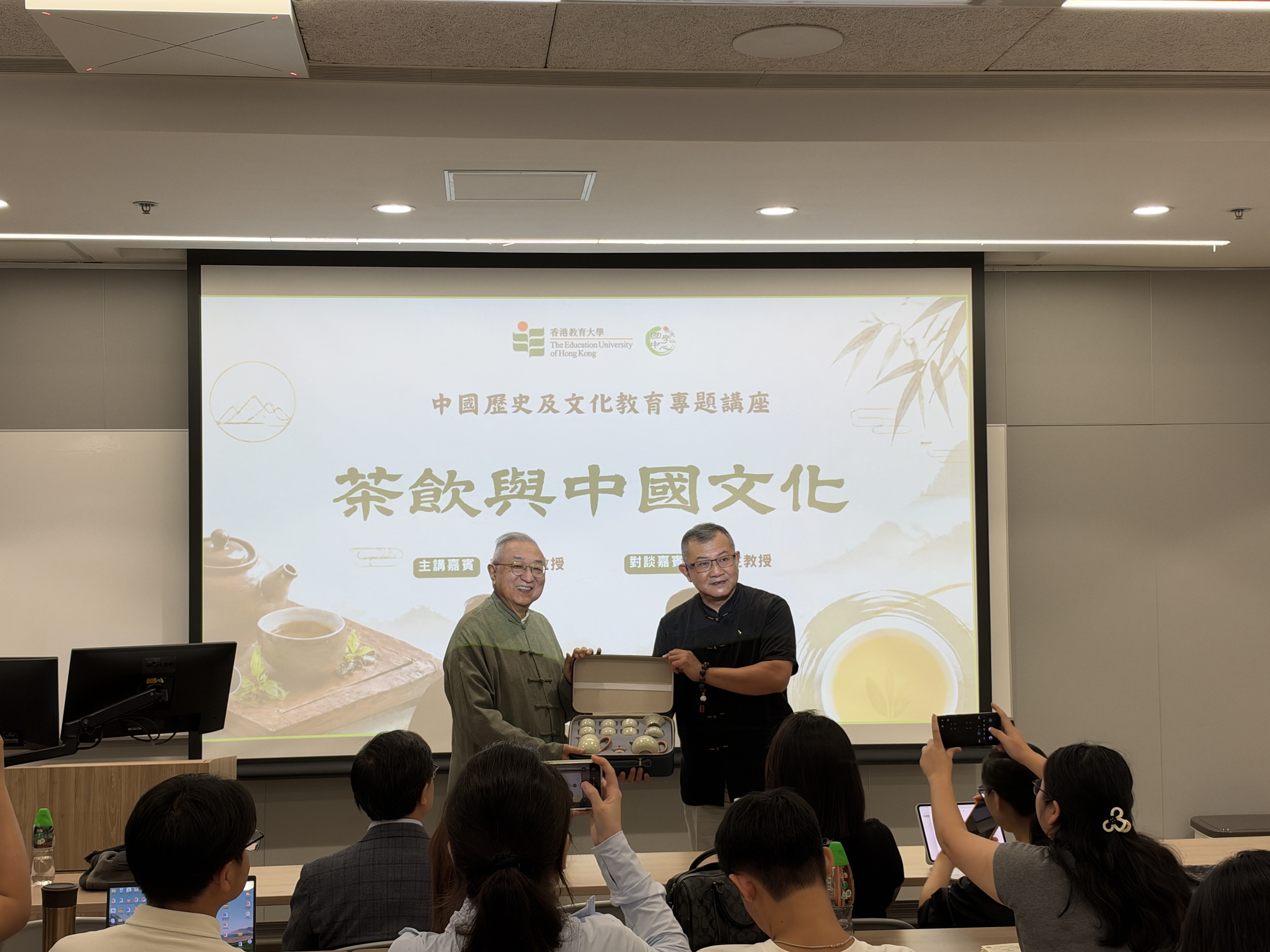


EdUHK Chinese History and Culture Education Talk
Exploring the Connection Between Chinese Tea and Culture
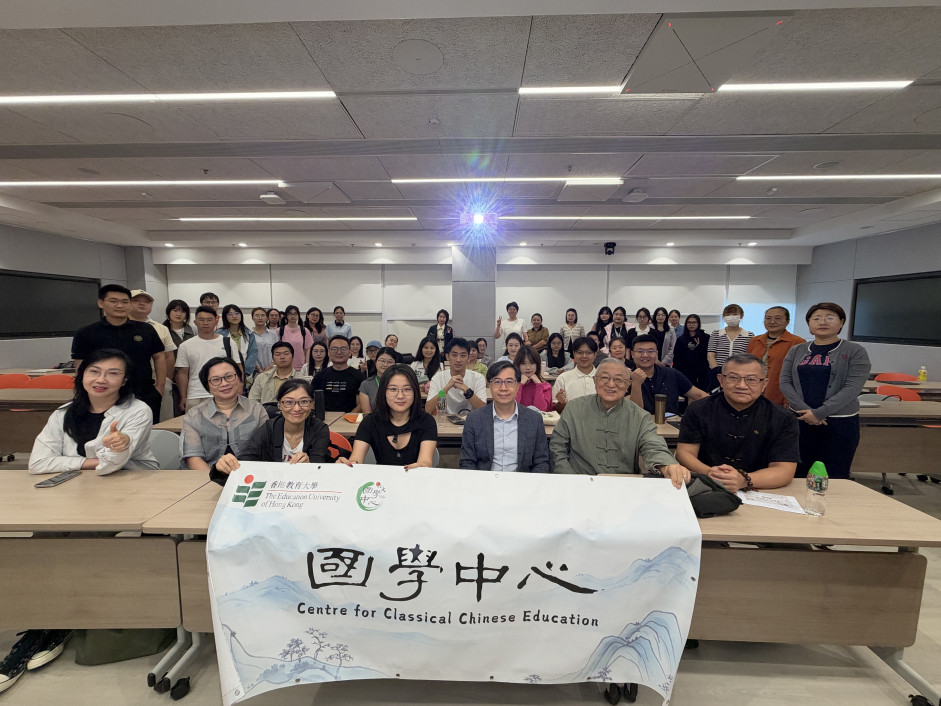
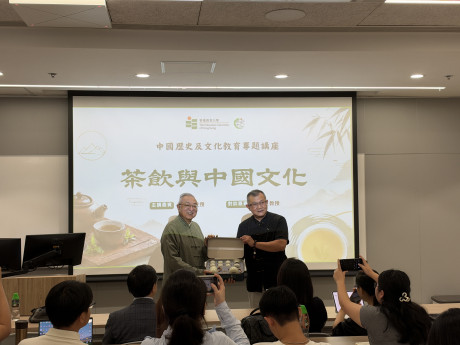
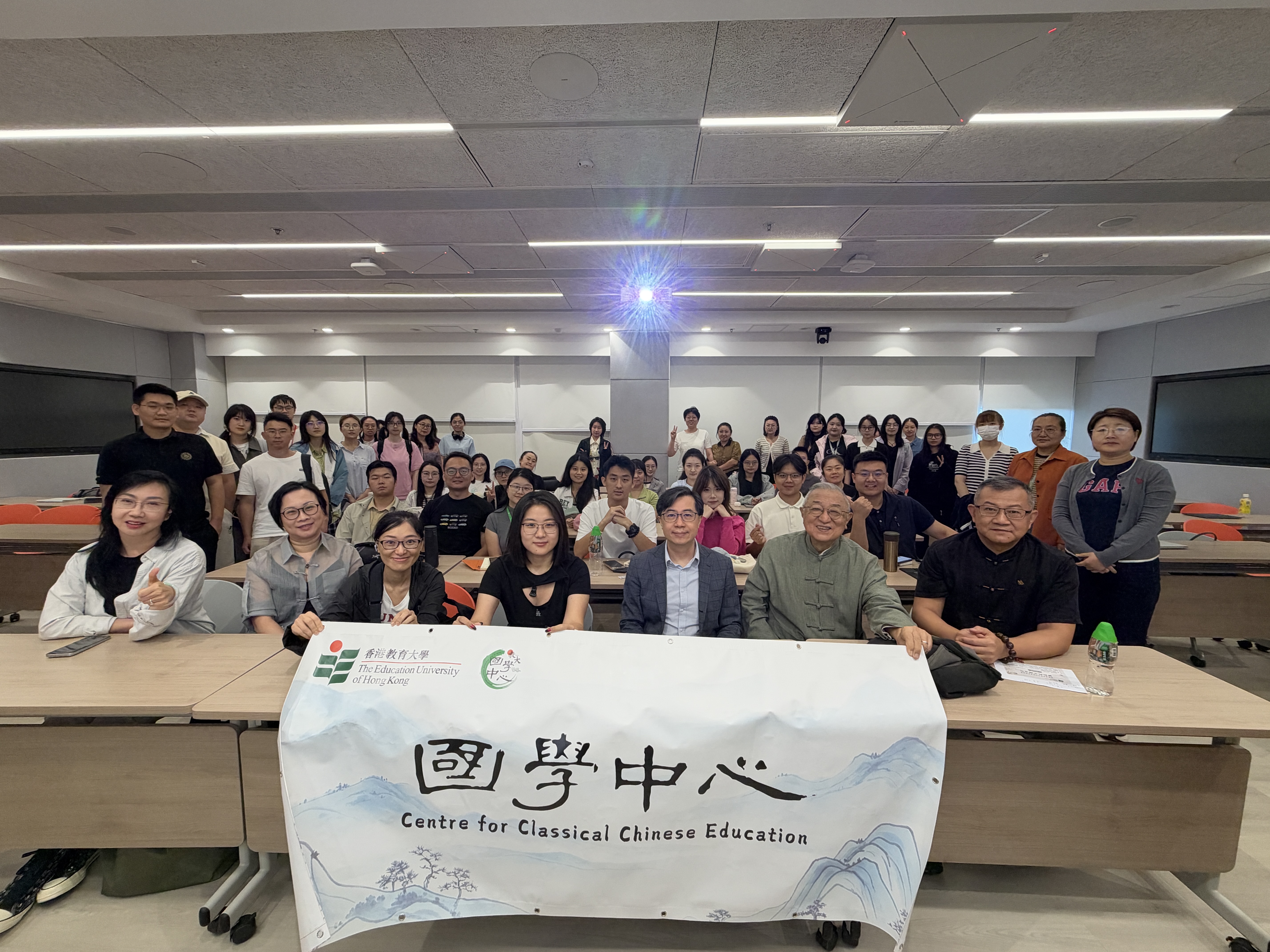
The Education University of Hong Kong (EdUHK) hosted the second session of its Chinese History and Culture Education Talk on 7 October at the Tai Po Campus. Centred on traditional Chinese tea culture, the talk systematically reviewed the historical origins, evolution, and spiritual essence of tea, guiding participants to appreciate its cultural depth and historical significance. Conducted in a hybrid mode, the event drew over 200 participants both online and in person.
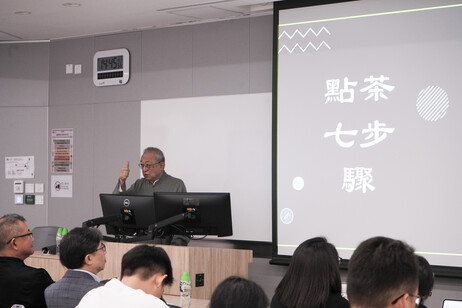
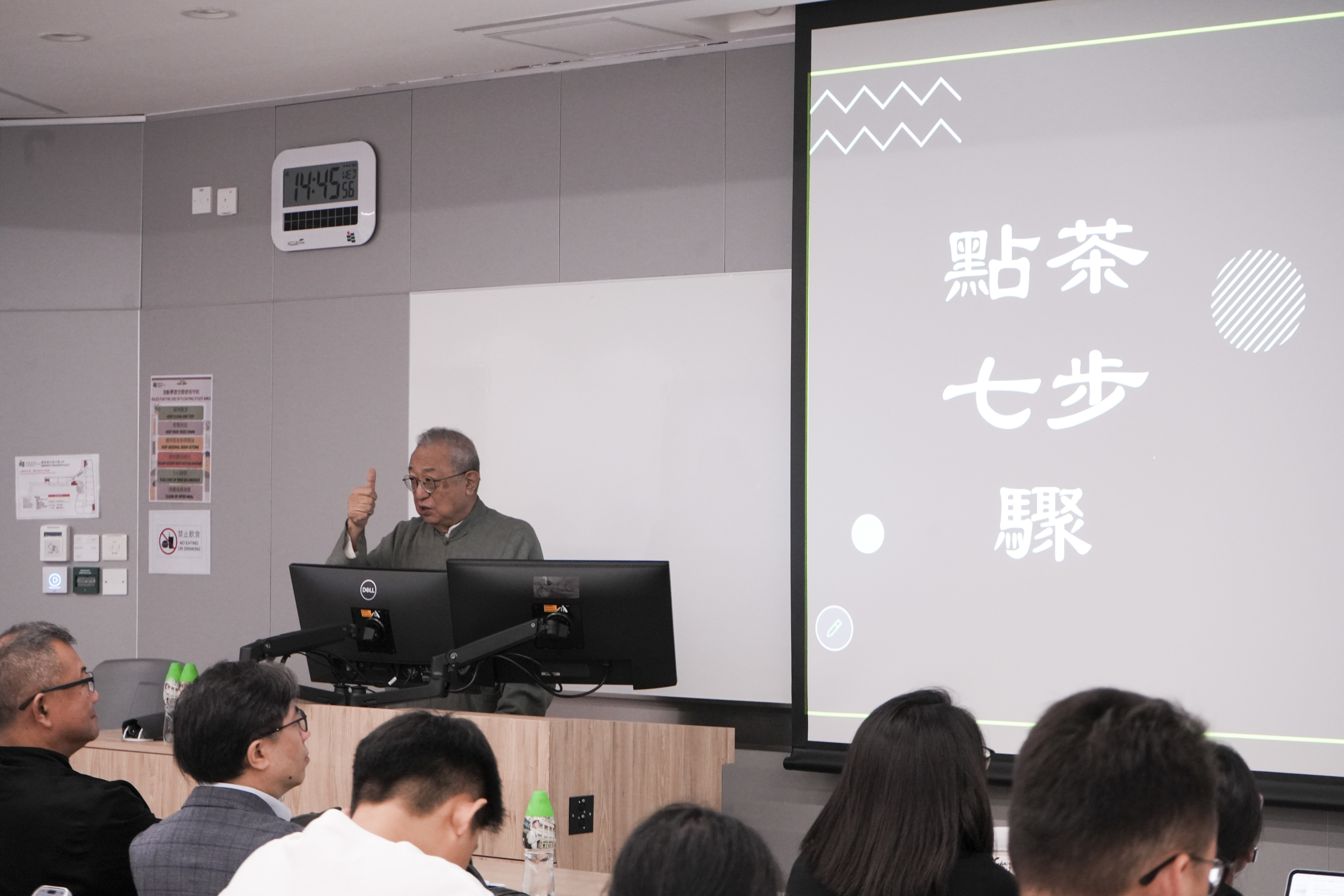
Themed “Tea and Chinese culture”, the talk was moderated by Mr Chau Lap, Executive Co-Director of the Centre for Classical Chinese Education (CCCE) at EdUHK, and delivered by Professor Cheng Pei-kai, Distinguished Adjunct Professor of Beijing Normal-Hong Kong Baptist University. Using The Classic of Tea (《茶經》), written by Lu Yu in the Tang Dynasty, as a starting point, Professor Cheng traced the development of Chinese tea culture through archaeological discoveries, evolving tea-drinking practices across dynasties, the refinement of tea ware, and the selection of water for tea preparation. His presentation illuminated the traditions and cultural significance embedded in Chinese tea culture.
Professor Cheng highlighted that the concept of “The Way of Tea Drinking”(飲茶有道)reflects a transformation from meeting physical needs to pursuing spiritual and cultural appreciation, embodying the profound wisdom and heritage of Chinese civilisation.
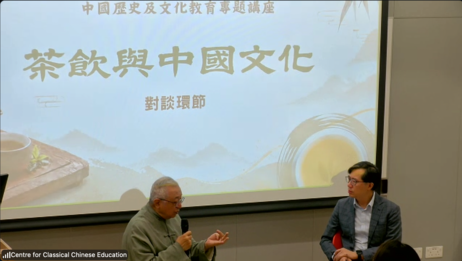
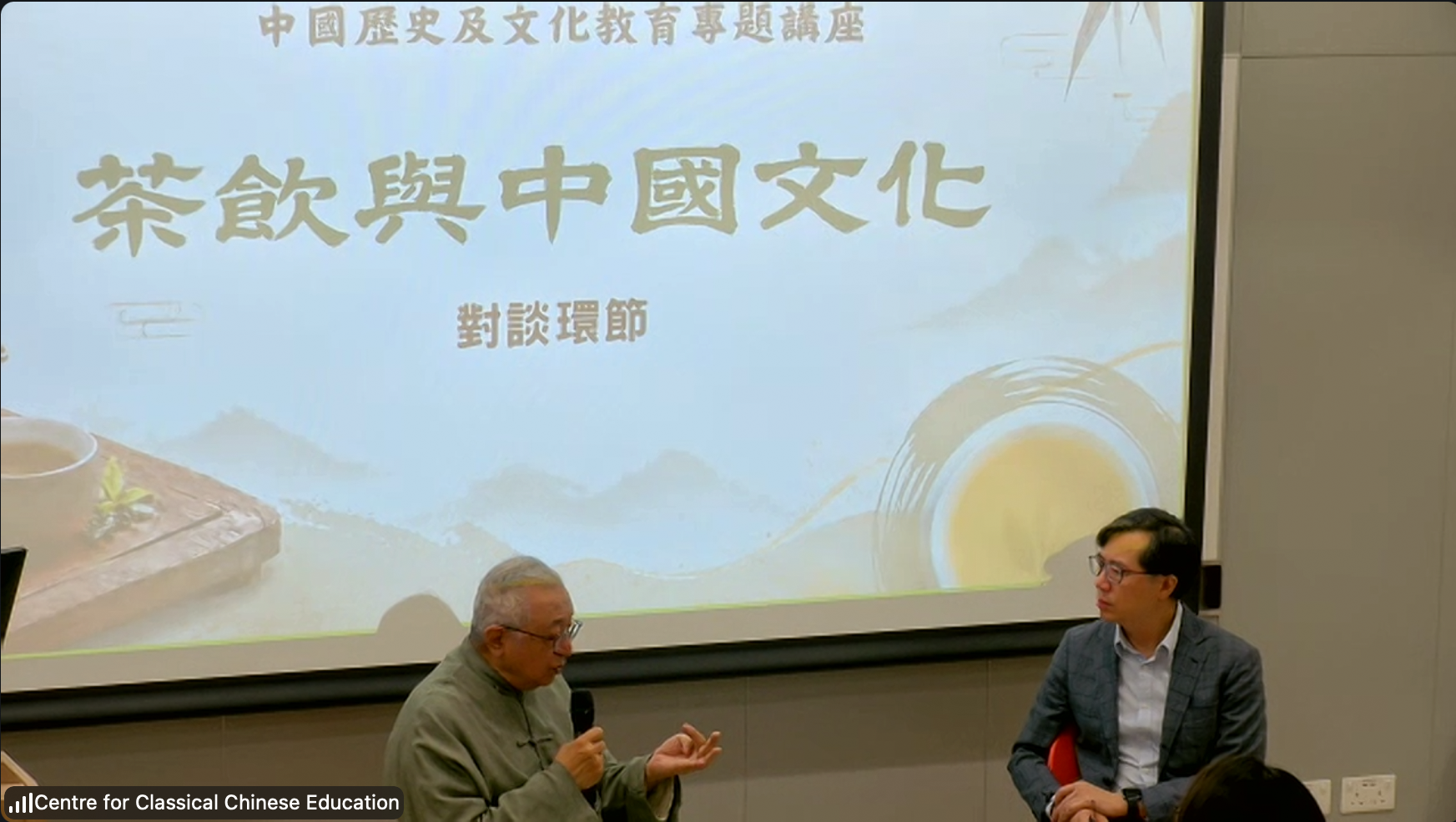
The presentation was followed by a dialogue between Professor Cheng and Professor Lee Kwai-sang of EdUHK’s Department of Literature and Cultural Studies. Together, they examined the enduring philosophical foundation of tea culture and how the physical act of tea drinking has evolved into a spiritual pursuit. Participants responded enthusiastically to the exchange and insights shared.
The Chinese History and Culture Education Talk Series is initiated by the Task Force on Chinese History and Culture Education and implemented by the CCCE. It aims to deepen Chinese history and cultural education, enrich the knowledge and competencies of students and teachers, and promote the preservation, inheritance and dissemination of Chinese history and traditional culture. The first talk, held in April this year, focused on the traditional Chinese philosophical concept of “Unity of Heaven and Humanity”, bridging classical thought with natural science and contemporary education.
EdUHK will continue to organise talks from diverse perspectives to foster academic exchange and intellectual engagement, while advancing the inheritance and innovation development of fine traditional Chinese culture.
-Ends-
EdUHK Chinese History and Culture Education Talk Exploring the Connection Between Chinese Tea and Culture
Download all images