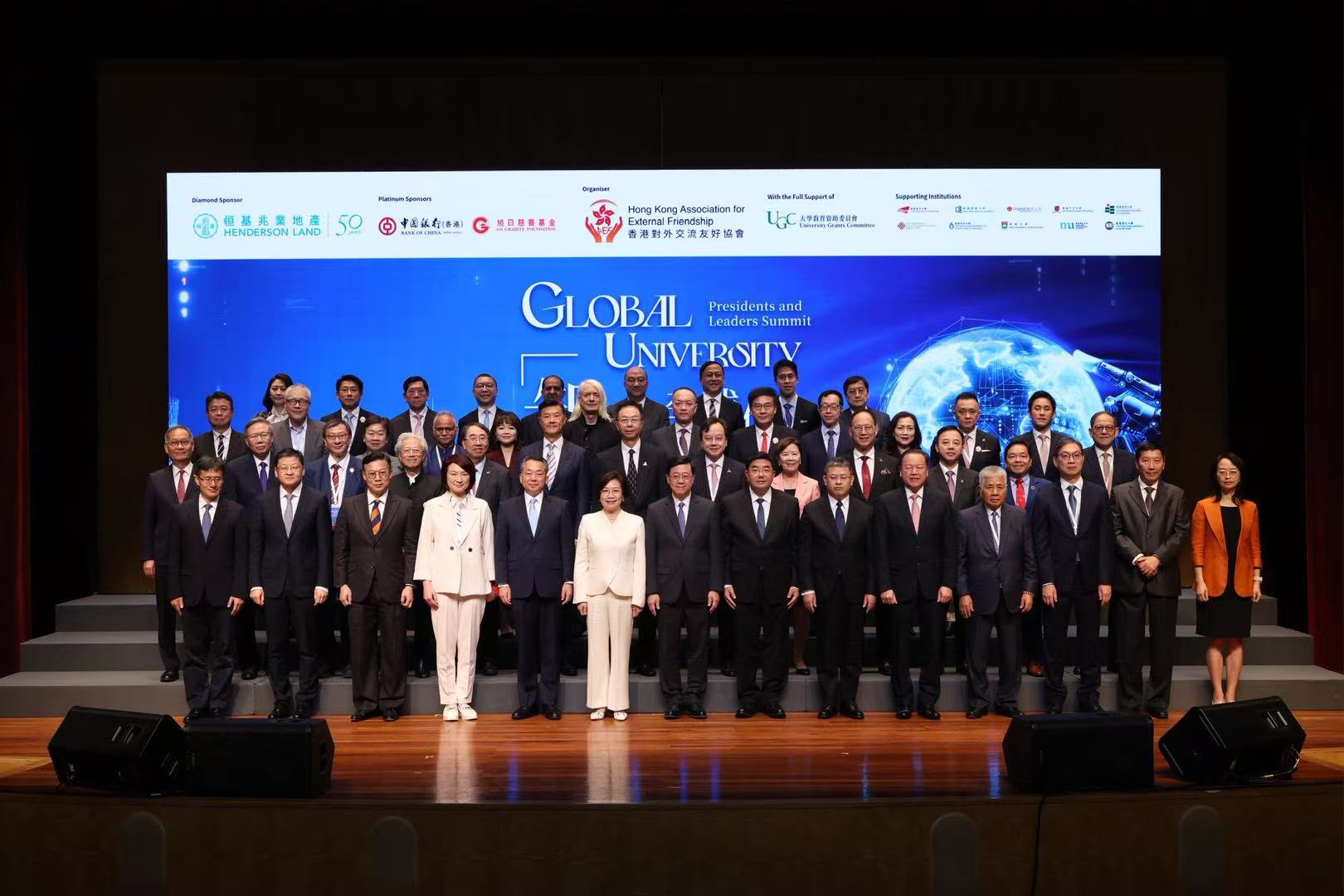


EdUHK Explores Ethical Governance of Artificial Intelligence at Global University Presidents and Leaders Summit 2026
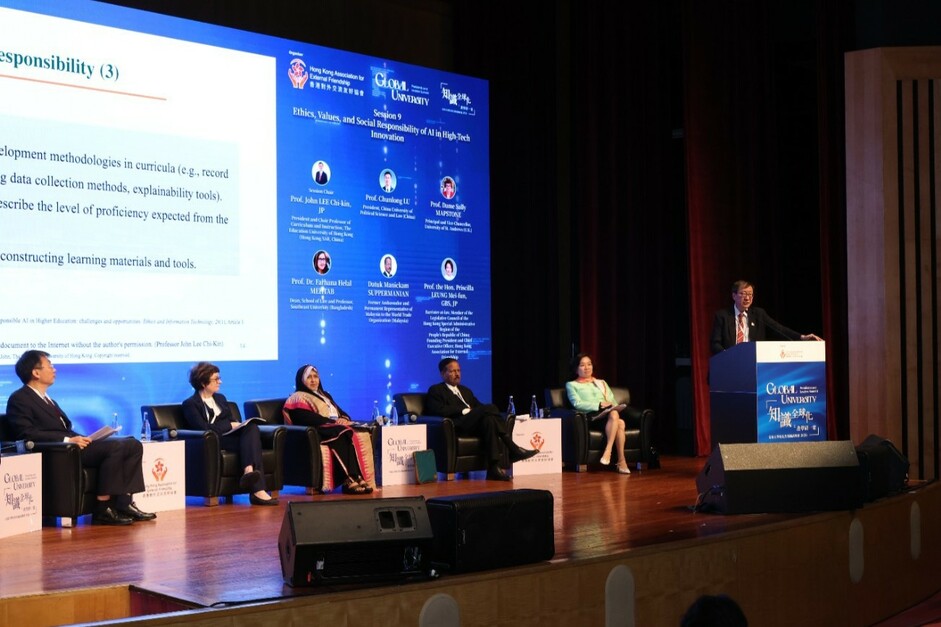
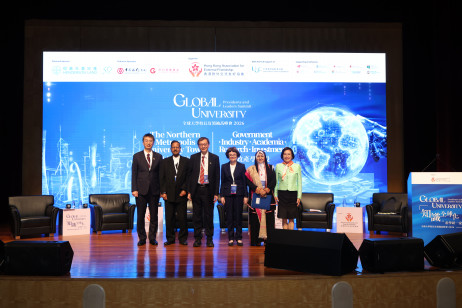
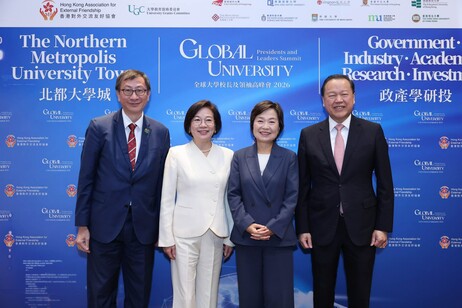
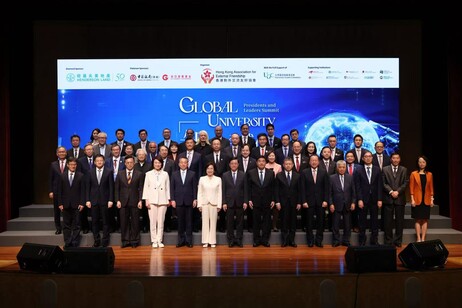
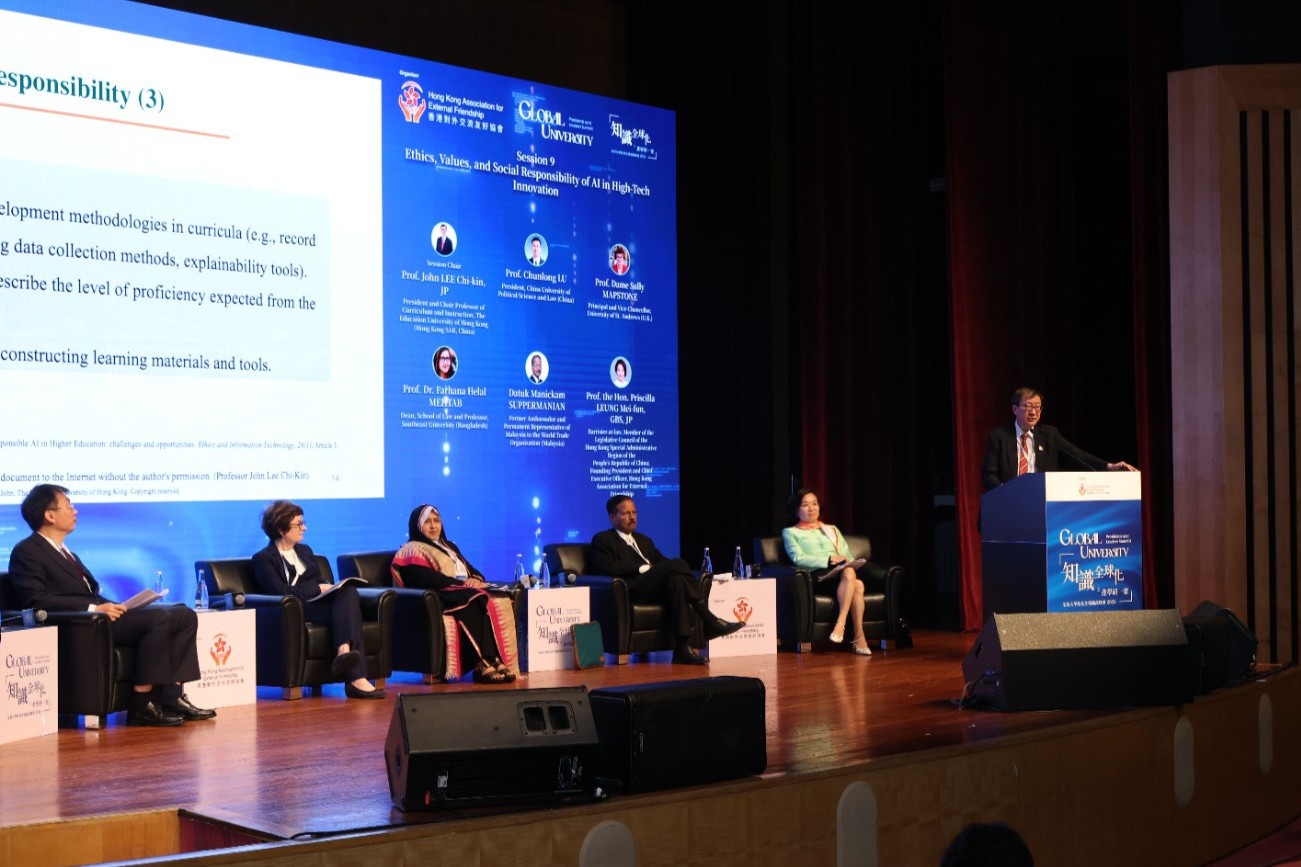
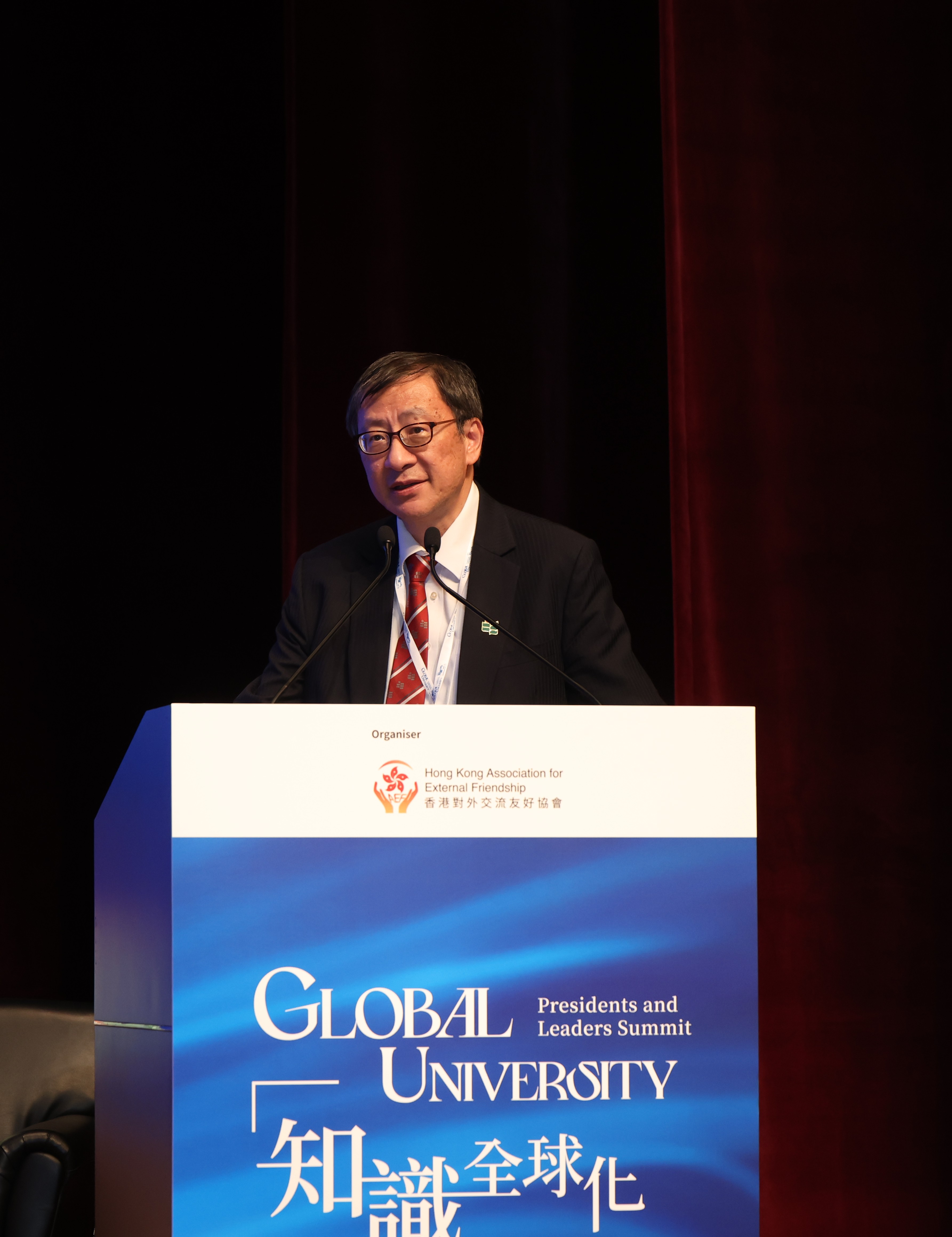
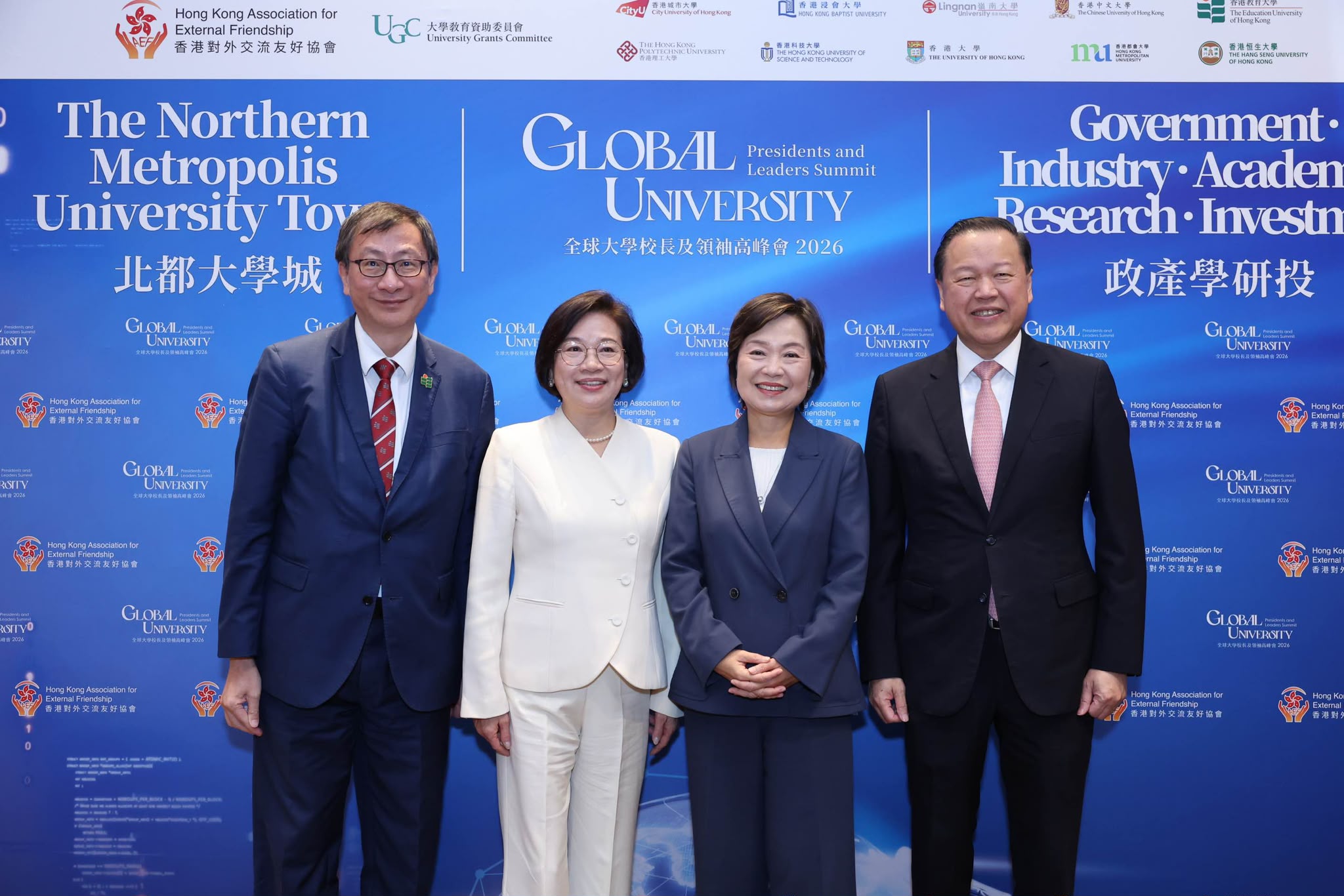
The Education University of Hong Kong (EdUHK) joined more than 50 presidents and leaders of renowned universities worldwide at the Global University Presidents and Leaders Summit 2026, held in Hong Kong from 27 to 28 October 2026. EdUHK President Professor John Lee Chi-Kin chaired a high-level session entitled “Ethics, Values and Social Responsibility of AI in High-Tech Innovation”.
The Summit, organised by the Hong Kong Association for External Friendship with support from the University Grants Committee and local higher education institutions, provided an international platform for dialogue, fostering knowledge exchange and multilateral academic collaboration.
As artificial intelligence (AI) continues to reshape societies, universities are called upon to harness its benefits while addressing complex ethical, equity and governance challenges. The session convened distinguished speakers from the Chinese Mainland, the United Kingdom, Bangladesh, Malaysia and Hong Kong to examine how AI is transforming education, public governance and international relations. Discussions centred on fairness, privacy, accountability and the responsible use of AI to safeguard human dignity and social trust.
Opening the session, Professor Lee emphasised that beyond technological capability, society must reflect on AI's role, the conditions under which it operates, and the communities it serves. He underscored the importance of embedding proper values, accountability mechanisms and respect for human dignity throughout the AI life cycle – from design and data use to accessibility and governance. While recognising AI’s potential in personalised learning, intelligent teaching and learning analytics, he noted the importance of navigating considerations such as algorithmic bias, data privacy, digital resource distribution, maintaining academic integrity, and sustaining teacher–student relationships.
Prominent speakers shared perspectives across law, higher education, gender equality, international trade and cross-border regulation:
- Professor Lu Chunlong, President of China University of Political Science and Law, analysed how law and public policy could balance AI innovation with the protection of public interests. He highlighted universities' important role in national AI governance and in training legal professionals to address emerging technological challenges.
- Professor Dame Sally Mapstone, Principal and Vice-Chancellor of the University of St Andrews, UK, shared practical perspectives on how higher education institutions could introduce AI tools into teaching and research while safeguarding academic integrity, independent thinking and teacher–student relationships. She also examined the responsibilities universities should assume when selecting AI products and collaborating with technology companies.
- Professor Dr Farhana Helal Mehtab, Dean of the School of Law at Southeast University, Bangladesh, drew on her experience with United Nations-related organisations to highlight the need to protect women and marginalised communities who may be disadvantaged in AI driven decision-making systems. She emphasised the importance of establishing safeguarding mechanisms, promoting gender equality, and strengthening legal education to address AI-related harms.
- Datuk Manickham Supperamaniam, former Malaysian Ambassador and Permanent Representative to the World Trade Organization, analysed the impact of AI on digital trade and developing economies. He called for countries in the Global South to have a meaningful voice in shaping international AI rules and for the benefits of technological innovation to be shared equitably.
- Professor the Hon Priscilla Leung Mei-fun, Member of the Legislative Council of Hong Kong, discussed how different legal systems could respond to issues arising from the cross border flow of AI systems and data, collaborate to protect public interests, and clarify the responsibilities of all parties. She also elaborated on the role Hong Kong could play in connecting diverse legal and regulatory systems under the “One Country, Two Systems” framework.
In his concluding remarks, Professor Lee reiterated that AI should be developed as a trusted ethical partner, not merely a powerful tool. He called on universities worldwide to strengthen accountability, promote social equity, and ensure the fair sharing of innovation benefits. He further urged students to cultivate the judgement to know when not to use AI, and advocated lowering barriers for researchers in developing countries to access AI tools.
He added: “AI should be developed and used as a trusted ethical partner, rather than merely as a powerful tool. Universities have a responsibility to nurture empathy, restraint and ethical humility, so that AI can strengthen human judgement, social responsibility and the common good.”
The session provided a high-level, cross-national, interdisciplinary platform for dialogue, reflecting the higher education sector’s deep engagement with the global ethical governance of AI. It offered a valuable reference for future international academic exchanges and policy discussions, while reinforcing Hong Kong’s position as an international hub for post-secondary education and advancing the “Study in Hong Kong” initiative.
—Ends—
EdUHK Explores Ethical Governance of Artificial Intelligence at Global University Presidents and Leaders Summit 2026
Download all images