

EdUHK Hosts Third Educational Neuroscience Conference
Exploring Neural Mechanisms from Early Cognition to AI Education
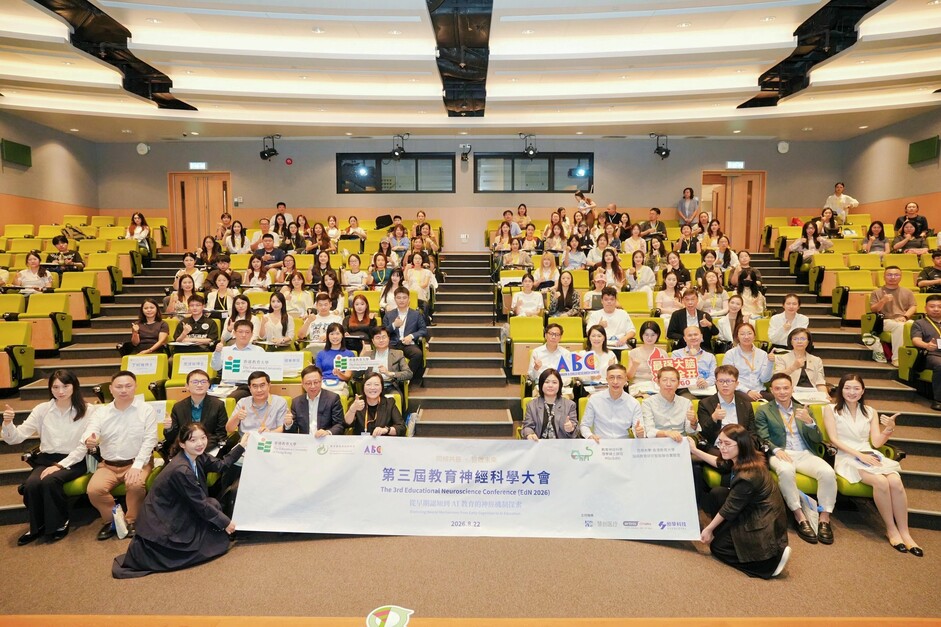
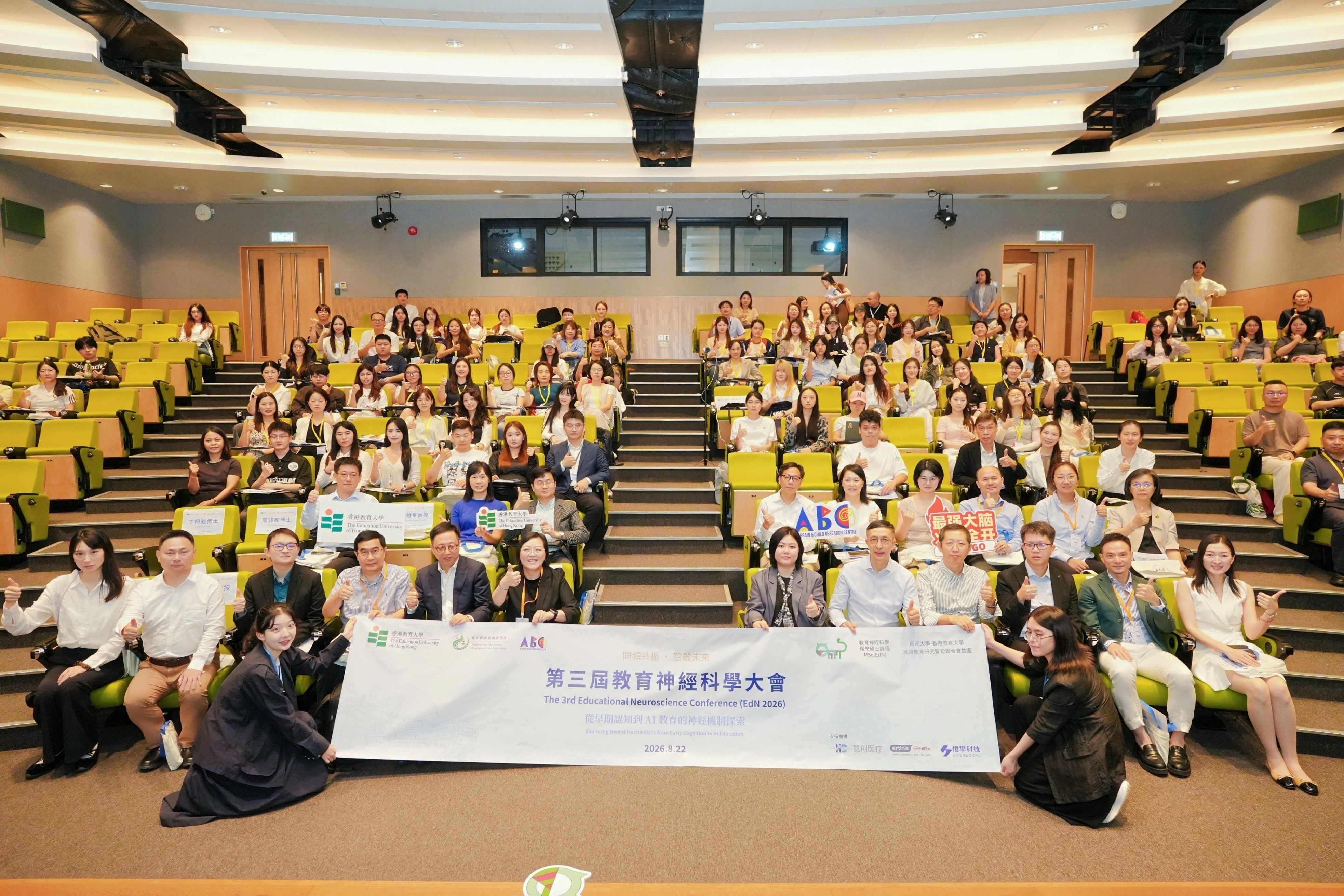
The Third Educational Neuroscience Conference (EdN 2026) was held on August 22 at the Tai Po campus of The Education University of Hong Kong (EdUHK). Jointly organised by the AI, Brain and Child Research Centre (ABC-RC), the Child Advancement Technology and Global Pedagogies Team (CATGPT), the Master of Science in Educational Neuroscience Programme [MSc(EdN)], and the SWU-EdUHK Joint Lab for Research on Brain, Education, and Intelligence (BEI Lab), the conference was themed “Exploring Neural Mechanisms from Early Cognition to AI Education”. It brought together leading experts and scholars in education, psychology, neuroscience and artificial intelligence, and attracted over 200 researchers and postgraduate students from Hong Kong and overseas.
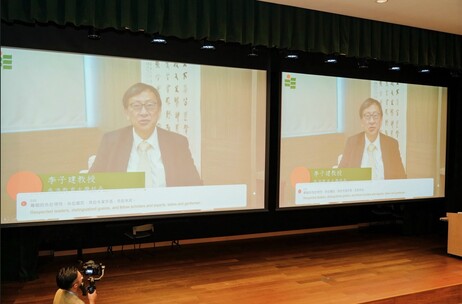
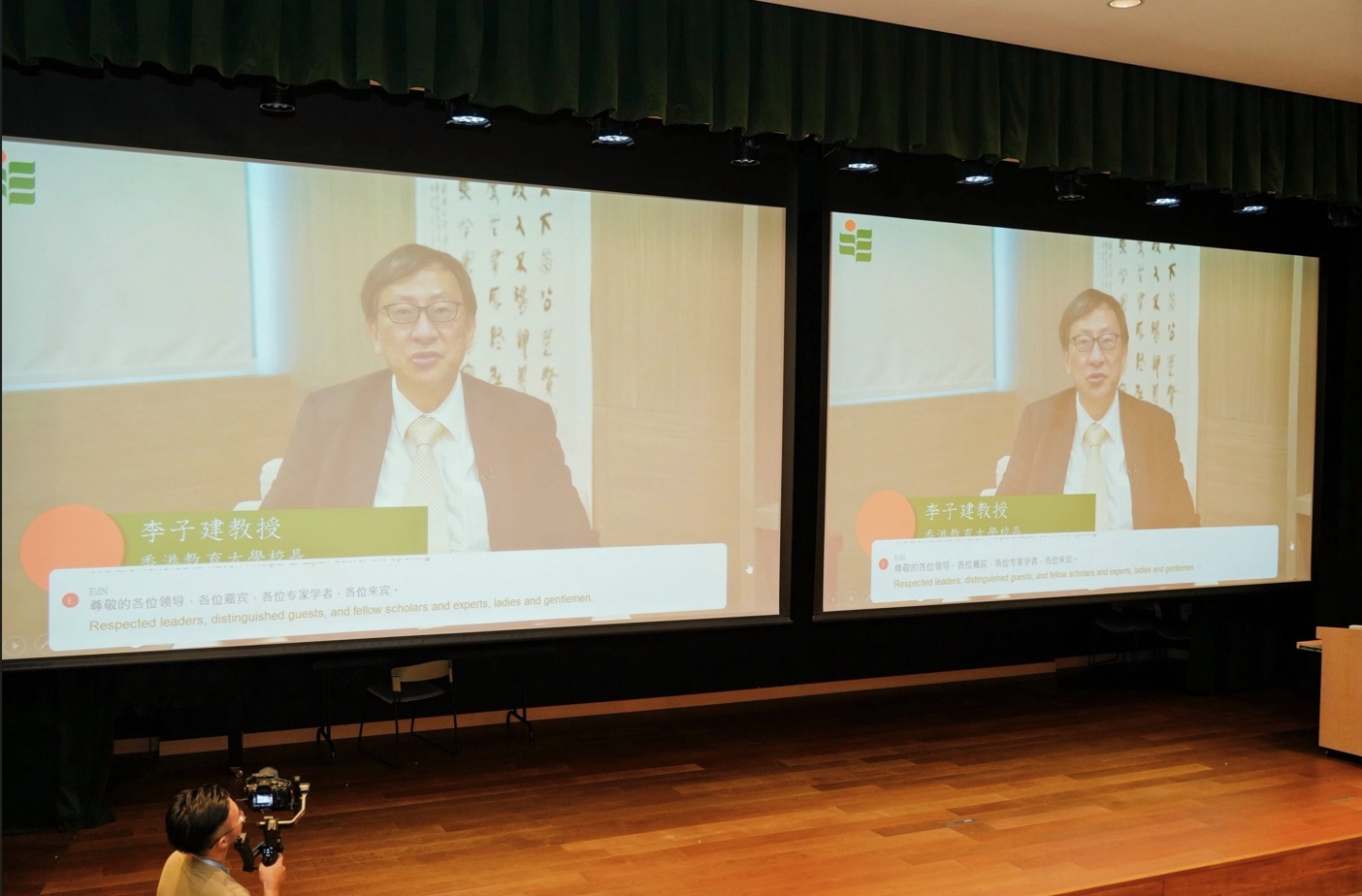
In his welcome address, Professor John Lee Chi-Kin, President of EdUHK, highlighted that educational neuroscience provides a scientific basis for achieving more efficient and personalised learning. Against the backdrop of rapid AI development, understanding the interaction between the human brain and AI, and integrating these insights into education, has become a pressing issue. He reaffirmed EdUHK’s commitment to its core mission “Education Talent Virtue,” promoting the integration of technology and humanities, and nurturing professional with forward looking vision and positive values.
Conference Chair and Associate Vice President (Quality Assurance) of EdUHK, Professor Susanna Yeung Siu-Sze, reviewed the evolution of the conference series: from the inaugural edition focusing on the neural mechanisms of emotion, language, and cognition, to the second exploring classroom practice, and now to this year’s expanding into early development and AI-driven educational transformation. She also introduced EdUHK’s MSc in Educational —the world's first such program taught in Mandarin — designed to train professionals capable of applying brain science findings to educational practice.
This year's programme featured four keynote speeches spanning topics from fundamental cognitive research to AI applications in education. Professor John Lee Chi-Kin spoke on "Neural Mechanisms of Pedagogy in the AI Age." Professor Lu Chunming of Beijing Normal University addressed on "Cognitive Neural Mechanisms of AI Education Applications in the Intelligent Era." Professor Tan Li-Hai of the Shenzhen Institute of Neuroscience presented his research on "Neural Mechanisms of Chinese Reading." Professor Li Ping of The Hong Kong University of Science and Technology shared the latest findings on "AI Teacher Interaction and Brain Synchronization."
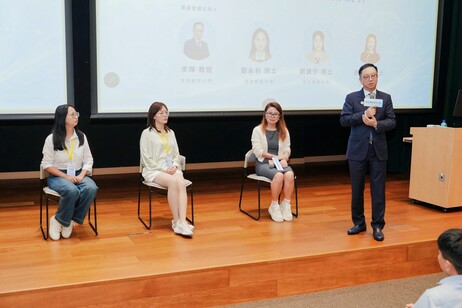
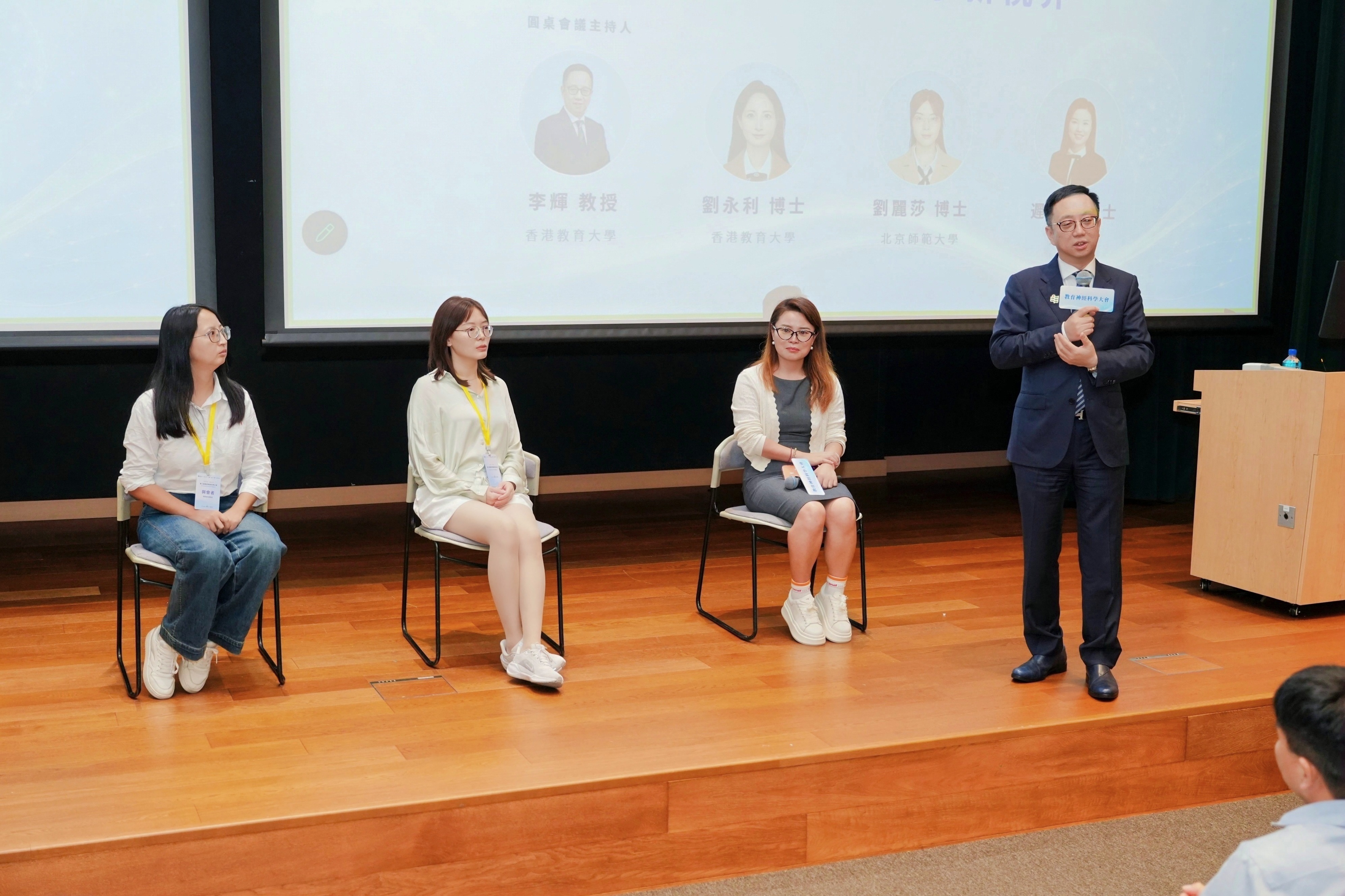
The afternoon session included the launch of Neurocognitive Development in Preschoolers: Insights from fNIRS Studies, authored by Professor Philip Li Hui, Assistant Vice President (Regional Outreach) and Chair Professor of Early Childhood Education at EdUHK. The book systematically presents research on young children's neurocognitive development using Functional Near-Infrared Spectroscopy (fNIRS), offering an important academic reference for linking developmental neuroscience with early childhood education practice. The subsequent roundtable, themed "Brain-Computer Integration, Awakening the Classroom: New Neuroscience Horizons for Intelligent Education," explored topics ranging from early childhood teachers' resilience cultivation, brain synchrony mechanisms in classroom peer interactions, and depression neural networks, demonstrating the broad application prospects of educational neuroscience moving from laboratories into teaching.
The conference also featured a hyperscanning workshop, where participants hands-on experience with fNIRS technology, and a poster session showcasing young scholars' work on AI classroom application, preschool children's cognitive development, bilingual learning, mathematics learning, and handwriting versus digital writing.
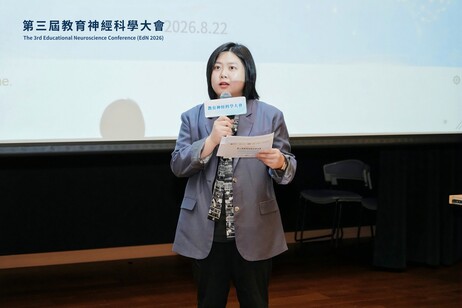
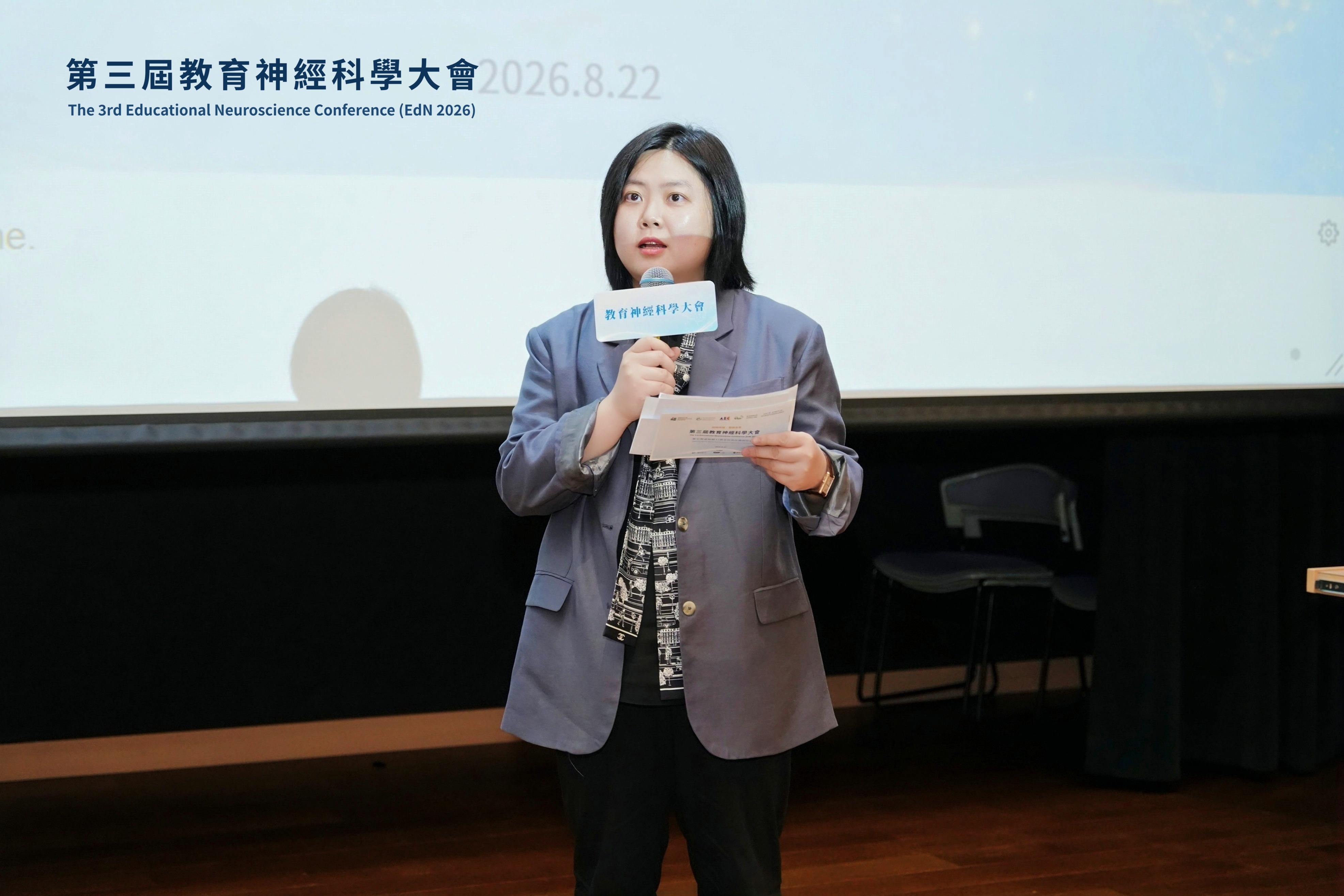
In her closing remarks, Conference Co-Chair Dr Wu Dandan, Assistant Professor in the Department of Early Childhood Education at EdUHK, highlighted that the conference, through a diverse range of formats including keynote speeches, roundtable forums, workshops and research poster presentations, had deepened participants’ understanding of frontier topics such as early cognitive development, the neural mechanisms of Chinese reading, and the application of artificial intelligence in education. She noted that the event not only showcased the latest advances in educational neuroscience, but also promoted interdisciplinary exchange across the fields of education, brain science and technology. Dr Wu further remarked that the conference provided new perspectives on translating research findings into educational practice. Looking ahead, she expressed her hope for deeper interdisciplinary collaborations to advance innovation in educational neuroscience and bring further breakthroughs to educational practice and child development.
-Ends-
EdUHK Hosts Third Educational Neuroscience Conference Exploring Neural Mechanisms from Early Cognition to AI Education
Download all images