

EdUHK and Tsinghua University Co-organise 2026 Future Education and Learning Forum
to Promote Deep Integration of AI and Educational Innovation
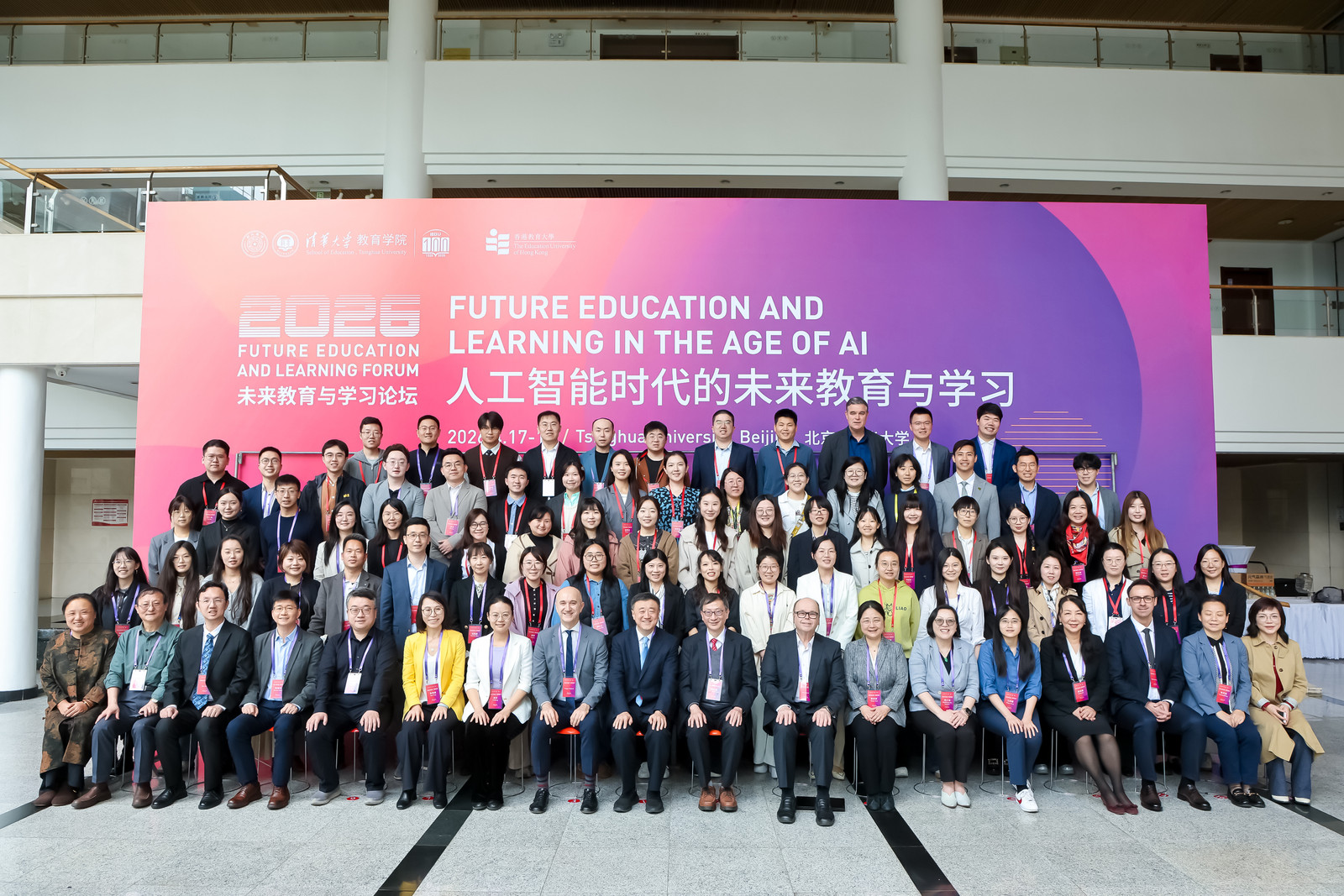
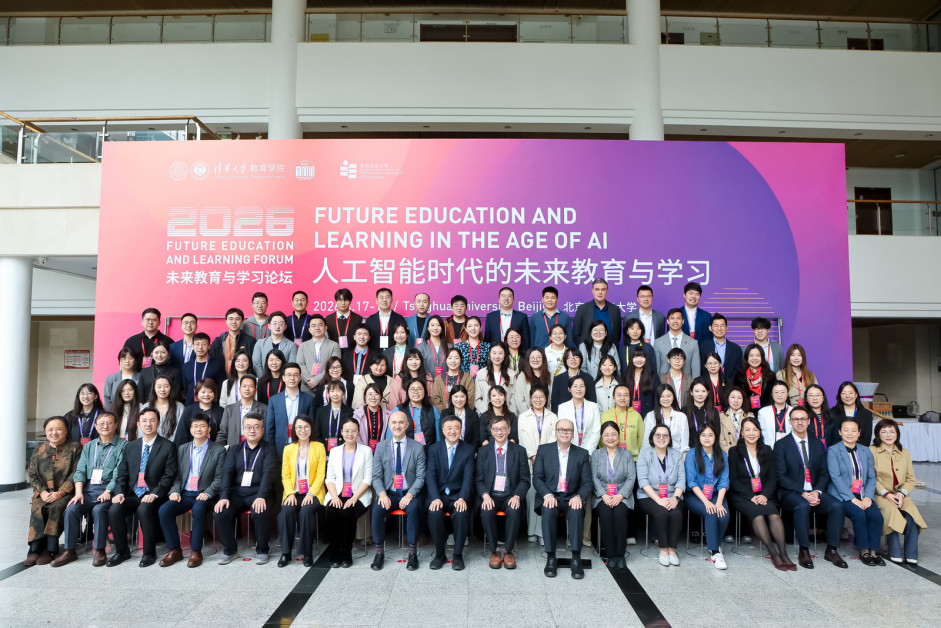
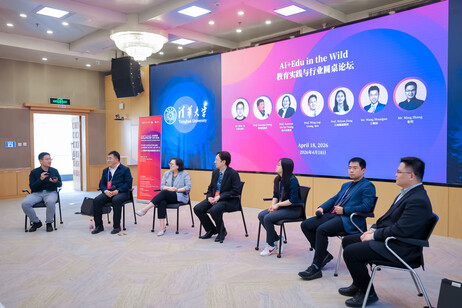
The Education University of Hong Kong (EdUHK) and Tsinghua University (Tsinghua) recently co-organised the “2026 Future Education and Learning Forum” at Tsinghua University in Beijing, where participants explored how artificial intelligence (AI) and emerging technologies are reshaping the educational ecosystem. The forum brought together over 200 educational scholars, innovators, and practitioners from seven countries and regions, alongside an online audience of around 74,000, creating a vibrant platform for cross-disciplinary dialogue and collaboration.
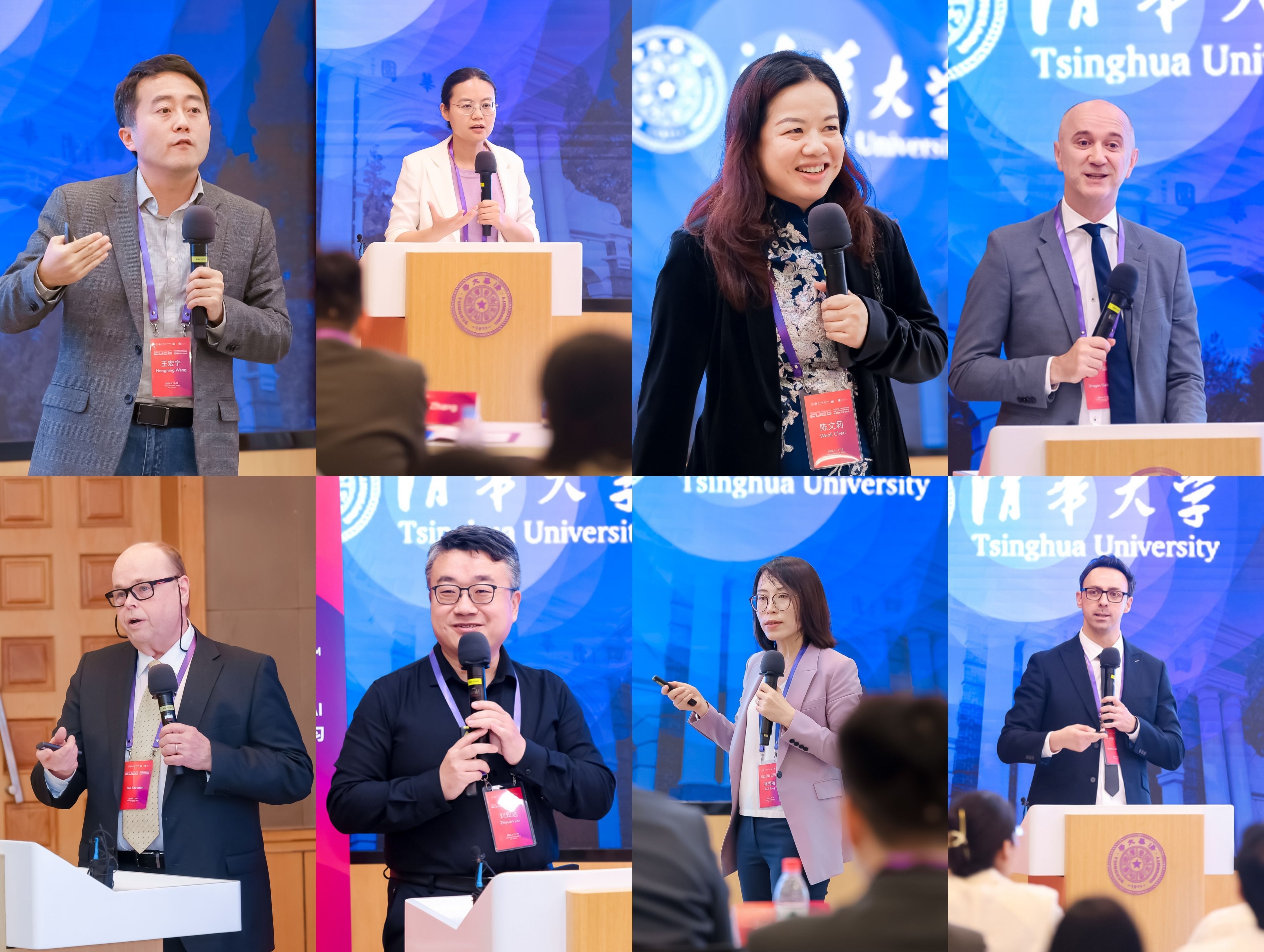
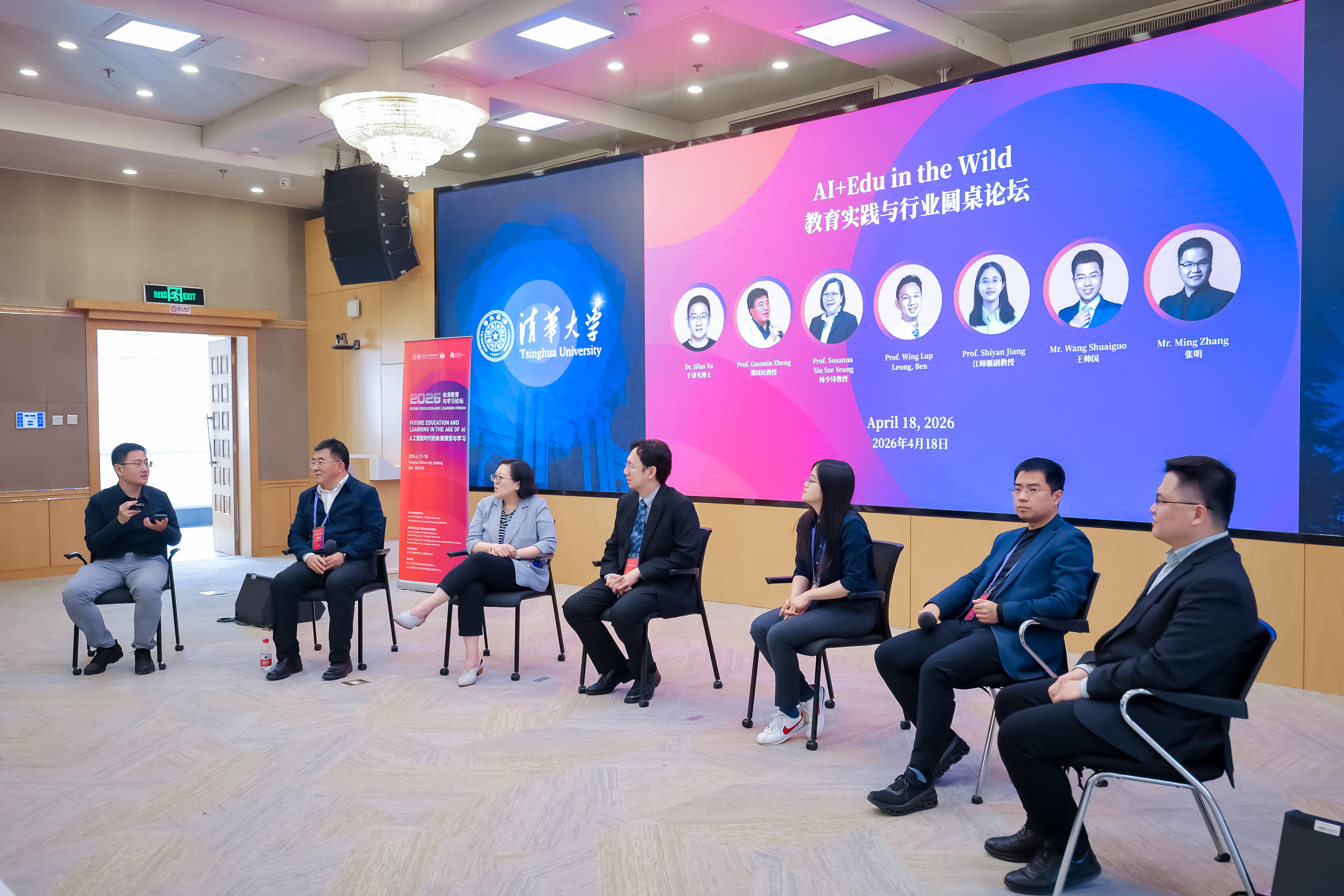
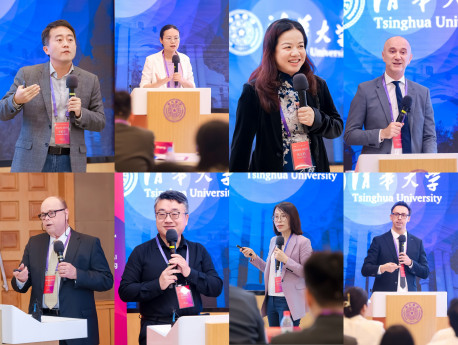
The two-day forum featured keynote speeches, panels, poster presentations, classroom observations, and networking activities for young scholars. It invited academics from leading universities in China, the United Kingdom, the United States, Finland, Australia and Singapore to share the latest trends in applying AI to education. In addition to strong expert teams from the two organisers, Tsinghua and EdUHK, other speakers came from institutions such as University College London, Monash University, the University of Helsinki, Finland, Nanyang Technological University, the University of Pennsylvania, and the University of Hong Kong. They engaged in in-depth discussions on cutting-edge topics including future education in the era of intelligence, student collaboration with AI, intelligent learning models, autonomous agents and collective intelligence, as well as self-evolving agentic systems for situated learning.
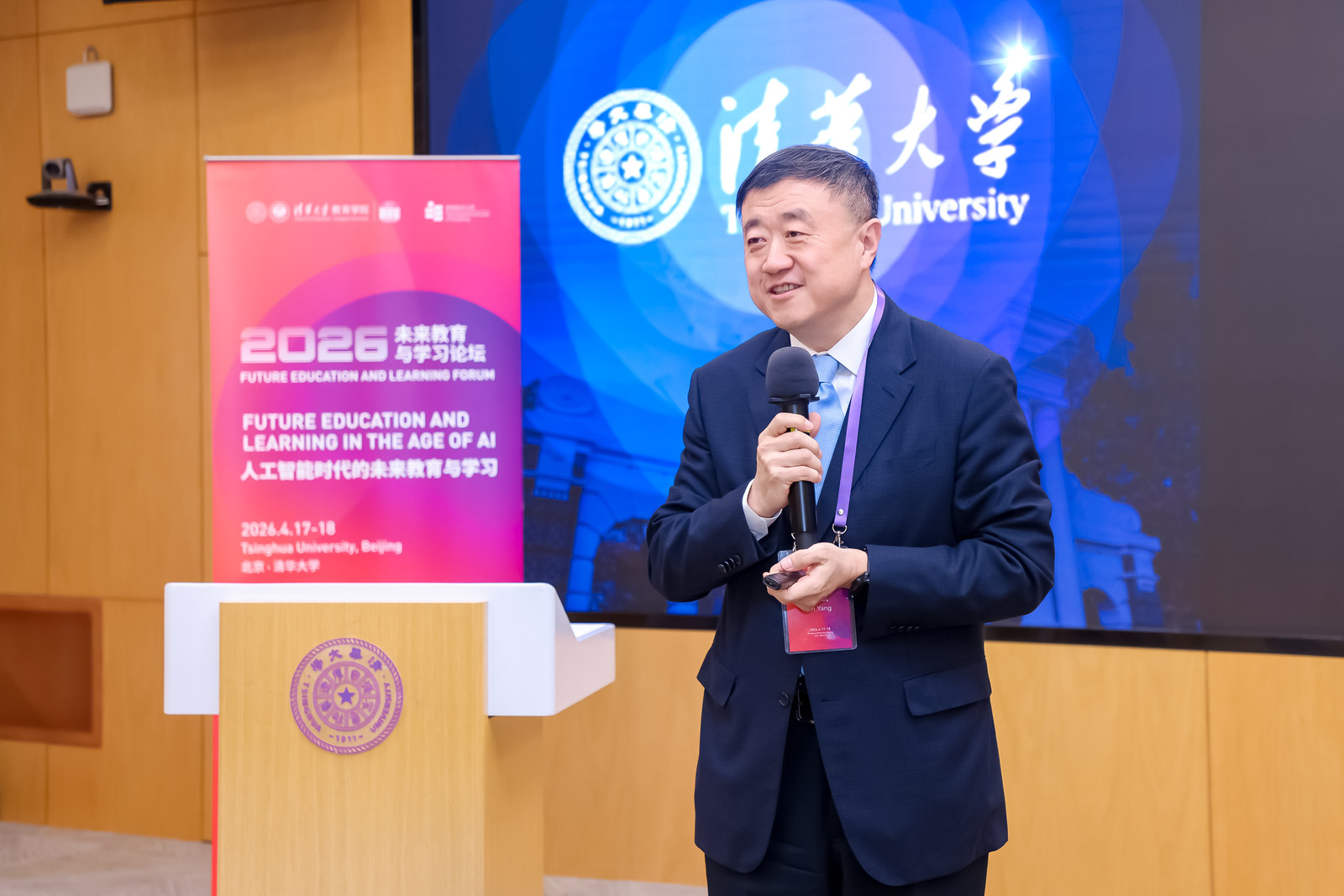
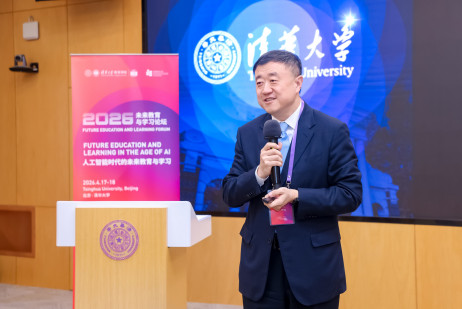
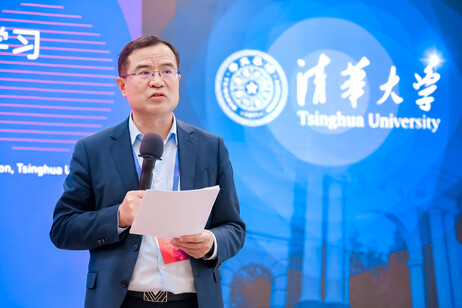
In his keynote address, Professor Yang Bin, the forum’s Organising Committee Chair and Deputy Director of the Tsinghua University Council, said AI is currently in its “technological adolescence.” Its developmental trajectory remains full of uncertainties and will continue to undergo paradigm shifts, often clashing with existing regulatory frameworks. Merely introducing AI technology cannot bring about substantive change unless organisations themselves are restructured. Professor Yang described this tension as a struggle between “middle-aged organisations and the adolescent technology”: either systems undergo transformation, or they cling to stability and risk falling behind.
He emphasised that the education sector must adopt a broad perspective to grasp AI’s profound impact on industry, the economy, and organisational structures—impacts that are already reshaping workforce demands and talent profiles. It is insufficient to treat AI narrowly as just another educational tool for application and empowerment. Professor Yang further stressed that education should embrace an “AI exponential transformation” mindset, actively exploring reforms in educational assessment, growth-centred school design, and new pathways for integrating industry and academia.
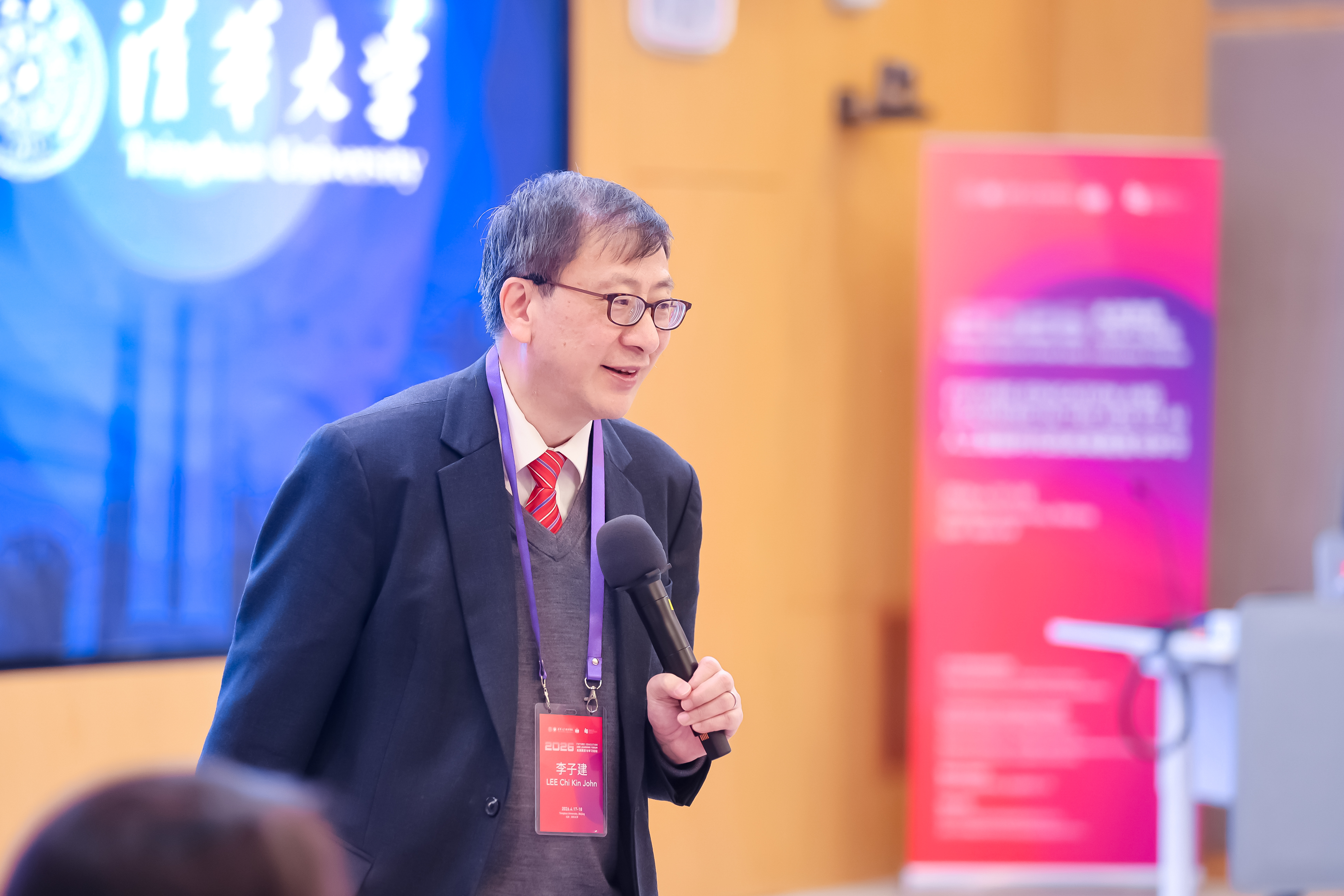
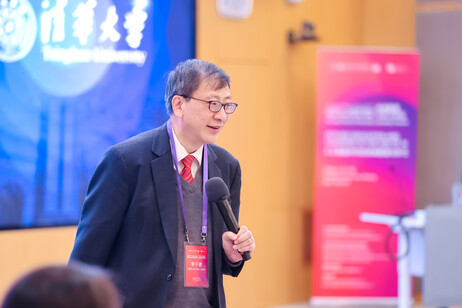
Professor John Lee Chi-Kin, Co-Chair of the Organising Committee and President of EdUHK, delivered a keynote speech themed 'AI-Driven Transformation: The Furture of Education'. He noted while large language models (LLMs) are advancing rapidly, the education sector is also exploring smaller, more customised and localised models. These models enable schools to develop AI systems tailored to their own culture, resources, and pedagogical needs, thereby strengthening the autonomy and identity of both teachers and students. He emphasised that large and small language models are not oppositional but complementary: large models provide broad knowledge, while smaller models address specialised, localised, and diverse needs.
Acknowledging the anxiety and uncertainty brought by emerging technologies, Professor Lee called on the education community to embrace critique and collaboration with openness, promoting the responsible application of AI in education and jointly shaping a better future. He further observed that global trends such as demographic shifts, climate challenges, and the pursuit of sustainable development goals demand that education remain open and optimistic, transforming challenges into opportunities.
Led by President Lee, the EdUHK team to Tsinghua comprised 10 speakers, including Associate Vice President (Quality Assurance) Professor Susanna Yeung Siu-sze, Dr Lee Ju Seong and Dr Davy Ng Tsz-kit, both ranked by Stanford University among the world’s top 1% scholars, as well as other experts from the Department of Mathematics and Information Technology, Department of Curriculum and Instruction, and Academy for Educational Development and Innovation. They shared a range of topics related to education and technological development. President Lee introduced EdUHK’s innovative teaching framework in his keynote speech and how it integrates AI with education while safeguarding human autonomy and ethical governance, whileProfessor Yeung shared practical applications of two AI language learning tools developed by EdUHK — Joey, a social robot, and WordyPal, an AI-powered app used in schools, classrooms and homes.
The reports by other speakers from EdUHK covered topics such as AI-mediated informal digital learning of English (AI-IDLE) , the “Movement Analysis (MOVA)” model, explanations from a neuroscience perspective on how game mechanisms can continuously sustain learning motivation, how technology enables learning beyond traditional classrooms and creates new opportunities for self-regulated learning and educational equity, as well as how students can collaborate with generative AI to enhance their motivation, intentions, and AI literacy in feedback and reflection.
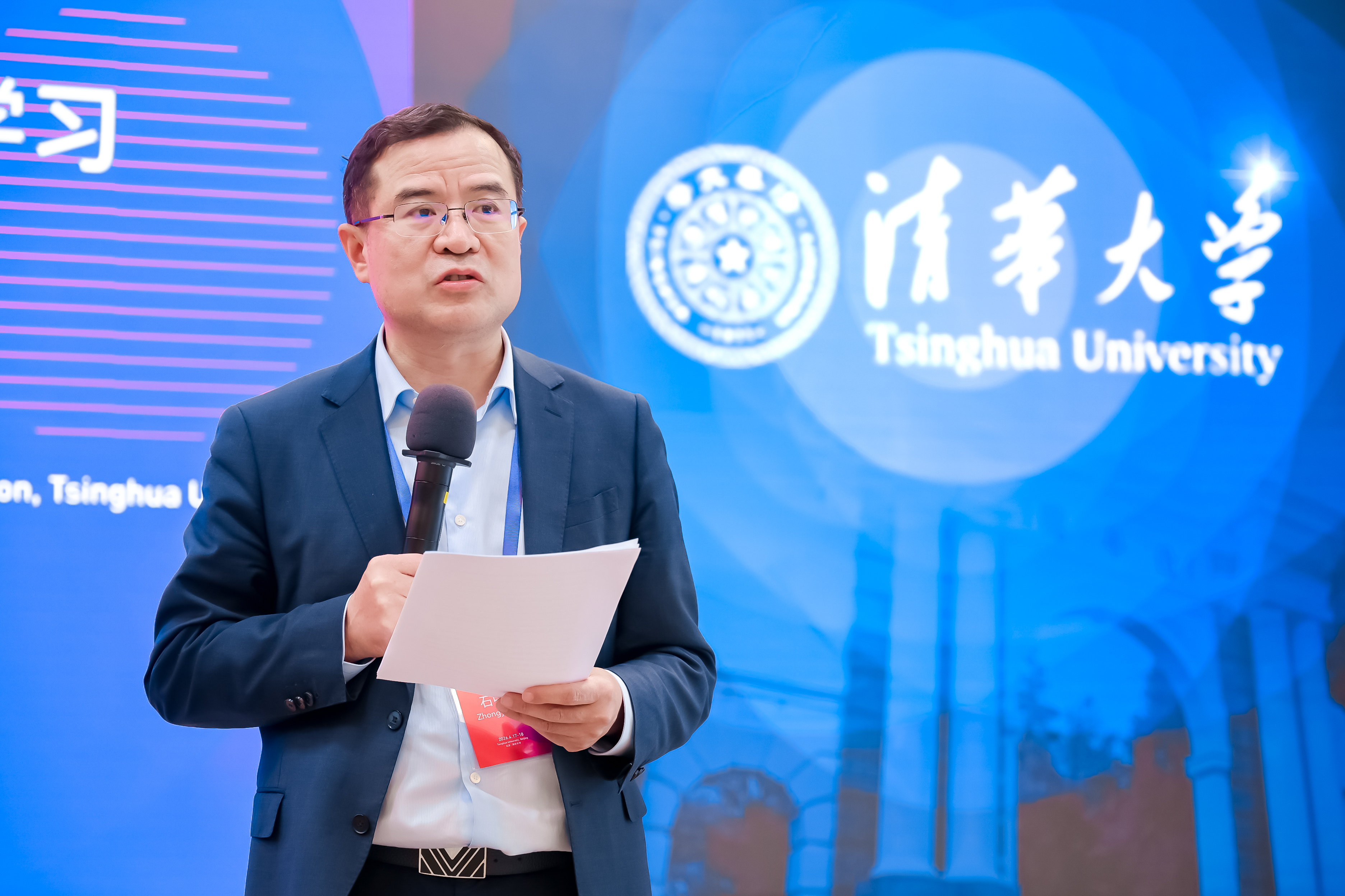
At the forum’s closing ceremony, Professor Shi Zhongying, Dean of the Faculty of Education at Tsinghua University, delivered a concluding speech in which he noted three distinctive highlights of the event. First, it fostered high-quality intellectual exchange, bringing together perspectives from education, management, computer science, learning analytics, cognitive neuroscience, and educational psychology, generating diverse, cutting-edge and profound ideas. Second, it offered a warm and enjoyable experience for participants, with international scholars travelling from afar to engage, while providing thoughtful guidance and encouragement to young scholars. Third, it helped build an “academic–practice community” by connecting a top academic platform with basic education, as participants visited Tsinghua Primary School and schools in Mentougou District to complete a closed loop of exchange between theory and practice.
Looking ahead, Professor Shi outlined three directions: deepening international collaboration by constructing academic networks across countries; strengthening industry coordination through close partnerships with edtech companies and schools to ensure that technological innovation serves the essence of education; and consolidating academic leadership by maintaining rigorous empirical research amid rapid technological iterations, thereby establishing evidence-based standards and ethical frameworks for AI in Education (AIED).
The “2025 Future Education and Learning Forum” was held last June at EdUHK’s Tai Po Campus, attracting over 300 international participants and successfully fostering global exchange and collaboration in education. The forum eventually evolved into a regular international exchange event following the enthusiastic response, providing the global education section with a high-level platform for communication and collaboration.
-Ends-
Media Enquiries