

EdUHK “Walking Together” with Tai Po Elderly to Share Health First Year’s Research Findings Introducing New Hearing Screening and AI Technology App
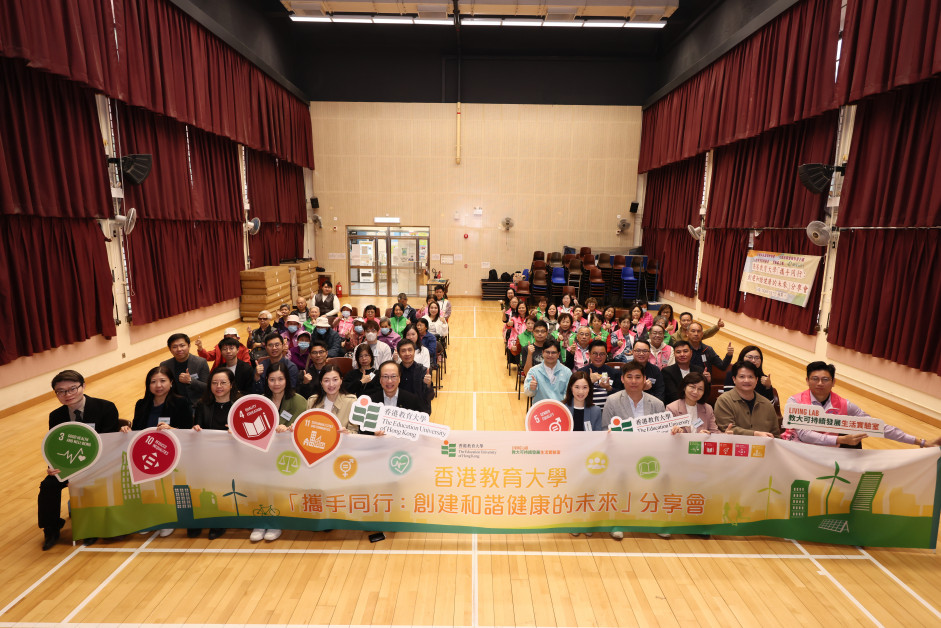
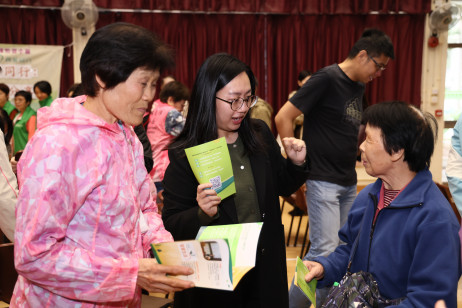
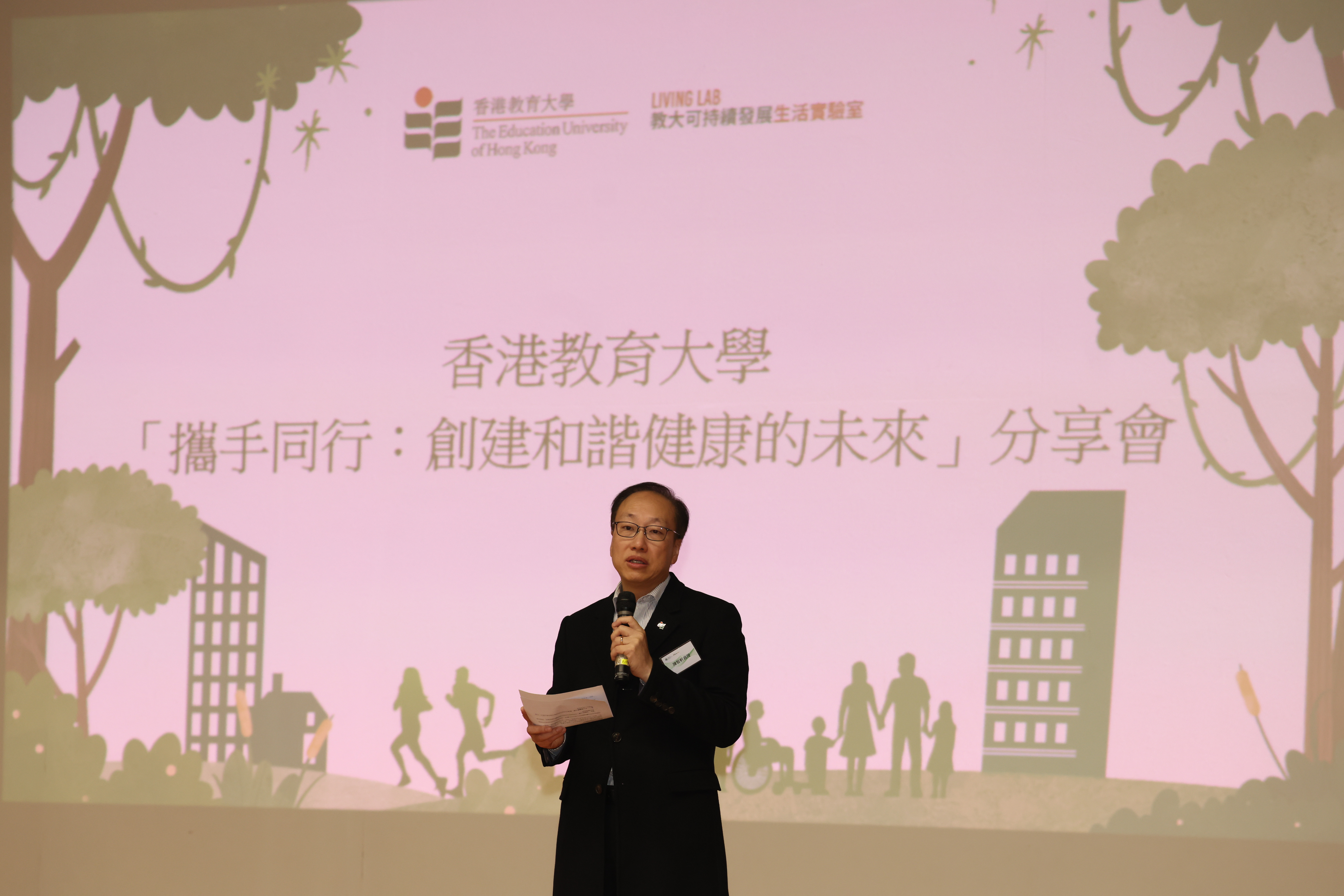
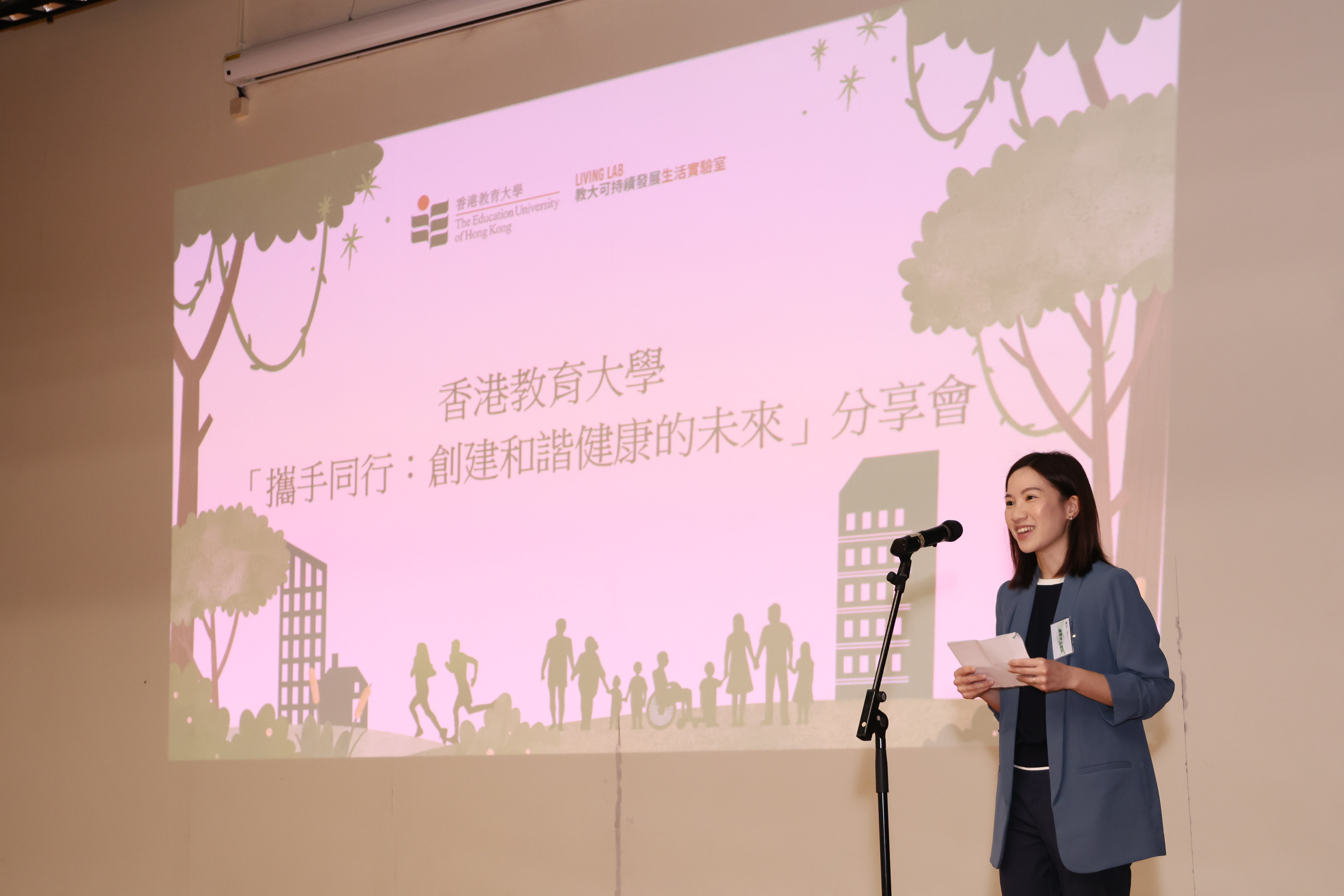
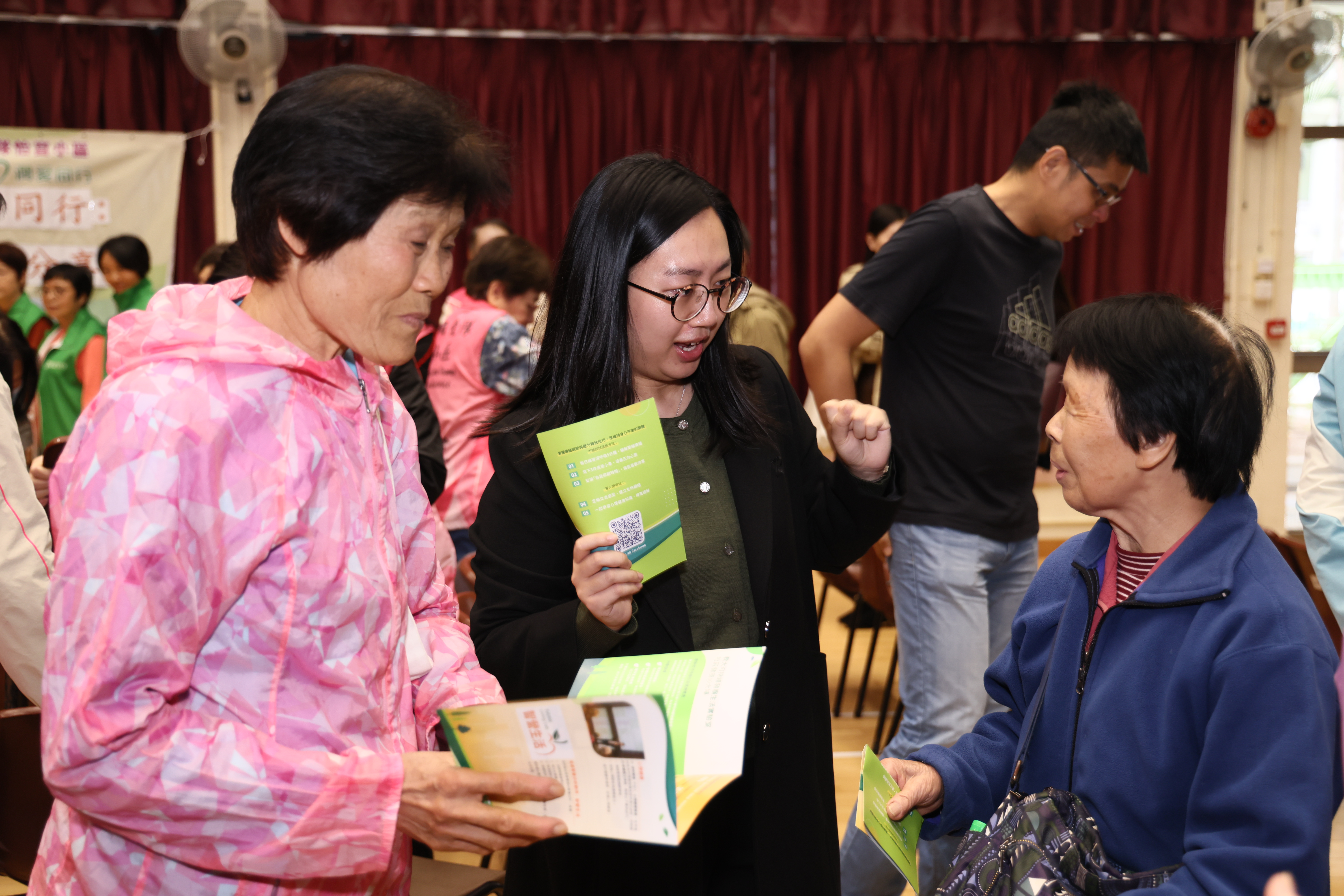
The Education University of Hong Kong (EdUHK), as a member of the Tai Po district, launched the "The EdUHK SDG Living Lab @ Tai Po - Community Well-being" (the Project) last year to care for the health of the elderly in the district. Since its implementation, the Project has served over 1,400 elderly residents and conducted various types of review tracking for those in need, covering changes in cognitive and physical functions. On 7 February, EdUHK held the "Walking Together: Creating a Harmonious and Healthy Future" sharing session (the Sharing Session) to update the community on the progress of services for the elderly in Tai Po across three major areas: cognitive, physical, and psychological health. The University also announced the introduction of hearing screening services and an "AI Smart Diet Analysis" application to further enhance health support for the elderly in the district.
Guests attending the Sharing Session included: Ms Tiffany Chung Wai-ting, District Officer (Tai Po); Professor Chetwyn Chan Che-hin, Vice President (Research and Development) of EdUHK; Dr Peggy Or Pui-lai, Project Coordinator and Assistant Professor at the Department of Health and Physical Education of EdUHK; Professor Jiang Da, Professor at the Department of Special Education and Counselling of EdUHK; Dr Carman Leung Ka-man, Associate Professor at the Department of Health and Physical Education of EdUHK; Dr Anna Kam Chi-shan, Associate Professor at the Department of Special Education and Counselling of EdUHK; Dr Steve Mung Wai-yin, Assistant Professor at the Knowledge Transfer Sub-office of EdUHK; as well as several Tai Po District Councilors, representatives from Care Teams, and community organisations.
Over the past year, the EdUHK research team has served over 1,400 elderly people and referred them to "Physical Activity" workshops and other research projects under the scheme for follow-up support. Among them, about 300 elderly participants have completed review tracking.
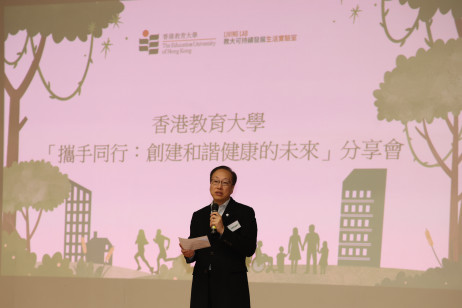
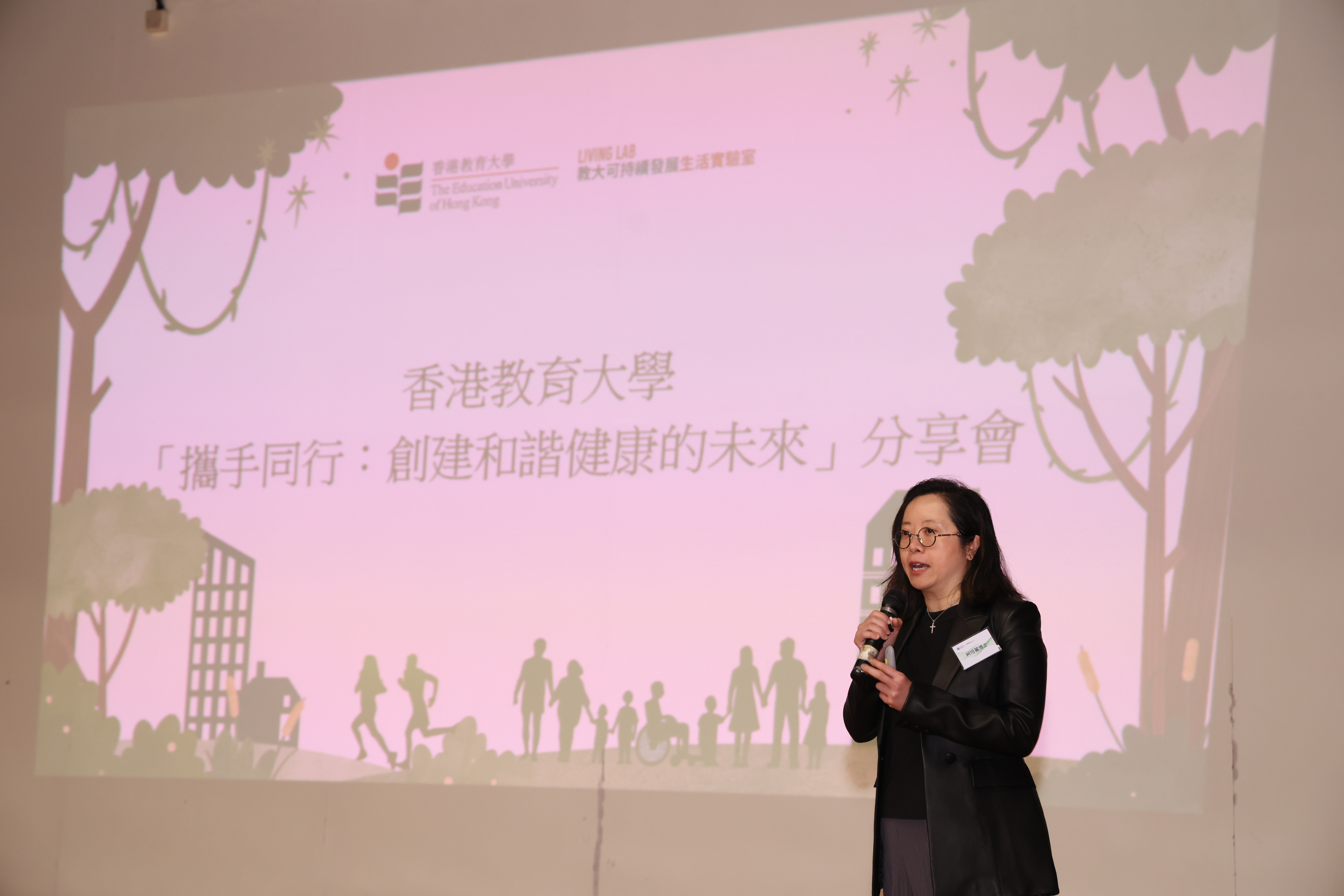
In his speech, Professor Chetwyn Chan Che-hin stated that EdUHK is committed to promoting the United Nations Sustainable Development Goals (SDGs) through "Knowledge Transfer", transforming research results into tangible power to serve society. The Project demonstrates EdUHK’s effort to bring academic resources into the community, focusing on the physical and mental health of the elderly while implementing "Proof of Concept" intervention effectiveness and concrete practices.
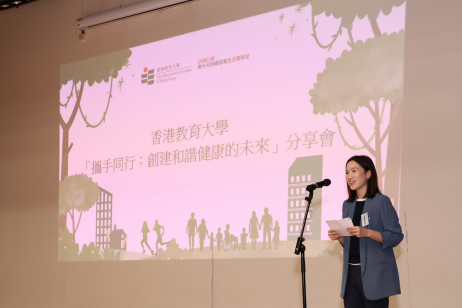
Ms Tiffany Chung Wai-ting also praised the joint efforts of EdUHK and regional stakeholders in her speech. She pointed out that cross-sector collaboration between the government, academia, and the community has successfully injected positive energy into the community. She affirmed the Project's goal of enhancing the physical and mental health of the elderly and expressed hope that all sectors will continue to work together to create a more caring and harmonious community for the elderly in the district.
The EdUHK research team conducted a preliminary review of the data collected in the first year, with results showing:
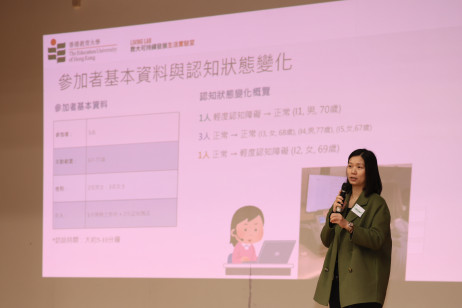
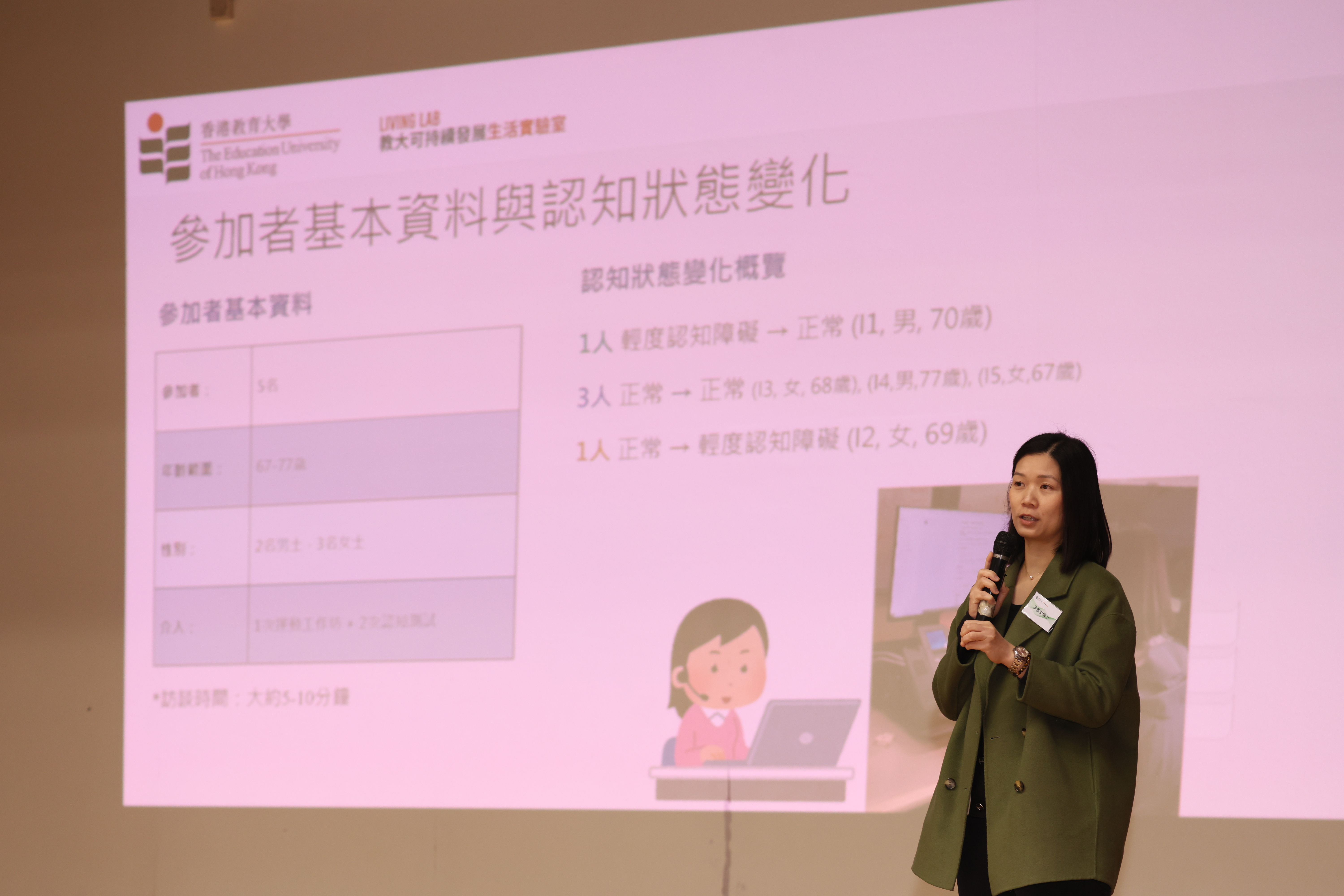
Regarding cognitive performance, among the more than 300 elderly people tracked over one year, over 90% maintained normal cognitive levels. In addition, preliminary results showed an upward trend in cognitive test scores for elderly people participating in the "Physical Activity" workshops, and participants generally felt that the workshops contributed to their physical and mental health. The team will further deepen community collaboration to continue follow up the situation of the elderly in the future.
Regarding community engagement effectiveness, data analysis of over 100 elderly people preliminarily indicates a positive correlation between frequent community interaction and the elderly's positive emotions, as well as higher levels of mental health and well-being.
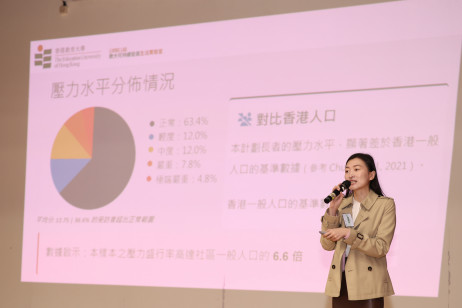
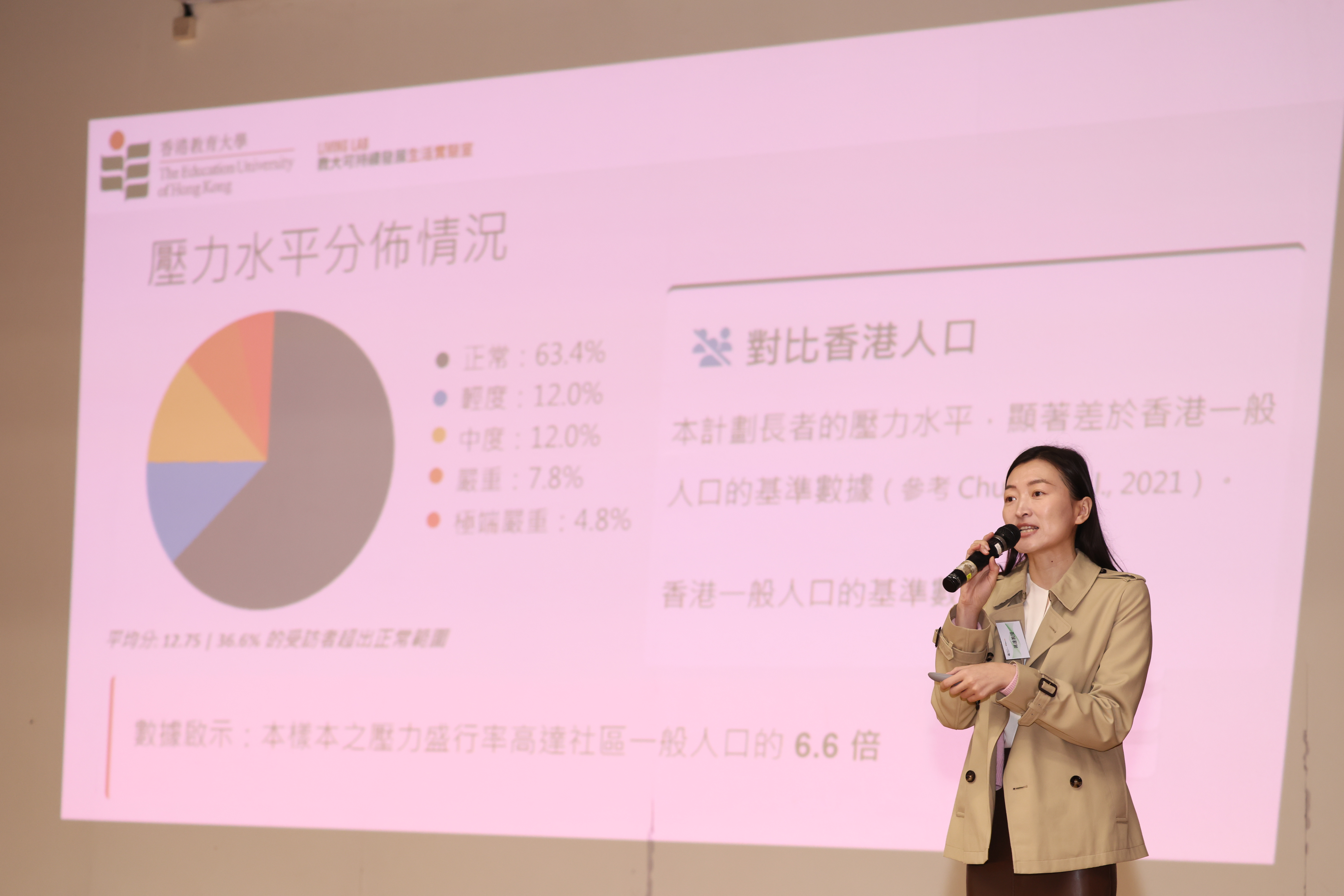
Regarding mental health status, among over 500 elderly people, it was preliminarily found that the anxiety and stress indices of the elderly in the district were significantly higher than the Hong Kong benchmark. The team suggests providing more precise psycho-education or counselling services based on the stratified psychological conditions of the elderly in the district.
In addition to scientific research progress, the Sharing Session also invited community partners to share their frontline practical experiences. Mr Lo Chi-ping, Leader of the Tai Po Yee Fu Sub-district Care Team, shared his experiences collaborating with the EdUHK team. He noted that the Care Team and the EdUHK team play complementary roles during district visits, jointly bringing professional health resources into households, fully demonstrating the power of combining neighbourhood support with academic resources. Additionally, Mr Adrian Sun, Senior Officer of the Salvation Army Tai Po Multi-service Centre for Senior Citizens, exchanged views at the meeting. He mentioned that EdUHK's professional project services can complement the routine services of social welfare organisations, thereby optimising existing support services for the elderly.
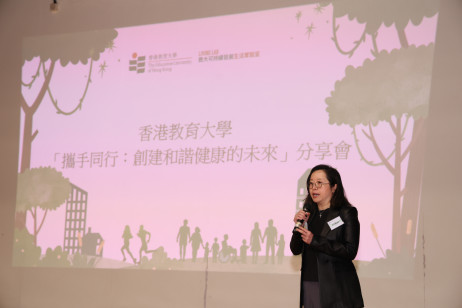
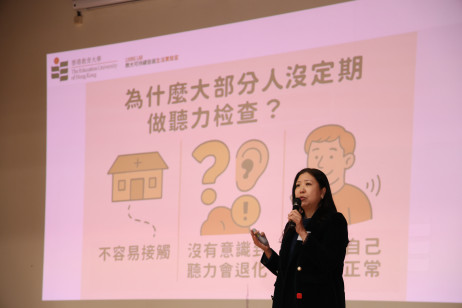
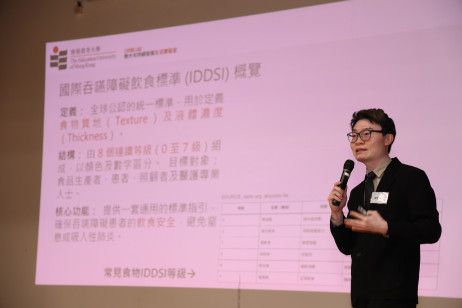
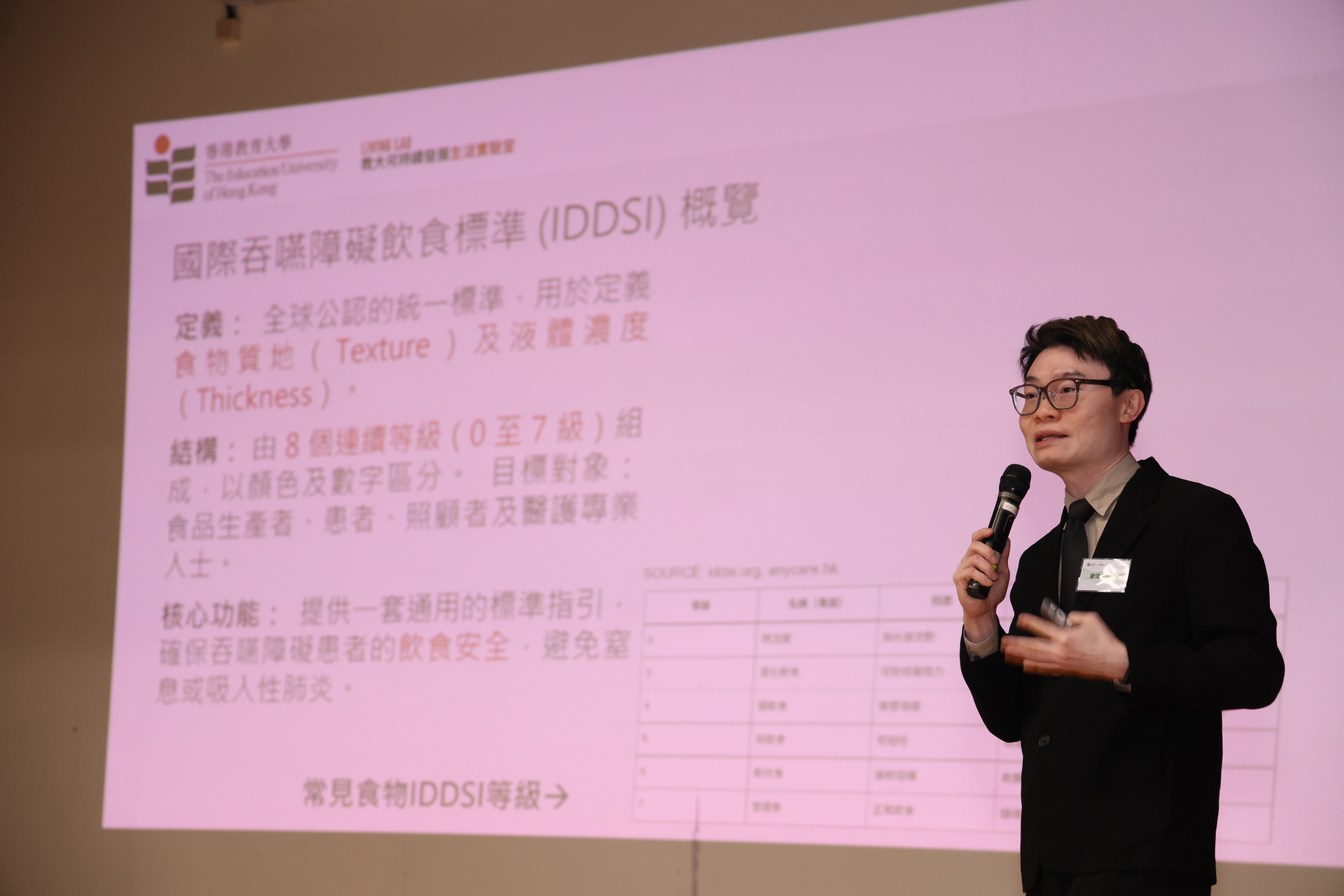
To further improve support for the elderly, EdUHK announced at the Sharing Session plans to introduce two new services: hearing screening and the "AI Smart Diet Analysis" application. Dr Anna Kam pointed out that early identification of hearing problems is crucial for preventing communication barriers and subsequent cognitive decline, realising the goal of "early detection, early intervention" to perfect overall elderly health support. Dr Steve Mung stated that the "AI Smart Diet Analysis" application mainly targets elderly people with swallowing difficulties. The system uses AI image recognition technology to help caregivers instantly assess whether food texture meets the international IDDSI standards, hoping to use technology to assist dietary management and comprehensively improve home dietary safety for the elderly.
EdUHK believes that close cooperation with community partners is the key to the Project's success. The event was support from multiple organisations, including The Salvation Army Tai Po Multi-service Centre for Senior Citizens, Hong Kong Children & Youth Services, United Christian Nethersole Community Health Service, The Neighbourhood Advice-Action Council, Yan Oi Tong Pang Hung Cheung Neighbourhood Elderly Centre, and The Remembrance of Grace Church Tai Po Church.
"The EdUHK SDG Living Lab @ Tai Po - Community Well-being" uses the United Nations SDGs as a framework to promote a "Proof of Concept" project designed specifically for elderly people in the Tai Po district. It aims to improve the brain health, mental health, and physical functions of the elderly in the district. Over the past year, the Project has organised multiple "Physical Activity" workshops, conducted cognitive screenings for the elderly, and held activities such as the "One-Day Student Experiential Programme" experience programme.
—Ends—
EdUHK “Walking Together” with Tai Po Elderly to Share Health First Year’s Research Findings Introducing New Hearing Screening and AI Technology App
Download all images