

EdUHK Study Finds Parents as “Coaches” Boost Children’s Physical Activity
Schoolchildren in Hong Kong face intense academic demands, with long hours of sedentary study leaving little time for movement. On average, their physical activity falls short of the World Health Organization’s recommendation of at least 60 minutes of moderate-to-vigorous physical activity (MVPA) per day.
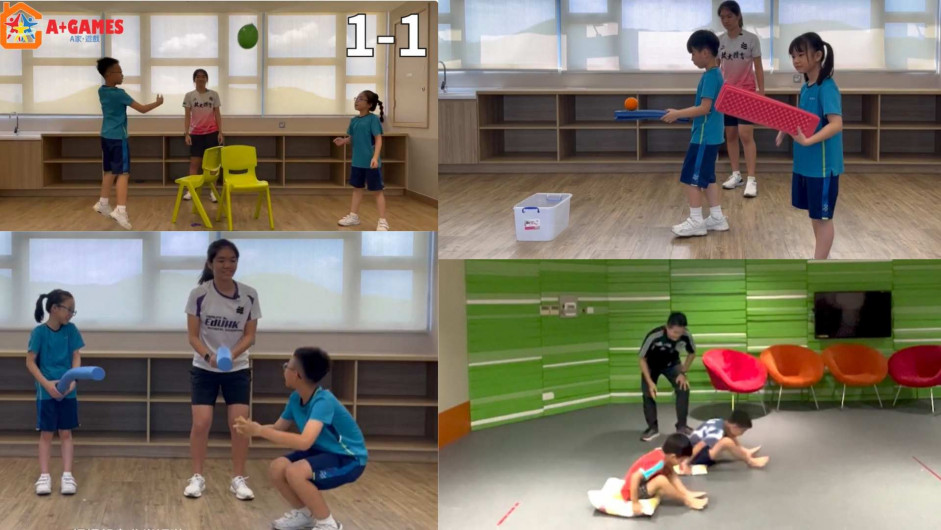
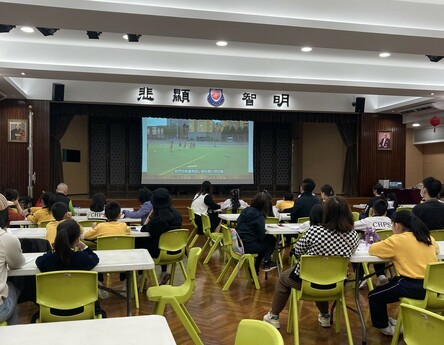
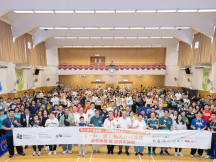
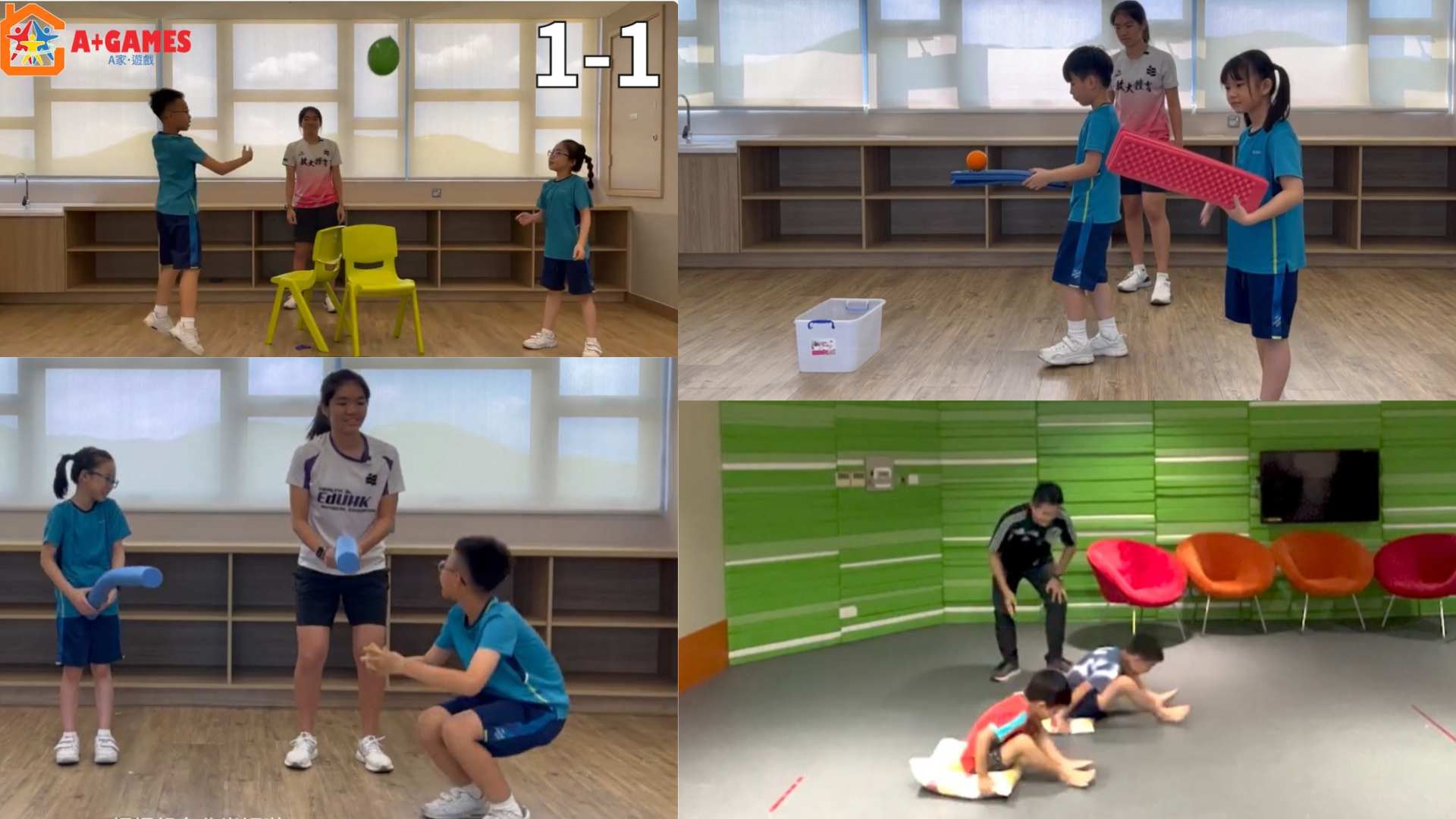
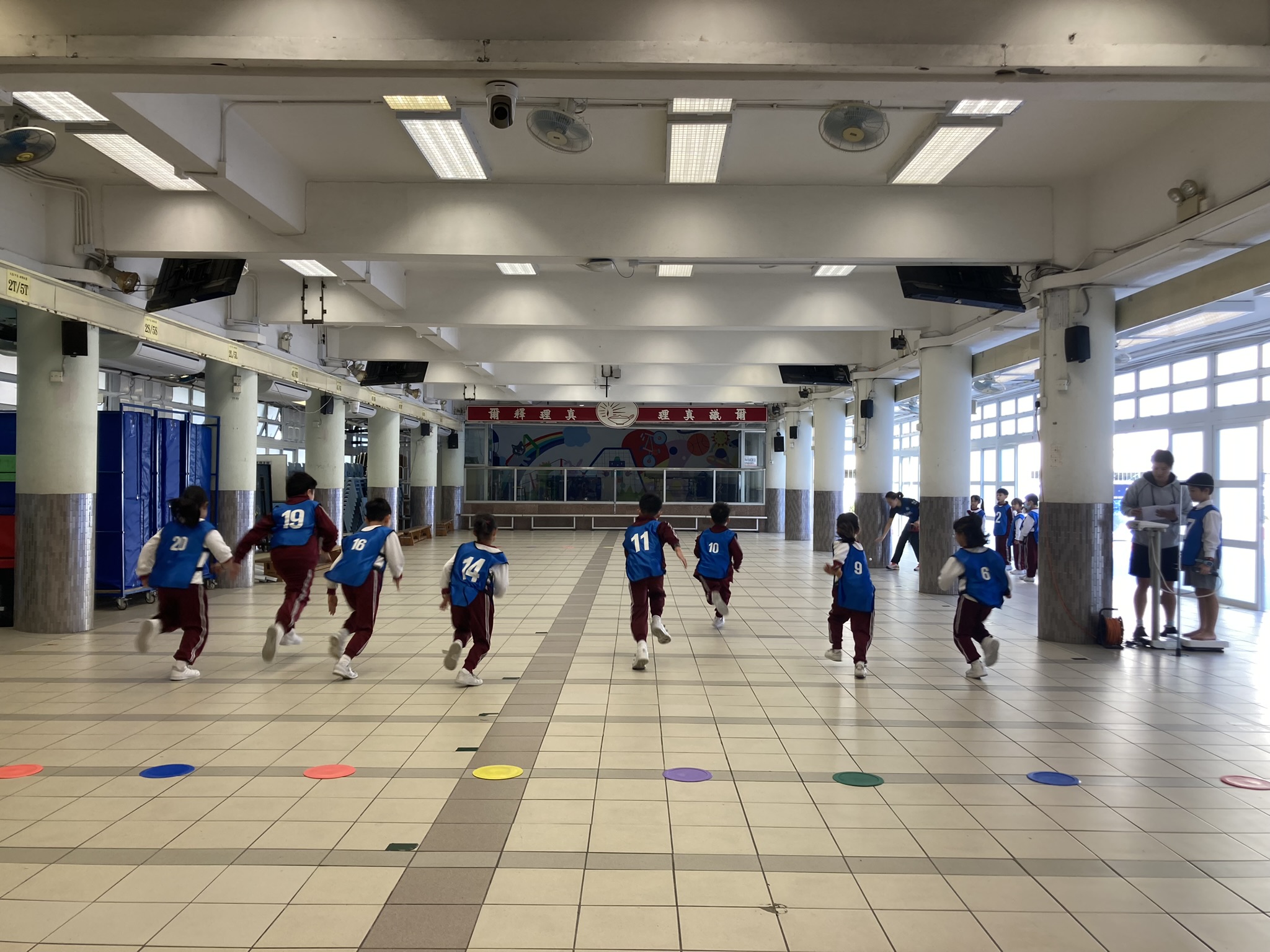
A research team at The Education University of Hong Kong (EdUHK) has addressed this challenge by designing exercise videos and coaching materials in the aftermath of the COVID-19 pandemic. Tracking 119 primary school students and their guardians over two years, the study examined how different forms of guidance and interaction influence children’s motivation to exercise.
Findings revealed that home-based exercise videos boosted MVPA in the short term (by around 6–7 minutes), while parent support strategies grounded in Self-Determination Theory—such as offering choices, giving positive feedback, and encouraging parent-child interaction—helped sustain motivation and meet psychological needs.
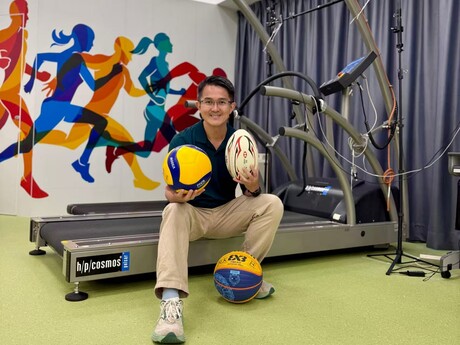
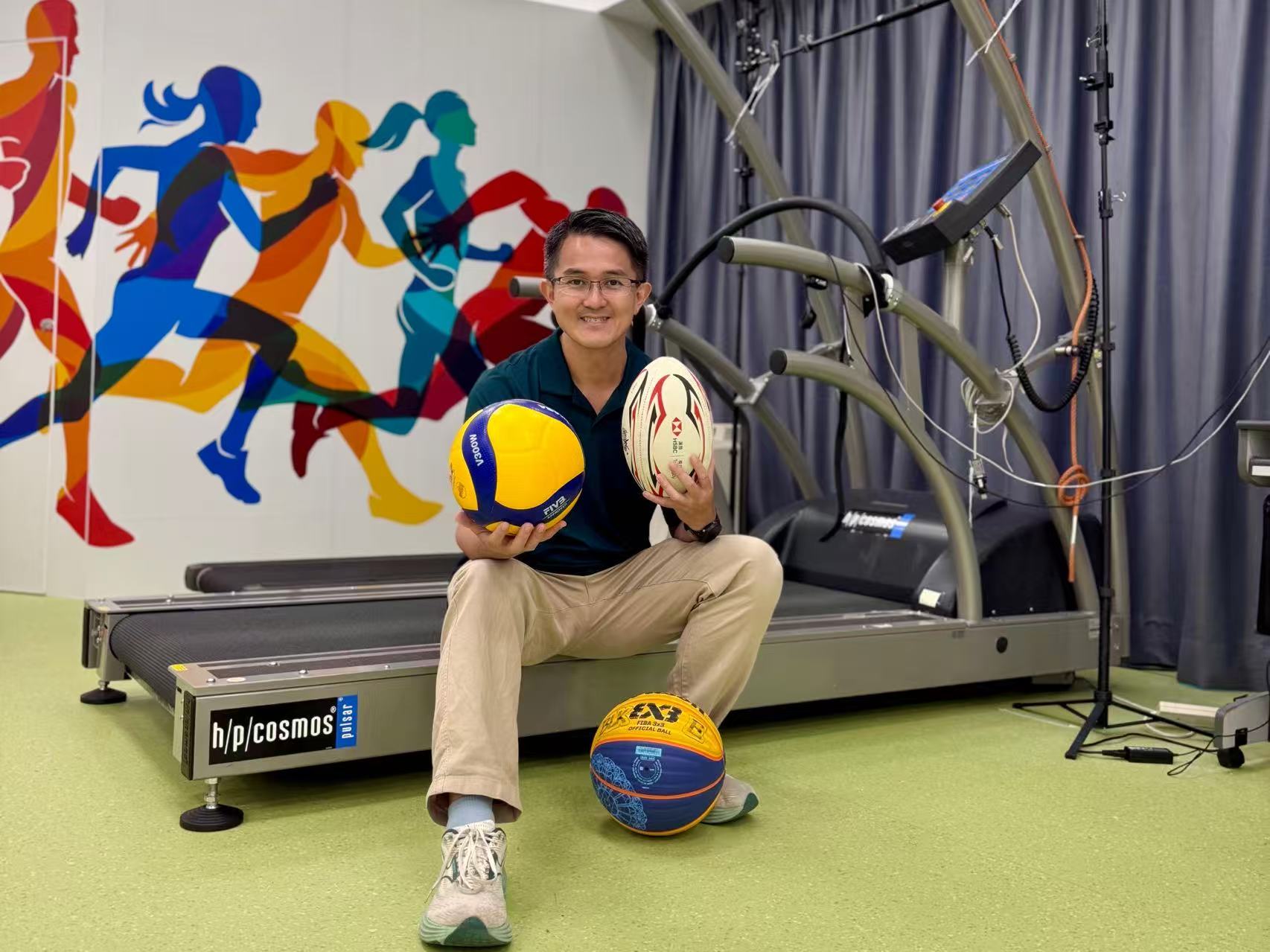
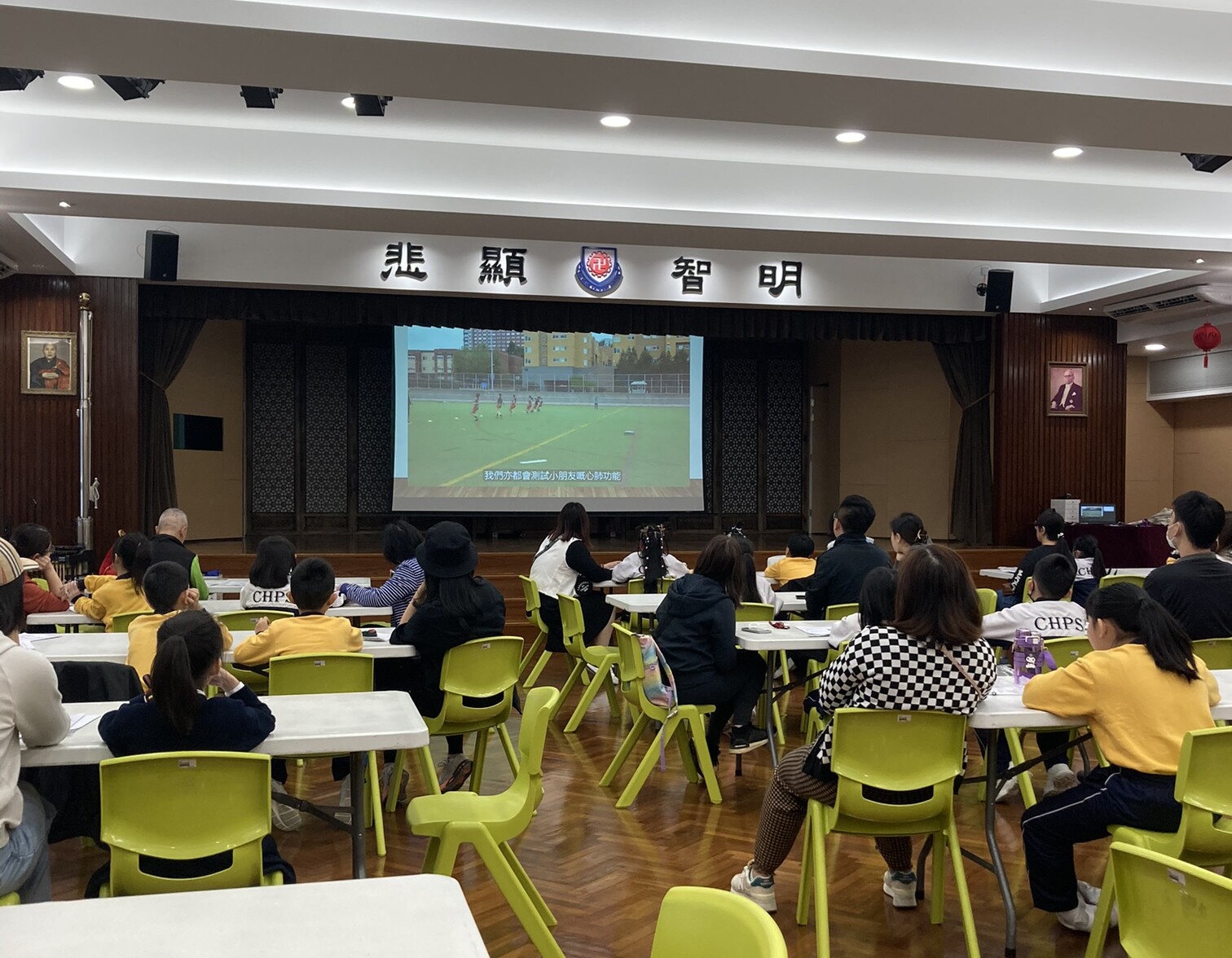
Led by Dr Gary Chow Chi-ching, Associate Professor in the Department of Health and Physical Education, the team collaborated with students to design 32 sets of home-based exercises for individuals and groups, accompanied by video materials. Guardians were guided to support children’s three basic psychological needs—autonomy, competence, and relatedness—by providing choices, offering specific feedback, and fostering interaction.
The 119 child- guardian pairs (children aged 6–9) were randomly assigned to four groups:
• Exercise Only: received exercise videos
• Coach Only: received coaching videos based on Self-Determination Theory
• Exercise-plus-coaching: received both exercise and coaching videos
• Control: received no intervention
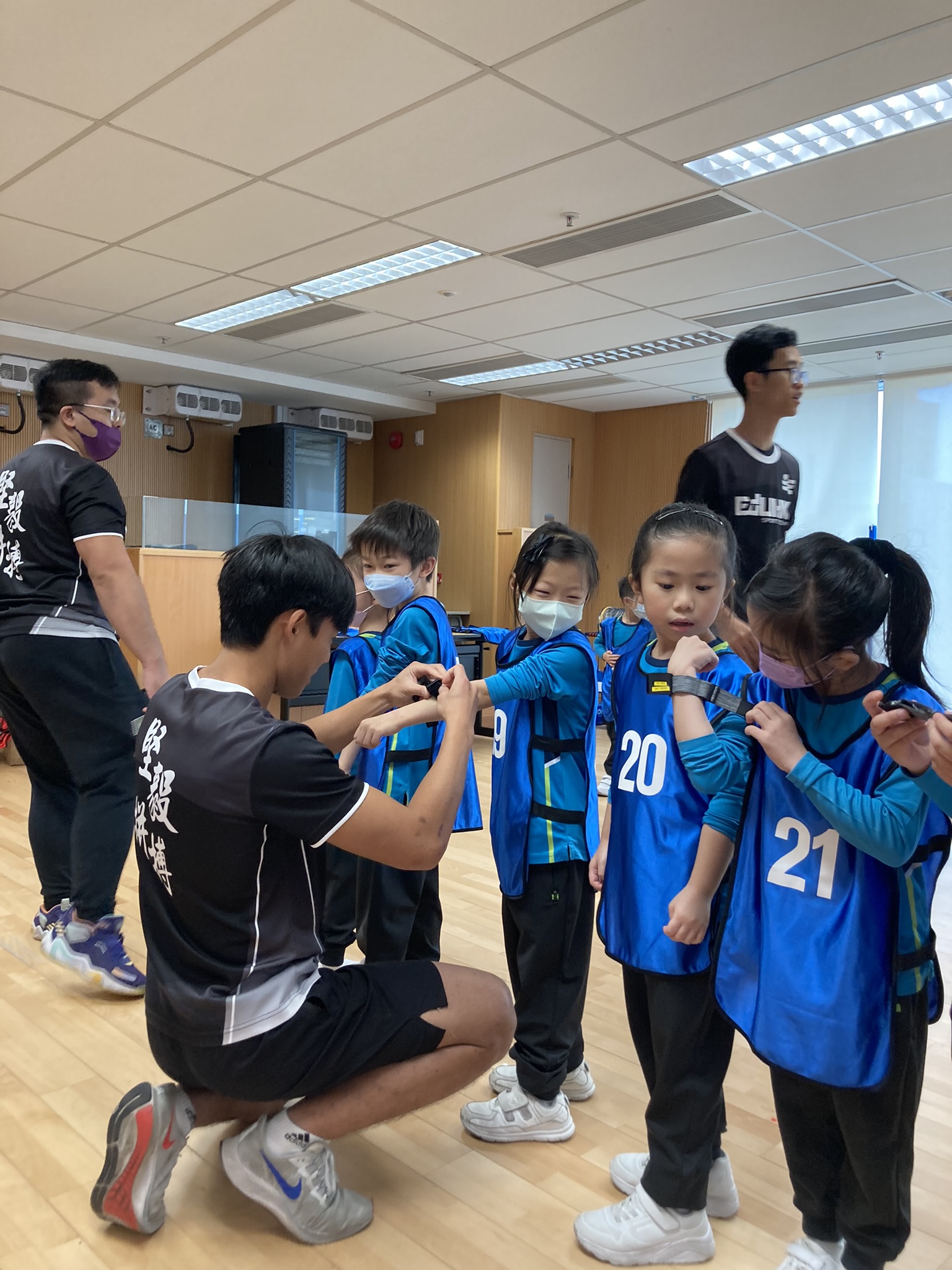
All participants wore wrist-based monitors to track activity and completed questionnaires at the end of the study.
Results showed that children in the Exercise Only and Exercise-plus-coaching groups increased their average daily MVPA from 34.6 minutes to about 41–42 minutes (an improvement of roughly 6–7 minutes per day). By contrast, the Control group’s activity dropped significantly, decreasing by about 14 minutes.
Dr Chow commented: “Past studies show that relying on external pressure or rigorous parenting methods may only produce short-term behavioural changes. In contrast, when parents adopt autonomy-supportive approaches—such as offering choices, giving specific feedback, and recognising effort—children’s intrinsic motivation is sustained, and their psychological needs are better met.”
He added that the team designed activities to be simple, fun, and practical, taking into account challenge, social interaction, and space limitations in local households. The study also found that even full-time working parents were able to carve out time to join activities with their children.
The project was funded by the Research Grants Council’s Early Career Scheme, and results have been published in the Journal of Exercise Science & Fitness. Looking ahead, the team plans to develop school-integrated digital platforms and explore ongoing support strategies to encourage long-term participation in physical activity.
For more details on the exercise videos and coaching materials developed by EdUHK, please learn more here.
-Ends-
EdUHK Study Finds Parents as “Coaches” Boost Children’s Physical Activity
Download all images