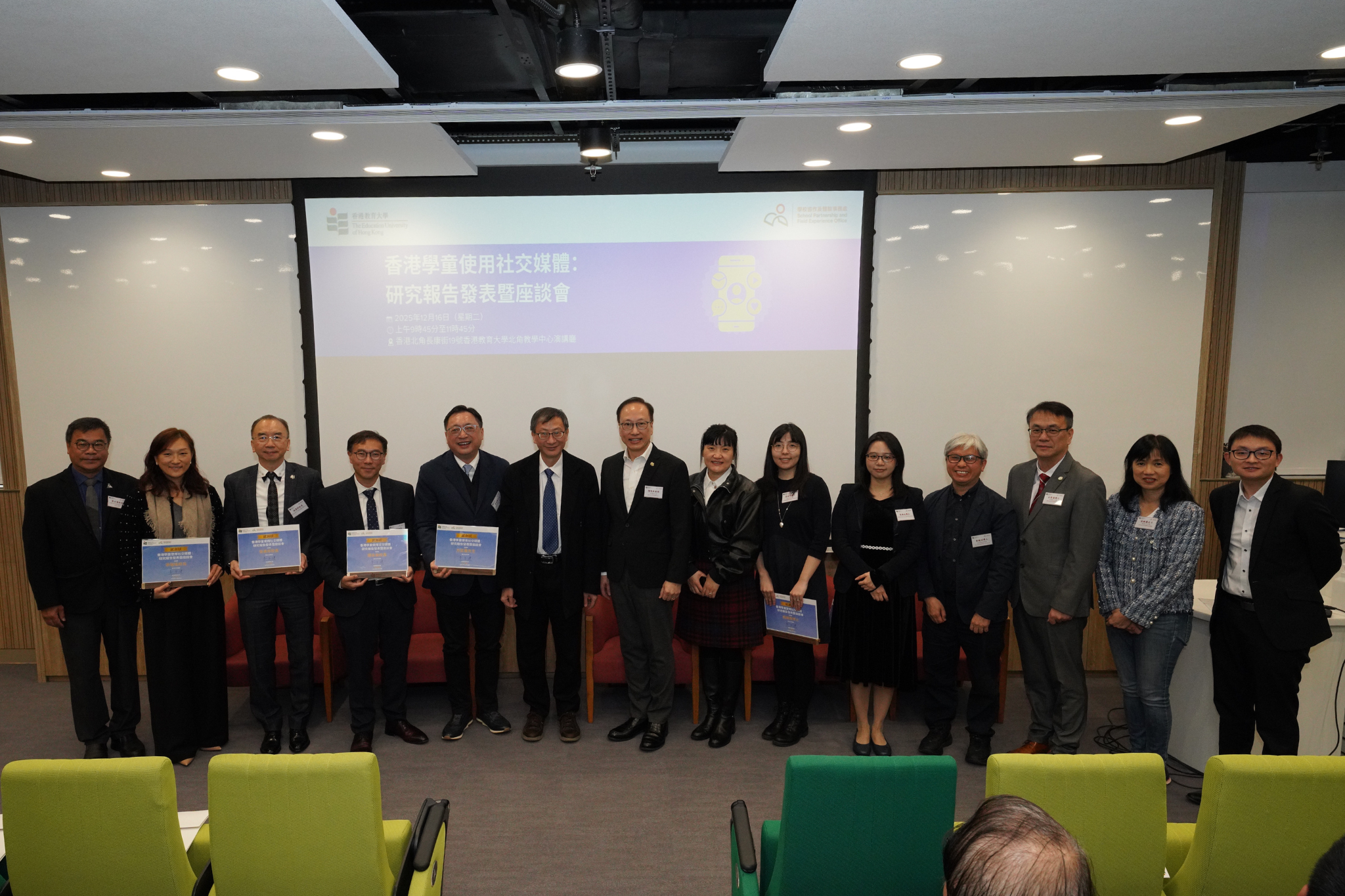


EdUHK Hosts “Hong Kong Students’ Use of Social Media: Research Report Launch and Symposium”
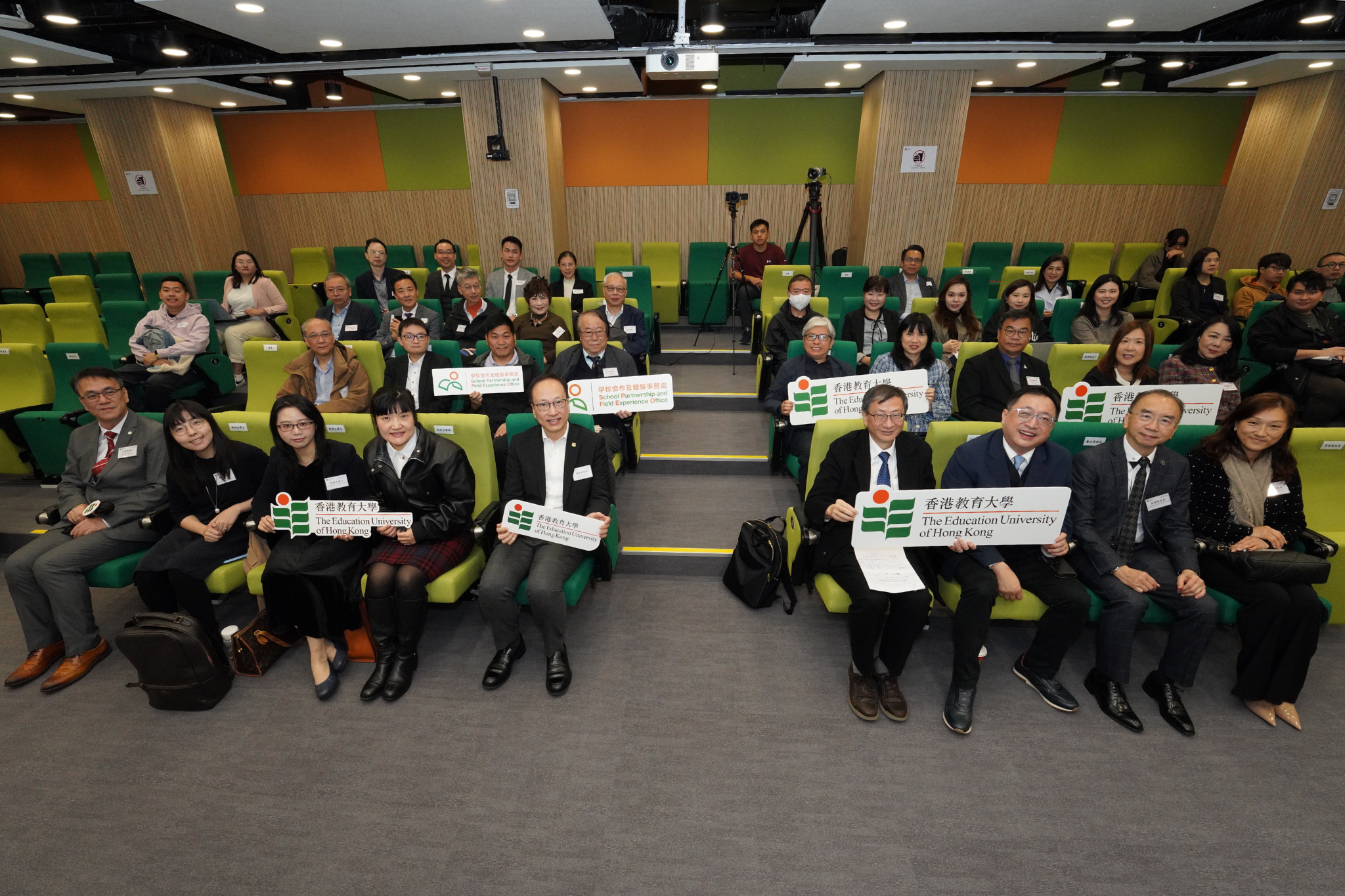
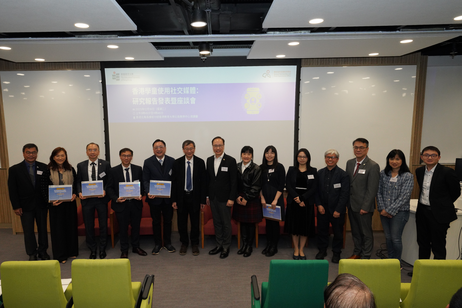
Social media has become an integral part of modern life, serving as a window for children and adolescents to connect with the world, while also posing risks to mental health and safety. To better understand the usage patterns of social media among Hong Kong’s youth and to explore the roles of schools and parents in fostering media literacy, The Education University of Hong Kong (EdUHK) held the “Hong Kong Students’ Use of Social Media: Research Report Launch and Symposium” recently at its North Point Study Centre. The event brought together representatives from local primary, secondary schools, and early childhood education sectors to address the healthy development of young people in the digital age.
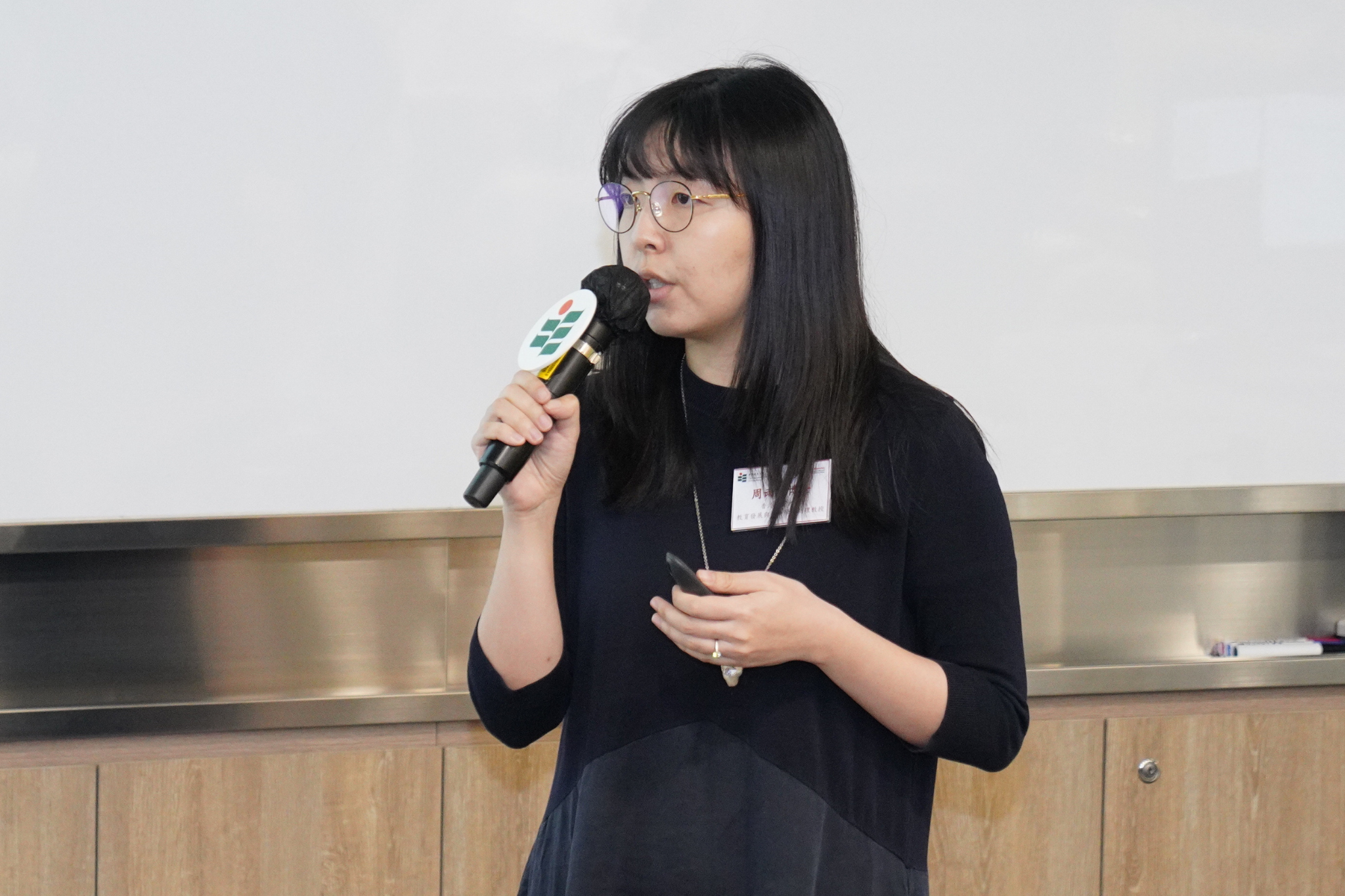
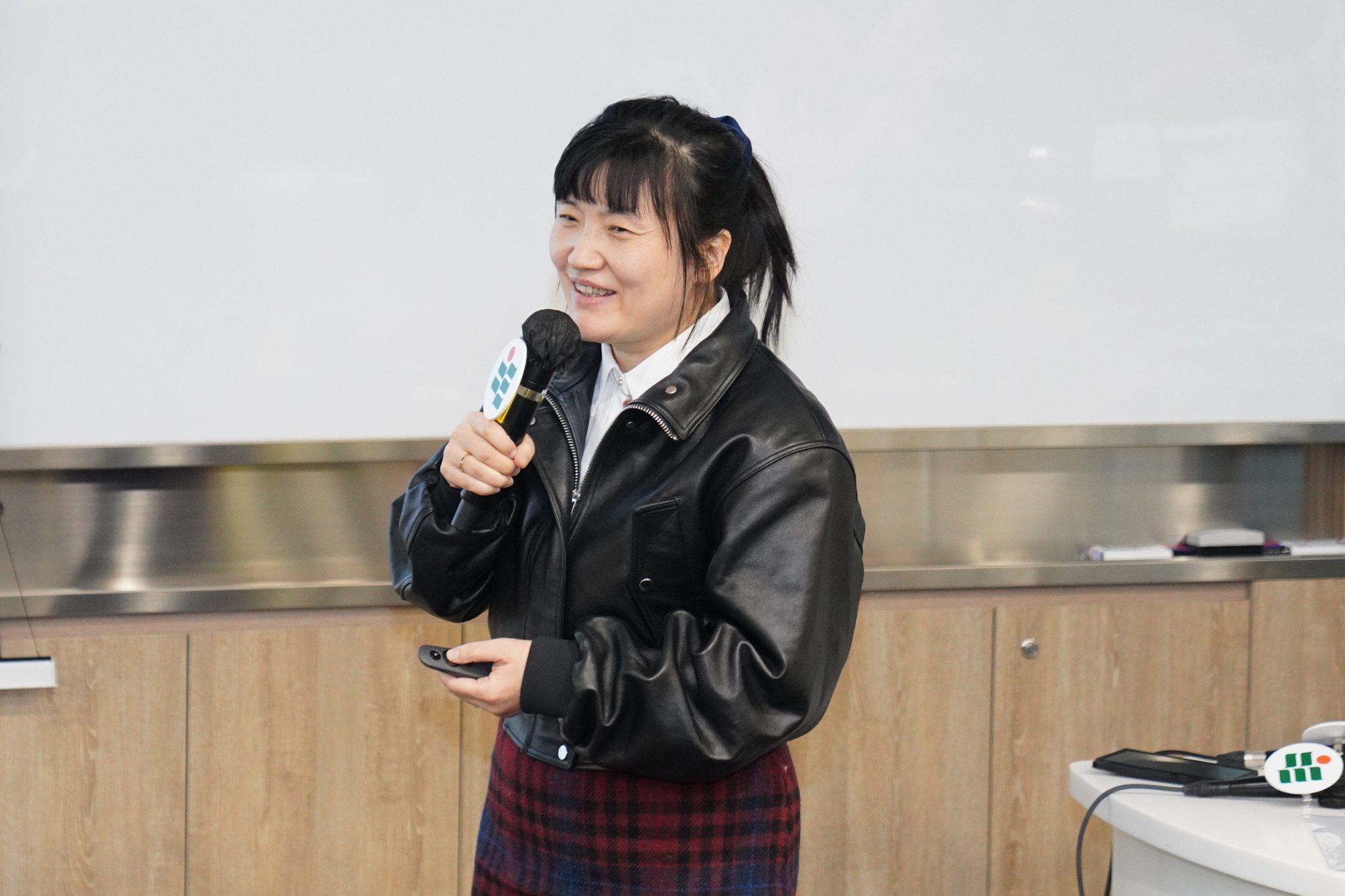
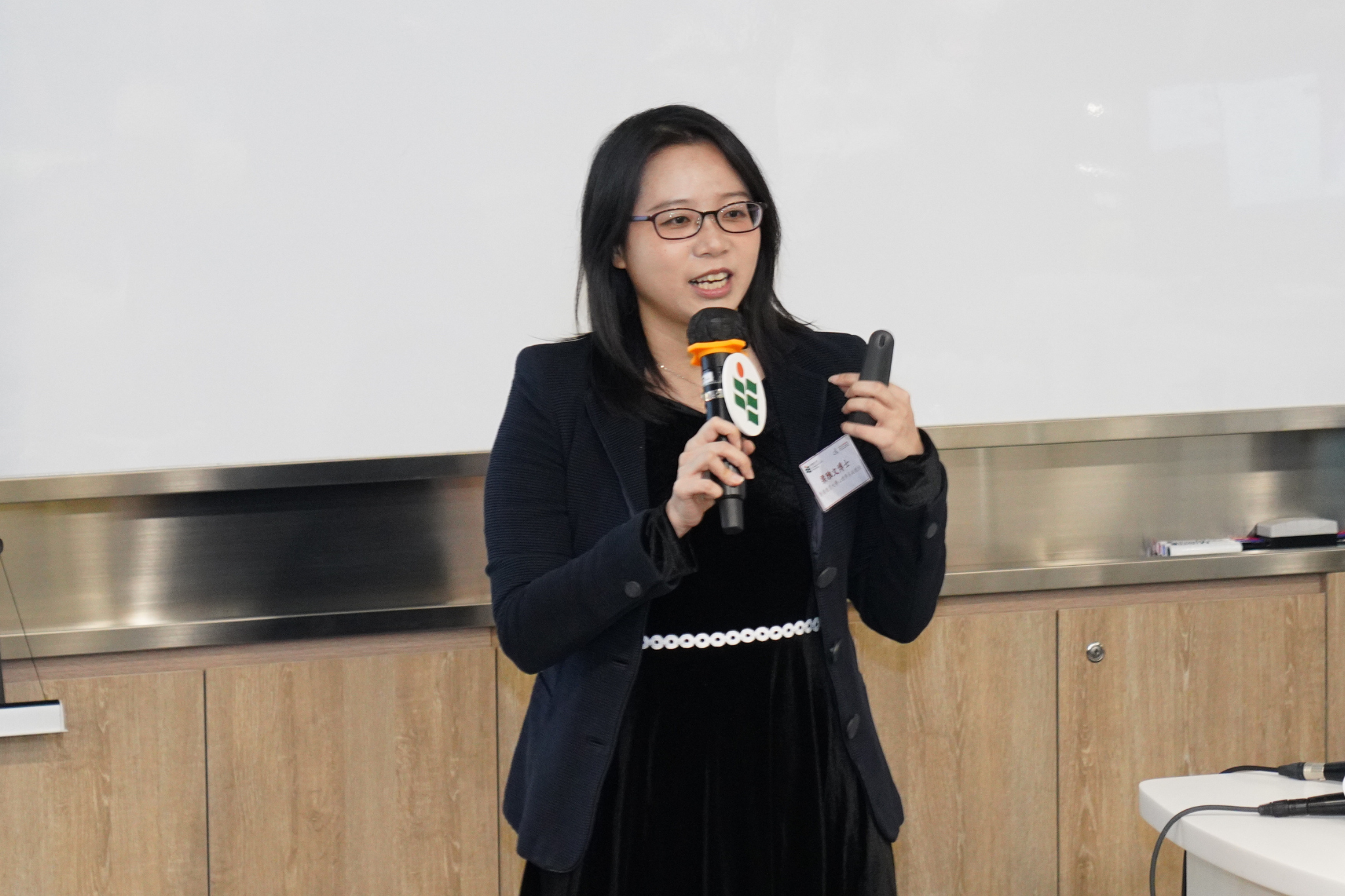
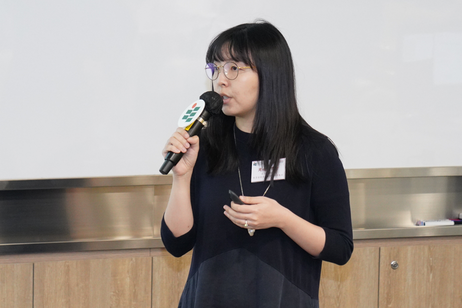
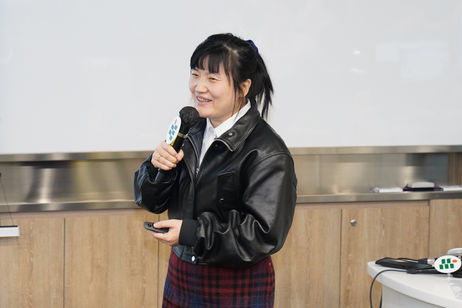
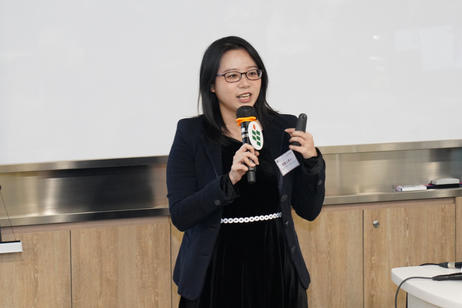
Three EdUHK scholars — Dr Cecilia Zhou Yuxi, Assistant Professor at Academy for Educational Development and Innovation, Professor Michelle Gu Mingyue, Assistant Vice President (Research), and Dr Angel Leung Nga-man, Associate Professor at the Department of Psychology – shared their perspectives on children’s rights, identity formation and cyberbullying, sharing insights into the social media habits of Hong Kong’s young people and examining their impact on their psychological wellbeing and social behaviour.
Dr Zhou highlighted both the opportunities and risks of social media, which allows adolescents to explore interests, access learning resources, and engage in creative activities, but may also lead to addiction. She suggested that parents adopt family strategies by discussing risks with their children, and “co-use” by engaging with them on social media to strike a balance between encouragement and restriction. She further called on schools to integrate digital citizenship education into curricula, covering technology use, online safety, and cyberbullying, while urging technology companies to adopt “Children’s Rights by Design” and the government to strengthen policy and regulation to safeguard children’s best interests.
Professor Gu analysed the influence of social identity construction, noting that adolescents are easily affected by external labels and group culture in the online world, which in turn shapes self-perception and social interaction. She emphasised the importance of collaboration between families and schools, recommending the introduction of digital literacy courses and stronger engagement with parents to help young people build positive identity and reduce stress arising from social media.
Dr Leung focused on the issue of cyberbullying. She pointed out that while social media can facilitate communication, it can also become a channel for bullying and exclusion, posing threats to mental health. She stressed that parents and teachers must work together to help children develop healthy usage habits and accurate self-perception, thereby reducing the impact of cyberbullying.
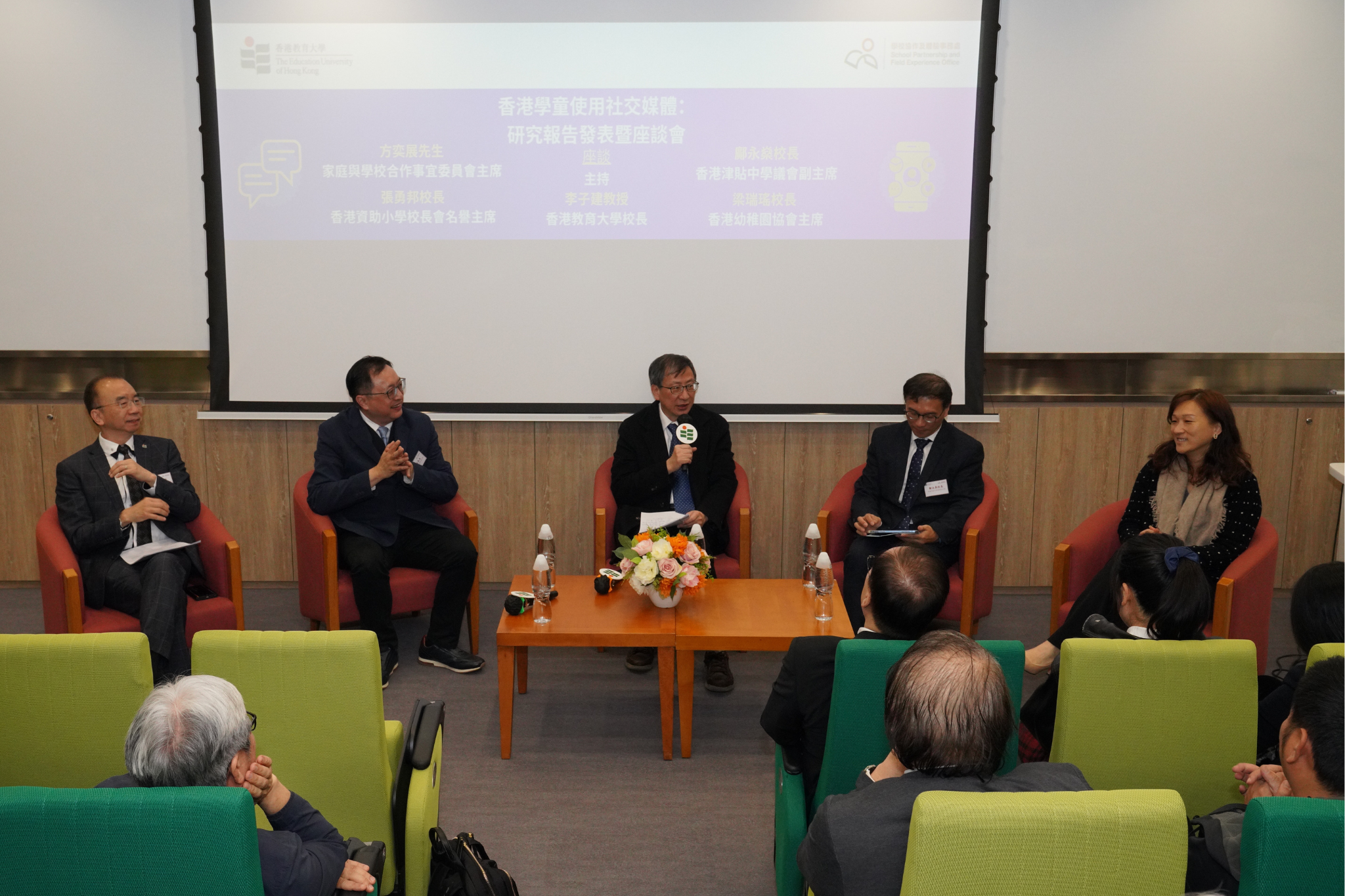
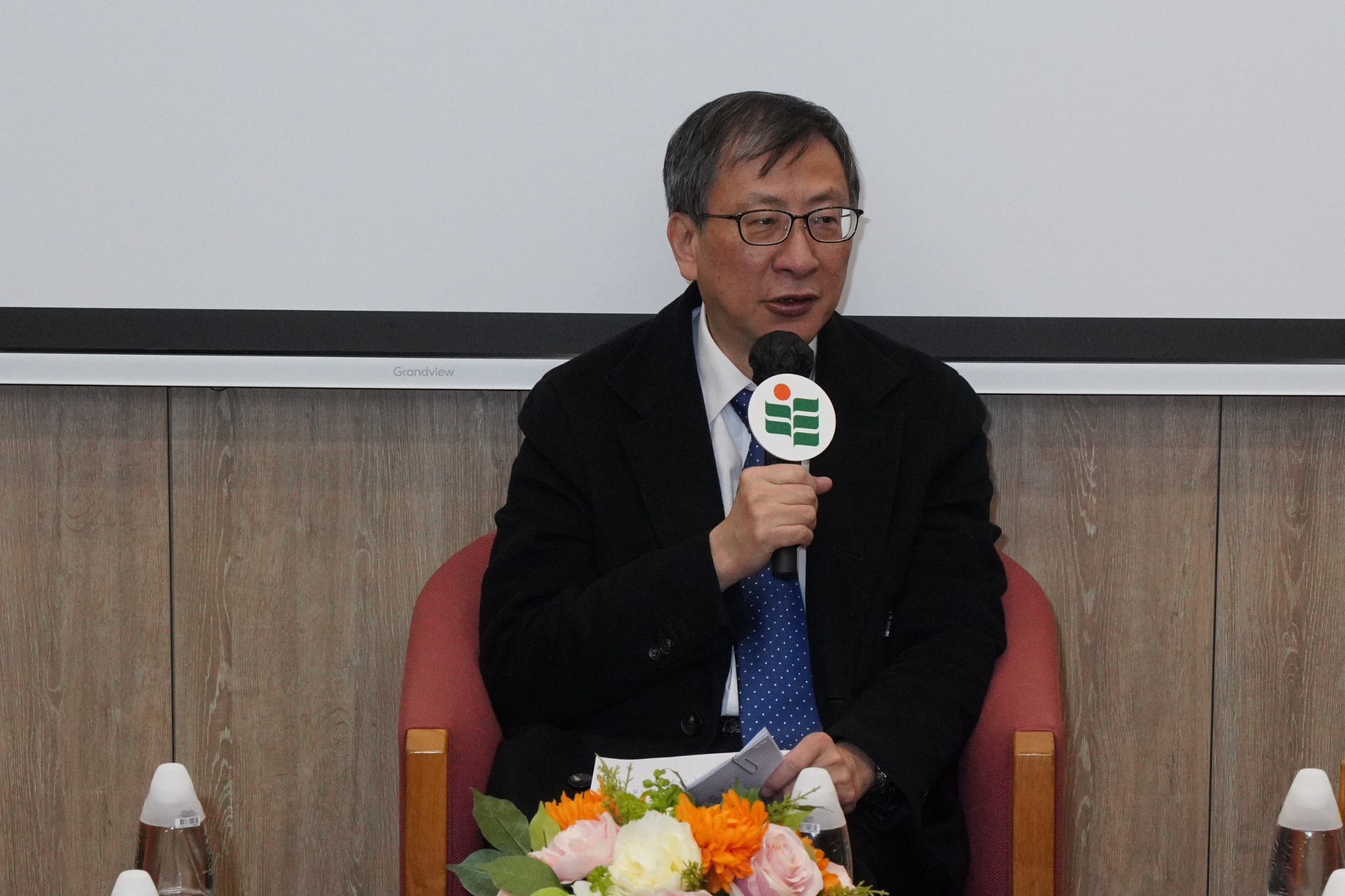
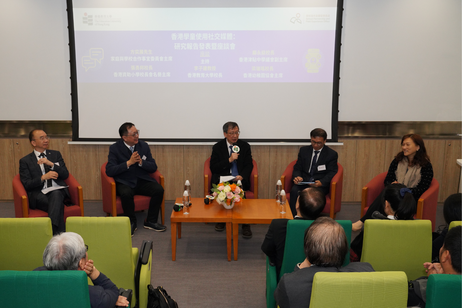
The panel session was chaired by Professor John Lee Chi-Kin, President of EdUHK, and featured distinguished education leaders, including Mr Eugene Fong Yick-jin, Chairman of the Committee on Home-School Co-operation, Mr Vincent Kwong Wing-sun, Vice Chairman of the Executive Committee of Hong Kong Subsidized Secondary Schools Council, Mr Langton Cheung Yung-pong, Honorary Chairman of the Hong Kong Aided Primary School Heads Association, and Ms Leung Shui-yiu, Chairperson of Hong Kong Kindergarten Association. Drawing on perspectives such as parental roles, school education and policies, students’ exposure to health information, digital literacy education, and corporate social responsibility, the panel explored how primary, secondary, and early childhood education can foster appropriate use of social media among students.
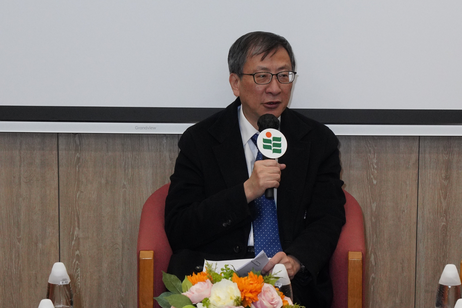
Professor Lee underscored that only through joint efforts by schools and families can students be equipped to meet the challenges and opportunities brought by social media. He introduced the frameworks of “4P” (Parents, Peers, School Policies, Practitioners/Professionals) and “3D” (Devices, Distancing, Digital competence). He explained that parents should adopt positive parenting approaches, schools should establish clear policies and suitable curricula, peers should support one another, and professionals such as teachers, social workers, and psychologists should continue to promote media literacy education. At the same time, attention must be paid to how children use devices, maintain healthy boundaries, and enhance digital competence to foster holistic development.
In his concluding remarks, Professor Chetwyn Chan Che-hin, Vice President (Research and Development) of EdUHK, noted that the research report and symposium not only shed light on the multifaceted use of social media among Hong Kong adolescents but also provided concrete directions for action. He stressed that cultivating media literacy and digital competence requires cross-sector collaboration and sustained research support. Professor Chan affirmed that EdUHK will continue to leverage its strengths in research and policy advocacy, working with schools, families, and society to build a safer and healthier digital environment for young people and to lead educational innovation into the future.
As Hong Kong’s only university dedicated to education, EdUHK is committed not only to advancing research and policy recommendations, but also to leading the mission of shaping the “Education Futures”. By nurturing diverse talents — young people equipped with digital literacy, critical thinking, ethical awareness and a global outlook — EdUHK will continue to play a leading role in educational innovation and contribute to the long-term development of Hong Kong and the wider region.
— Ends —
EdUHK Hosts “Hong Kong Students’ Use of Social Media: Research Report Launch and Symposium”
Download all images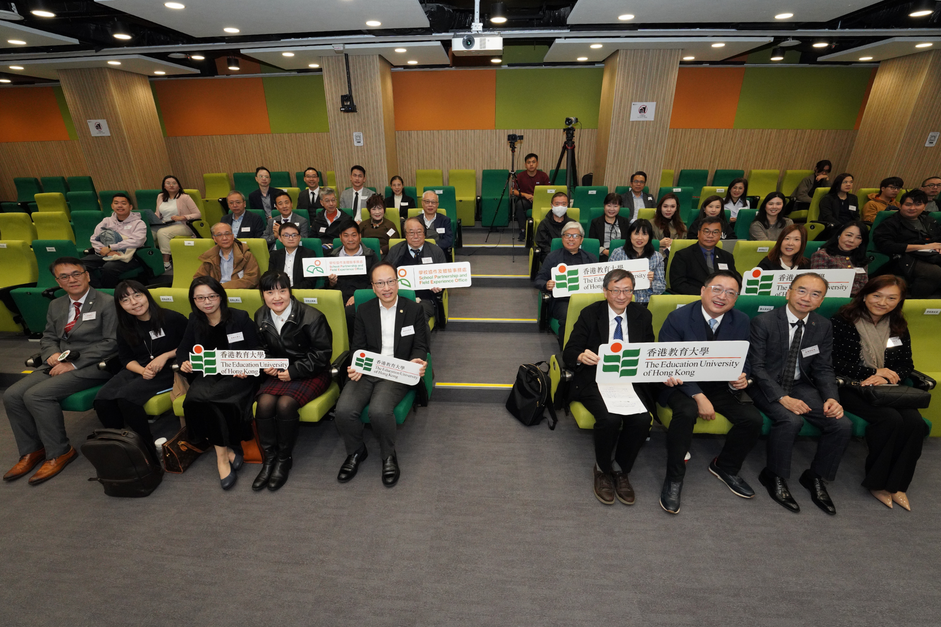
Media Enquiries
Communications Office