

EdUHK and LMU Joint Symposium Explores Sustainability Education and AI-driven Innovation
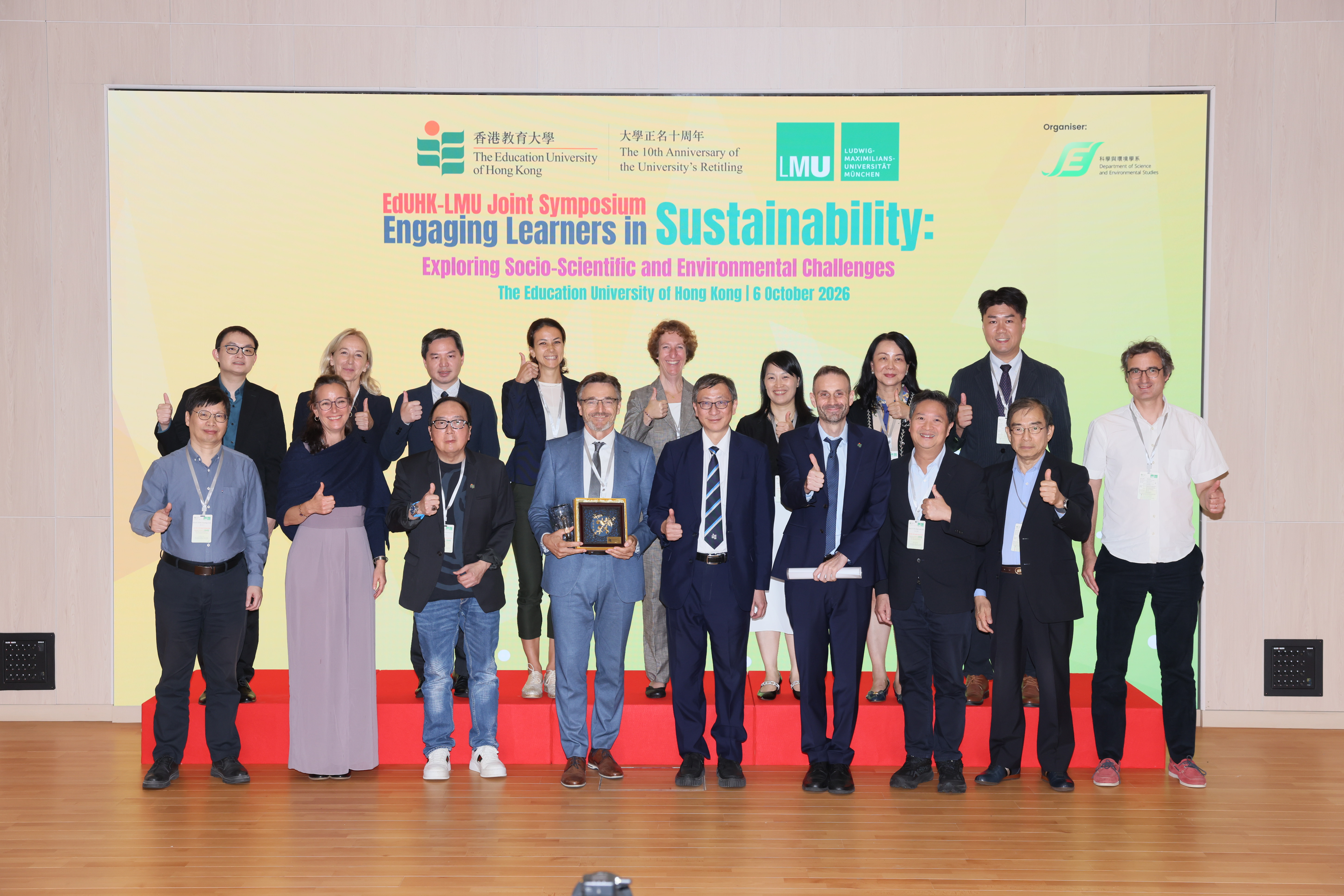
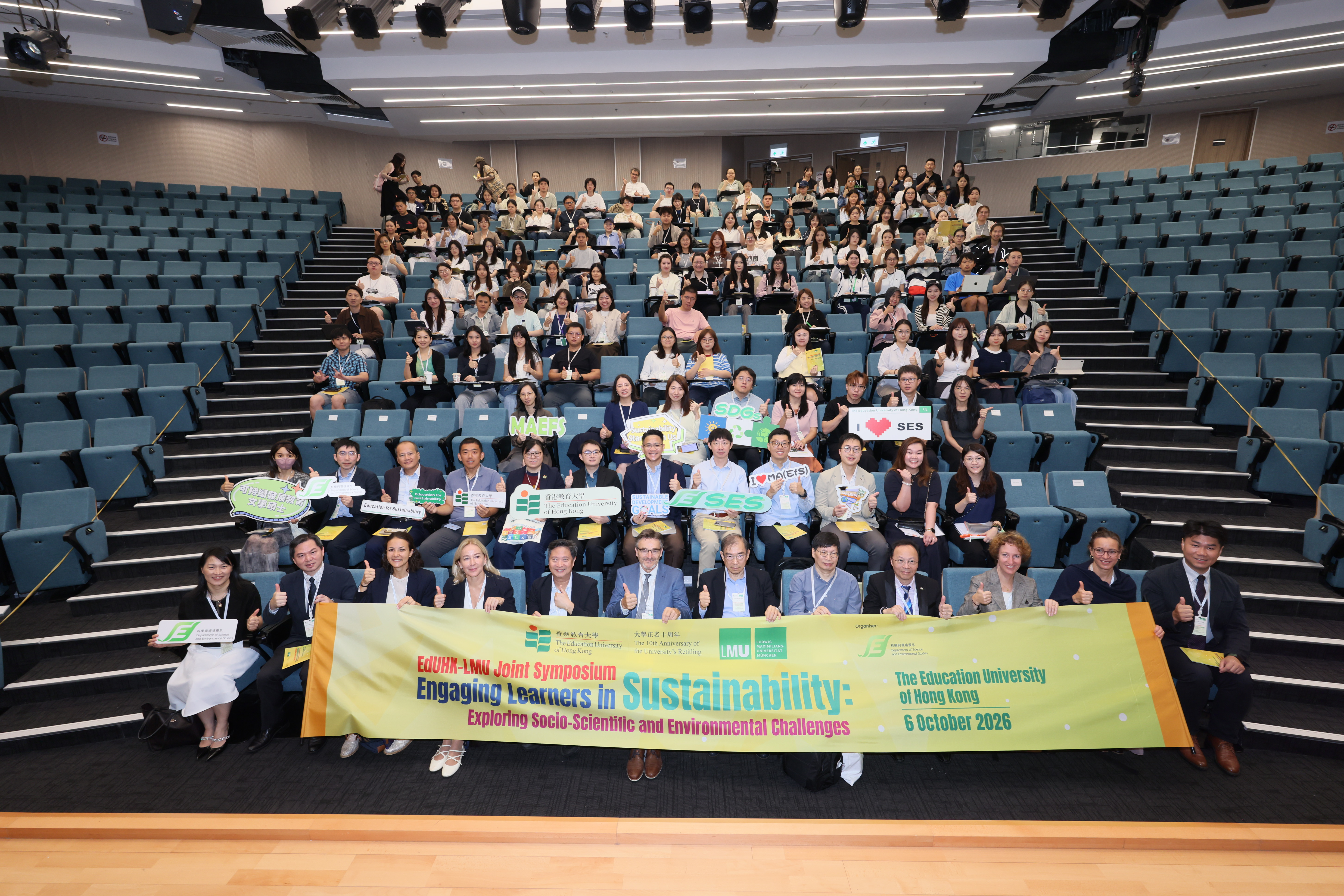
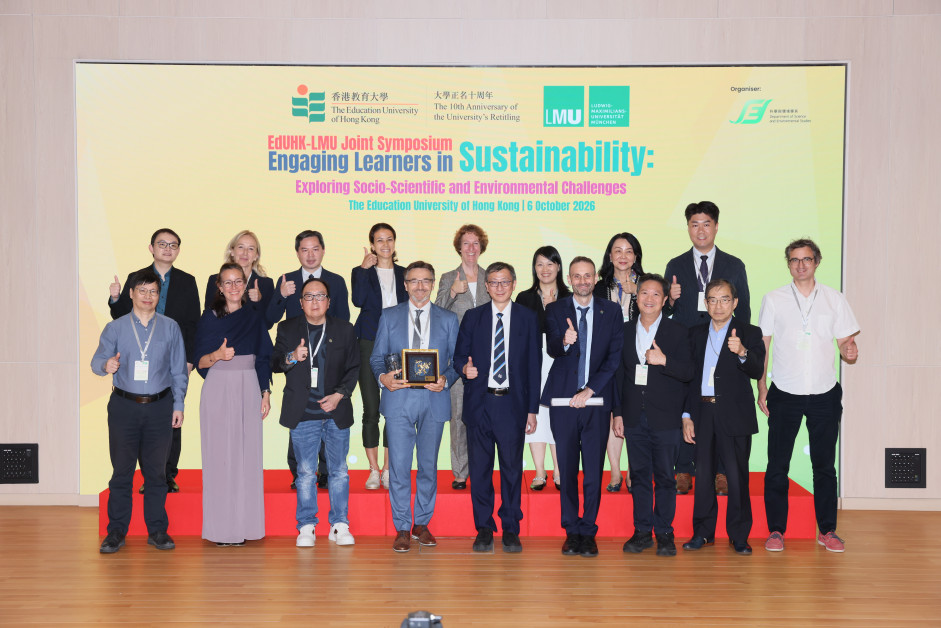
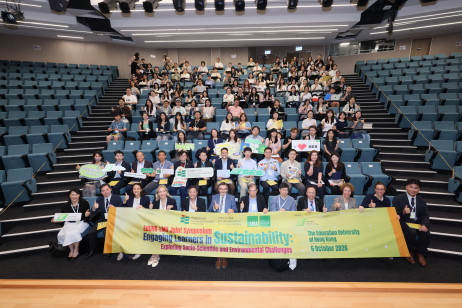
The Education University of Hong Kong (EdUHK) and Ludwig-Maximilians-Universität München (LMU) jointly hosted the EdUHK-LMU Joint Symposium—Engaging Learners in Sustainability: Exploring Socio-Scientific and Environmental Challenges on 6 October at EdUHK Tai Po Campus. The symposium brought together scholars, researchers and educators from the Chinese Mainland, Hong Kong, France, Germany and beyond to exchange insights on sustainability education, environmental science, educational psychology, artificial intelligence (AI), and emerging technologies, fostering interdisciplinary dialogue and international collaboration in addressing global challenges.
In response to escalating environmental challenges and rapid technological transformation, the symposium examined how education, research and international collaboration can contribute to sustainable development and cultivate future-ready learners to tackle complex socio-scientific issues. It also explored the opportunities and challenges posed by AI and its potential to drive educational innovation and sustainability.
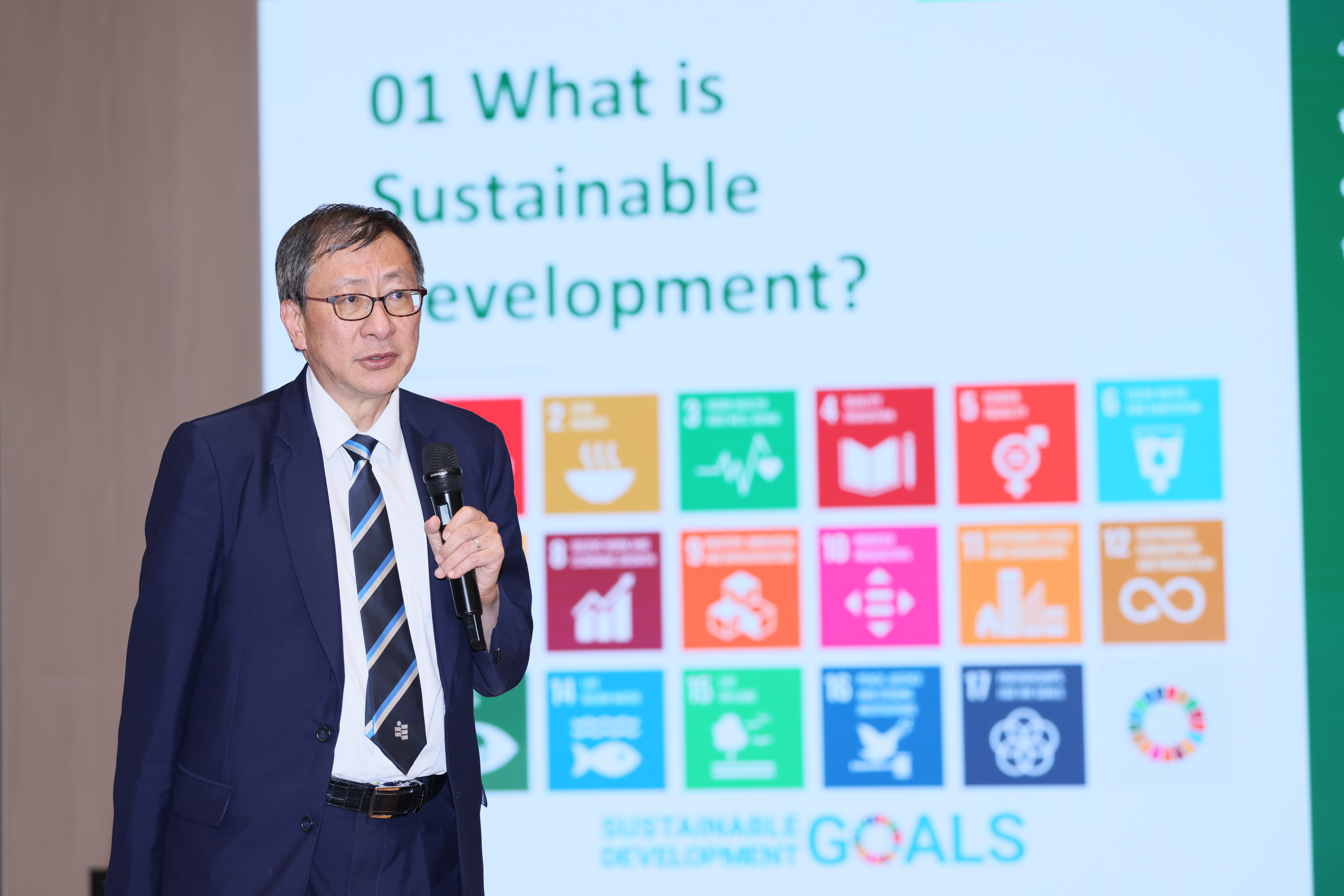
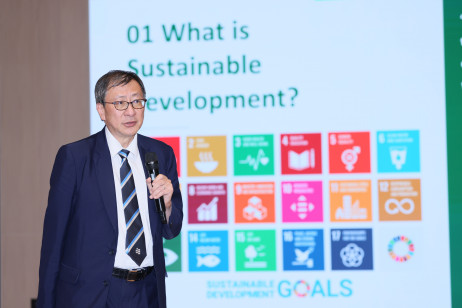
In his opening remarks and keynote speech, Professor John Lee Chi-Kin, President of EdUHK, stressed the need to integrate sustainability and technological innovation in education. He remarked, " As AI continues to reshape education and society, universities must nurture the next generation with a sustainability vision, while equipping them with essential knowledge and digital literacy, guided by proper values and technological ethics, to responsibly harness emerging technologies for the benefit of society."
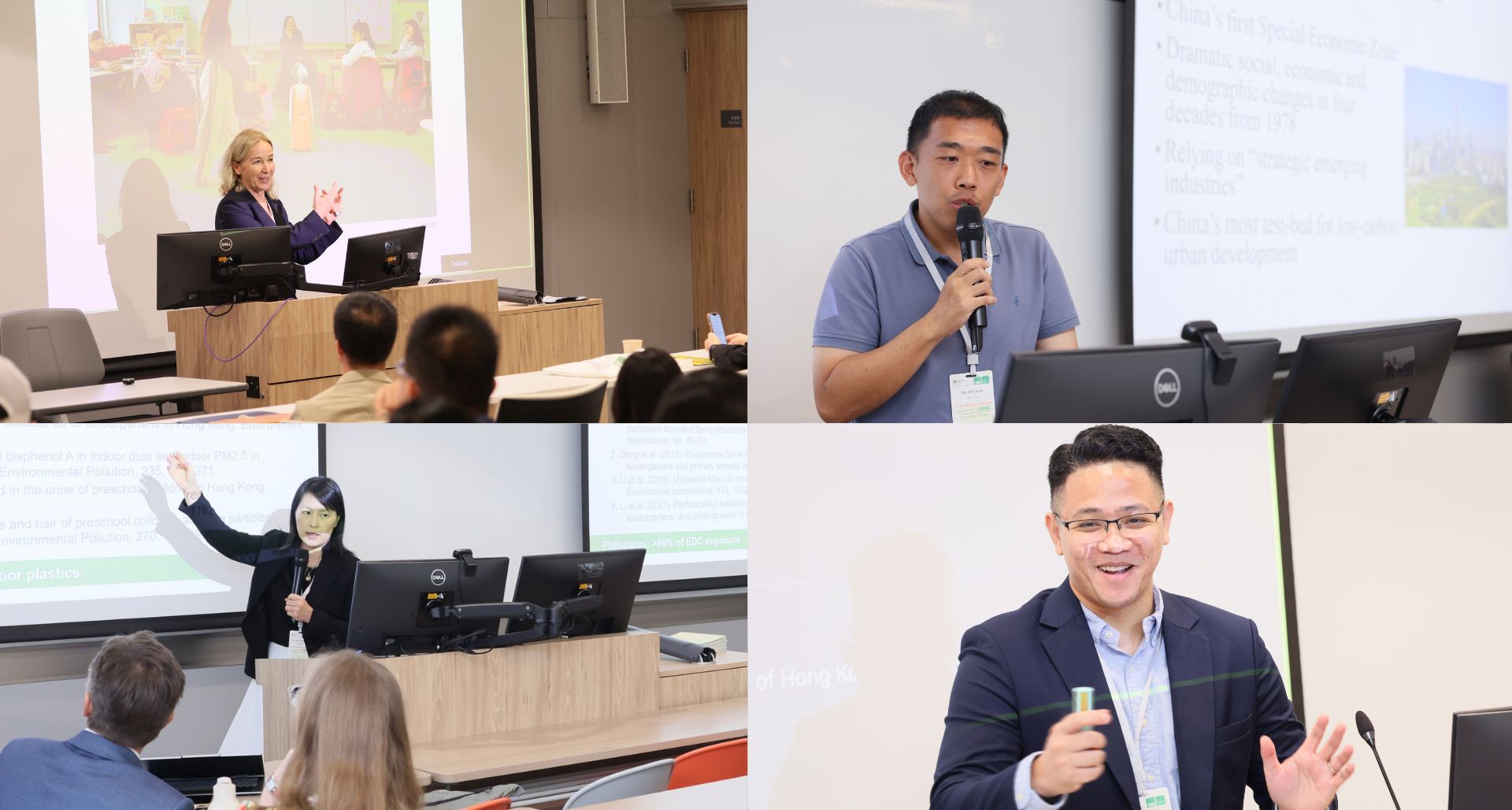
Under the theme “Exploring AI Pathways in Education for Sustainable Resource Use and Technology Adoption”, leading scholars from EdUHK, LMU and partner institutions shared insights on sustainability and environmental challenges from interdisciplinary perspectives. Professor Jim Chi-yung, Chair Professor and Advisor (Geography and Environmental Science) at EdUHK, highlighted nature-based solutions for sustainable urban development through urban soil design. Professor Dr Ralf Ludwig, Chief Sustainability Officer and Professor in Environmental Modelling at LMU, discussed advancing sustainability through research, education and institutional practice. Professor Ying Guangguo, Dean of the School of Environmental Research Institute at South China Normal University, examined the environmental and public health implications of antibiotic pollution and antimicrobial resistance in marine aquaculture. Their presentations underscored the critical role of research and higher education in addressing pressing environmental challenges.
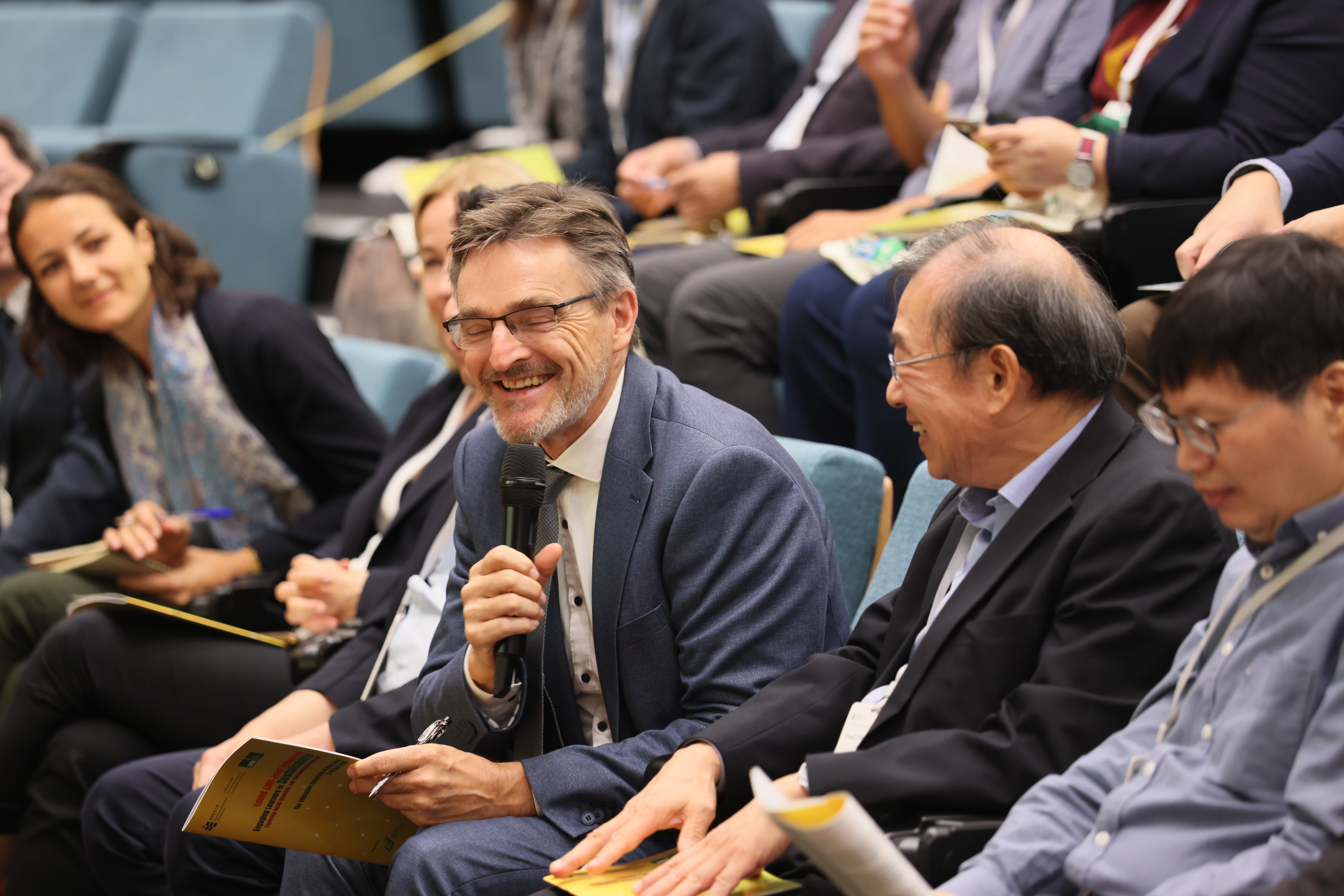
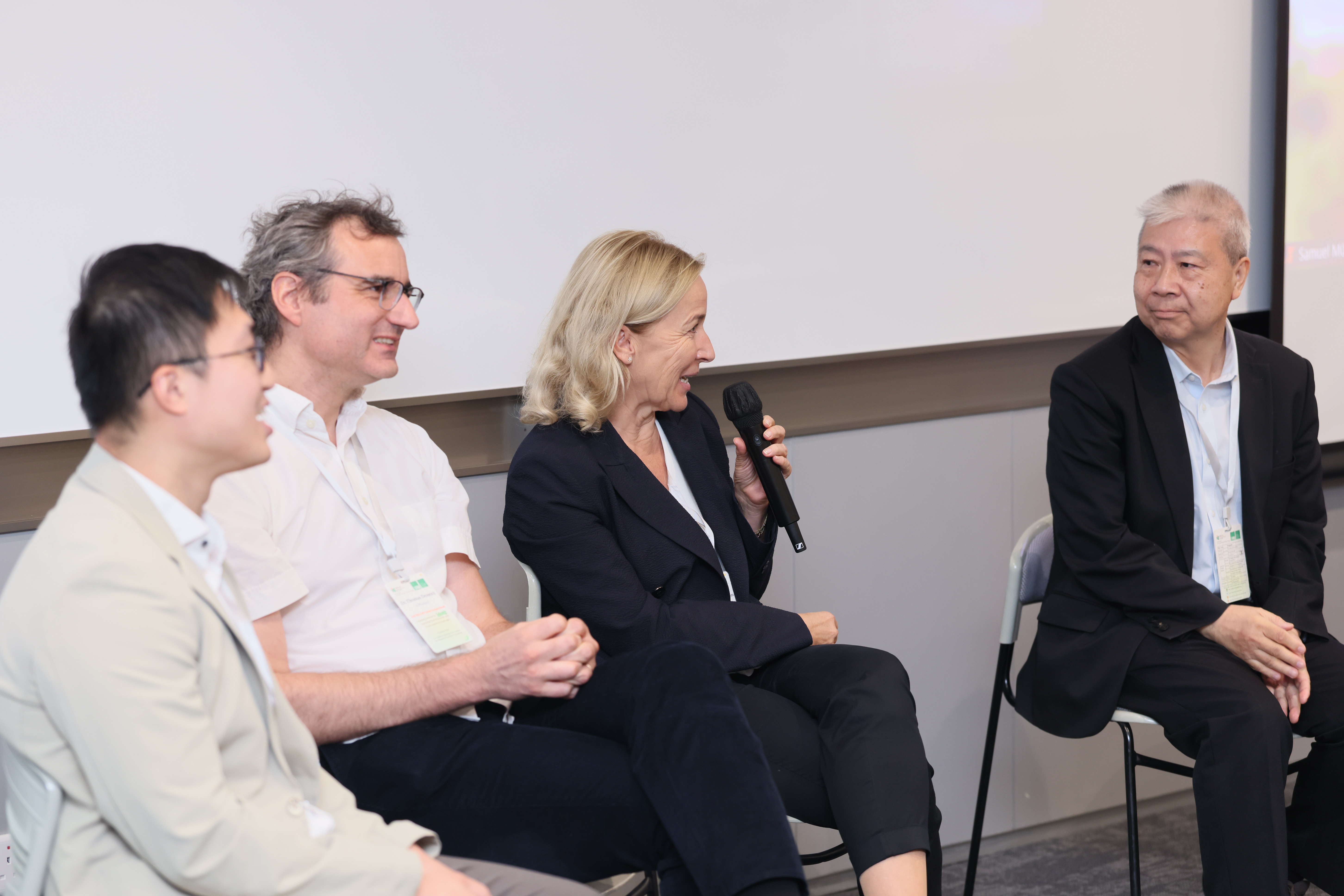
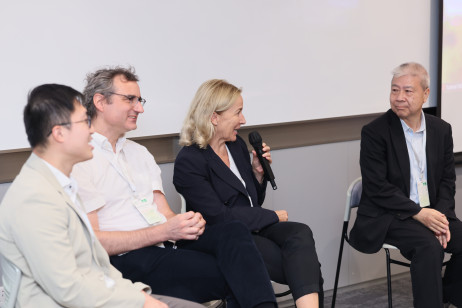
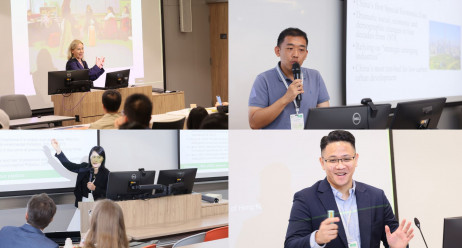
Scholars from EdUHK, LMU and overseas institutions further explored the intersections between sustainability, educational psychology, environmental science and AI through thematic parallel sessions. Discussions covered AI-enhanced teaching and learning, learner engagement, climate resilience, environmental governance, sustainable technology adoption and sustainability literacy. Three parallel sessions—AI and Digital Innovations in Sustainability, Educational Psychology and Learner Engagement for Sustainability, and Interdisciplinary Environmental Science and Education for Sustainable Development—provided valuable opportunities for participants to exchange ideas and explore future collaboration.
The symposium concluded with keynote presentations by Professor John Lee Chi-Kin on Teaching Sustainability at Scale with AI: Education Strategies for Global Challenges, and Professor Dr Jochen Kuhn, Vice President for Innovation in Education and Teacher Training at LMU, on AI-Augmented Inquiry and Regulation in STEM Education. Their presentations highlighted the transformative potential of AI in advancing educational innovation while supporting sustainable development through responsible and ethical implementation.
The event further strengthened the partnership between EdUHK and LMU, reflecting the two universities' shared commitment to advancing sustainability, educational innovation and international collaboration. Through continued exchange and joint initiatives, both institutions aspire to contribute to sustainable development and empower future generations to thrive in an increasingly interconnected and technology-driven world.
-Ends-
Media Enquiries