

Harnessing Innovative Technology to Meet Real Teaching and Learning Needs
— Interview with Professor Song Yanjie, Professor at the Department of Mathematics and Information Technology
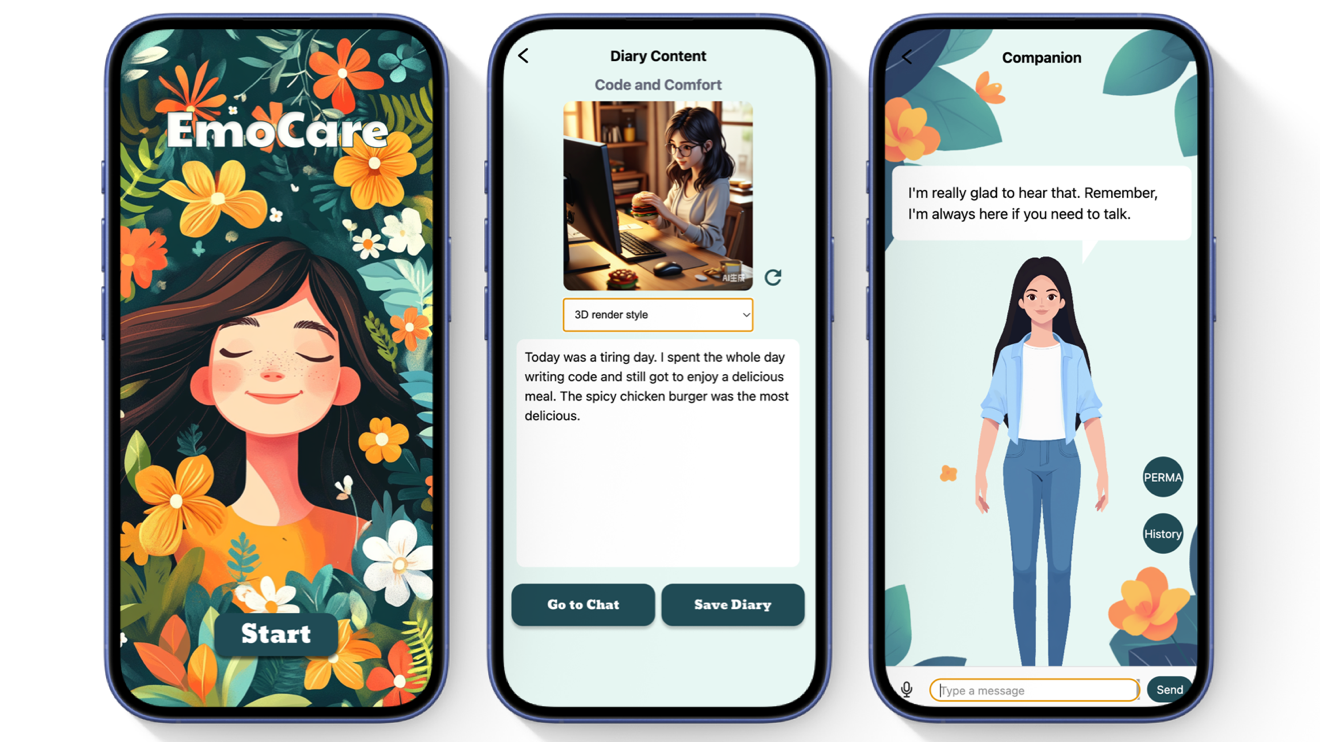
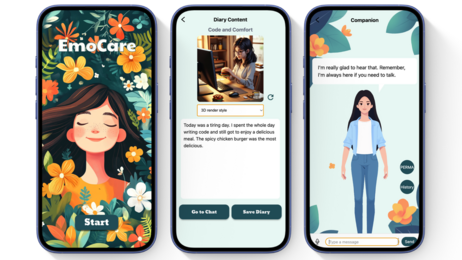
In a world where educational technology is evolving at an unprecedented pace, Professor Song Yanjie and her team from the Department of Mathematics and Information Technology at the Educational University of Hong Kong (EdUHK) stand at the forefront of innovation. Driven by a commitment to addressing real educational challenges, the team has developed several award-winning applications, including the commercialised metaverse platform “Learningverse” and the vocabulary learning app “VocabGo,” which is supported by augmented reality (AR) and virtual reality (VR). They also have taken their mission a step further by introducing “EmoCare”, an AI-powered app designed to foster positive emotions. This innovative project was selected for the EdUHK-HKSTP “Co-Ideation Programme” in October 2025.
Innovative Development Inspired by “Doraemon”
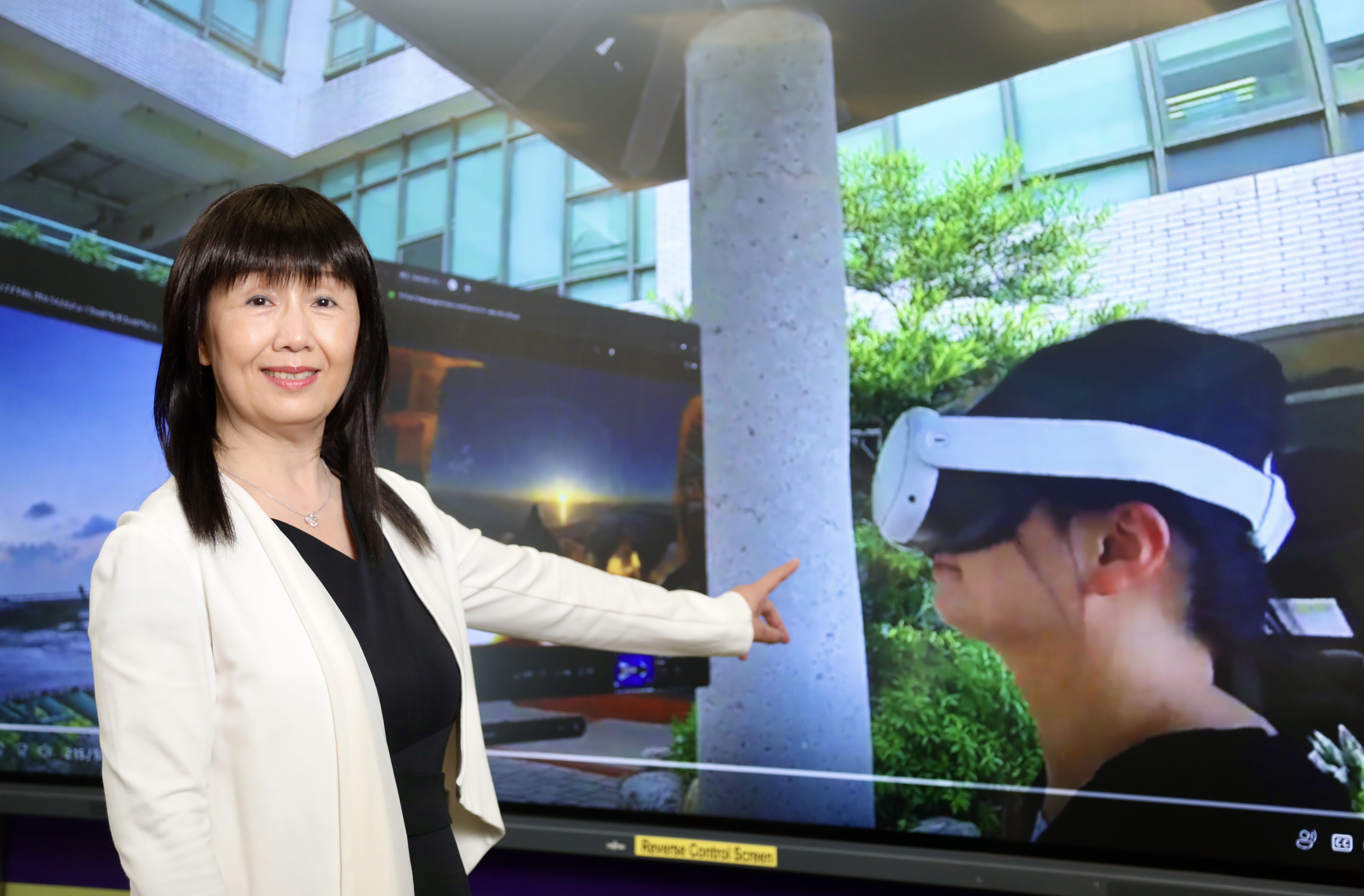
But the team’s ambitions do not stop there. They are pioneering new frontiers in integrating the metaverse, AR, VR, mixed reality (MR) and multimodal learning analytics leveraged by generative AI to reshape the future of human-robot collaborative teaching. Inspired by the whimsical “Anywhere Door” from the beloved anime “Doraemon”, their latest project creates a collaborative learning platform that combines virtual and real worlds. Imagine a platform where users don a headset and are transported to vibrant worlds, such as outer space or underwater realms, where they can collaborate with peers. This innovative approach fosters dynamic interactions and delivers a deeply engaging learning experience.
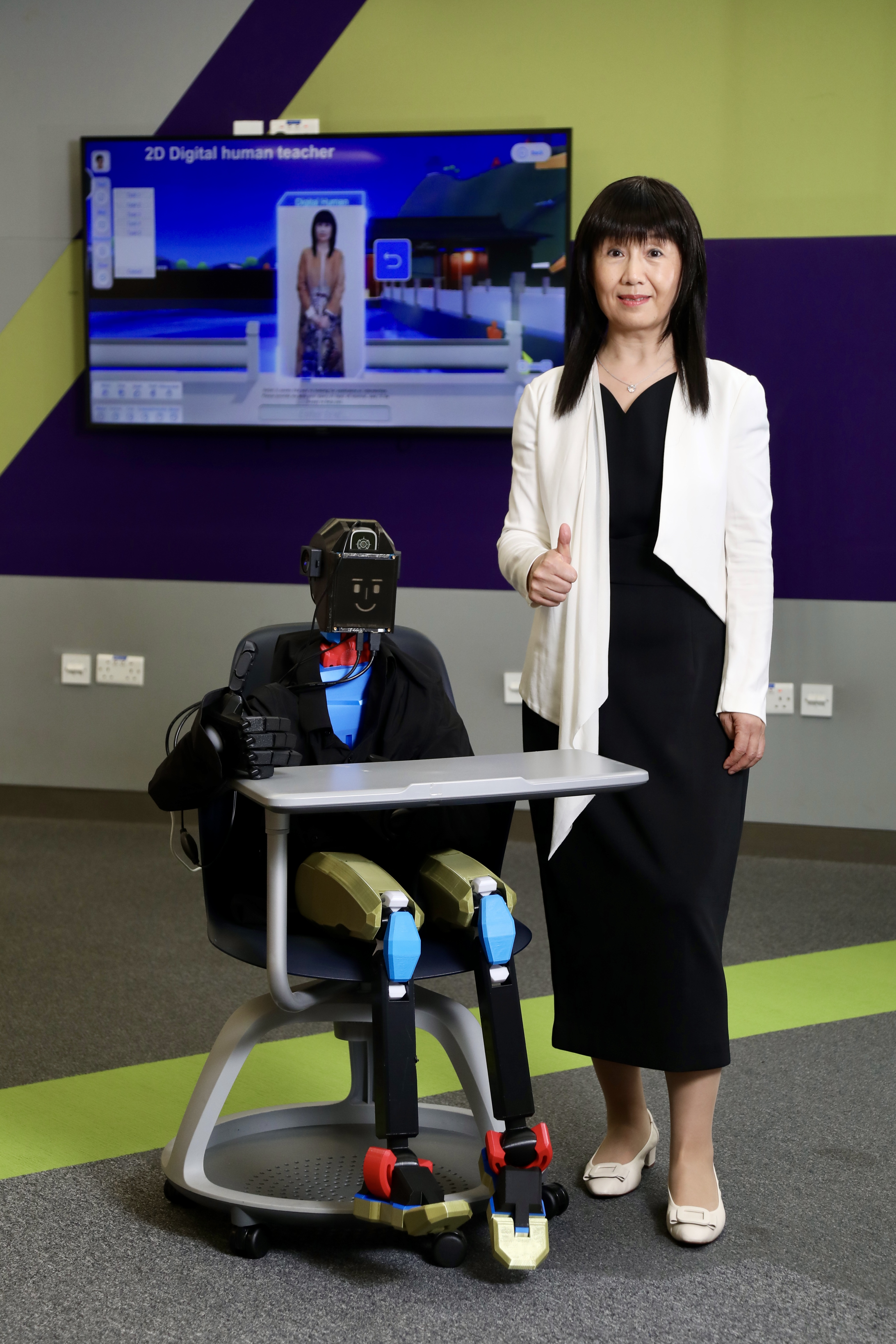
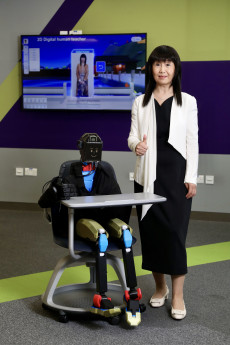
At the core of this experience is an AI-driven 3D printing robot equipped with intelligent tracking technologies. With capabilities for voice interaction and expressive feedback, it acts as a facilitator in the learning process, enhancing both immersion and engagement. In the team’s ongoing work, this robot is designed to observe students’ voices, facial expressions, gestures, and eye movements to assess their emotional states and learning challenges in real time. This innovation highlights two key trends shaping the future of education: the interaction between humans and robots in teaching, and the emerging role of head-mounted devices as powerful new learning media.
Grounded in the theory of Socially Shared Regulation (SSRL), the team has advanced an innovative framework called “Adaptive Socially Shared Regulation Learning (aSSRL)”, underscoring the central role of the AI-assisted adaptive learning system in effective collaborative learning. “We aim to make collaborative learning more scientific through technology by providing instant feedback, visualising learning processes, and simulating scenarios. This approach helps students better understand their participation styles and learn how to work together effectively, thereby fostering critical thinking and teamwork skills”. Professor Song believes that the true value of collaborative learning lies not only in “what” students learn, but in “how” they learn together.
Establishing a Startup to Promote Educational Reform through Technology
Founded by Professor Song, MetaAI is an educational technology startup dedicated to creating a 3D metaverse platform for online collaborative learning and digital human avatars. Recently, the team has combined 3D modelling with the Learningverse platform to create a customised digital human capable of real-time interaction. Their new digital human system, called “iChat”, integrates generative AI technology into Learningverse, featuring interdisciplinary learning, multilingual support, and a focus on both learning and companionship. They plan to expand into a multi-user platform by the end of 2025.
With the support from the Centre for Entrepreneurship and Research at EdUHK, Professor Song’s vision is becoming a reality. “CEAR offers valuable resources for incubation, including funding, facilities, training, and mentorship, helping us participate in ed-tech exhibitions and innovation competitions to explore collaboration opportunities”, she shares. The support not only boosts MetaAI’s influence in the industry but also helps accelerate the development and commercialisation of its innovative projects.
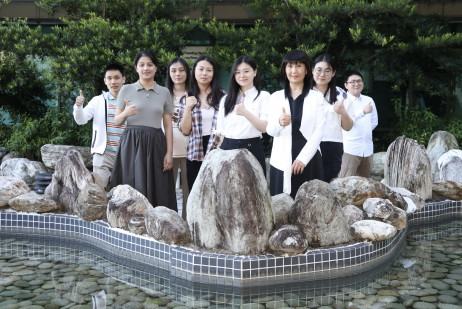
After years of close observation of the education sector and seven years of dedicated research, Professor Song and her team are now leading a few projects that have potenital to reshape the future of education. “I firmly believe that educational technology will bring unprecedented changes to teaching and learning. My mission is to contribute to this meaningful integration of education and technology”, she concludes.
--End--
Harnessing Innovative Technology to Meet Real Teaching and Learning Needs — Interview with Professor Song Yanjie, Professor at the Department of Mathematics and Information Technology
Download all images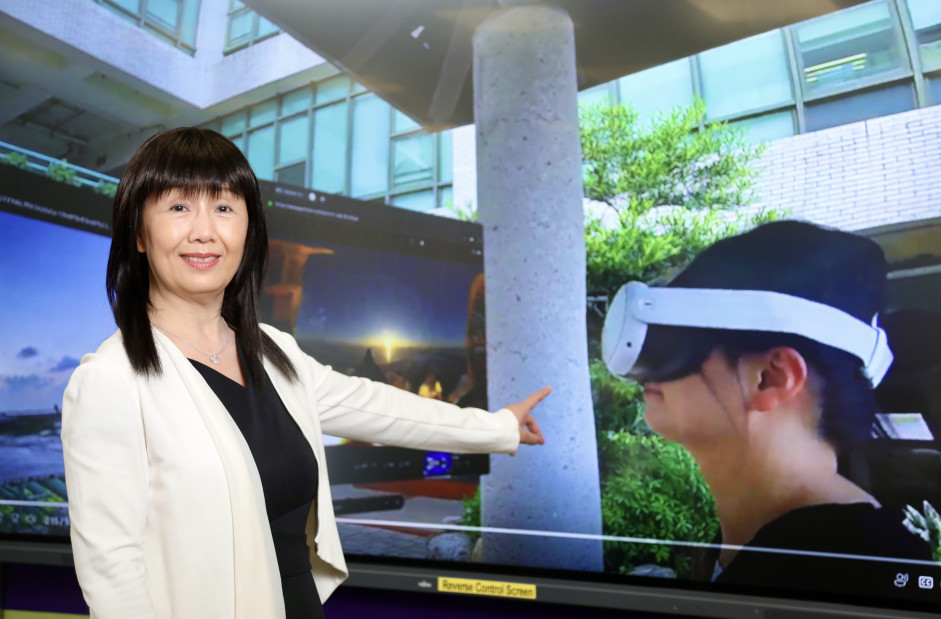
Media Enquiries
Communications Office