

International Conference Explores New Trends in Global Life Education Development
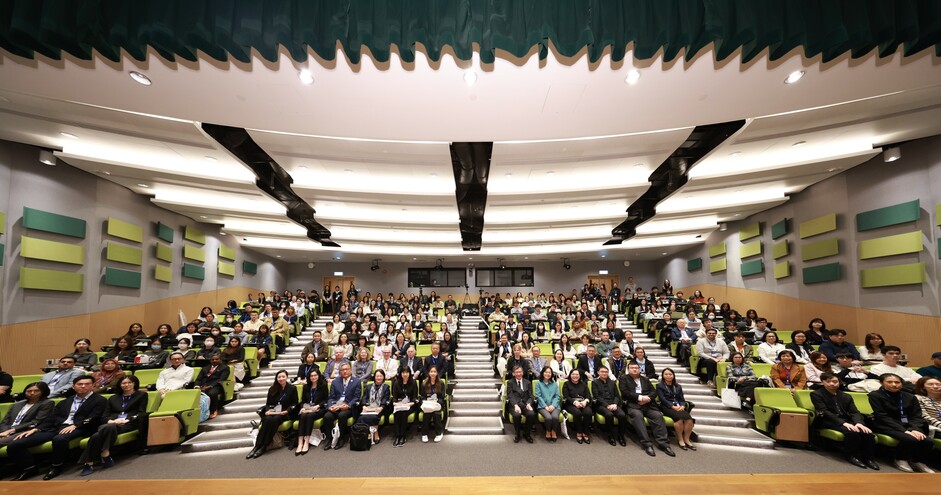
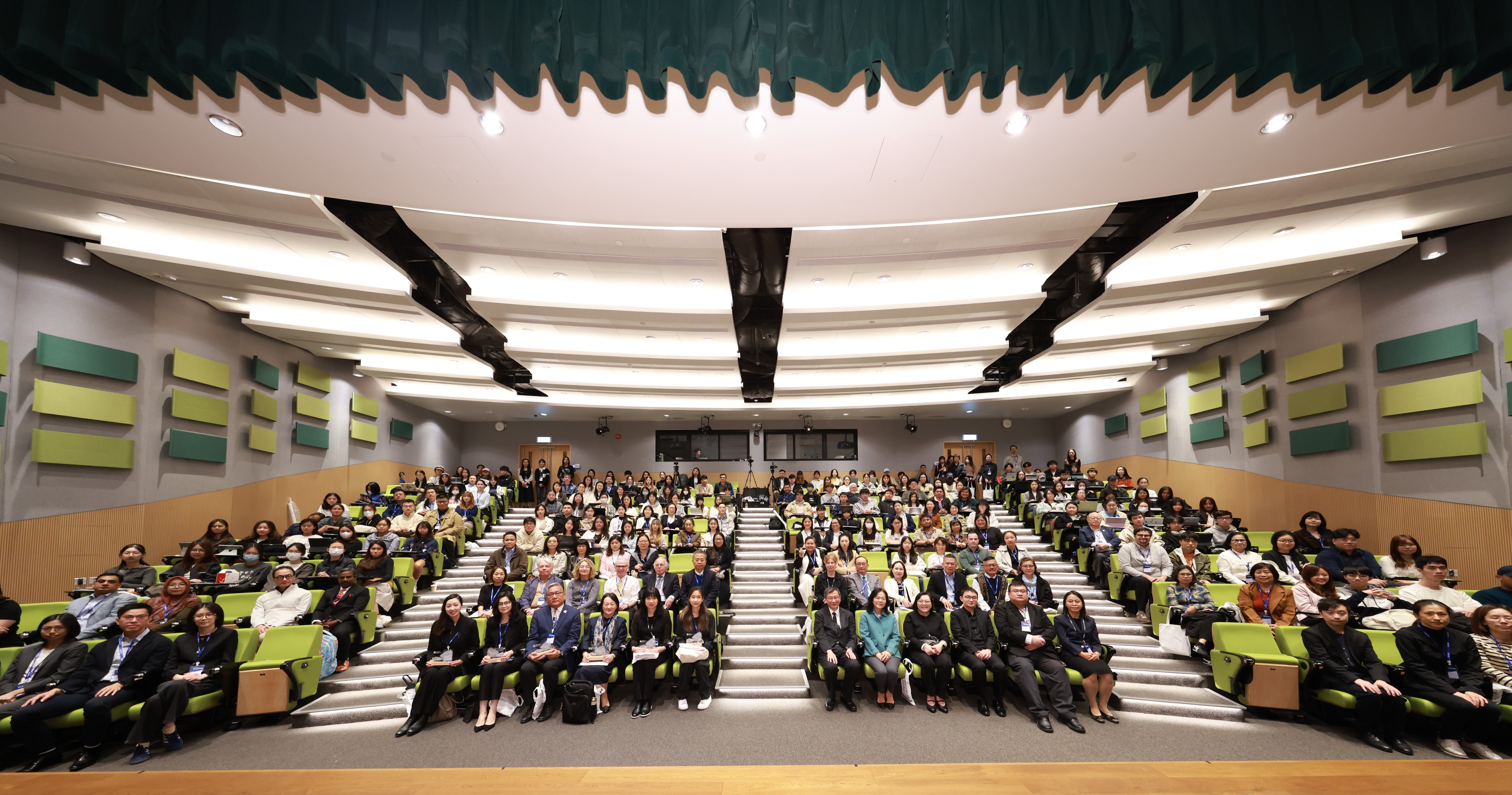
The Education University of Hong Kong (EdUHK) is hosting the International Conference on Life Education and Well-Being 2025 (ICLEWB) from 1 to 3 December. In attendance are more than 250 renowned scholars, religious leaders, educators, and professionals from over 20 countries and regions around the globe, including the Chinese Mainland, Europe, India, Japan, Malaysia, the Philippines, South Korea, the United States, Vietnam, as well as Hong Kong, China and Macao, China. The conference serves as an important interdisciplinary platform, promoting academic development and innovative practices in the fields of life education and well-being. During the event, EdUHK also announced the launch of the Master of Arts in Mindfulness and Life Education, commencing in September next year. The programme’s aim is to cultivate students’ attitudes and approaches to practising life values with mindfulness.
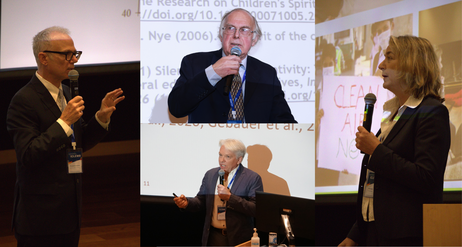
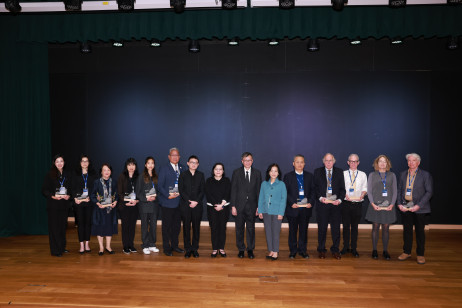
The conference featured many prominent keynote speakers, including religious leaders such as The Most Revd Andrew Chan Au-ming (Archbishop and Primate of the Hong Kong Sheng Kung Hui), Dr Lee Yiu-fai (Abbot of Sik Sik Yuen Wong Tai Sin Temple), and esteemed scholars in psychology, education and behavioural sciences, from top international universities such as the University of Amsterdam, University of British Columbia, University of Cambridge, University of California, Los Angeles, University of Chicago and the University of Oxford, along with professors from Shanxi University in the Chinese Mainland. Through nine keynote speeches, seven special seminars, and more than 160 oral and poster presentations, the distinguished guests discussed current topics in life education, religious education, values education, mindfulness, positive psychology, play therapy, and speech therapy, and showcased the latest research findings. Mrs Joanna Li Lau Lai-hing, EdUHK Council Member, presented souvenirs to keynote speakers and panel discussion guests.
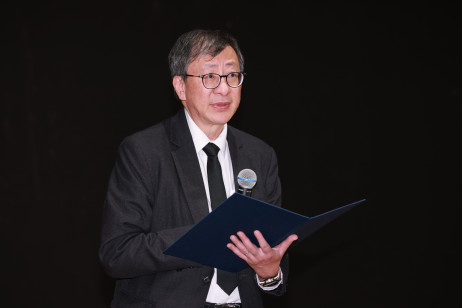
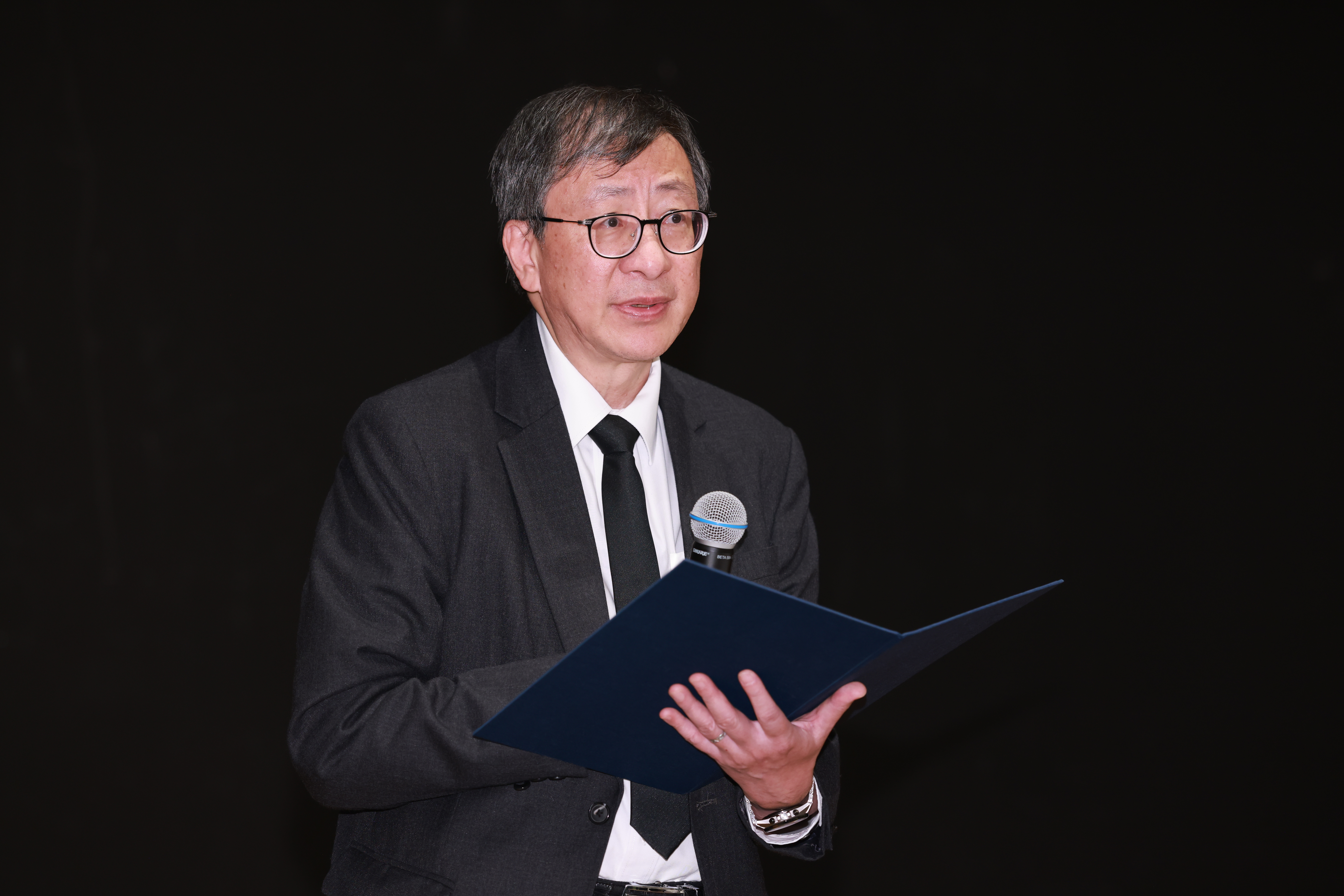
Professor John Lee Chi-Kin, President of EdUHK, UNESCO Chair in Regional Education Development and Lifelong Learning, and Director of the EdUHK Centre for Religious and Spirituality Education, spoke in his welcome address of the recent tragic fire at Wang Fuk Court in Tai Po, which resulted in significant loss of life and property. He emphasised the importance of life education in helping humanity face adversity. “In today’s rapidly changing world, the mission of cultivating resilience and promoting holistic development and well-being is more important than ever. We are honoured to convene this international academic conference to share cutting-edge research and explore collaborative pathways to a better future,” he said.
The three-day conference, under the theme ‘Cultivating Positive Life Values and Attitudes for a Flourishing Future’, focused on five major areas:
• Well-being across the lifespan
• The impact of life and values education on positive life values and well-being
• The role of interventions and therapies in promoting health and well-being
• The impact of physical activity on health and well-being
• The role of information technology and artificial intelligence in promoting life values and well-being
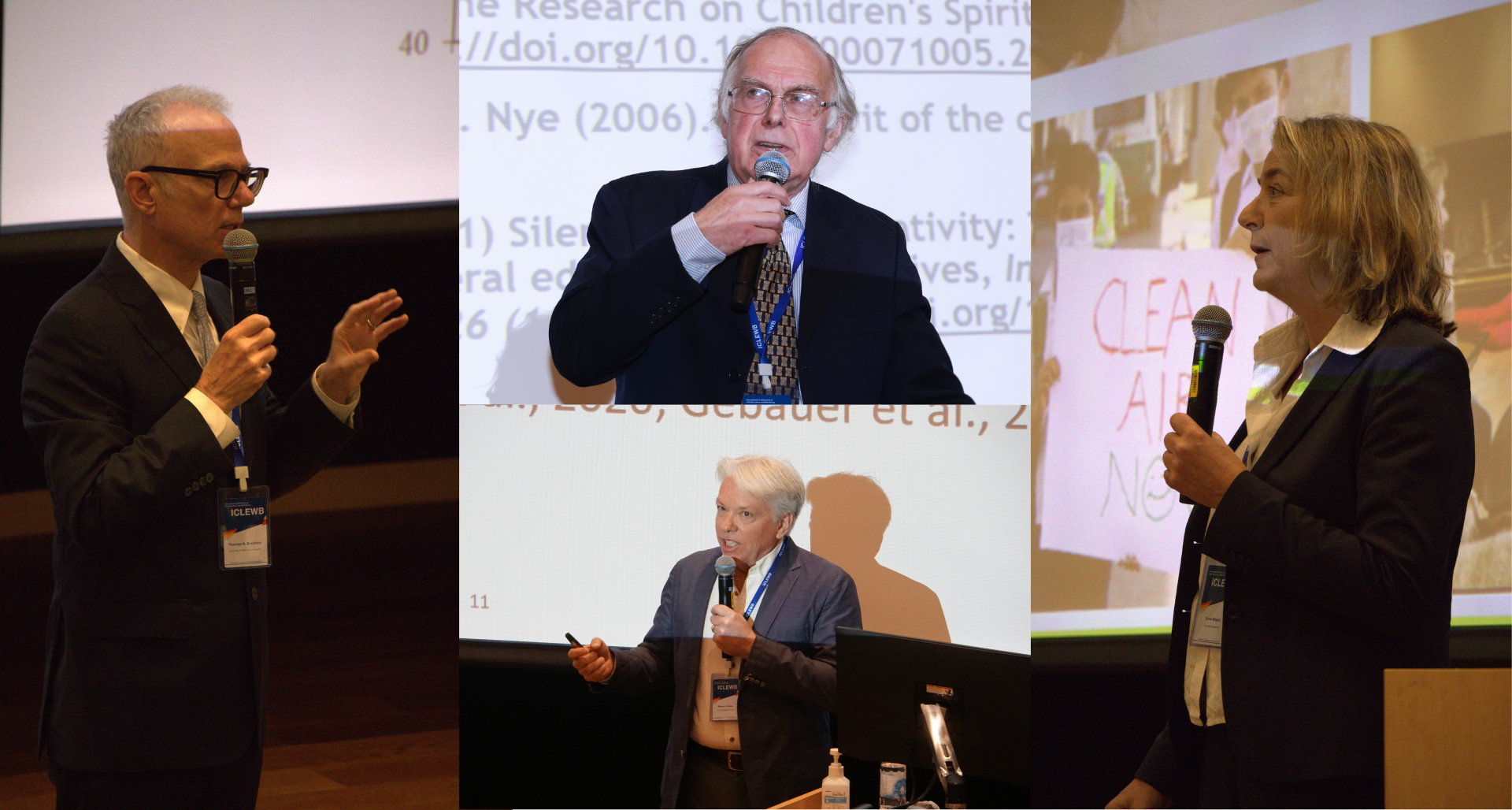
A keynote speech was given by Professor John Lee Chi-Kin on the topic ‘When Life Education Meets Mindfulness Education’, followed by presentations from nine internationally renowned experts, including Professor Susan Bögels from the Faculty of Social and Behavioural Sciences at the University of Amsterdam; Professor Thomas N. Bradbury from the Department of Psychology at University of California, Los Angeles; Dr Tony Eaude from the University of Oxford; Professor Steven J. Heine from the Department of Psychology at University of British Columbia; Professor Claire Hughes from the Department of Psychology at University of Cambridge; Professor Willem Kuyken from the Department of Psychiatry at the University of Oxford; Professor Shigehiro Oishi from the Department of Psychology at the University of Chicago; and Professor Hou Huaiyin from the School of Education Science at Shanxi University in the Chinese Mainland.
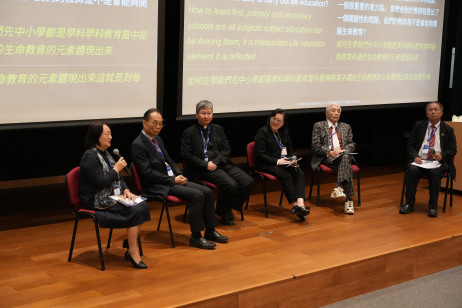
The conference also included two panel discussions exploring the impact of religious education and values on life education. In the session on ‘Religious Education and Life Education’, The Most Revd Andrew Chan Au-ming (Archbishop and Primate of the Hong Kong Sheng Kung Hui), Dr Lee Yiu Fai (Abbot of Sik Sik Yuen Wong Tai Sin Temple), Professor Ho Lok-sang (Adjunct Professor of Pan Sutong Shanghai-Hong Kong Economic Policy Research Institute and Department of Economics, Lingnan University), Professor Liu Hui (Dean of the College of Elementary Education, Capital Normal University), and Dr Yim Chi-shing (Academy Fellow of the Academy for Educational Development and Innovation, EdUHK) shared insights from various perspectives, including religion, economics and education. They discussed how to help adolescents cope with pressure and establish positive values, providing wise guidance for mental health and spiritual growth.
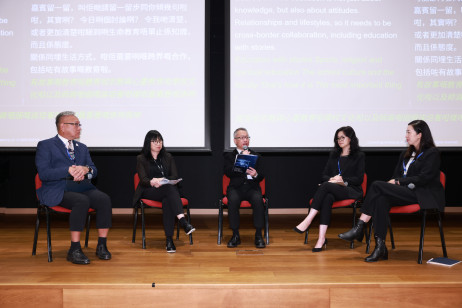
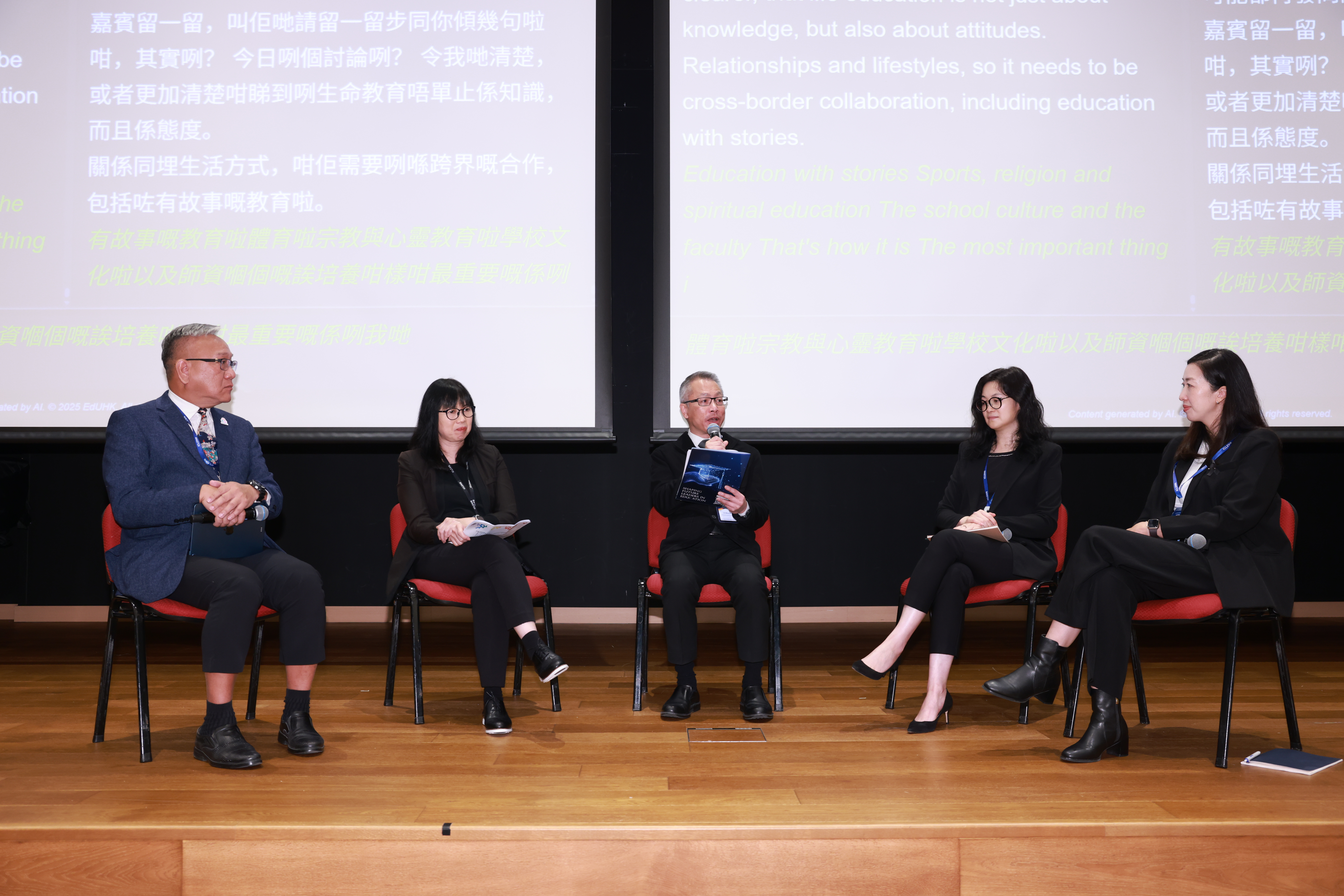
Another panel, entitled ‘Life Education and Values Education’, featured Ms Mandy Au Yuen-yee (Executive Co-Director of the Centre for Religious and Spirituality Education, EdUHK), Mr Cheng King-leung (Chairperson of the Elite Sports Committee), Ms Rowena Cheung Po-man (Principal of Hong Kong Taoist Association Wun Tsuen School), and Ms Vivian Chung Ming-wai (Founder of Story Jungle Education and REACH). They spoke of how life education was essential for nurturing students’ values. Integrating life education into daily learning and living, along with situational experiences and reflection – such as learning and growing from failures or practising mindfulness to manage emotions – can help students self-regulate and enhance their growth and sense of well-being.
After the conference, EdUHK will host a mindfulness workshop, led by psychotherapist Ms Chloe Wong Hok-yin, to provide practical mindfulness training applicable to educational and professional settings, further promoting the implementation of life education and well-being.
-Ends-
International Conference Explores New Trends in Global Life Education Development
Download all images