

EdUHK Team Develops World’s First AI‑Powered Smart Vest to Improve Behavioural Performance of School-aged Children with ADHD
Attention Deficit Hyperactivity Disorder (ADHD) is among the most common neurodevelopmental disorders in children worldwide. While monitoring tools are widely available, effective solutions to improve behaviour remain limited. In response, a research team at The Education University of Hong Kong (EdUHK) has developed the world’s first AI-powered smart vest designed to enhance focus and classroom behaviour in children with ADHD. By integrating an AI algorithm with wearable sensing technology, the vest has been shown to reduce hyperactive movements by up to 54%, leading to improvements in attention and classroom performance. The innovation has received encouraging feedback from both parents and teachers.
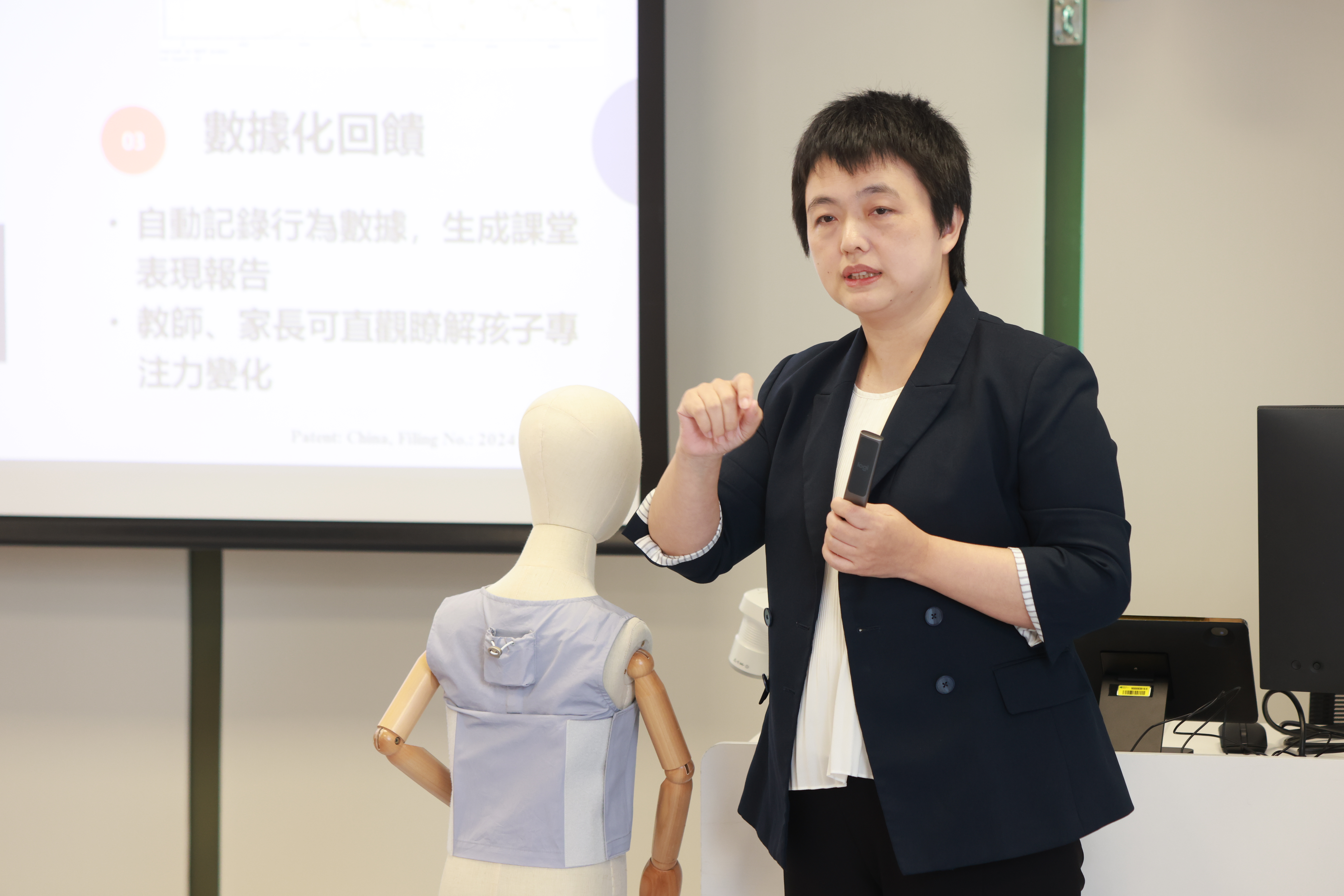
Led by Dr Fu Hong, Associate Professor in the Department of Mathematics and Information Technology at EdUHK, and developed in collaboration with the Hong Kong Research Institute of Textiles and Apparel Limited (HKRITA), the project has already achieved notable recognition. Earlier this year, the team received a Bronze Medal at the 2025 Geneva International Exhibition of Inventions and secured funding support from the Innovation and Technology Commission’s Innovation and Technology Fund. In the first phase of the project, now completed, the team worked with experts in educational psychology, health and exercise science, neuropsychology, and clinical science to categorise common classroom behaviours and identify those defined as hyperactive. Volunteers then simulated these behaviours to generate nearly 150,000 behavioural samples, which were used to train the AI model through big‑data analysis, continuously enhancing its accuracy in detecting irregular behaviours.
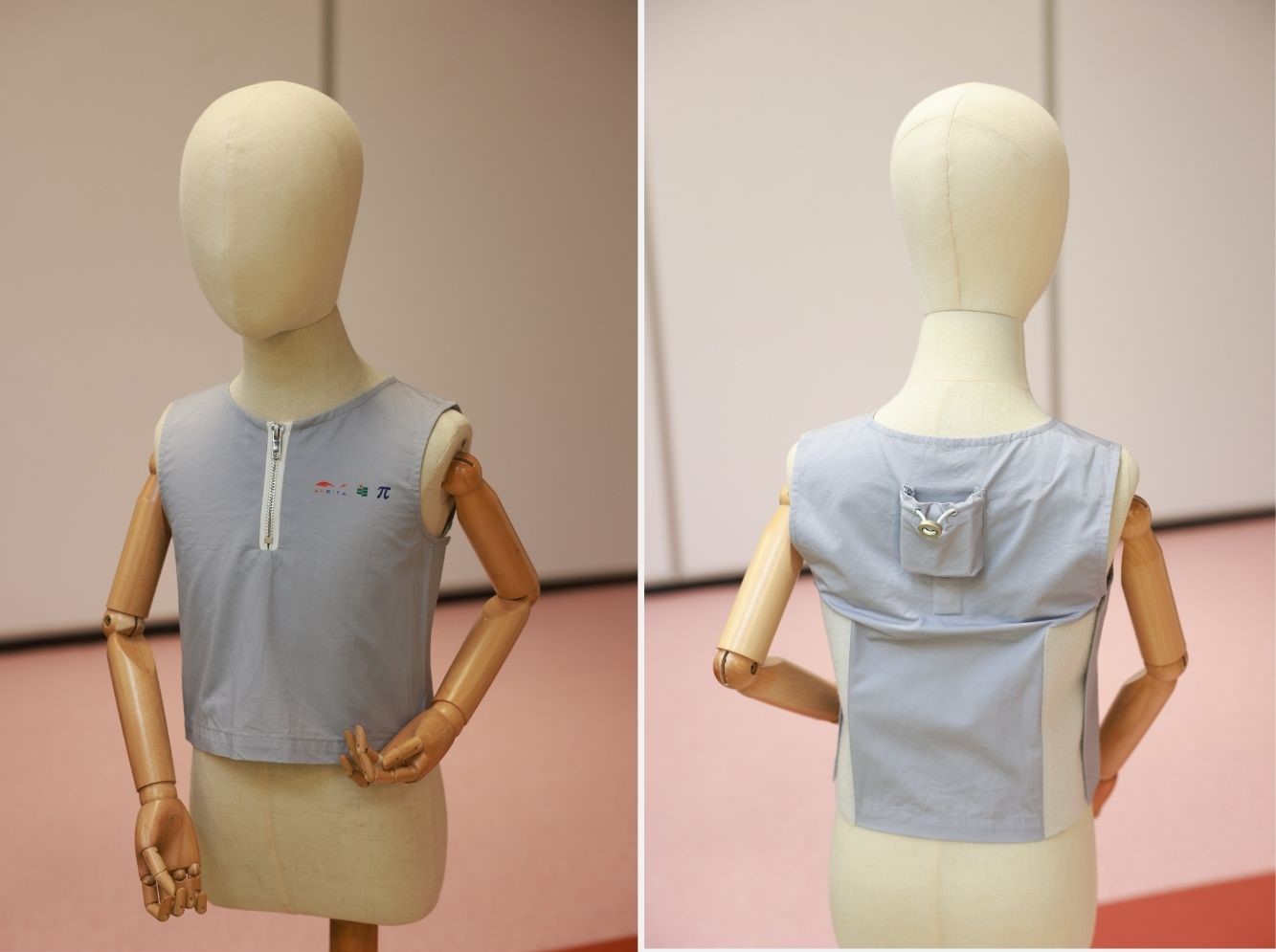
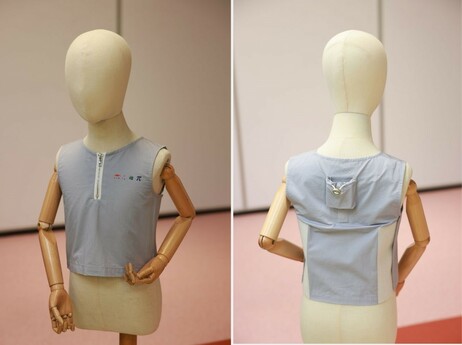
The smart vest is equipped with two six‑axis inertial measurement units (IMUs), located on the shoulder and back, to collect data on trunk and core muscle activity. When hyperactive behaviour is detected, the vest delivers gentle vibration prompts, enabling students to self‑regulate without teachers having to intervene, thereby reducing negative labelling. Made from soft, breathable fabric and designed to resemble a regular garment, the vest allows children to wear it comfortably for extended periods without drawing unwanted attention.
Dr Fu remarked, “It is common for children to be inattentive or active from time to time, but this does not necessarily mean they have ADHD. The ability to accurately identify behaviours defined as ‘hyperactive’ by clinical psychologists and therapists, and to intervene at an early stage, is crucial to improving classroom performance.” She added that the team will seek collaboration with more schools to further enhance the detection accuracy of the smart vest, while exploring additional functions such as tracking eye movements or alertness monitoring to support children who struggle with attention but may not display overt hyperactive behaviours.
More than 40 children aged 7 to 12 from over ten primary schools have participated in product testing, which evaluated the vest’s effectiveness in behaviour classification and vibration intervention. Results showed that hyperactive movements decreased by up to 54% following vibration prompts, sitting posture became more stable, and indicators such as attention and rule‑following improved by approximately 10–15%. These findings demonstrate that the smart vest can deliver tangible and significant improvements in classroom performance.
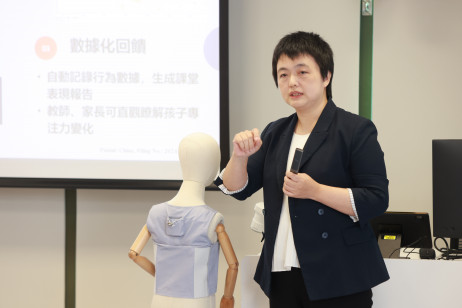
Beyond real-time intervention, the smart vest also connects to a behavioural data analysis platform that visualises students’ activity levels and behaviour patterns across lessons. Teachers and parents can track these trends over time, using the objective data to support psychological assessments and school‑based services. This enables the development of more personalised teaching arrangements and behaviour intervention plans, while providing quantitative evidence to evaluate the effectiveness of support measures.
Globally, approximately 7.6% of children aged 3 to 12 are affected by ADHD. In Hong Kong, medical and academic experts estimate that around 6.4% of children and adolescents live with ADHD. This means tens of thousands of students face daily challenges in attention and behavioural regulation during lessons, with profound impact for their learning and peer relationships.
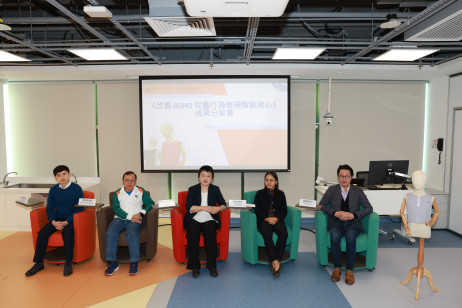
Professor Chow Hung‑kay, Chair Professor of Health and Sports Science at EdUHK, noted, “The breakthrough of this smart vest lies in its ability to integrate multiple sensor data streams with AI models to distinguish between ‘acceptable activity’ and ‘hyperactive behaviour.’ It can automatically trigger vibration prompts at the right time without excessive alerts, which places very high demands on algorithm design and training.” He emphasised that this innovation effectively combined wearable technology with behaviour management theory, offering schools a non‑intrusive, easy‑to‑use tool.
Dr Tong Xiuhong, Associate Professor in the Department of Psychology at EdUHK, commented that from an educational psychology perspective, the smart vest provides consistent and positive behavioural feedback for children with ADHD while reducing negative attention. It allows them to learn in a more relaxed atmosphere and integrate more easily into mainstream classrooms. “These subtle and continuous prompts help students gradually build self‑monitoring and self‑regulation skills, complementing existing psychological or pharmacological treatments,” she said.
Registered occupational therapist Mr Michael Wong remarked that although multiple treatment and intervention approaches for ADHD exist, tools that provide real‑time feedback specifically for classroom settings remain rare. “The smart vest translates clinical expertise in movement and sensory regulation into a practical solution that teachers can apply directly in the classroom, filling a critical gap in current support,” he said.
Neuropsychologist Dr Claudio Wong from Boston University further commented that preliminary data show the vest demonstrates both strong sensitivity and accuracy in behaviour detection, laying the groundwork for future research into its long‑term impact on cognitive performance and neural mechanisms. The research team’s next step is to invite more public institutions and schools to join larger‑scale, longer‑term pilot programmes, testing its effectiveness across different subjects and learning contexts to further validate its feasibility in real classroom environments.
For project enquiries, please contact Ms Wang wyanyue@eduhk.hk.
—Ends—
EdUHK Team Develops World’s First AI‑Powered Smart Vest to Improve Behavioural Performance of School-aged Children with ADHD
Download all images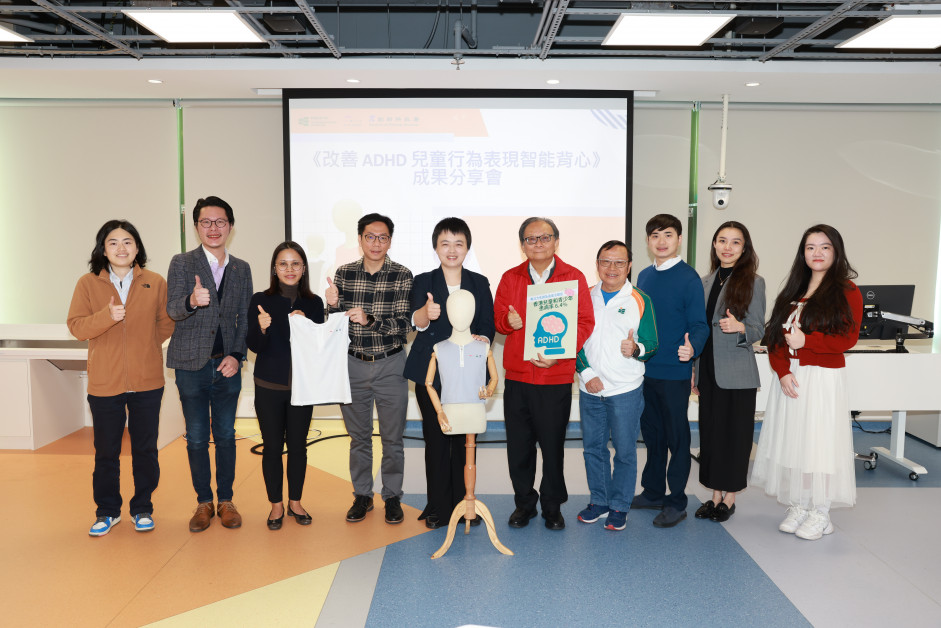
Media Enquiries
Communications Office