

EdUHK President Joins World Governments Summit in Dubai to Advance Global Dialogue on the Future of Education
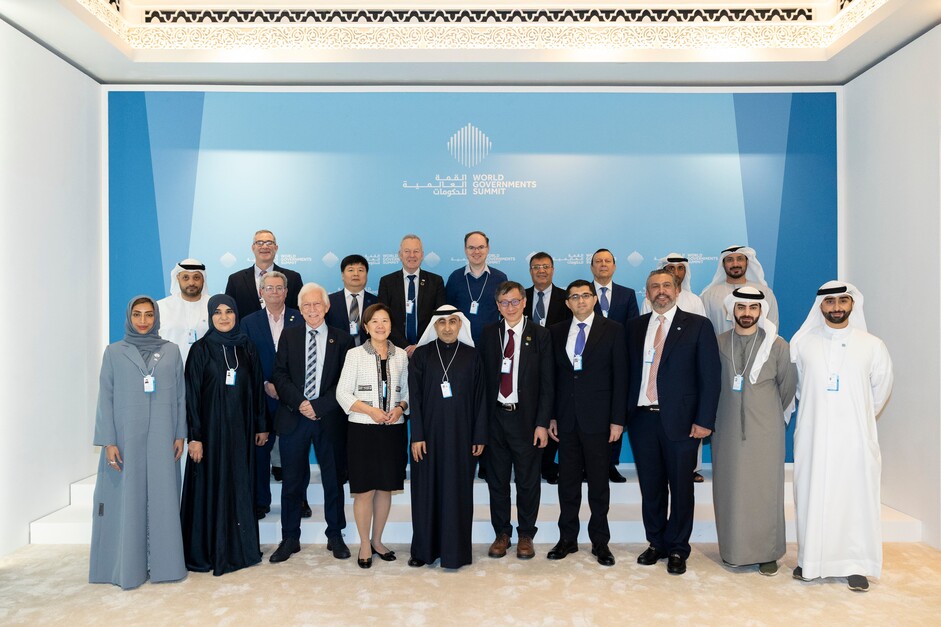
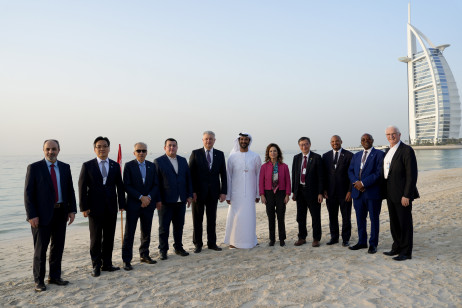
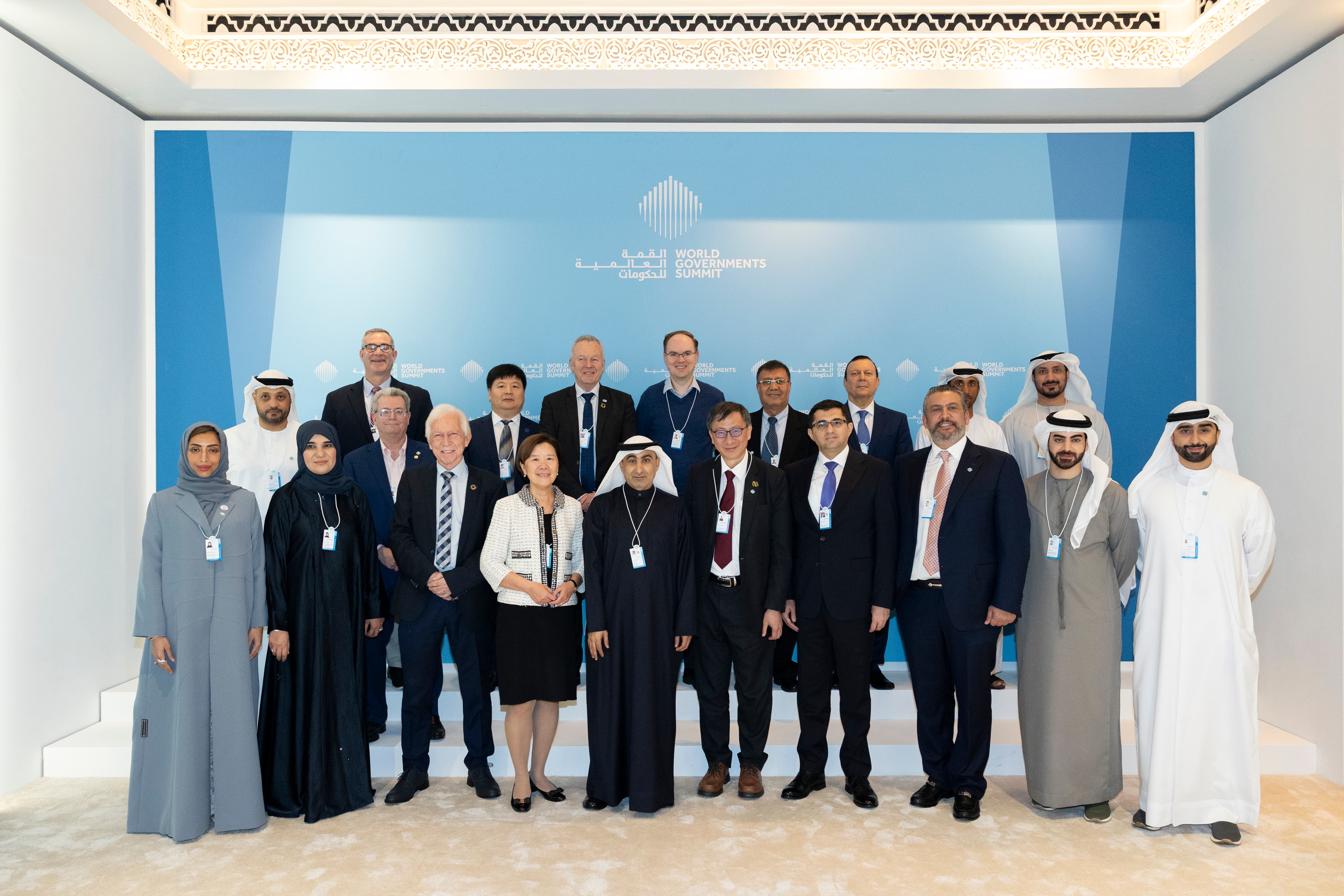
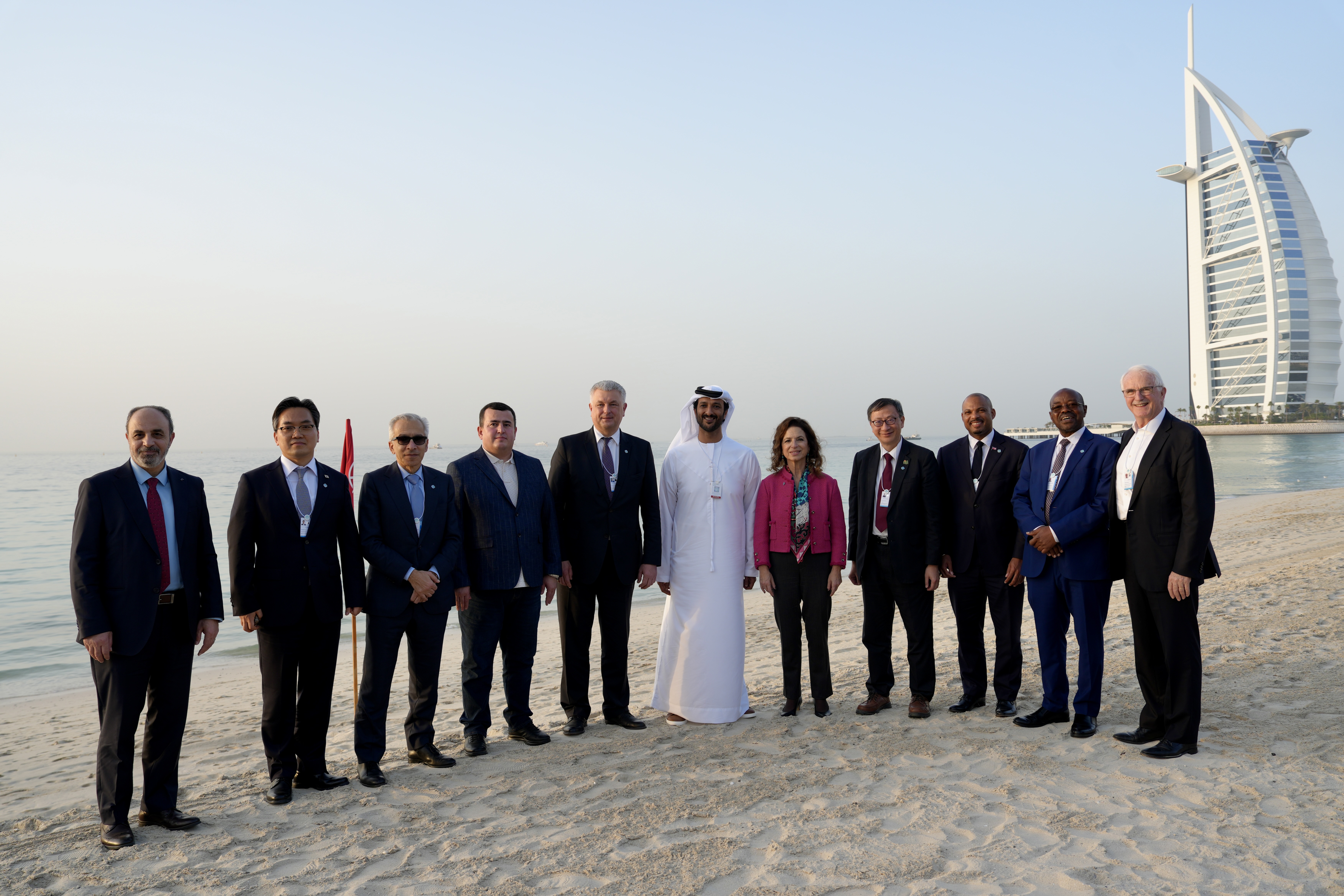
Professor John Lee Chi-Kin, President of The Education University of Hong Kong (EdUHK), was invited by H.E. Omar Sultan Al Olama, UAE Minister of State for Artificial Intelligence (AI), and H.E. Zaki Anwar Nusseibeh, Cultural Adviser to the UAE President and Chancellor of the United Arab Emirates University, to attend the World Governments Summit (WGS) held in Dubai from 3 to 5 February. Professor Lee joined government leaders, university presidents, and senior representatives from around the world in a series of high-level dialogues, strengthening EdUHK’s global presence and fostering strategic collaboration in education between Hong Kong and the Middle East.
The World Governments Summit is widely regarded as one of the most influential intergovernmental platforms worldwide. This year’s Summit, themed “Shaping Future Governments”, was the largest to date, drawing over 6,000 participants from more than 150 countries and regions. Delegates included 35 heads of state, over 500 ministerial officials, Nobel and Turing Prize laureates, and more than 700 leaders of multinational corporations such as Alibaba, Airbus and IBM. Representatives from more than 100 international organisations and academic institutions, including the International Monetary Fund and the Organisation for Economic Co-operation and Development (OECD), also took part in discussions on global governance, economic prosperity, social well-being, and emerging technologies.
Professor Lee contributed to three major sessions: the Global Universities Roundtable, the Future of Education Forum, and the High-Level Economic Dialogue, reflecting EdUHK’s growing role in international education governance and innovation.
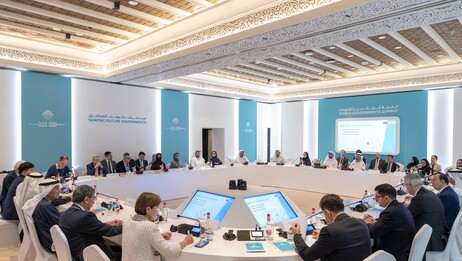
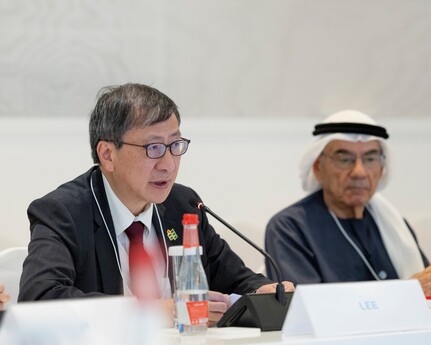
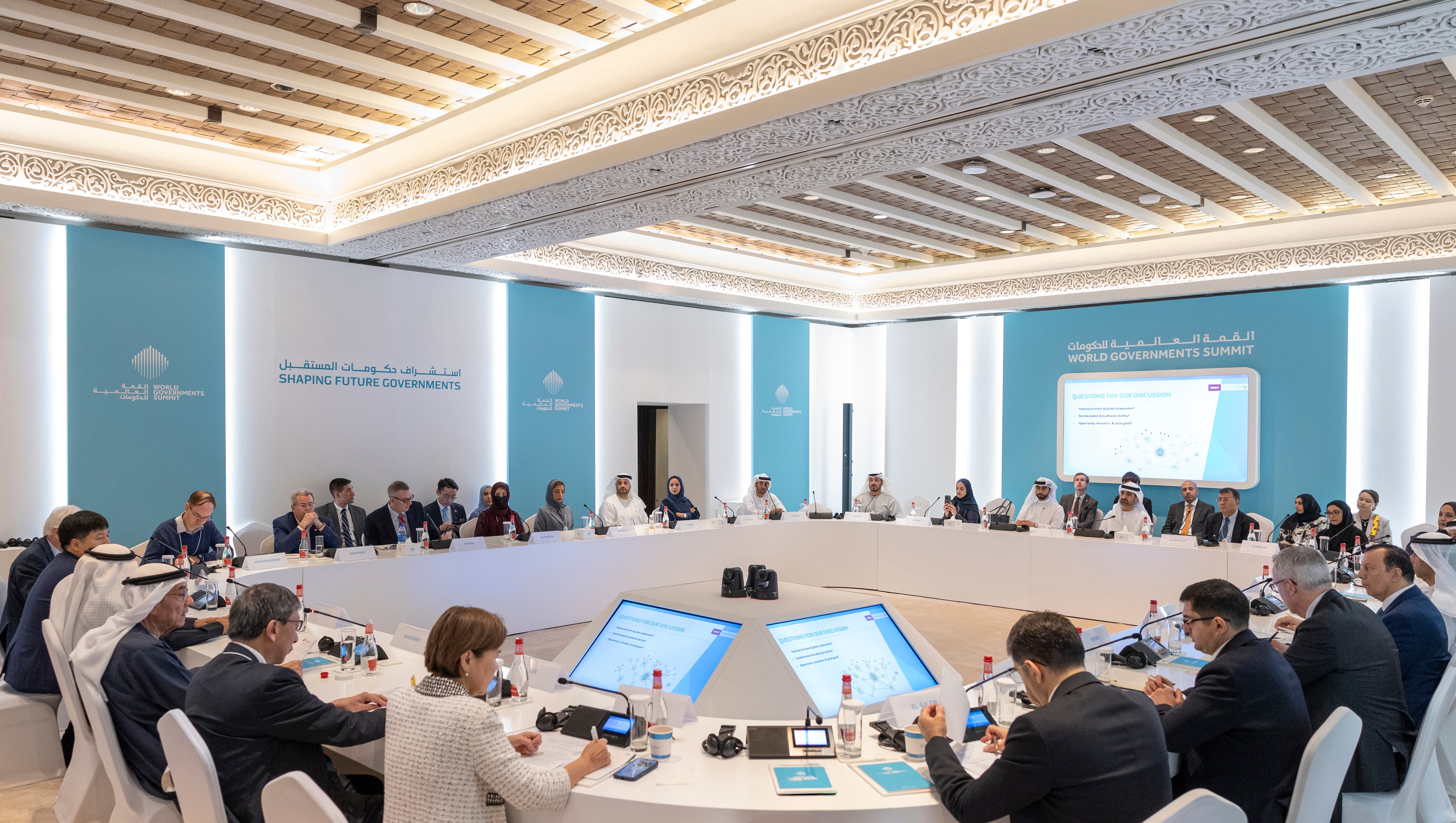
At the Global Universities Roundtable, senior representatives from the United Arab Emirates University, Stanford University, McGill University and The Hong Kong University of Science and Technology discussed the strategic role of universities in times of rapid change. The dialogue centred on four themes: universities as anchors of social stability and opportunity; talent as national strategic assets; innovation and economic development; and resilience in the age of artificial intelligence. Professor Lee emphasised EdUHK’s distinctive strengths in teacher education and educational innovation, highlighting their importance in building social resilience and inclusive competitiveness. He also shared EdUHK’s experience in research translation and industry collaboration, underscoring Hong Kong’s unique role as a global higher education hub that bridges global education governance with local practice.
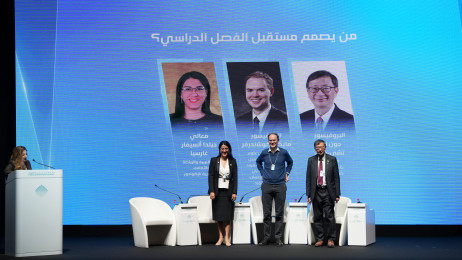
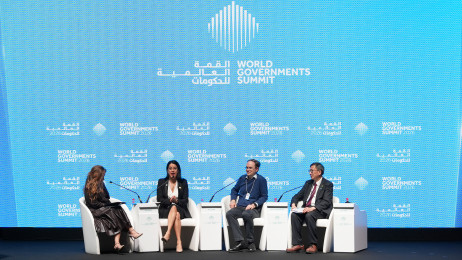
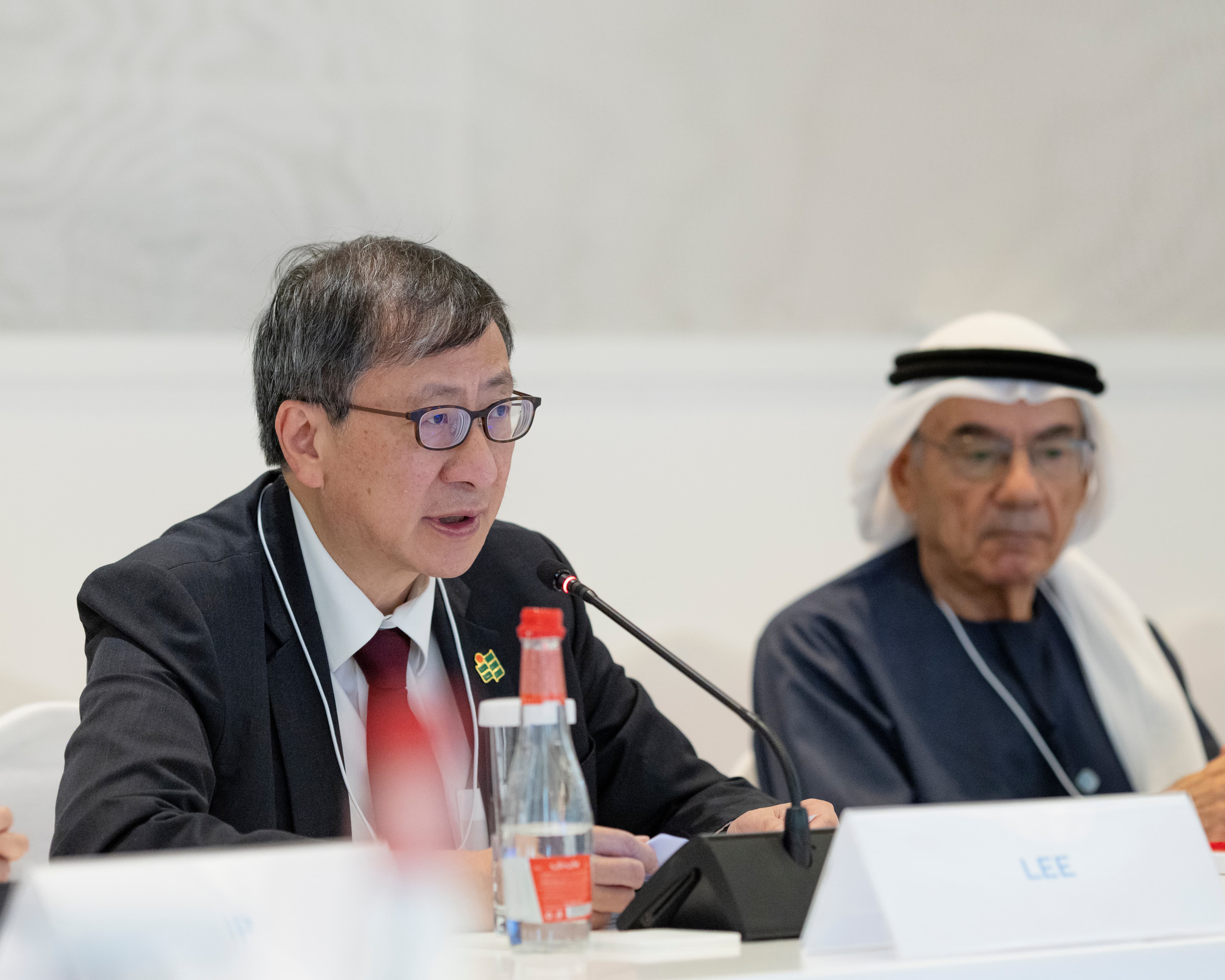
At the Future of Education Forum, themed “Who Shapes the Future Classroom?”, Professor Lee joined H.E. Gilda Alcívar, Ecuador’s Ministry of Education, Sports and Culture, and Professor Mykel Kochenderfer, Associate Professor of Aeronautics and Astronautics at Stanford University.Their dialogue explored AI in education, personalised learning, creativity development and ethical responsibility. Professor Lee presented EdUHK’s pioneering research on AI applications in education and teacher professional development, which was highly commended by participants. He emphasised EdUHK’s efforts to empower diverse education systems worldwide through knowledge and technology.
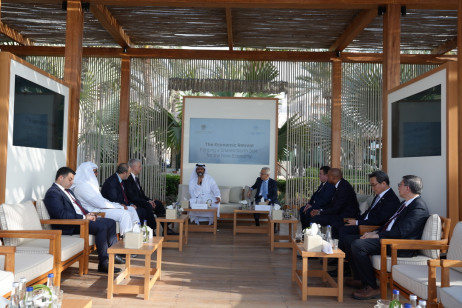
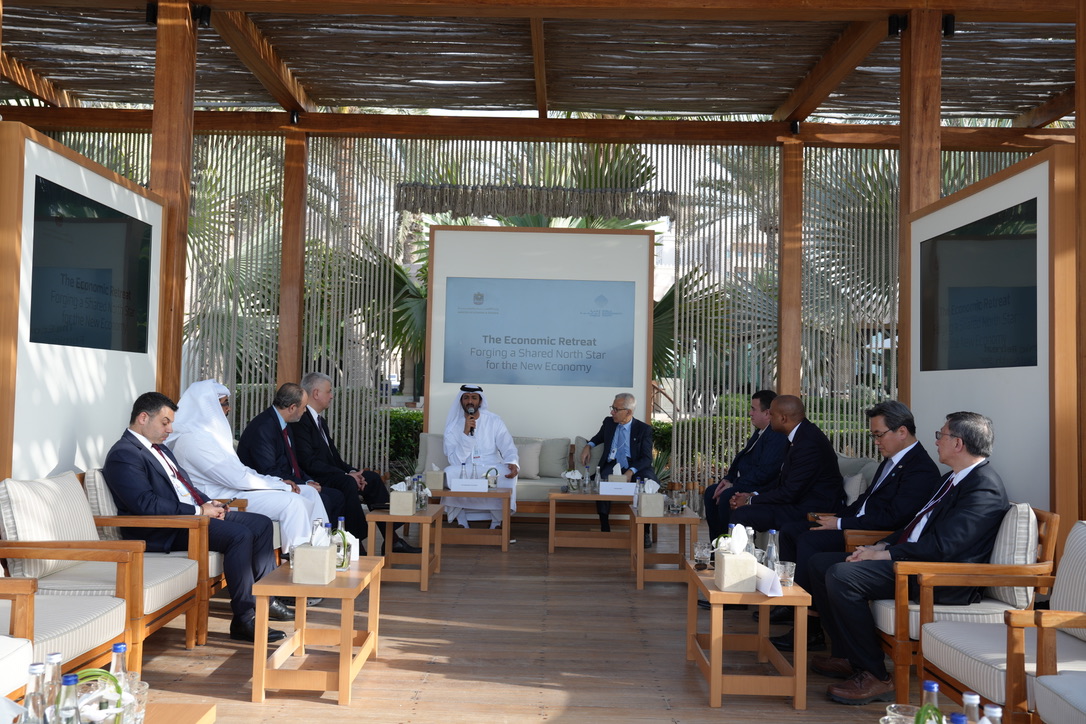
Beyond education, Professor Lee also took part in the High‑Level Economic Retreat, alongside the UAE Minister of Economy and Tourism H.E. Abdulla Bin Touq, Egypt’s Minister of Planning and Economic Development and International Co-operation H.E. Rania El Mashat, and the OECD Secretary‑General H.E. Mathias Cormann, among others. He stressed that education must serve as a powerful driver of economic and social transformation, and that universities should nurture innovators capable of addressing complex challenges and empowering others. He outlined EdUHK’s vision to become a hub for interdisciplinary innovation, a designer of lifelong learning ecosystems, and a bridge connecting China with the world through internationalisation and strategic alliances.
-Ends-
EdUHK President Attends World Government Summit
Download all images