

EdUHK Hosts International Conferences on Chinese Language Education Exploring Cultural Heritage and Pedagogical Innovation in the AI Era
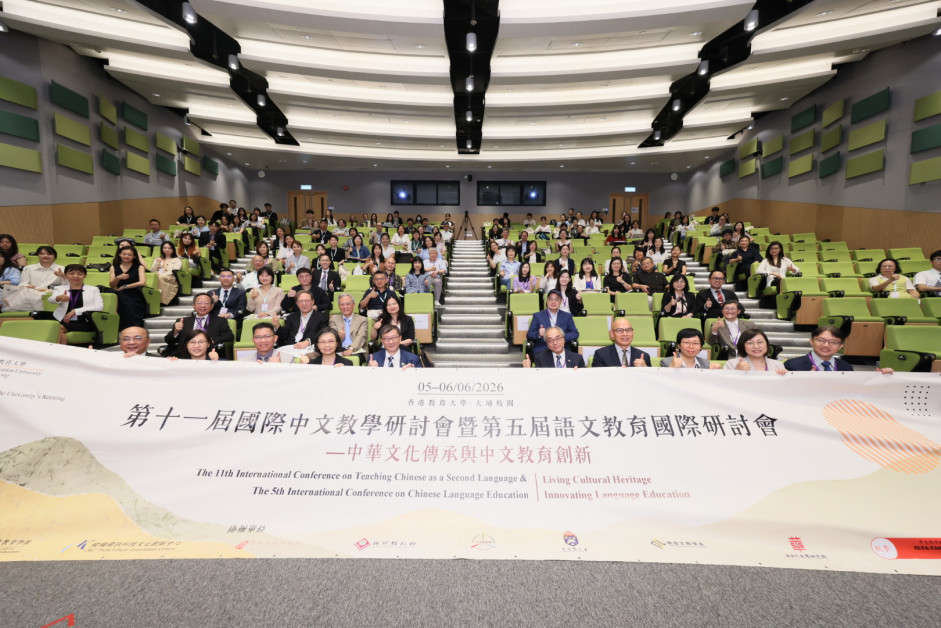
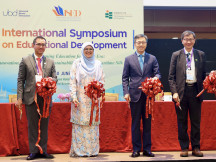
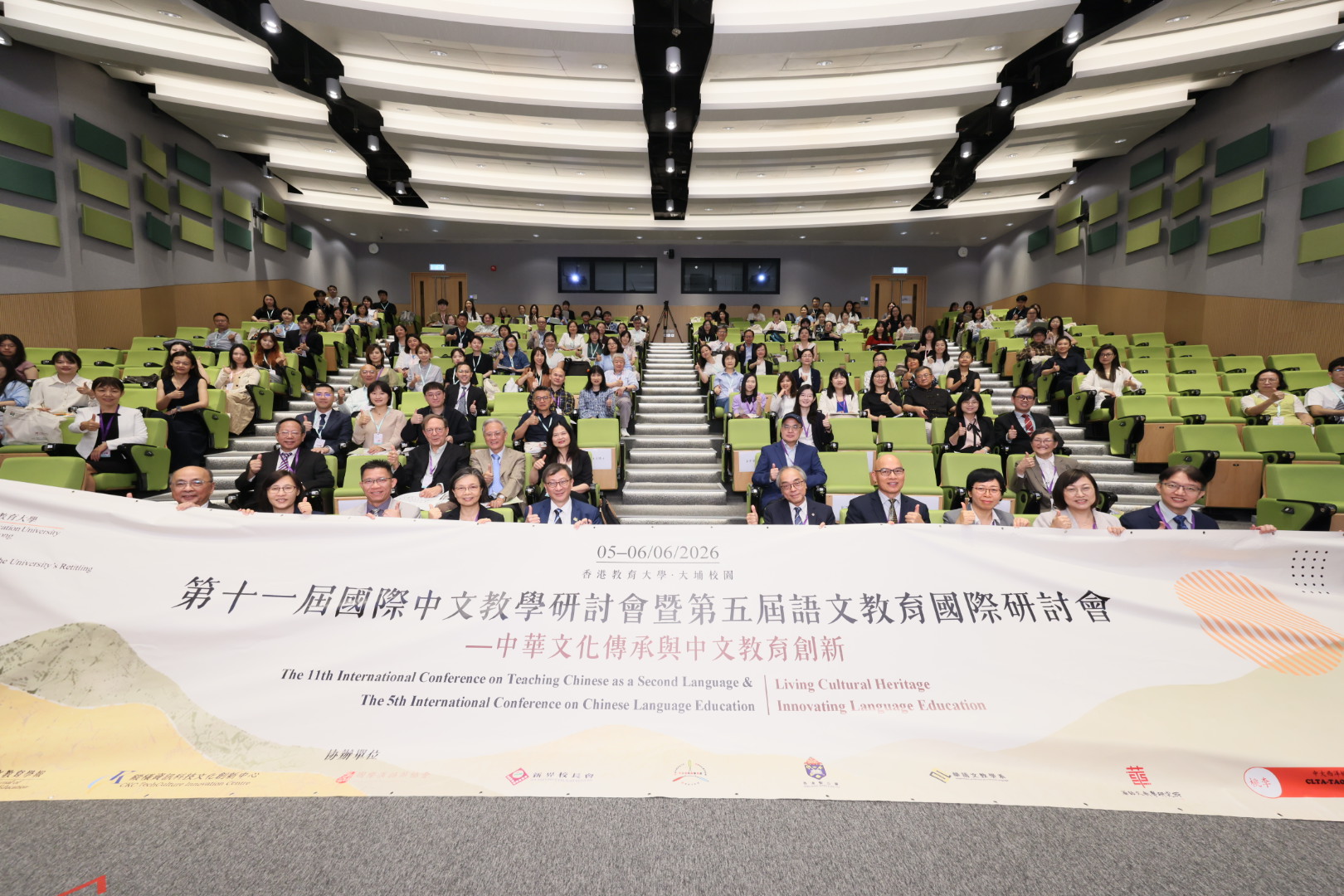
The Education University of Hong Kong (EdUHK) hosted the 11th International Conference on Teaching Chinese as a Second Language cum the 5th International Conference on Chinese Language Education on 5–6 June at its Tai Po campus. With the theme “Living Cultural Heritage, Innovating Language Education” (中華文化傳承與中文教育創新), the conferences brought together 213 scholars, frontline teachers, and education practitioners from 11 countries and regions to examine the challenges and opportunities of Chinese language education in the age of globalisation and artificial intelligence.
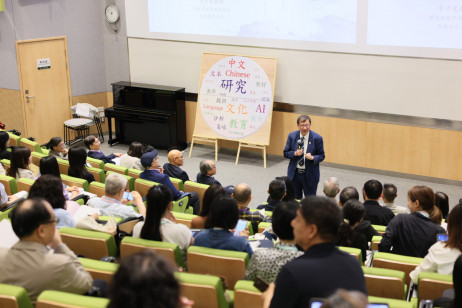
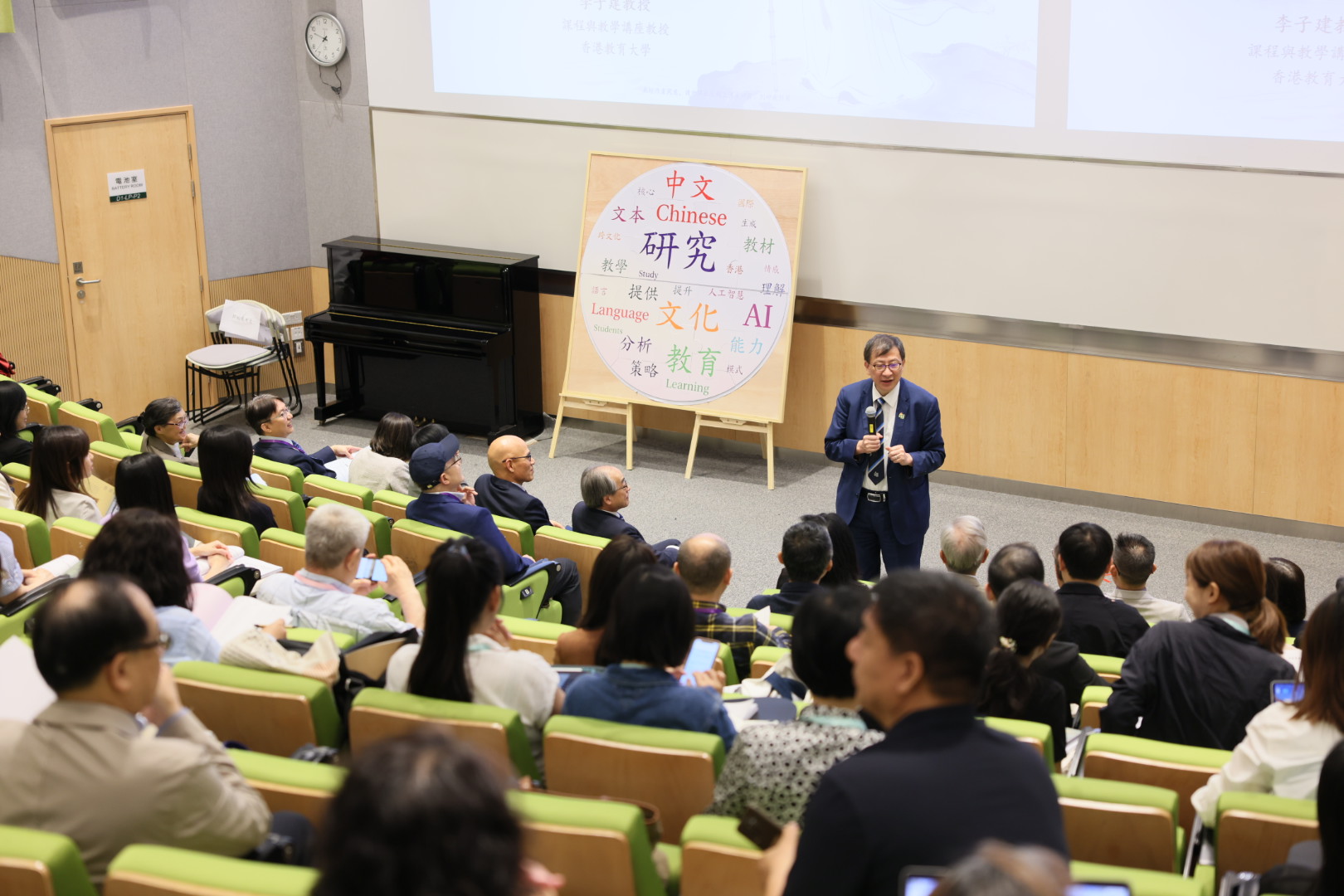
In his welcome address, Professor John Lee Chi-Kin, President of EdUHK, highlighted the enduring significance of the Chinese language as one of the world’s oldest living languages, carrying profound philosophy, poetry, memory, and imagination. He remarked, “Chinese education is not only about vocabulary and grammar, but also about transmitting approaches to thinking and cultural inheritance. As AI reshapes education, educators must safeguard cultural roots while harnessing technology to build bridges between classical heritage and new generations.”
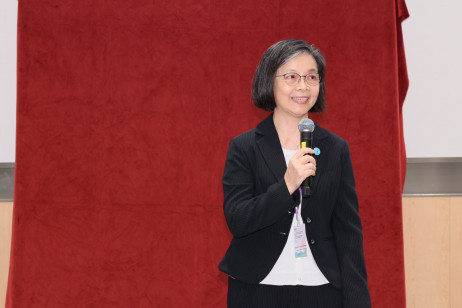
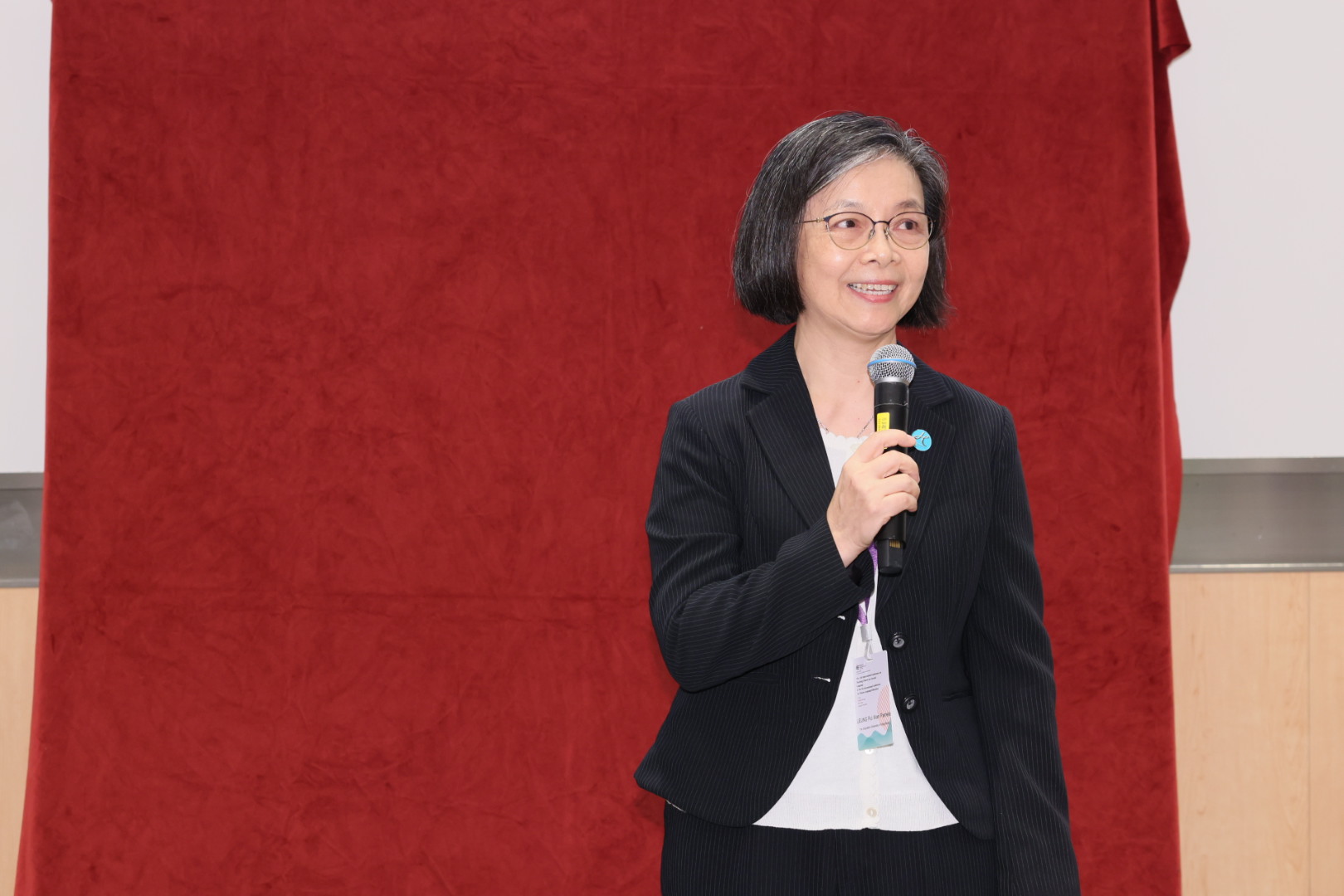
Professor Pamela Leung Pui-wan, Acting Dean of the Faculty of Humanities, noted that this was the first time the two domains of international Chinese teaching and Chinese language education were brought together. While their approaches differ—one focusing on non-native learners and the other rooted in mother-tongue classrooms—both share the mission of cultural transmission. She expressed hope that cross-disciplinary collaboration would inspire more flexible curricular design, effective teacher training, and inclusive assessment systems.
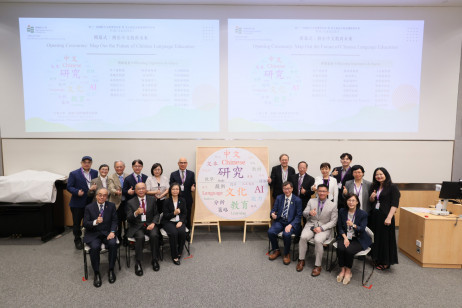
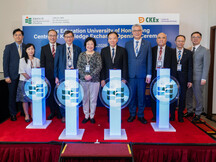
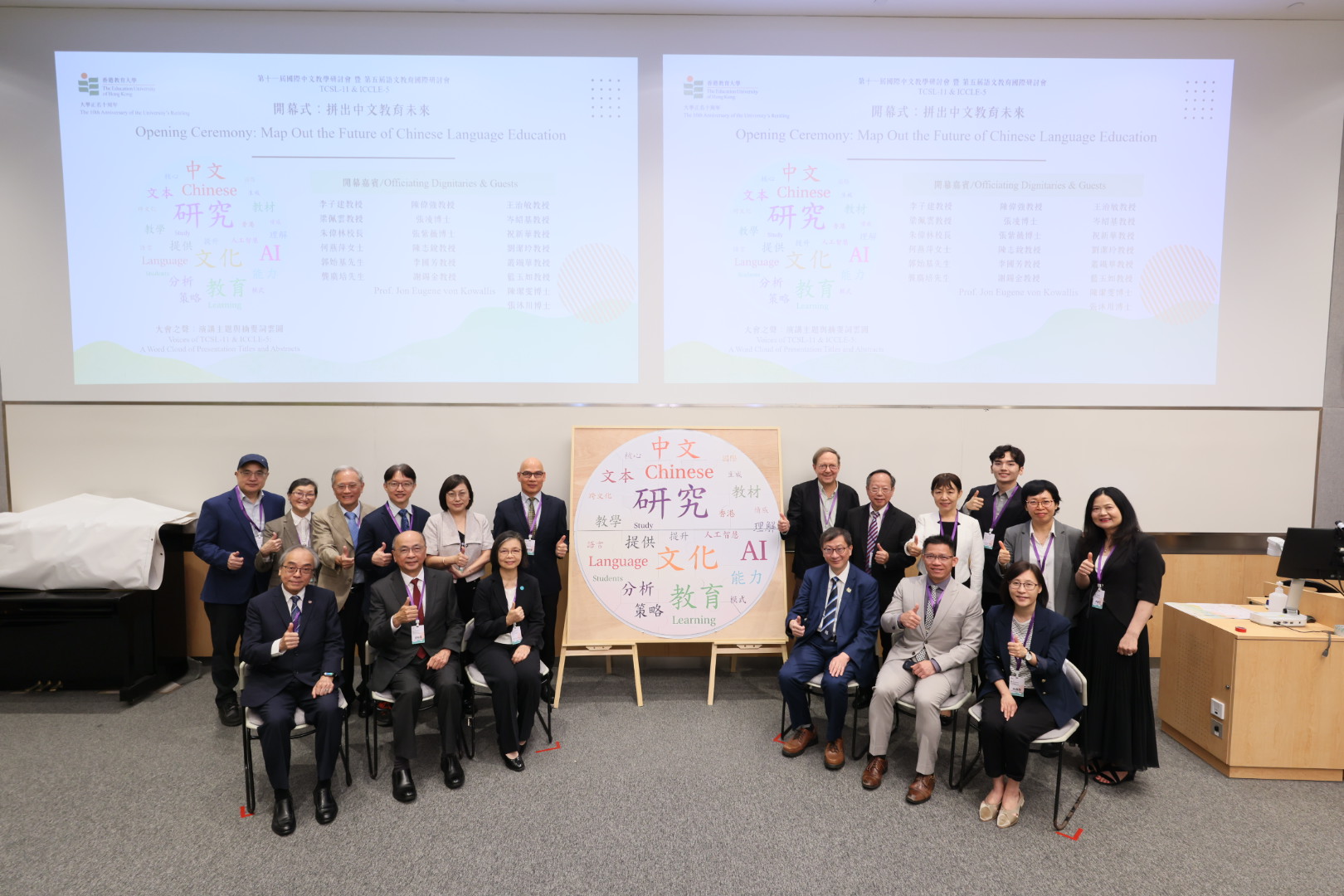
In addition, a unique launch ceremony themed "Map Out the Future of Chinese Language Education" was specially organised. The conference chairs and guests stepped onto the stage to assemble a physical puzzle, symbolising the collective wisdom and collaborative efforts of all parties in advancing Chinese language education. The moment the puzzle was completed, "The Voices of TCSL-11 & ICCLE-5" big-data word cloud was unveiled. Synthesised from the titles and abstracts of all presentations in this conference, this visual landscape not only intertwined the research endeavors of every participant but also vividly visualised the shared resonance and aspirations within the international Chinese language education community.
The two-day event featured five keynote speeches, three expert forums, five teaching workshops, and twenty-nine parallel sessions. Discussions spanned various topics including:
• The use of Generative AI in writing feedback, reading instruction, and drama pedagogy
• Innovative approaches to teaching ancient scripts, classical poetry, and calligraphy
• Inclusive strategies for non-Chinese speaking (NCS) students, SEN children, senior learners, and diverse communities
The keynotes covered a wide range of perspectives, namely:
• Professor John Lee Chi-Kin on “Su Shi and Chinese Cultural Education,” exploring Su Shi’s (1037-1101) exemplary role in cultural transmission and its relevance today
• Professor Tan Chee Lay (Nanyang Technological University) on the Singaporean Mandarin Database and its significance for preserving linguistic heritage
• Professor Li Guofang (University of British Columbia) on how family literacy practices, classroom interaction, and institutional expectations shape heritage language learning
• Professor Tse Shek-kam (The University of Hong Kong) on “multi-modal” approaches to Chinese education in multilingual and multicultural contexts
• Professor Jon Eugene von Kowallis (University of New South Wales) on his experience in teaching classical Chinese in Australia
The conference emphasises cross cultural communication, family language policies, and the development of teaching materials from a digital humanities perspective. The workshops were led by principals and frontline teachers, some of whom were recipients of the Chief Executive's Award for Teaching Excellence. They showcased school-based curriculum design rooted in cultural values, strategies for teaching NCS students, and practical methods for AI-assisted writing—demonstrating the close integration of theory and practice.
At the closing ceremony, the conference organising chairs, namely Professor Timothy Wai Keung Chan, Dr Ling Zhang, and Dr Paisley Tsz Mei Cheung, concluded that the event was not only an academic platform but also a reaffirmation of educational purpose. They stressed that EdUHK will continue to serve as a bridge, fostering collaboration between international and local scholars to advance Chinese language education—innovating while preserving cultural depth.
The conferences were organised by EdUHK’s Department of Chinese Language Studies, the CKC TechCulture Innovation Centre, the MATCSL Programme, and the International Journal of Chinese Language Education, with co-organisation from the International Chinese Language Festival Association, the New Territories School Heads Association, the Catholic Diocese of Hong Kong, the Hong Kong Sheng Kung Hui Education Service, Department of Chinese as a Second Language, Taiwan Normal University, Gruaduate Institute of Teaching Chinese as a Second/Foreign Language, Kaohsiung Normal University, the Chinese Language Teachers Association (CLTA) – Taoli Mid-Atlantic, and the Chinese Programme of the University of Delaware.
Chinese language education, anchored in mother-tongue proficiency and cultural literacy, sits alongside international Chinese teaching, which is outward-looking and concerned with cross-cultural exchange. As generative AI infiltrates classrooms and bilingualism becomes routine, the question for educators is not simply how to deploy new tools, but how to ensure that cultural depth is not lost in the process. The challenge is to help students grasp not just the mechanics of the language, but the ideas and emotions it conveys.
Situated at the crossroads of cultures, Hong Kong provides a unique vantage point for addressing these questions. Through its twin conferences, EdUHK seeks to create not only an arena for academic exchange, but a platform where scholars and practitioners can envision the future of Chinese language education—one that embraces innovation while honoring the depth of tradition.
-End-
EdUHK Hosts International Conferences on Chinese Language Education Exploring Cultural Heritage and Pedagogical Innovation in the AI Era
Download all images