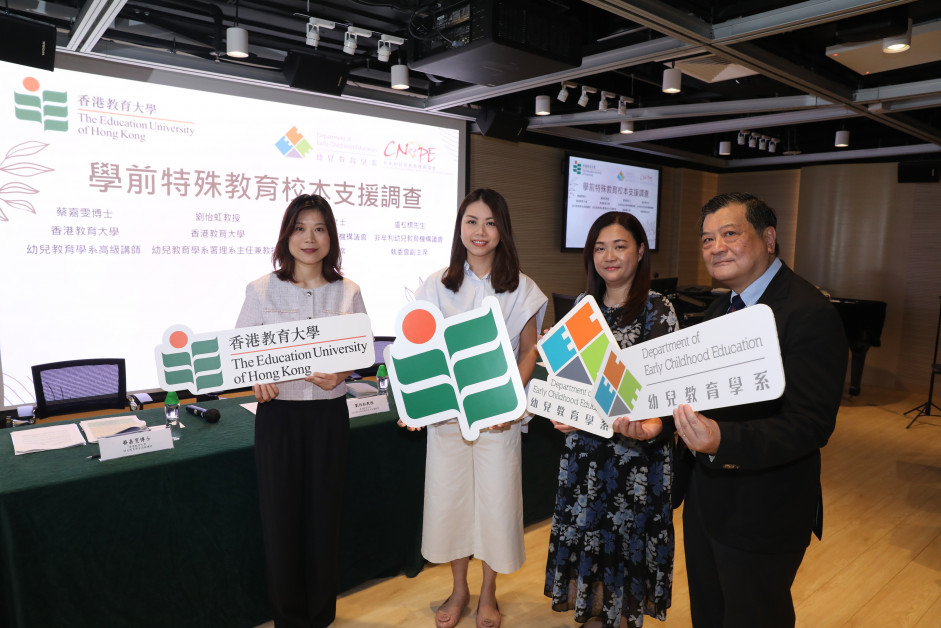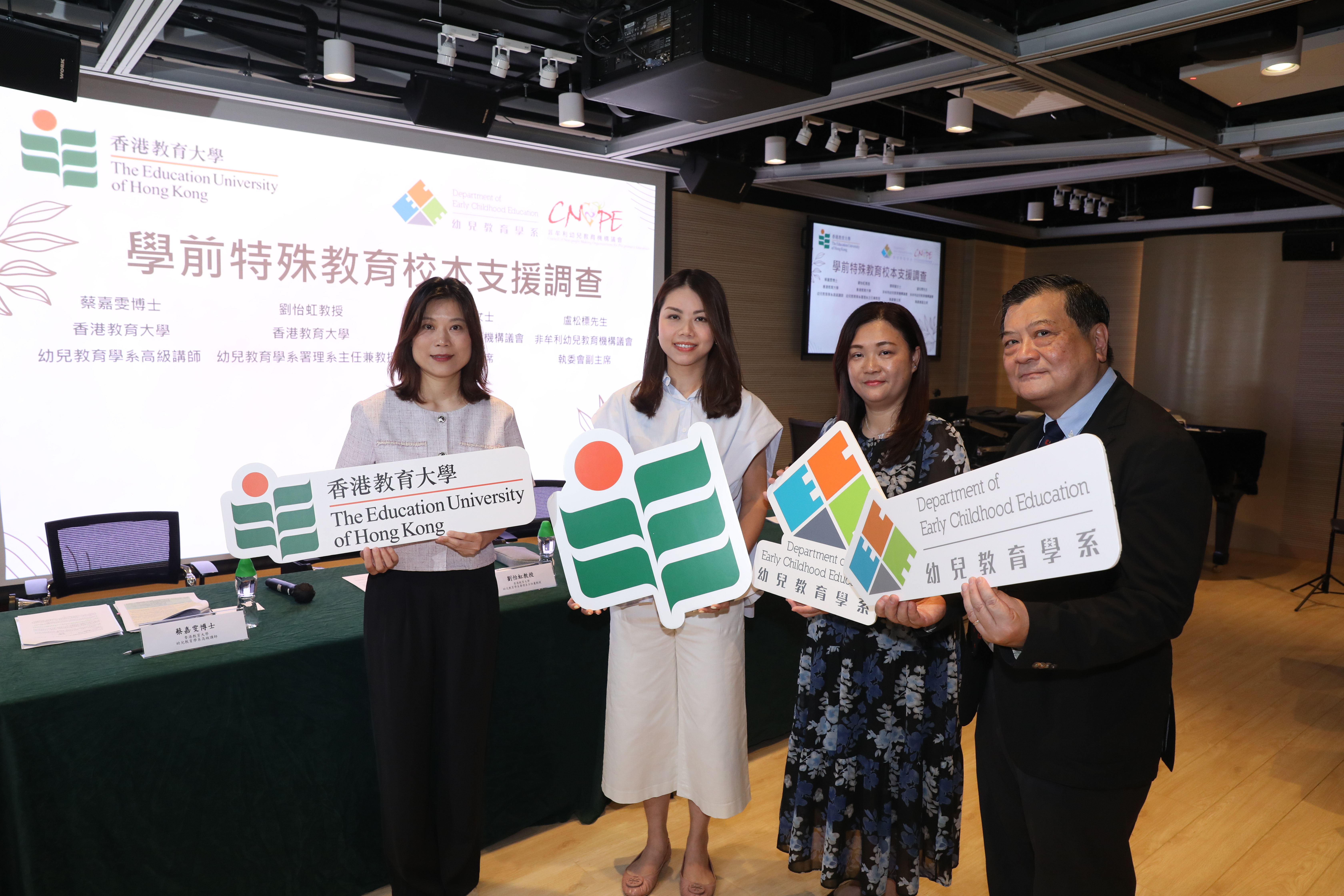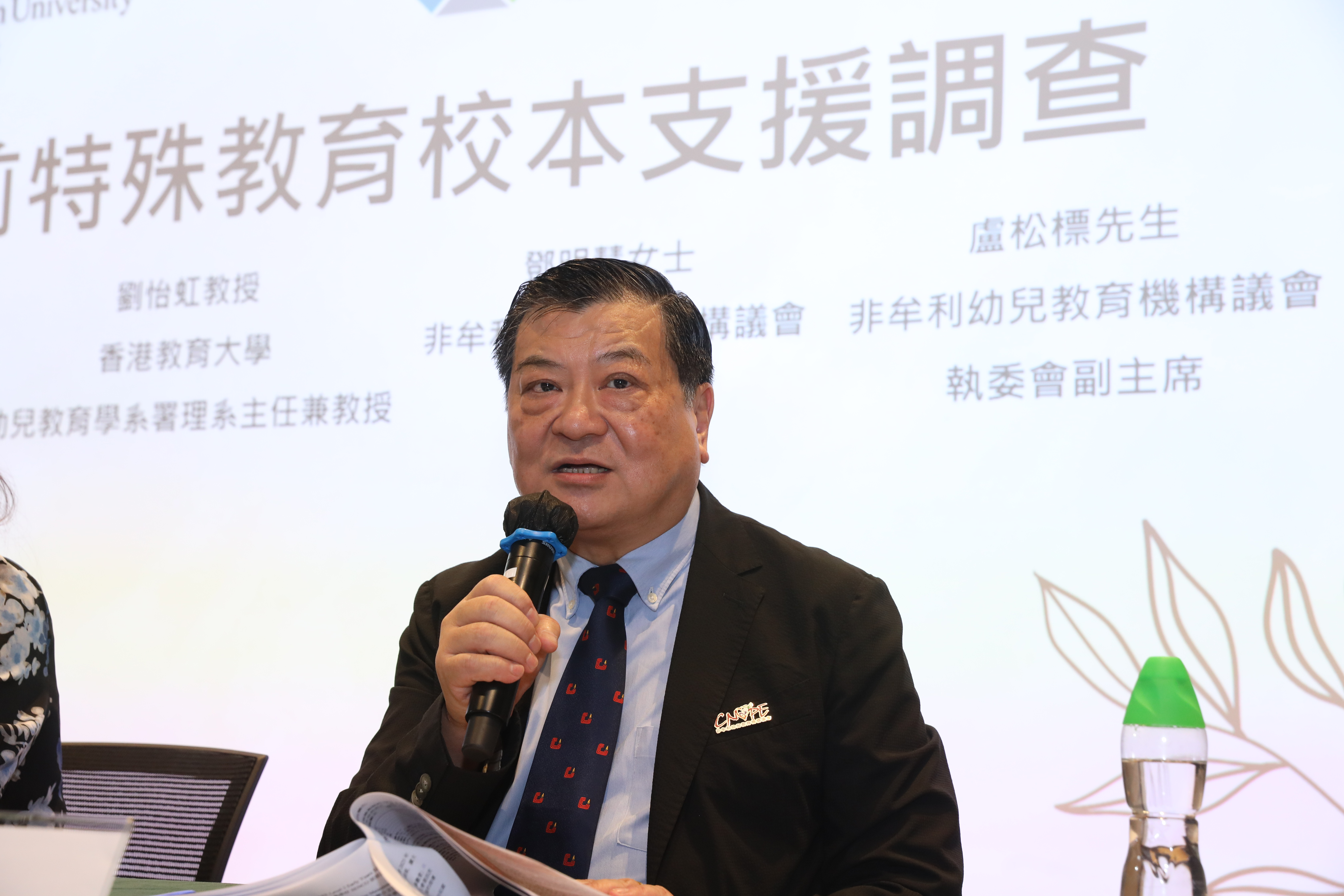


EdUHK and CNOPE Announce Survey Findings on School-based Support for Pre-primary Special Education
To enhance support for pre-school children with special needs, the Social Welfare Department announced last year the phased implementation of the School-based Model of Pre-school Rehabilitation Services (“School-based Model”), aiming to reduce waiting times and facilitate early identification and support. Over the past decade, however, the number of service provision on pre-school rehabilitation services has risen from 6,626 to 19,291 as at end-March 2025, with demand becoming increasingly diverse. A survey conducted by the Department of Early Childhood Education of The Education University of Hong Kong (EdUHK) and the Council of Non-profit Making Organisations for Pre-primary Education (CNOPE) found nearly 90% of teachers were concerned that resources for implementing inclusive education are insufficient to meet all children’s needs, and fewer than 20% consider the current teacher-to-pupil ratio adequate for effective inclusive education.
The Social Welfare Department is piloting the School-based Model in phases, integrating the existing Integrated Programme in Kindergarten-cum-Child Care Centre (IP; a 1:6 teacher-to-pupil ratio with a designated special child care worker providing individual and small-group training) and On-site Pre-school Rehabilitation Services (OPRS; an interdisciplinary team providing support based on each child’s needs, calculated by total annual training hours). Through in-school observation and early identification, the new model aims to deliver timely support.
To assess the impact of this policy shift, the research team conducted a survey in March 2026, collecting 459 valid questionnaires and interviewing 27 staff members across nine of the 12 kindergartens piloting school-based support in the first phase.
Findings show that only 16.5% of teachers agreed the current teacher-to-pupil ratio allows inclusive education to be delivered effectively. While 52.9% expressed confidence in balancing the learning needs of children with special educational needs (SEN) and those of their peers, 58.9% felt confident in designing activities suited to children of differing abilities.
As children’s learning, emotional, behavioural and developmental needs become more diverse, more than 85% of teachers (Table 1) identified “increased workload”, “difficulty dividing attention” and “shortage of support staff” as their main sources of pressure. Around 60% also expressed concern about teaching standards, their own performance, and the stress of including children with SEN.
Table 1: Proportion of teachers expressing concern
| Item# | Concerned |
|---|---|
| Lack of resources / special child care workers | 88.4% |
| Difficulty dividing attention among all children | 88.1% |
| Increased workload | 86.9% |
| Anxiety and stress from inclusion of children with SEN | 70.6% |
| School’s educational standards affected | 63.7% |
| Decline in own performance as a teacher | 59.0% |
#: Respondents were class teachers.
At management level, only 32.5% of principals considered current policy and funding mechanisms to provide clear and effective support for inclusive education. Regarding service arrangements under IP and OPRS, only 43.1% of staff expressed satisfaction with service hours and frequency (Table 2).
Table 2: Responses on service hours and frequency
| Respondent group | Satisfied |
|---|---|
| Kindergarten principals | 48.8% |
| Class teachers | 41.7% |
| All respondents | 43.1% |
Front-line staff told interviewers that teamwork in school, and the on-the-spot help of IP teachers, help them handle children’s learning, emotional and behavioural needs. Yet as the share of children with special educational needs rises, staffing, time and professional support still cannot match what the classroom demands. Principals, too, saw the ‘School-based Model’ as a way to get children into services sooner, but were left with questions about service ceilings, resource allocation, in-school co-ordination and interdisciplinary work.
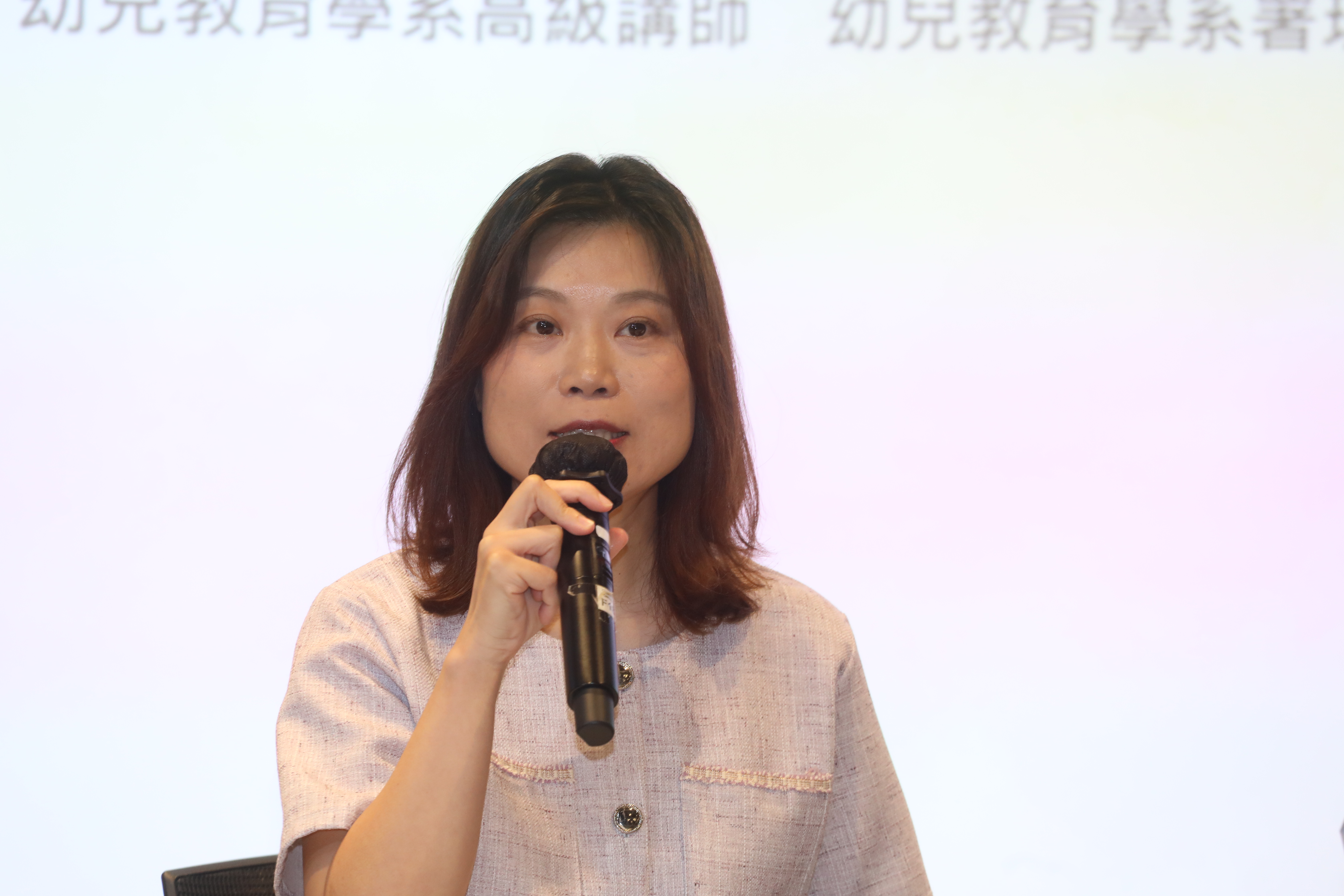
Professor Eva Lau Yi-hung, Acting Head of the Department of Early Childhood Education at EdUHK, said, “There are more places in pre-school rehabilitation services now, and the support children need spans a wider range. Front-line kindergarten teachers have built up real experience in inclusive education, yet the survey shows they still need more help with classroom adaptation, behavioural support and the design of inclusive activities. In rolling out the ‘School-based Model’, the Government must review staffing, service-volume benchmarks and in-school support in step, so the added work does not fall on front-line teachers alone and each child’s share of support is not spread thinly. It must also give clear policy guidance and set out plainly what schools, service operators and professional teams are each responsible for, and how they work together.”
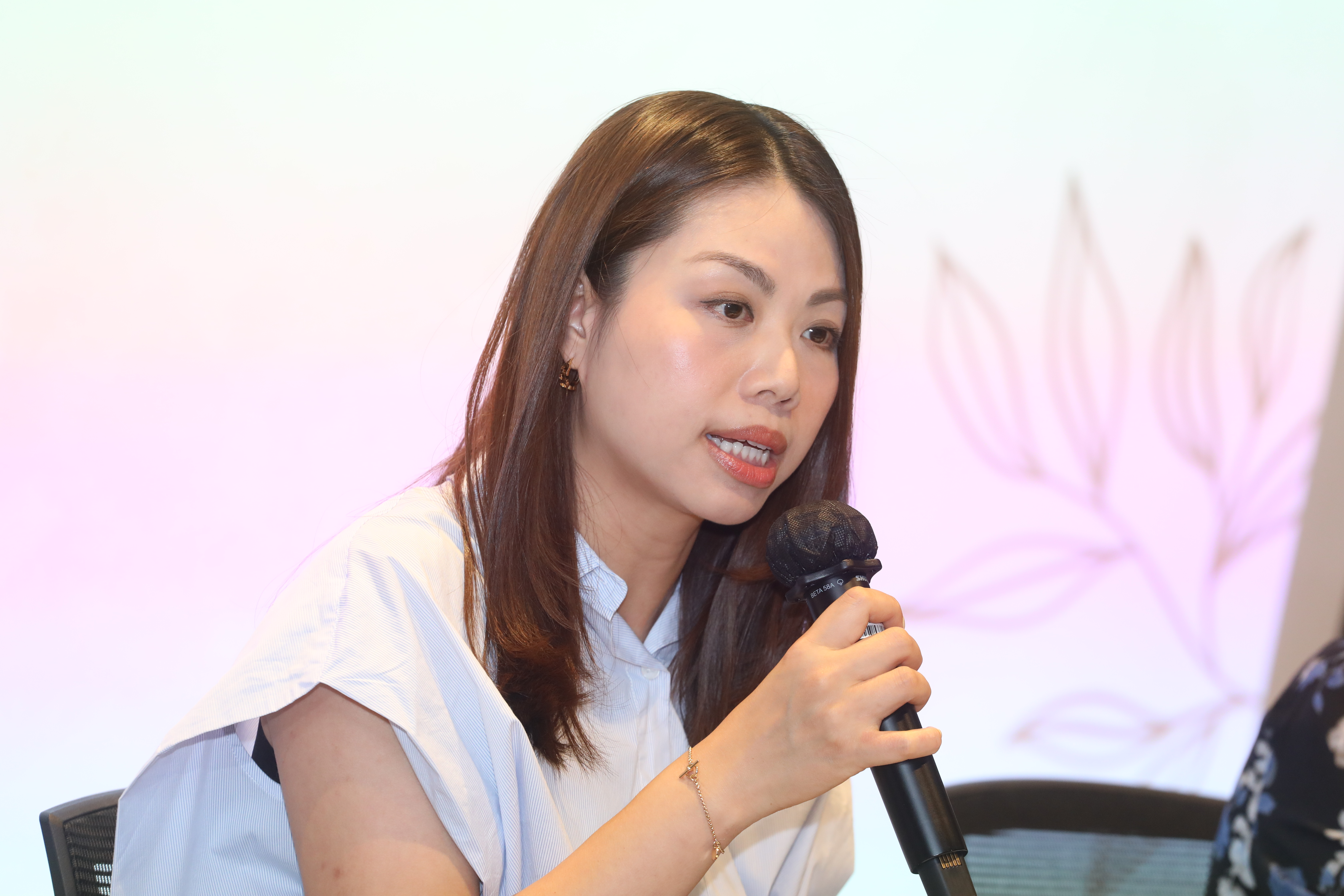
Dr Carmen Choi Ka-man, Senior Lecturer in the Department of Early Childhood Education at EdUHK, added, “Quality education for children with rehabilitation needs cannot rely solely on teachers’ accumulated experience. The Government should establish a mechanism for continuing professional training, strengthening observation and identification, behaviour management, classroom adaptation, home-school communication and interdisciplinary collaboration. Schools should also be allowed to apply for additional training places when staff changes occur.”
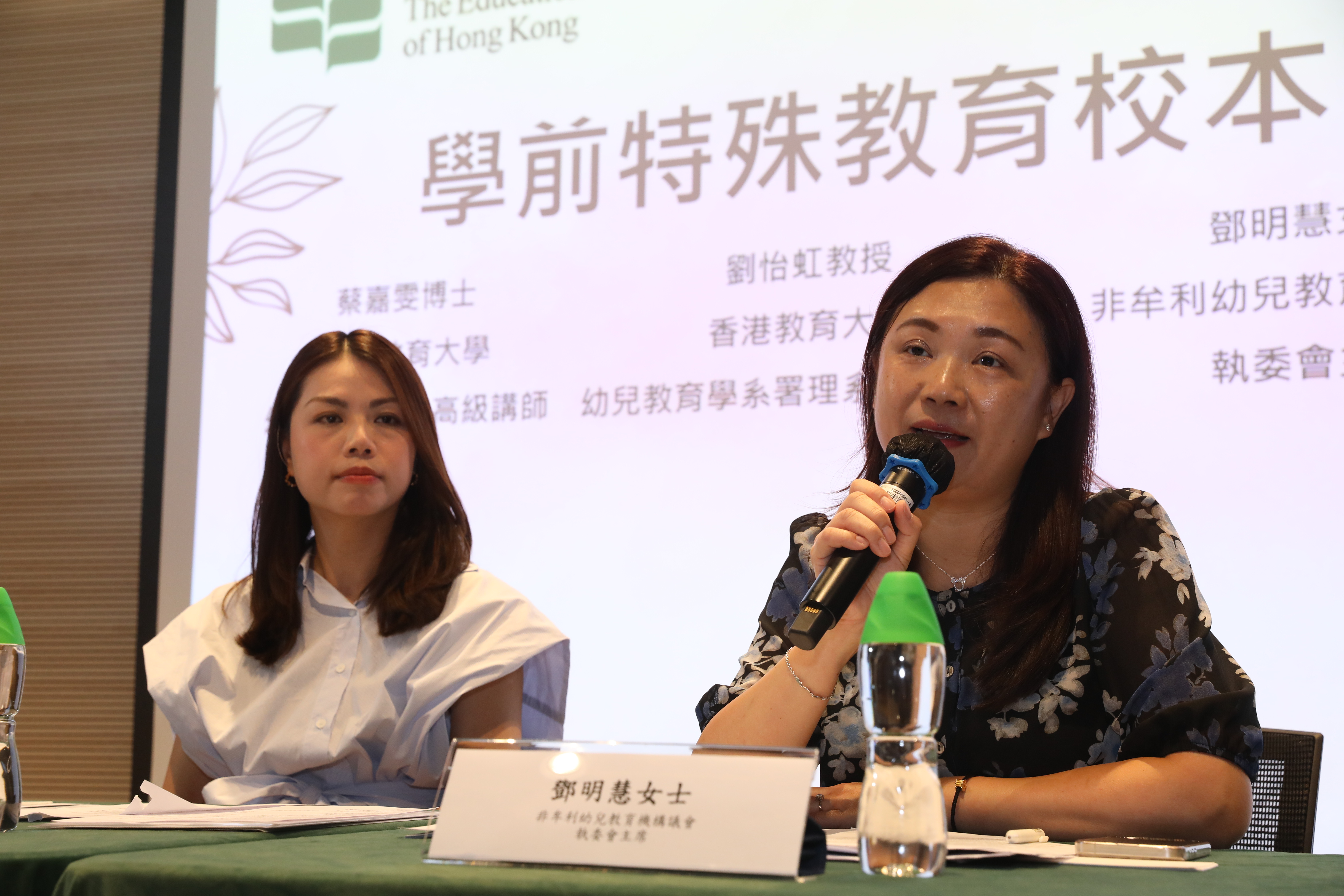
Ms Patricia Tang Ming-wai, Chairperson of the Executive Committee of CNOPE, said, “Case follow-up, resource allocation, interdisciplinary communication and home-school collaboration are currently handled by principals or teachers alongside their existing duties. This adds to the front-line burden and hinders systematisation. Drawing on experience in primary and secondary schools, the Government should establish a permanent Special Educational Needs Coordinator (SENCO) role in kindergartens, dedicated to integrating resources within and beyond the school and embedding professional knowledge and support across the teaching team.”
The nation’s 15th Five-Year Plan calls for advancing inclusive development in special education, while the Preschool Education Law has also come into effect. With Hong Kong formulating its blueprint for the next five years, the research team believes this is a critical policy window for strengthening the city’s pre-school special education system. Beyond refining existing school-based support, the HKSAR Government should also consider legislating, or establishing a policy framework with greater statutory force, to set out staffing and resource benchmarks, continuing professional training, the in-school co-ordinating role, the scope and ceilings of services, and the responsibilities of schools and professional teams.
-Ends-
EdUHK and CNOPE Announce Survey Findings on School-based Support for Pre-primary Special Education
Download all images