

EdUHK’s Department of Chinese Language Studies Holds ‘Versifying the Divine: Workshop on Daoism and Classical Chinese Poetry’
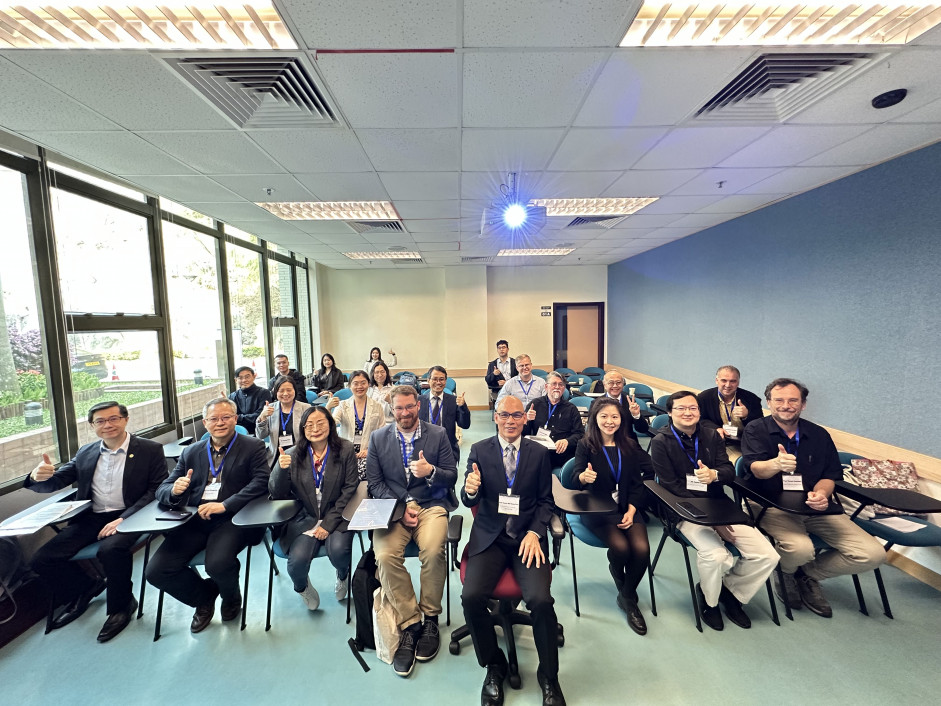
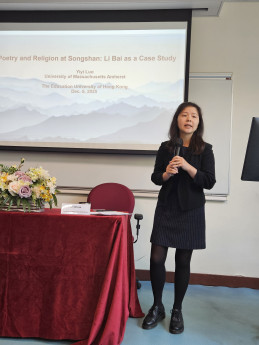
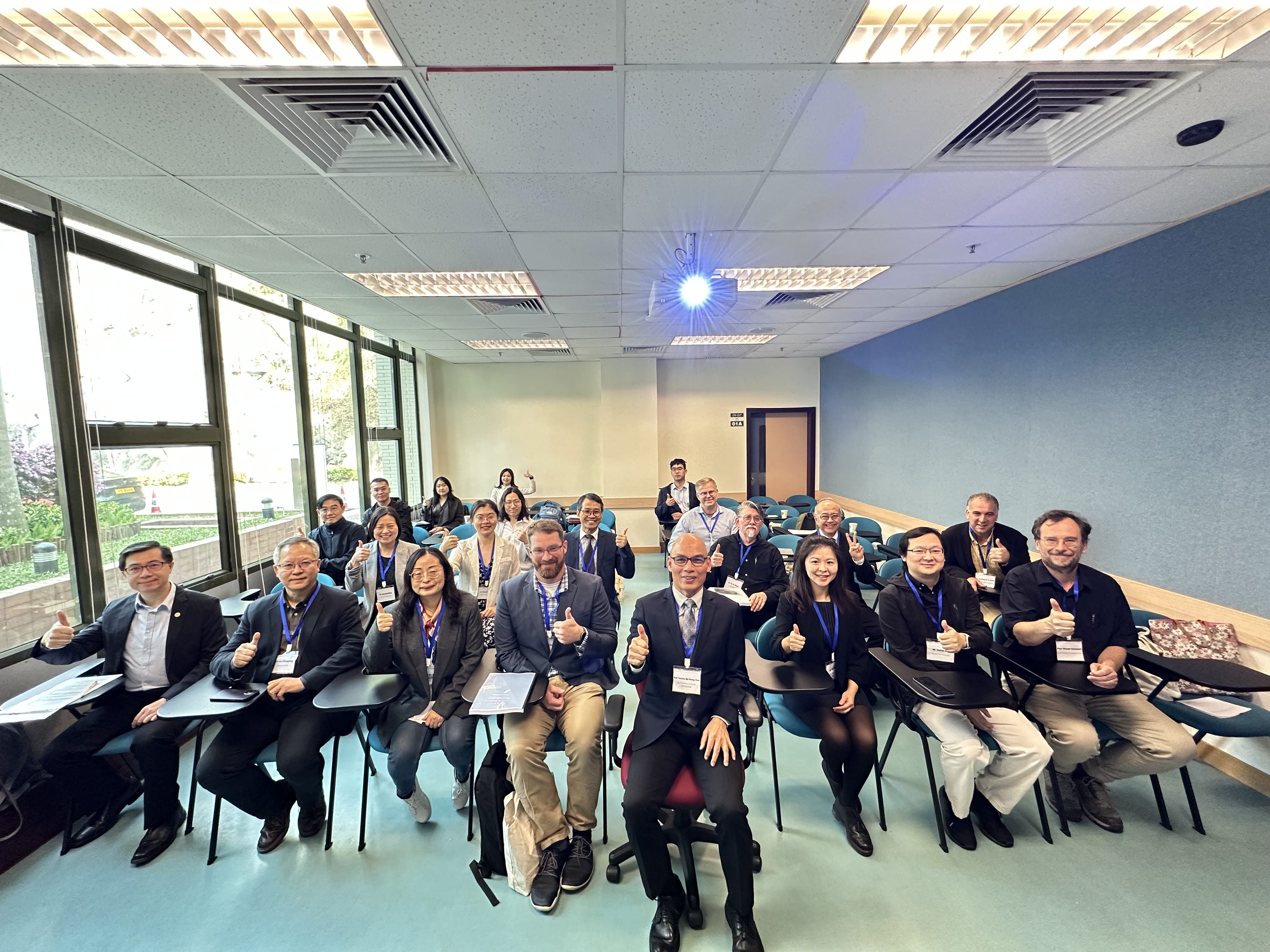
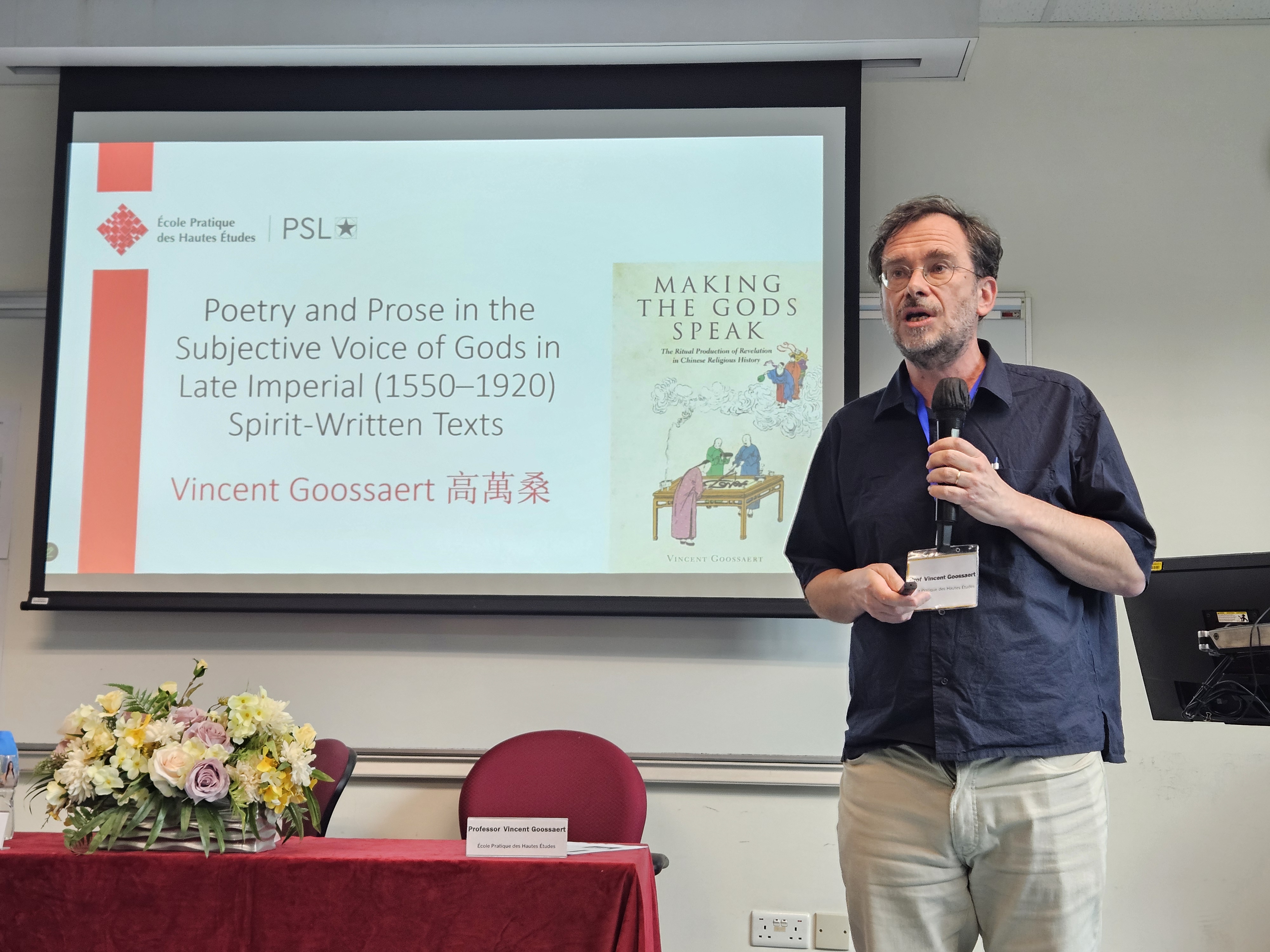
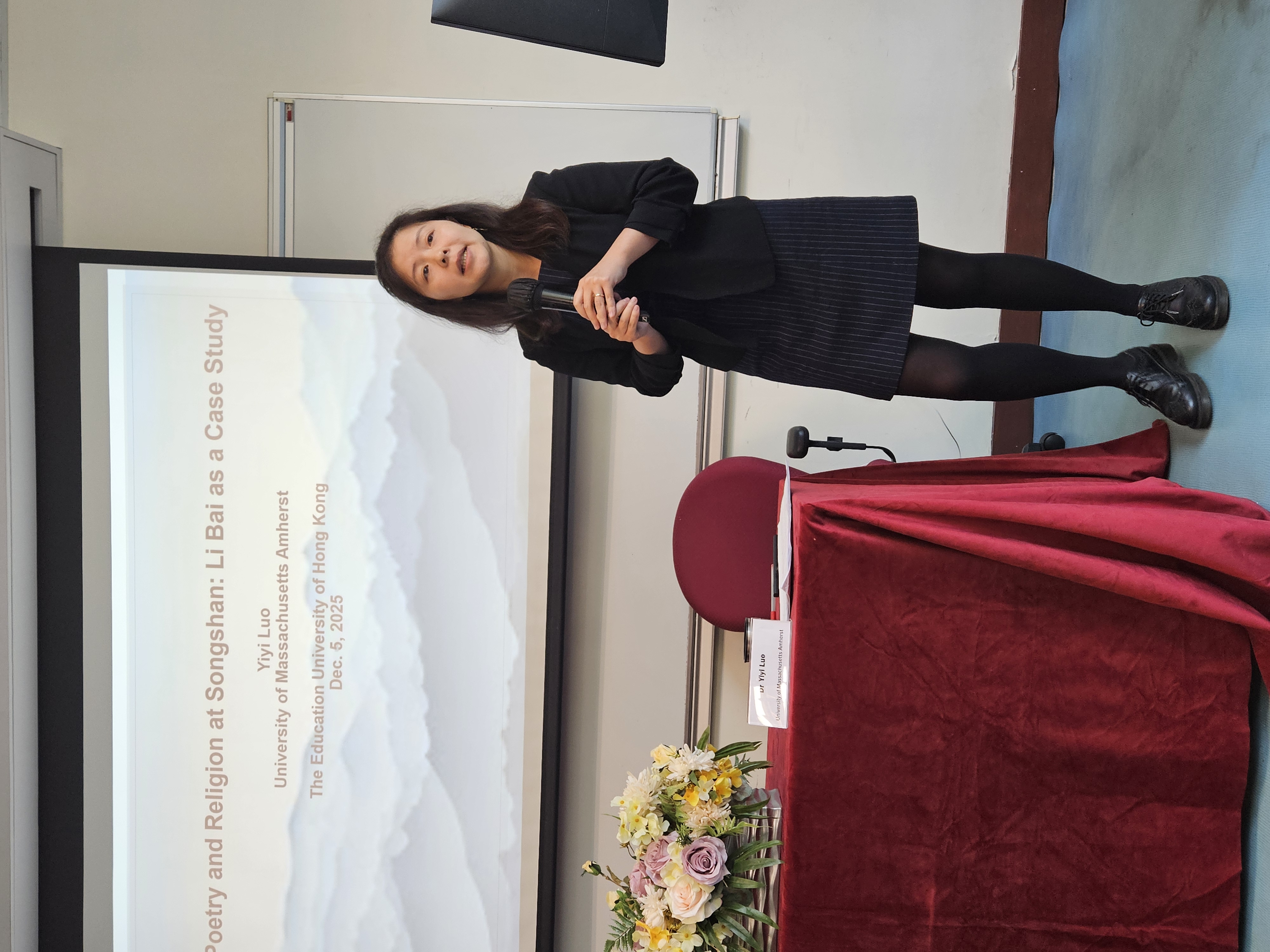
The Department of Chinese Language Studies at The Education University of Hong Kong (EdUHK) held ‘Versifying the Divine: Workshop on Daoism and Classical Chinese Poetry’. Scholars from the Chinese Mainland, Hong Kong, China, Taiwan, China, Japan, the United States, France and Belgium gathered at EdUHK for in-depth discussions on Daoist scriptures, poetic imagery, and Daoist thought, fostering cross-regional and interdisciplinary dialogue in the study of Daoist literature.
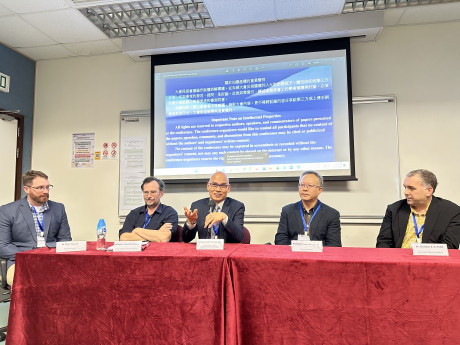
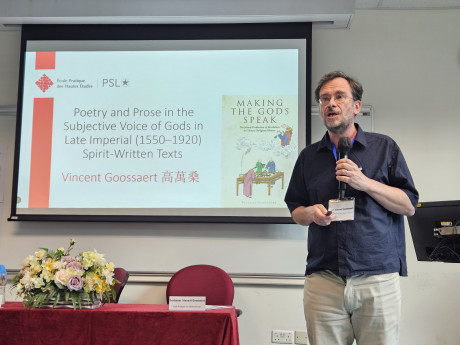
The workshop featured 12 presentations organised into five thematic panels, covering poetry in Daoist canons, musical notation and chanting traditions, religious writings, cultural memory and spirit-writing texts. The panels addressed the following themes: medieval Daoist canonical poetry, the religious writings of Tang literati, Quanzhen poetry and lyrics of the Song and Yuan periods, cultural memory and spirit-writing texts in the Qing, as well as Daoist musical notation and chanting traditions. Participants approached Daoist poetry from multiple perspectives, including scriptural interpretation, religious language, historical context, cultural landscape, and phonological features, revealing its rich dimensions in linguistic aesthetics, religious practice, cultural psychology, and artistic form.
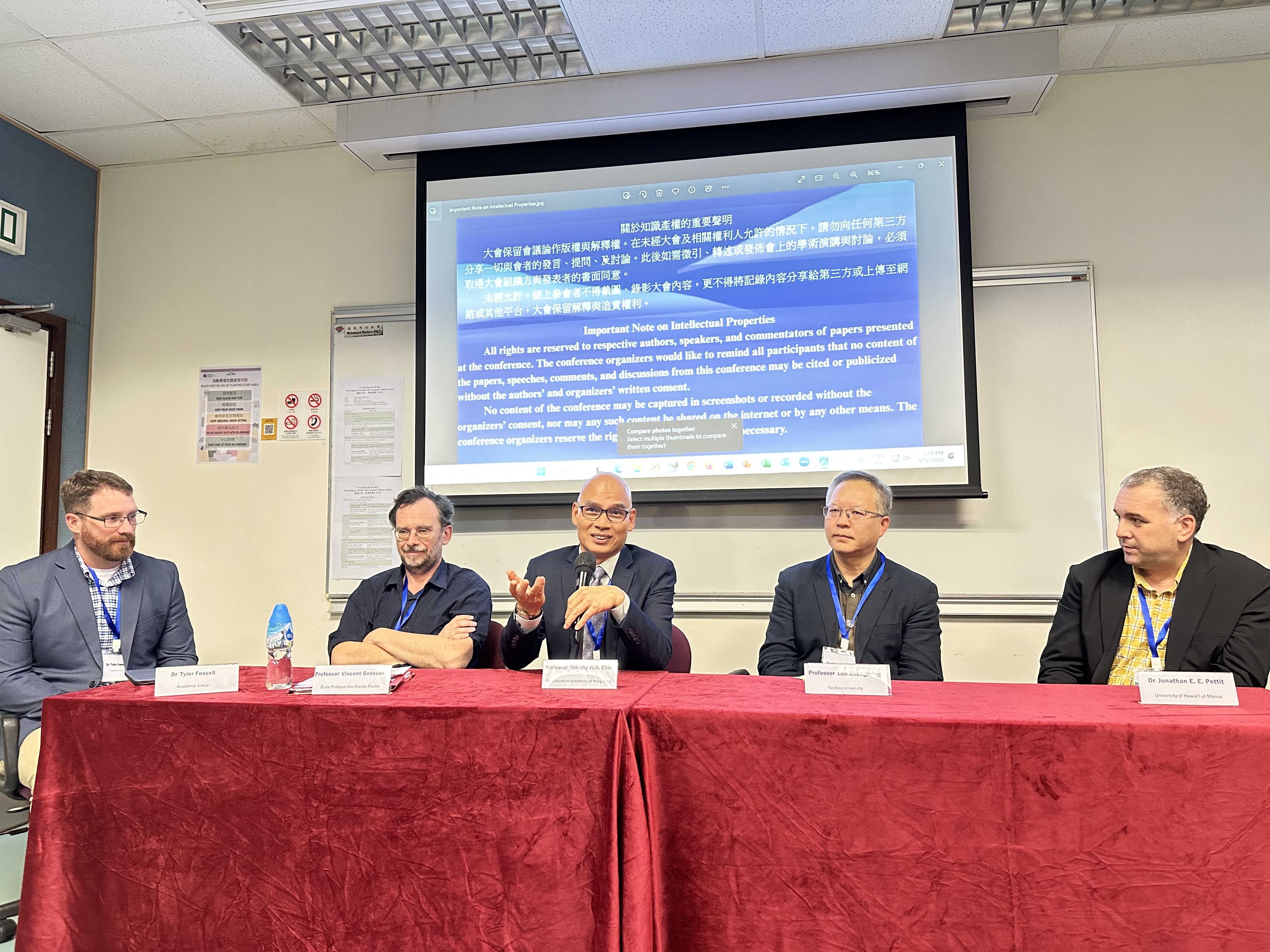
The discussions were lively and engaging, with participants delving into the subtleties of topics such as the poetic implications of Daoist language, the interaction between religious texts and poetic form, the relationship between ritual chanting and textual creation, and poetry as a medium of cultivation and spiritual practice.
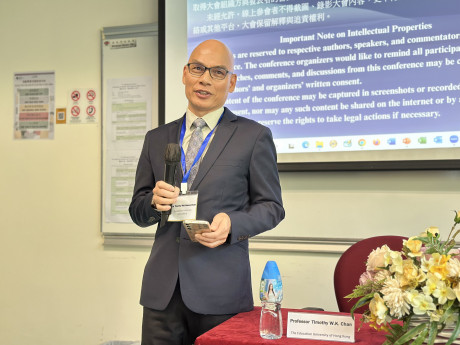
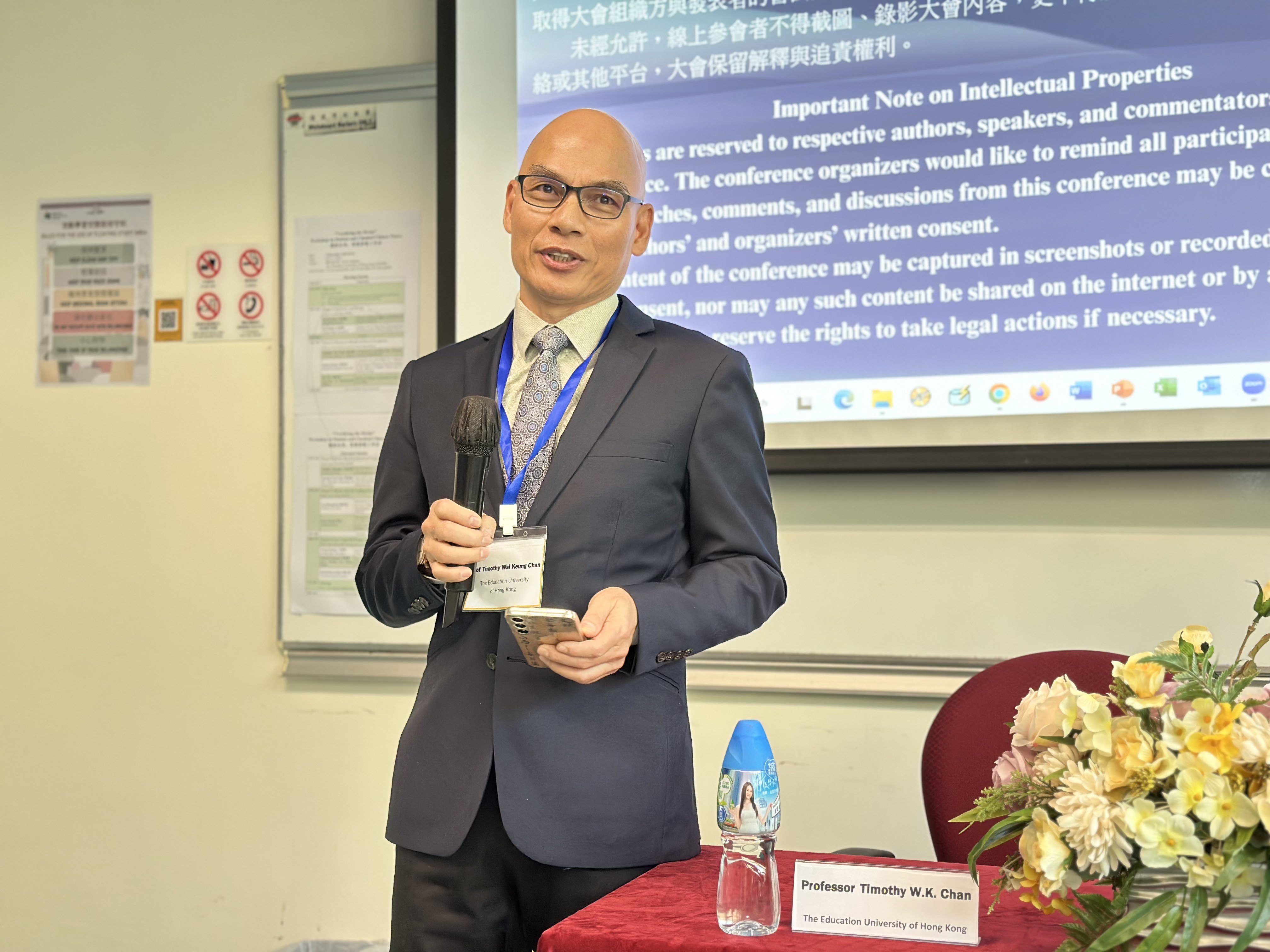
In his speech, Professor Timothy Chan Wai-keung, Head of the Department of Chinese Language Studies and convener of the workshop, expressed that the event has deepened academic understanding of Daoist poetry and inspired new directions for interdisciplinary research. He hoped that scholars would continue to promote integrated studies of literature and religion, and that events such as this would provide a platform for greater international exchange in the field of Daoist literature.
-Ends-