

EdUHK Hosts International TVET Symposium: Reimagining Technical and Vocational Education and Training for Education Futures
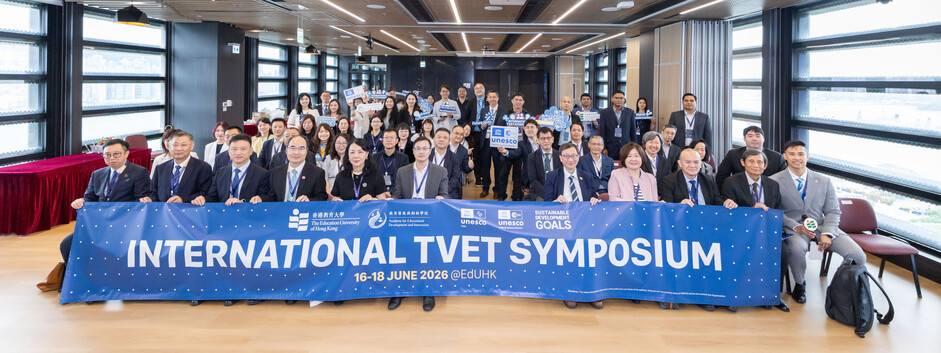
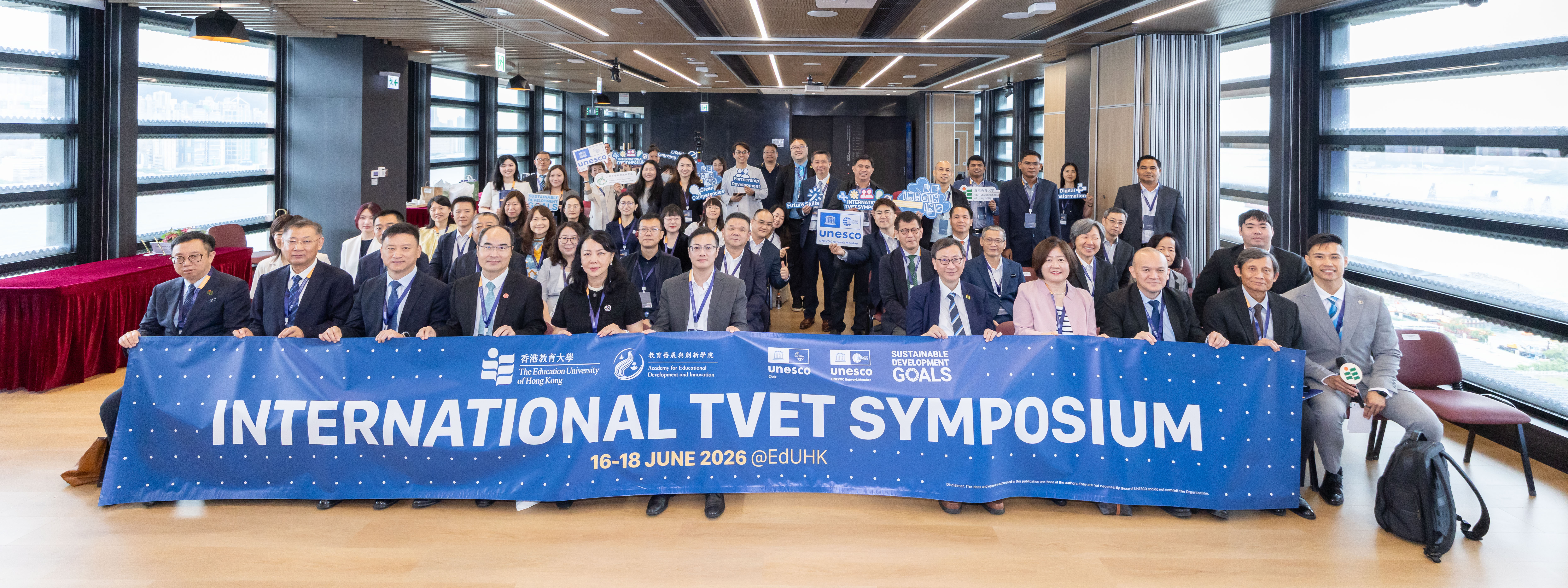
The Education University of Hong Kong (EdUHK), through its UNEVOC Centre (Hong Kong) and the Academy for Educational Development and Innovation, hosted the International TVET Symposium: Reimagining Technical and Vocational Education and Training for Education Futures on 16-18 June. The three-day symposium brought together policymakers, scholars, and industry representatives from more than ten countries and regions, including China, Thailand, South Korea, Malaysia, and Cambodia. Participants examined the future of Technical and Vocational Education and Training (TVET) amidst rapid technological, economic, and social changes, and worked collectively to advance vocational education towards “Education Futures.”
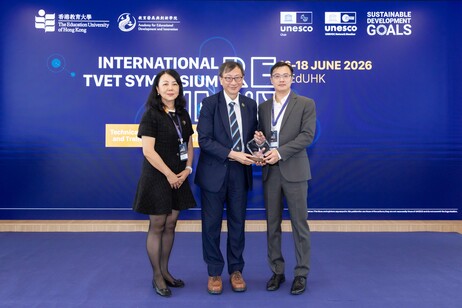
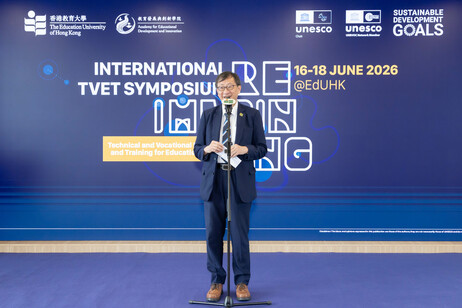
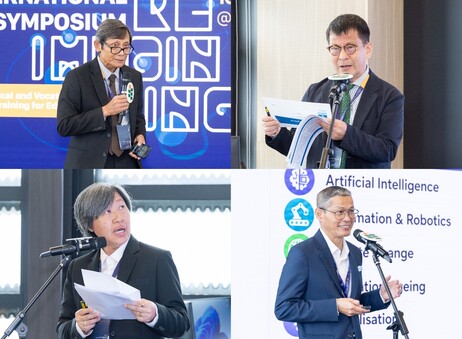
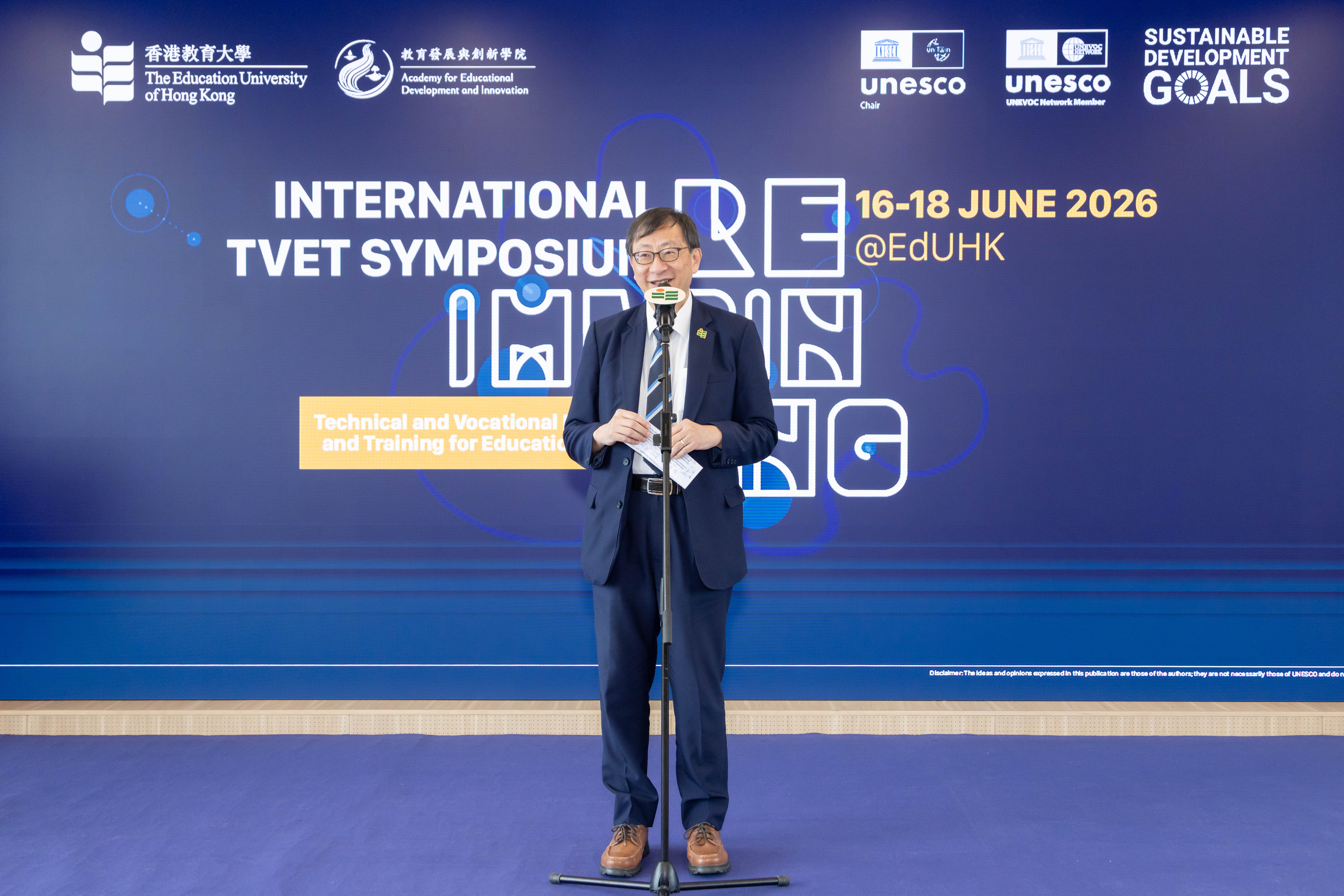
The opening ceremony was officiated by Mr Yan Weizhi, Representative of the Liaison Office of the Central People’s Government in the Hong Kong Special Administrative Region (HKSAR), together with Professor John Lee Chi-Kin, President of EdUHK and Director of UNEVOC Centre (Hong Kong). In his remarks, Professor Lee highlighted that the rapid advancement of technology is reshaping the ways people learn, work, and live. He emphasised that TVET is not only increasingly important in nurturing talent for employment, but also serves as a core driver for lifelong learning.
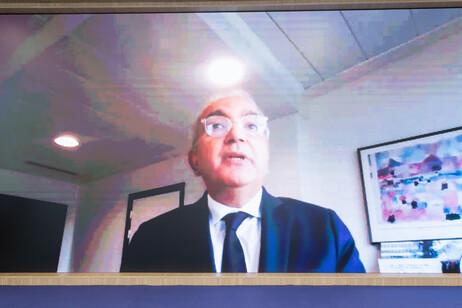
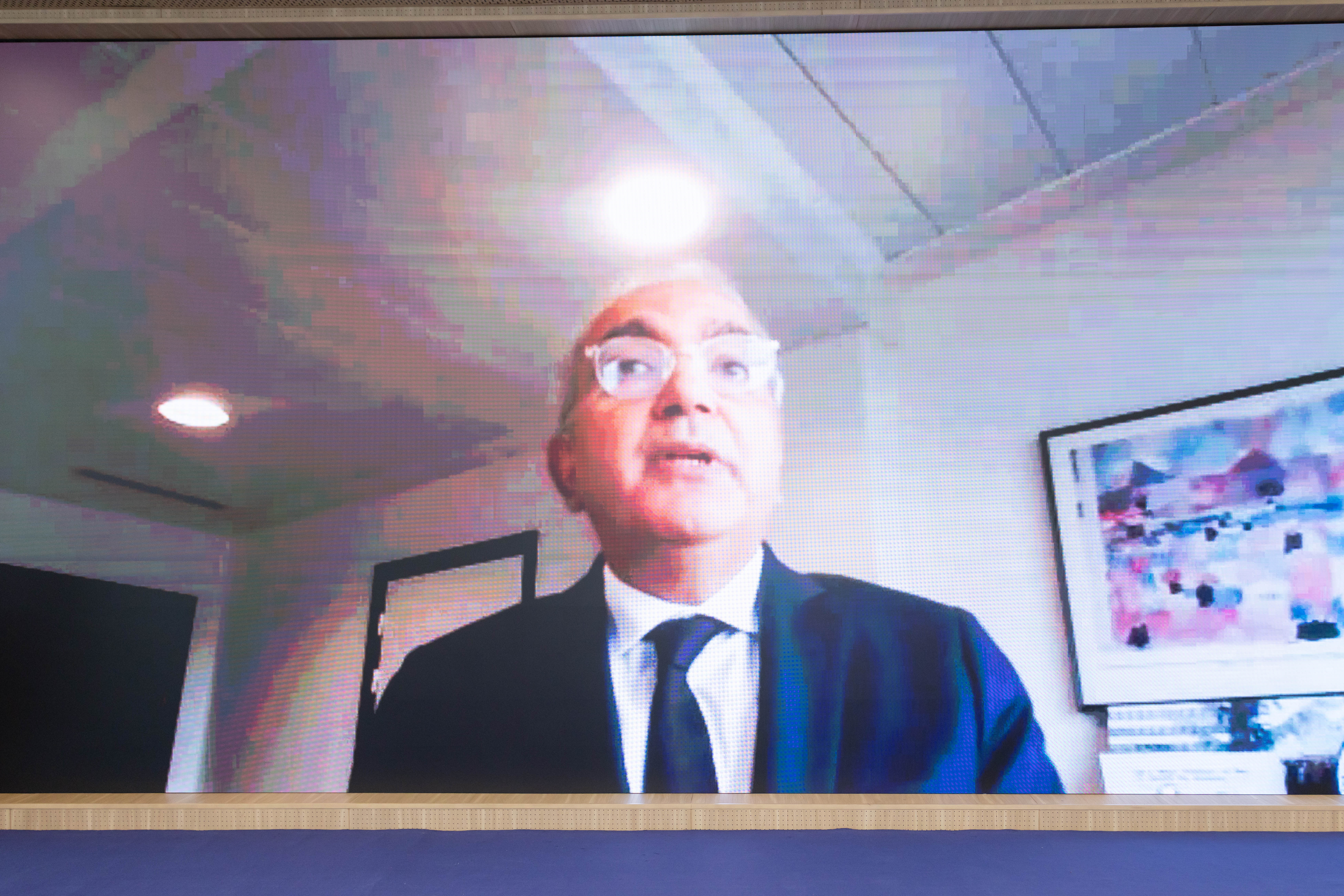
Dr Borhene Chakroun, Director of Division for Policies and Lifelong Learning Systems at UNESCO, delivered a video address. He underscored that in the era of artificial intelligence, the importance of talent, creativity, and skills is growing steadily, and that TVET plays a crucial role in empowering learners, promoting inclusion, and supporting sustainable development.
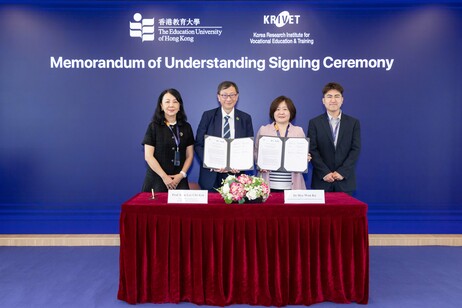
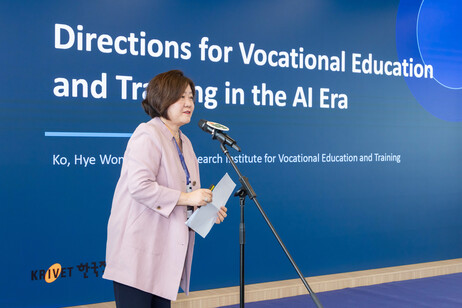
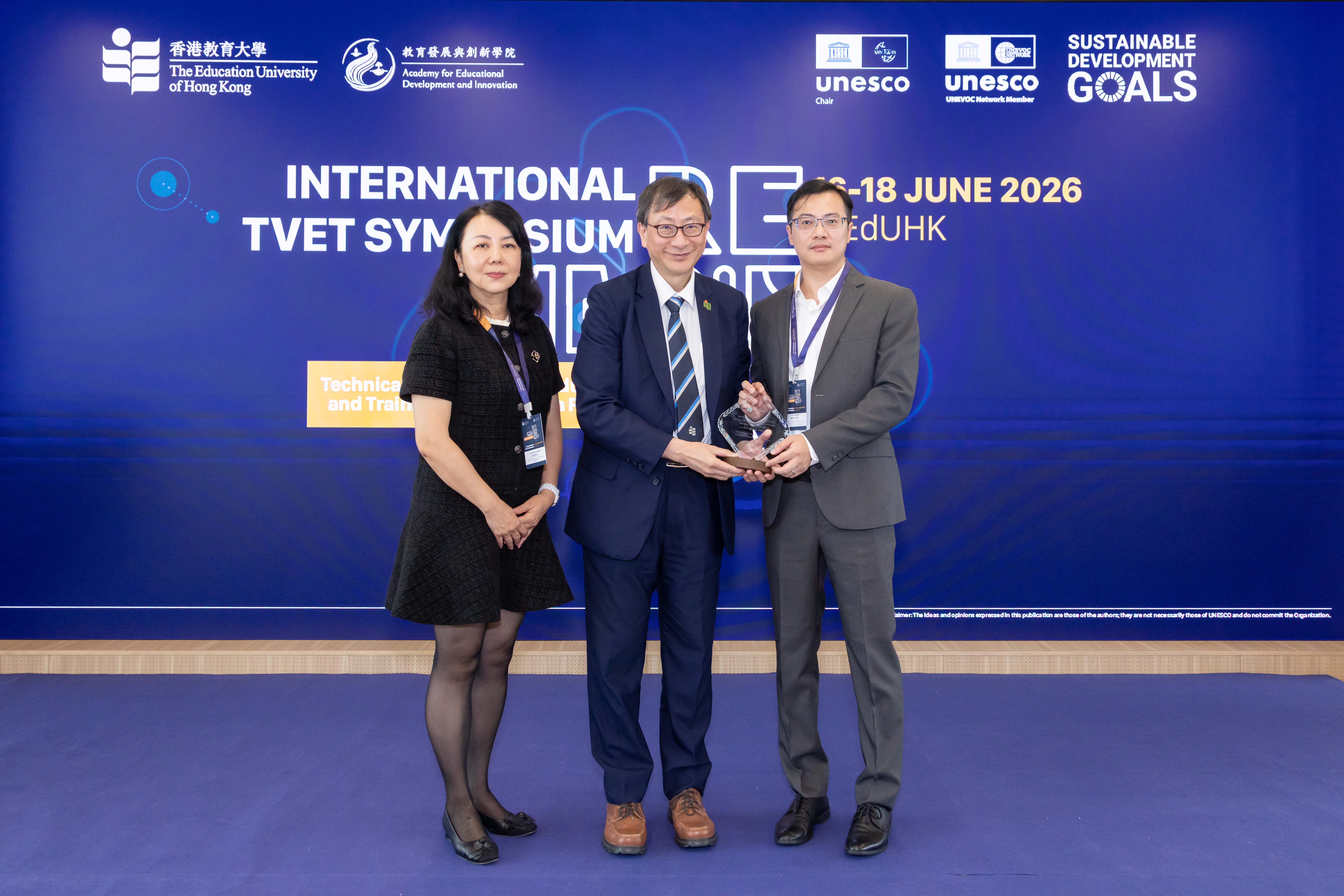
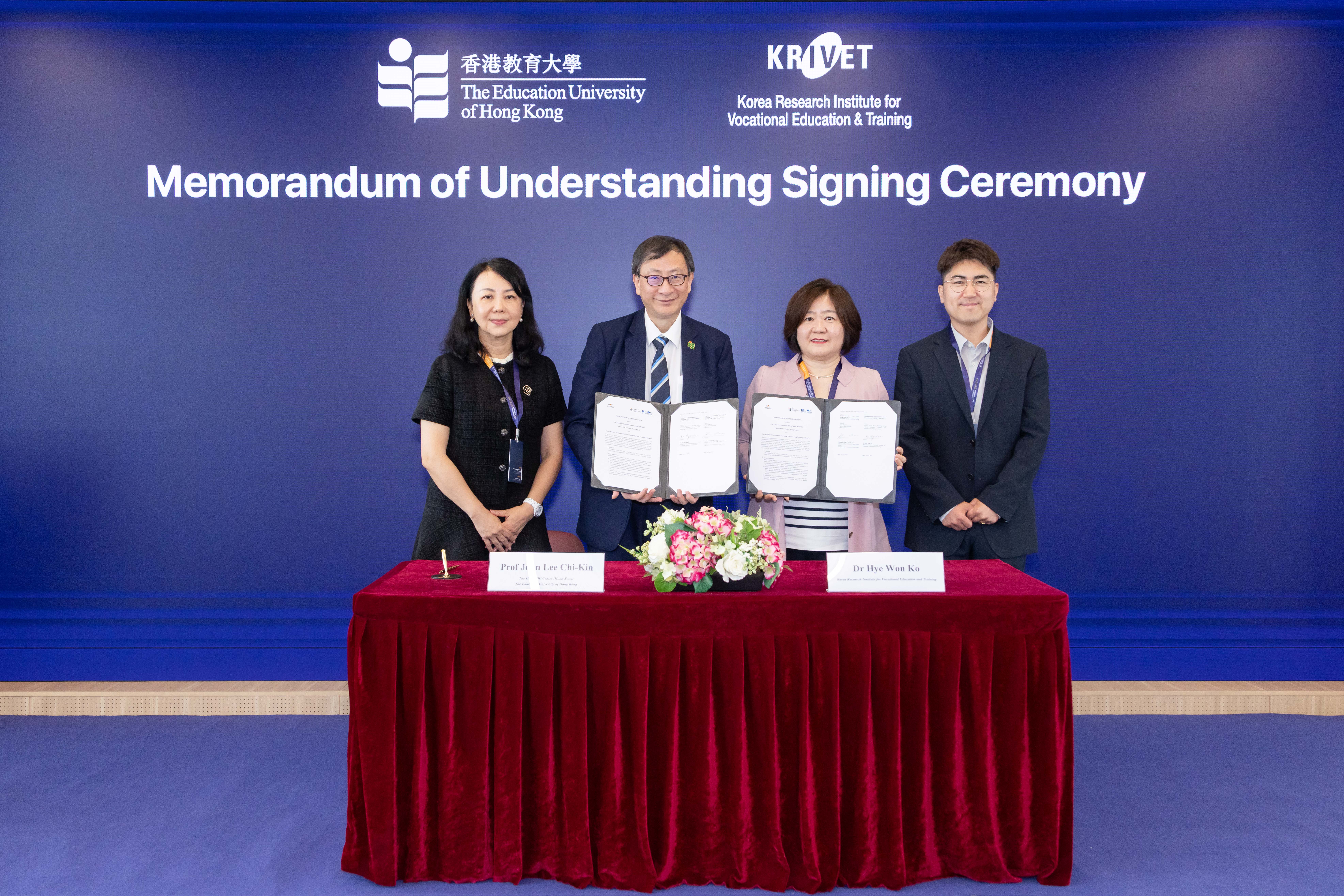
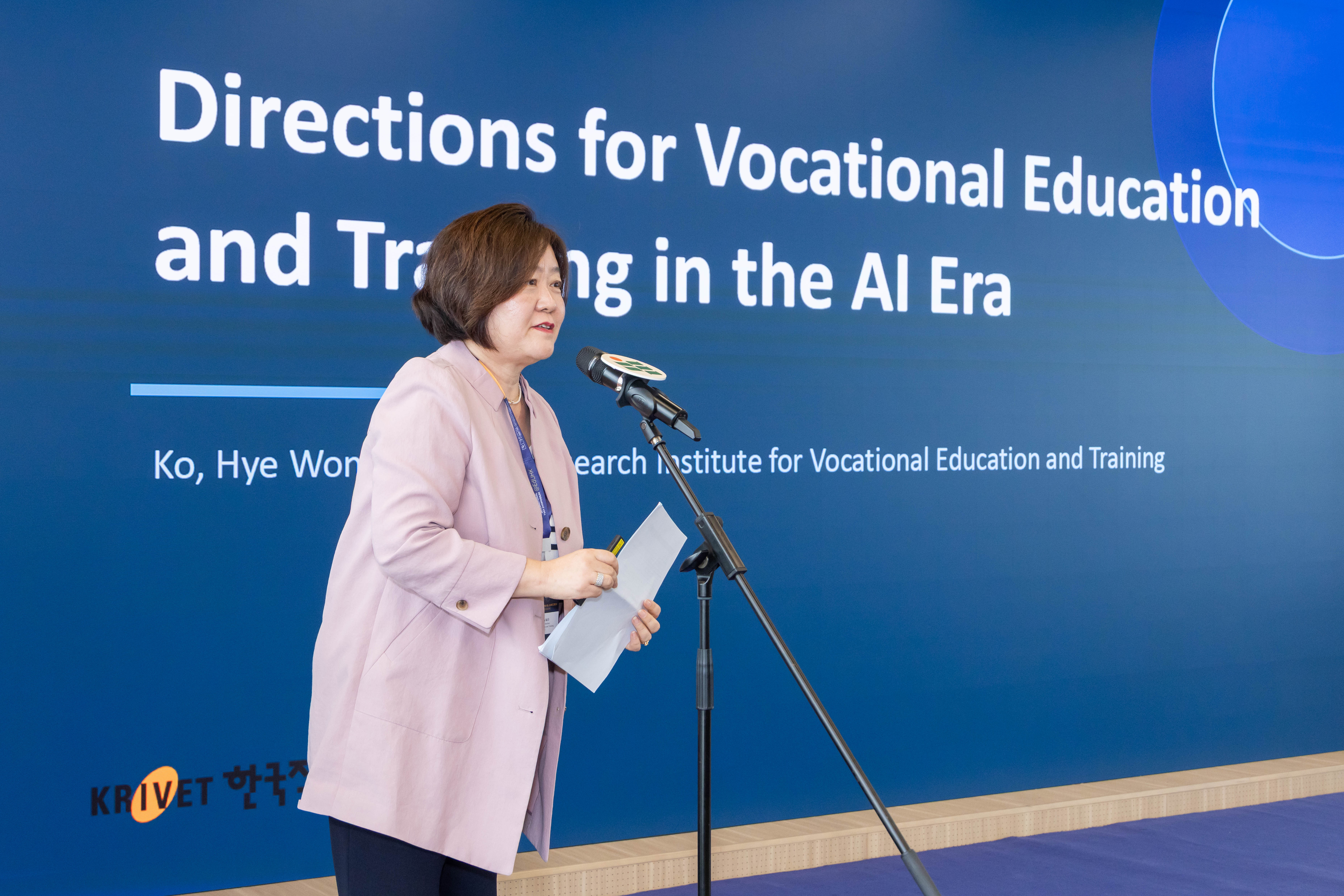
During the opening session, Professor John Lee and Dr Ko Hye Won, President of the Korea Research Institute for Vocational Education and Training (KRIVET), signed a Memorandum of Understanding (MoU), formally establishing a new partnership. The two institutions will strengthen collaboration in research, capacity building, and knowledge exchange, while jointly promoting lifelong learning, green skills, and future oriented vocational education.
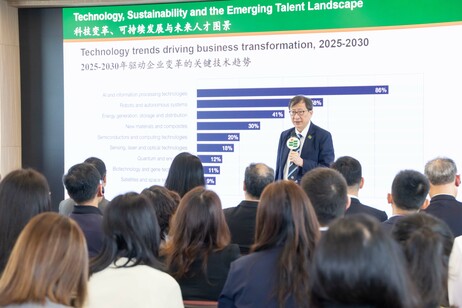
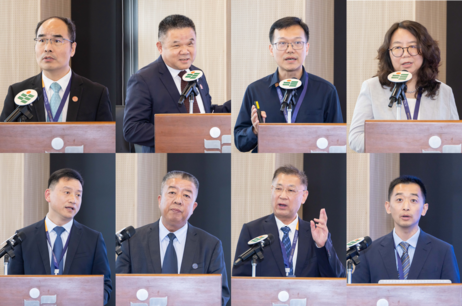
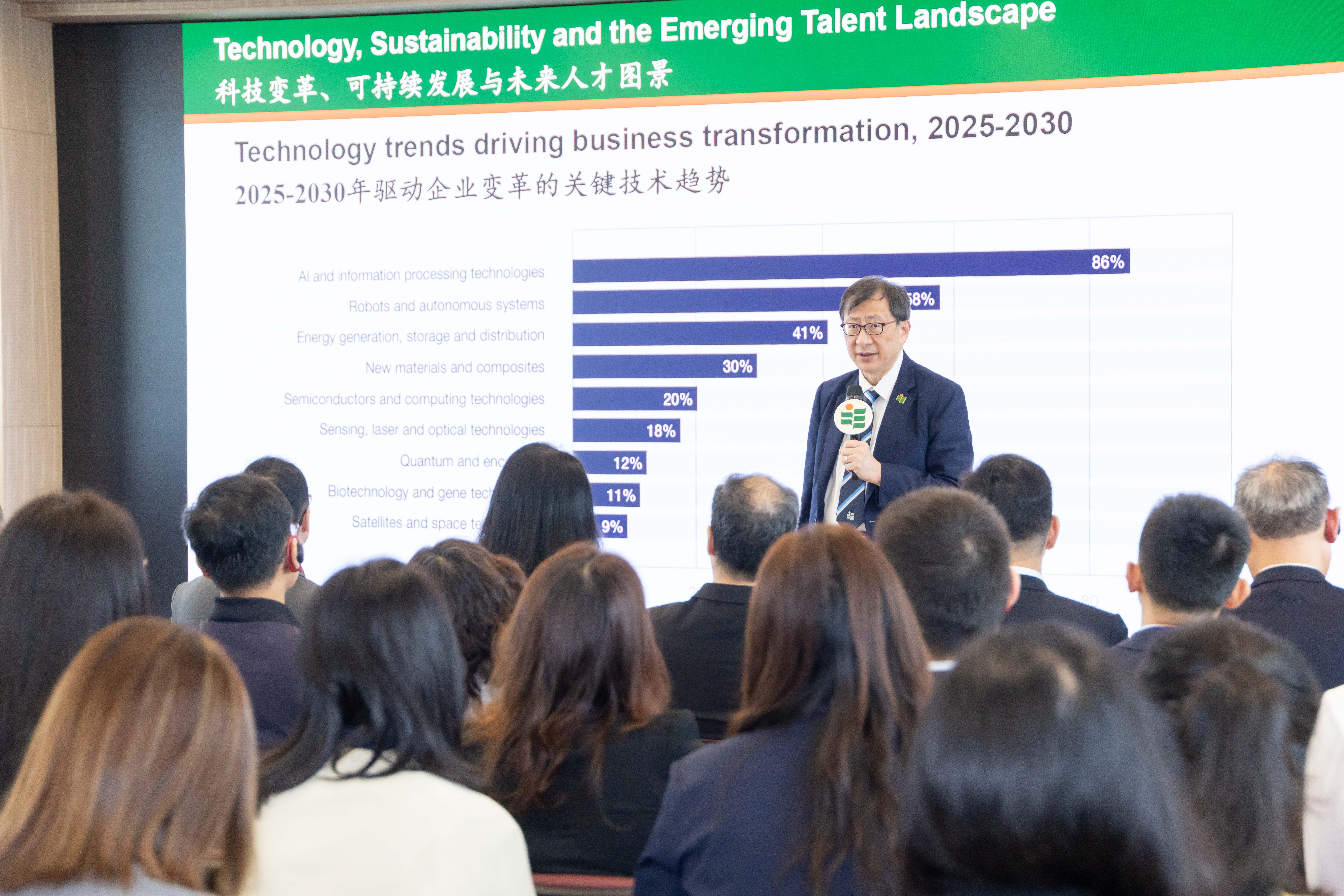
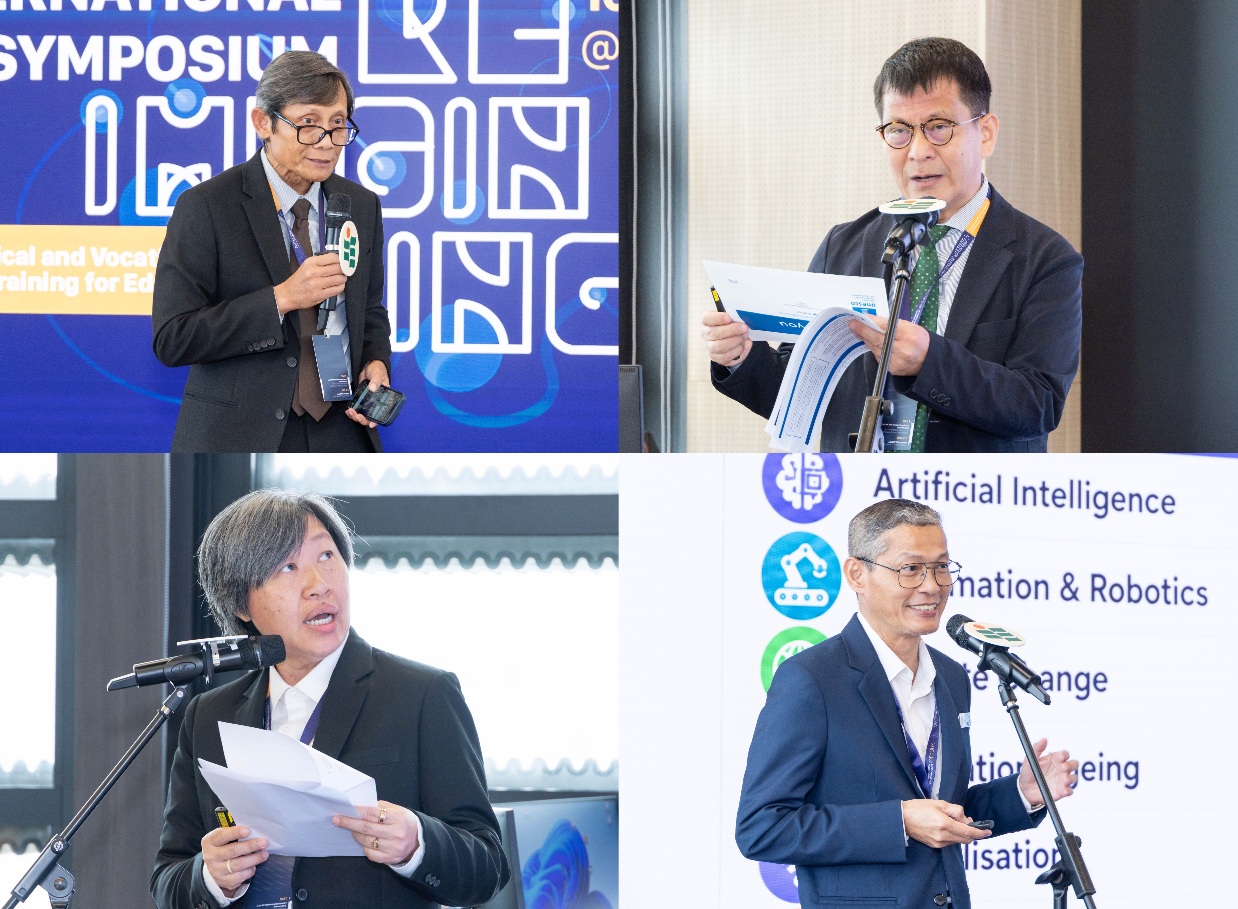
The first day of the symposium featured ten keynote speeches. Professor Lee noted that in the face of technological transformation, sustainability challenges, and evolving labour market demands, the mission of TVET is moving beyond its traditional role of workforce preparation. He stressed that lifelong learning, future skills, and cross-sector collaboration are essential to nurturing talent capable of thriving in a complex and volatile world. Drawing on South Korea's experience, Dr Ko shared insights into the impact of artificial intelligence on skill development and labour market transformation. In addition, senior management representatives from TVET-related universities and institutions in Chinese Mainland delivered keynote speeches, outlining the latest development trends.
The regional dialogue session was moderated by Dr Paryono from the Southeast Asian Ministers of Education Organization’s Regional Centre for Vocational and Technical Education and Training, a strategic partner of UNEVOC Centre (Hong Kong). Mr Hiromichi Katayama of UNESCO Jakarta shared international perspectives on “lifelong learning entitlements” as an emerging policy instrument to strengthen the lifelong learning system. Dr Chantana Potikruprasert, Director of the Bureau of General Administration at Thailand’s Office of the Vocational Education Commission, and Dr Shamsuri Abdullah, Director General of the Department of Polytechnic and Community College Education from Malaysia, respectively introduced the transformation of TVET in their countries.
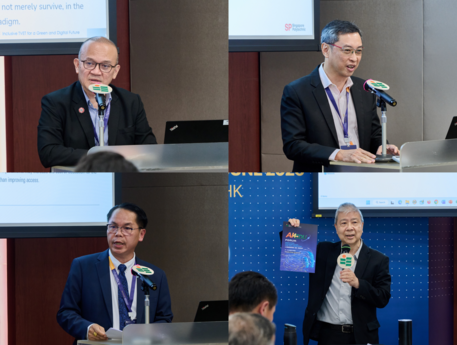
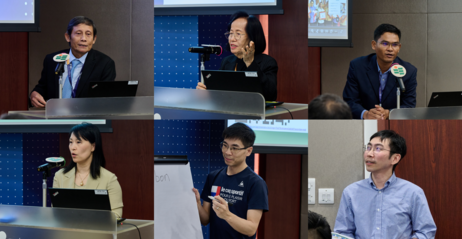
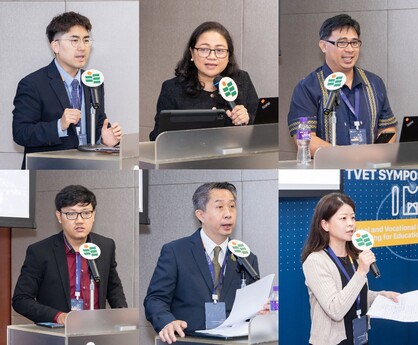
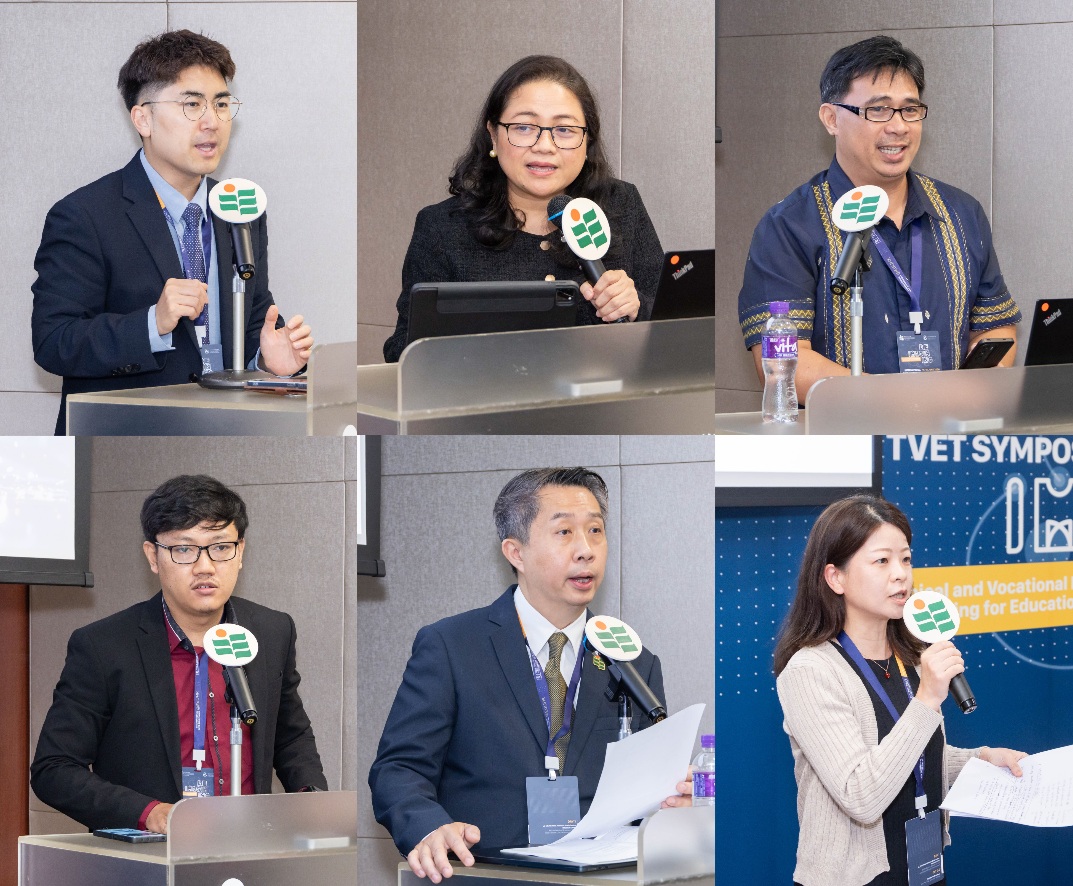
The second and third days of the symposium featured ten thematic presentations under three major themes: “AI Integration and Digital Transformation”, “Sustainability”, “Skills Mobility, Lifelong Learning and Partnership”. EdUHK scholars also hosted workshops on artificial intelligence, sustainable development, and cross-sector collaboration.
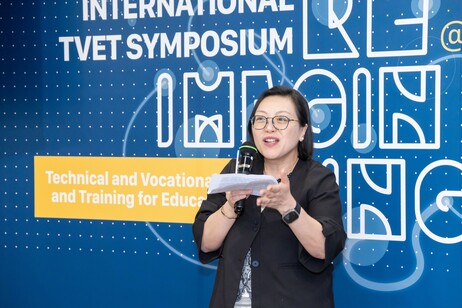
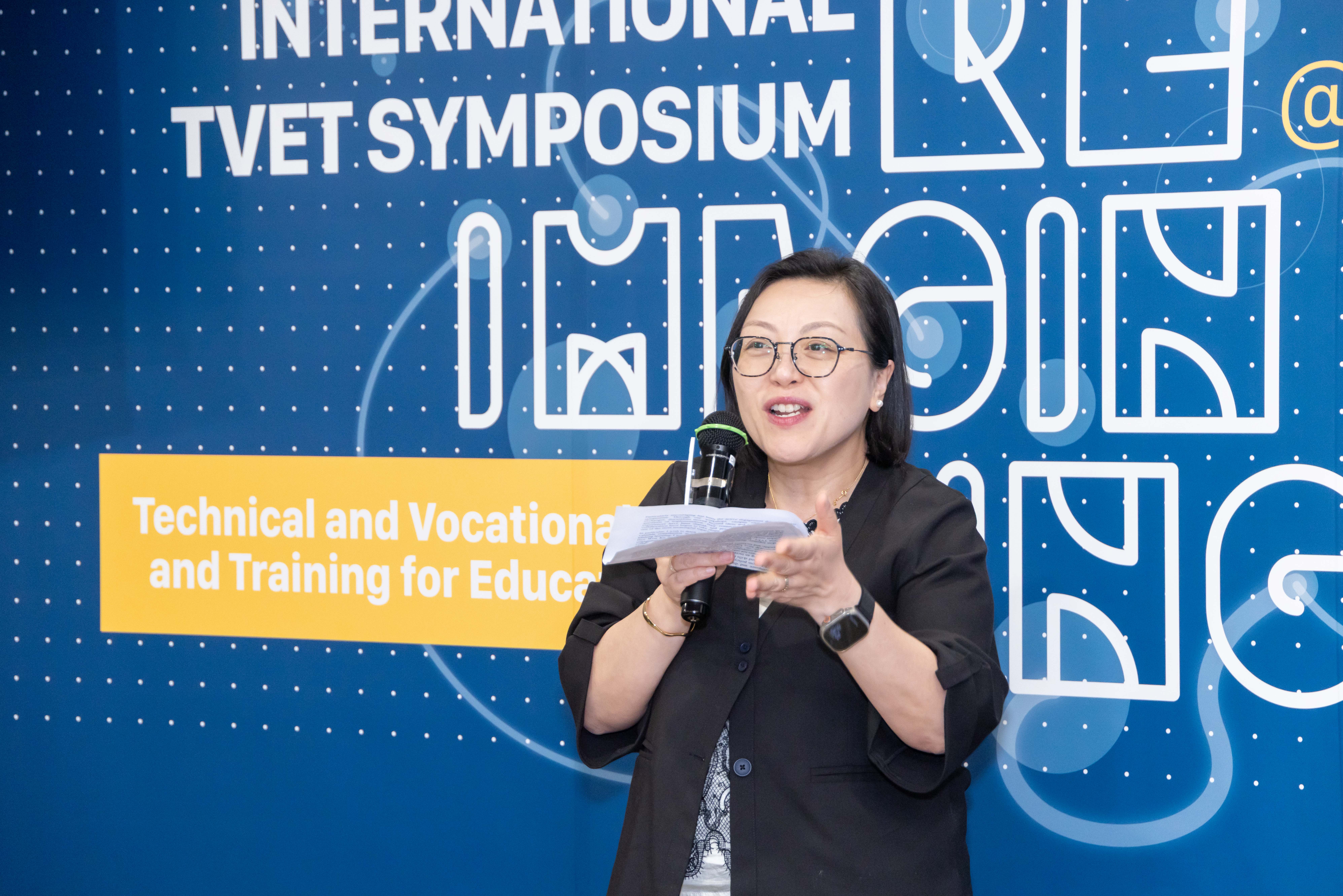
In her closing remarks, Professor Susanna Yeung Siu-sze expressed gratitude to all speakers, partners, and participants for jointly advancing a future-oriented vision for TVET. She noted that after three days of exchange and discussion, participants reached a clear consensus: artificial intelligence and digital transformation, sustainable development, and lifelong learning must be integrated with inclusion, ethics, and talent cultivation. She expressed hope that the fruits of the symposium would further catalyse continuous cross-regional collaboration, research, and broader professional exchange.
-Ends-
EdUHK Hosts International TVET Symposium: Reimagining Technical and Vocational Education and Training for Education Futures
Download all images