

EdUHK Hosts Chinese Value-Based Leadership in Education Conference Exploring the Integration of Traditional Values and Contemporary Educational Leadership
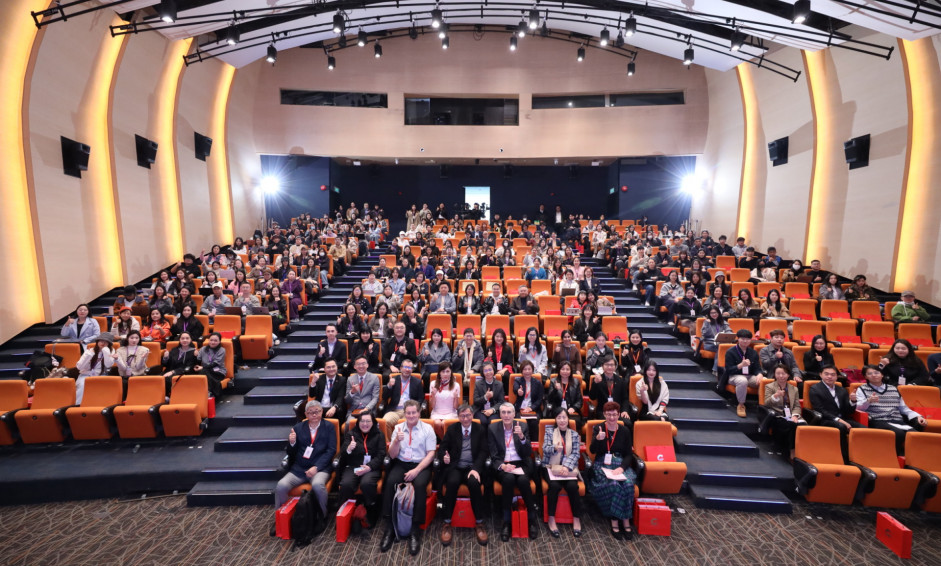
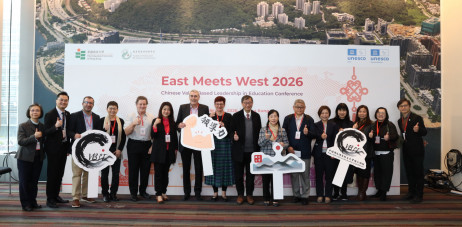
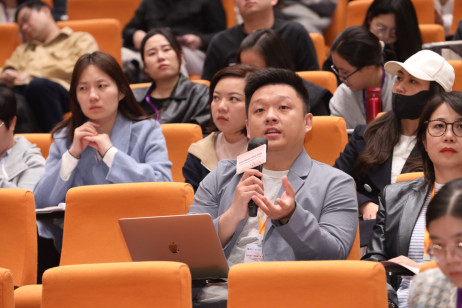
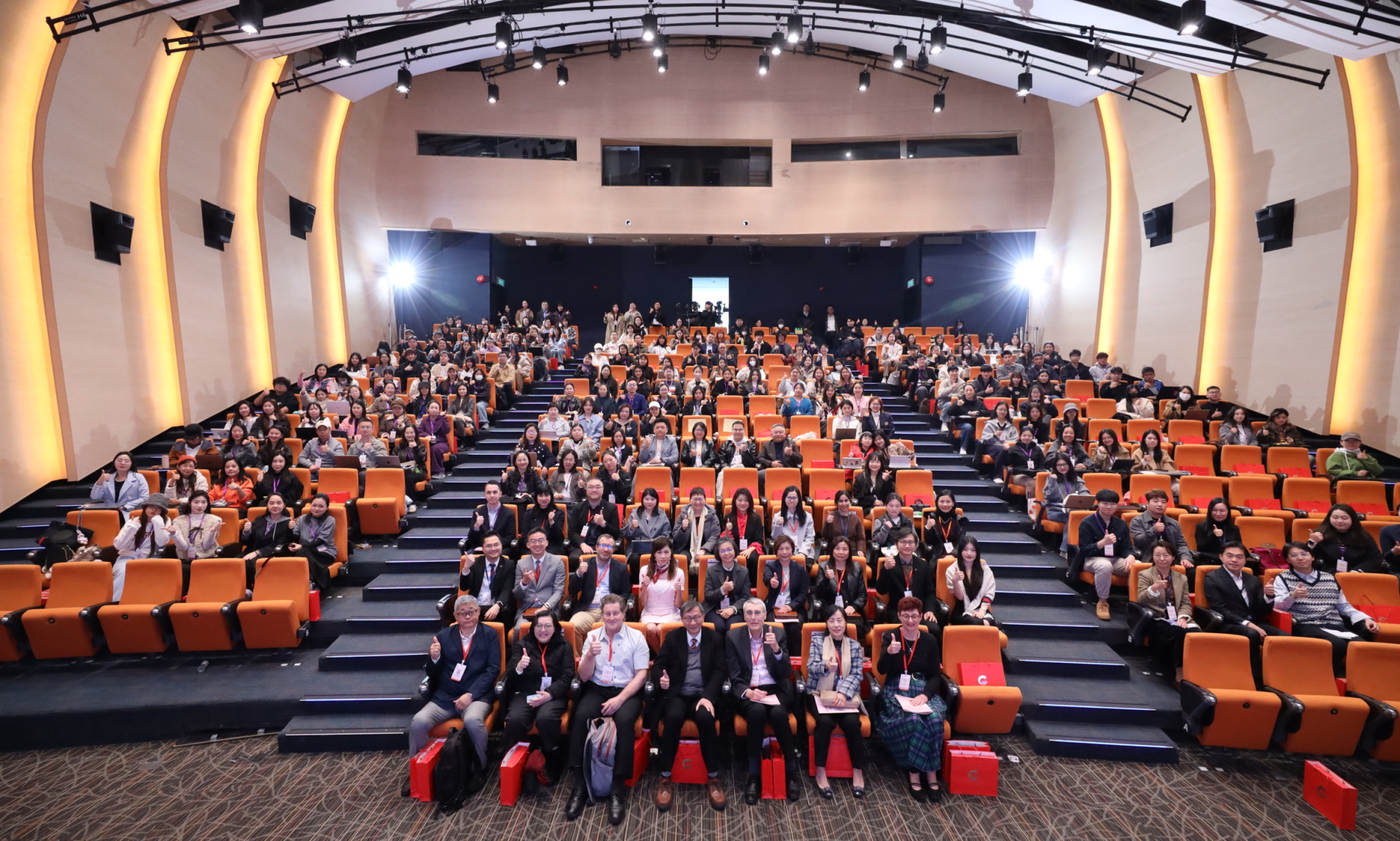
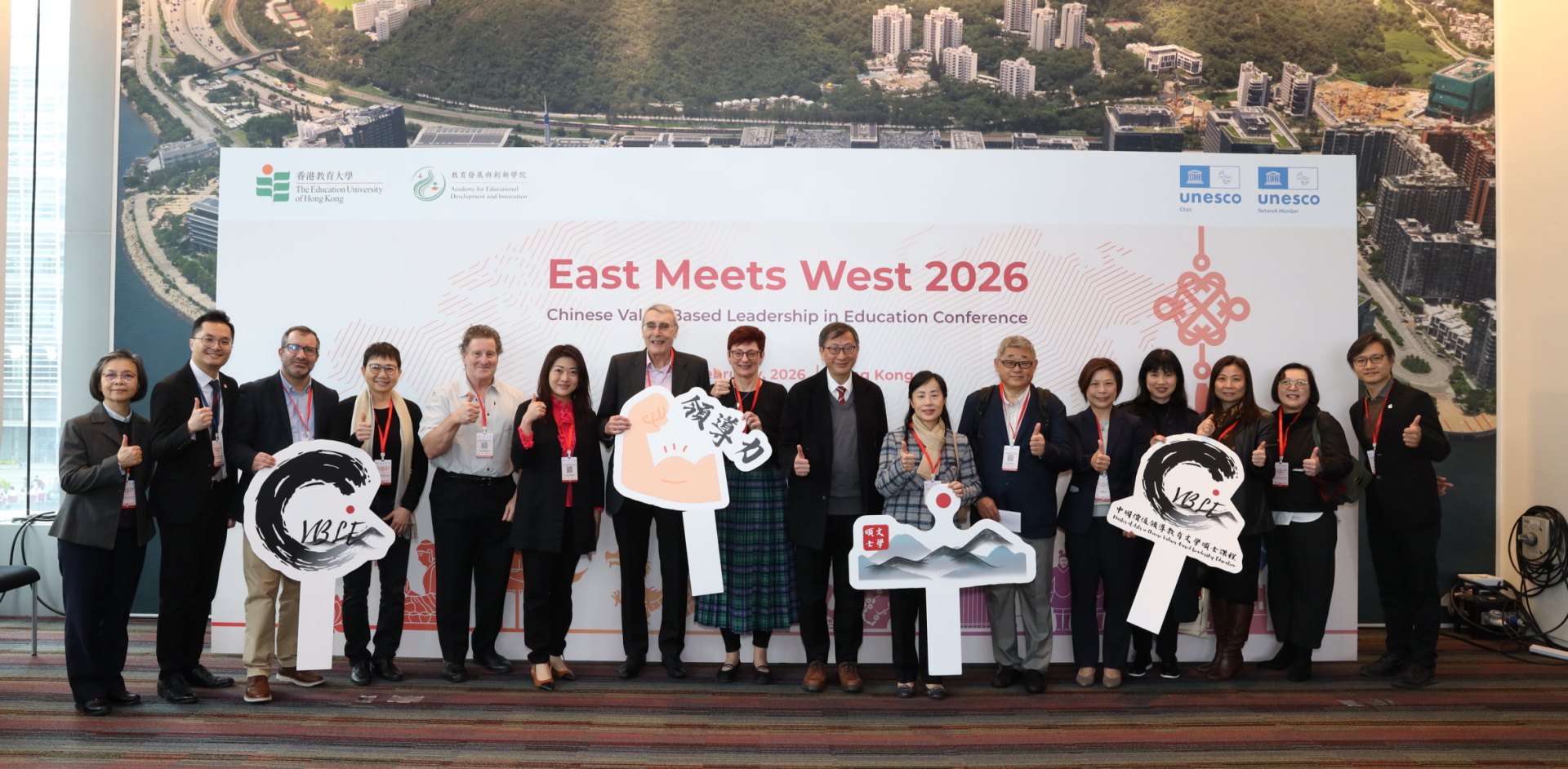
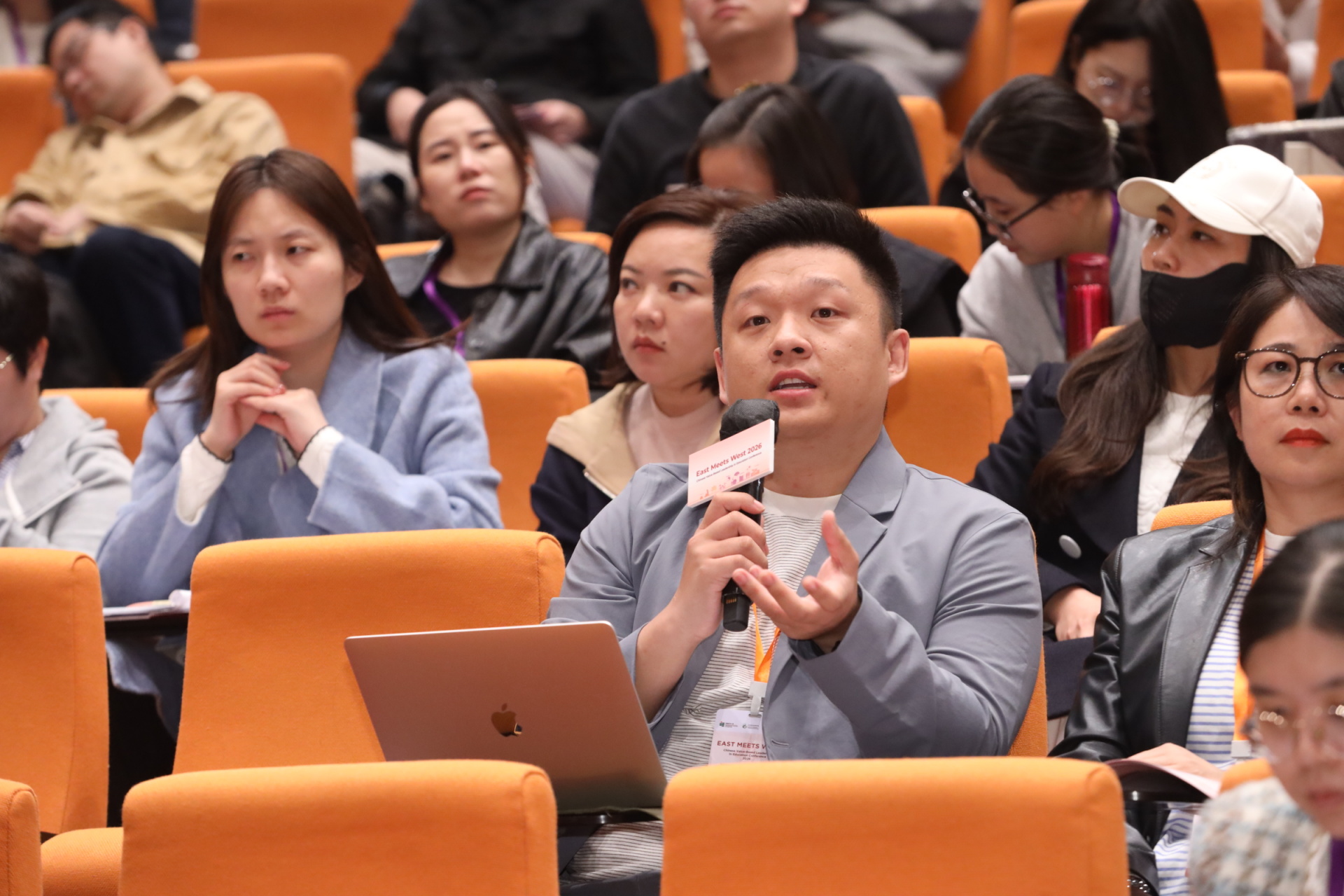
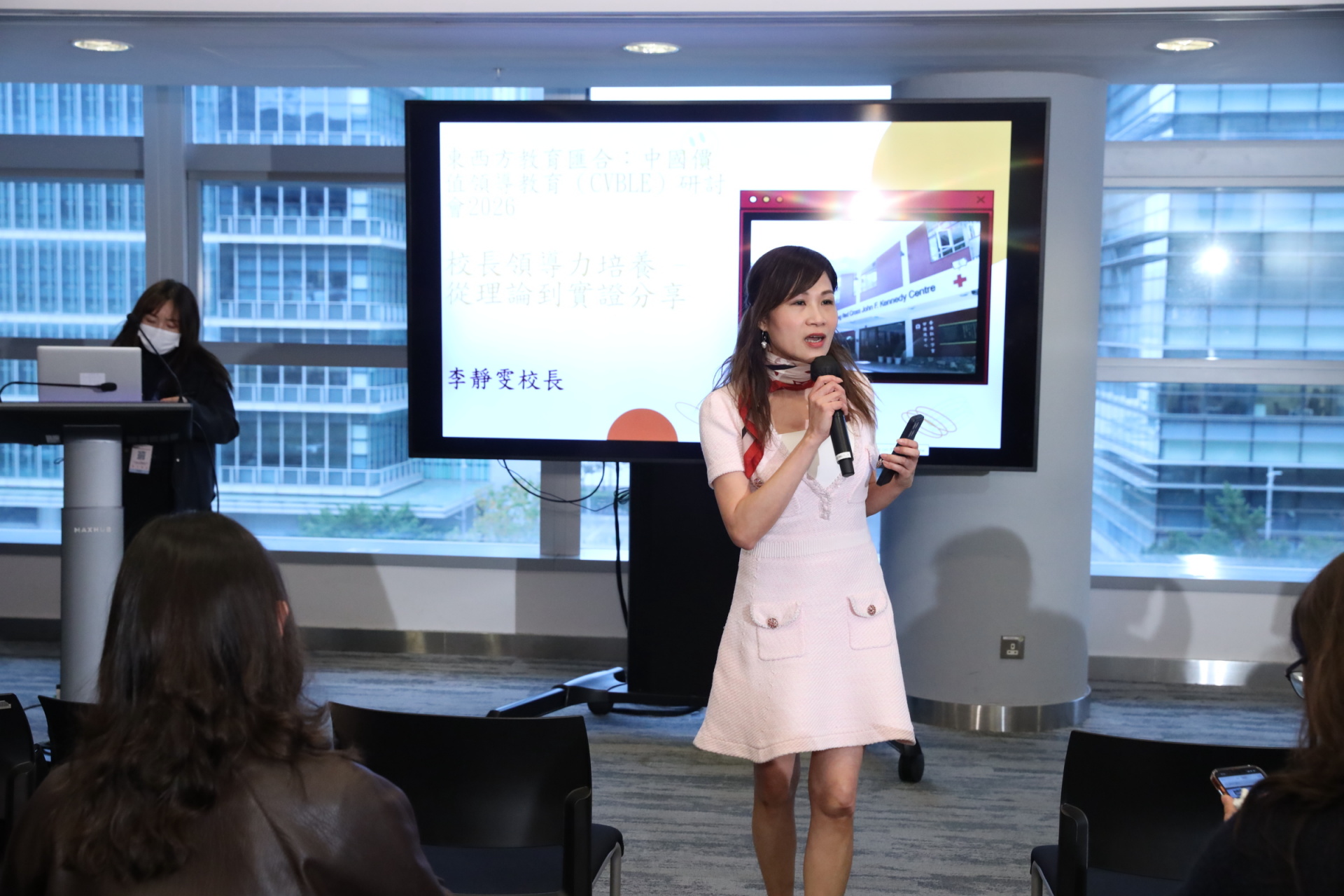
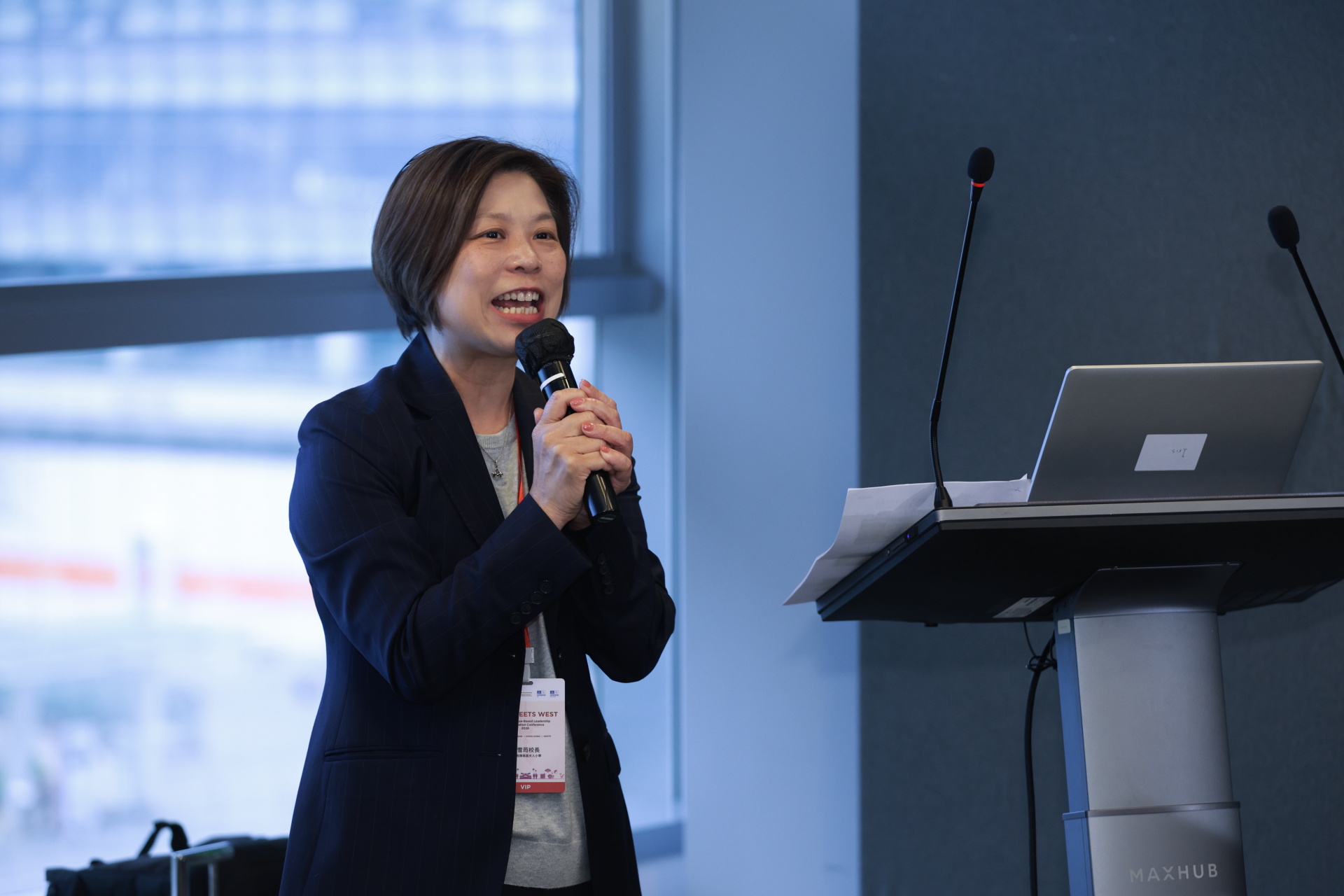
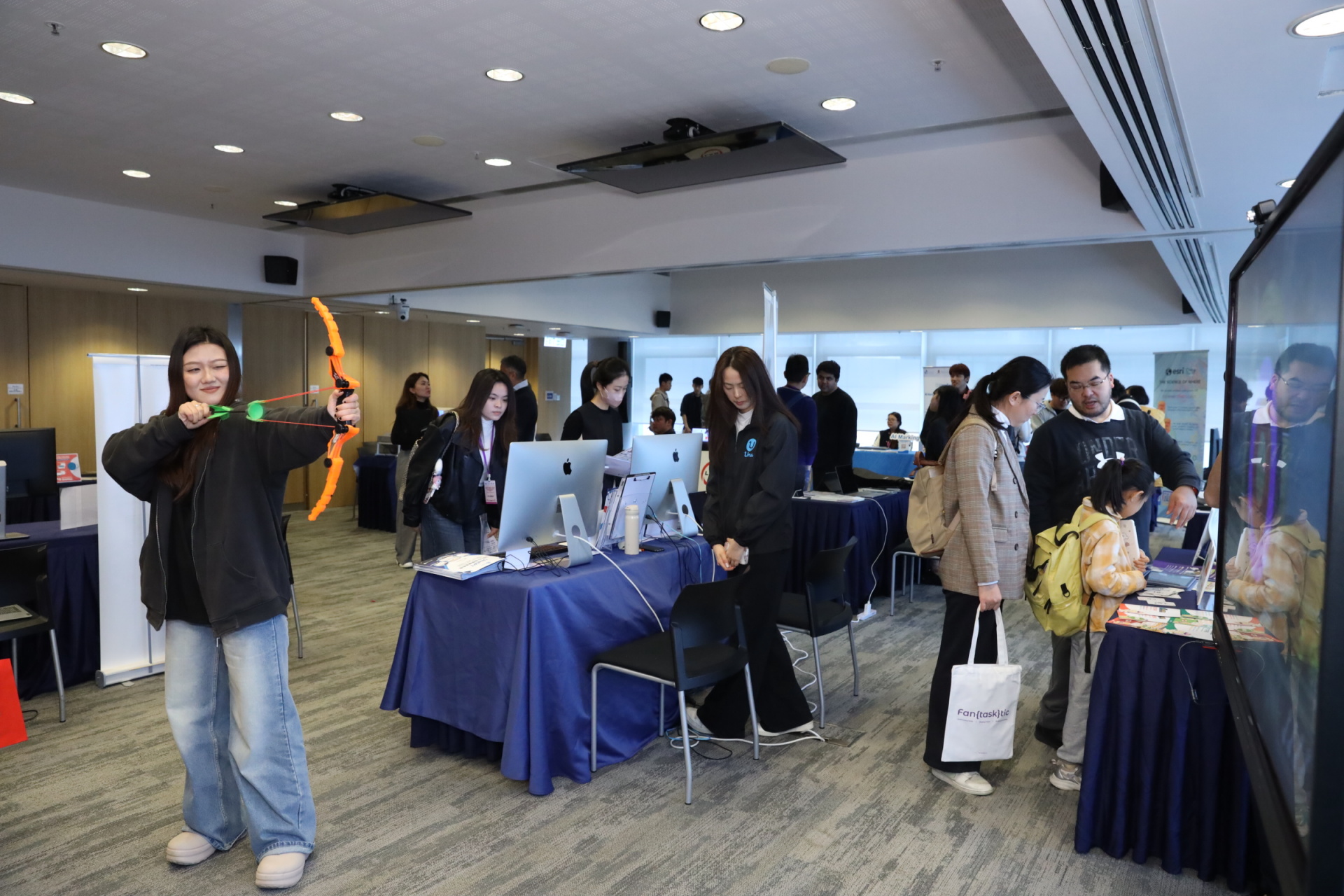
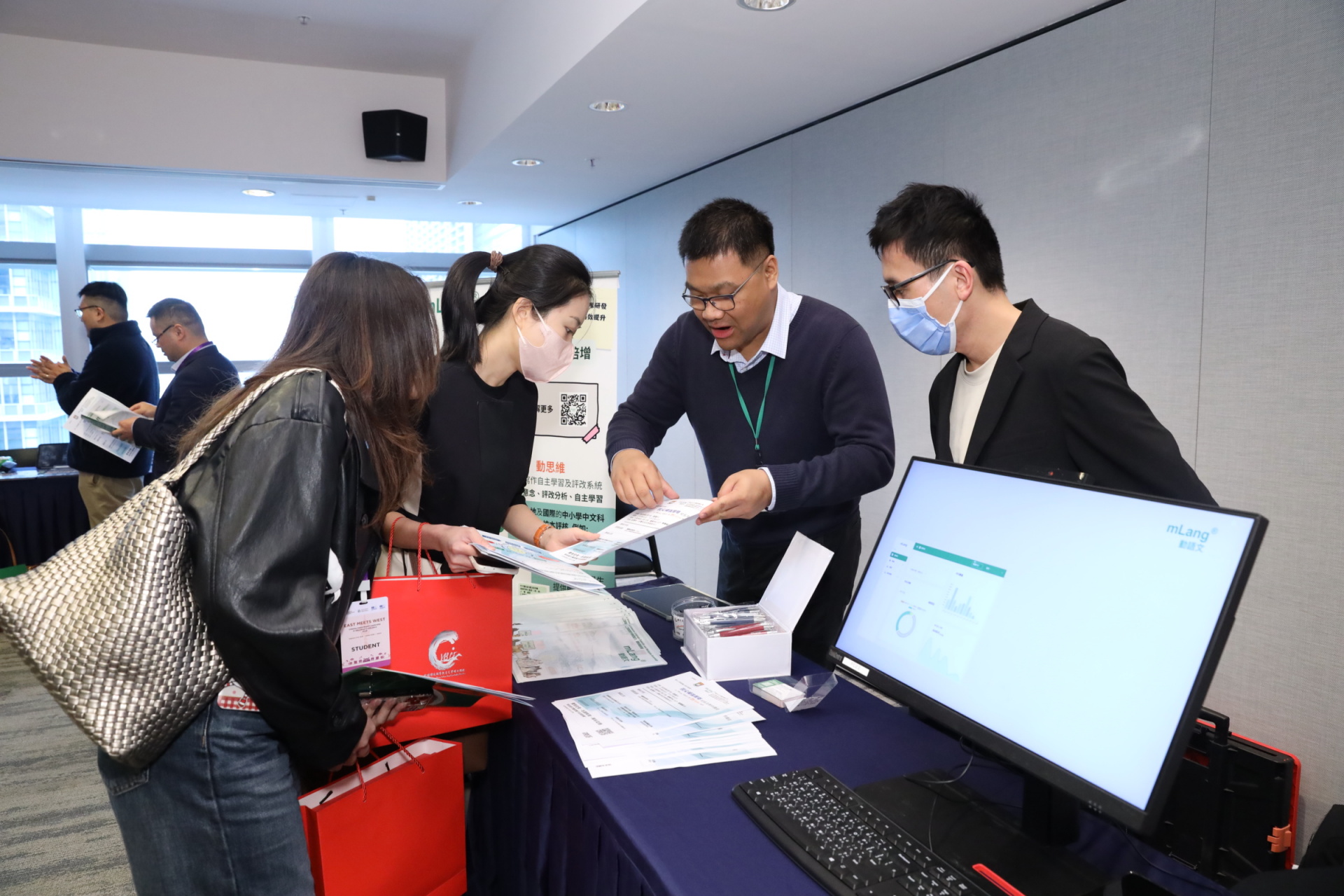
The Education University of Hong Kong (EdUHK), through its Academy of Educational Development and Innovation (AEDI), hosted the “East Meets West: Chinese Value-Based Leadership in Education Conference 2026” (CVBLE 2026) on 9–10 February at the Charles K. Kao Auditorium, Hong Kong Science Park. The conference attracted over 280 participants, including scholars, educators and students from more than ten countries and regions, such as Chinese Mainland, the United Kingdom, Australia, Japan and Hong Kong.
CVBLE 2026 aimed to connect Chinese traditional values with contemporary educational leadership practices, foster cross-cultural dialogue, and provide new perspectives for global educational governance. The conference also served as a platform for participants to exchange ideas, share research findings and explore innovations in leadership education.
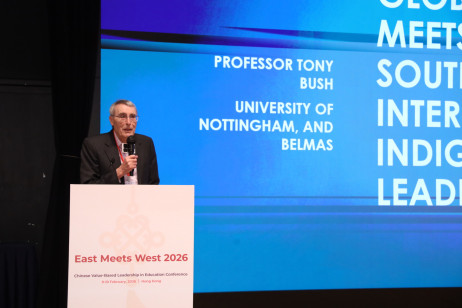
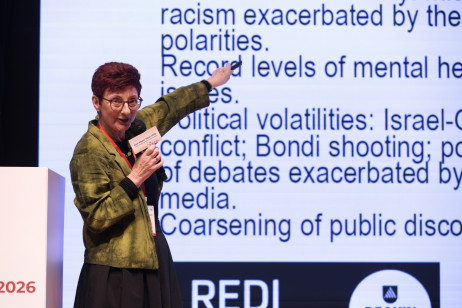
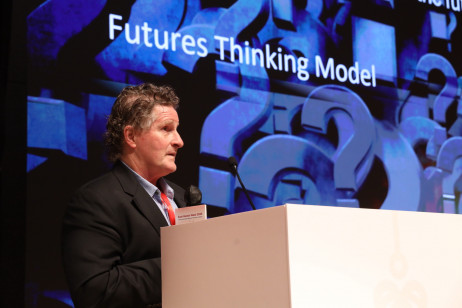
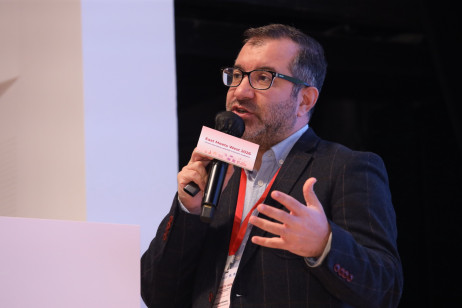
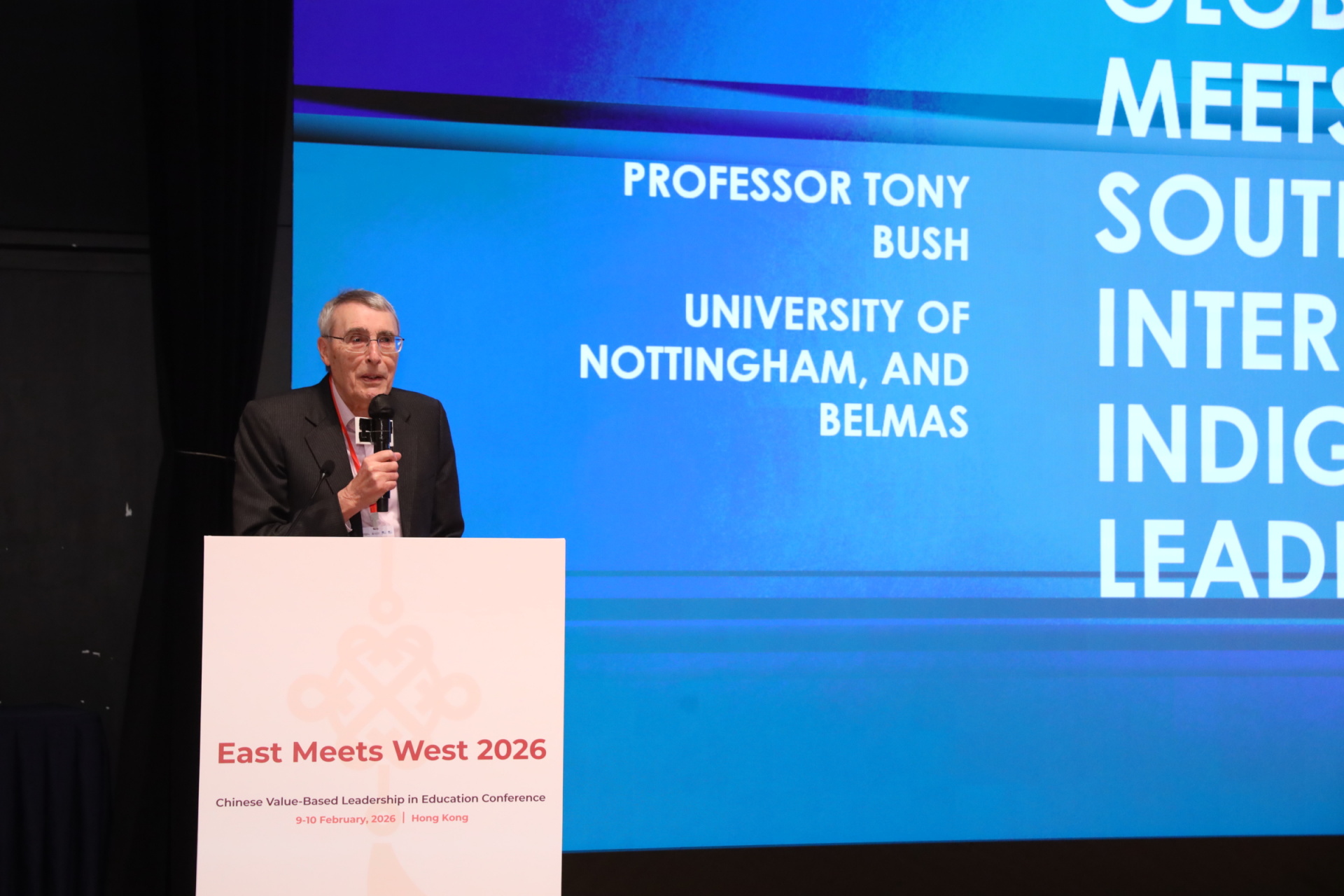
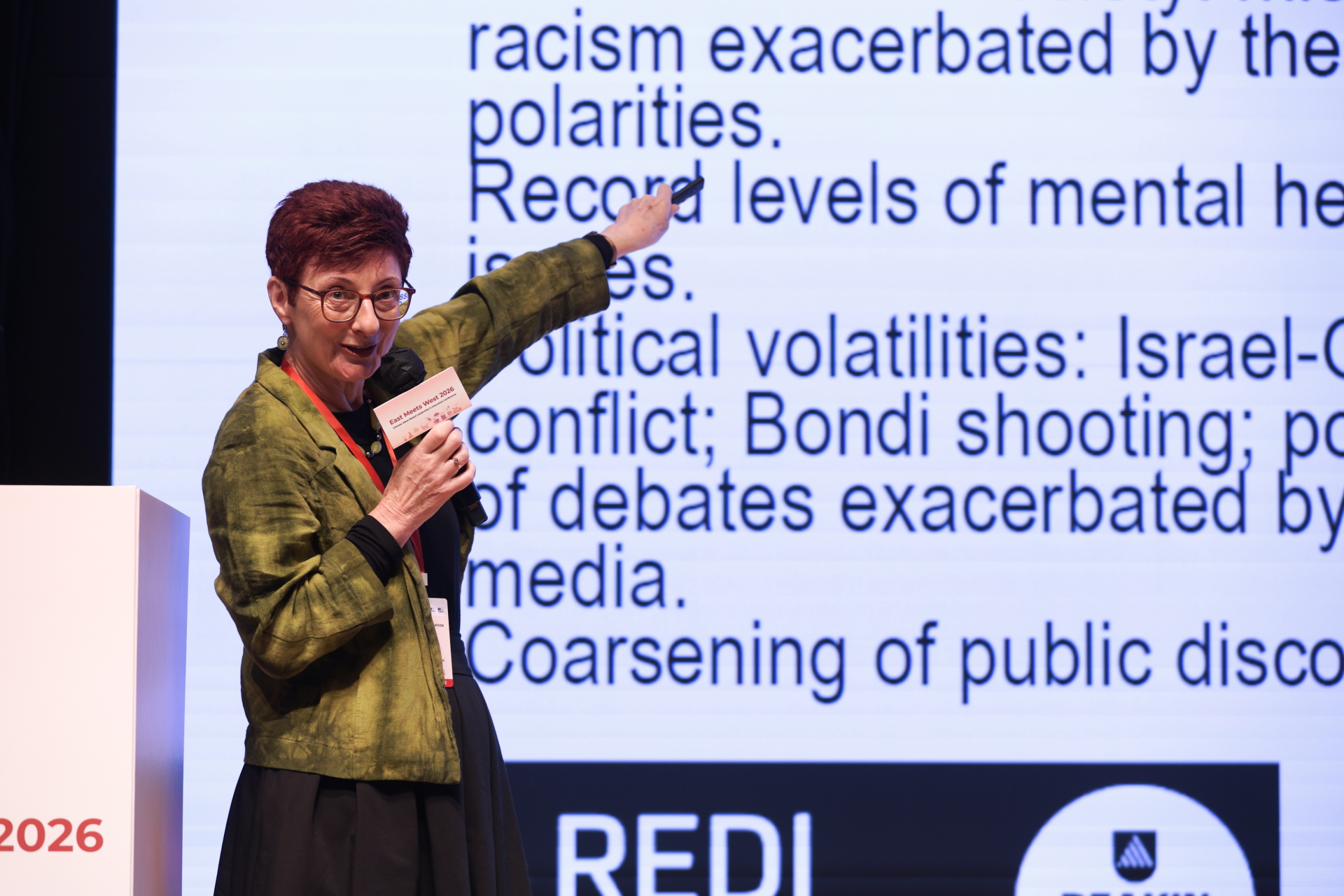
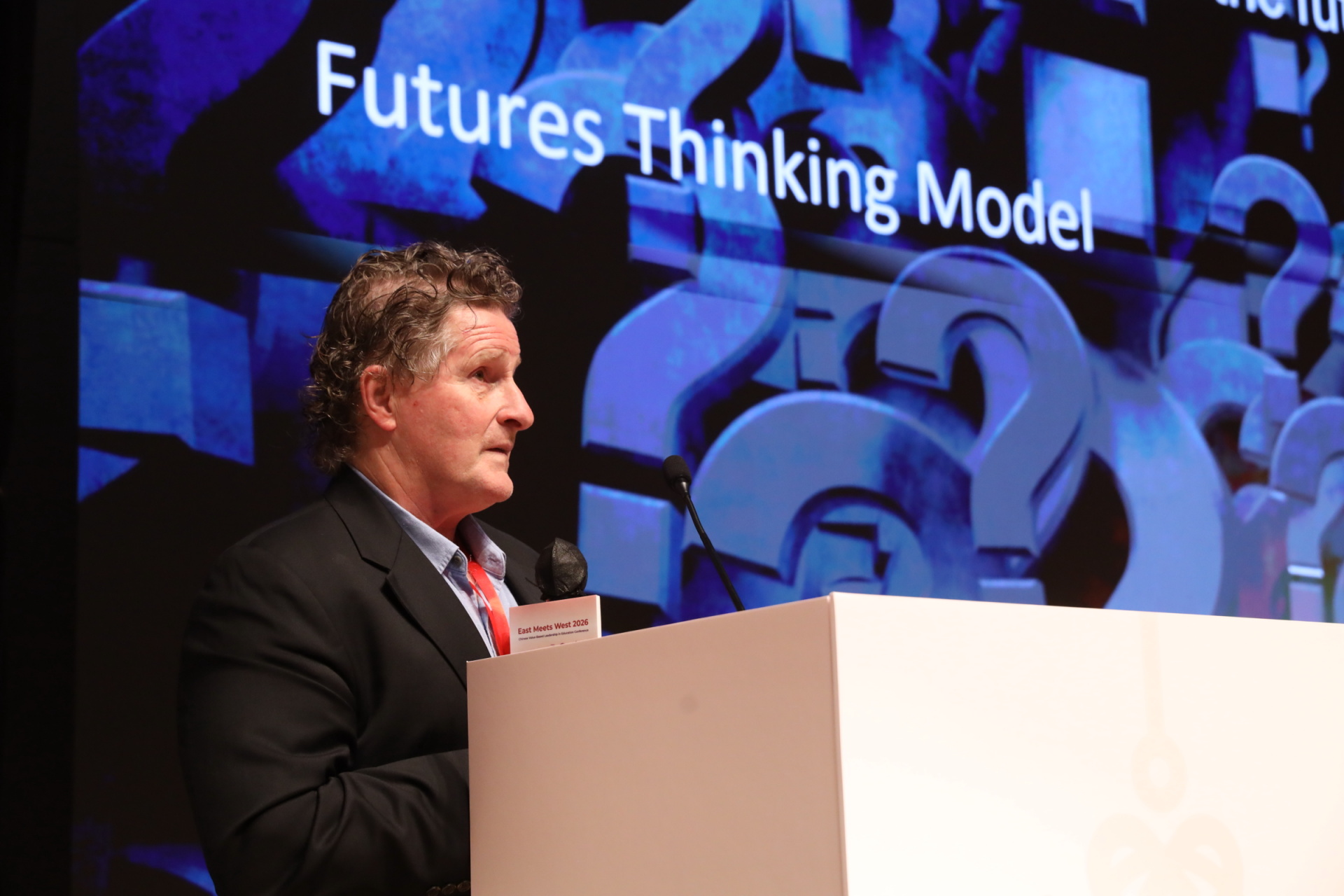
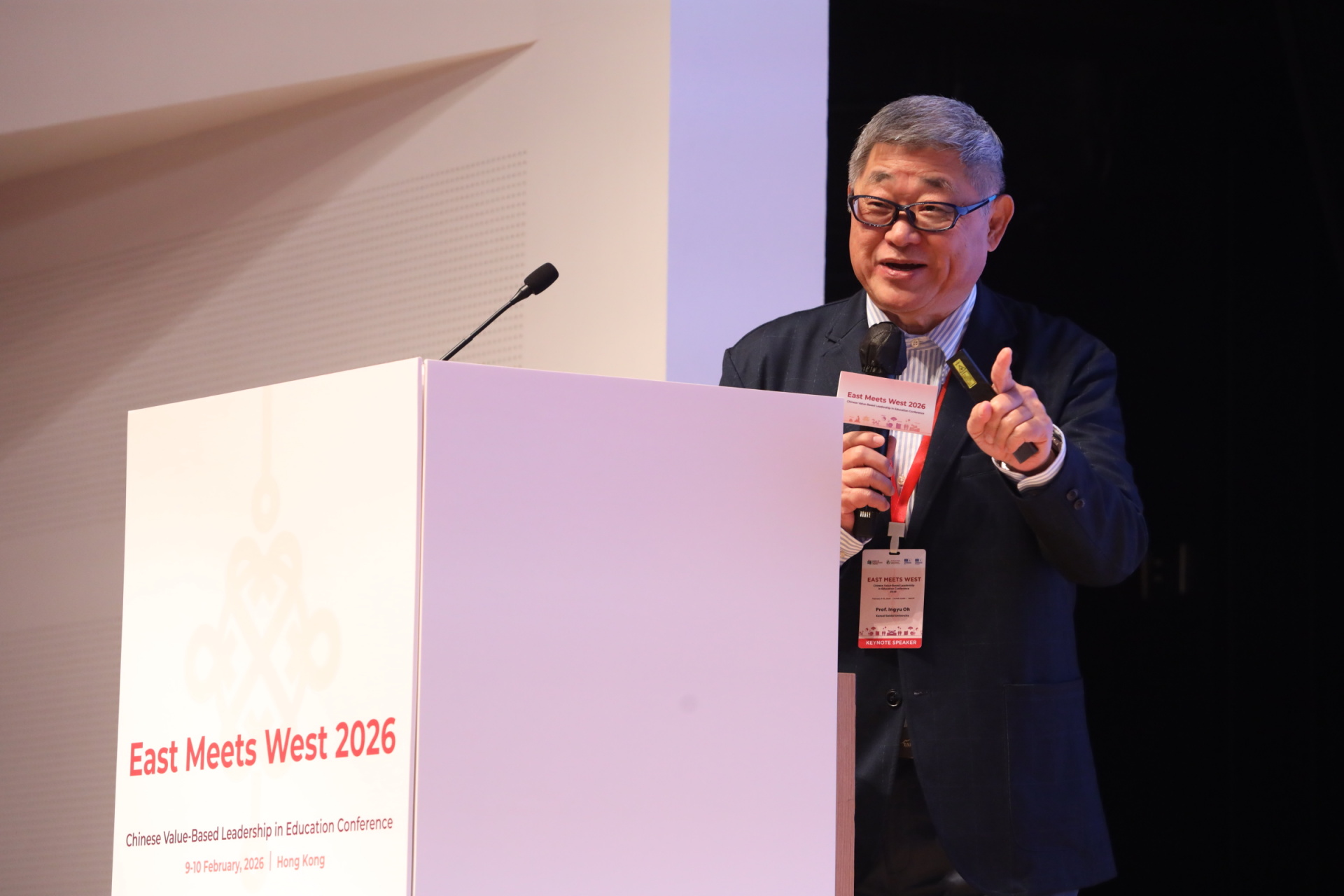
A distinguished panel of keynote speakers offered diverse insights into Chinese value-based leadership. They included Professor John Lee Chi-Kin, President of EdUHK and Director of AEDI; Professor Tony Bush from the University of Nottingham, UK; Professor David Gurr from the University of Melbourne, Australia; Professor Ingyu Oh from Kansai Gaidai University, Japan; and Professor Jane Wilkinson from Monash University, Australia. Drawing on different cultural and institutional contexts, the speakers examined the applicability and challenges of values-oriented leadership across systems, noting the influence of historical and environmental factors on practice.
Over two days, the conference centred on the theme “East‑West Convergence”, with discussions structured around four key areas:
- Harmonising traditional values in the age of globalisation – balancing cultural heritage with modern progress, while nurturing creativity and critical thinking.
- Leadership strategies in organisational transformation – integrating Confucian ethics of morality and respect with contemporary management approaches to address digitalisation and global competition.
- Balancing innovation and tradition in Chinese educational institutions – combining Confucian principles with technology, global perspectives and creative pedagogy to cultivate disciplined yet innovative environments.
- The role of technology in advancing values-based approaches – exploring how digital tools can preserve cultural heritage and embed traditional values into modern curricula, bridging tradition and modernity.
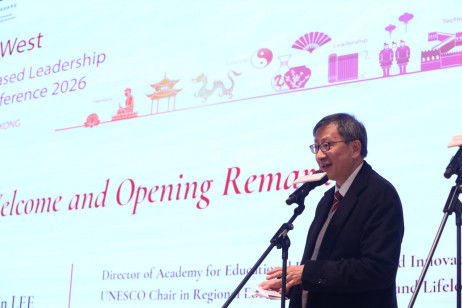
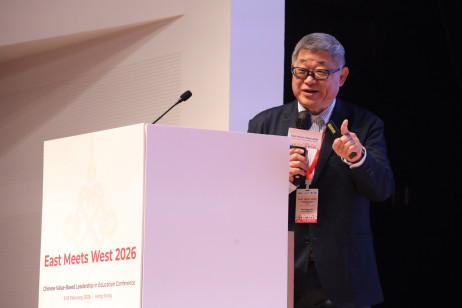
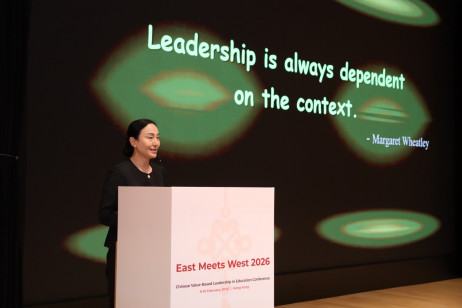
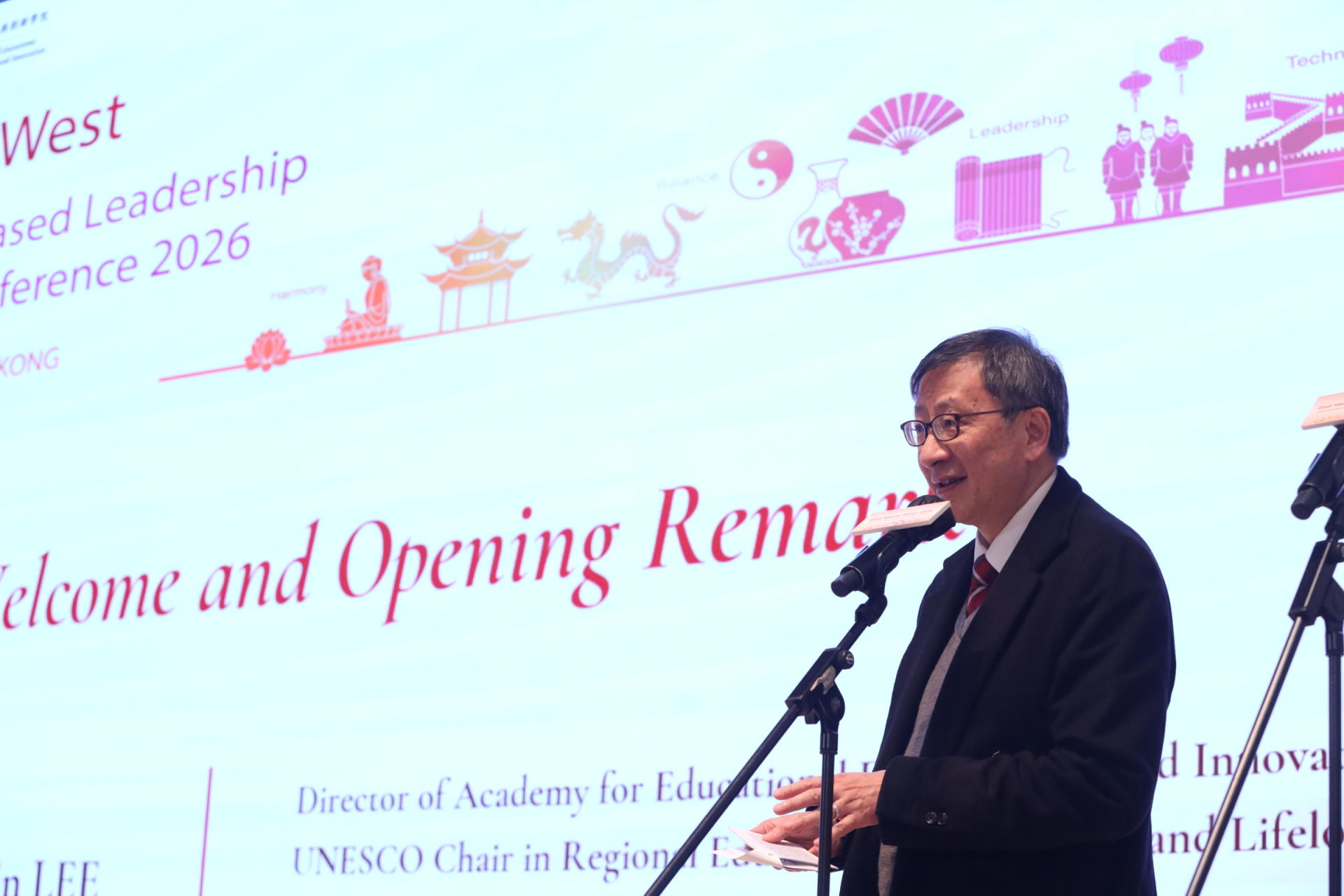
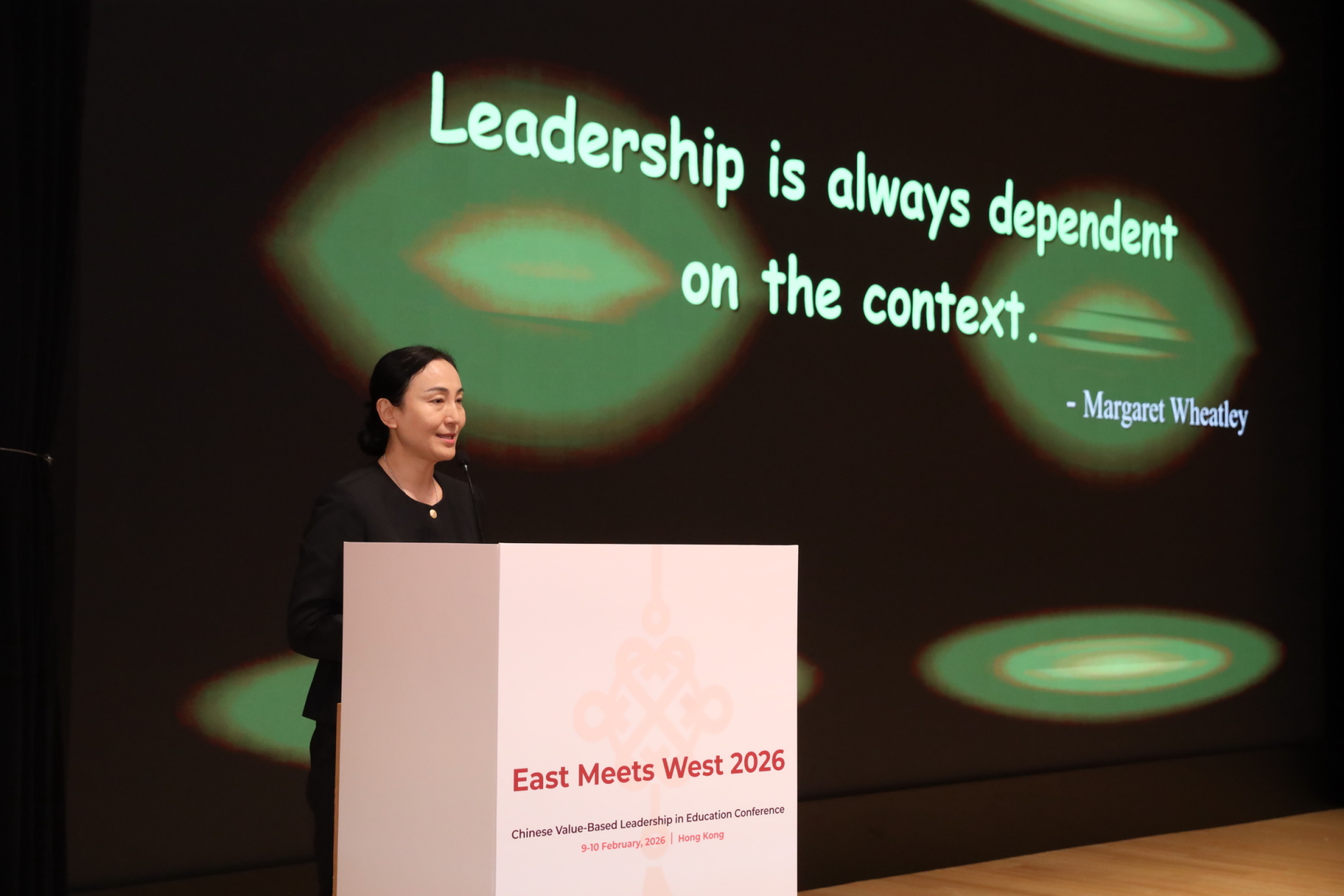
In his opening remarks, Professor John Lee Chi-Kin emphasised the importance of integrating traditional Chinese values into today’s rapidly changing global education landscape. He underscored the need for educational leaders to balance cultural inheritance with contemporary demands, noting that the conference provided a vital platform to examine how these values can enrich and strengthen educational leadership worldwide. Professor Lee also highlighted the establishment of Hong Kong’s first Master of Arts in Chinese Values-Based Leadership in Education programme as an example of how the University incorporates Chinese values into leadership development. Referring to the Confucian principle of “governing with virtue” and Wang Yangming’s concept of liangzhi (innate moral knowing), he illustrated how traditional philosophy continues to shape leadership ethics and practice today.
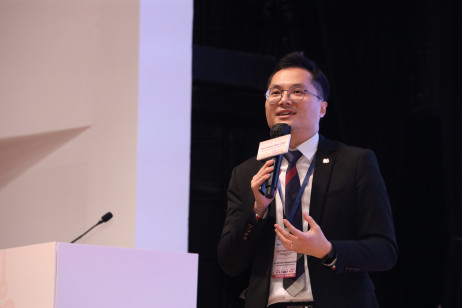
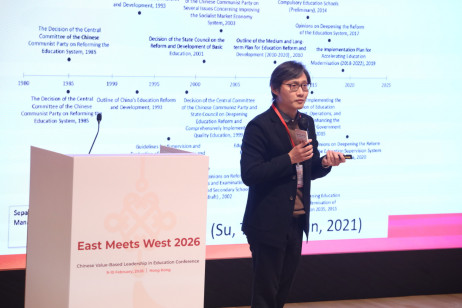
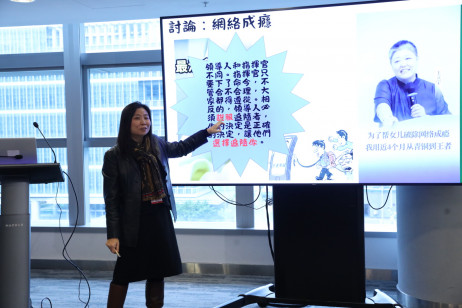
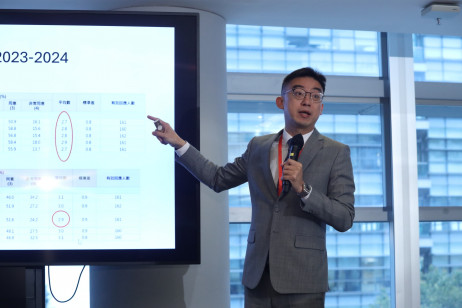
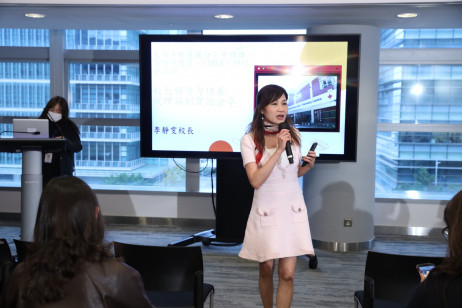
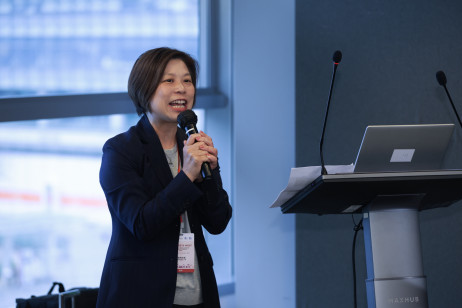
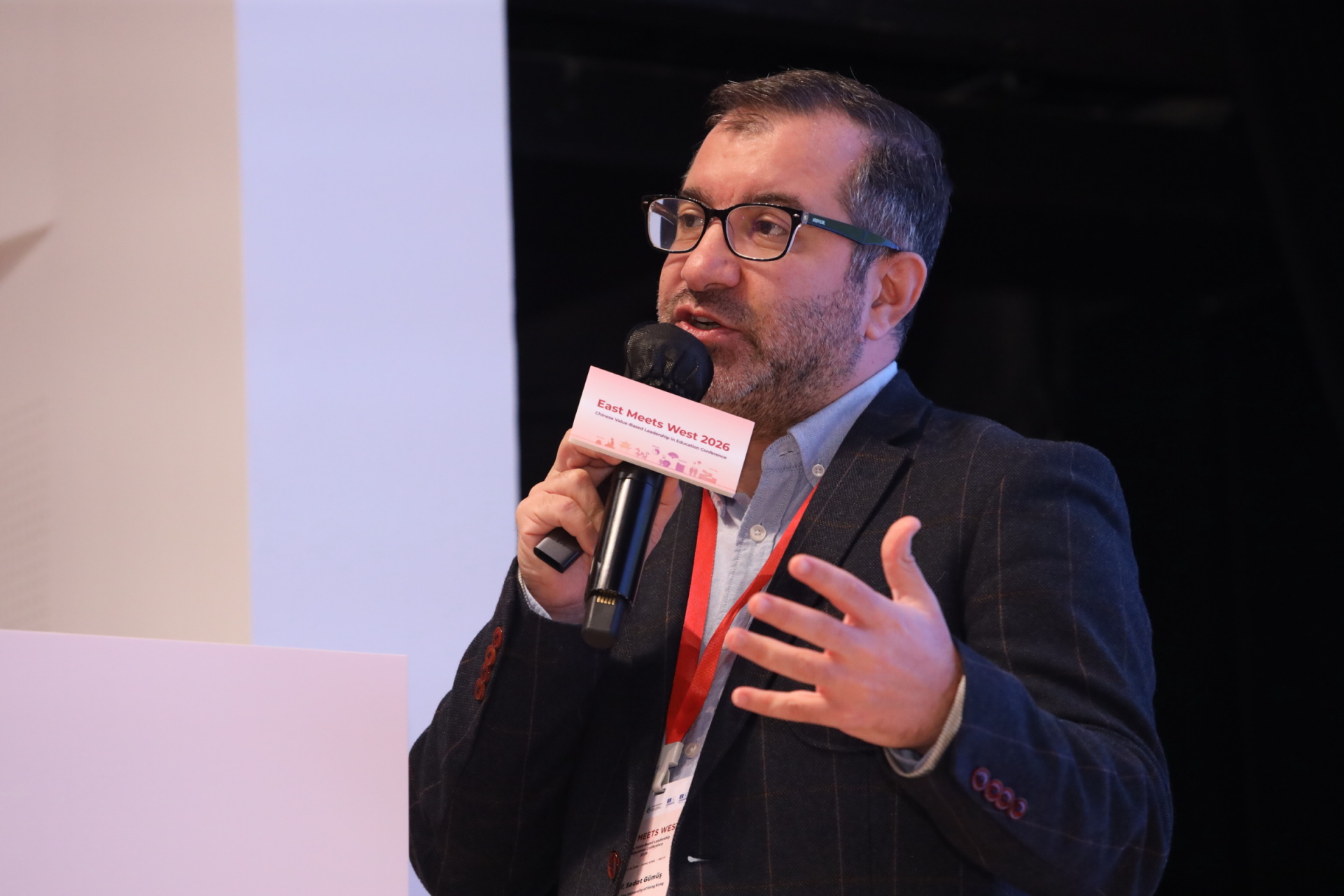
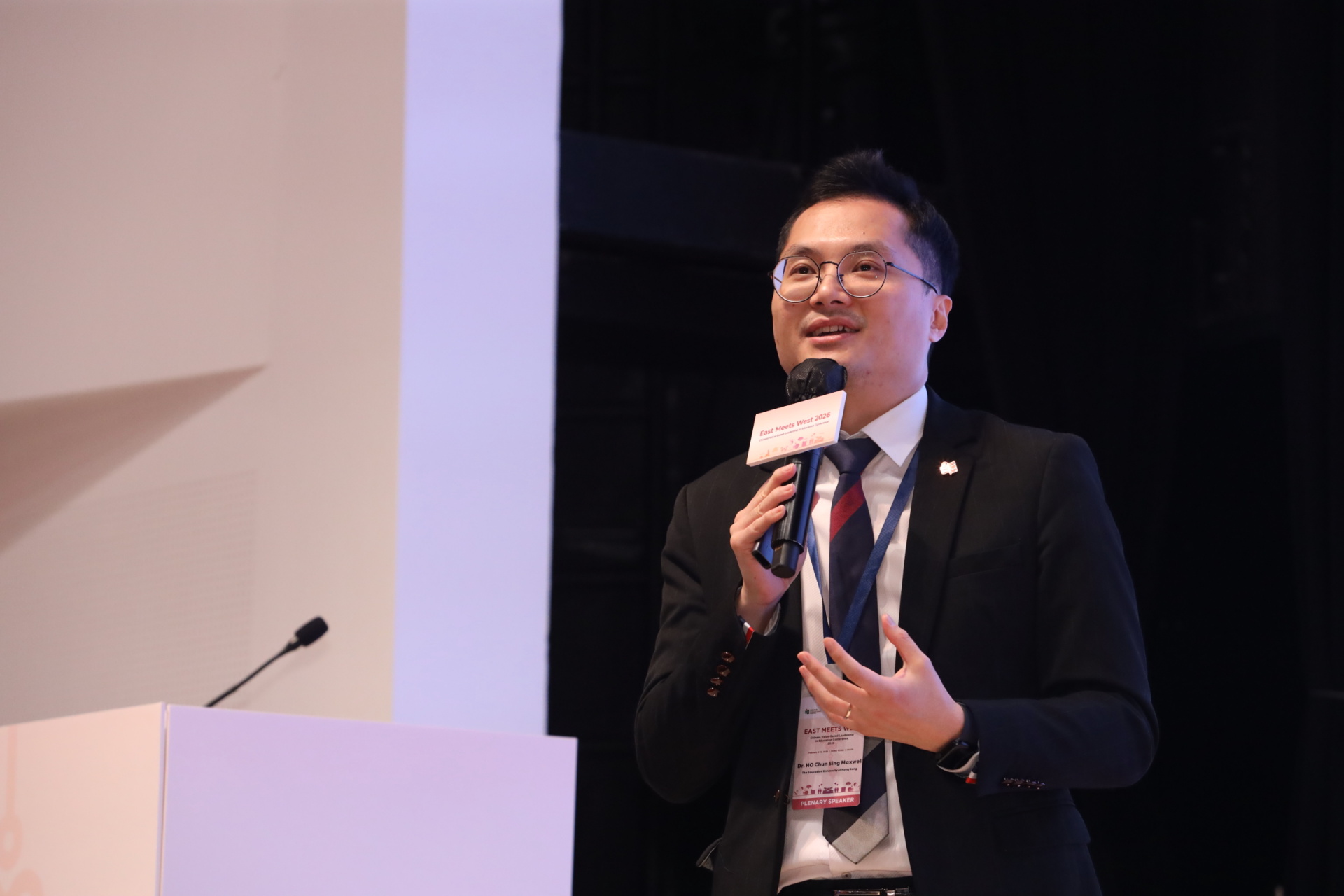
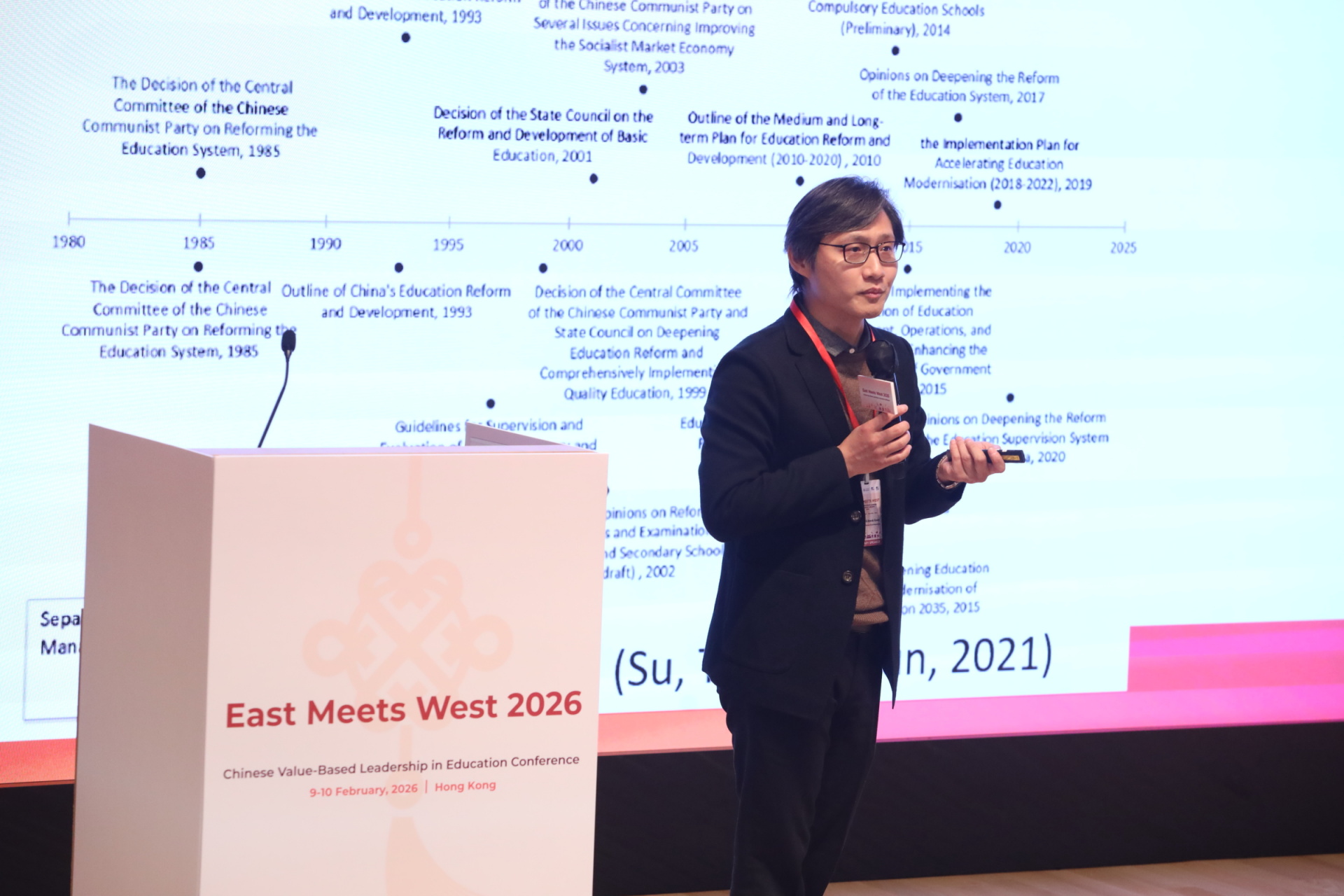
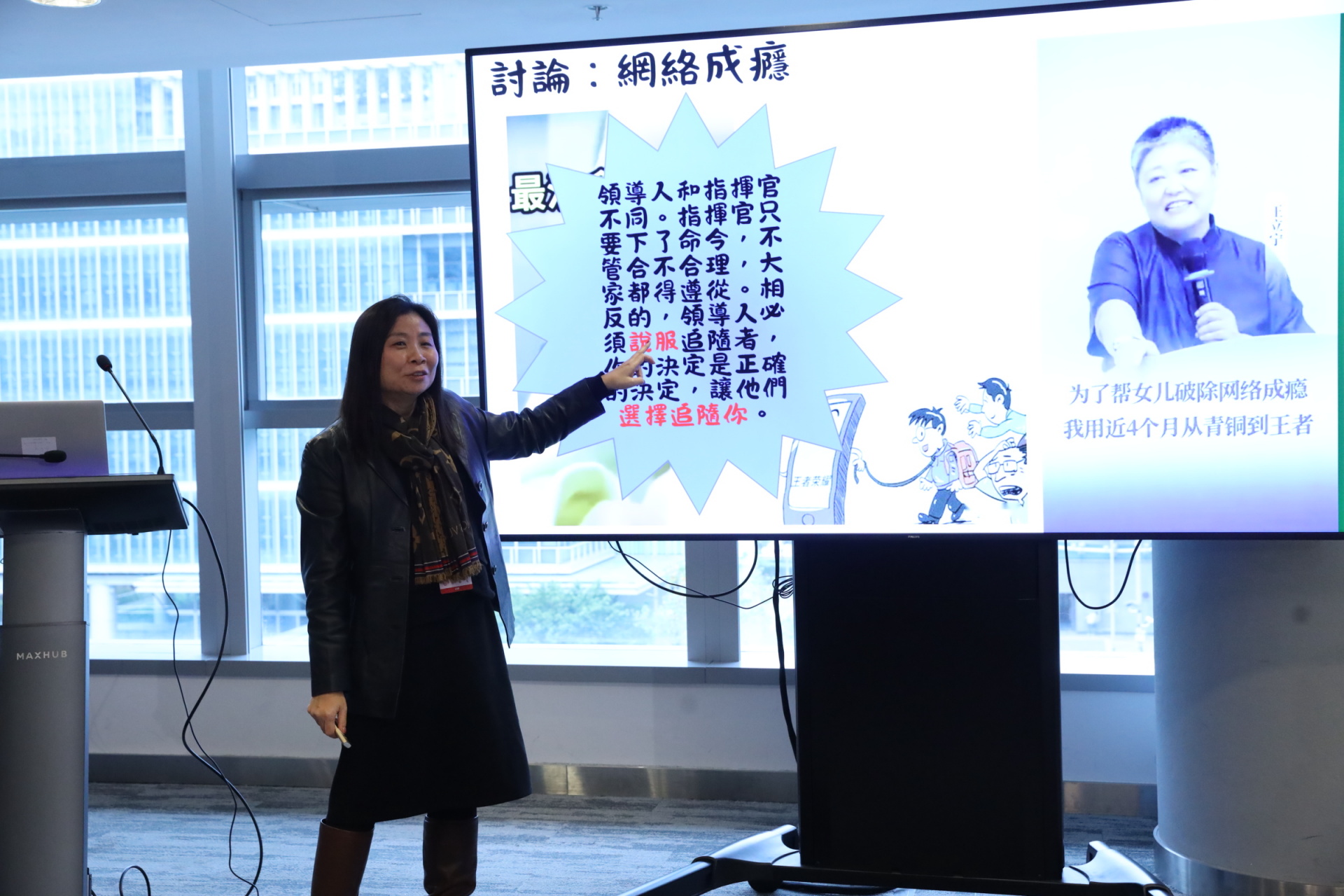
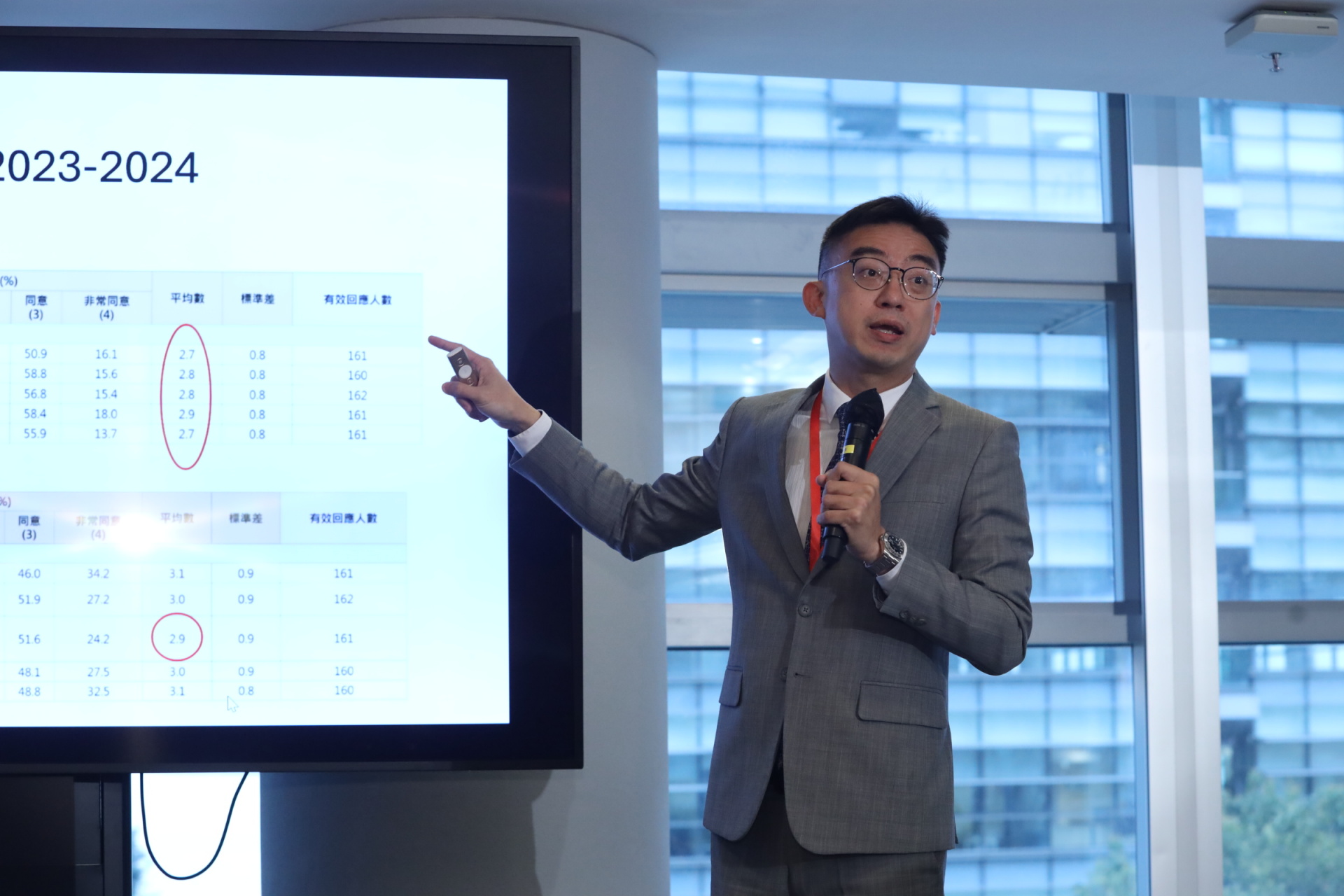
The conference also featured a plenary session on the practical applications of Chinese value-based leadership. Speakers included Professor Chen Junjun, Dean of the Graduate School and Professor at the Department of Education Policy and Leadership (EPL); Professor Sedat Gümüş at EPL; Dr Maxwell Ho Chun-sing, Associate Co-Director of AEDI, Assistant Professor at EPL and Organising Committee Member of CVBLE; and Dr Tsang Kwok-kuen, Assistant Professor at EPL and Organising Committee Member of CVBLE. They addressed topics ranging from leadership in the digital era, equitable leadership practices, cross-sector learning for school leaders, to affective leadership, comparing approaches across regions and exploring how traditional values can be applied in diverse cultural contexts.
As Hong Kong’s only university dedicated to teacher education, EdUHK remains committed to nurturing education professionals and advancing Chinese value-based leadership. Looking ahead, the University will continue to promote cross-sector collaboration, academic exchange and professional training, with the aim of cultivating leaders who embody strong ethical foundations, cultural understanding and a global outlook.
—Ends—
EdUHK Hosts Chinese Value-Based Leadership in Education Conference Exploring the Integration of Traditional Values and Contemporary Educational Leadership
Download all images