

EdUHK Develops Personalised Assessment-Based AI Platform
to Drive Transformation in Learning and Teaching
The Education University of Hong Kong (EdUHK) announced today that a systemic pilot study involving 2,200 students from 10 secondary schools and six primary schools, conducted since June 2025 on its self-developed learning platform, has yielded positive results. Initial findings show that, through personalised practice and assessment tailored to students’ needs, the platform fosters self-directed learning and significantly enhances academic performance.
The announcement follows the Education Bureau’s release of its Blueprint for Digital Education Development in Primary and Secondary Schools, which has ignited public discussion on the effectiveness of artificial intelligence (AI)’s application in classrooms and its impact on learning.
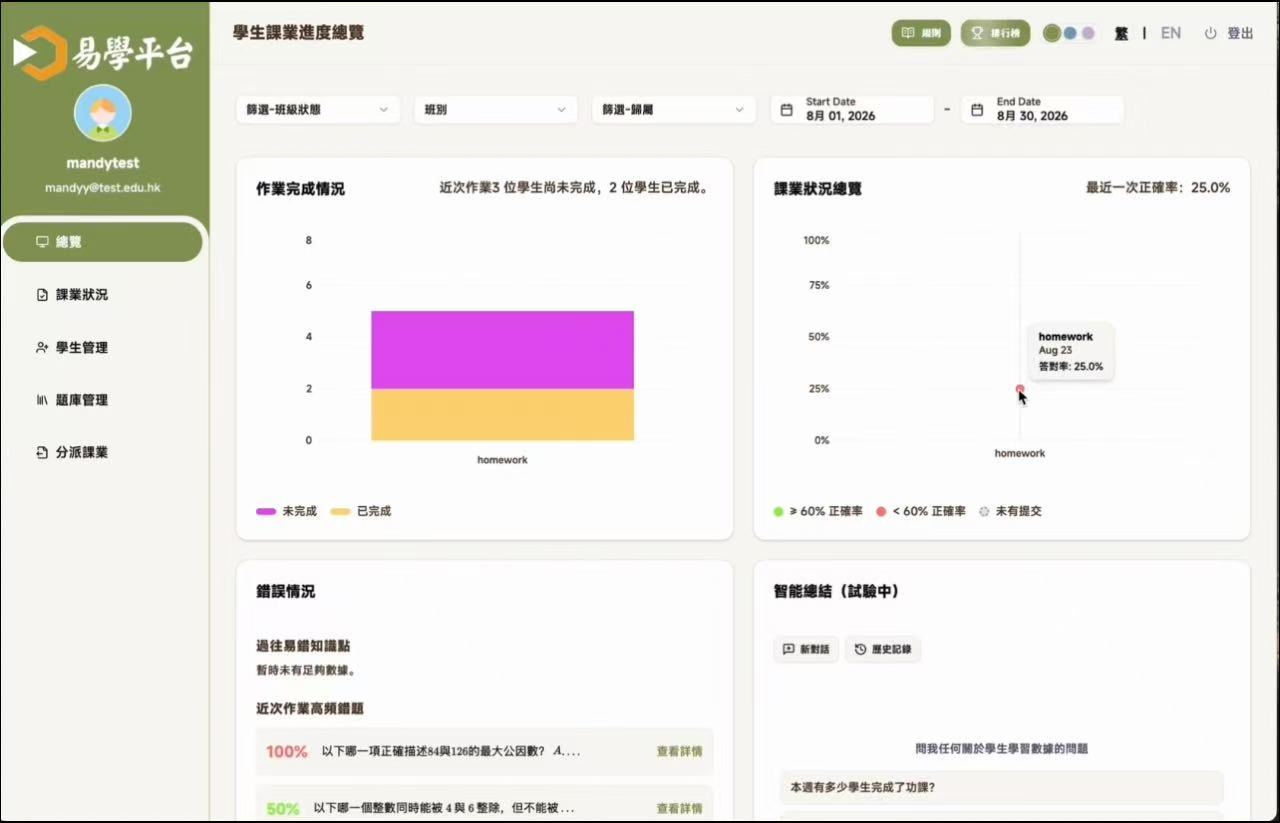
The learning platform, called EASE (Efficient Adaptive System for Education: ease.eduhk.hk), was developed in 2024 by a research team led by Professor Yan Zi, Department Head of EdUHK’s Department of Curriculum and Instruction. Supported by the Research Grants Council (RGC)’s Senior Research Fellow Scheme, the platform focuses on mathematics education and integrates AI technology to create personalised learning pathways. EASE provides real-time feedback, automated marking, error analysis and learning reports, enabling teachers and students to make data-informed decisions while cultivating habits of active engagement and proactive error correction.
Research data indicates that frequent users of EASE demonstrated markedly stronger learning behaviours and academic improvement. In a focus group trial that took place in the first half of 2026, the homework submission rate among frequent users (at least eight times a month) averaged 70%, compared with about 30% among light users (three times a month). In terms of learning behaviours, frequent users voluntarily completed around 456 after-class exercises during the trial period, far exceeding the average of two among light users. Meanwhile, 43% of the frequent users proactively corrected mistakes - two to five times more often than their peers.
During early stage of usage, students in the focus group demonstrated a correct rate of only 50%-54%. However, after 12 weeks, the gap widened: frequent users achieved an accuracy rate of 72% on outside-school exercises and 82% on teacher-assigned homework, while light users showed little improvement.
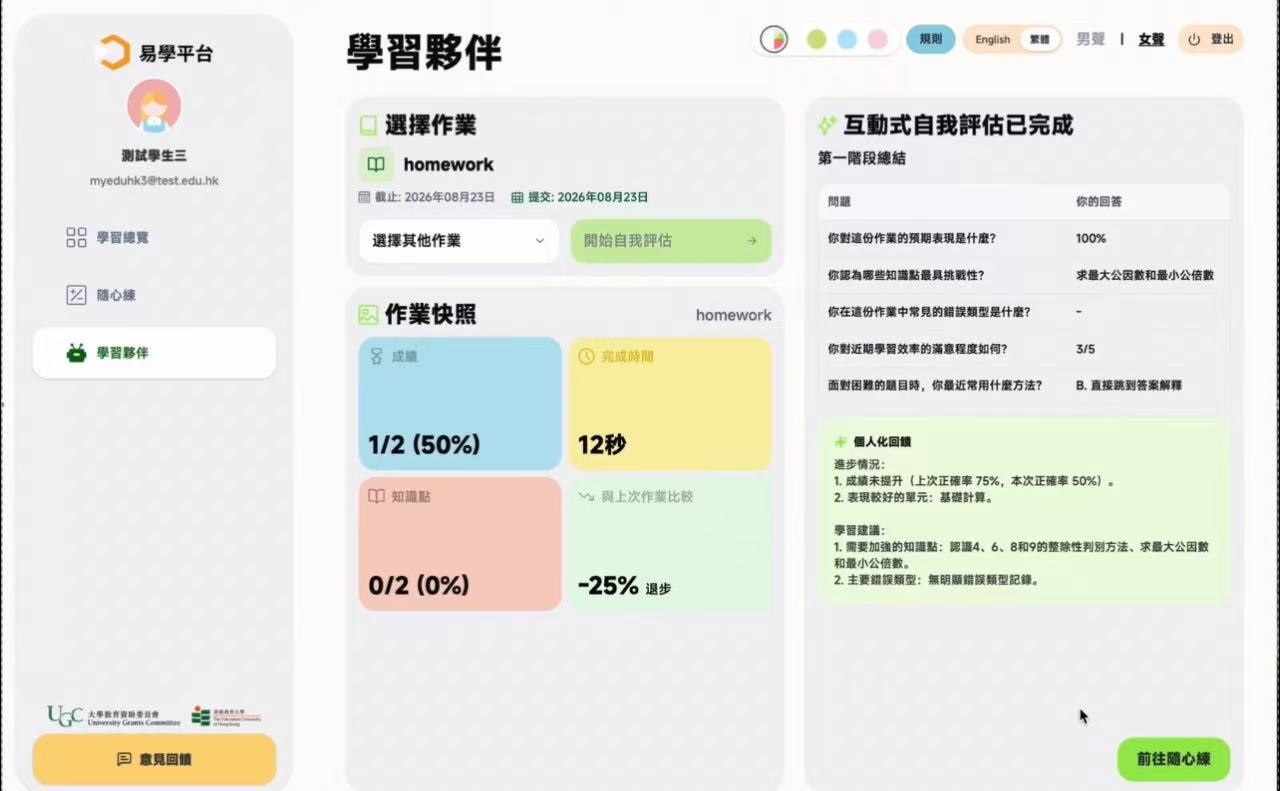
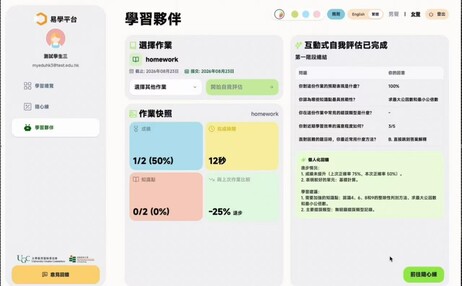
The platform also features a self-assessment system for learners, allowing them to gain deeper insight into their own performance. Frequent users demonstrated a prediction error of only 22% when estimating their homework scores compared with actual results, about eight percentage points lower than light users. This indicates that the platform helps students monitor their progress more effectively, thereby enhancing their metacognitive ability, or the capacity to adjust strategies to achieve learning goals.
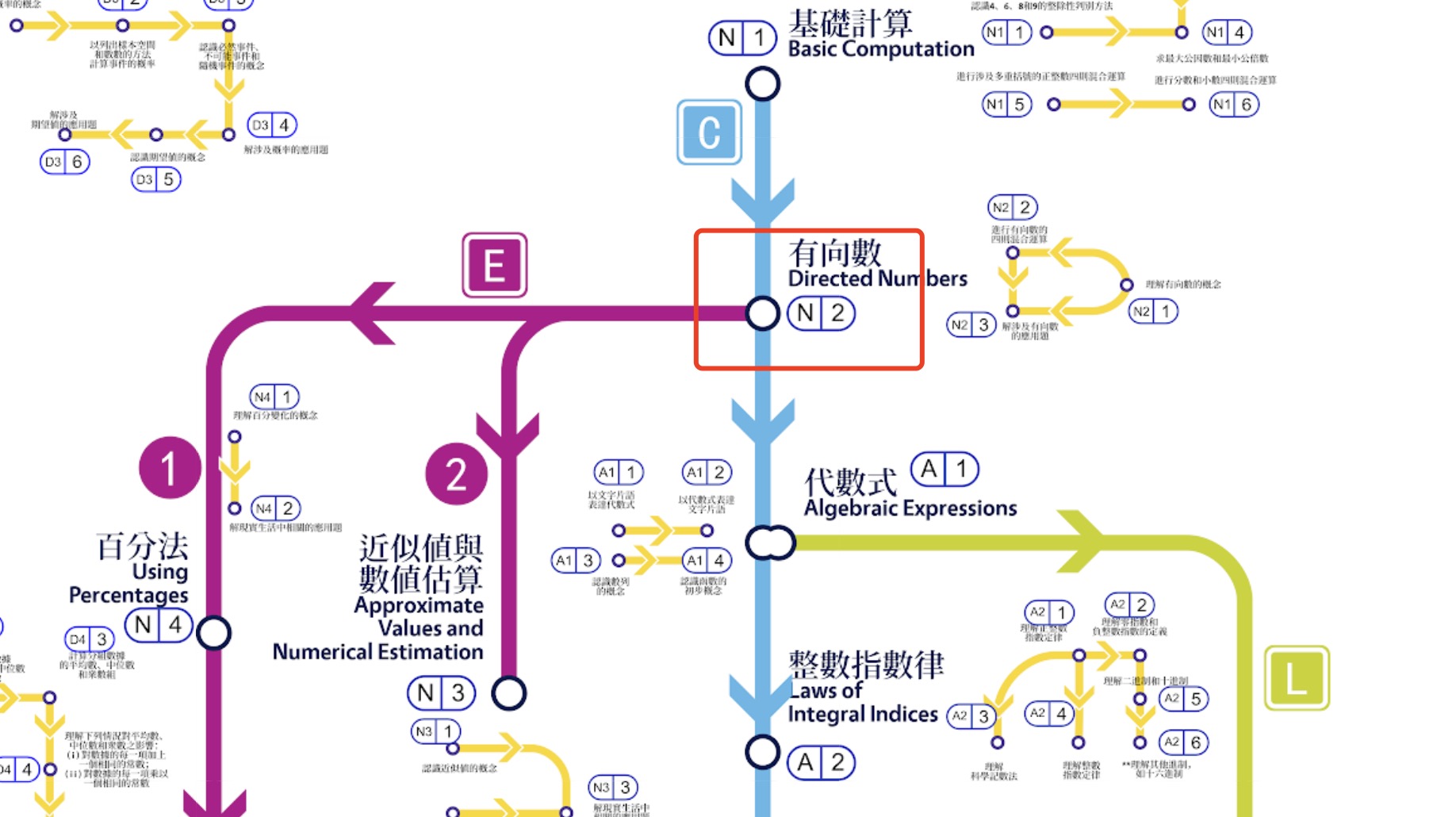
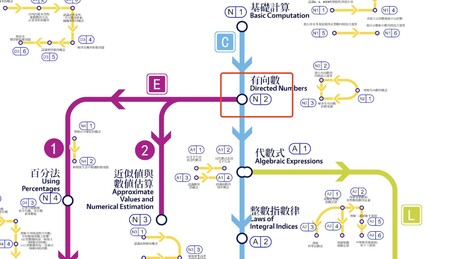
The research team emphasised that true optimisation of learning and teaching through AI lies not in computational power or speed, but in establishing a scientific, robust, and student-centred assessment framework. Inspired by metro route maps, the platform incorporates a longitudinal tracking mechanism. By analysing students’ accuracy rates and error patterns at different time points, it traces their learning progress - much like identifying the station a passenger is currently at. Based on this positioning, the system adjusts learning content and strategies accordingly, enabling students to continue advancing along their learning journey.
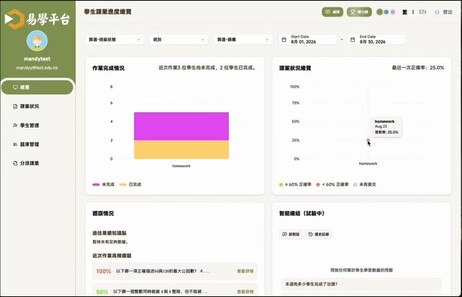
In addition to providing personalised learning support for students, the platform also offers teachers analytical data on students’ learning performance. It incorporates an AI-driven interactive module to help teachers review and adjust their teaching strategies. Traditional learning data often provides only static charts and figures, leaving teachers to interpret meaning on their own—a time-consuming and labour-intensive process prone to overlooking details. By contrast, EASE’s AI-powered summaries proactively detect data trends based on teachers’ requirements, helping them quickly grasp the overall class progress while simultaneously identifying each student’s individual needs. In this way, learning data is enabled to “speak” and become an immediate guide that informs and supports teaching decisions.
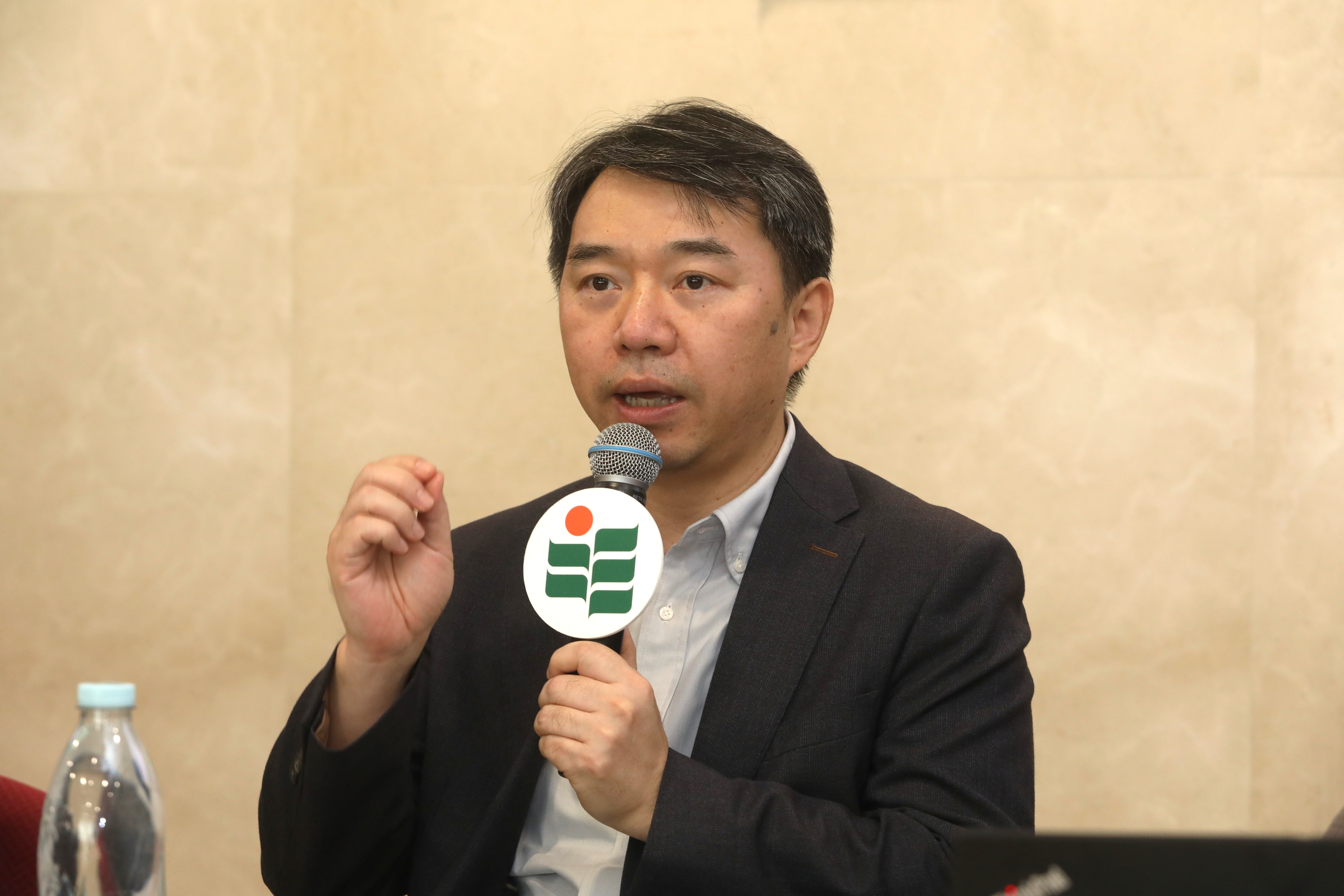
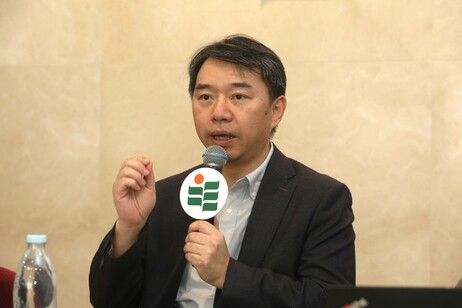
Professor Yan said, “The platform adapts to each student. Strong performers receive more challenging questions, while those needing support are given easier ones. More importantly, through a design grounded in educational theory, the platform fosters self- directed learning, positioning AI as a supportive assistant rather than a substitute for students’ own efforts. By correcting mistakes during practice, students deepen their understanding of knowledge. Score improvement is only a by-product-the deeper value lies in cultivating habits of continuous learning and error correction.”
He added that AI’s potential in education depends on designs grounded in sound educational theory and empirical evidence. When AI-enabled programmes are integrated with clear learning goals and ongoing evaluation of students’ needs, they can genuinely enhance learning. The team believes that the present study offers important reference points for Hong Kong’s digital education transformation.
In addition to EASE, the team has launched the FAITH (Future-oriented Approaches for Innovative Teaching Hub: faith.eduhk.hk) with support from the Quality Education Fund. FAITH provides authentic classroom examples and teaching materials across subjects, demonstrating how teacher-directed and student-engaged assessment strategies can be combined, while offering professional development resources.
Currently, EASE has more than 2,200 student users, while FAITH has around 390 registered teacher users. Feedback from both groups affirms their effectiveness. The team advocates a shift in educational technology priorities: rather than focusing on technology application alone, emphasis should be placed on its integration into pedagogy. Student learning must remain central, with teachers’ professional judgement as the foundation. The research and practice on EASE and FAITH provide an evidence base and practical reference for local schools seeking to transform teaching and assessment in an AI-enabled environment.
Professor Yan is a senior research fellow of the RGC and has been listed by Stanford University among the world’s top 2% most-cited scientists since 2021. He has long specialised in educational assessment and Rasch measurement, and his team has published over 40 articles in the past three years, laying a solid foundation for developing these platforms.
-Ends-
EdUHK Develops Personalised Assessment-Based AI Platform to Drive Transformation in Learning and Teaching
Download all images
Media Enquiries