

EdUHK hosts Symposium on Embodied AI and Humanoid Robots in Future Education
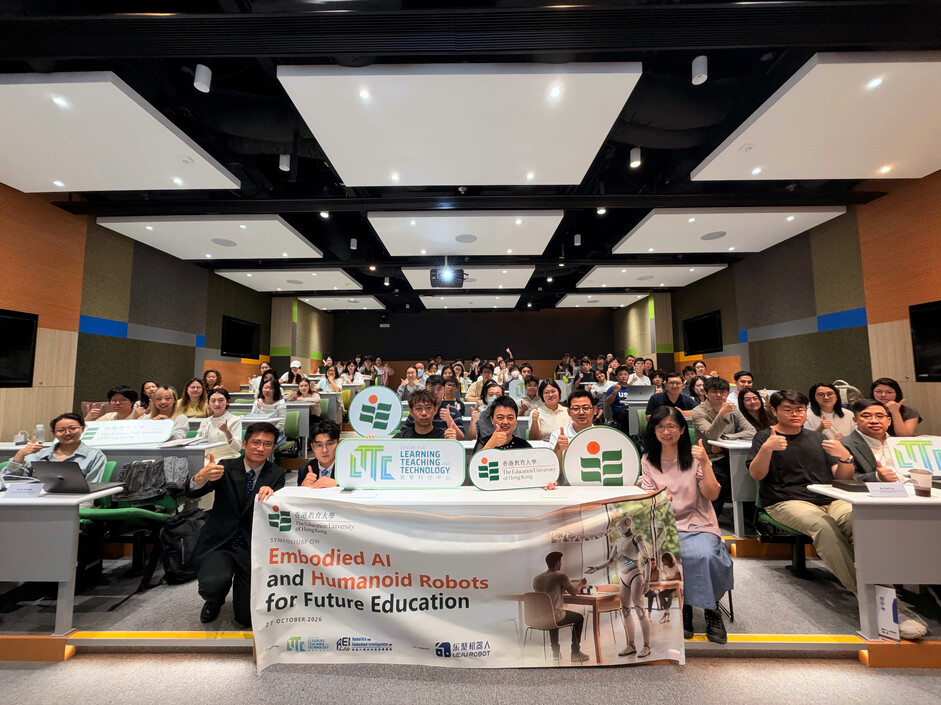
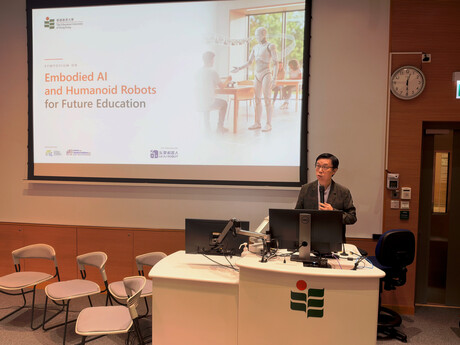
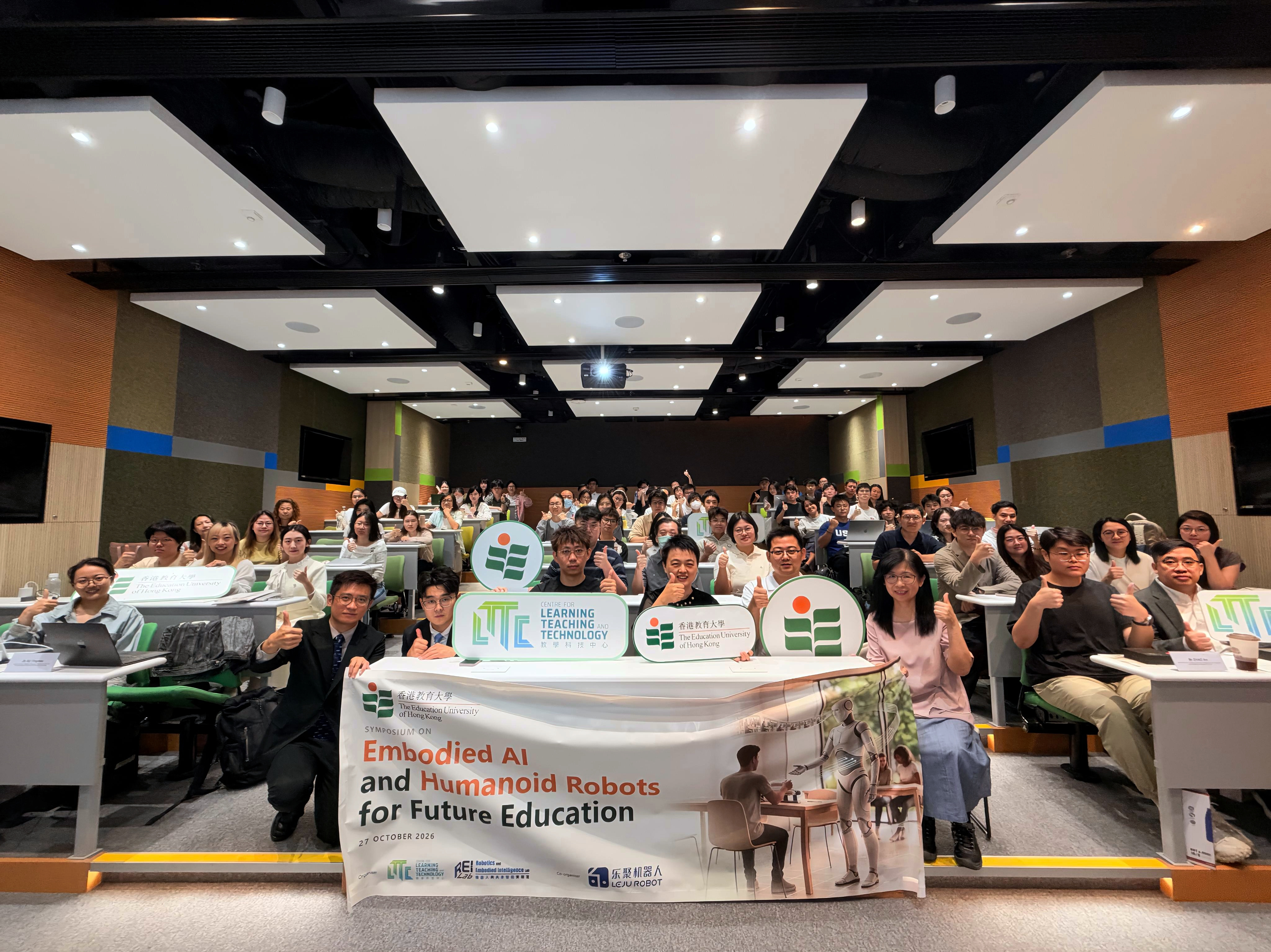
The Education University of Hong Kong (EdUHK) hosted the Symposium on Embodied AI and Humanoid Robots for Future Education at its Tai Po Campus on 27 October, bringing together around 80 educators, students, researchers and industry representatives to explore the transformative potential of embodied artificial intelligence (AI) and robotics in teaching and learning.
Organised by EdUHK’s Centre for Learning, Teaching and Technology (LTTC) and co-organised by Leju Robot, the symposium provided a platform for exchanging insights on emerging developments in robotics and embodied AI, as well as their implications for future educational practices.
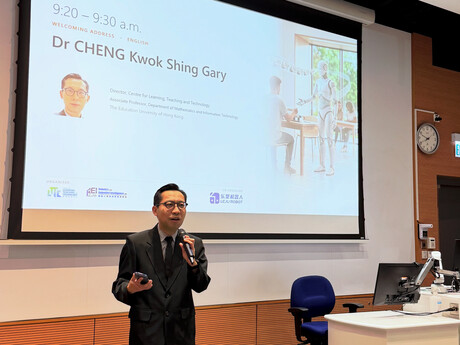
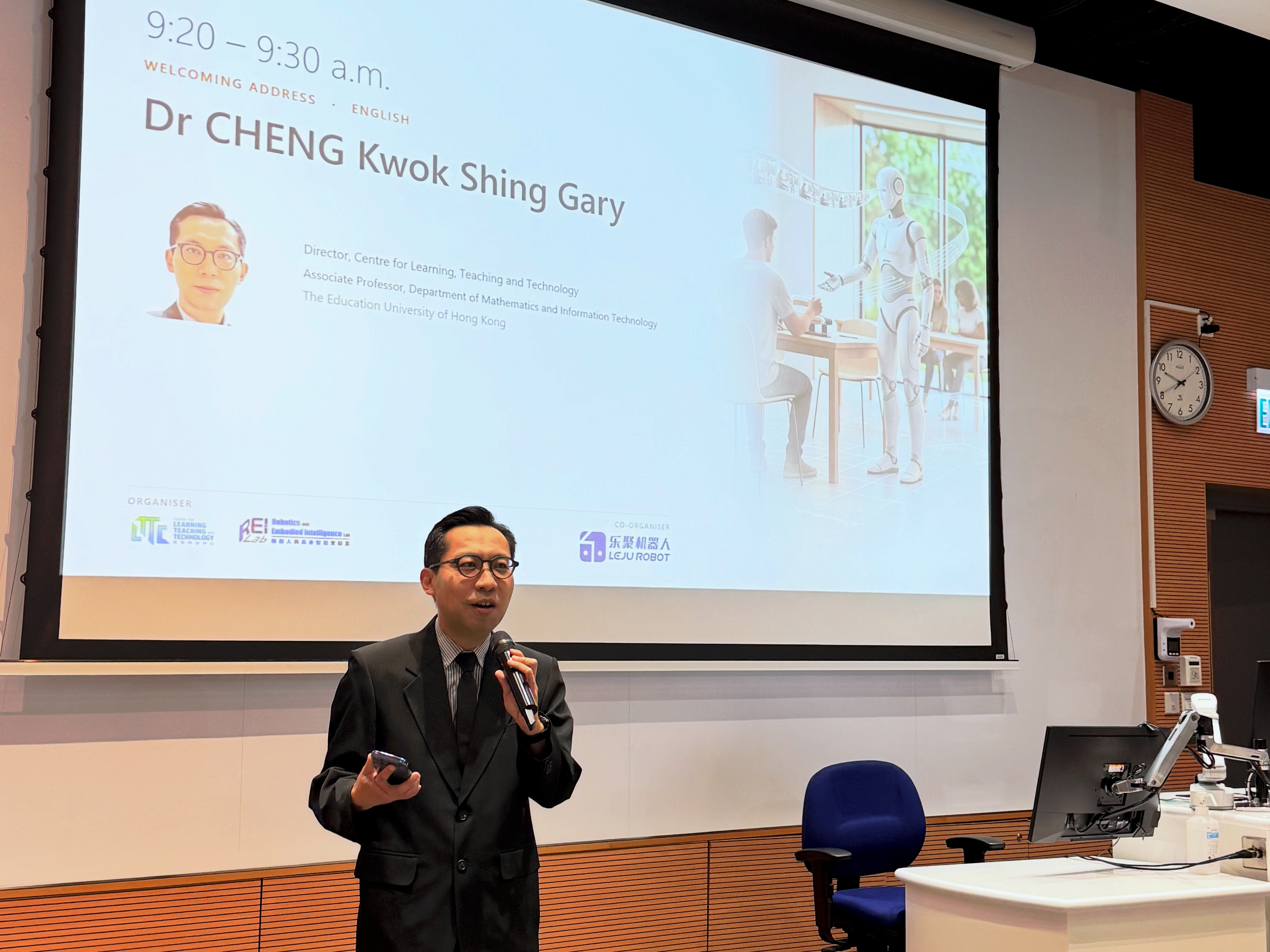
In his welcoming remarks, Dr Gary Cheng Kwok-shing, Director of LTTC, said that advances in embodied AI and robotics are rapidly extending beyond research laboratories into real-world applications. He highlighted the importance of fostering dialogue among educators, researchers and industry partners to better understand how such technologies can support innovation in education.
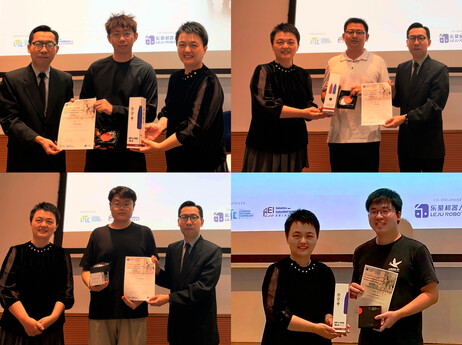
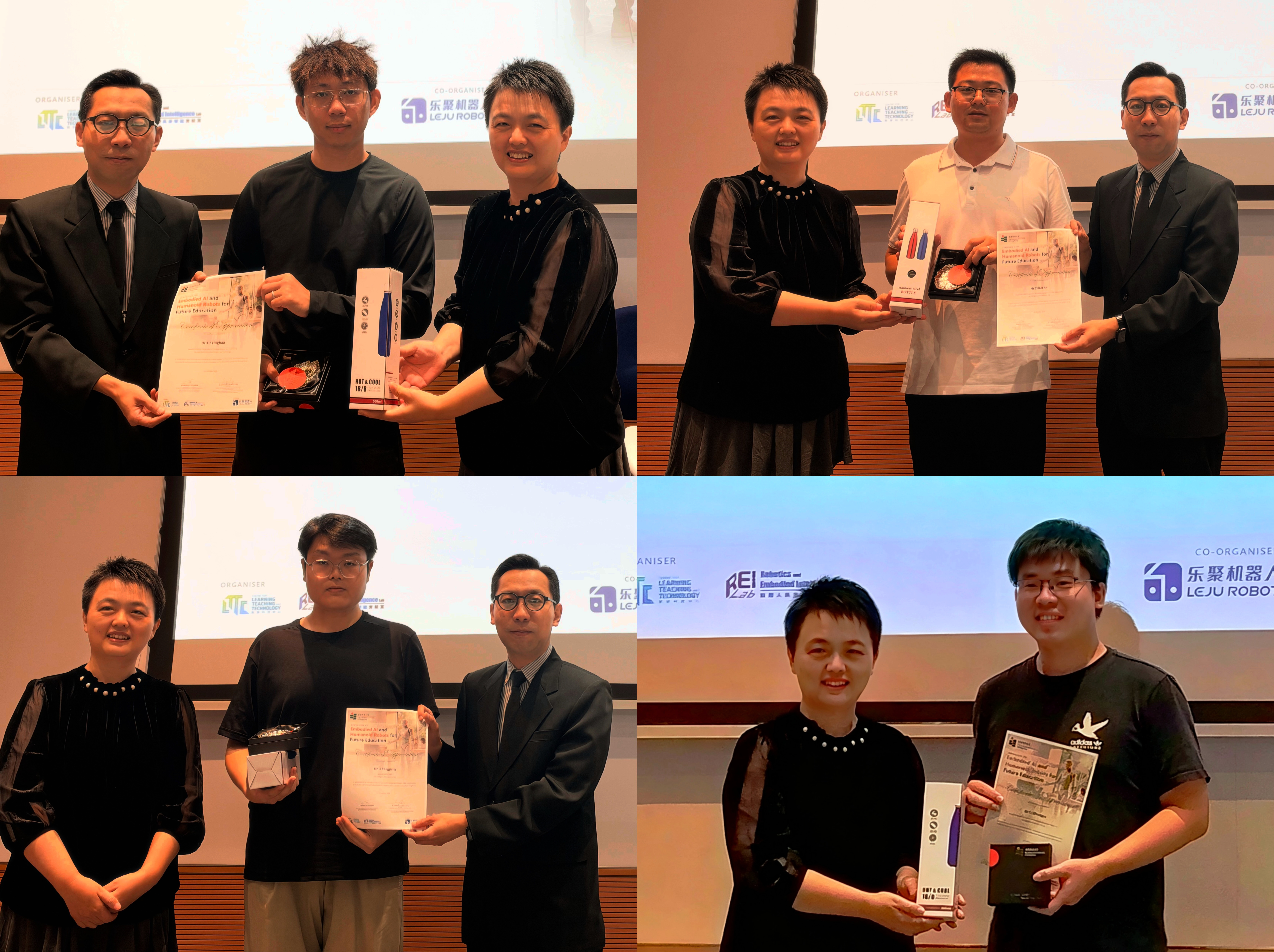
The symposium featured academics and industry experts who shared the latest developments in robotics research and applications. Dr Xu Yinghao, Assistant Professor in the Department of Computer Science and Engineering at The Hong Kong University of Science and Technology, presented strategies for developing robot foundation models that integrate perception and action. Dr Li Zhongyu, Assistant Professor in the Department of Mechanical and Automation Engineering at The Chinese University of Hong Kong, discussed developing humanoid and legged robots that can operate effectively in human-centred environments and support learning activities. Representatives from Leju Intelligence (Shenzhen) Co., Ltd., including Mr Liu Shuliang (on behalf of Mr Li Tangjiang) and Mr Zhao An, introduced the company’s humanoid robot platforms and open-source datasets, and shared experiences in industry-academia collaboration and talent development.
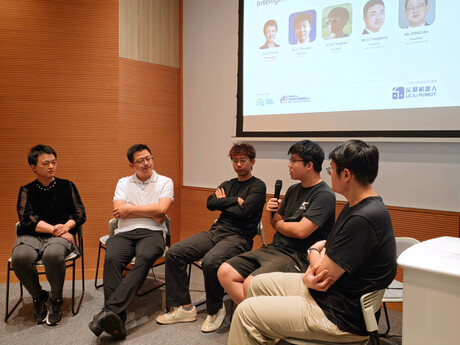
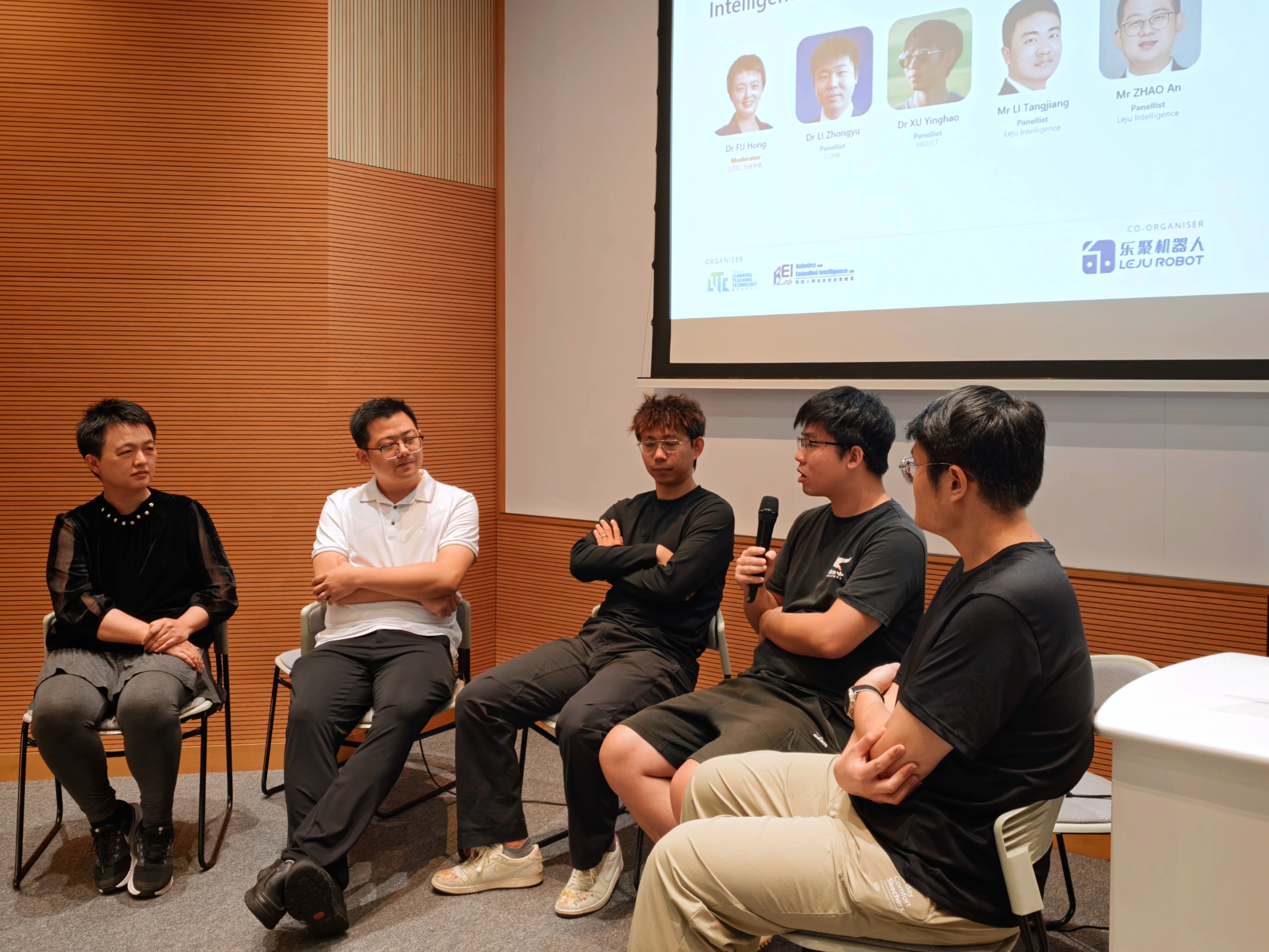
A panel discussion, moderated by Dr Fu Hong, Associate Director of LTTC, examined how universities and industry can work together to bridge the gap between research innovation and classroom implementation. Participants exchanged views on fostering interdisciplinary collaboration and preparing future talent for the age of intelligent technologies.
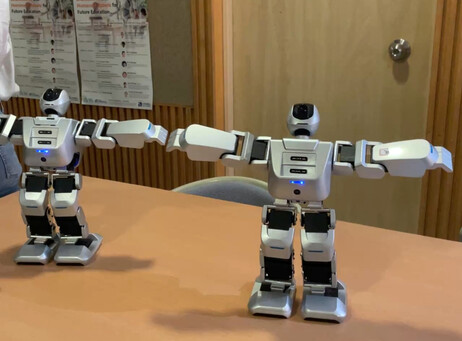
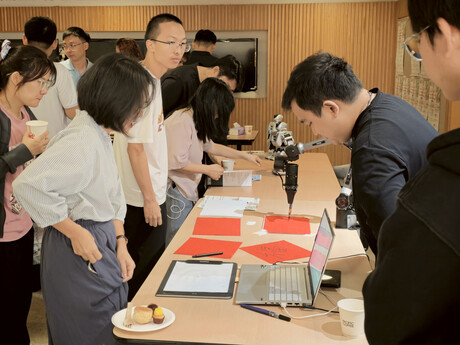
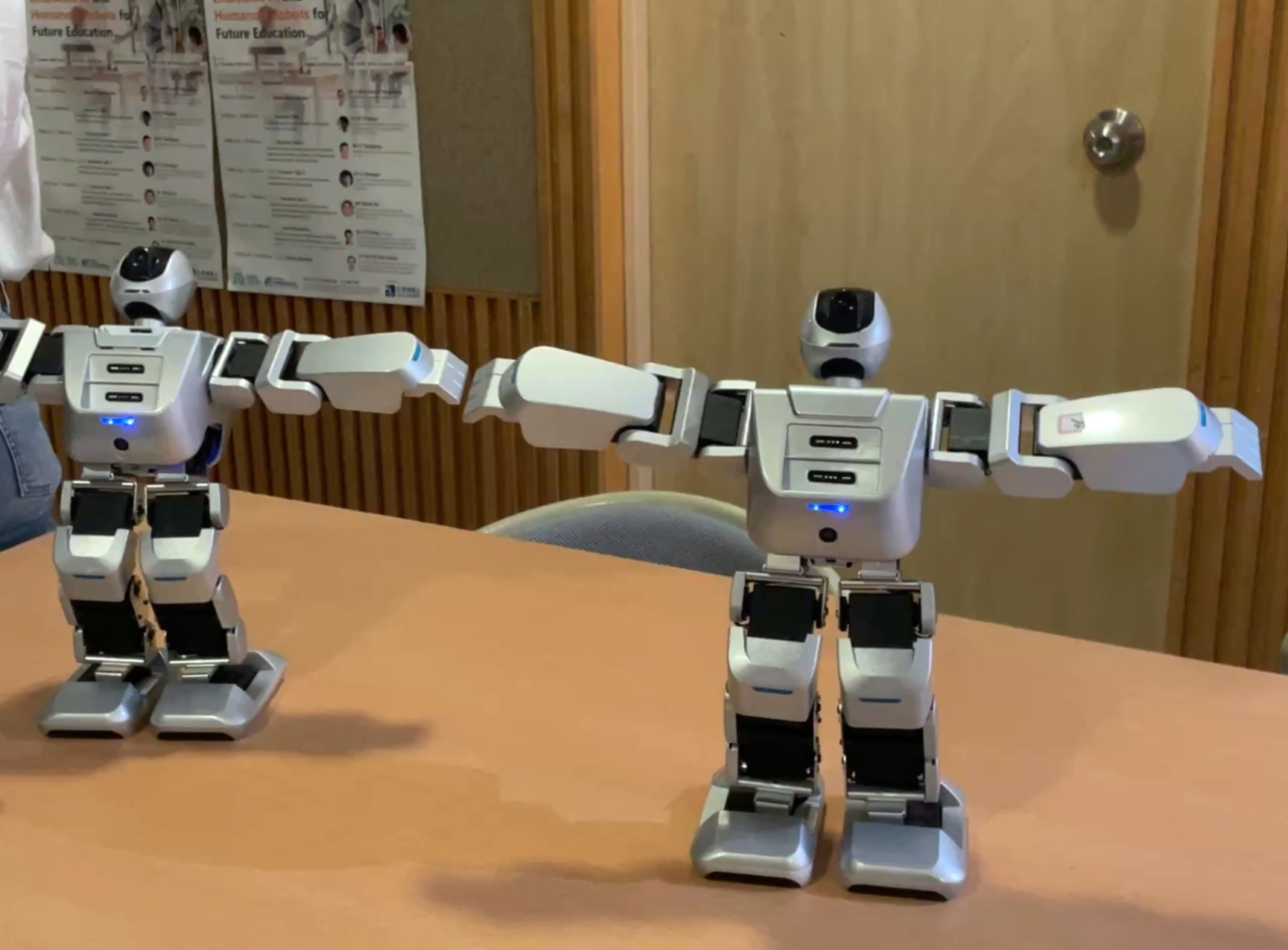
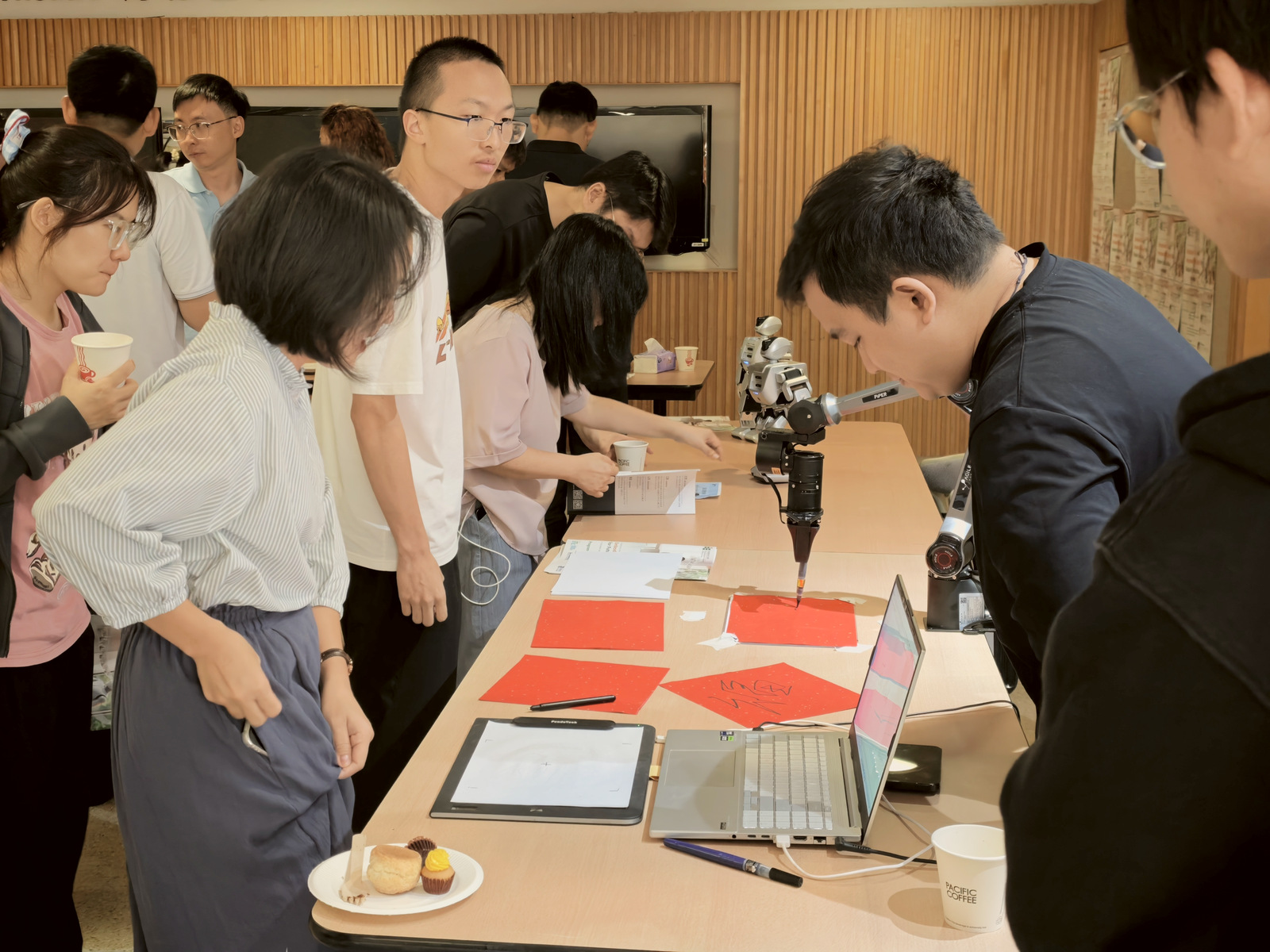
Attendees also experienced live demonstrations of robotics technologies, including a robotic-arm Chinese calligraphy display and interactive humanoid robot showcases.
In his closing remarks, Dr Henry So Chi-fuk, Associate Director of LTTC, thanked the speakers and participants, and expressed the hope that the discussions would encourage further exchange on robotics and embodied AI in education.
The symposium reflects on the vision underpinning the establishment of EdUHK’s Robotics and Embodied Intelligence (REI) Laboratory in March 2026. Serving as a platform that connects academia, industry and policymakers, the REI Laboratory aims to advance educational innovation in Hong Kong and the Greater Bay Area. Through seminars, workshops and collaborative projects, EdUHK will continue to promote integration of education and emerging technologies while fostering partnerships that support the future of learning.
-Ends-
EdUHK hosts Symposium on Embodied AI and Humanoid Robots in Future Education
Download all images