




Bachelor of Social Sciences (Honours) in Sociology and Community Studies


PROGRAMME AIMS
The objectives of the Bachelor of Social Sciences (Honours) in Sociology and Community Studies programme are:
- To equip students with sociological perspectives to understand the transformations and developments of Hong Kong, China and the world;
- To enhance students’ conceptual and problem-solving skills with a view to promoting personal growth and community sustainability;
- To develop students’ competency in using appropriate research methodologies in social inquiries
PROGRAMME FEATURES
Sociology-based
Analyses the development of Hong Kong and the regional community with the use of appropriate sociological concepts and theories.
Community-driven
Develops practical and sustainable plans for promoting the betterment of communities at local and regional levels.
Experiential Learning
Enables students to apply their knowledge and skills through participating in internship and community projects.
Every effort has been made to ensure that information contained in this website is correct. Changes to any aspects of the programmes may be made from time to time due to unforeseeable circumstances beyond our control and the University reserves the right to make amendments to any information contained in this website without prior notice. The University accepts no liability for any loss or damage arising from any use or misuse of or reliance on any information contained in this website.
Any aspect of the course and course offerings (including, without limitation, the content of the course and the manner in which the course is taught) may be subject to change at any time at the sole discretion of the University. Without limiting the right of the University to amend the course and its course offerings, it is envisaged that changes may be required due to factors such as staffing, enrolment levels, logistical arrangements, curriculum changes, and other factors caused by unforeseeable circumstances. Tuition fees, once paid, are non-refundable.
PROGRAMME INTENDED LEARNING OUTCOMES (PILOS)
To align with the University’s commitment to whole person development and the framework of “PEER & I”, the programme aims to prepare graduates to:
- Analyse social issues and problems facing communities at different levels with the use of appropriate qualitative and quantitative research methods (PILO1);
- Employ major sociological concepts and theories in accounting for contemporary social, cultural, political and economic changes (PILO2);
- Develop evidence-based strategies to enhance quality of life and social well-being in the community (PILO3);
- Demonstrate ethical awareness and positive orientations towards personal growth and community development (PILO4)
PROGRAMME STRUCTURE
| Domain | Components | Credit Points (cps) |
|---|---|---|
| Major |
Major Core |
18 |
|
Internship |
3 | |
|
Major Electives |
6 | |
|
Cross-Faculty Core Course |
3 | |
|
Major Interdisciplinary Course |
3 | |
| Final Year Project |
Honours Project I: Research Methods and Proposal / |
3 |
|
Honours Project II: Research Report / Capstone Project II: Project Output |
3 | |
| Electives / Minor |
Electives / Minor |
15 |
|
General Education |
6 | |
|
Total: |
60 | |
|
Information Technology Competence Requirement |
||
Note: Classes will be held in Tai Po Campus and Tseung Kwan O Study Centre / North Point Study Centre / Sports Centre as decided by the University.
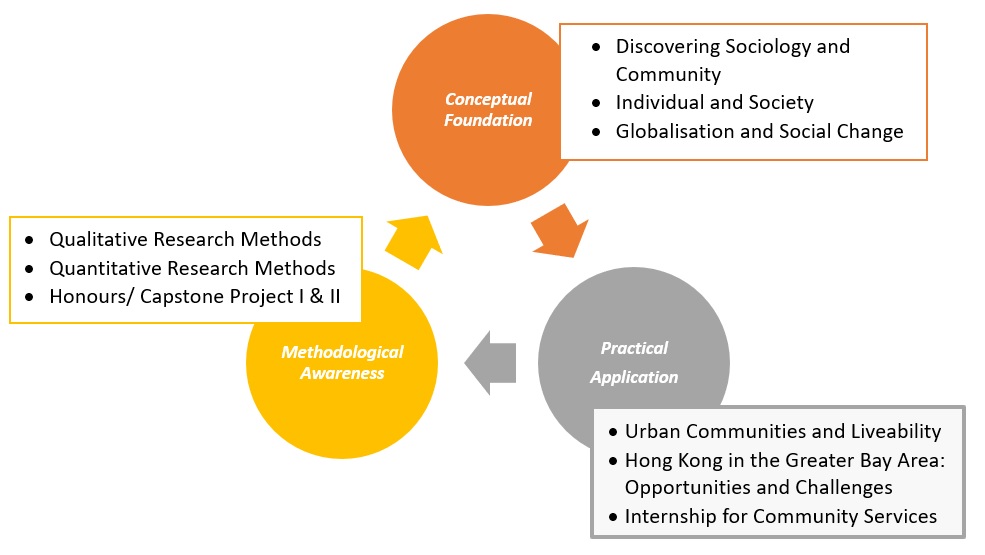
The Programme emphasises the following three areas: (a) conceptual foundation; (b) methodological awareness; and (c) practical value. At the conceptual level, the programme aims to familiarise students with key concepts considered as the building blocks of sociological analyses, including: (1) power, (2) class and inequality, (3) institutions, (4) social structure, (5) culture, (6) gender, (7) identity, (8) intersectionality, (9) globalisation, and (10) risk. At the methodological level, the programme aims to develop students’ competency in the following two areas: (1) designing and conducting social survey; and (2) designing and conducting fieldwork. Students are expected to be able to develop plans for administering a research, identify the strengths and weaknesses of research methods through literature review, and interpreting results. At the practical level, the programme aims to provide ample opportunities for students to link their sociological knowledge with different community concerns and opportunities.

Every effort has been made to ensure that information contained in this website is correct. Changes to any aspects of the programmes may be made from time to time due to unforeseeable circumstances beyond our control and the University reserves the right to make amendments to any information contained in this website without prior notice. The University accepts no liability for any loss or damage arising from any use or misuse of or reliance on any information contained in this website.
Any aspect of the course and course offerings (including, without limitation, the content of the course and the manner in which the course is taught) may be subject to change at any time at the sole discretion of the University. Without limiting the right of the University to amend the course and its course offerings, it is envisaged that changes may be required due to factors such as staffing, enrolment levels, logistical arrangements, curriculum changes, and other factors caused by unforeseeable circumstances. Tuition fees, once paid, are non-refundable.
| Course Title | Course Code & Outline |
|---|---|
| Major Core Courses*# (18 cps) | |
| Discovering Sociology and Community |  SSC3306 SSC3306 |
| Introduction to Social Design: Theory and Praxis | SSC3355 |
| Urban Communities and Liveability | SSC3309 |
| Qualitative Research Methods | SSC3310 |
| Hong Kong, China in the Greater Bay Area: Opportunities and Challenges | SSC4305 |
| Quantitative Research Methods | SSC4311 |
| Internship (3cps) | |
| Internship for Community Services | SSC4312 |
| Major Elective Course (6 cps) (Choose 2 out of 10 electives) | |
| Comparative Social Policy | GCS4029 |
| Social Theory for Critical Thinking | SSC2253 |
| Schools and Society: Sociological Perspectives and Reflections | SSC2319 |
| Values Pluralism and Cultural Diversity in Hong Kong, China | SSC3234 |
| NGOs and Social Innovation | SSC3264 |
| Individual and Society | SSC3307 |
| Globalisation and Social Changes | SSC3308 |
| Community Event Planning and Operation | SSC3357 |
| Sports and Community Development | SSC4313 |
| Digital Communities in the Information Age | SSC4314 |
| Major Interdisciplinary Course (3 cps) | |
| The Sustainable Development Goals and Education | INS4065 |
| Final Year Project (6 cps) | |
| Honours / Capstone Project I: Research Methods and Proposal | SSC4298 / SSC4297 |
| Honours Project II: Research Report / Capstone Project II: Project Output | SSC4302 / SSC4301 |
| Cross-Faculty Core Course (1 cp) |
|
| Cross-Faculty Core Course | CFB3007 |
*Subject to change and/or approval
#Students admitted into this programme starting from the 2023/24 cohort are required to visit the Greater Bay Area (GBA) for a short trip (e.g. 1-day or 2-day 1-night trip) in order to complete the Cross-Faculty Core Course. While the GBA trip is heavily subsidised, students are still required to contribute part of the estimated cost of the trip ("student contribution"), whereas personal entertainment, meals expenses, travel document fee and personal insurance costs will not be supported. The estimated cost of the GBA trip for students admitted to the 2023/24 cohort is not available yet as it is subject to a variety of factors such as changes to the cost of the GBA trip as a result of inflation, trip duration, traveling expenses, the exchange rate, etc. The exact amount of student contribution is thus not available.
Please more details, please visit https://www.apply.eduhk.hk/ug/programmes/scs
Every effort has been made to ensure that information contained in this website is correct. Changes to any aspects of the programmes may be made from time to time due to unforeseeable circumstances beyond our control and the University reserves the right to make amendments to any information contained in this website without prior notice. The University accepts no liability for any loss or damage arising from any use or misuse of or reliance on any information contained in this website.
Any aspect of the course and course offerings (including, without limitation, the content of the course and the manner in which the course is taught) may be subject to change at any time at the sole discretion of the University. Without limiting the right of the University to amend the course and its course offerings, it is envisaged that changes may be required due to factors such as staffing, enrolment levels, logistical arrangements, curriculum changes, and other factors caused by unforeseeable circumstances. Tuition fees, once paid, are non-refundable.
“Kok Echo Store”: Playthings Connect Tai Kok Tsui Community
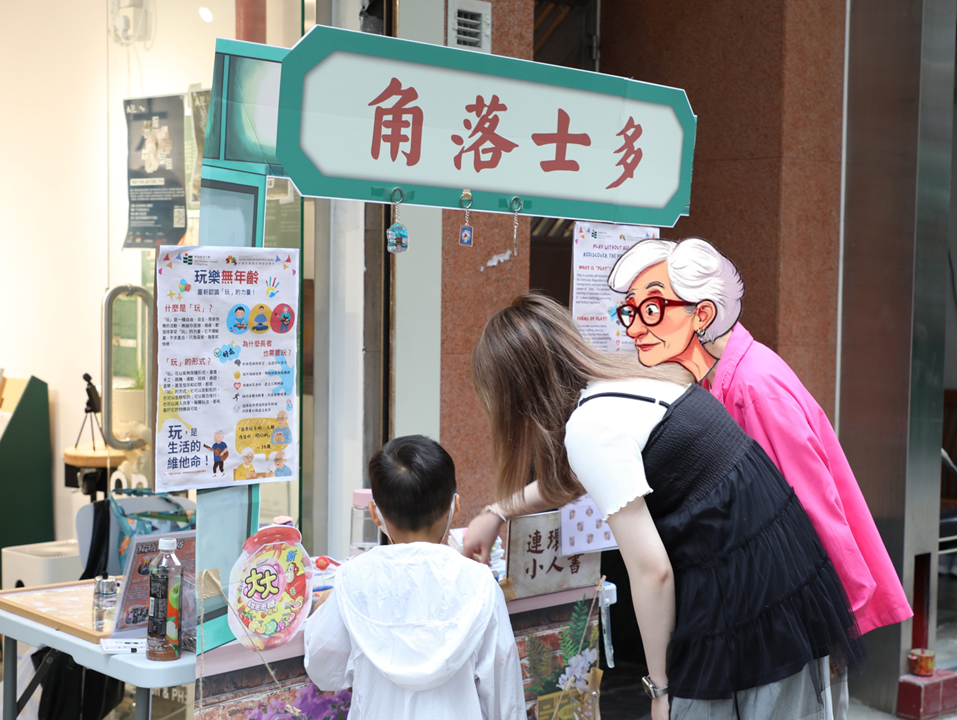
The greatness of playing is not just a leisure and joyful activity. It can be a hidden force that connects different generations in the neighborhood. Six students from the Sociology and Community Studies program used playthings as a medium to gather neighbors during a three-day exhibition in Tai Kok Tsui last month to have warm conversations with each other.
In the last few months, these students organized and invited the elderly from Tai Kok Tsui to join a one-day field trip in Tai Kok Tsui as well as workshops on dyeing, phone-case art making, and weaving. These activities were building connections between the elderly and the younger generation. Now, the students showcased their work through booths and exhibitions in Tai Kok Tsui.
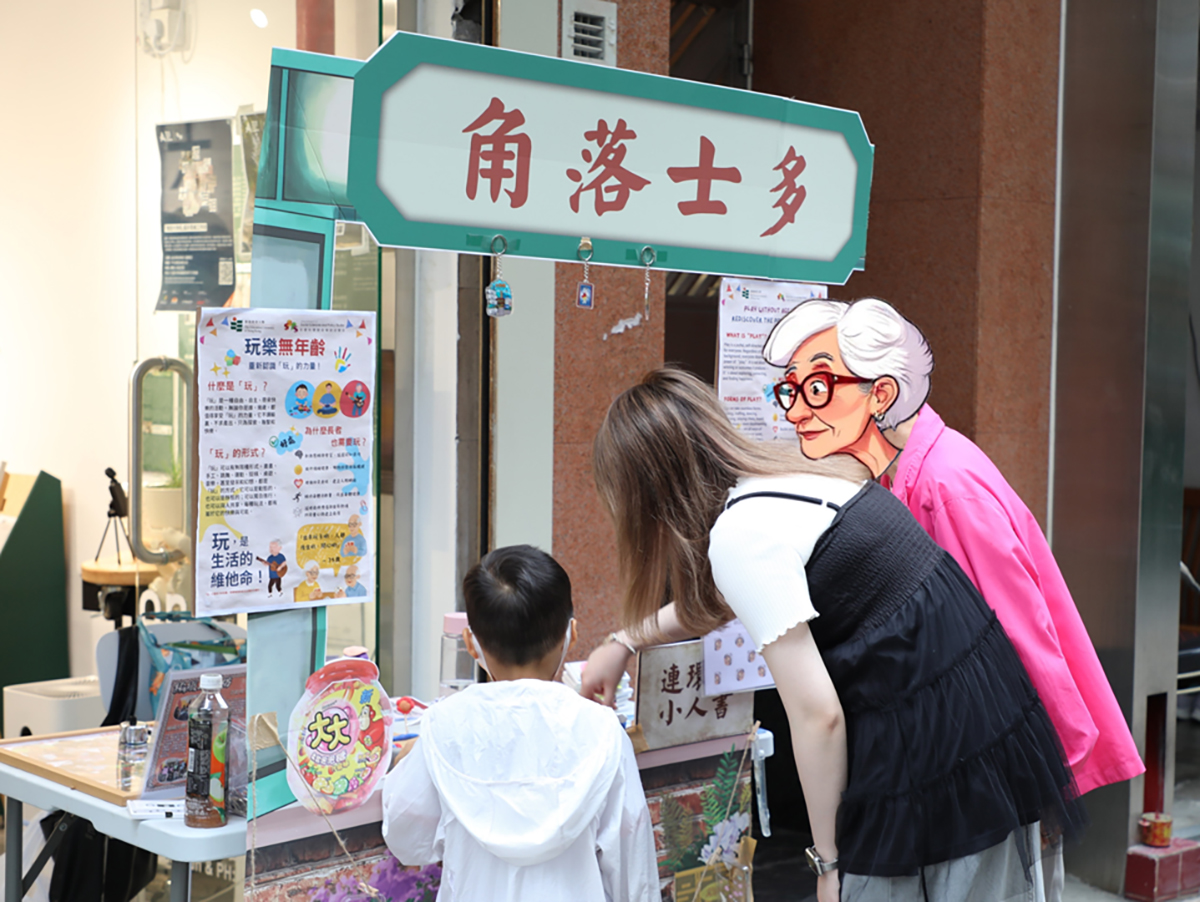
The "Kok Echo Store" exhibition treated Tai Kok Tsui as a connecting echo chamber and decorated the booth as a nostalgic store to bring neighbors back to the past. Playthings that the elderly once played with were placed everywhere. People could pick one plaything, such as pogs and marbles, to immerse themselves in the elderly’s childhood experiences.
On the first day, 29 May, the booth was set up at the public space “RE: Pavilion”. Pedestrians from Tai Kok Tsui walking to the nearby shopping mall could stop by and enjoy playful moments at the students’ booth.
As bad weather was expected, the students moved their booth to the Re: TKT Co-Creation Space on the second and third days (30 May and 31 May). Neighbors could walk indoors to play with the toys.
Typically, neighbors would walk by and take a look, and suddenly, people began to gather. The incredible thing was that many parents brought their kids to play with the playthings. A lot of primary school students came in groups after school, creating an exciting vibe.
Through playing together in a moment, different generations learned about each other's playthings and how they played. This was a great opportunity for networking and enhancing social cohesion.
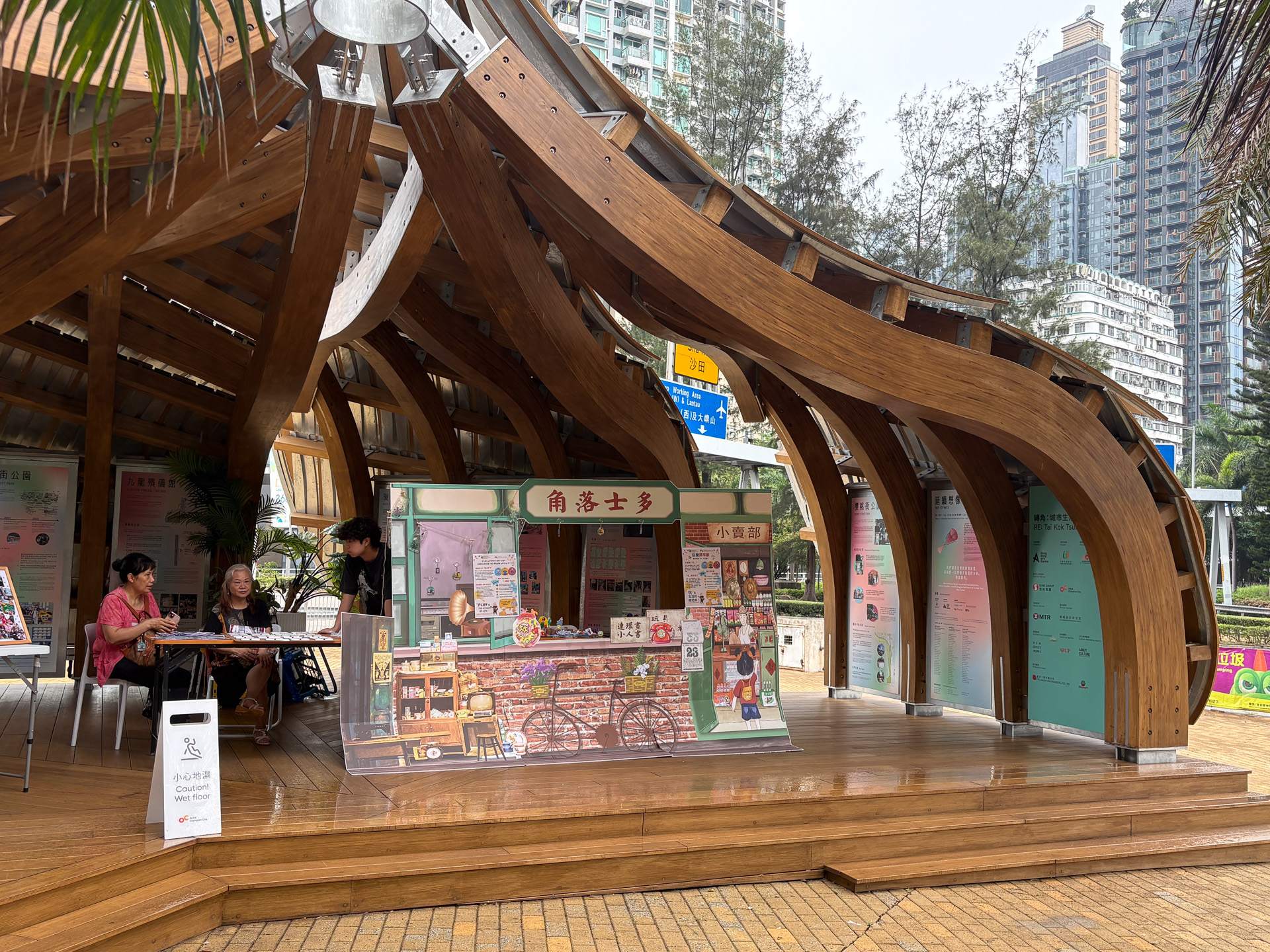
Some elderly participants from the workshops visited the booth in the public space “RE: Pavilion” to chat with the students once they met.
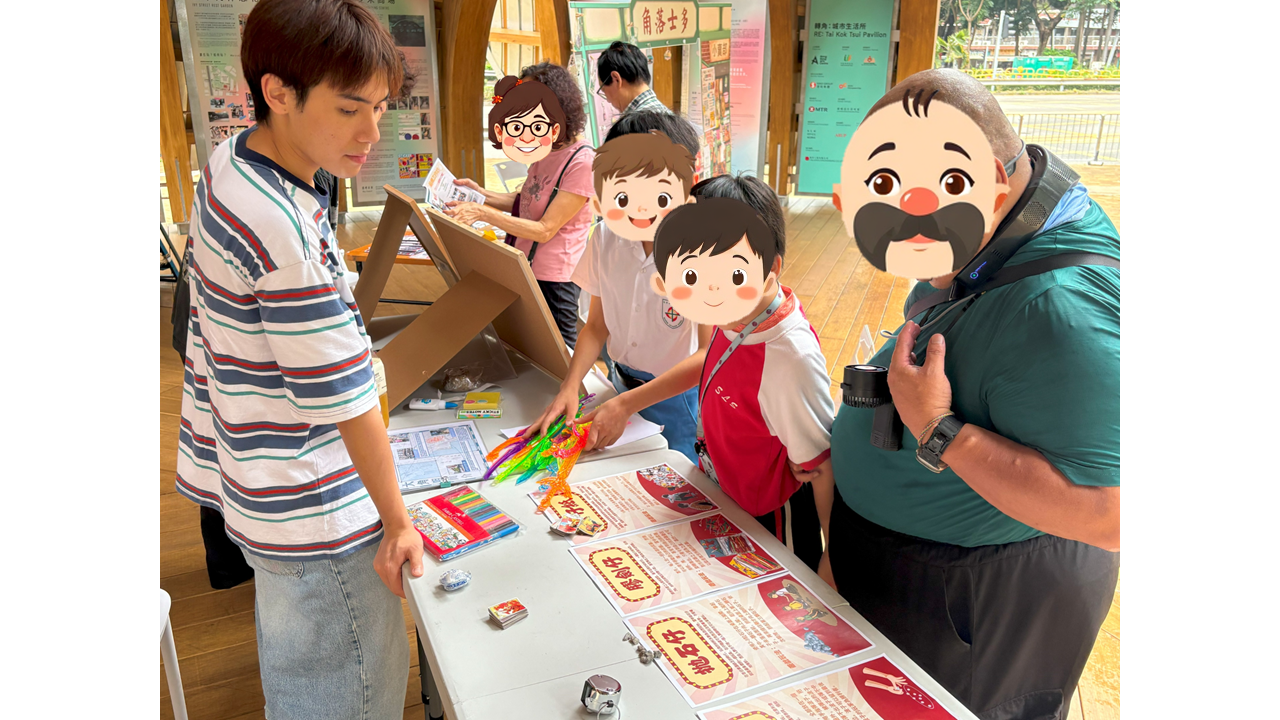
Grandparents stopped by to play with their kids and share what they used to enjoy in the past.
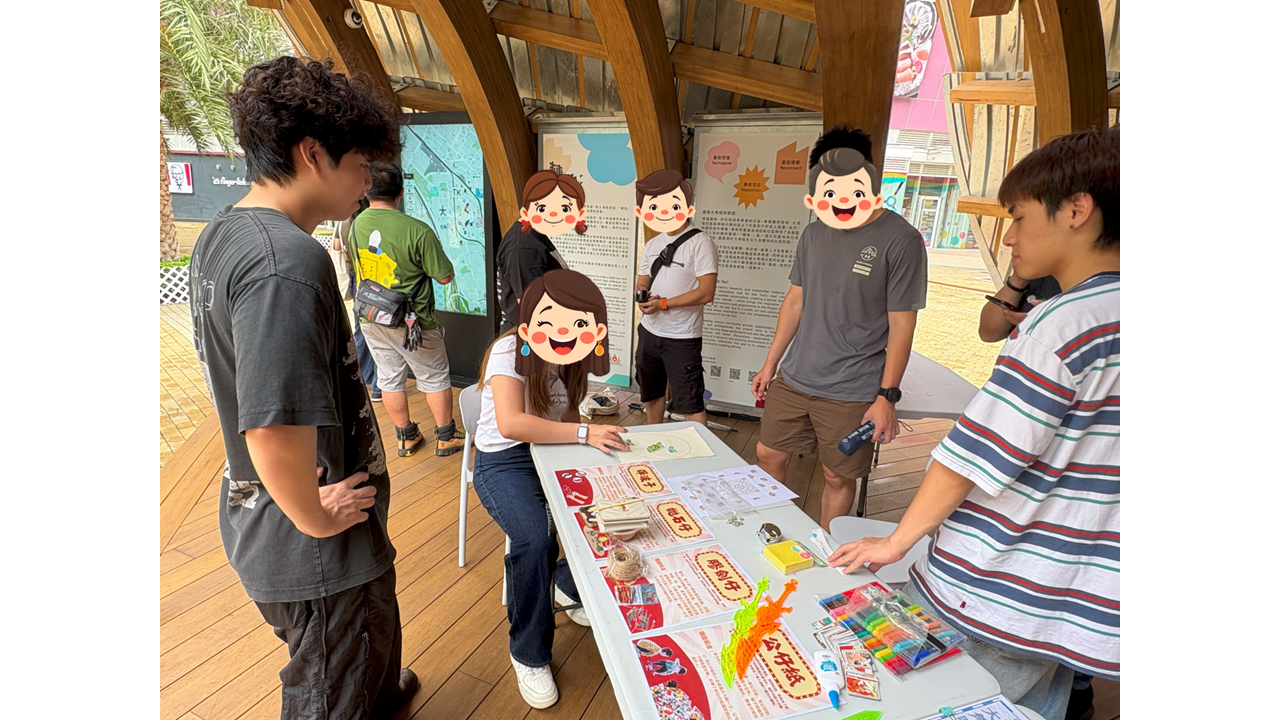
Simple games brought joy, even for a short period after lunch.
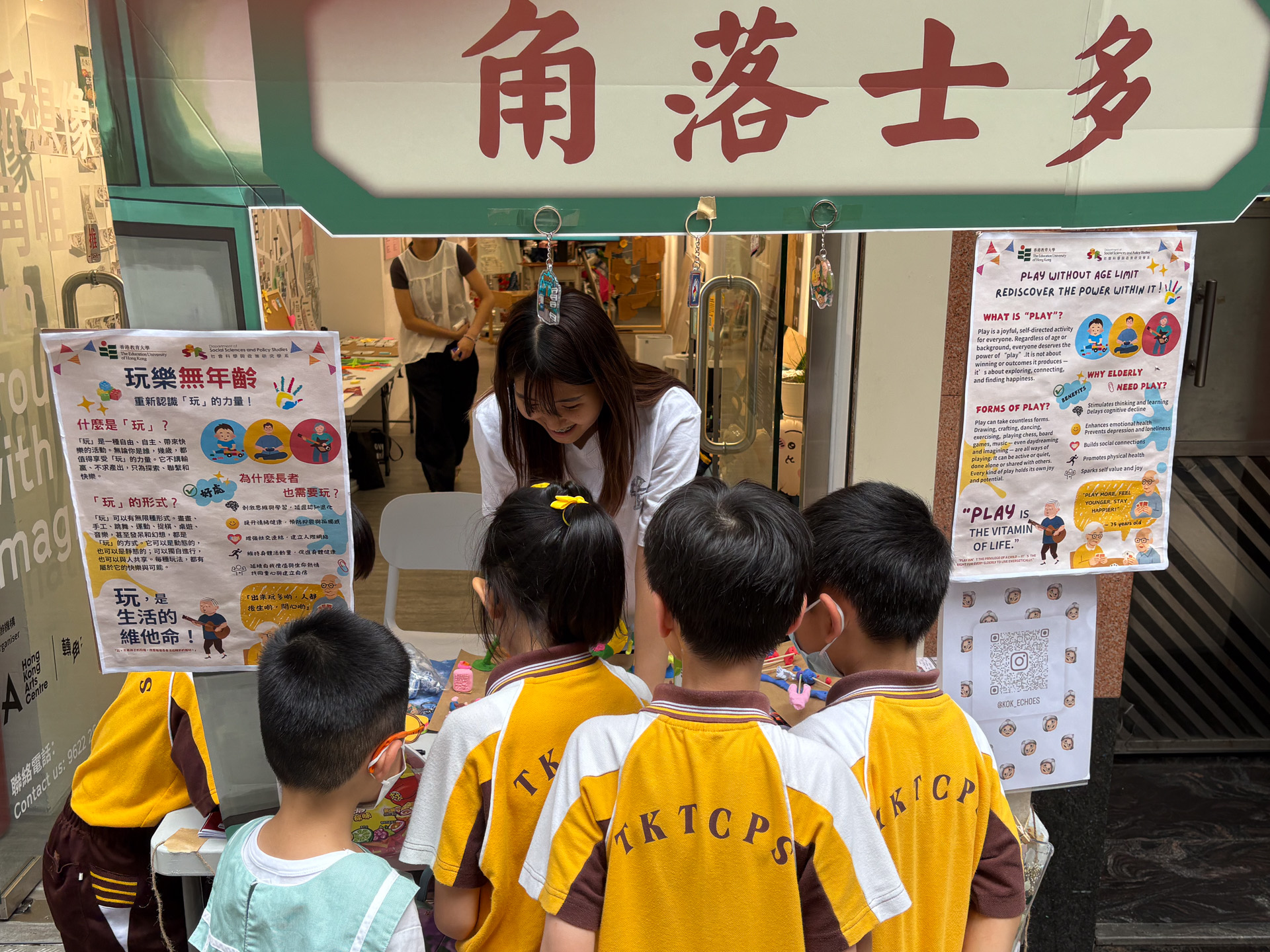
After school, primary students rushed into the booth to play games, and the students were busy responding to them.
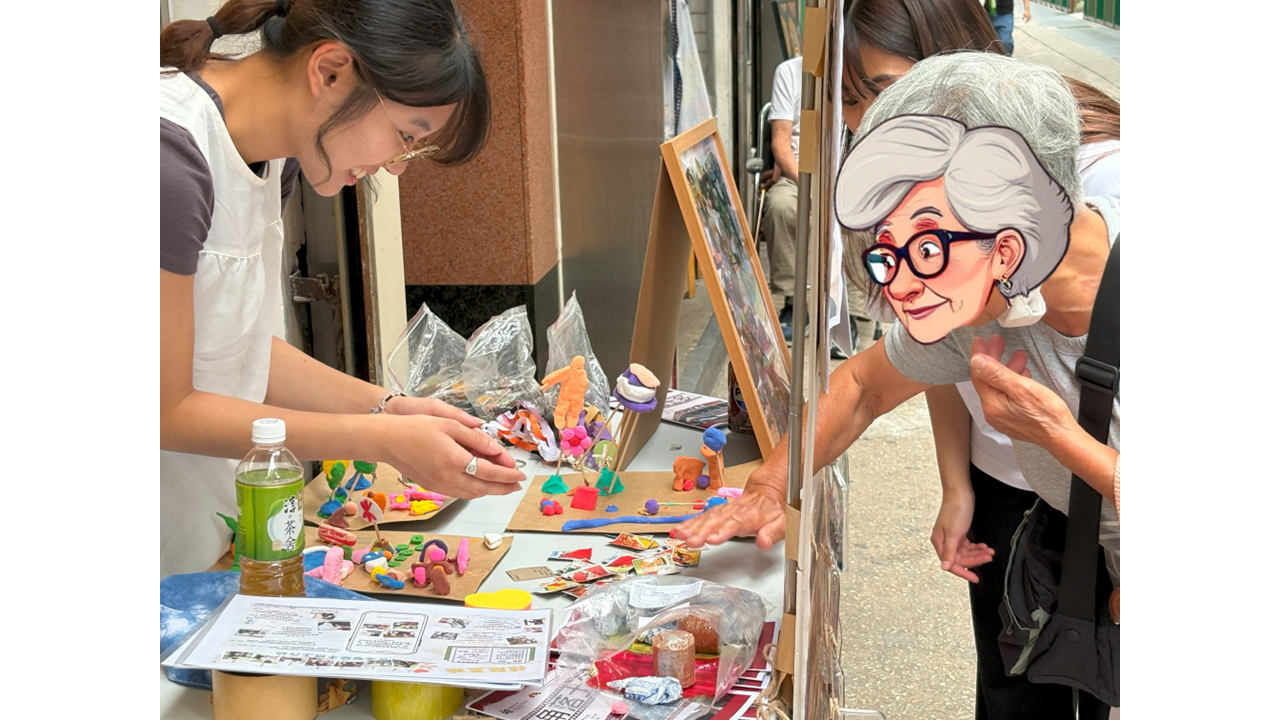
An elderly showed students how to play with pogs.
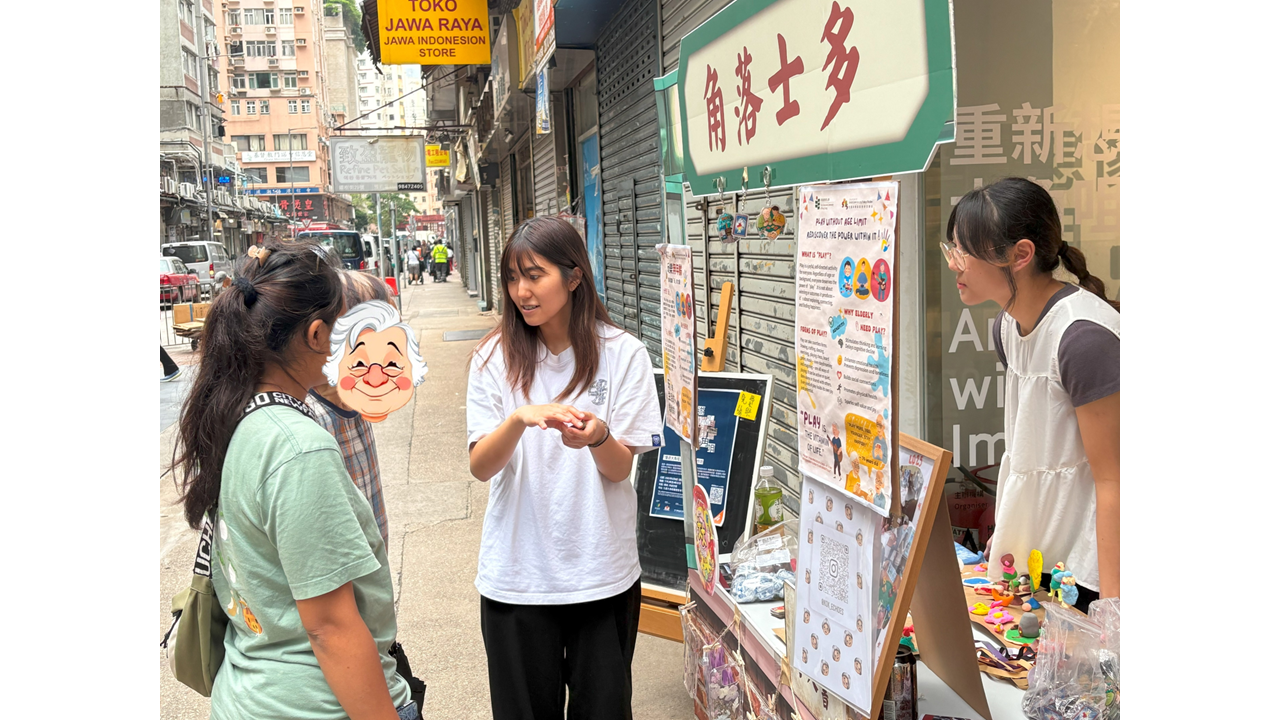
A foreign domestic helper told students she also played the “throwing stones” game in her childhood.
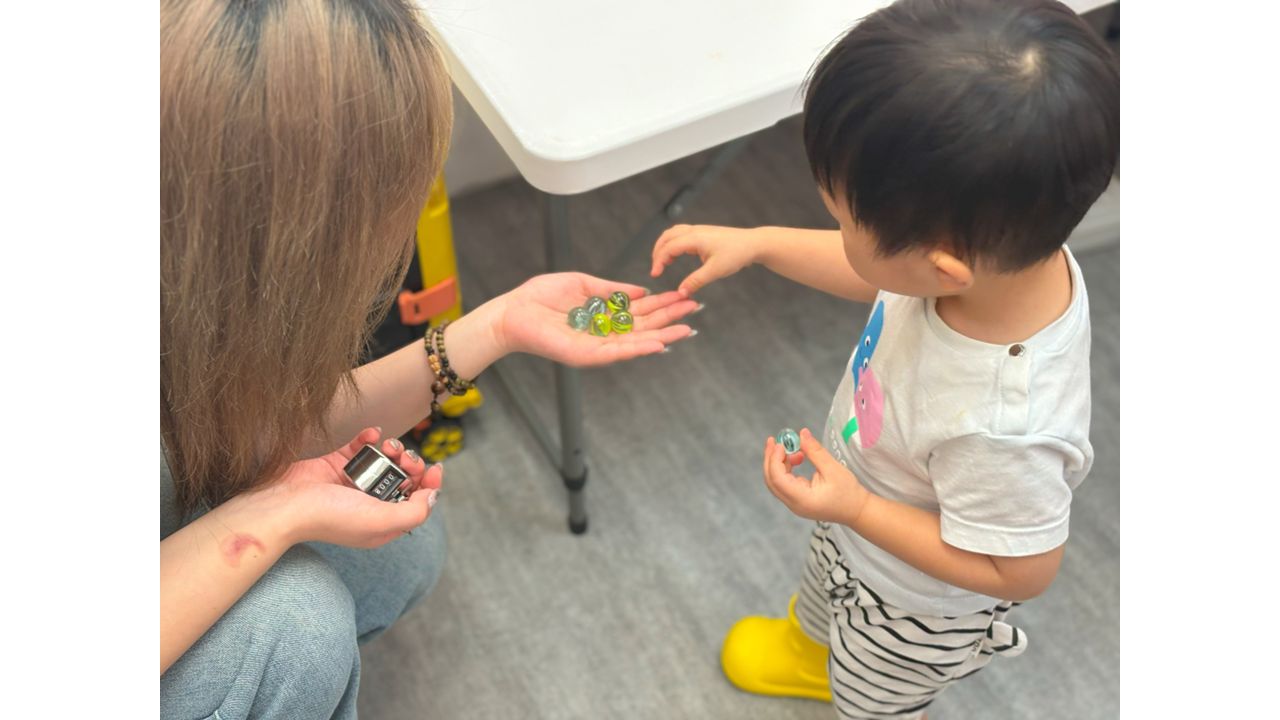
Without saying a word, a small child played marbles happily with a student, a total stranger.
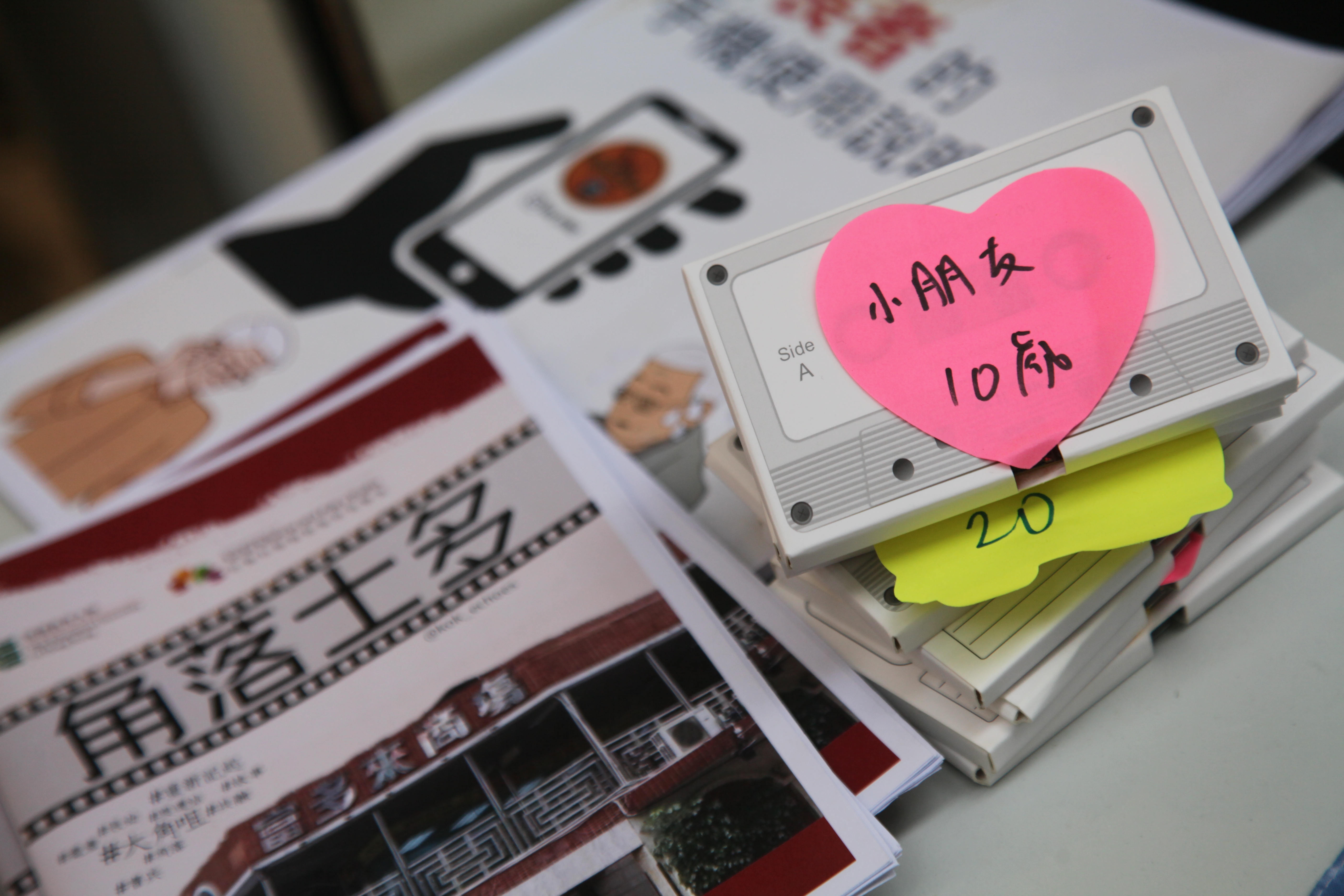
Participants’ stories were recorded, collected, and shared to foster connections among the community.

Playing not only enhances interaction between each other. It’s a great way to engage the elderly with the community.

Exhibition of Encounters with Elderly in Tai Kok Tsui
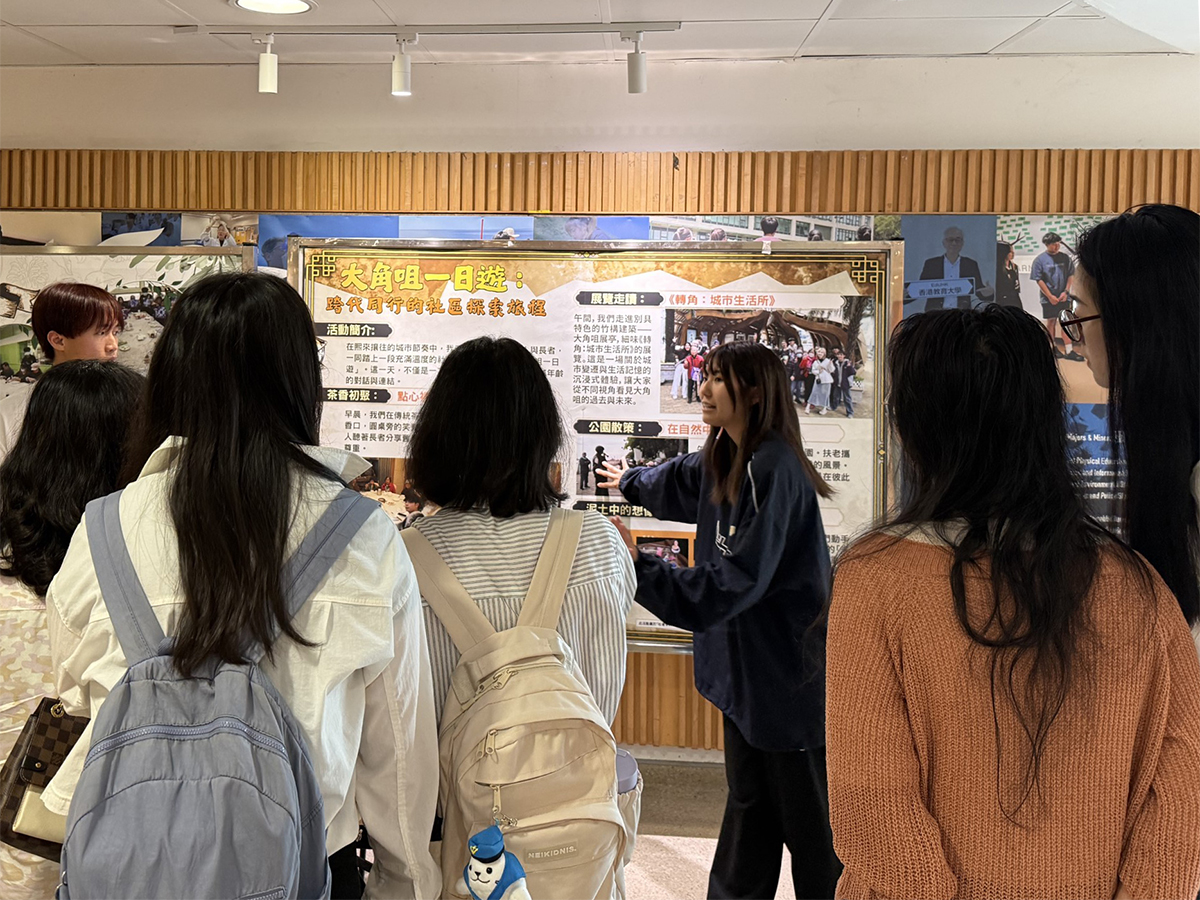
Over the past two months, six students from the Bachelor of Social Sciences (Honours) in Sociology and Community Studies programme became connected to a group of senior residents from the Tai Kok Tsui area. A host of activities like tea gathering, dyeing art creations, board games, and mobile phone and weaving workshops were organized for the residents to bring them closer to young people and to foster cross-generational understanding. The students documented their encounters with the senior residents with an exhibition at the EdUHK campus from 9 to 11 April, allowing their fellow students and members of the EdUHK community to appreciate their impact on community inclusion. (The exhibition will also be displayed in Tai Kok Tsui in the future, so keep an eye on the instragram @kok_echoes).
This event is organized as part of a capstone project of the Bachelor of Social Sciences (Hons) in Sociology and Community Studies programme, also supported by Specific Student Empowerment Work Scheme (Specific SEWS) 2024/2025 under the supervision of Dr. Izzy Yi JIAN.

Field trip to Guangzhou: Discovering Community Change and Cultural Landscape
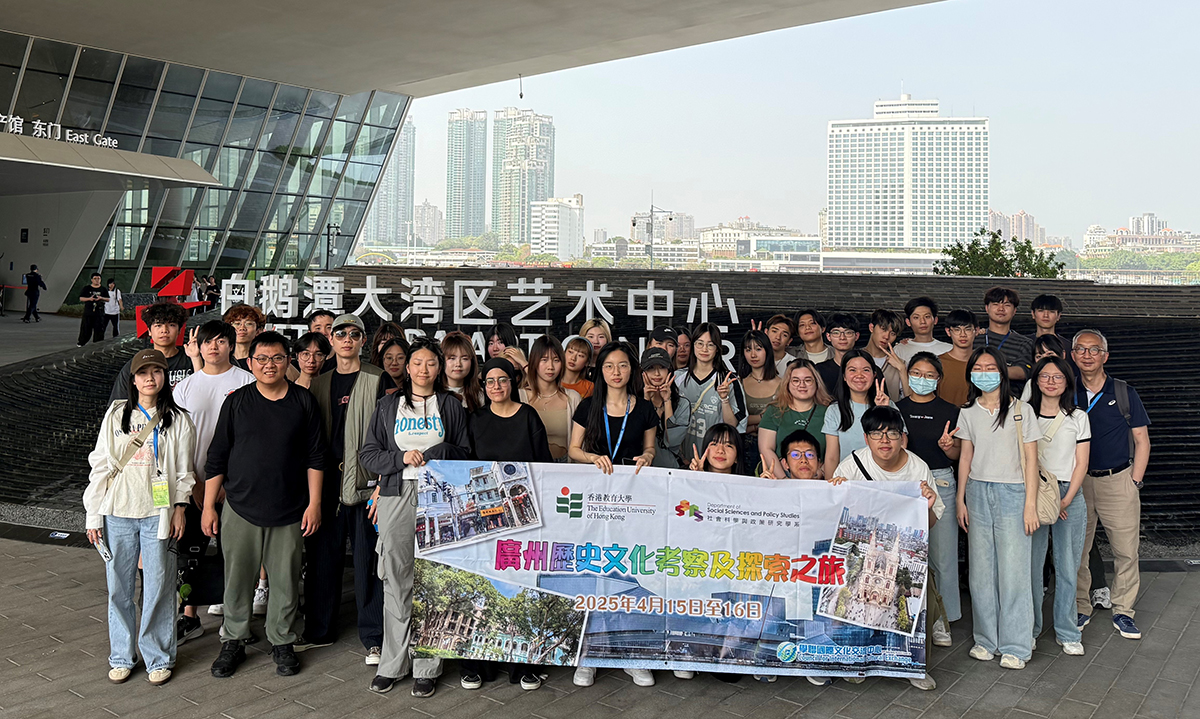
Students and teachers from the Bachelor of Social Sciences (Honours) in Sociology and Community Studies program went on a field trip to Guangzhou from 15 to 16 April. They visited the major attractions in the area, such as Xiguan Dawu Culture Life Hall, Liwan Museum, Yong Qing Fang, Dafo Temple and Shamian Island, and learned about the changes in the Guangzhou community. Another highlight of the trip is to visit the newly opened Baietan GBA Art Center that combines three museums into one: Guangdong Intangible Cultural Heritage Museum, Guangdong Literature Museum and the Guangdong Museum of Art, and acquire a deeper understanding about the culture of the Greater Bay Area.
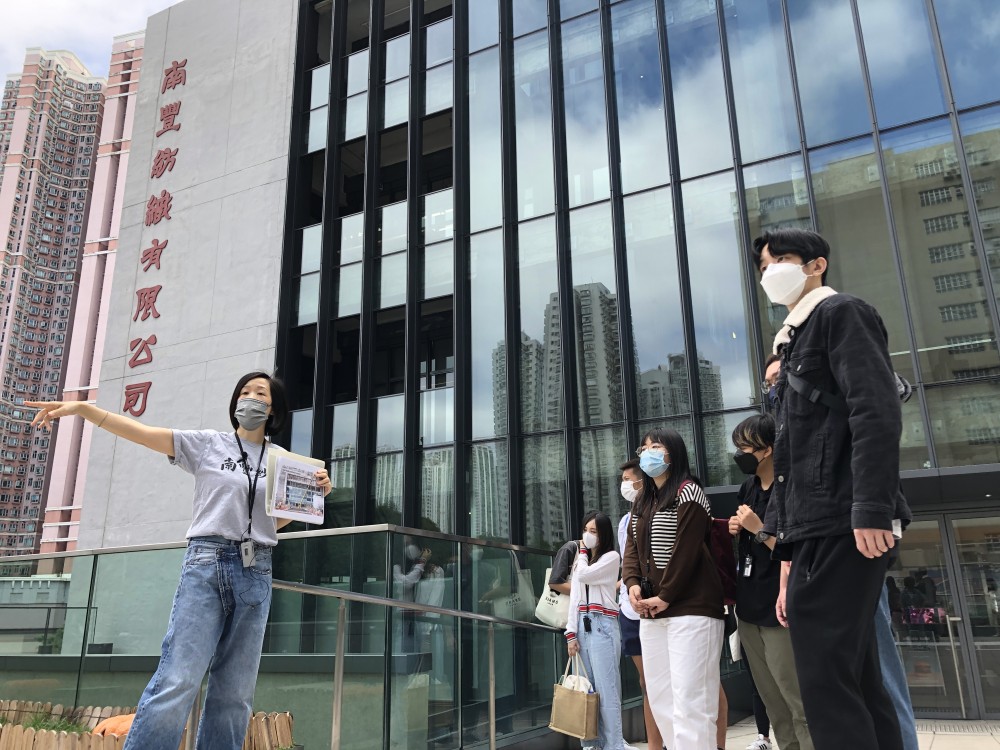
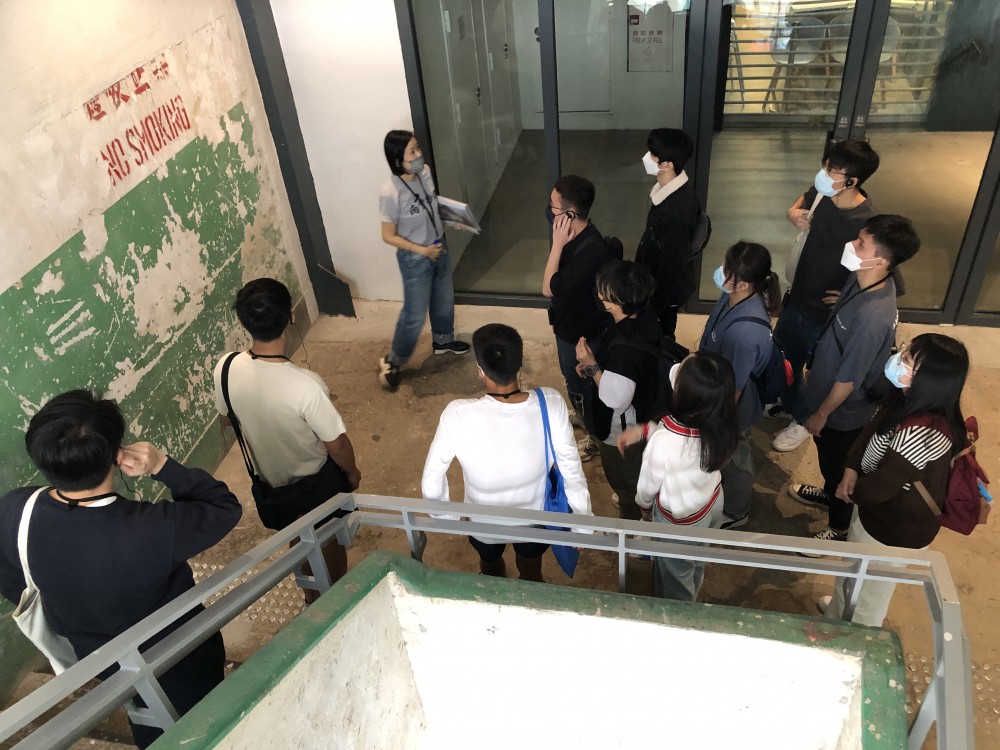
Visited The Mills to know the local textile factory stories
20/10/2022
SCS Study Experience Sharing
Studying in the SCS program was not a random choice for me—it came from a place of curiosity and uncertainty. I still remember my professor once saying, “As you are unsure of what you want to do with your life, you study sociology.” That sentence deeply resonated with me. Before entering university, I often questioned the real purpose of higher education. Is it solely for improving my career prospects, as many people around me say, or is it about self-exploration? To me, the two are intertwined, but self-exploration matters more, as true fulfillment is what I ultimately strive for.
Looking back, my years in SCS have been a continuous journey of discovering who I am. With the guidance of inspiring professors and the strong academic support provided, I gradually found my own answers. SCS taught me how to think, not what to think. This process trained me to approach things with curiosity and skepticism rather than relying solely on external answers, and to form my own conclusions with confidence. Through this experience, I developed an independent way of thinking and built a habit of reflection that brought me closer to understanding myself.
Throughout this exploration, the Capstone Project and internship opportunities empowered me to take on challenges and taught me how to learn from mistakes—something I now believe is far more valuable than simply earning a degree. If university were merely about securing a job, then a degree would just be an entry ticket, whereas experiential learning is what truly matters. Through these experiences, I gained valuable hands-on knowledge, discovered my strengths, and explored suitable career paths. They also helped me develop essential workplace skills—event planning, administrative management, communication, and interpersonal relations—which now enable me to perform confidently in my current role at an NGO.
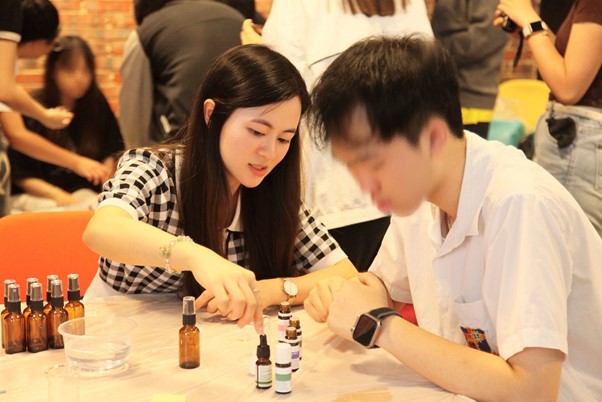
Angela working in her Capstone Project with a secondary student
Beyond academics, SCS allowed me to connect more deeply with my community and engage with a range of social issues. The university’s abundant resources and exchange programs also opened new doors for me. I had the amazing opportunity to take part in service tours to Taiwan, China and New Zealand, where I experienced local cultures and community dynamics firsthand. What I appreciated most was my professors’ ongoing support for my personal and professional growth. For instance, they encouraged me to join the six-month Pursuit of X program, which gave me valuable work experience in my field of interest and helped me build a strong professional network. That experience allowed me to recognize my strengths and weaknesses and define the kind of career that truly fits me, paving the way toward finding my ideal job after graduation.
To sum up, my university experience in SCS has been more than an accumulation of knowledge — it has been a journey of self-discovery. I am deeply grateful to all my professors and classmates who accompanied me along this path, making the journey of exploration a little less lonely.
Angela Kwong
Class of 2025
趙永佳教授、李越民博士、鄺泳詩小姐:年輕人與中醫的距離:從教室走進社區的「貼地」實驗
Ming Pao, 3/11/2025
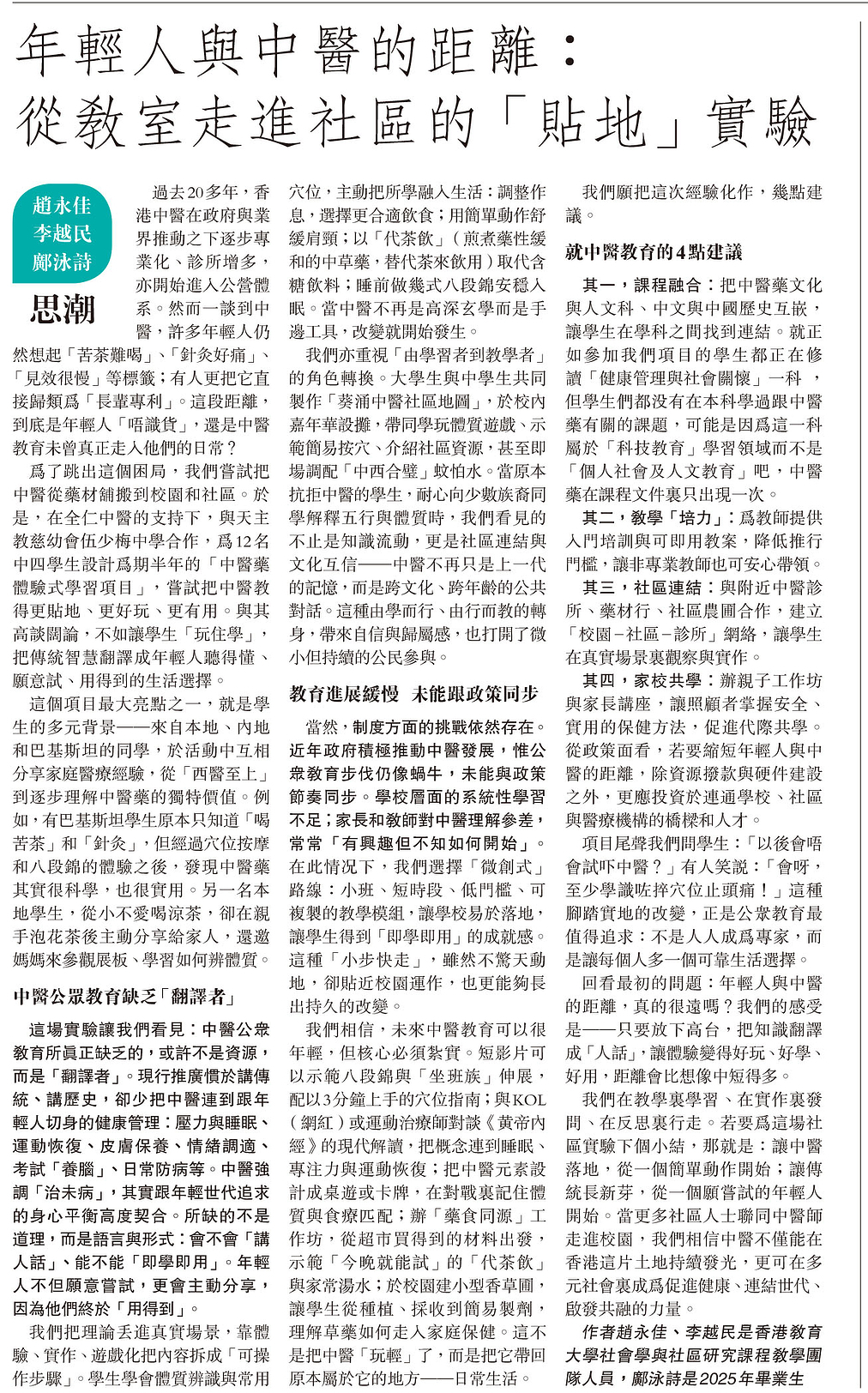
Click here to read more
趙永佳教授、李越民博士、蘇皓宏先生:未來城市:帶皇后山小學生認識龍躍頭 社會學落地 辦一場家門前的文化教育
Ming Pao, 2/11/2025
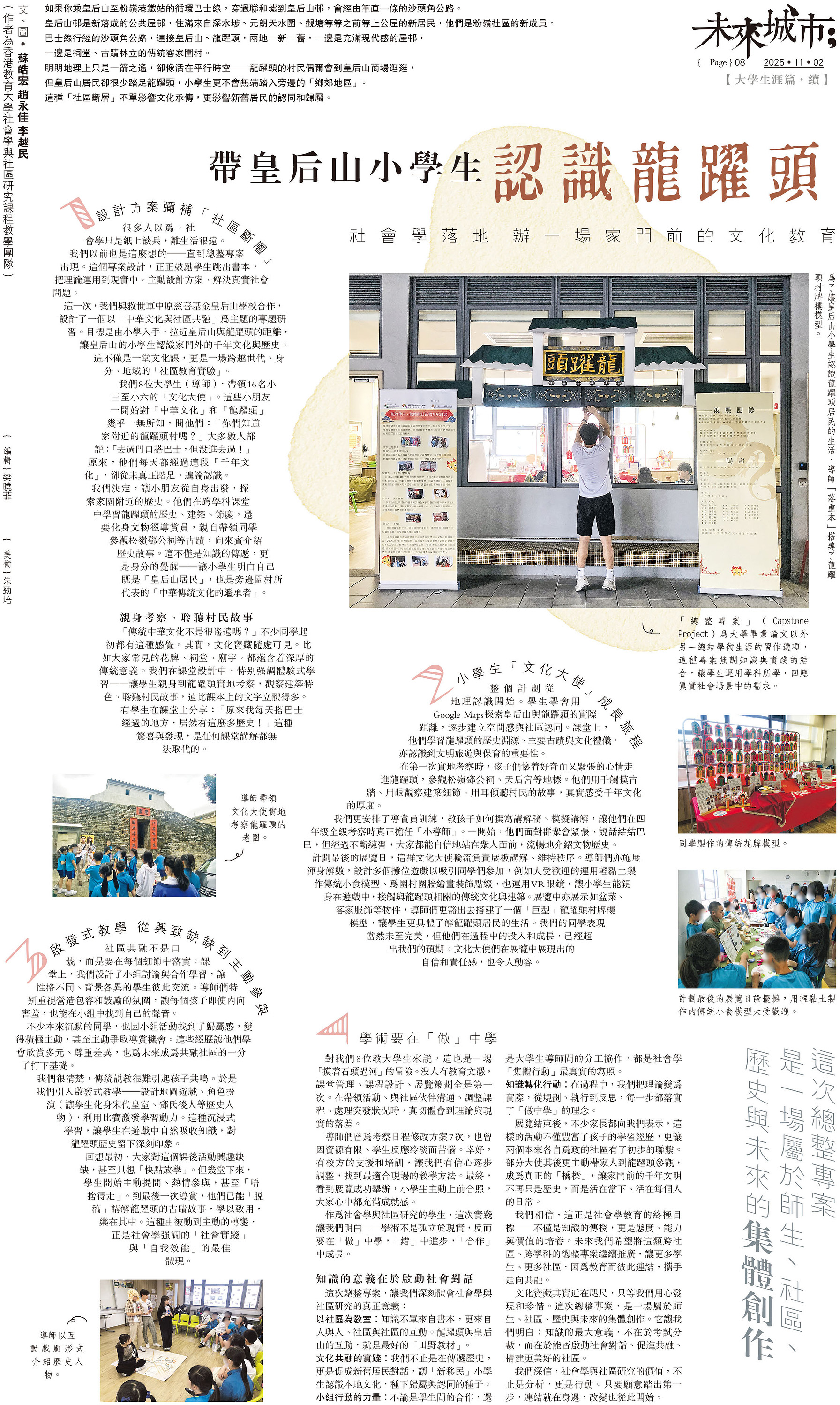
Click here to read more
趙永佳教授、李越民博士、楊健文先生:未來城市:不寫畢業論文 如何總結大學生涯?
Ming Pao, 26/10/2025
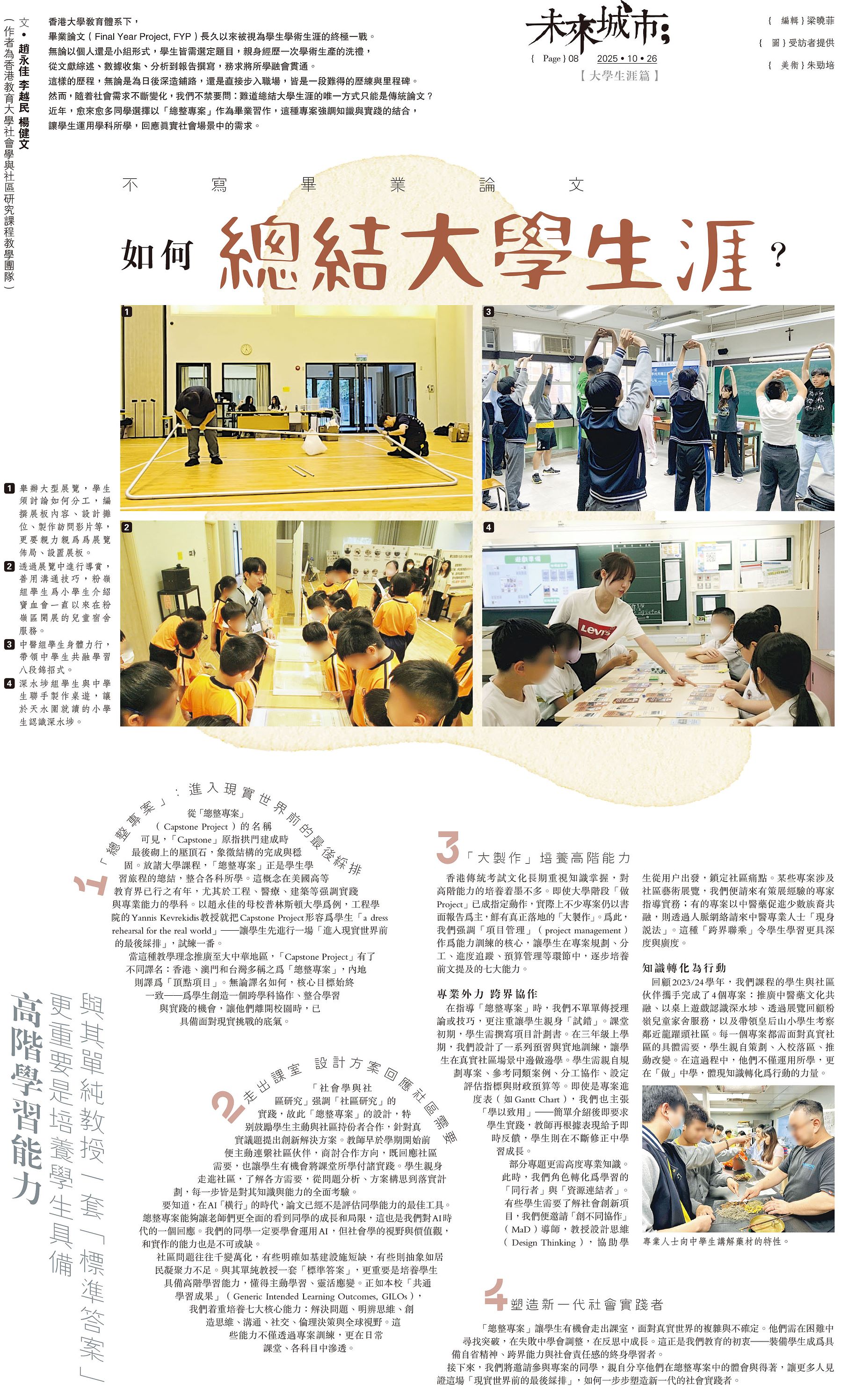
 Click here to read more
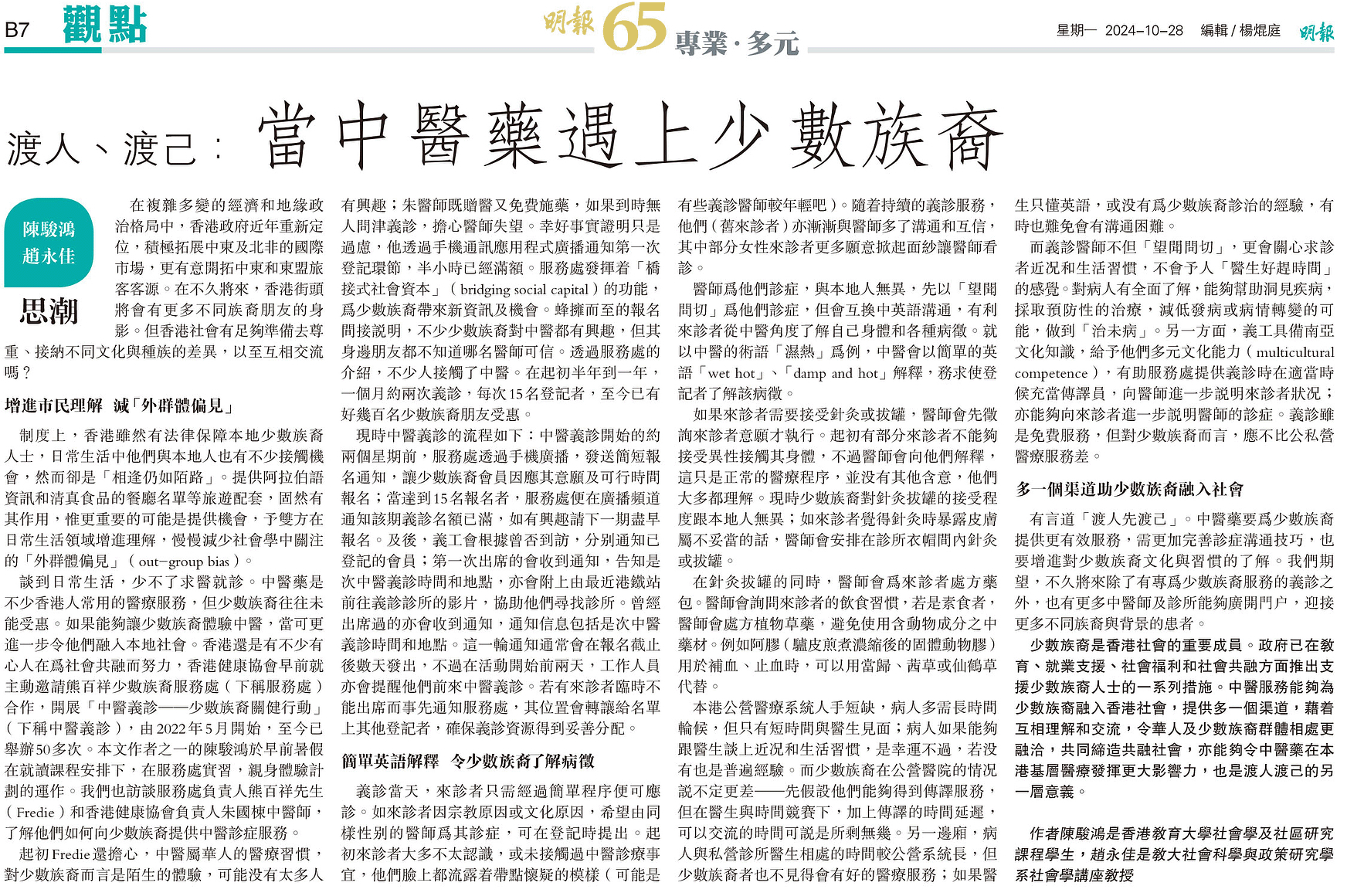
陳駿鴻、趙永佳:渡人、渡己:當中醫藥遇上少數族裔
Ming Pao, 28/10/2024
 Click here to read more
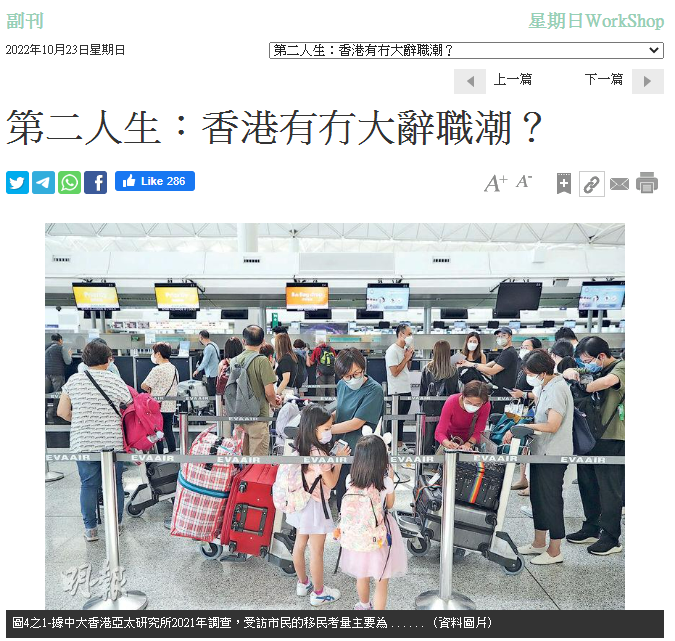
趙永佳︰第二人生︰香港有冇大辭職潮?
Ming Pao, 23/10/2022

Click here to read more
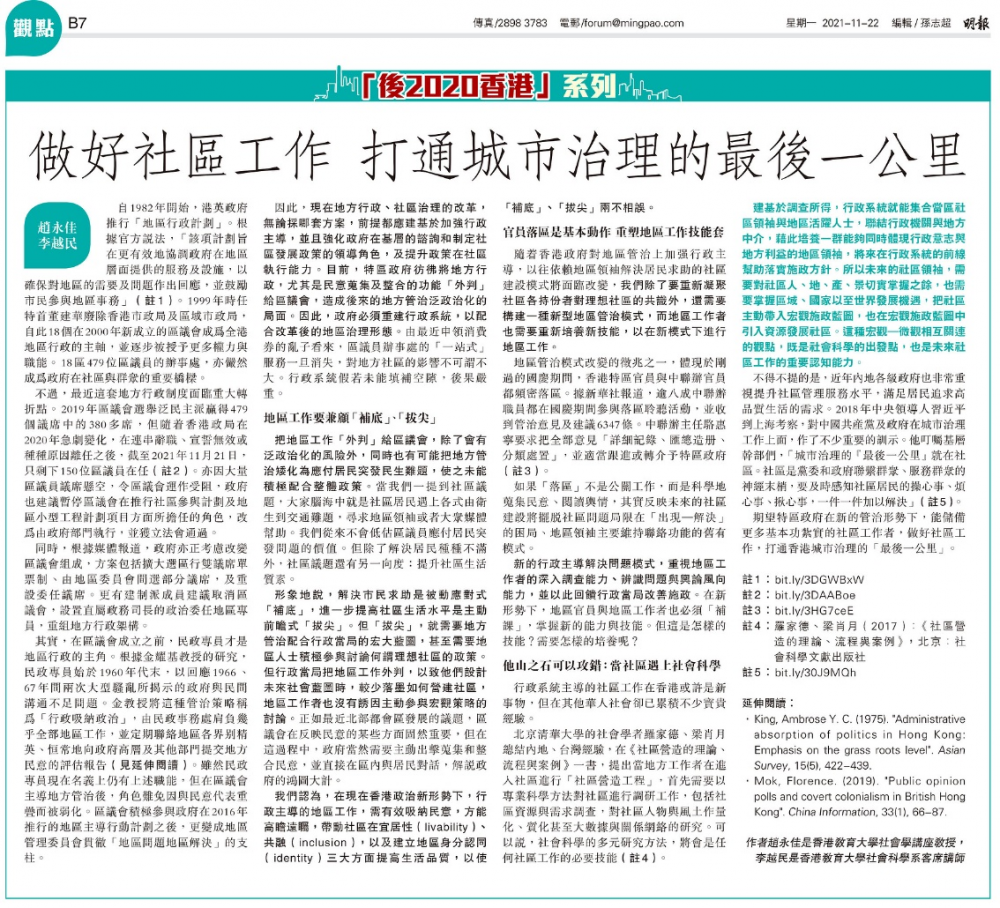
趙永佳、李越民:做好社區工作 打通城市治理的最後一公里
Ming Pao, 22/11/2021

Click here to read more
This programme will play special attention to the fostering of portable skills and generic competencies that could be applied in a wide range of professional settings. The programme's emphasis on equipping students with a full range of research tools, both qualitative and quantitative, will benefit students' career development significantly. Its focus on a sociological perspective in community contexts will also ensure that much of what students learn here would have practical applications.
Graduates can find employment across a wide range of fields, including: community development workers, non-governmental organisation officers, community liaison officers in government departments and public organizations, international aid/development workers, public relations officers, social and marketing researchers, research assistants in academic institutions, and youth workers.