



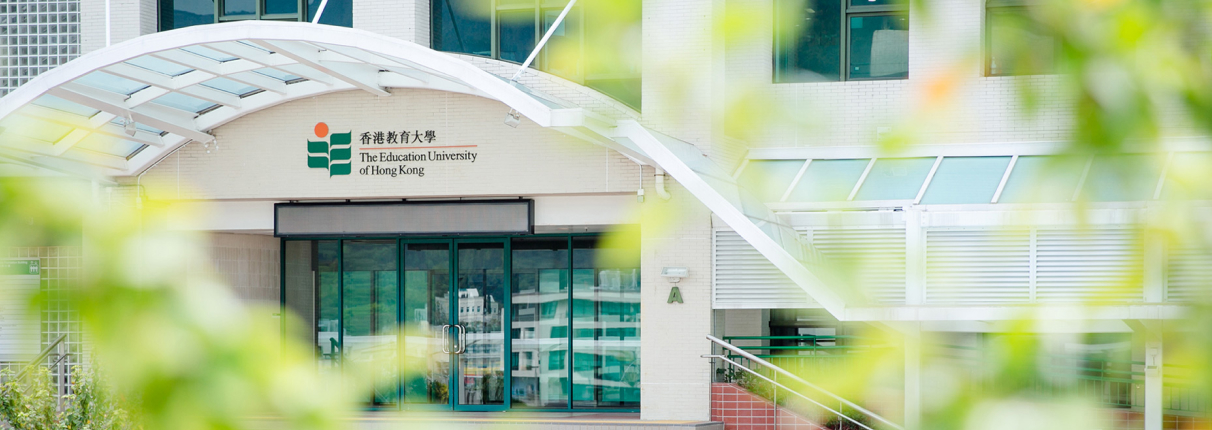


Embracing the Spirit of the Curriculum: Primary Humanities Professional Exchange Conference
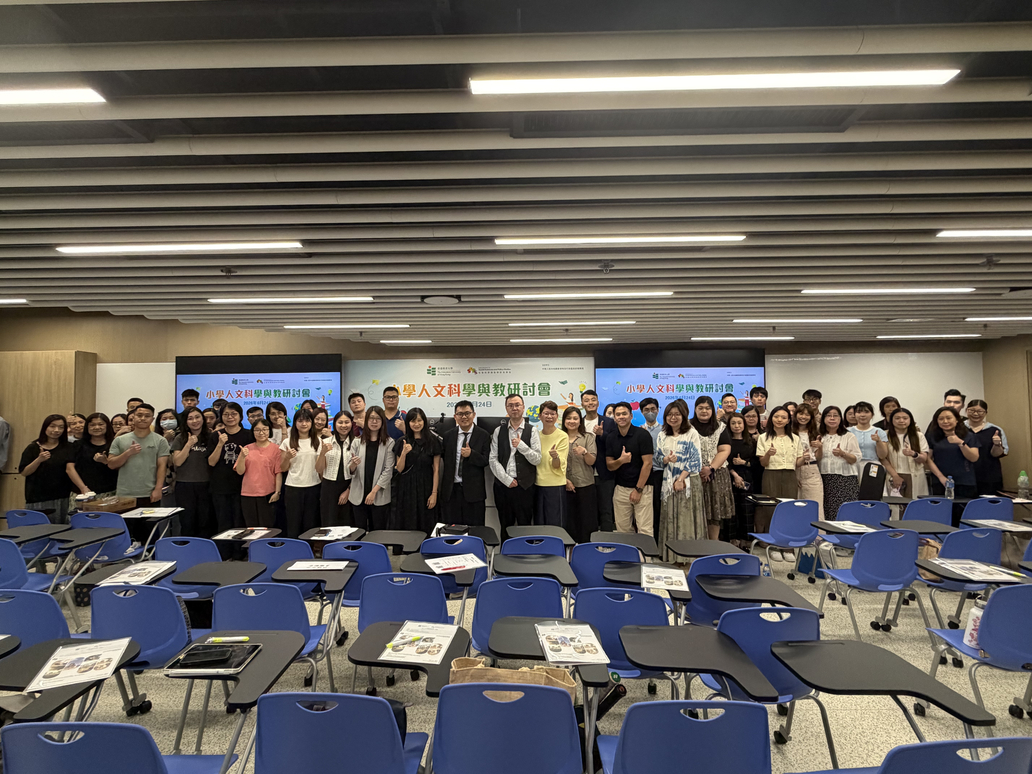
On 24 June 2026, the Department of Social Sciences and Policy Studies (SSPS) of The Education University of Hong Kong, in collaboration with the Education Bureau (EDB) of the Government of the Hong Kong Special Administrative Region of the People's Republic of China, successfully hosted the Primary Humanities Professional Exchange Conference. The conference took place at the University’s West Kowloon Study Centre (Austin Road) at the Xiqu Centre, bringing together educators, researchers, and practitioners to share insights on the teaching and learning of Primary Humanities.
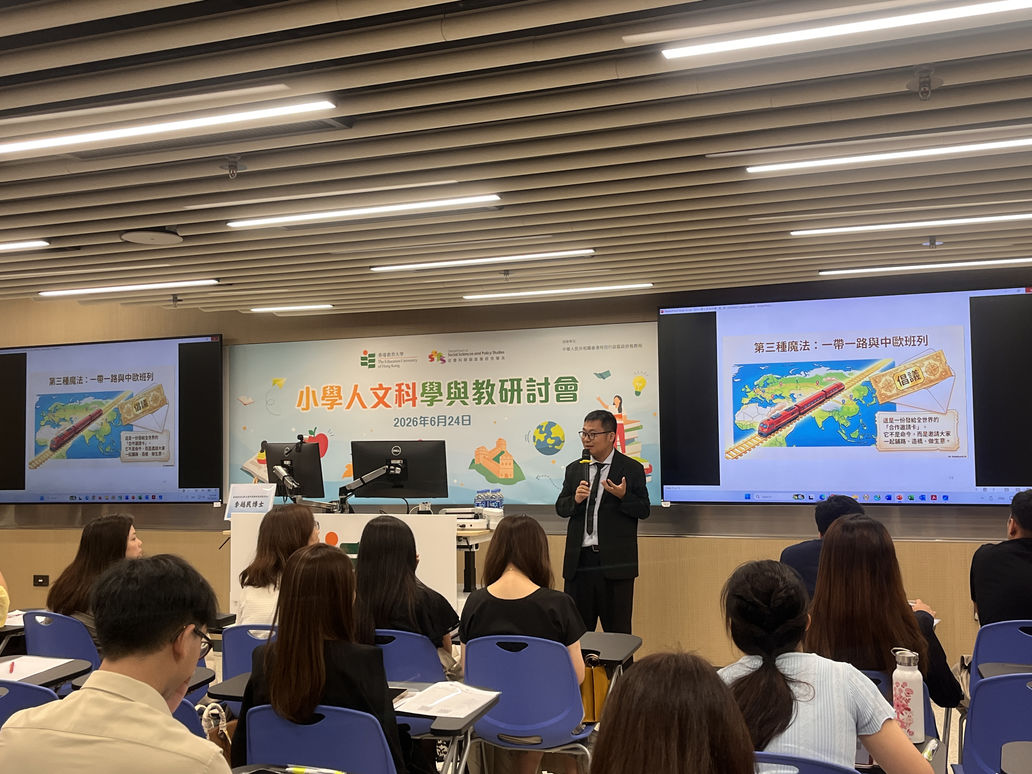
The conference opened with a welcome address by a representative of SSPS, setting the tone for an afternoon of rich academic exchange. Dr. LI Yuet Man Benjamin followed with a keynote on “Learning, Teaching, and Assessment in Primary Humanities [小學人文科的學、教、評]”, offering participants a comprehensive overview of pedagogical approaches and evaluation strategies.
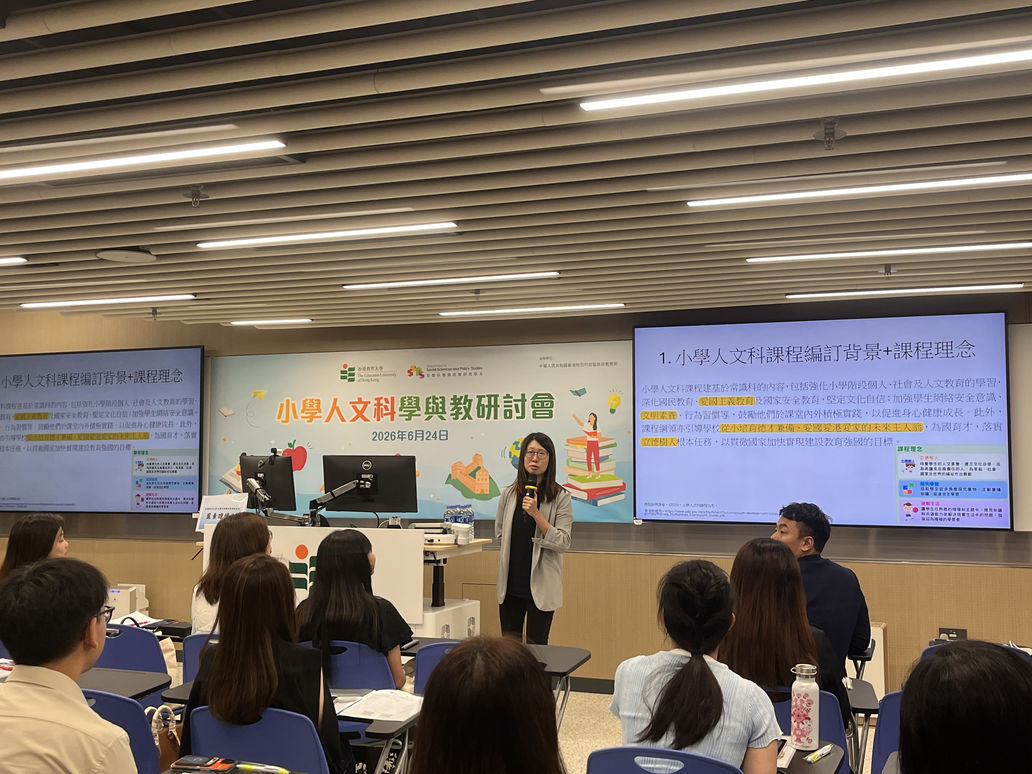
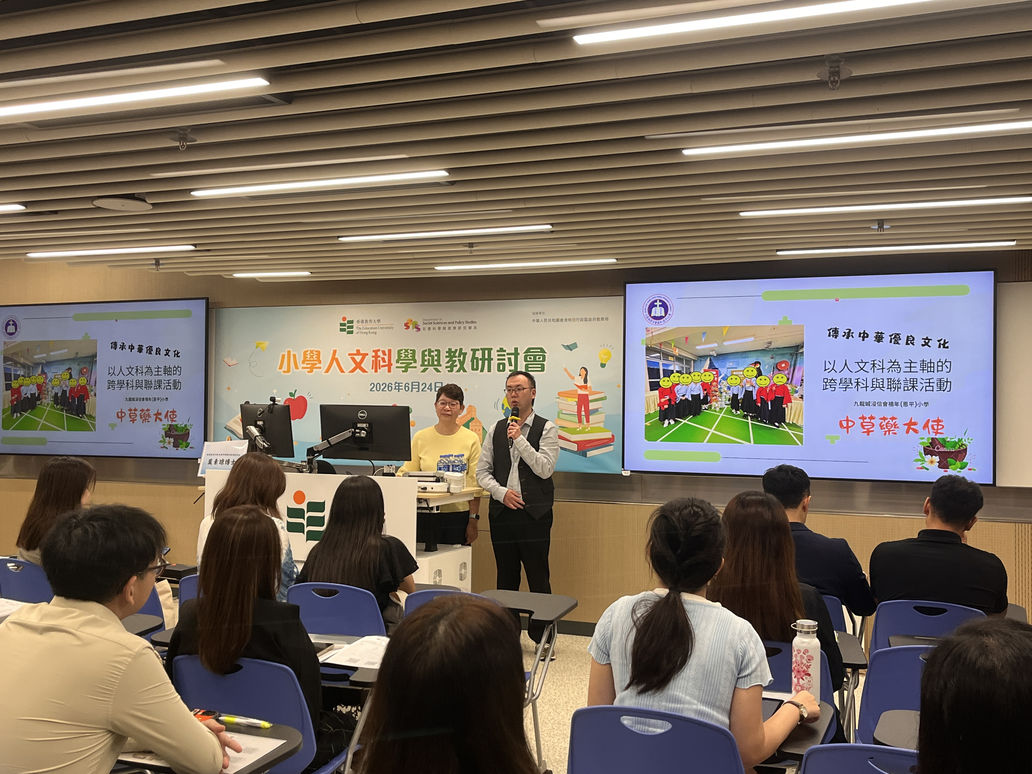
This was complemented by Dr. YIP So King Kristy’s presentation on “Cross-Curricular Learning in Primary Humanities [小學人文科的跨課程學習]”, along with the sharing from the two representatives of Kowloon City Baptist Church Hay Nien (Yan Ping) Primary School, which highlighted innovative practices for integrating humanities across subject boundaries.
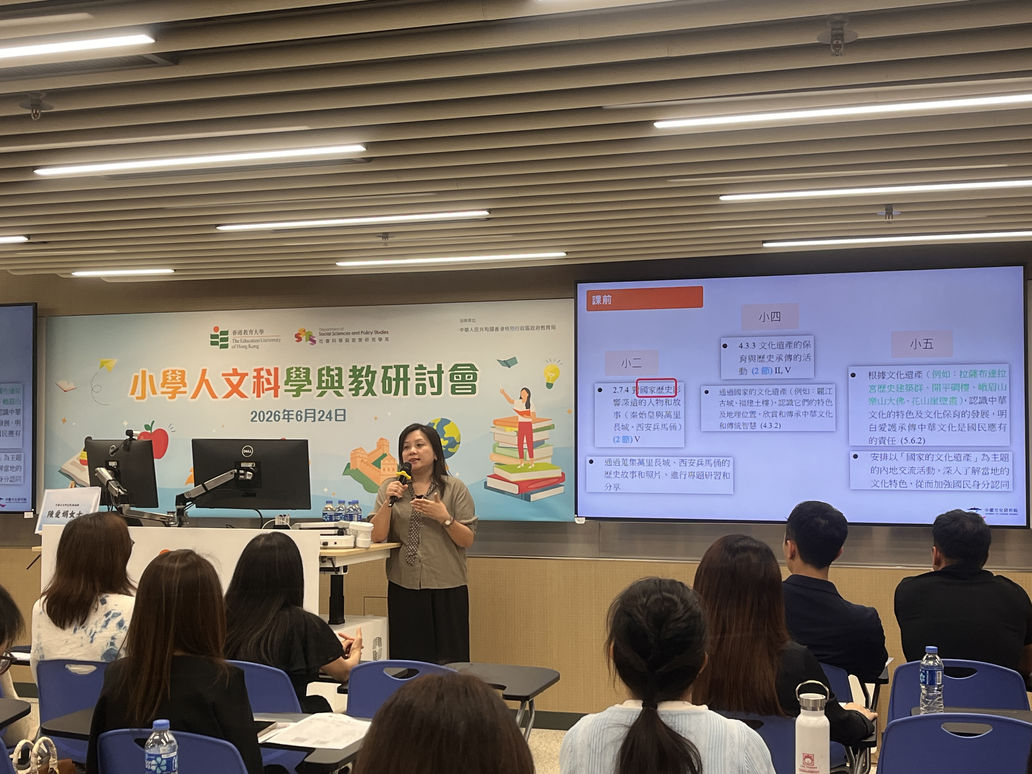
After a short break, Ms. Sally CHAN, Chief Editor of the Academy of Chinese Studies, engaged the audience with her talk on “Learning Primary Humanities through Cultural Artefacts [透過文物學習小學人文科]”. Her session underscored the importance of cultural heritage in cultivating students’ cultural awareness.
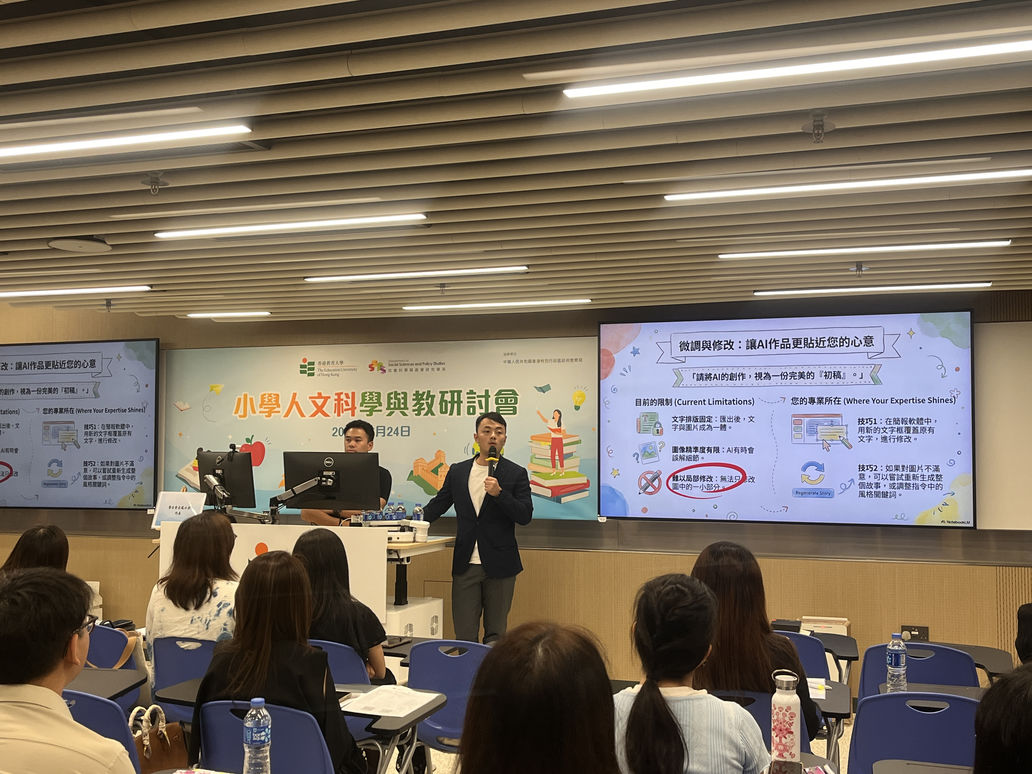
The conference then turned to forward-looking pedagogy, with Mr. WONG Sai-wa and Mr WONG Wai-kin, Vice Principal and teacher from S.K.H. Holy Spirit Primary School, sharing practical experiences on “Using Artificial Intelligence to Enhance Teaching and Learning in Primary Humanities [運用人工智能促進小學人文科的學與教]”. This session sparked lively discussion on the role of emerging technologies in the classroom.
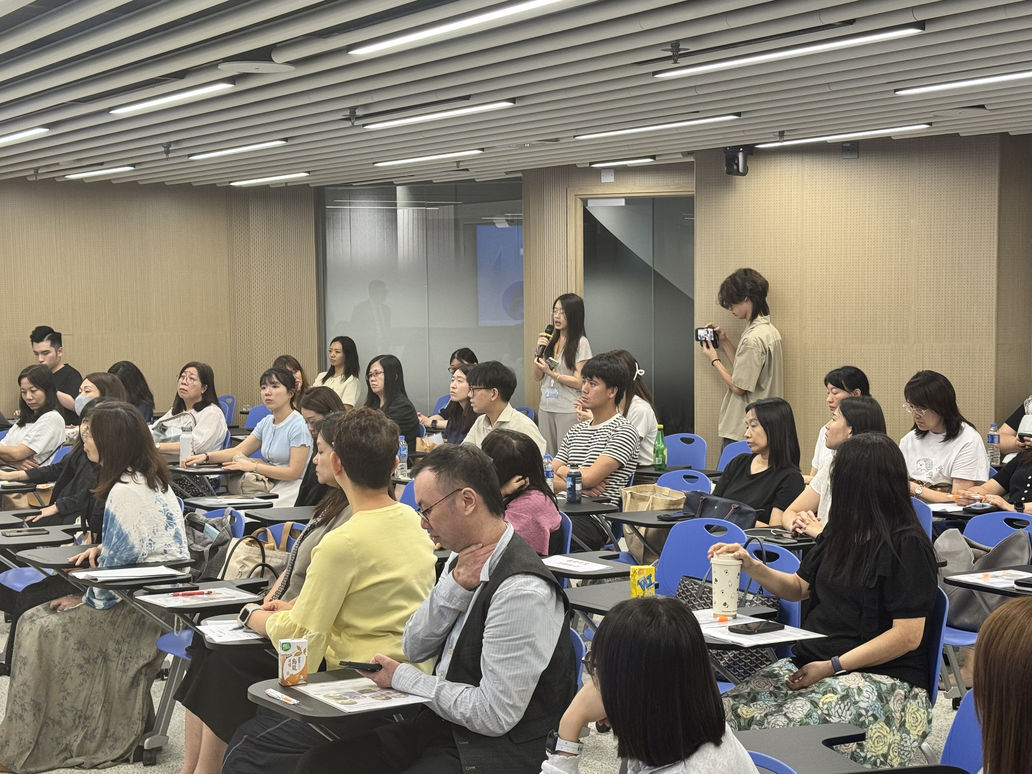
The program concluded with a Q&A session, where all speakers joined to address participants’ questions and reflect collectively on the challenges and opportunities in advancing Primary Humanities education.
By combining expert perspectives, practical school-based experiences, and interactive dialogue, the conference provided a valuable platform for educators to deepen their understanding of the curriculum and to explore innovative teaching strategies. It reaffirmed the importance of nurturing students’ appreciation of humanities, while embracing new pedagogical tools to meet the needs of 21st-century learners.