



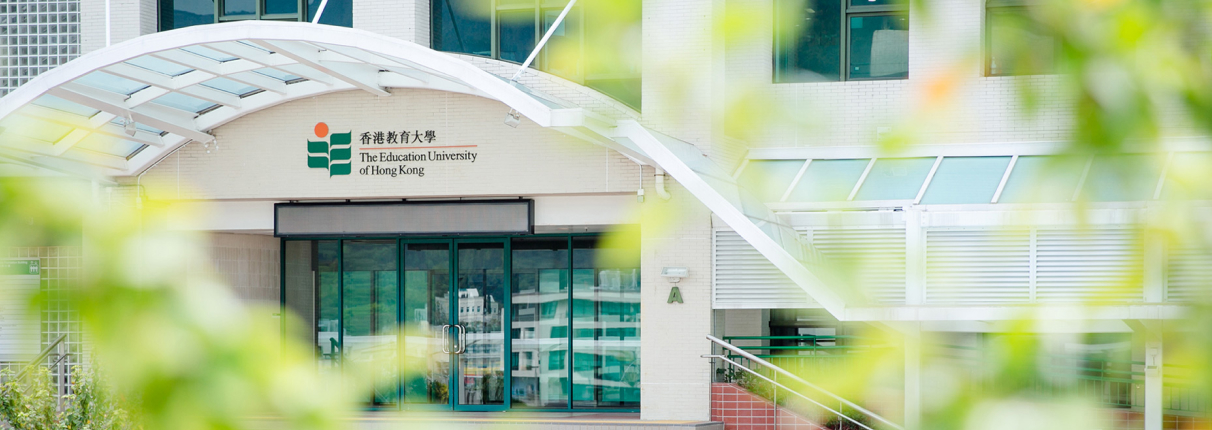


We are proud and excited to announce that MPPM has officially become a member of the Network of Schools of Public Policy, Affairs, and Administration (NASPAA) as of October 2025, marking a significant milestone in our programme’s development and international visibility.
NASPAA (www.naspaa.org) is a prestigious international membership organisation dedicated to graduate education in public policy, public affairs, public administration, and public & nonprofit management, comprising over 300 leading institutions worldwide, such as Harvard University, University of Chicago, Princeton University, UC Berkeley, and Tsinghua University.
As NASPAA members, our students will gain access to a wide range of resources and opportunities, including professional development, networking, and global collaboration. The membership not only reflects the continued growth and excellence of the MPPM programme, but also enhances its global recognition and visibility.
We look forward to leveraging this platform to further enrich our students’ learning experience and strengthen our international engagement.
The Master of Public Policy and Management (MPPM) programme is proud to announce that four students from the Spring 2025 intake: Mr XIE Jiyang (team leader), Mr SHI Wenzhe, Miss CHAN Pui Yin, and Miss DU Haojing, supervised by Research Assistant Professor Dr Yara WANG and Teaching Assistant Ms Terri LIU, have won the Second Prize at the prestigious 15th National Mock Mayor Competition (GBA Final) held at Shenzhen University on Saturday, 25 October 2025.
As the only team representing Hong Kong universities in the final contest, the MPPM students demonstrated exceptional leadership and innovative policy thinking, distinguishing themselves among top competitors from across the Greater Bay Area. In addition to the team’s outstanding achievement, team leader Mr XIE Jiyang was awarded the ‘Best Mayor Prize’, recognising his exemplary performance as the most outstanding individual participant in the competition.
The team extends their heartfelt gratitude to Dr Fox HU and Dr Vincent WEN for their invaluable support and guidance during the training sessions, which were instrumental to the team’s preparation and success.
Dr Lina VYAS, Programme Leader of MPPM, commented: “We are extremely proud of our students for their hard work, resilience, and commitment to excellence. Their achievements highlight the strength of our programme and the talent within The Education University of Hong Kong’s academic community.”
The MPPM programme continues to uphold its commitment to fostering leadership and innovation in public policy and management, and this award exemplifies the programme's dedication through rigorous academic training, hands-on learning opportunities, and strong mentorship in empowering students to make meaningful contributions to society both regionally and globally.
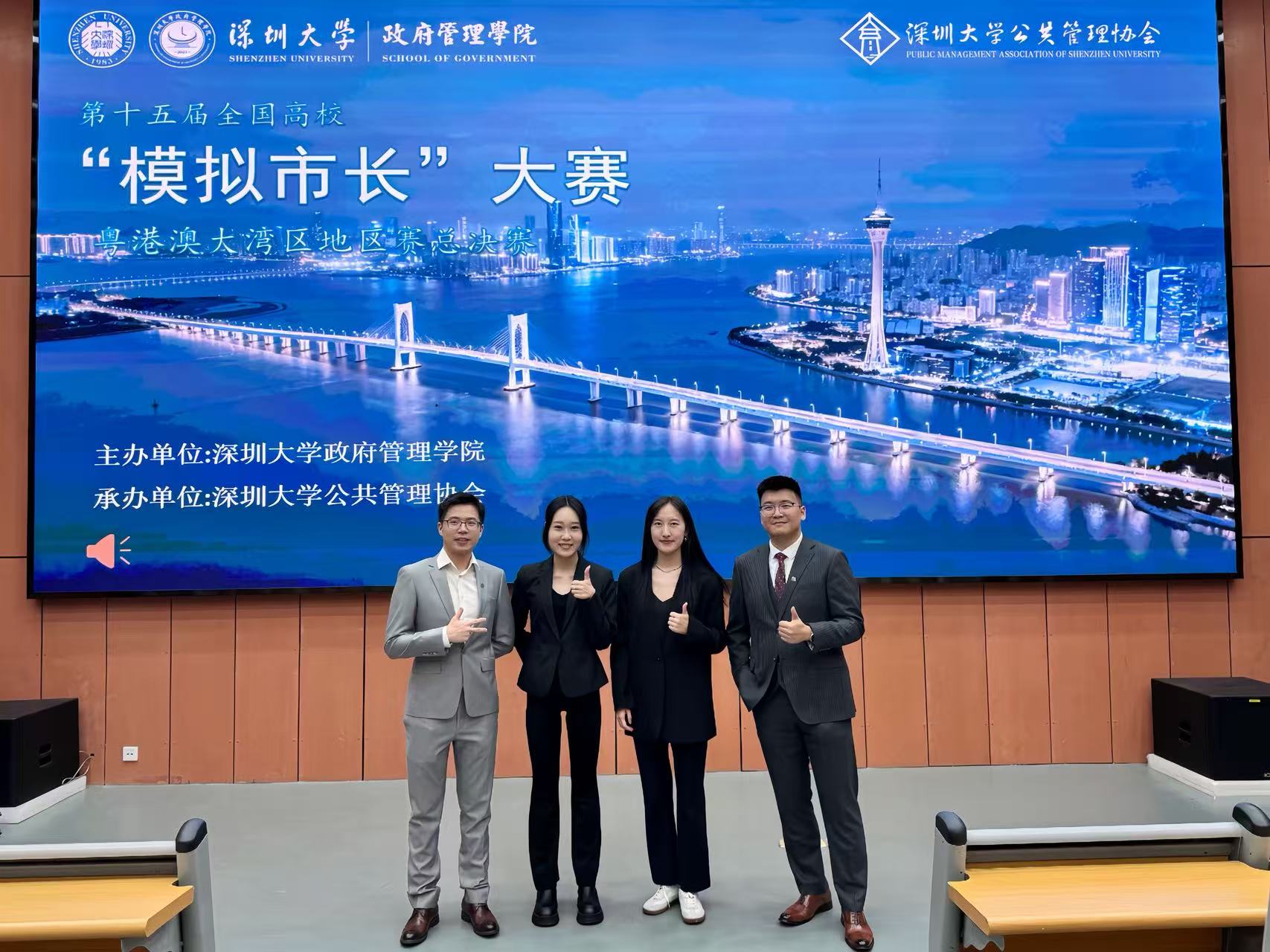
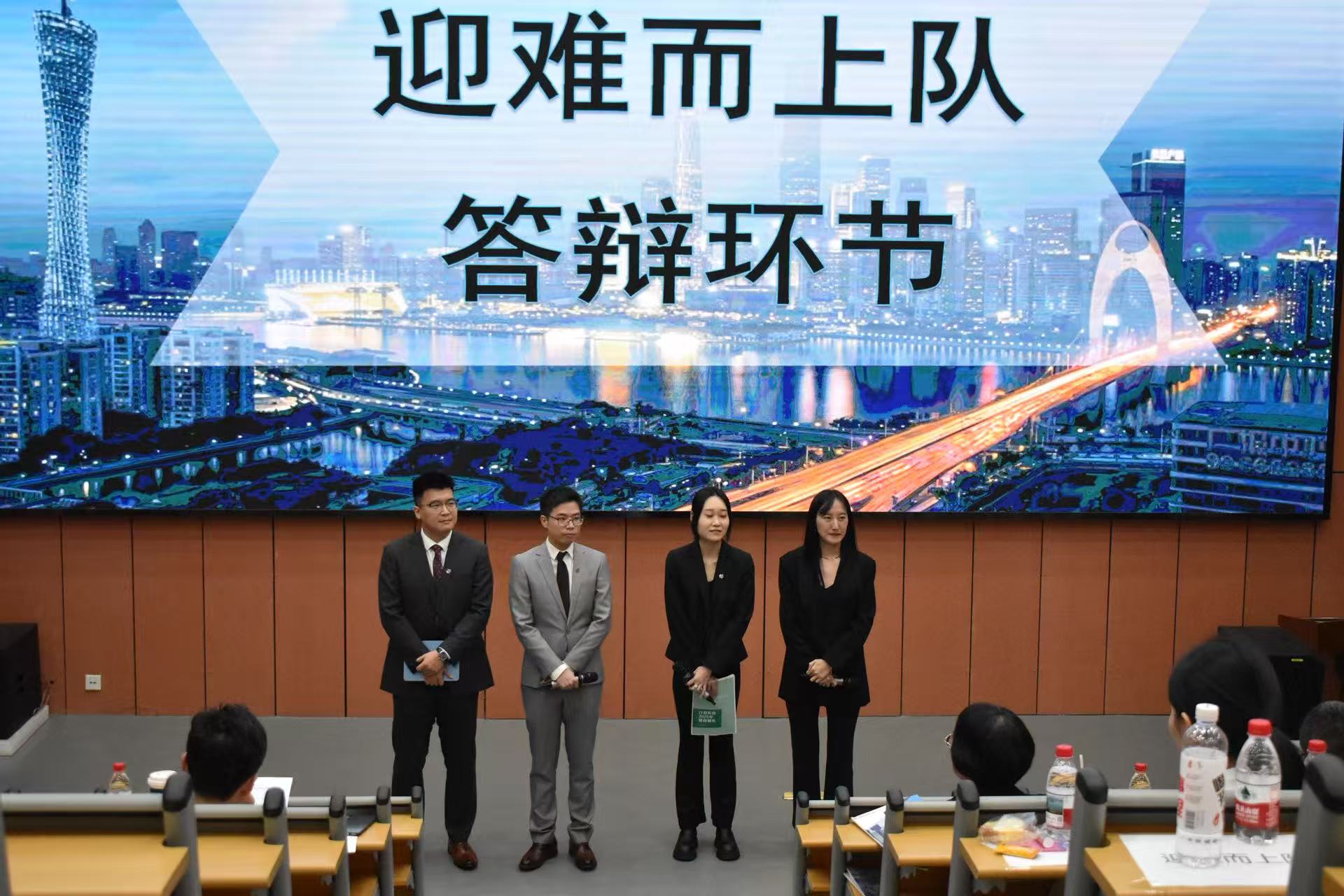
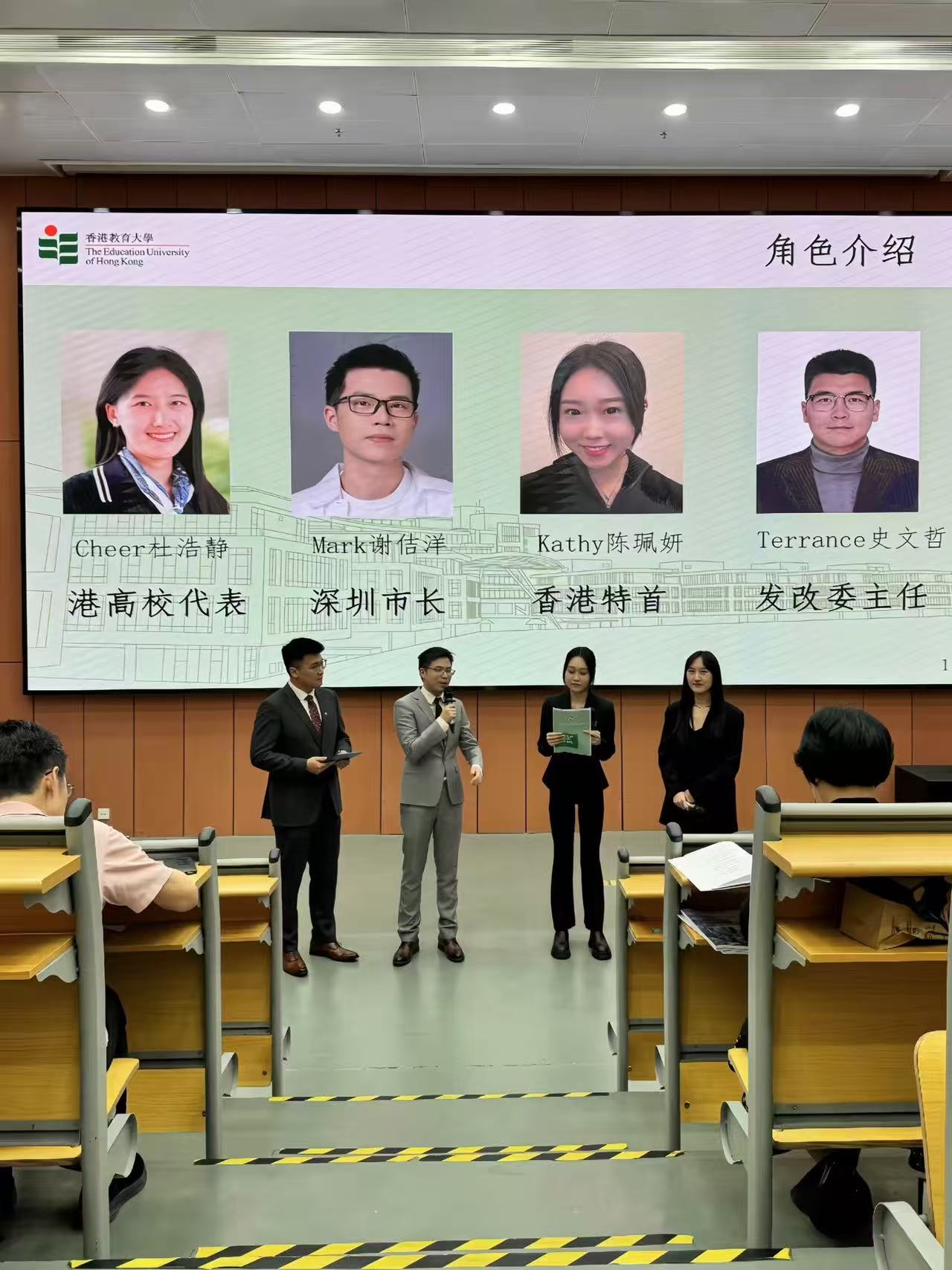
Participating in 15th National Mock Mayor Competition (GBA Final)
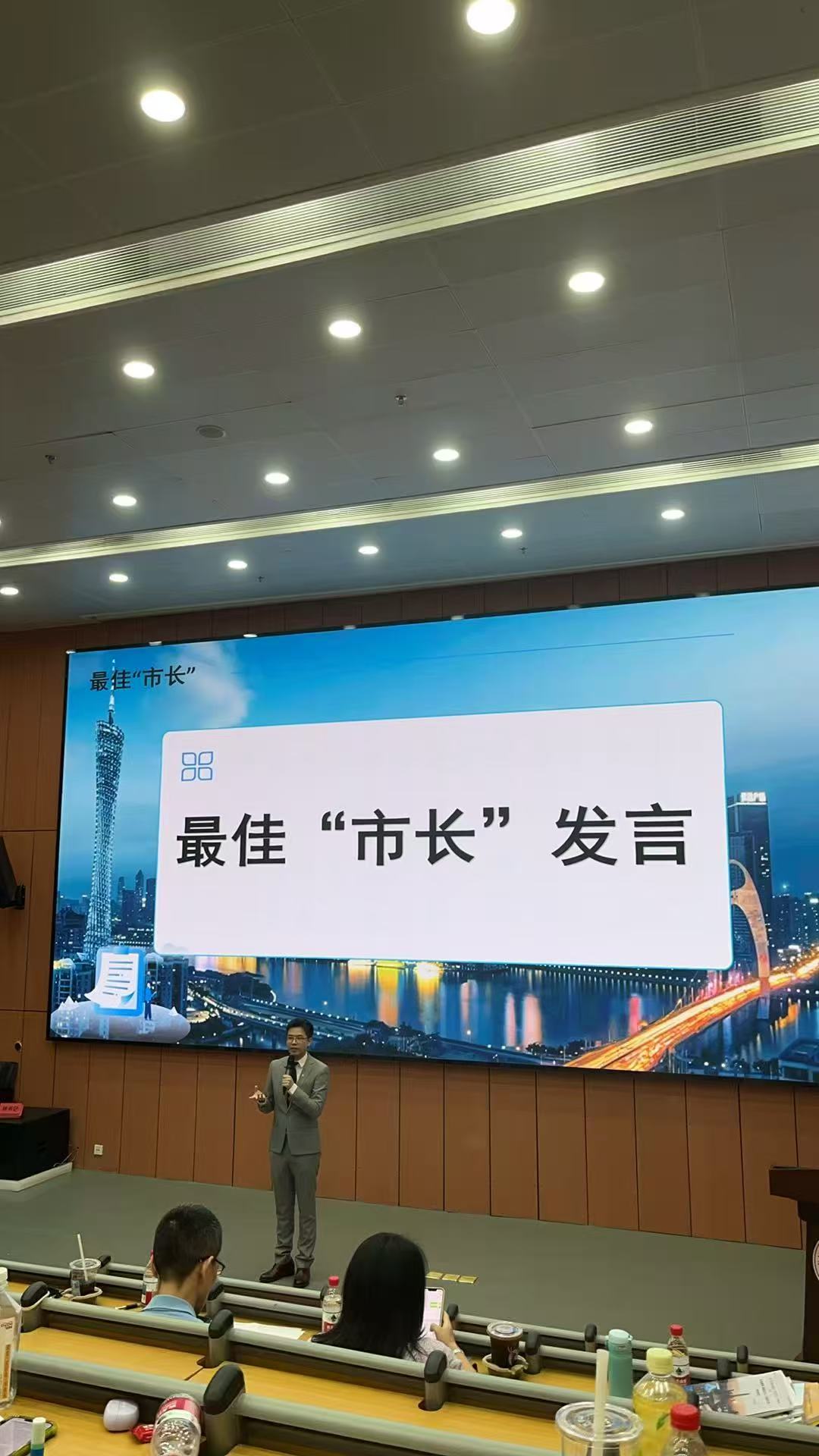
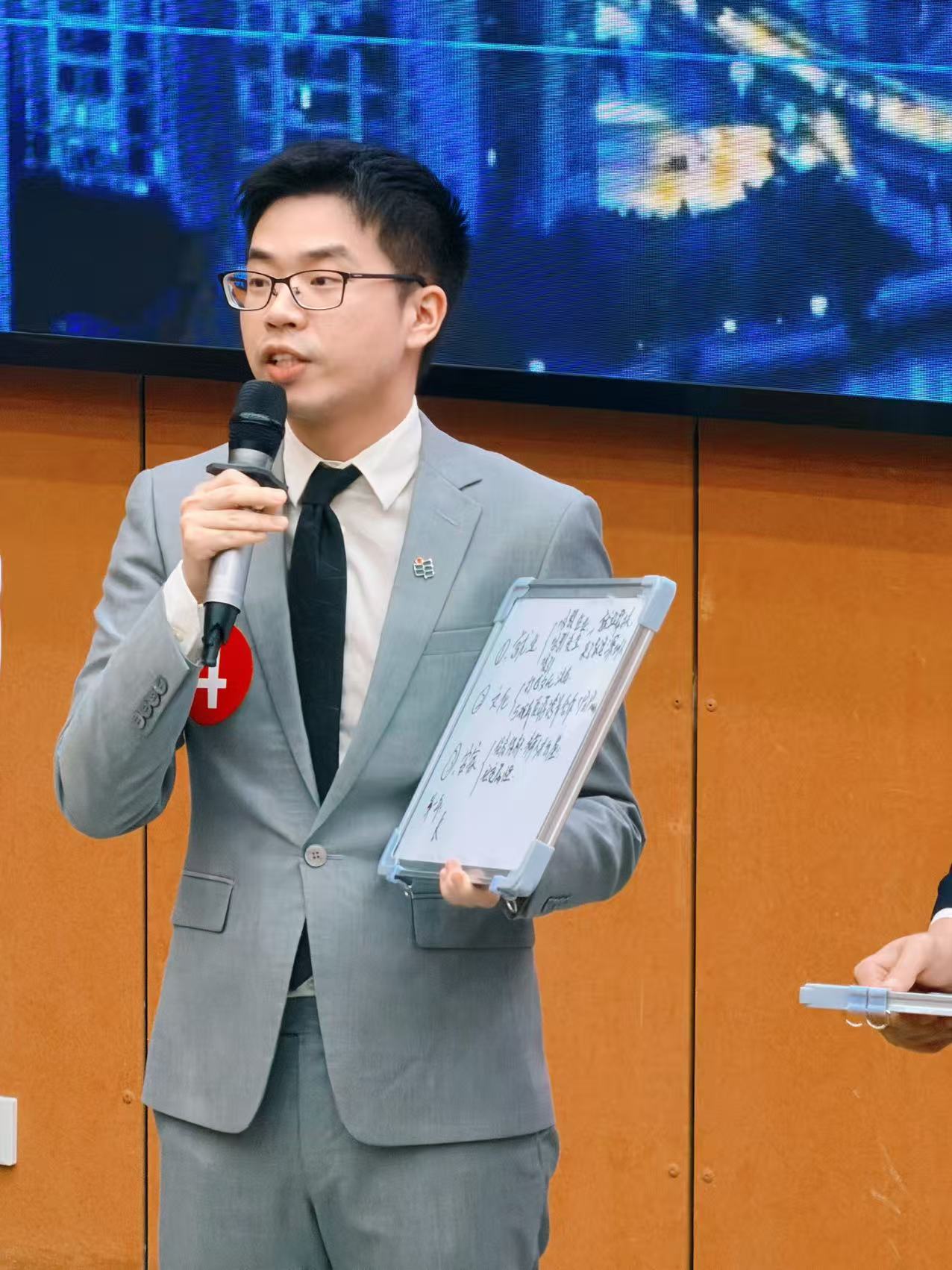
Team Leader Mr XIE Jiyang awarded the ‘Best Mayor Prize’
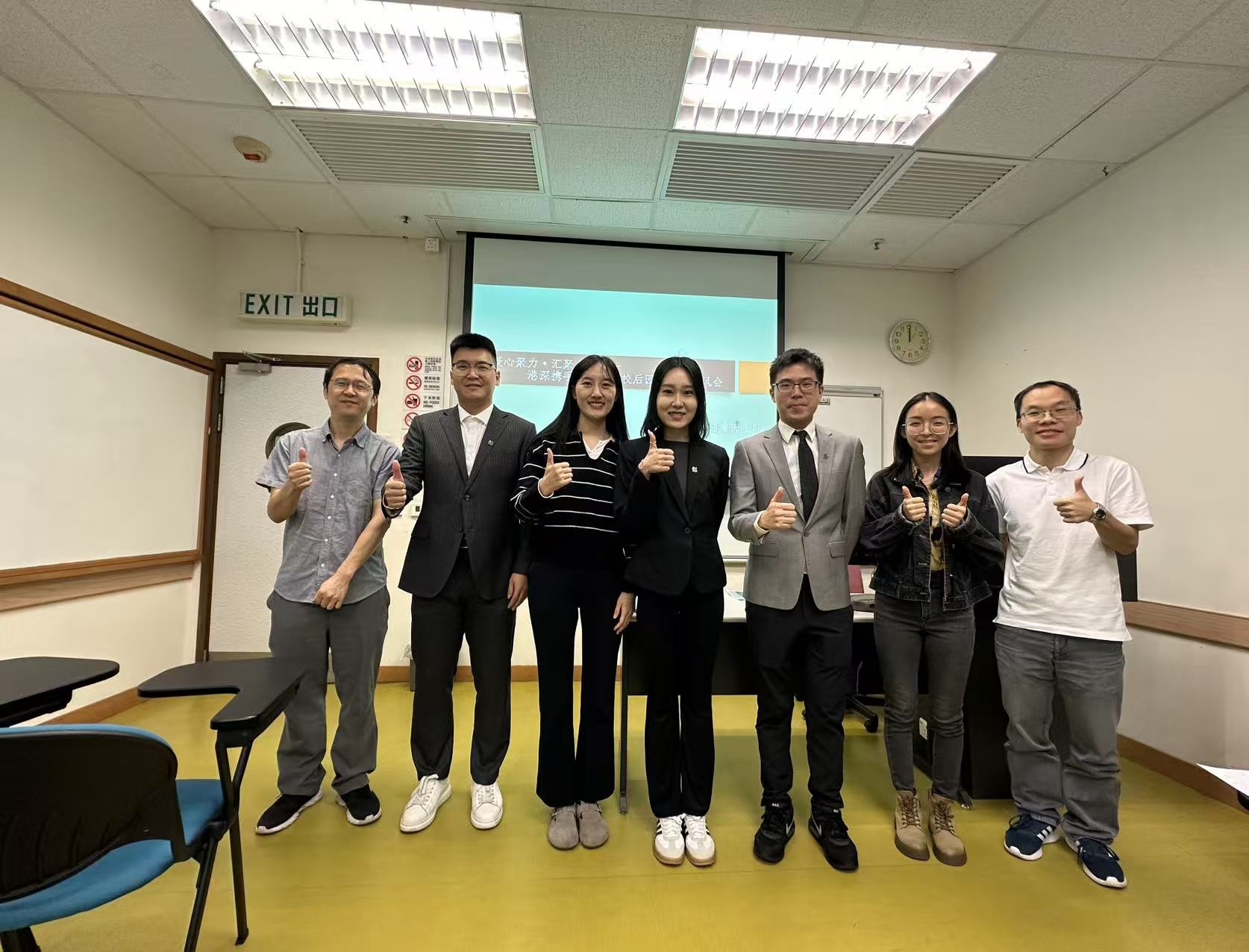
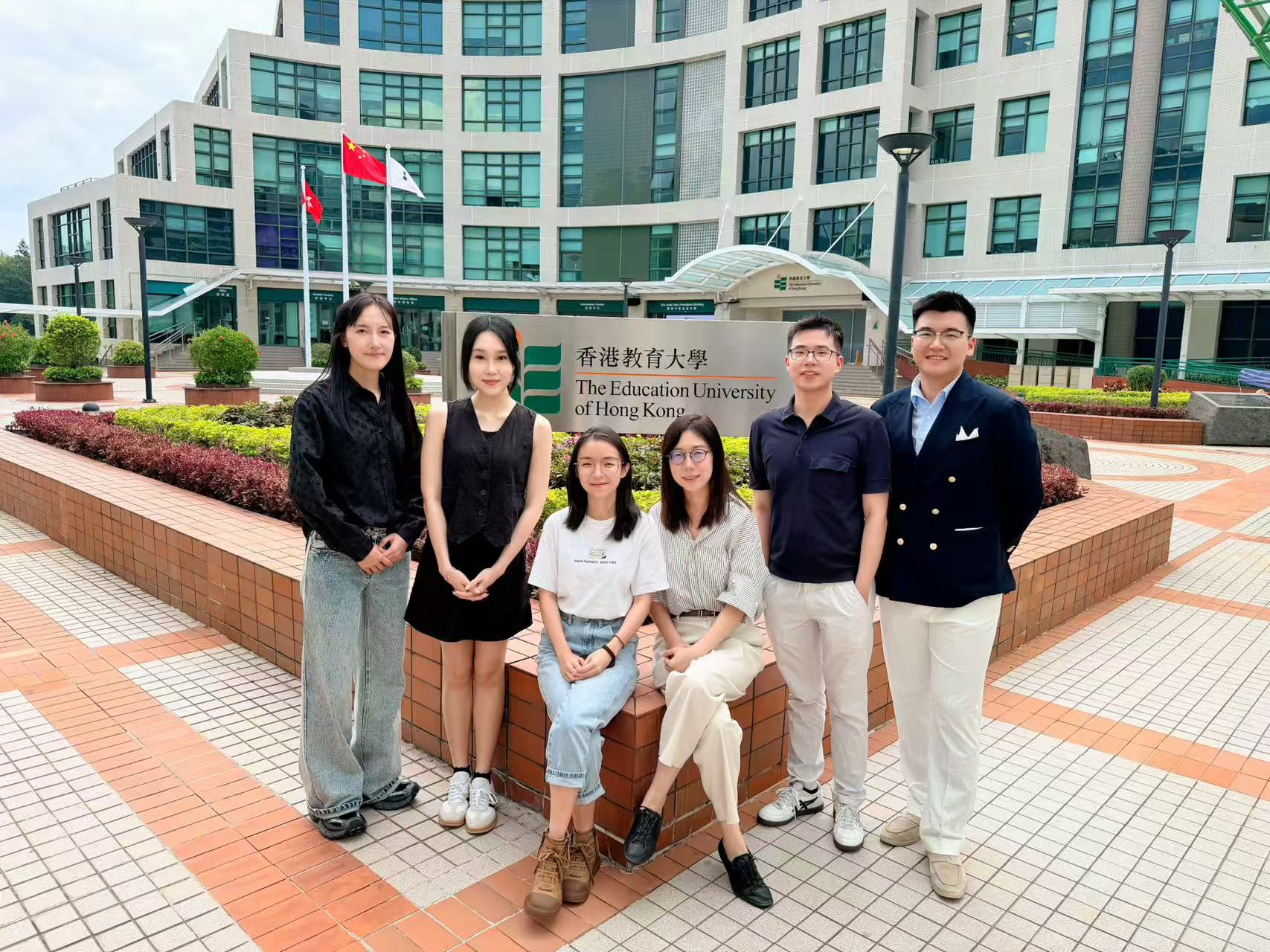
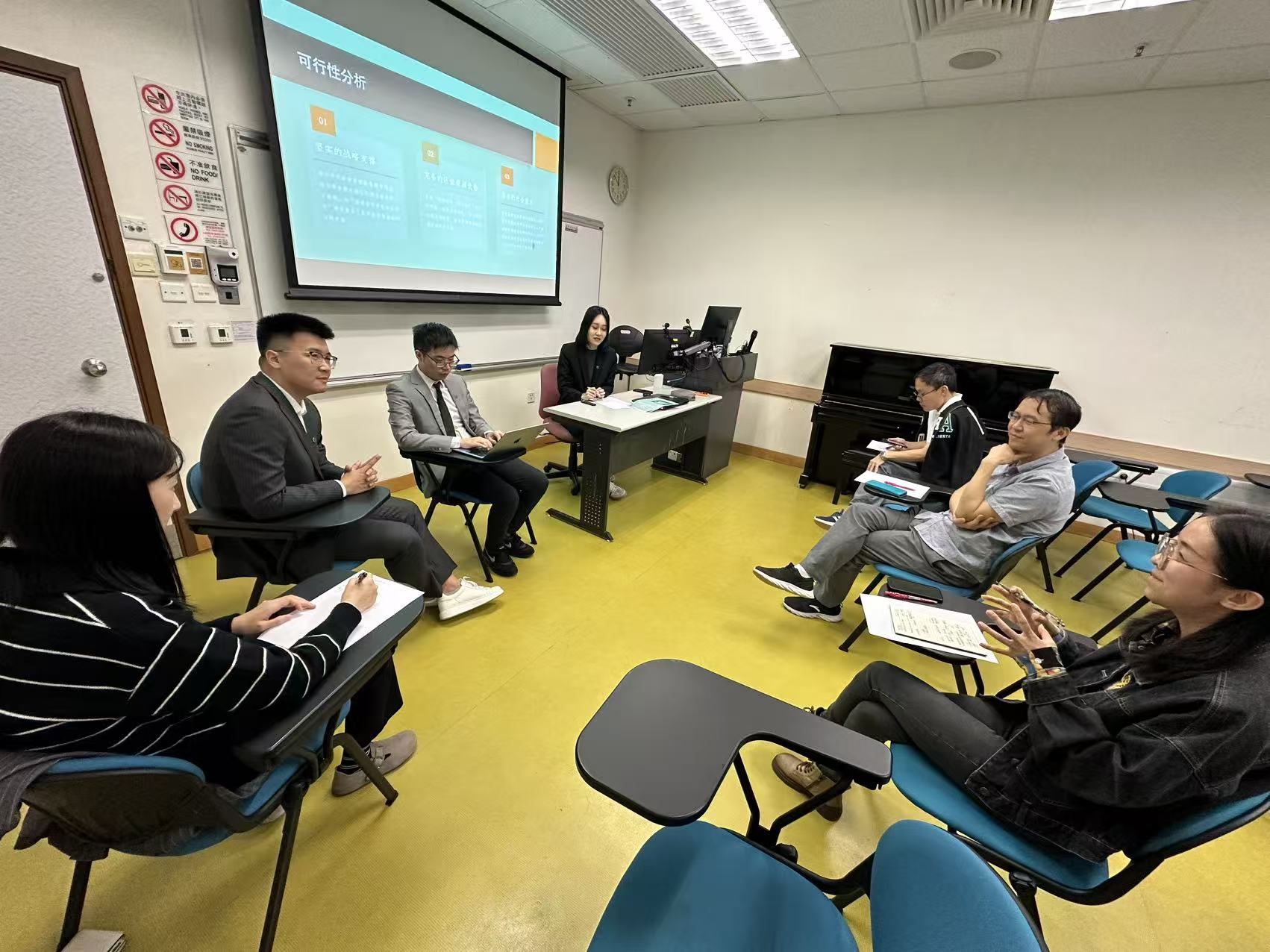
Dr Fox HU, Dr Vincent WEN, Dr Yara WANG and Ms Terri LIU with the Team
On 20 October, the Master of Public Policy and Management Programme was honored to invite Professor Shigeto Sonoda to give a public lecture titled “Connecting China and Japan through Higher Education: A Personal Reflection.” He shared with us his experience in leading transnational education programs across Asia for the past three decades. He talked about the evolving academic cooperations, which started with the early "Kaigai-zemi" (overseas seminars) to large-scale trilateral research and short-term overseas visit programs.
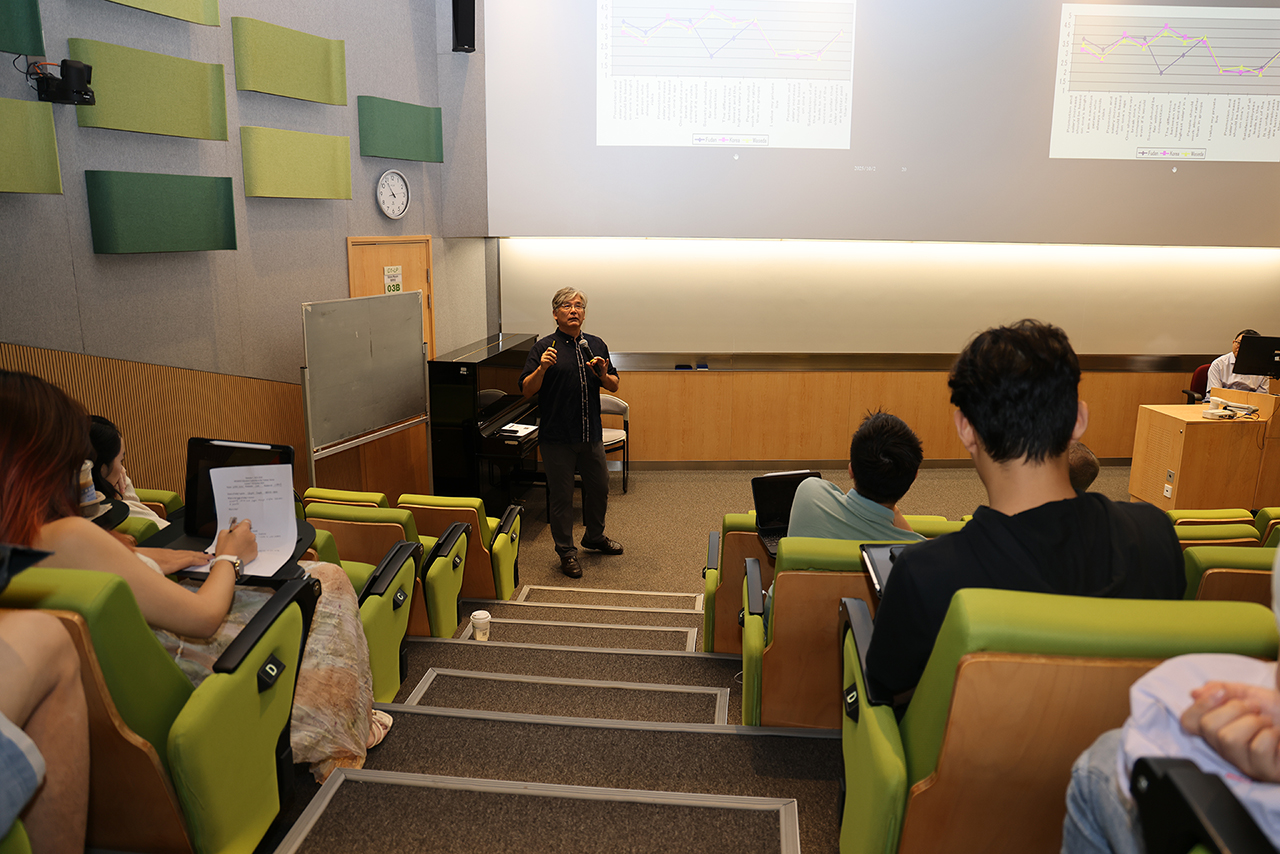
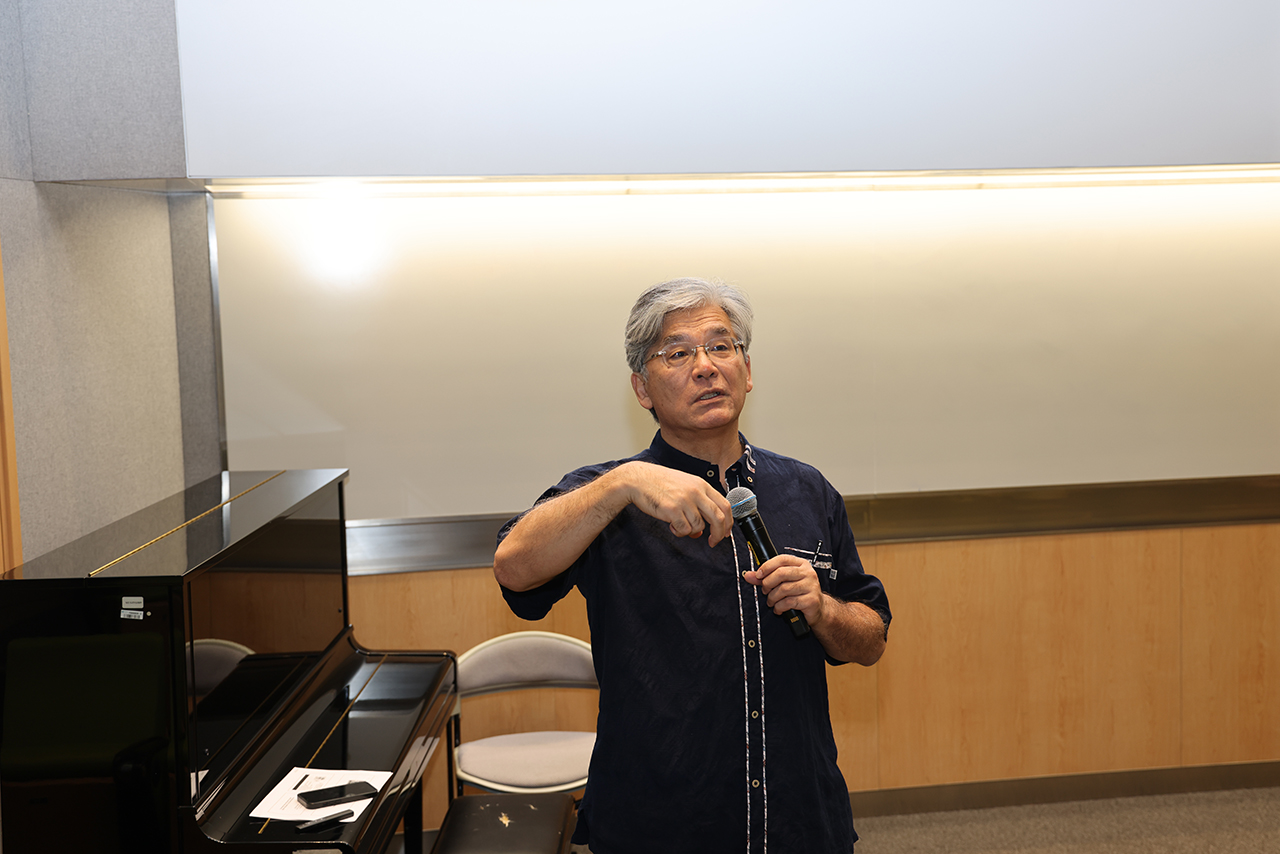
Drawing from his experiences at various universities, he discussed the changing macro conditions of higher education in Japan and explained the importance of establishing academic collaboration. He emphasized how collaborative programs empower students by providing hands-on experience in research and strengthening their essential analytical and presentation skills. He also discussed the increasing importance of establishing co-education and intellectual networks across Asia.
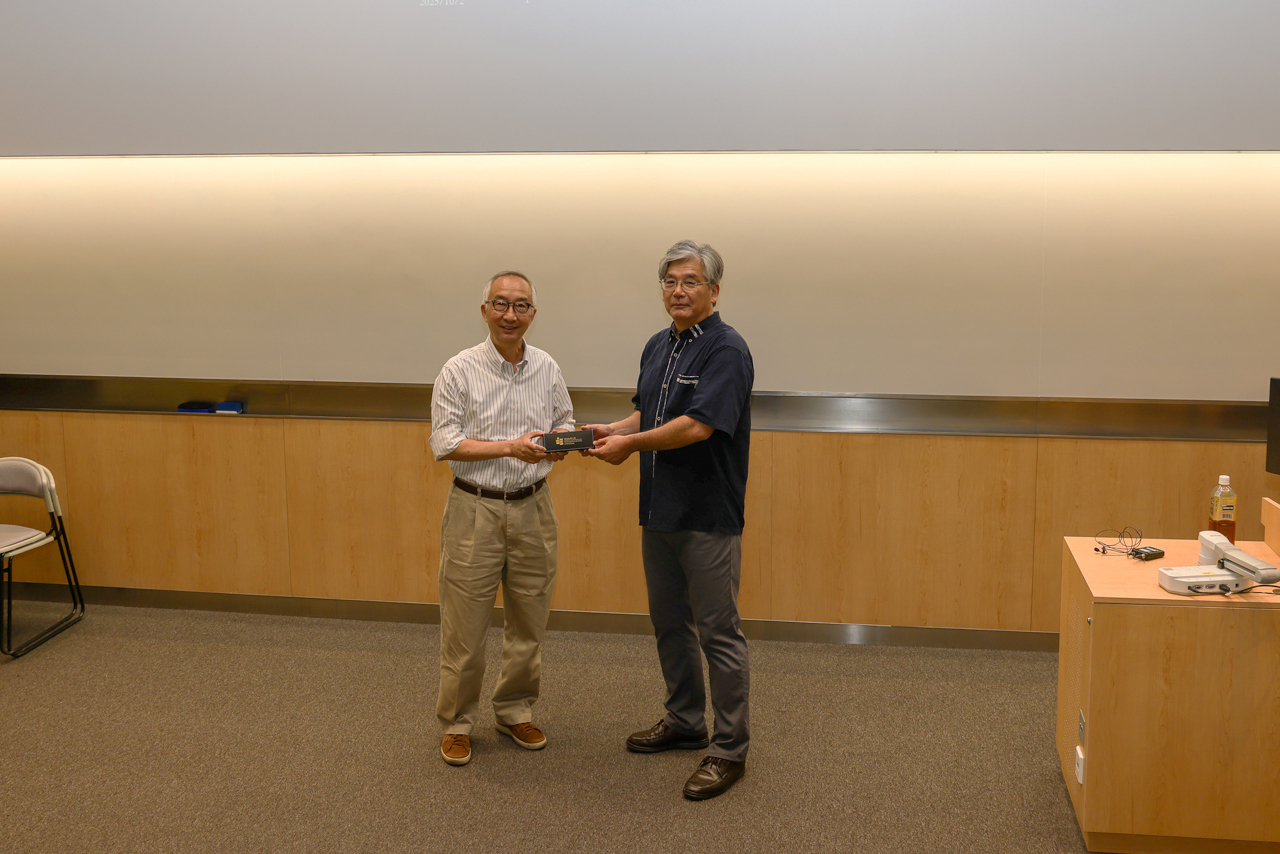
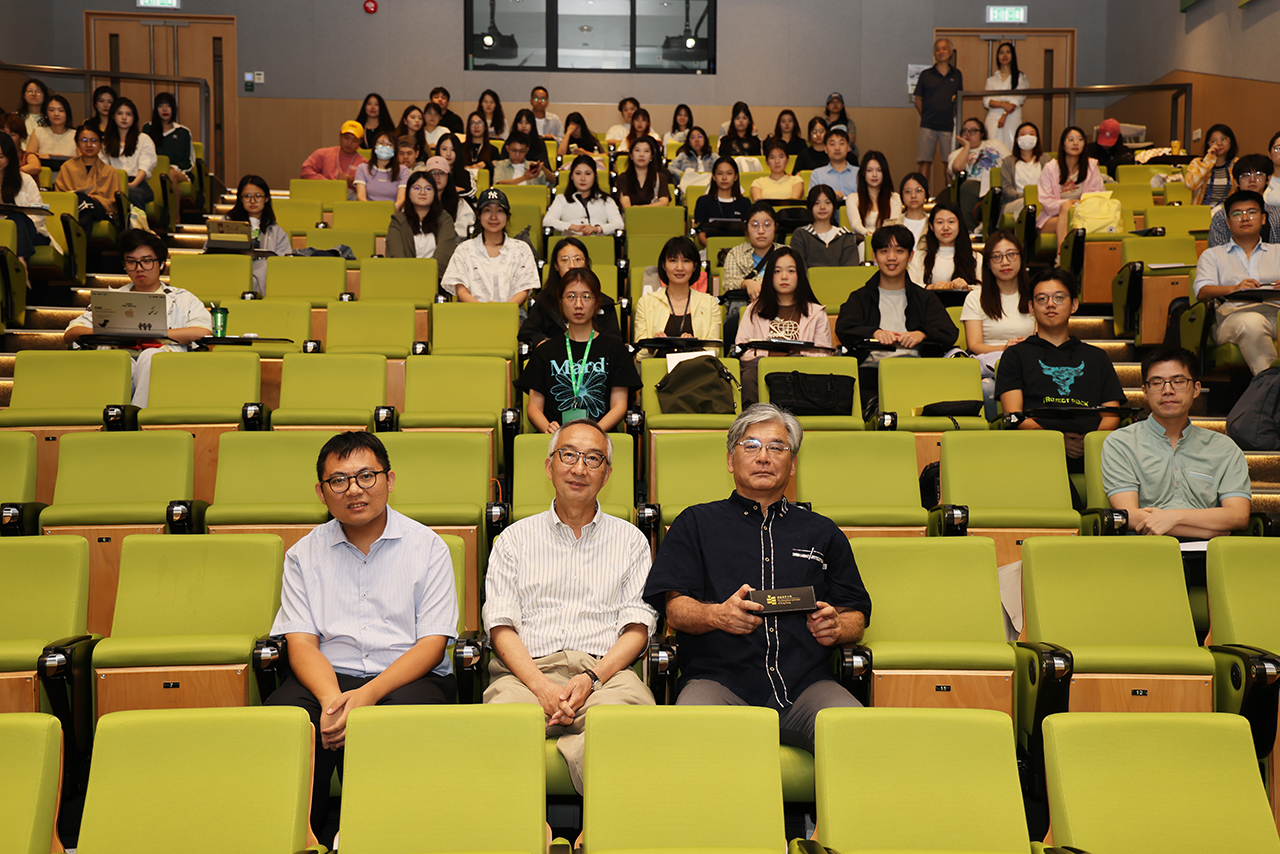
The inspiring lecture has led to an engaging Q&A session. Students raised questions about the higher education system in Japan and the differences in learning style between Chinese and Japanese students and researchers. They also discussed enthusiastically the future of further cultural exchange between China and Japan.
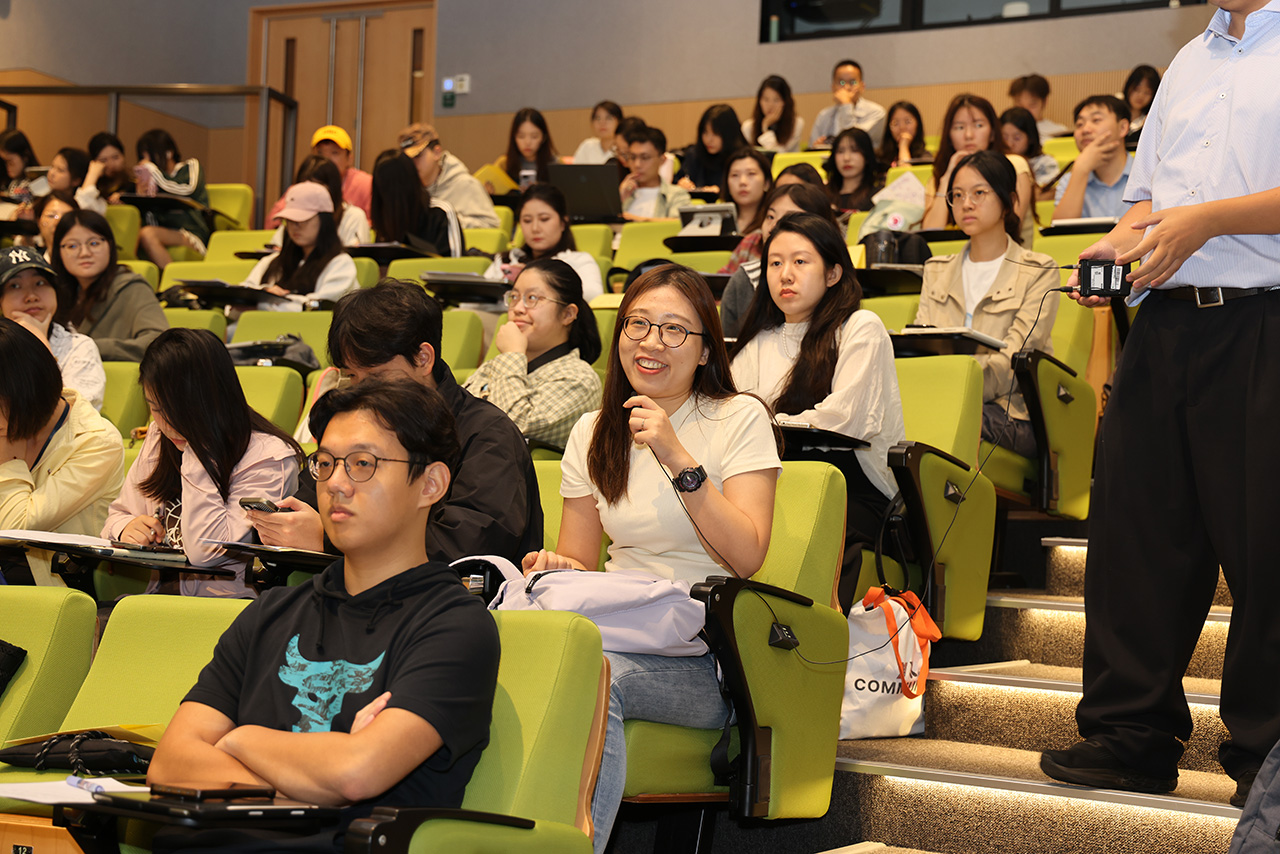
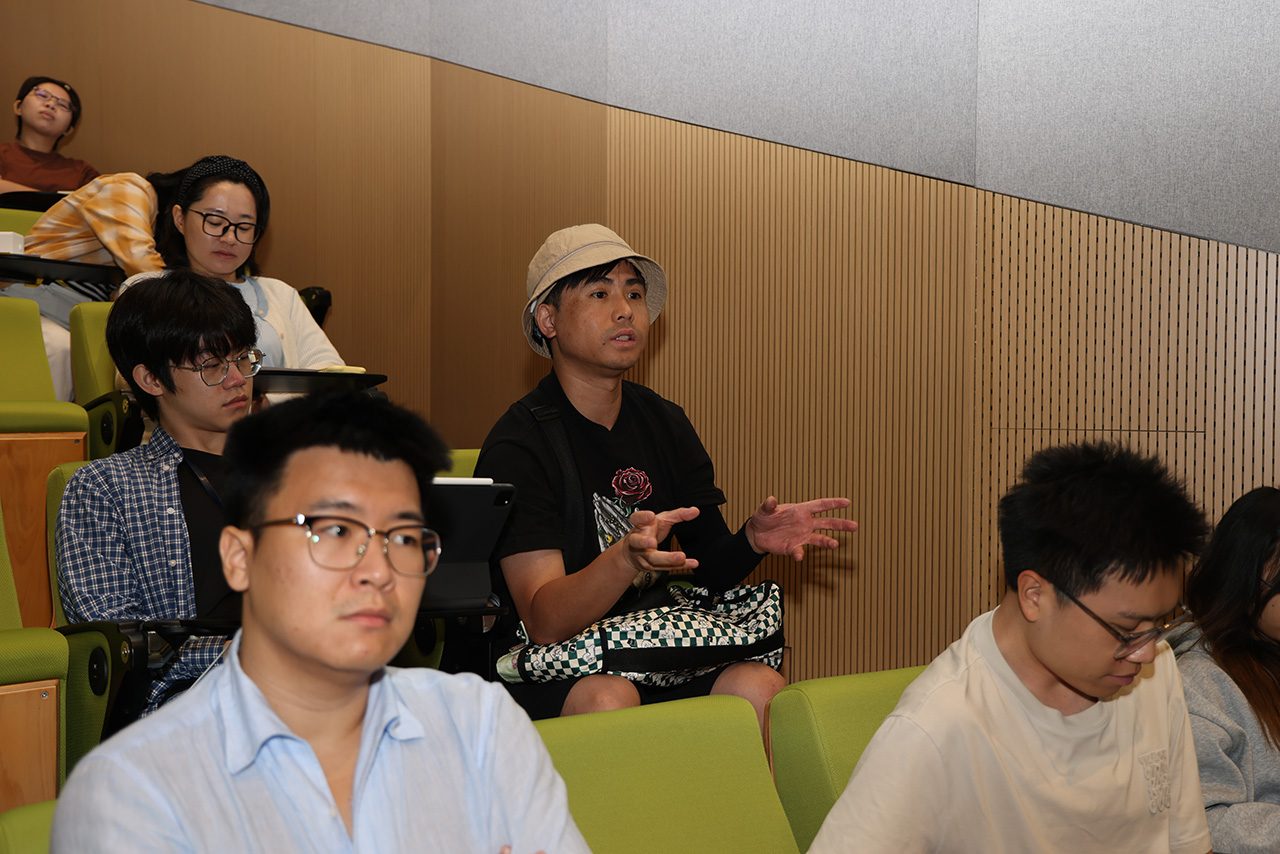
We extend our sincere gratitude to Professor Sonoda for his insightful presentation and to all attendees for their participation.
🎓 Hey UG Students! Ready to Level Up? 🎓
Time to plan your next academic adventure for Sem II, 2025/26
🗓 Course Registration Period: 11 Oct – 14 Oct 2025
Register online via the e-SIS ⏰Start and end times vary by programme and student—check your personalised schedule to stay on track!
🌟 Explore Inspiring Courses with SSPS! 🌟
The Department of Social Sciences and Policy Studies (SSPS) offers many exciting courses to spark curiosity and sharpen your skills. Whether diving deeper into your major or branching out into new interests, there's something here for you.
📘 Your Course Options for 2025/26 Semester II
Discover disciplines that are interesting and inspiring. Course outlines and details are just a click away—don’t miss the chance to broaden your academic horizons.
💡 Thinking About a Minor?
SSPS Has You Covered! Do you know SSPS currently offers 13 unique minors? Many of our courses count toward your major and minor—some even allow double minors!
Check out our minors below and find your perfect match:
- Business Career Development Minor (https://www.eduhk.hk/ssps/minor-bcd)
- Chinese History Minor (https://www.eduhk.hk/ssps/minor-ch)
- Communication Studies in Policy and Governance Minor (https://www.eduhk.hk/ssps/minor-communication-studies)
- Education and Society Minor (https://www.eduhk.hk/ssps/minor-es)
- Entrepreneurship and Business Innovation Minor (https://www.eduhk.hk/ssps/minor-esi)
- Global Governance Studies Minor (https://www.eduhk.hk/ssps/minor-ggs)
- Hong Kong Studies Minor (https://www.eduhk.hk/ssps/minor-hks)
- Law and Society Minor (https://www.eduhk.hk/ssps/minor-ls)
- National & Moral Education Minor (https://www.eduhk.hk/ssps/minor-nme)
- Public Policy and Management Minor (https://www.eduhk.hk/ssps/minor-ppm)
- Resources Management Minor (https://www.eduhk.hk/ssps/minor-rm)
- Social Studies Minor (https://www.eduhk.hk/ssps/minor-ss)
- Sustainable Tourism Minor (https://www.eduhk.hk/ssps/minor-st)
📌 Learn how to declare a minor: Minor Declaration Procedures
📬 Got Questions? We’re here to help! Reach out anytime at ssps@eduhk.hk
Wishing you a fantastic semester ahead! Happy Studying! 📚
Best regards,
Department of Social Sciences and Policy Studies
招生錄取嚴正聲明
近日,本系接獲通知指有留學機構聲稱可幫助學生入讀個人理財教育文學碩士課程。就此,本系作出以下聲明:
1. 個人理財教育文學碩士為獨立招生課程,未有委託其他機構代處理收生事宜。
2. 我校網上申請系統為唯一申請入讀個人理財教育文學碩士課程途徑。
3. 所有申請人均需通過學歷審批及面試,個人理財教育文學碩士課程未有與任何機構簽訂「保證錄取」協議。
個人理財教育文學碩士課程呼籲各申請人、家長注意,切勿輕信任何「保證錄取」、「代理收生」等中介宣傳字眼。我系鼓勵有志報讀的同學直接提交網上申請。
Disclaimer Statement
The Department of Social Sciences and Policy Studies (SSPS) has recently discovered that some organisations claim to guarantee student admission to Master of Arts in Personal Finance Education (MA(PFE)). In response to this, the Department would like to make the following official statement:
1. The MA(PFE) has never authorised any third party to be involved in its application and admission process.
2. All applicants must submit their application via the University’s online system.
3. Shortlisted applicants will undergo the rigorous procedure of academic document verification and admission interview. There is no guarantee of admission as it solely depends on the applicant’s qualification and performance.
Please be careful of any claims of “guaranteeing enrollment”, “proxy recruitment” from any organisations. We encourage applicants to submit their applications directly to the University’s online system (https://www.eduhk.hk/acadprog/online/).
During the past Summer, two students of Master of Public Policy and Management (MPPM) programme have undertaken a very fruitful internship in Thailand. Du Haojing was interning at the Center of ASEAN Community Studies, Faculty of Social Sciences, Naresuan University. Xu Yinjing has completed her internship at the Faculty of Social Sciences, Srinakharinwirot University. These opportunities are made possible through the Memorandum of Understanding (MOU) between Naresuan University, Srinakharinwirot University, and The Education University of Hong Kong.
Du shared, “My internship was much more than an academic exercise—it was a journey of warmth and discovery. This experience reinforced my belief that good policy grows out of empathy and human connection, and that cross-cultural understanding makes everything more meaningful.”
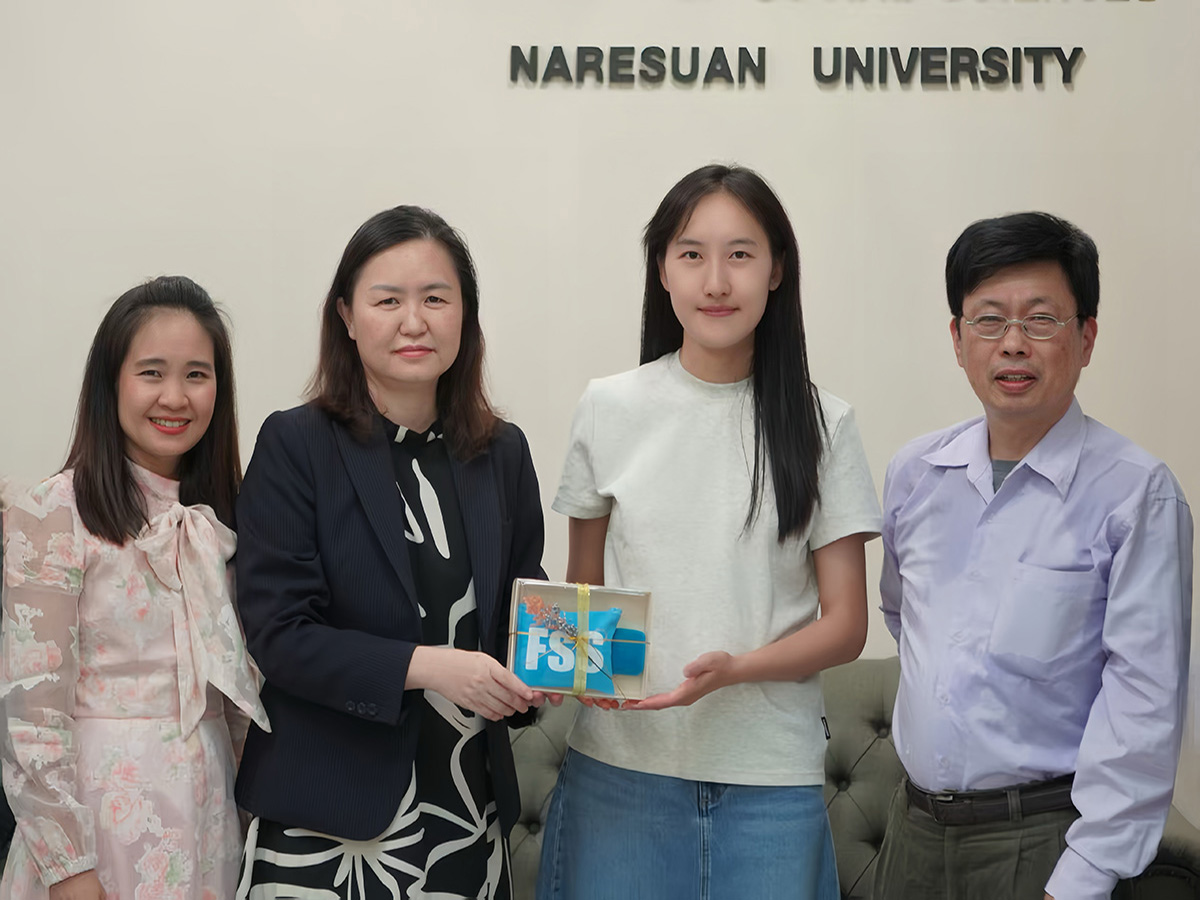
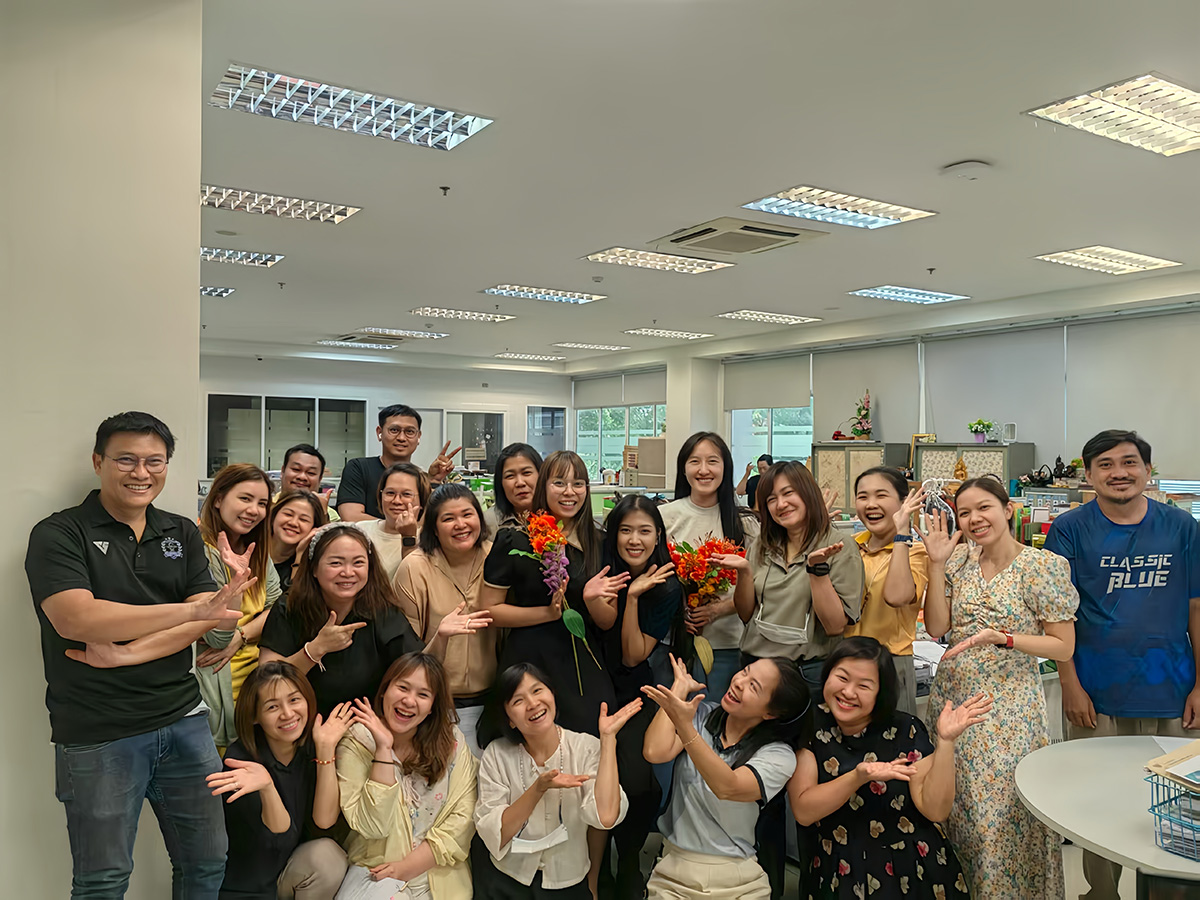
With staff of Faculty of Social Sciences, Naresuan University.
Xu reflected, “My two-month internship in the Faculty of Social Sciences at Srinakharinwirot University has been an intellectually transformative experience. The internship has not only strengthened my research and critical thinking skills but also reaffirmed my belief that effective policy-making must combine empirical evidence with empathy, humility, and respect for local contexts.”
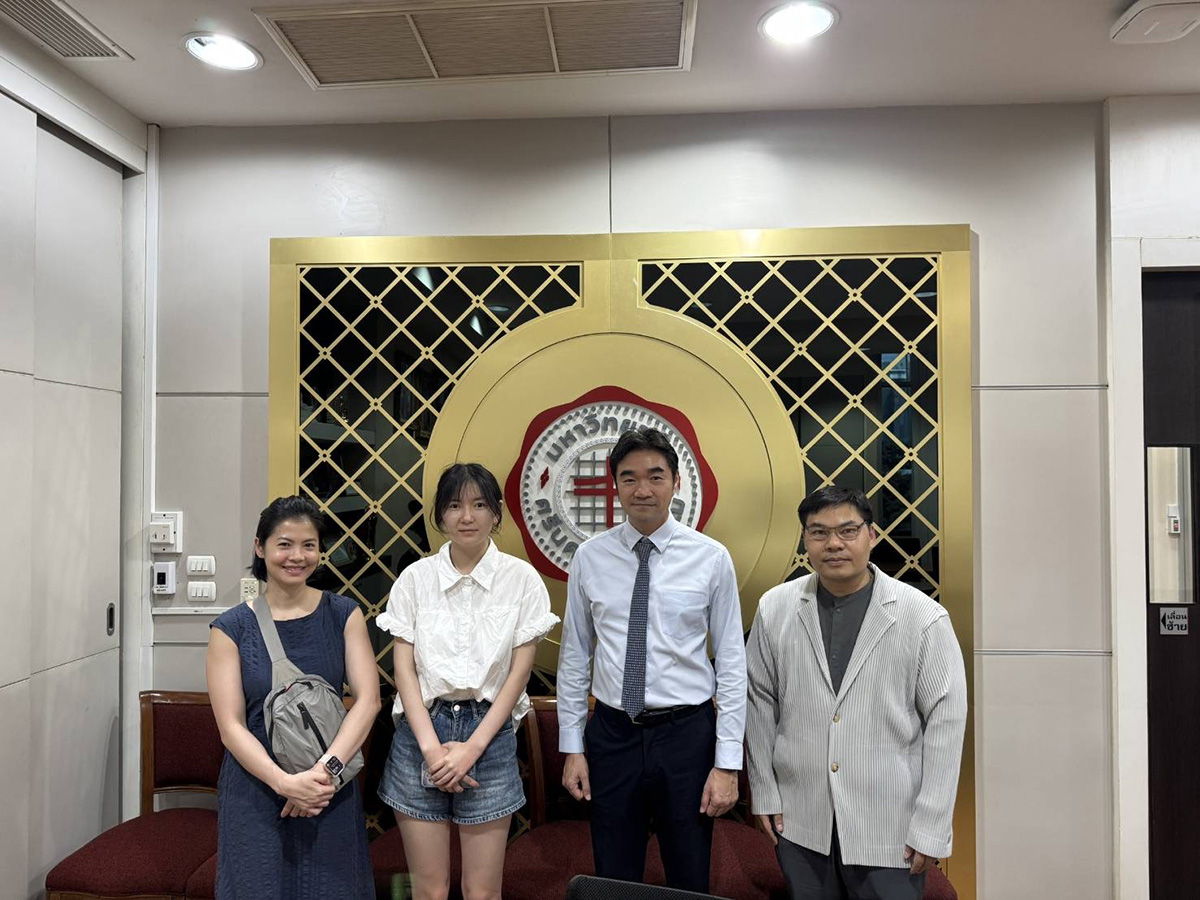

With staff of Faculty of Social Sciences, Srinakharinwirot University.
The collaborations reflect our commitment to fostering cross-cultural learning, strengthening regional academic ties, and empowering future leaders in ASEAN and beyond.
We are pleased to announce that the Master of Public Policy and Management (MPPM) programme has received partial endorsement from the Hong Kong Institute of Human Resource Management (HKIHRM), effective September 2025.
This endorsement affirms the programme’s alignment with professional standards in public policy, governance, and human resource management. It reflects the programme’s relevance to the evolving needs of public sector leadership and HR development.
It also reflects the programme’s growing recognition among HR professionals and public administration practitioners in Hong Kong and the Greater Bay Area.
Students enrolled in the MPPM programme will benefit from enhanced professional recognition, increased exposure to HR and public administration networks, and access to selected HKIHRM events and resources that support career development and industry engagement.
MPPM will continue to pursue full endorsement in the future, further strengthening the programme’s impact and value for aspiring public policy leaders!
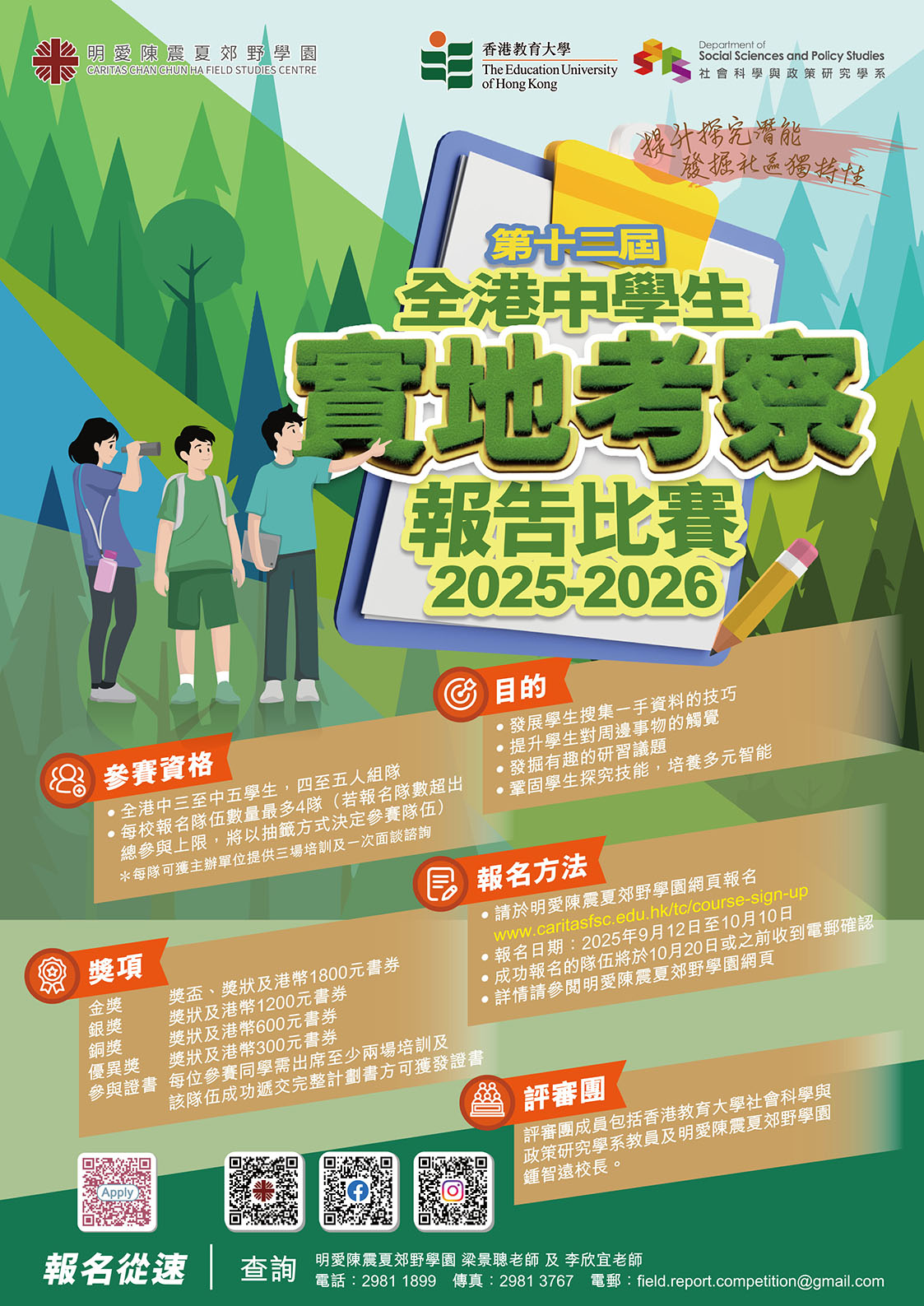
報名日期:
2025年9月12日至2025年10月10日
查詢
field.report.competition@gmail.com
比賽小冊子
Download 2025-26 Competition Leaflet