



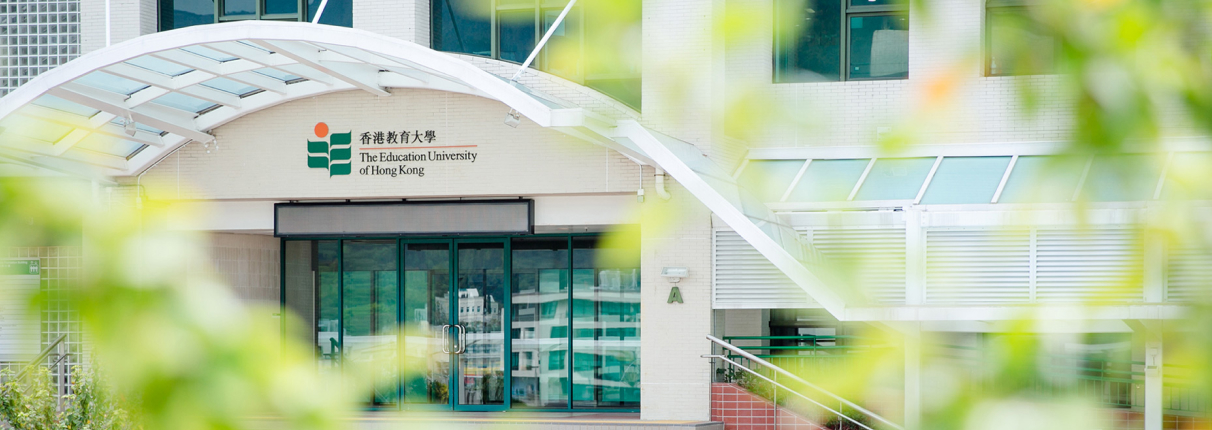


Ms Vivien Foong Yee Tang, a student of the Master of Public Policy and Management Program (MPPM) at The Education University of Hong Kong (EdUHK), recently published a paper in Health Policy, one of the leading international journals in the field. Entitled “Integration of health services for the elderly in Asia: a scoping review of Hong Kong, Singapore, Malaysia, and Indonesia”, this paper is coauthored with Dr Alex Jingwei He, Associate Professor of the Department of Asian and Policy Studies of the EdUHK. This publication arises from a research project funded by the Asia-Pacific Observatory on Health Systems and Policies of the World Health Organization. Ms Tang has been participating in this project as a Research Assistant since 2020.
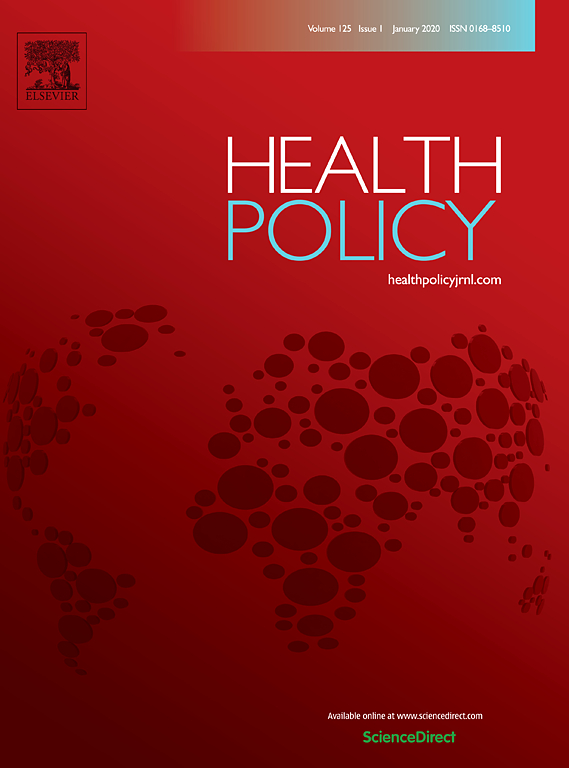
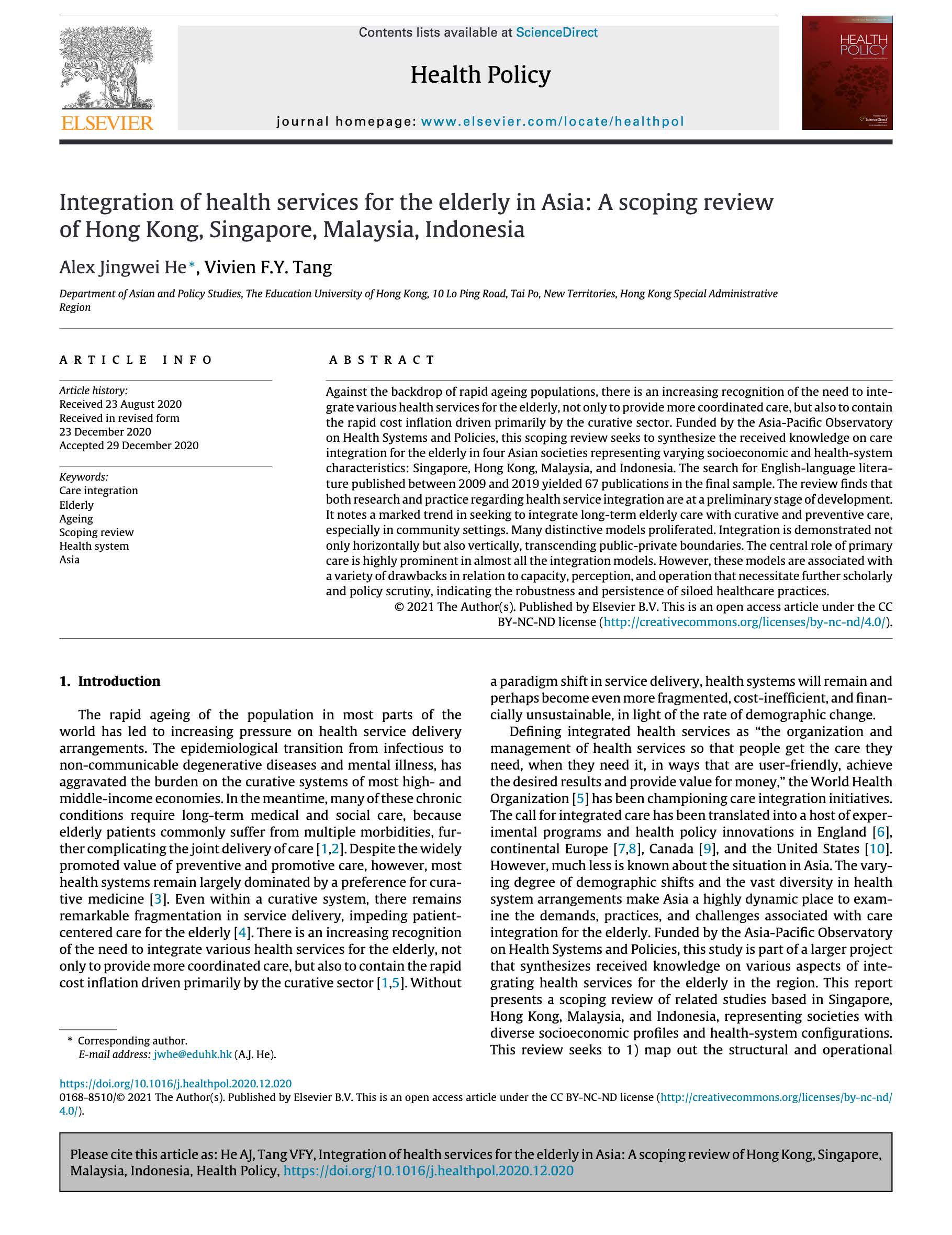
With a five-year impact factor of 2.707, Health Policy currently stands at Quartile 2 in the health policy and services category of the renowned Social Science Citations Index (SSCI). This paper also marks the third SSCI publication by the MPPM students, a marvelous achievement for students of a taught degree program. “Our MPPM program strives to provide dynamic and solid soil for bright master students to engage in cutting-edge policy research. Our faculty members generously offer research opportunities to motivated students and are keen to prepare them for professional career in not only public sector organizations but also research institutions”, Dr He remarked.
Publication records of MPPM students
- Tang, Foong Yee Vivien (MPPM 2020), Integration of health services for the elderly in Asia: a scoping review of Hong Kong, Singapore, Malaysia, Indonesia. Health Policy (SSCI Q2), https://doi.org/10.1016/j.healthpol.2020.12.020 (with Dr Alex Jingwei He).
- Yin, Jason Dean-chen (MPPM 2018), The medical arms race and its impact in Chinese hospitals: implications for health regulation and planning. Health Policy and Planning (SSCI Q1), https://doi.org/10.1093/heapol/czz001 (with Dr Alex Jingwei He and Dr Jiwei Qian).
- Yin, Jason Dean-chen (MPPM 2018), Health insurance reforms in Singapore and Hong Kong: how the two ageing Asian tigers response to health financing challenges? Health Policy (SSCI Q2), https://doi.org/10.1016/j.healthpol.2018.04.012 (with Dr Alex Jingwei He).
- 吳玉潔 (MPPM 2019), 研究選題與方法:2020年第二季度公共管理研究佳作評介,《公共管理評論》(CSSCI), https://kns.cnki.net/kcms/detail/10.1653.D0.20200901.1719.004.html (與肖漢宇 博士合作).
A current student of the Master of Public Policy and Management (MPPM), Mr Nantapong Butakhieo has co-authored an article with Dr Lina Vyas, who is the Programme Leader of MPPM. The article is titled “The impact of working from home during COVID-19 on work and life domains: an exploratory study on Hong Kong”. The research paper argues that the pandemic has caused most if not all workers, to have experienced work from home (WFH). This situation provides unique insight into how well WFH works and may play a vital role in future policies that reshape the current arrangement of working hours, possibly allowing more flexibility. The article uses an exploratory framework and SWOT analysis to investigate the continuing experience the employers and employees face in Hong Kong. The following is a fine compilation of the article. The article can be found at: https://www.tandfonline.com/doi/full/10.1080/25741292.2020.1863560?scroll=top&needAccess=true.
The novel coronavirus (COVID-19), a pandemic sweeping across the globe, has challenged society in ways once considered unimaginable, forcing people to reconsider a wide variety of practices, from work, to leisure, to basic travel and daily tasks. Not only has this had individual impacts, but it has also impacted countries as a whole from an economic standpoint, bringing an array of economic sectors to a complete standstill. While there was a lot anticipated and there were countless warnings, especially from those working in public health, the challenge remained as a substantial change which requires planning, training and facilitating. While the society did mentally prepare, the extent and solution remained unthinkable and remains to be a big challenge.
Hong Kong, like most places, has long been following a standard practice to work in a formal office environment, where 85% of surveyed Hong Kong employees reported that they are required to work at the office during regular office hours with no flexible working options being offered. Thus, before the pandemic, the idea of WFH was a fantasy to many people, but such practice was considered not practicable for heavily populated cities like Hong Kong. This is principally because home working requires a quiet and dedicated space to perform work duties, which can be a real challenge for those living in tiny homes. Hong Kong is undoubtedly famous for having tiny homes, in which the average living space per person was only 161 sq ft. in 2018 (Task Force on Land Supply 2018), which is about 25% lower than Tokyo and 60% lower than Singapore (Ng 2018). Over the years, there has been a belief throughout the city that workers need to be physically present in the office to carry out the job. Now that the pandemic has forced a trial run for WFH in the city, for many, it is their first time to work remotely and to a large extent it is proving to be successful. Therefore, a unique opportunity to assess the possibility of having WFH as one of the future working models for such a densely populated city has high impact. Being one of the first studies in this area, to this research analyses three different dimensions. Firstly, this study attempts to enhance the understanding of WFH, including the factors that influence WFH and the practicality and effectiveness of this work arrangement. Secondly, the scrutiny of the WFH’s potential outcomes on workers’ work and life domains, such as flexibility and work motivation. Finally, our investigation in the context of Hong Kong adds distinctions to the record of Hong Kong’s response to the COVID-19 crisis, which is substantially believed to be victorious due to strong “community capacity” or social mobilization (Hartley and Jarvis 2020; Wan et al. 2020). The research highlights the COVID-19 pandemic and WFH in Hong Kong, with attention to WFH arrangements during the epidemic in Hong Kong. The paper concludes by presenting the policy implications and recommendations which include a series of possible actions that could be taken by the Government to make WFH more feasible in a local context.
Congratulations to Chair Prof Stephen Y.L. CHEUNG, Chair Prof CHOU Kee-lee and Prof WOO Chi-keung, who have been included in November 2020 by the Stanford University’s list of the world’s top 2% of scientists.
Professor CHEUNG is ranked 194 out of 9,626 scientists in the field of Finance, with a C Score of 3.35 (composite indicator for career-long impact). Professor Cheung is highly active in academic research, focusing on corporate governance, corporate social responsibility and financial market development, and publishes widely in international refereed journals, and until 2019, he has published 74 papers.

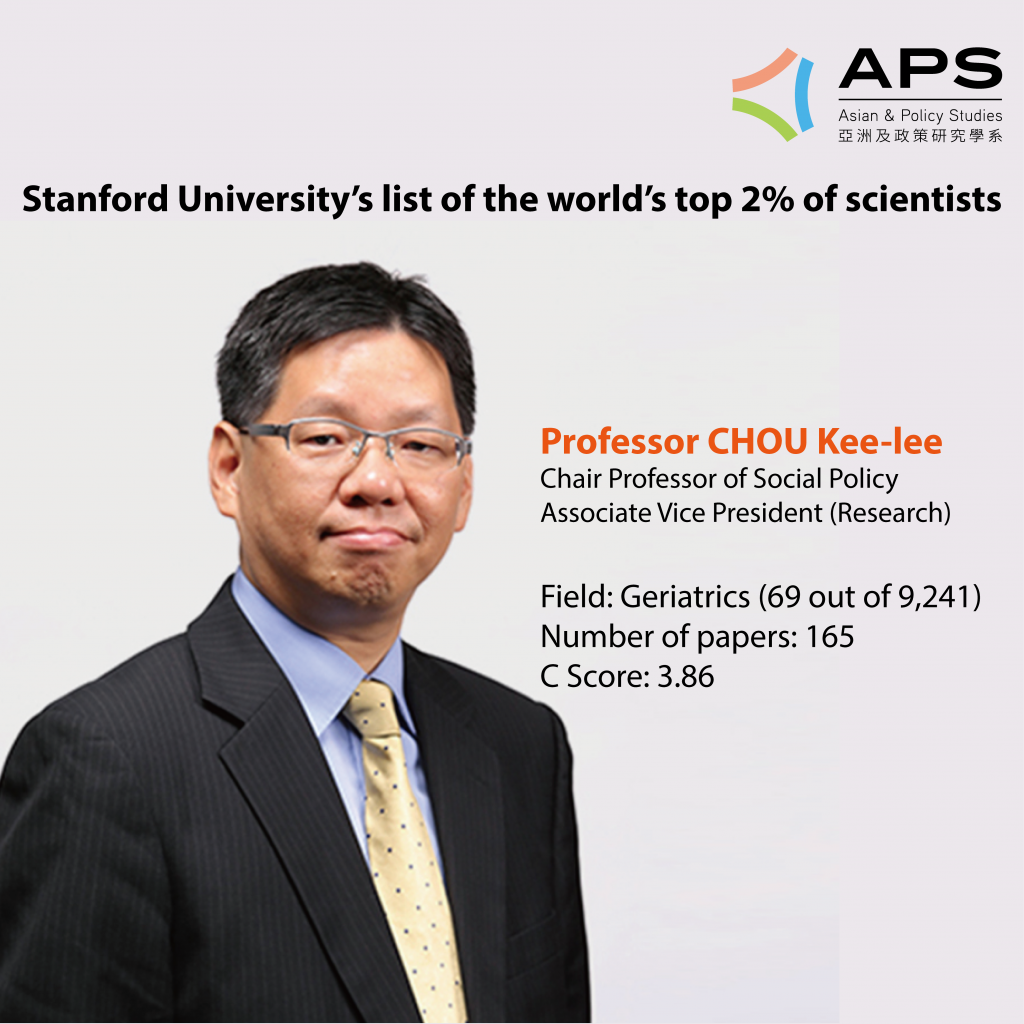
Professor CHOU is ranked 69 out of 9,241 scientists in the field of Geriatrics, with a C Score of 3.86. Prof CHOU has published over 160 papers in areas of geriatric psychiatry, elderly policies, population policy, immigrant policy, poverty, welfare reform, income inequality, and health policy. He has conducted numerous policy research projects funded by the Research Grant Council (RGC) and the Central Policy Unit (Predecessor of Policy Innovation and Co-ordination Office) of The HKSAR government.
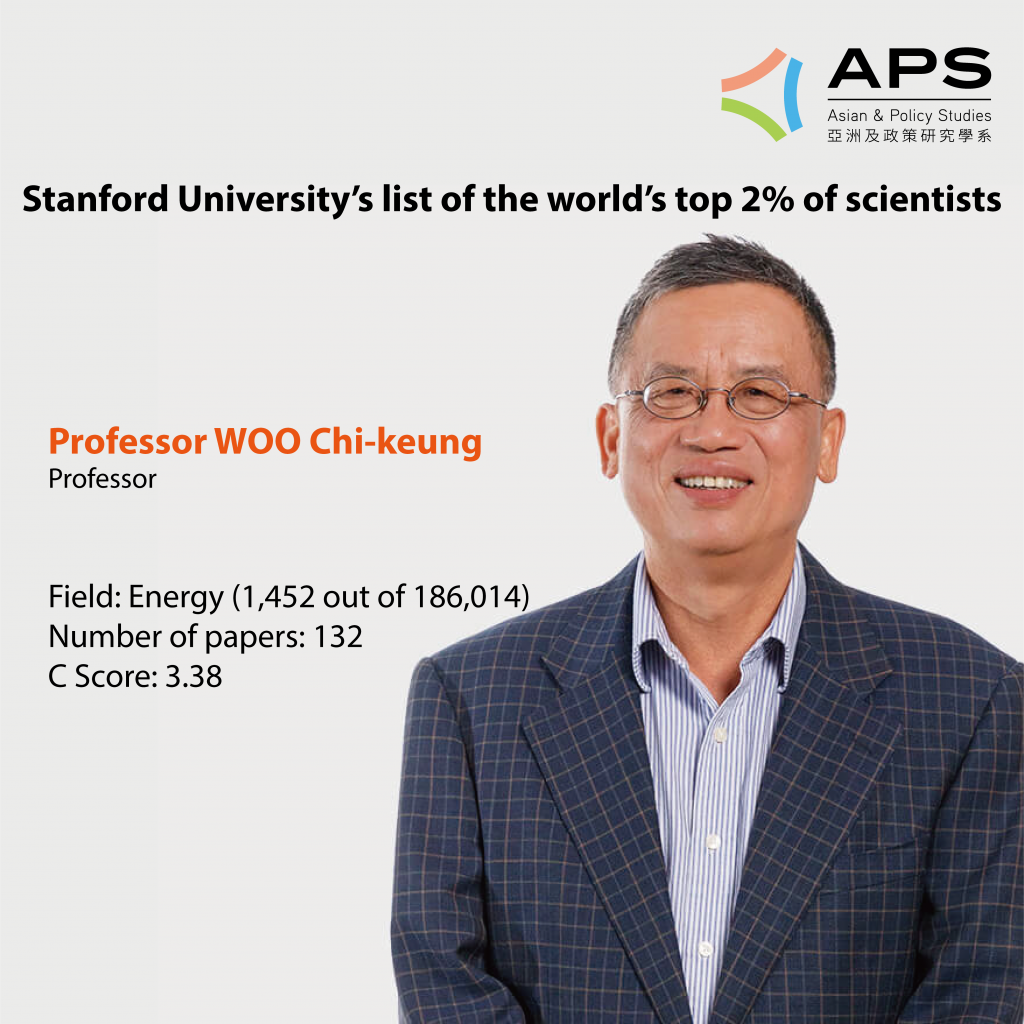
Prof WOO Chi-keung is ranked 1,452 out of over 186,000 scientists in the field of Energy, with a C Score of 3.38 that reflects his widely cited papers on energy economics and the electricity industry. With over 170 refereed publications, he has won a General Research Fund project, a Teaching Development Grant, a Public Policy Research project, five faculty research prizes, and a gold medal for Online Assessment System for Individual Scores (OASIS) in the International Innovation and Invention Competition (IIIC) Taiwan 2020.
APS looks forward to seeing our faculty members’ research output that helps shape public policies for the future.
Learn more: https://bit.ly/3auNhRR
What motivated a Singaporean girl with two degrees earned in the United States and 7-year work experience in Singapore to come to Hong Kong and start an academic odyssey in the EdUHK? Vivien Tang, a student of the Master of Public Policy and Management (MPPM) program, has a lot to say.
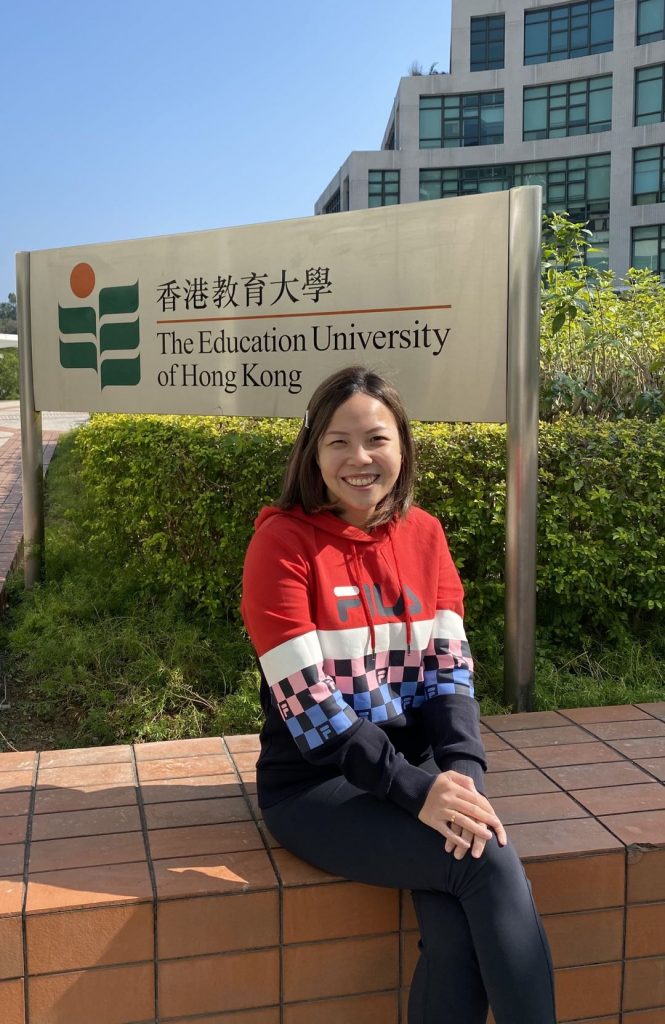
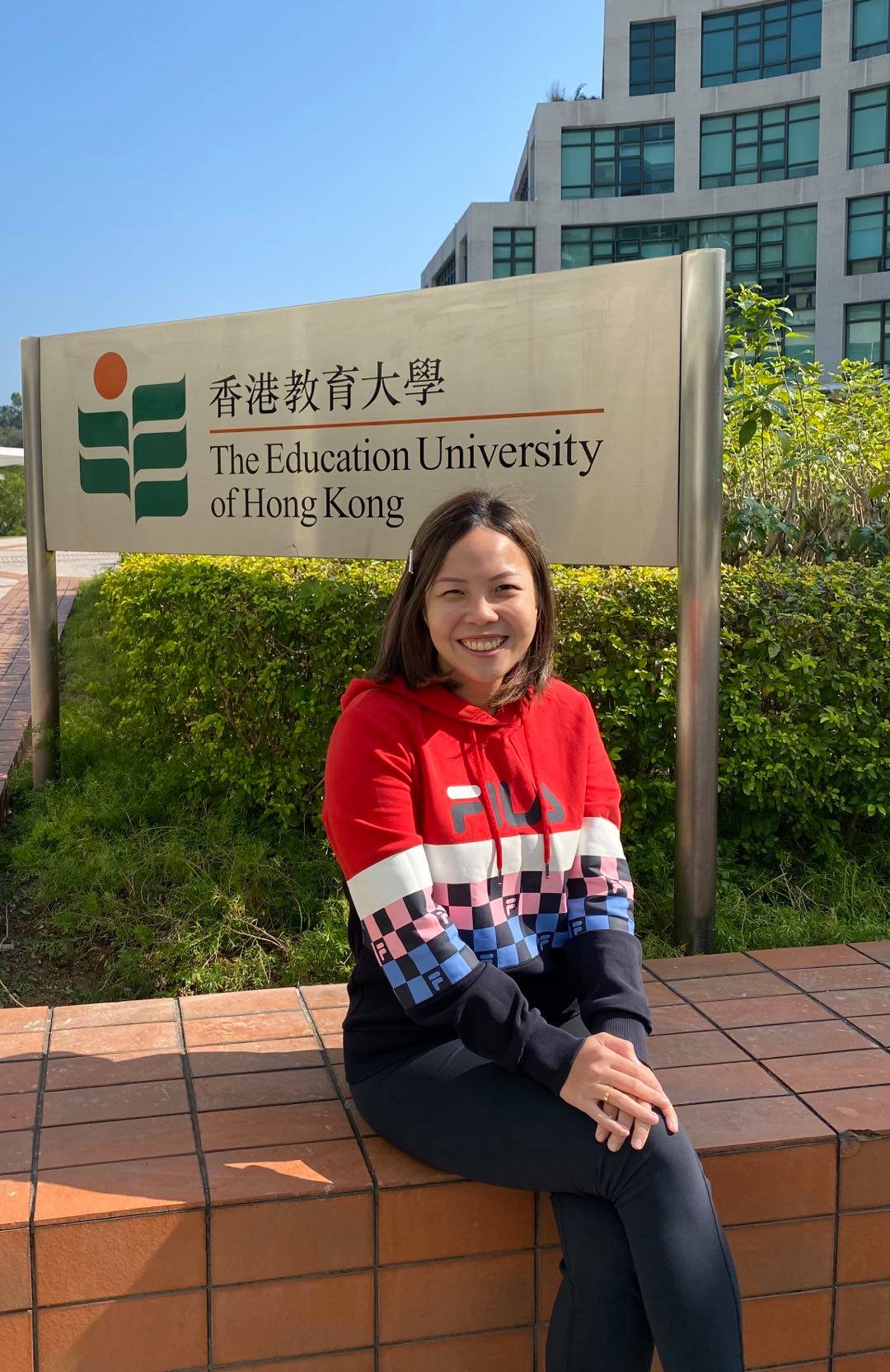
Vivien Tang, student of Master of Public Policy and Management (MPPM)[/caption] Born and raised up in Singapore, Vivien owns an enviable CV. She graduated with a bachelor’s degree in Psychology from the University at Buffalo and obtained her first master’s degree at Canisius College, a renowned liberal arts college in the US. Later on, she returned to Singapore and began her career. Encouraged by her family, Vivien was determined to step out of her comfort zone, and eventually decided to return to campus after seven years of social work services and professional research. She chose the Education University of Hong Kong (EdUHK) to embark on a fascinating journey in the world of public policy here at the Department of Asian and Policy Studies (APS).
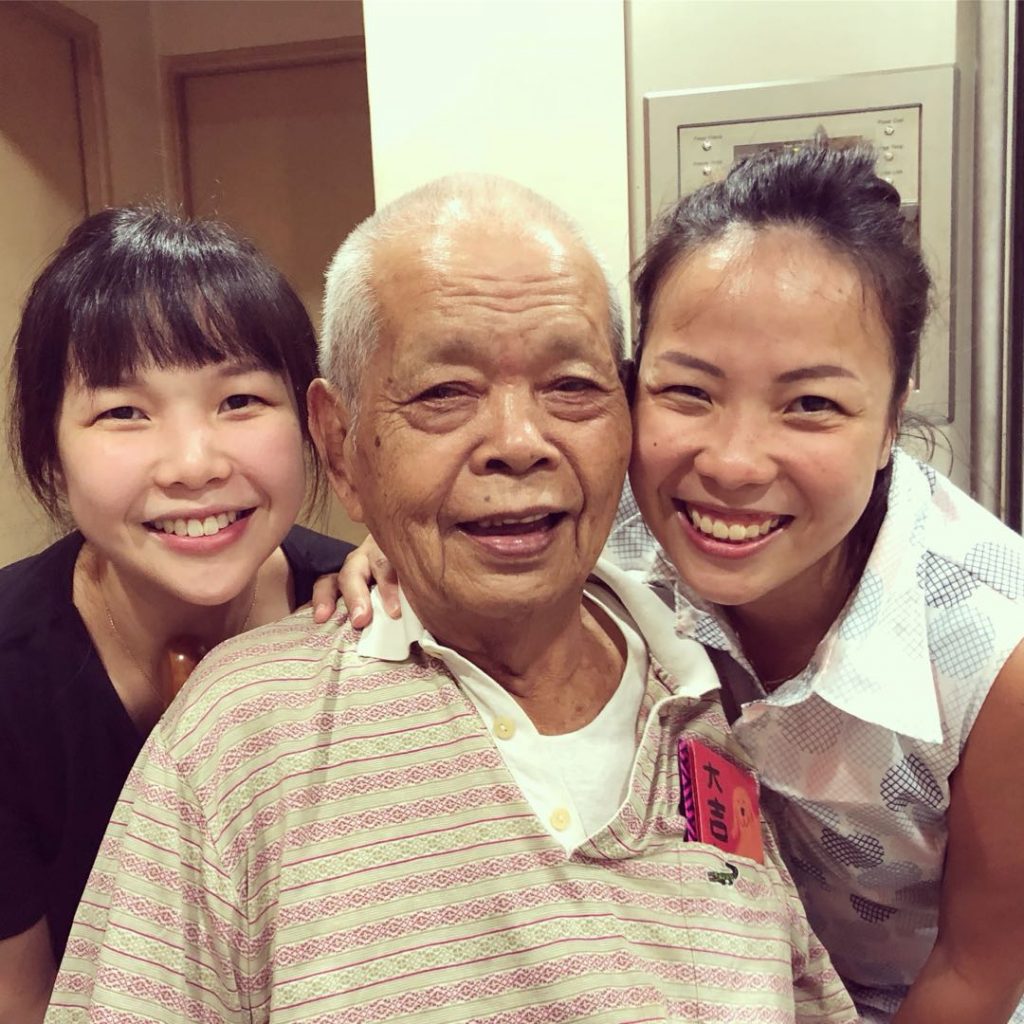
Vivien Tang, a studious, ambitious, but down-to-earth Singaporean girl, delightedly shares her study path at the EdUHK.
Tell us more about your academic background
After I received my first master’s degree at Canisius College, I returned to my hometown-- Singapore. During the master’s study, my career plan was to become a teacher, but then I gradually discovered my deep interest in research. Back to Singapore, I worked for two years in a university devoted to serving children with special needs. After that, I worked in a research center for one year. In this soul-searching period, I gradually developed my future goals. I have worked in the Fei Yue Community Services, a noted social work institution in Singapore, for more than two years. I was engaged in research on community services and social work. The recipients of our services ranged from children to the elderly. I have benefited tremendously from my job at Fei Yue. My supervisor took great care of me and provided me with generous opportunities for professional development. The two years of research experience have sharpened my insight and cultivated my spirit of being down to earth. Always looking forward to new challenges, I was eager to explore the vast ocean of knowledge. Encouraged by my family, I eventually went ahead and started my second master’s adventure in Hong Kong.
Why brought you to the MPPM Program at EdUHK?
When I was planning for my second master study, the first consideration was distance! As an ethnic Chinese, I’m very much a ‘family person’. I have a 98-year old grandfather and I lost much family time when studying in the US. The short distance between Hong Kong and Singapore, along with the excellent academic environment here, made Hong Kong the obvious choice. My professional life has given me a strong desire to do meaningful things for the betterment of the society. The field of social policy has inspired me enormously. By chance, I participated in a workshop at the Hong Kong University of Science and Technology. The speaker was Dr Alex He Jingwei, the Associate Head of the APS Department. After the conference, Dr He shared with me his doctoral experience at the Lee Kuan Yew School of Public Policy, National University of Singapore, and he warmly invited me to apply for the MPPM program at EdUHK. Dr He’s encouragement strengthened my determination to embark on a study at here.
Your impression of EdUHK
“How to make this place a better place” is the motto that always inspires me. The MPPM program at EdUHK offers exactly what I was longing for. The study here has strengthened my academic training in policy analysis, organizational behavior analysis, public sector management and development, and so forth, and has also cultivated my practical ability in public policy and management. The APS Department has a strong faculty. More importantly, professors are willing to nurture the future talents by providing them with best research opportunities without any reservation. Dr He, my supervisor, invited me to join his research project funded by the World Health Organization’s Asia Pacific Observatory on Health Systems and Policies. He offered me lots of opportunities and suggestions on my own research. Two of our research papers are currently under review in leading SSCI journals. He is a great source of inspiration and mentorship in my study journey. When he knew that I had plans to pursue a PhD degree, Dr He enthusiastically shared his own academic experience with me, offering many helpful suggestions, which built up my confidence and allowed me to try and explore the unknown. Dr Isabella Ng Fung-sheung, another Associate Head of the APS Department, is sister-like professor. We have a very close relationship and often hang out together. She makes me and other international students feel at home in Hong Kong, so we never feel alone under the foreign sky. As the founder of the Hong Kong Society for Asylum-Seekers and Refugees, Dr Ng devotes herself to the noble enterprise of social charity services. She often invites students to join volunteer services to help disadvantaged groups in the city. I volunteered in the distribution of relief supplies to the underprivileged people during the difficult time of Covid-19. Dr Lina Vyas, the Program Leader of MPPM, is a helpful and caring professor. I will discuss with Lina when I get any questions about the program.
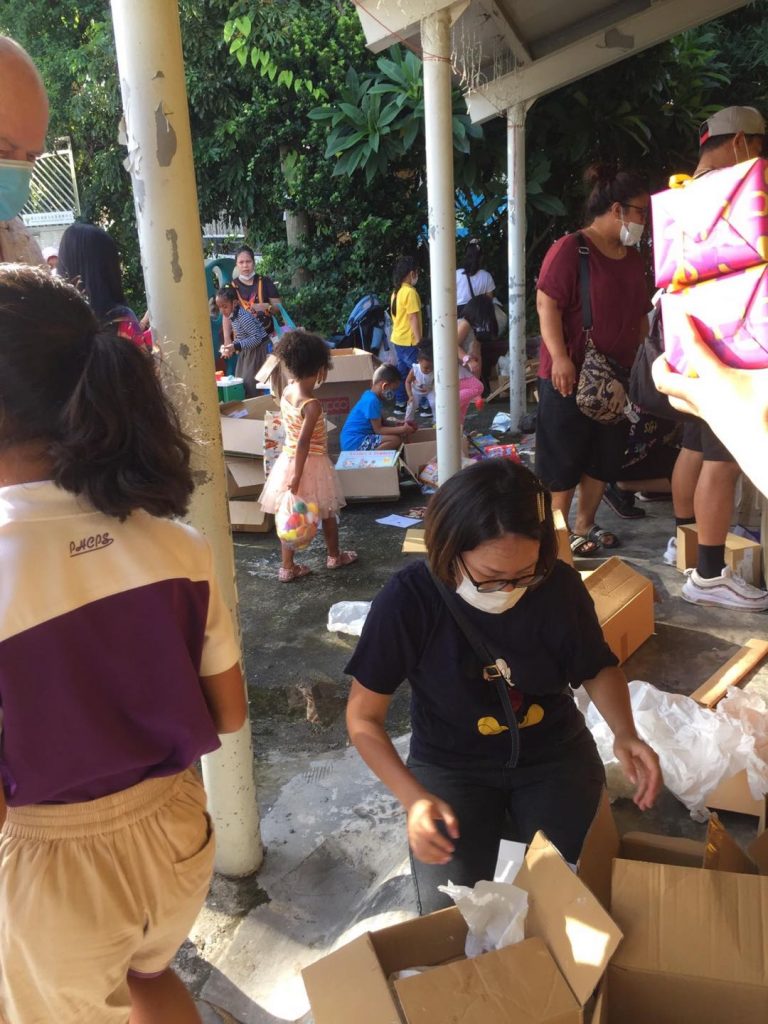
Share with us your life at EdUHK
The academic atmosphere of EdUHK is exceptional. Coming from very diverse backgrounds, my classmates share many interesting stories about their hometown. In the spare time before the pandemic, we often explored Hong Kong cuisine together and enjoyed the countryside. The classroom atmosphere of APS is particularly harmonious. When courses cover the case of Singapore, I was often invited as guest speaker. This made me very proud.
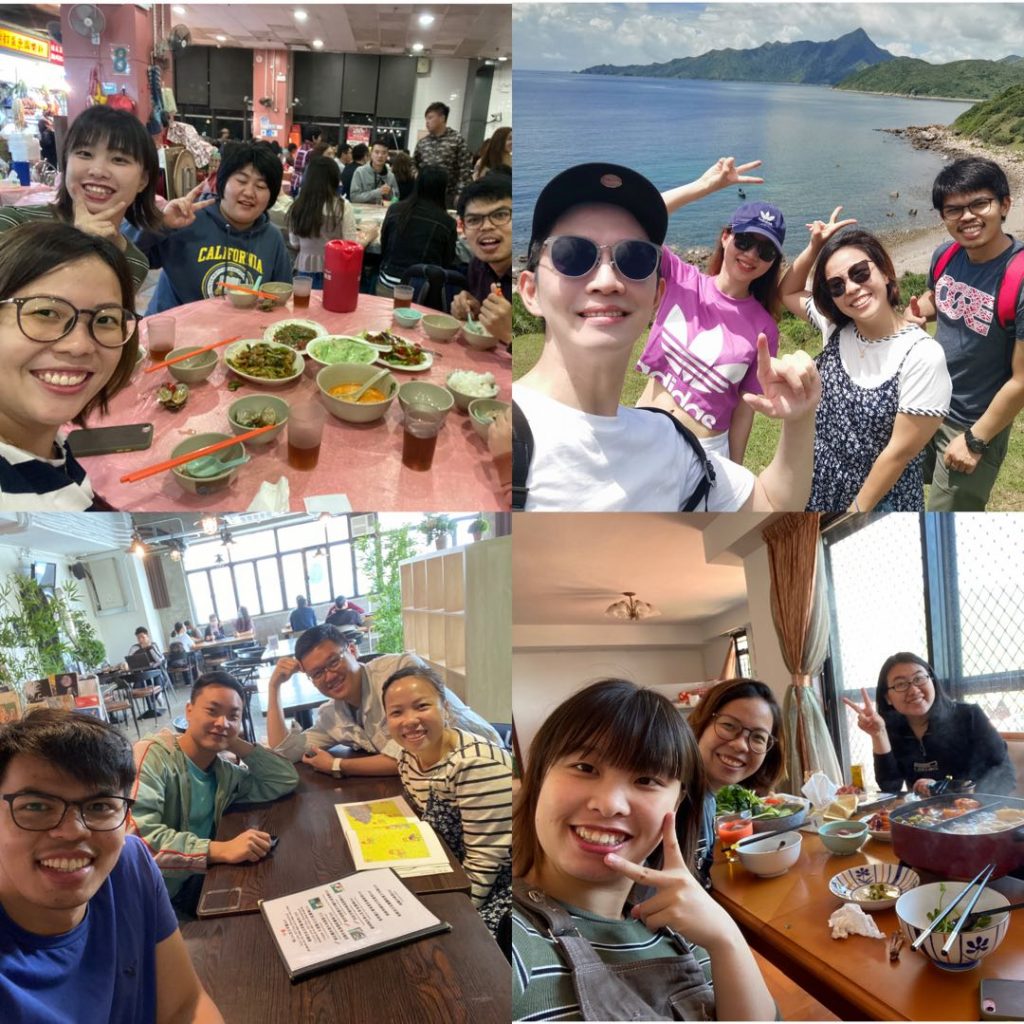
The Covid-19 pandemic has forced universities in Hong Kong to switch teaching to the online mode. Thanks to the sufficient resources that EdUHK has deployed, online teaching has not adversely affected us. The fantastic location of EdUHK makes it a paradise in Hong Kong. At the time of the ever-changing pandemic, looking at the lush greenery outside the window, my mood gradually turns good.
We are delighted to announce that Prof CK Woo, Professor at APS, has been awarded a Gold Medal with his project corporate with Dr. So Chi-Fuk (Department of Mathematics and Information Technology, EdUHK), “Online Assessment System for Individual Scores (OASIS)” at the 2020 IIIC International Innovation competition.
The Online Assessment System for Individual Scores (OASIS) is a suitably designed assessment method for team projects should ex ante discourage free-riding before project commencement and ex post punish free-riders when such behavior is found to exist upon project completion. The OASIS has been implemented by 28 teachers and ~1,800 across nine universities in the U.S., Hong Kong, mainland China, and India. The results find that OASIS encourages student participation in a team project through its contractual commitment and performance-based scoring method. Second, it can detect free-riding in a team project. Third, OASIS uses the peer to fairly scores individual contributions by members of a team project. Finally, it is user-friendly and benefits students, teachers, and university management. Based on the current users’ positive feedback, his team expects that an increasing number of using OASIS in the coming academic years. It will benefit another ~1,000 students from 4 universities in the future. Besides, a newly signed commercial user (Goabroad Limited) indicates OASIS’s applicability beyond higher education institutes, thus underscoring this TDG project’s knowledge transfer to the business sector.
IIIC is a renowned event of innovations in the Greater China Region, attracting over 400 innovations from all over the countries including Asia, US, and European countries, every year. The results illustrate the creativity and applicability of Prof Woo's innovations in integrating technologies to enrich educational experiences. APS looks forward to seeing OASIS can become a useful peer assessment method with worldwide impact.
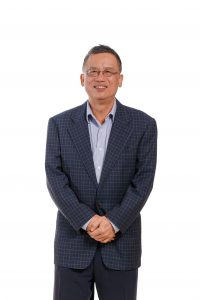
Some 40 million people have been infected by the Covid-19 pandemic worldwide so far, resulting in over 1.1 million deaths. Apart from creating a severe public health crisis, the pandemic has also caused serious social and economic disruptions. Government capacity and leadership in crisis management is under major test in different countries and territories, and performance varies. Where does Hong Kong stand compared to others? Have government strategies, policy priorities and remedial measures been on the right track? What problems and deficiencies have been exposed? What lessons can be learned?