 Students Sharing
February – May 2026
To promote reflective and peer learning and to encourage students’ participation in the Festival.
Postgraduate Student Sharing
A Postgraduate Student Sharing will be organised by Graduate School (GS) and Centre for Learning, Teaching and Technology (LTTC) to provide opportunities for students' participation and to promote reflective and peer learning. This activity is scheduled for 6 March 2026 at the EdUHK Campus.
| 📅 Date: | 6 March 2026 (Friday) |
| 🕐 Time: | 10:00 am - 12:30 pm |
| 📍 Venue: | D1-LP-04, Tai Po Campus |
Program Rundown
| Time | Session | Speaker(s) |
|---|---|---|
| 10:00 – 11:00 am | Welcome Remarks |
Professor CHEN Junjun Dean of Graduate School, EdUHK |
|
Keynote Speech 1 The Future Relevance of Doctoral Education: What Will Change and Why? |
Professor Jussi Aleksi Kivistö Tampere University, Finland |
|
|
Keynote Speech 2 Methodological Decisions Affecting Research Outcomes and Academic Productivity During Higher Degree Studies: Cases from Published Studies |
Professor Lawrence ZHANG University of Auckland, New Zealand |
|
| 11:00 am – 12:00 pm |
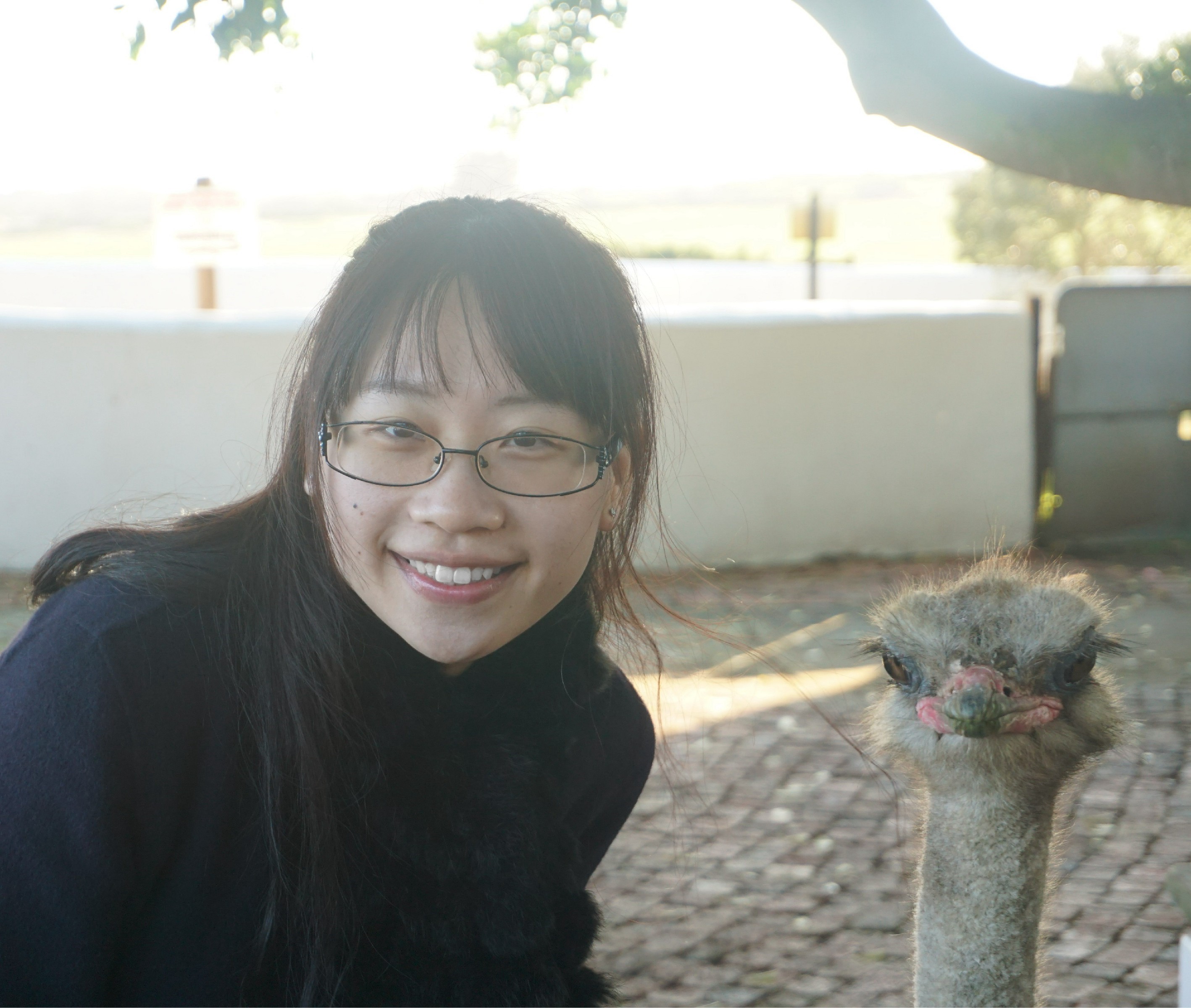
PhD Student Presentation Managing the Dual Identity of the PhD Teaching Assistant |
Ms CHEN Zixuan PhD Student, EdUHK |
|
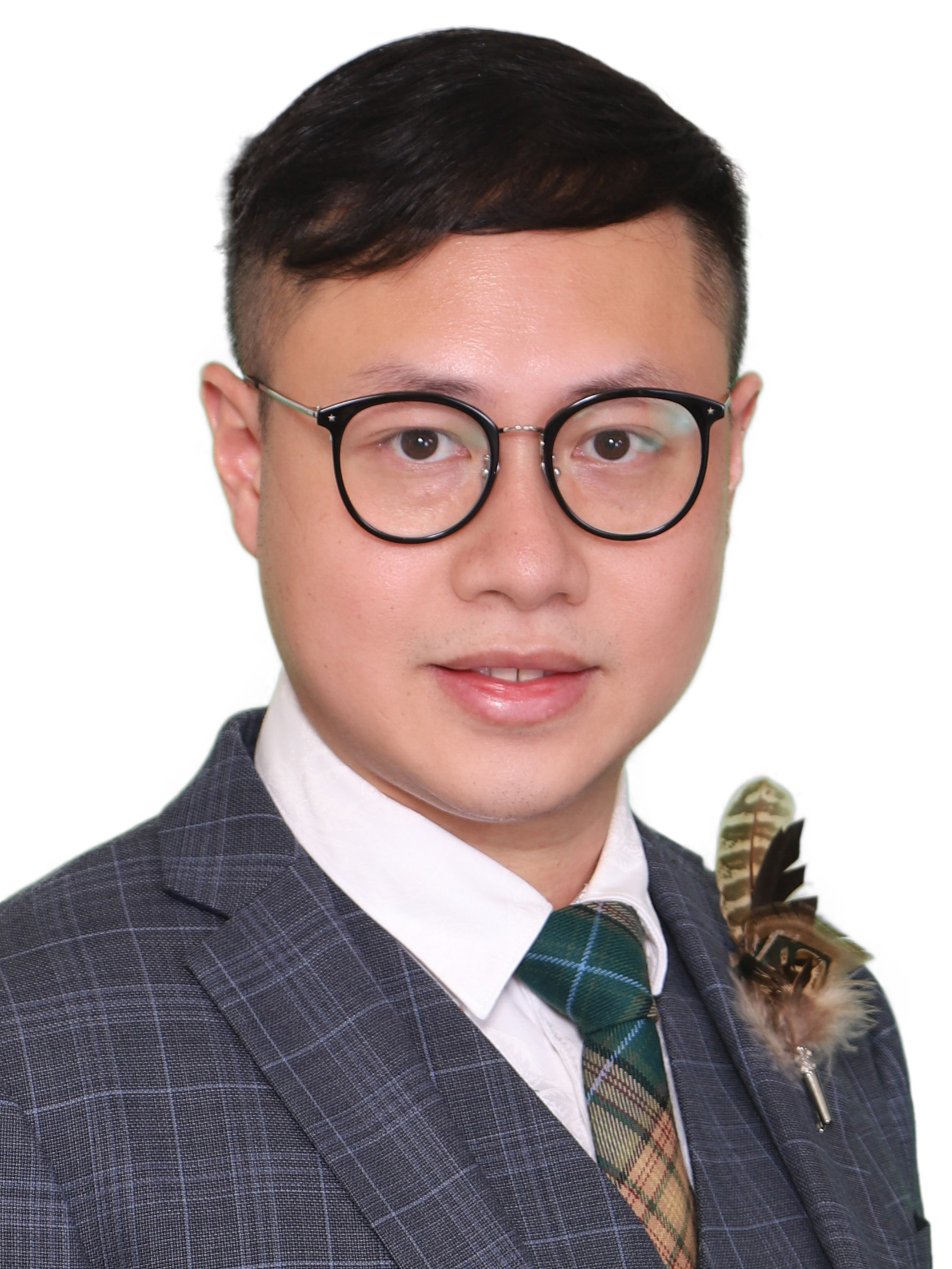
PhD Student Presentation Teachers' Scaffolding Strategies on Robot-specific Computational Thinking |
Ms LAM Yee Ling Elaine PhD Student, EdUHK |
|
|
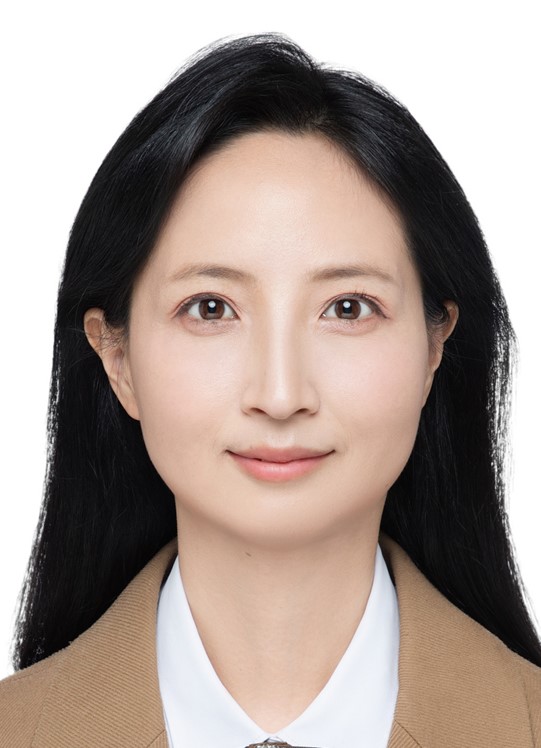
EdD Student Presentation Why Teach Mathematical Modelling in Primary Schools? A Comparative Curriculum Analysis of Australia, Germany, Canada and Singapore |
Mr CHUI Ka Shing Daniel EdD Student, EdUHK |
|
|
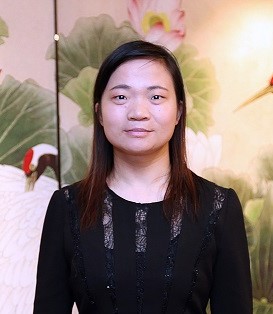
EdD Student Presentation Leveraging AI Tools to Enhance Collaborative Learning in Teacher Education |
Ms LIU Yongli & Ms LYU Dongjuan EdD Students, EdUHK |
|
| 12:00 – 12:30 pm |
Open Forum |
Chaired by Prof CHEN Junjun Keynote speakers and postgraduate students |
| 12:30 pm | End | |
Speaker Profiles
Chair |
|
|
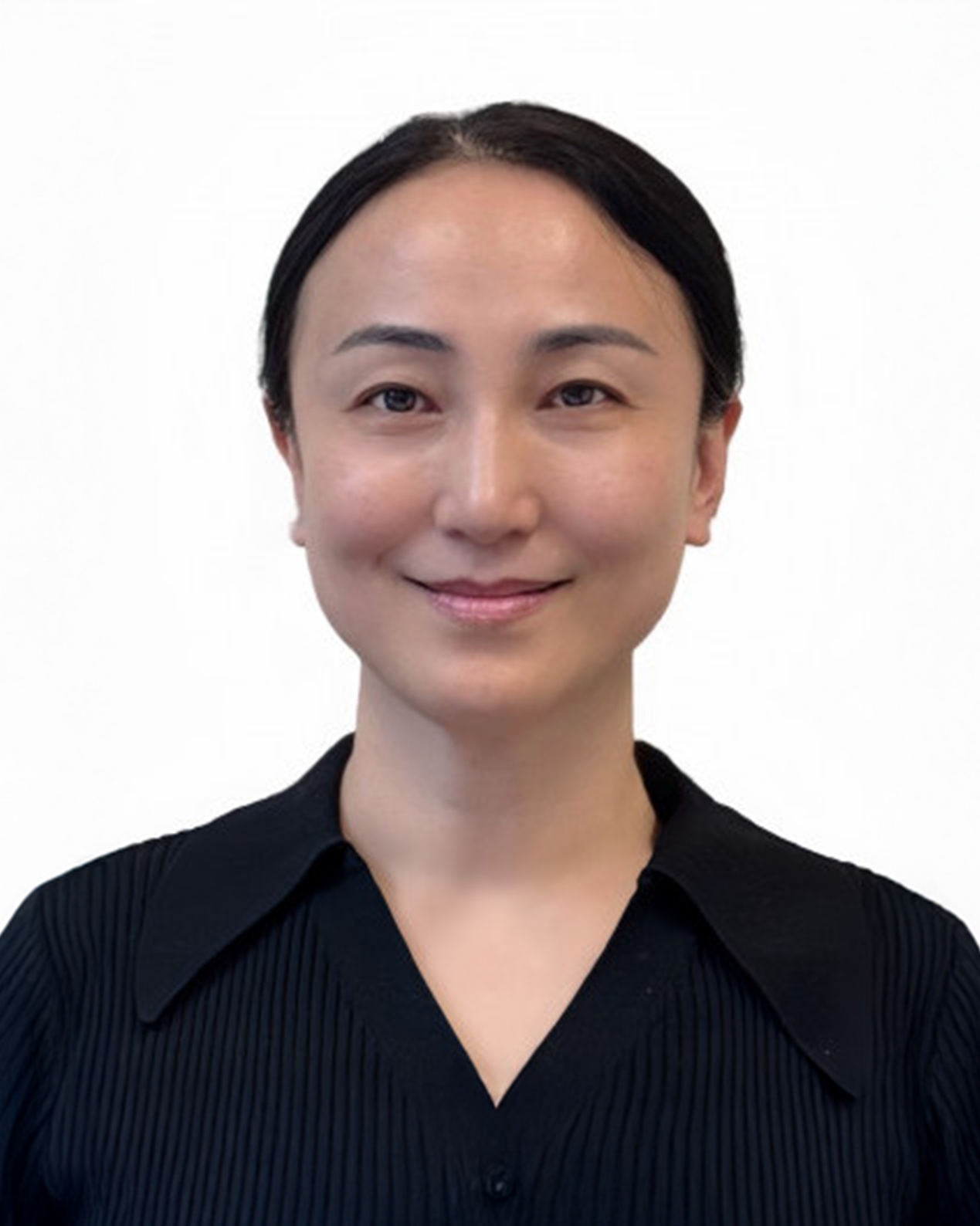
ChairProfessor CHEN Junjun
Dean of Graduate School
|
Keynote Speakers | |
|
Keynote Speech
|

|
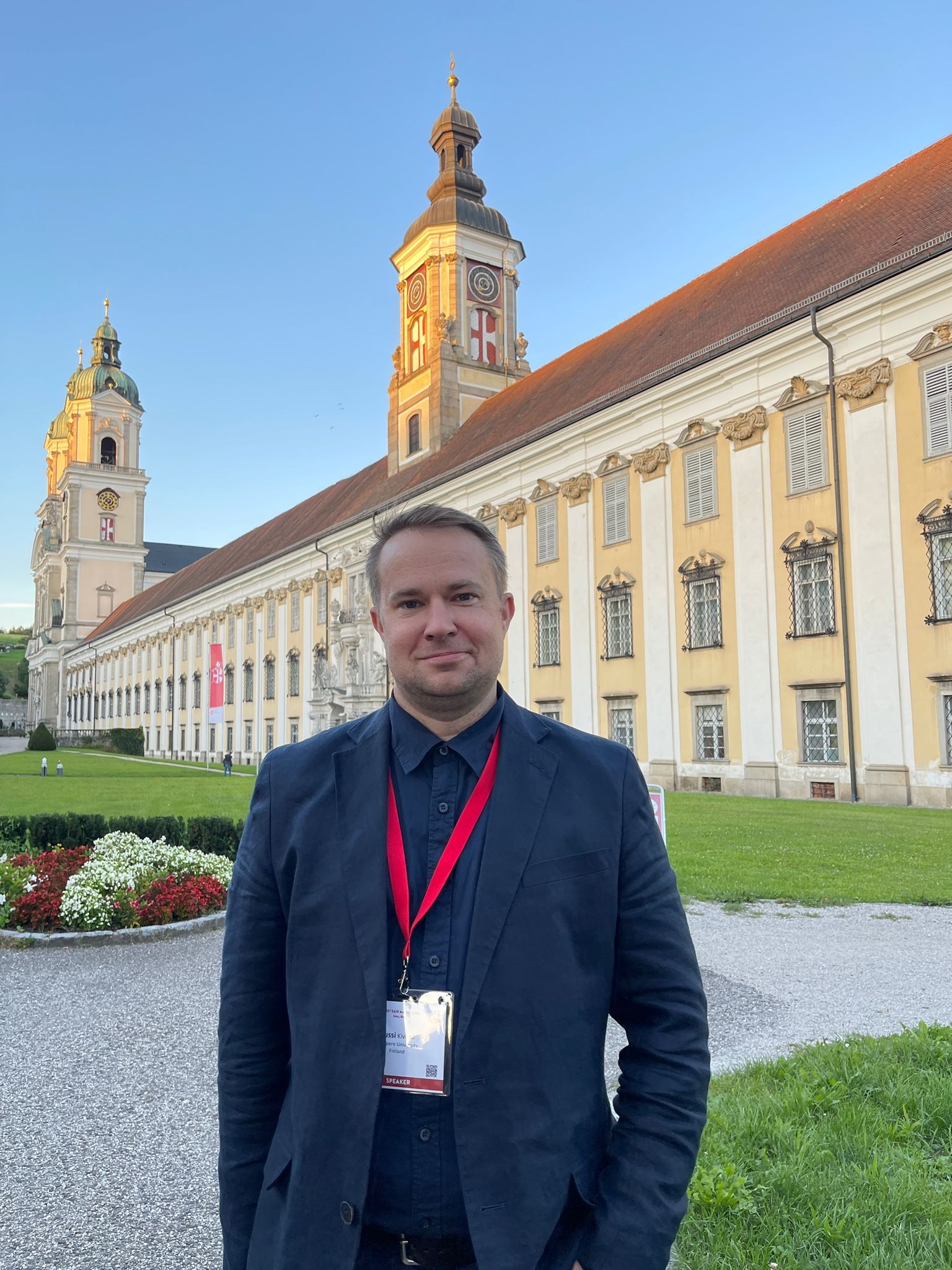
Keynote Speaker 1Professor Jussi Aleksi KivistöTampere University, FinlandSpeaker BioDr. Jussi Kivistö is Professor of Higher Education Administration and Head of the Administrative Studies Unit at the Faculty of Management and Business, Tampere University, Finland. His research interests cover a wide array of topics related to higher education administration, management and leadership, and policy. Currently, he serves as Principal Investigator of the National Evaluation of Doctoral Education Pilot funded by the Finnish Ministry of Education and Culture, as well as the NEXT-UP project (Navigating the Next Normal: Innovative Approaches to Enhancing Youth’s Education–Employment Transitions in Post-COVID-19 Europe), funded by the European Union’s Horizon Europe programme. Dr. Kivistö has authored approximately 130 publications, mainly in the field of higher education management and policy. AbstractAs academic careers narrow and expectations for societal impact grow, doctoral education is under increasing pressure to justify its purpose and outcomes. This talk challenges the traditional view of the PhD as preparation solely for an academic career and asks what must change for doctoral education to remain meaningful in the future. It explores global trends such as the expansion of doctoral training beyond academia, rising demands for transferable skills, stronger links with industry and society, and heightened concern for doctoral candidates’ well-being. Drawing on examples from Europe and Asia, the presentation argues that the future relevance of the doctoral degree depends on universities’ willingness to rethink how doctorates are designed, supported, and valued. The talk invites students and staff to critically reflect on whether current models of doctoral education are fit for purpose—and what comes next. |
Keynote Speakers | |
|
Keynote Speech
|
|
|
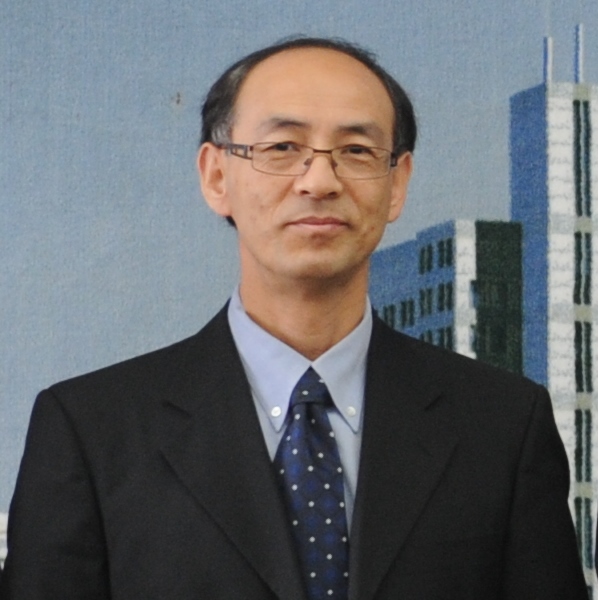
Keynote Speaker 2Professor Lawrence ZhangUniversity of Auckland, New ZealandSpeaker BioLawrence Jun Zhang, PhD, is Professor of Applied Linguistics/TESOL and Associate Dean, Faculty of Arts and Education, University of Auckland, New Zealand. His major interests and 200-plus publications are on learner metacognition, psychology of learning and teaching in language- education, CALL, L2 reading-writing development, and more recently teacher AI literacy and AI-induced emotions. An immediate past Editor-in-Chief for System (Elsevier), he is an active editorial board member for Applied Linguistics Review, Australian Review of Applied Linguistics, Journal of Second Language Writing, Metacognition and Learning, and RELC Journal, among others. He was honoured by the TESOL International Association (USA) in 2016 with the award of “50 at 50”, acknowledging “50 Outstanding Leaders” in the field of TESOL around the world, and was officially installed as a newly elected member of the Board of Directors of the Association in 2017. In the Stanford University Rankings, he has been consecutively listed in the top 2% of most-cited linguists in the World. His work has appeared in Applied Linguistics, Applied Linguistics Review, Modern Language Journal, TESOL Quarterly, Discourse Processes, Computers and Education, Computers in Human Behavior, System, Language Teaching, Language Teaching Research, Learning and Individual Differences, Learning and Instruction, Reading and Writing, Reading & Writing Quarterly, Written Communication, Journal of English for Academic Purposes, RELC Journal, and Journal of Second Language Writing, among others. He has just completed his 9-year term as Editor-in-Chief of System (Elsevier). AbstractDesigning rigorous empirical research requires navigating a complex landscape of methodological choices, ethical considerations, and practical constraints. This presentation outlines key do’s and don’ts that support the development of robust, credible, and impactful studies in the field of applied linguistics or language education. The session highlights essential practices such as aligning research questions with appropriate methodological frameworks, ensuring transparency in data collection and analysis, and incorporating strategies for reproducibility and ethical integrity. It also identifies common pitfalls, ranging from poorly operationalised variables and sampling biases to overreliance on convenience data and inadequate documentation, which can undermine the validity and generalisability of findings. By synthesising best practice principles with illustrative examples, the presentation intends to offer graduate students a clear, actionable guide to strengthening their empirical study designs and enhancing the reliability and scholarly contribution of their work. Doing so is expected to help junior researchers enhance their chances of getting their research publishing in recognised journals or similar academic platforms. |
Postgraduate Student |
|

|
Topic
SpeakersMs CHEN Zixuan
|
|
Topic
SpeakersMs LAM Yee Ling Elaine
|
|
Topic
SpeakersMr CHUI Ka Shing Daniel
|
|
Topic
SpeakersMs LIU Yongli & Ms LYU Dongjuan
|
Master of Ceremonies |
|

|
Student MCMs. SITCHON Gemma CunananMEd student |

Undergraduate Student Sharing
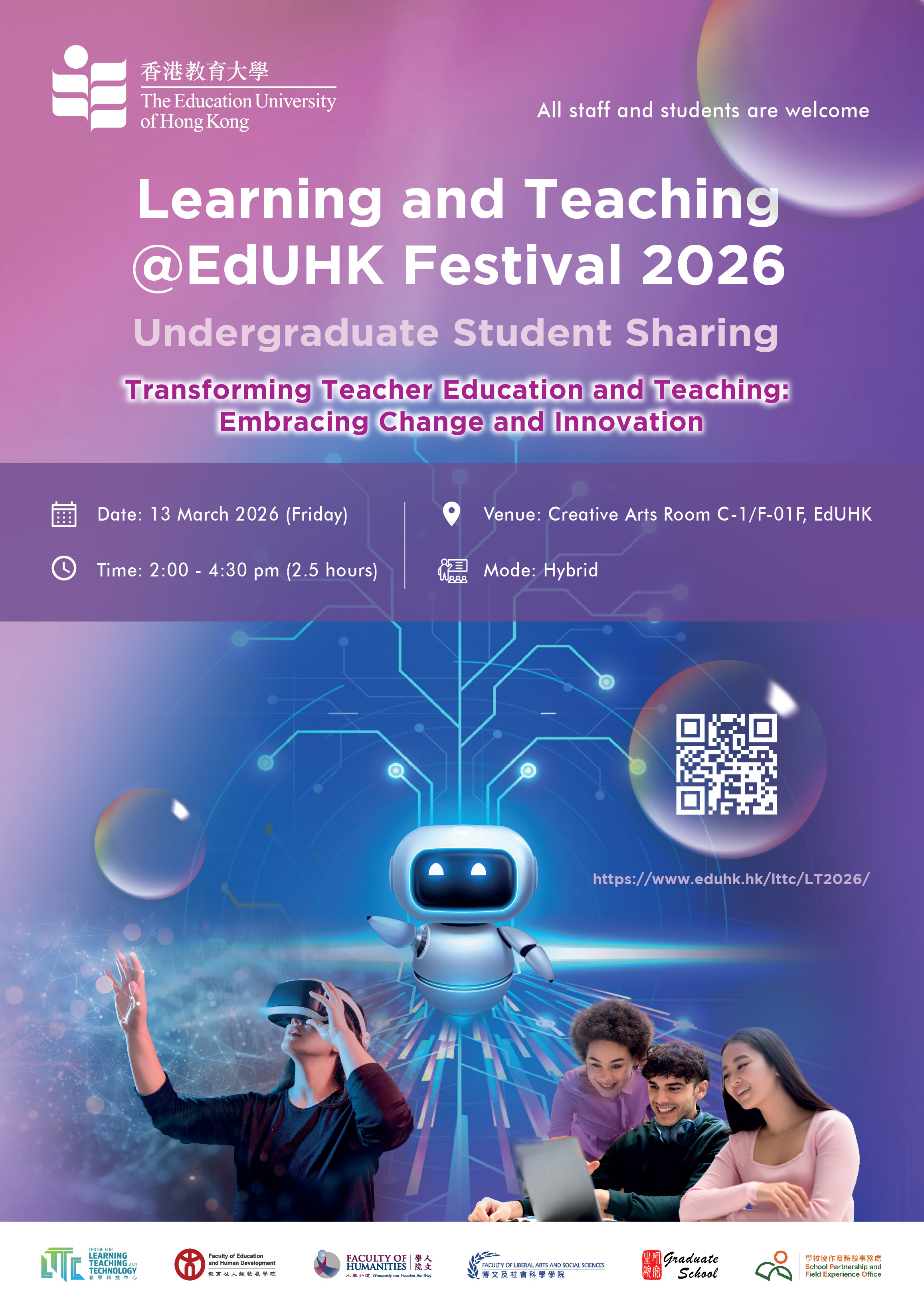
To foster a culture of reflective and peer learning, the School Partnership and Field Experience Office (SPFEO) and the Centre for Learning, Teaching, and Technology (LTTC) collaborate to organise an Undergraduate Student Sharing event based on the theme of “Transforming Teacher Education and Teaching: Embracing Change and Innovation” with valuable input and support from the various Faculties.
| 📅 Date: | 13 March 2026 (Friday) |
| 🕐 Time: | 2:00 - 4:30 pm (2.5 hours) |
| 🔄 Mode: | Hybrid |
| 📍 Venue: | Creative Arts Room, MMW Library (C-1/F-01F) |
For student who attended the Undergraduate Student Sharing, the hours of the Sharing will be recorded in the Experiential Learning and Achievements Transcript (ELAT) under “Student Participation in Experiential Learning Activities”.
|
|
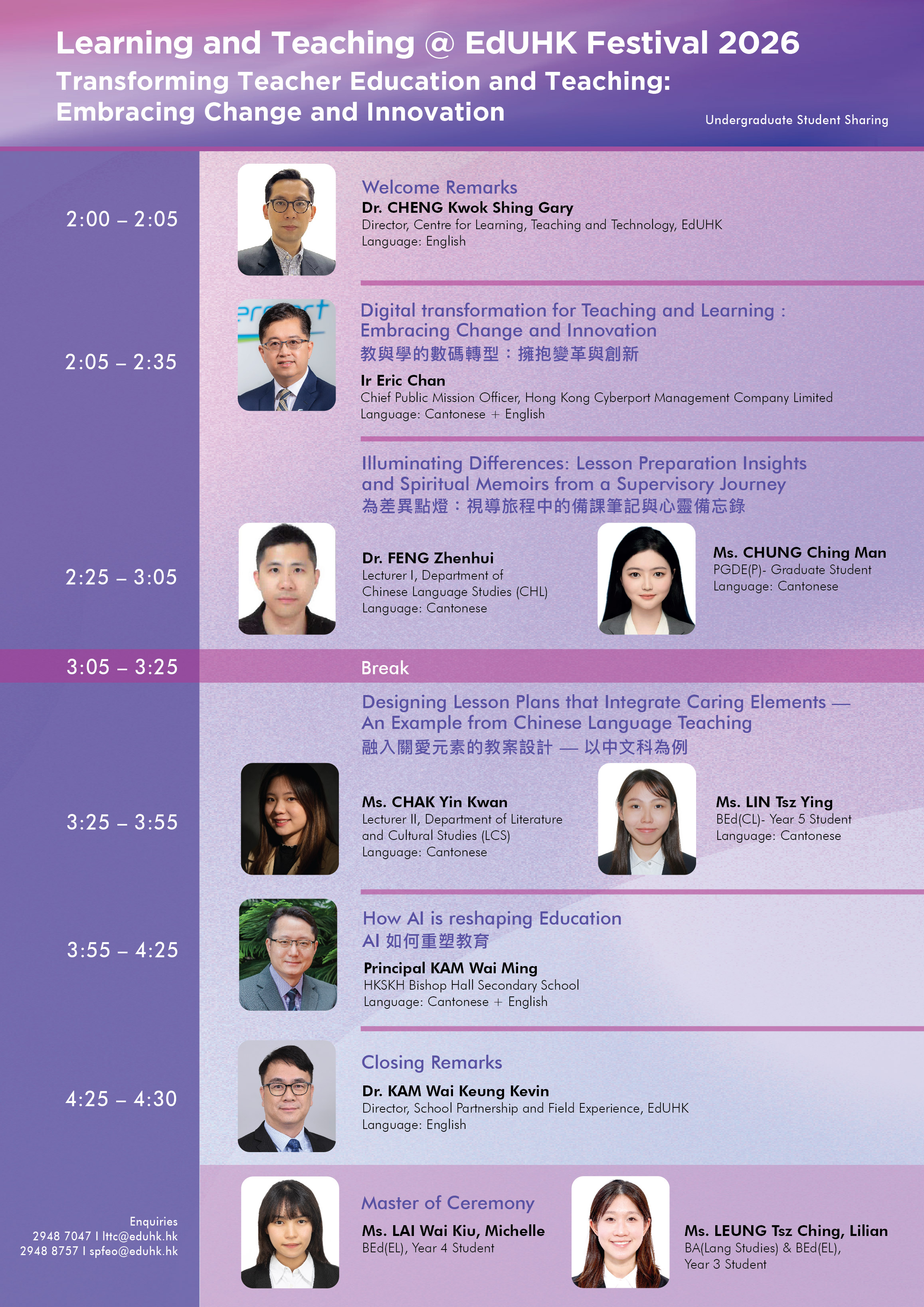
Program Rundown
| Time | Session | Speaker(s) | Language |
|---|---|---|---|
| 2:00 – 2:05 pm | (1) Welcome Remarks |
Dr. CHENG Kwok Shing Gary Director, Centre for Learning, Teaching and Technology, EdUHK |
English |
| 2:05 – 2:35 pm |
(2) Digital transformation for Teaching and Learning: Embracing Change and Innovation 教與學的數碼轉型:擁抱變革與創新 |
Ir CHAN Eric Chief Public Mission Officer, Hong Kong Cyberport Management Company Limited |
Cantonese supplemented with English |
| 2:35 – 3:05 pm |
(3) Illuminating Differences: Lesson Preparation Insights and Spiritual Memoirs from a Supervisory Journey 為差異點燈:視導旅程中的備課筆記與心靈備忘錄 |
Dr. FENG Zhenhui Lecturer I, Department of Chinese Language Studies (CHL) Ms. CHUNG Ching Man PGDE(P), Graduate Student |
Cantonese |
| 3:05 – 3:25 pm | Break | ||
| 3:25 – 3:55 pm |
(4) Designing Lesson Plans that Integrate Caring Elements — An Example from Chinese Language Teaching 融入關愛元素的教案設計——以中文科為例 |
Ms. CHAK Yin Kwan Lecturer II, Department of Literature and Cultural Studies (LCS) Ms. LIN Tsz Ying BEd(CL), Year 5 Student |
Cantonese |
| 3:55 – 4:25 pm |
(5) How AI is reshaping Education AI 如何重塑教育 |
Principal KAM Wai Ming HKSKH Bishop Hall Secondary School |
Cantonese supplemented with English |
| 4:25 – 4:30 pm | (6) Closing Remarks |
Dr. KAM Wai Keung Kevin Director, School Partnership and Field Experience, EdUHK |
English |
