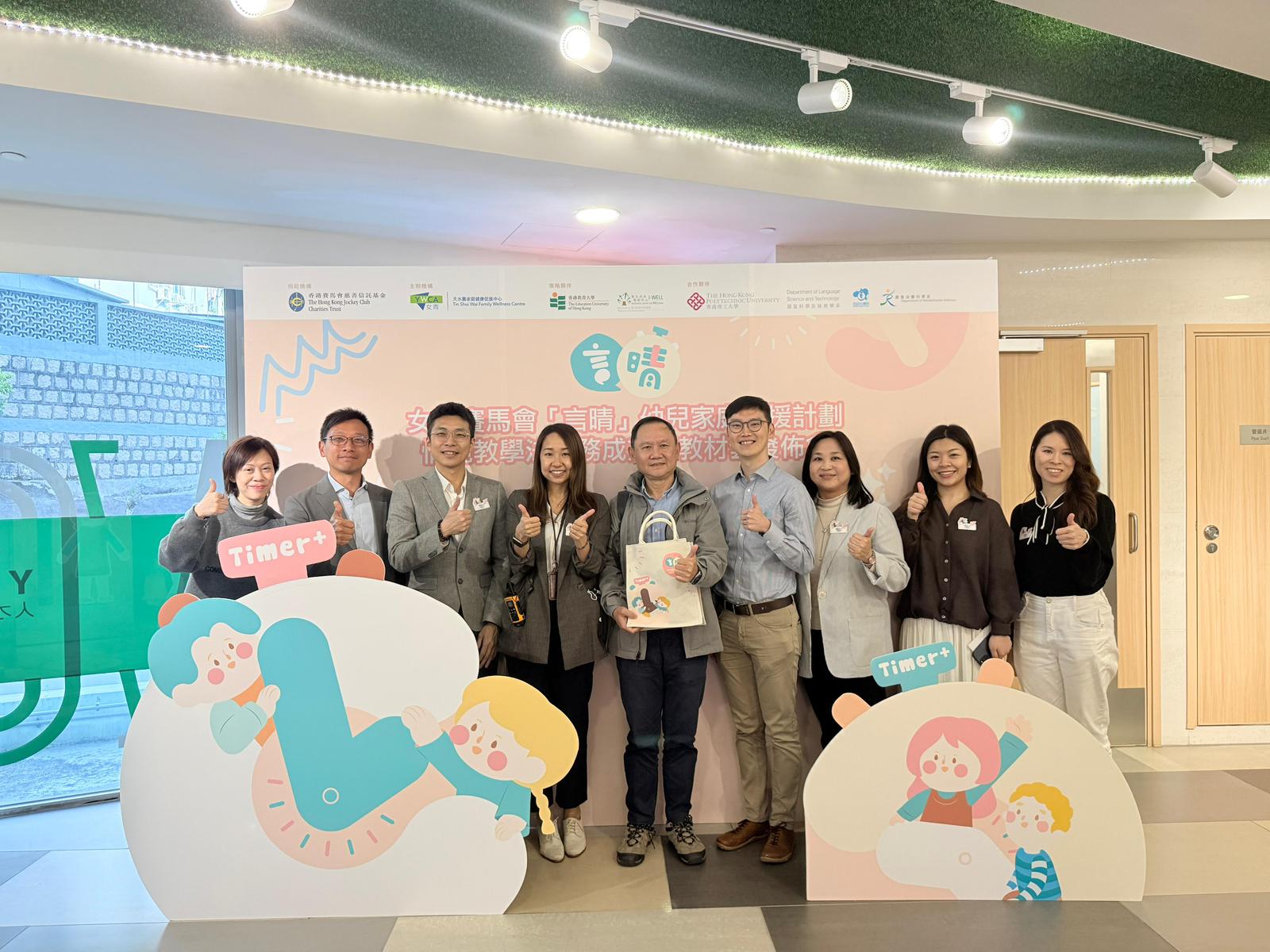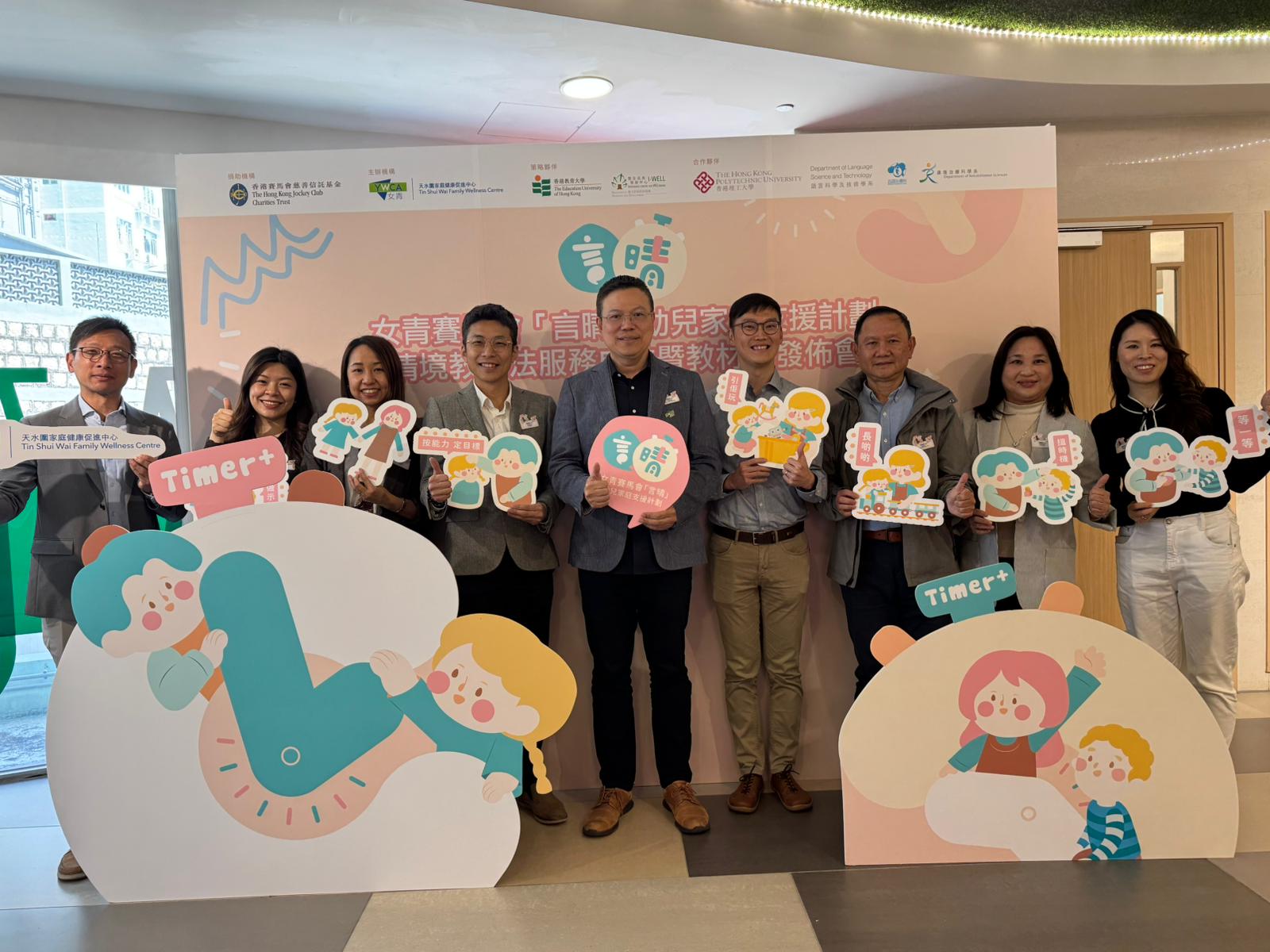

The Hong Kong Christian YWCA’s Jockey Club “Speech Up” is a support initiative for young children with speech impairment, it provides support to families in the New Territories West with children aged 1 to 6 who have speech development needs and are waiting for government services.
The “Speech Up” Programme has been running for two years. It consists of an interdisciplinary team including registered social workers, speech therapists, special childcare workers, and skilled volunteers (child ambassadors). Children and their parents participate in speech training, parent situational teaching groups, and parent-child activities over a period of 10 months. A key component of the programme is the “Home-Based Contextual Teaching Strategy”, which encourages parents to use everyday scenarios such as meals, playing video games, or taking public transport to guide their children in expressing themselves through communication.
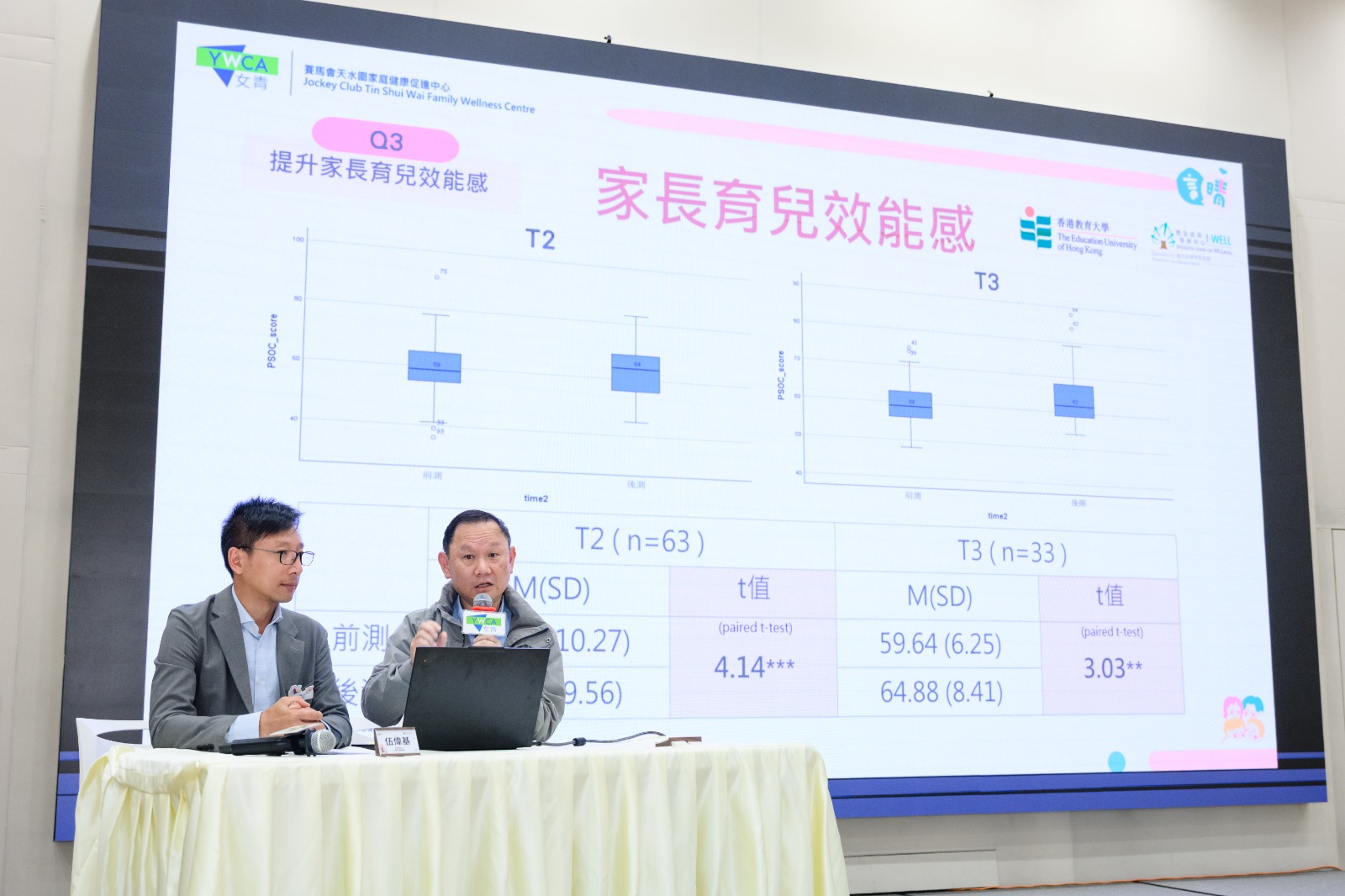
The YWCA recently collaborated with the Education University of Hong Kong to conduct a study on the programme’s effectiveness. The findings showed that before participating in the programme, less than half of the children in need had speech development abilities on par with their peers. After the intervention, over 80% of the children showed improvement in their speech abilities, and 50% reached the developmental level expected for their age. The study demonstrated that the programme effectively provides appropriate speech development support to children while they are on the waiting list for government-funded services, helping them make the most of the critical period for speech development.
Professor Leung Chi-hung of the Department of Special Education and Counselling at the Education University noted that parents also showed improved parenting skills and confidence after joining the programme: “Parents found that when they used home-based situational training, their children responded more, which in turn led parents to give more positive feedback, creating a healthy cycle.” As parents come to understand their children’s thoughts, the children become more proactive, and the parent-child relationship grows closer.