|
EdUHK & LU Academic Exchange in Cognitive Neuroscience
The Education University of Hong Kong (EdUHK) welcomed a delegation of scholars from Lingnan University (LU) to the University Research Facility of Human Behavioral Neuroscience (UHBN) on 17 April 2026 for a research exchange and laboratory visit. The event brought together researchers from both institutions to share their latest work in psychology, cognitive science, neuroscience, psychophysiology, and human–AI interaction, while exploring opportunities for future collaboration in academic research, interdisciplinary exchange, and laboratory development.
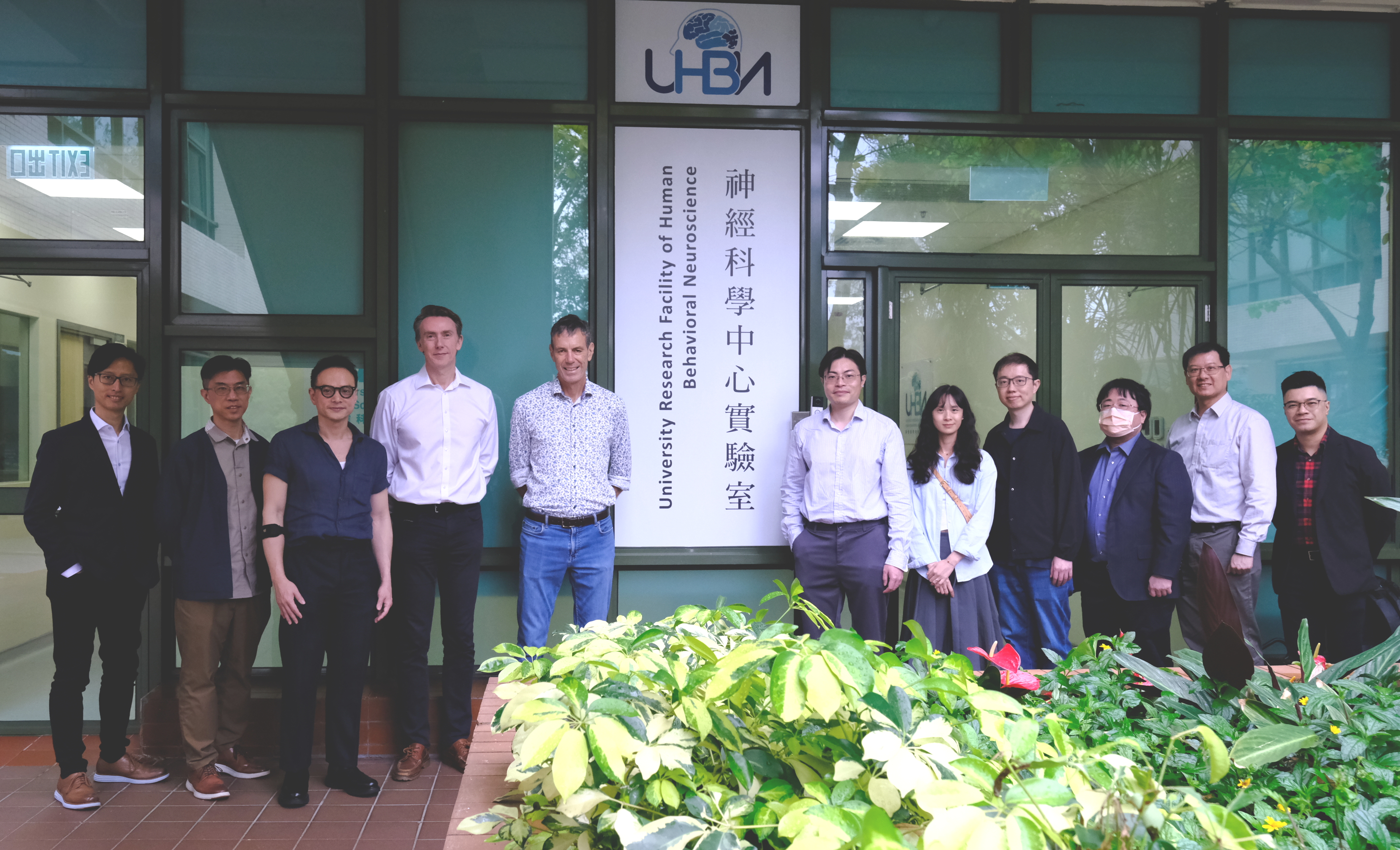
The exchange was initiated following discussions between Professor Wai-Kai Hou, Professor in the Department of Psychology, Director of the Centre for Psychosocial Health, and Associate Director of UHBN at EdUHK, and Professor William Hayward, Dean of Social Sciences and Chair Professor of Psychology at Lingnan University. Building on the shared interests of both universities in advancing interdisciplinary neuroscience and psychology research, the meeting aimed to strengthen academic connections, facilitate mutual understanding of research expertise and facilities, and identify new directions for collaborative work.
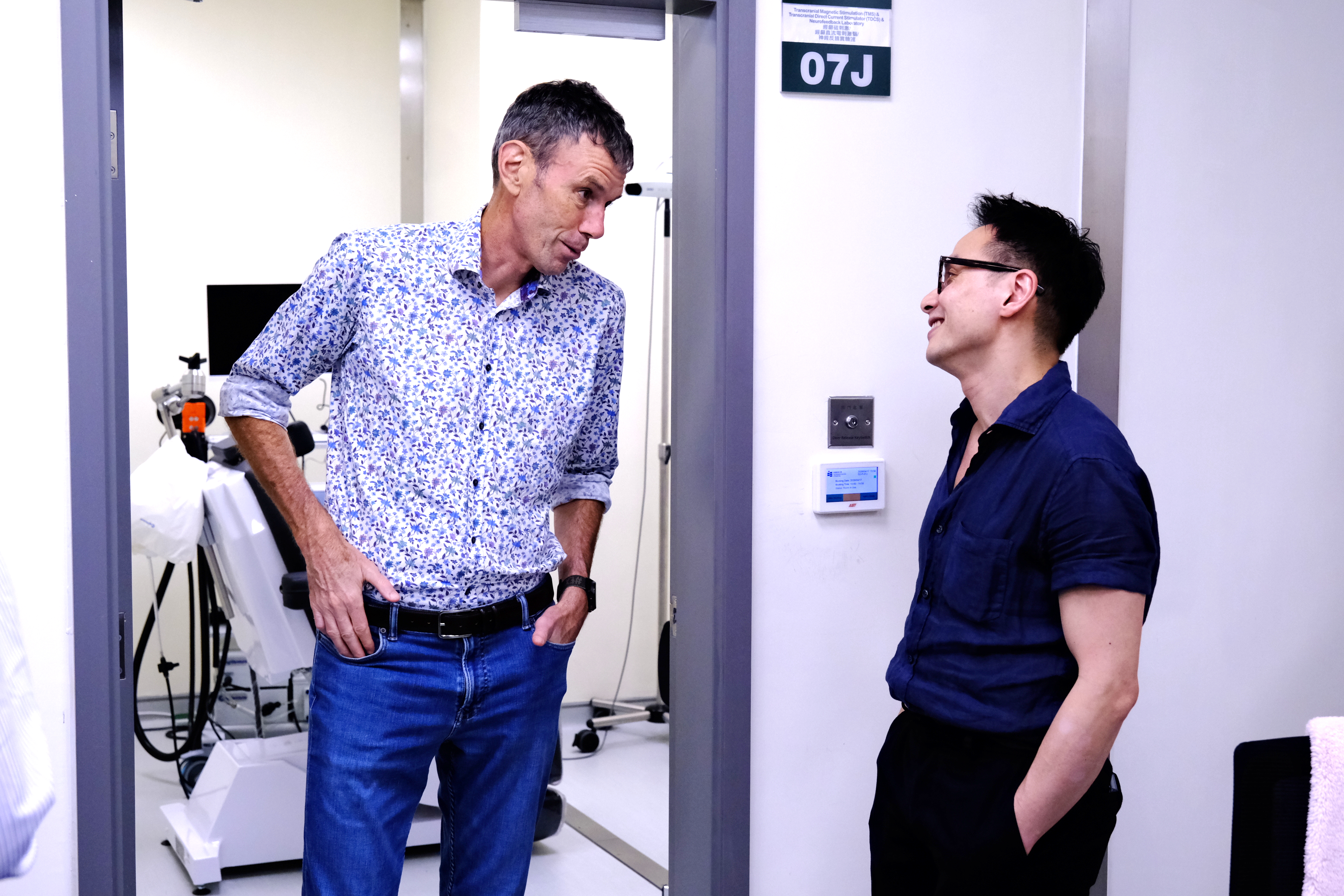
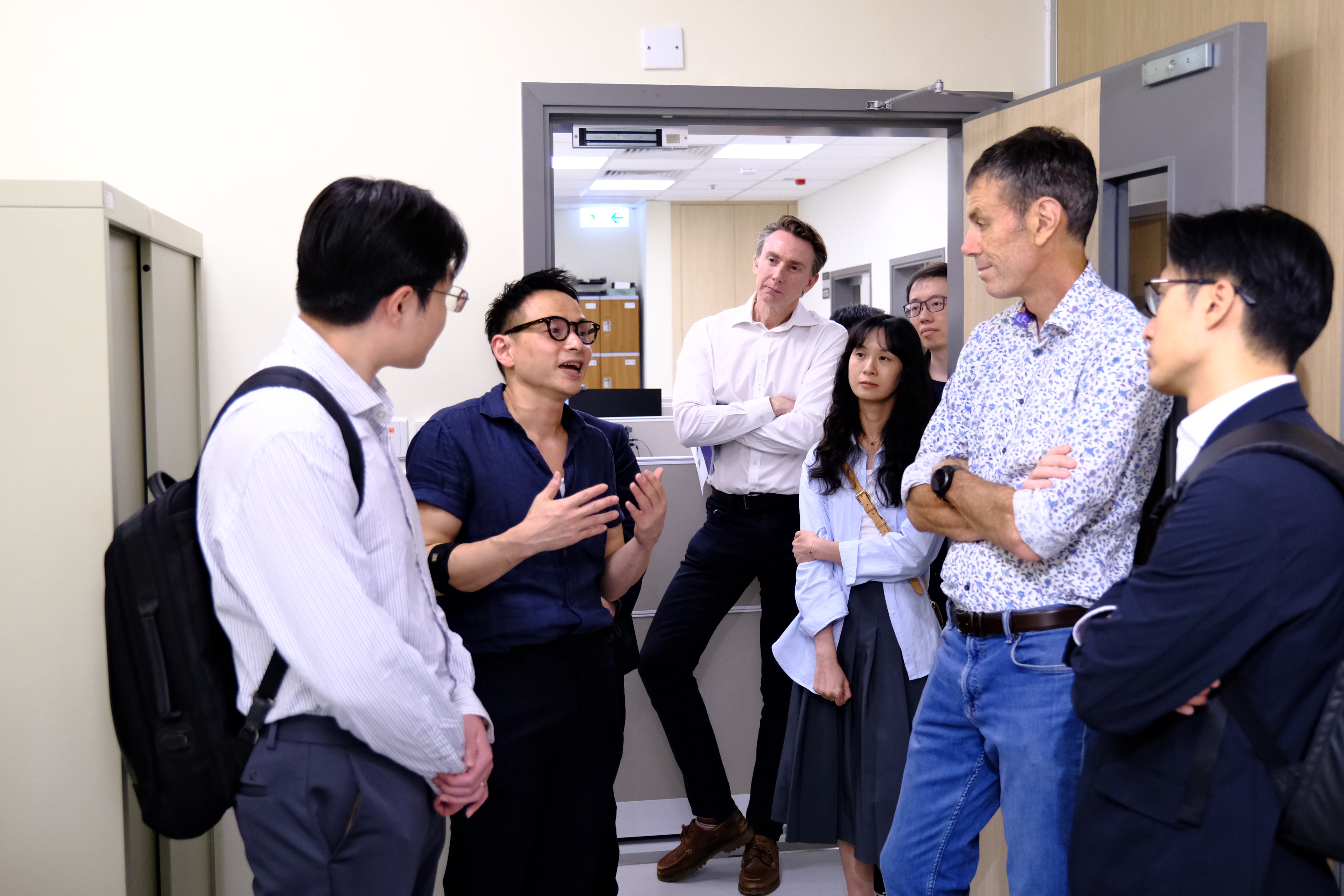
The event began with a tour of the UHBN laboratories from 2:00 pm to 2:20 pm, during which participants were introduced to EdUHK’s advanced research infrastructure and ongoing work in human behavioral neuroscience. During the visit, Professor YUNG, Kin Lam Ken, Associate Vice President (Knowledge Transfer and Sustainability), Chair Professor of Biology and Neuroscience, and Director of the University Research Facility of Human Behavioral Neuroscience, delivered welcoming remarks to the Lingnan University delegation. The lab tour offered Lingnan colleagues a closer look at the Facility’s equipment, research environment, and methodological applications, while also creating an opportunity for both sides to exchange views on laboratory development, facility planning, and the use of neuroscience tools in diverse research contexts.
This was followed by a research sharing session featuring presentations by scholars from both universities. Professor William Hayward, Dean of Social Sciences and Chair Professor of Psychology at Lingnan University, opened the session with “Understanding Face Perception Using Eye-tracking and EEG.” Professor Hayward is an internationally recognised scholar in cognitive psychology and cognitive neuroscience whose research focuses on how visual information supports our understanding of faces, objects, and visual attention, using behavioural methods, electroencephalography (EEG), and eye-tracking.
Professor Wai-Kai Hou, Professor in the Department of Psychology, Director of the Centre for Psychosocial Health, and Associate Director of UHBN at EdUHK, then presented “Internet Panel for Adults and Youths (iPAY): How epidemiological methods benefit neuroscience and psychology research and practice.” Professor Hou’s work spans resilience, epidemiology, big data analytics, public mental health, social determinants, and psychometrics, with the goal of supporting health equity through scalable interventions and cost-effective policies.
Representing Lingnan University, Dr. Jie Xu, Associate Professor in the Department of Psychology and Director of the Lingnan University Cognitive Science Research Centre, shared “Neuroergonomics in Human-AI Interactive Systems.” With expertise in industrial and systems engineering, Dr. Xu’s research focuses on human–AI collaboration, neuro-physiological computing, and user experience design. Professor Andrew Edwards, Professor in the Department of Health and Physical Education at EdUHK, presented “Psychophysiology in Sport and Exercise.” His research examines exercise physiology and psychophysiology, including pacing, fatigue, time perception, and the use of virtual reality, wearables, and immersive environments to enhance exercise experience and performance. Dr. Fai Hong Lui, Assistant Professor in the Department of Psychology at Lingnan University, then spoke on “Exploring the Nature of Neural Processing and Its Utility beyond Cognitive-linguistic Skills for Identifying Literacy Difficulties.” His research focuses on multitasking and early literacy development, with particular interest in neural markers that may predict children’s reading and writing development.
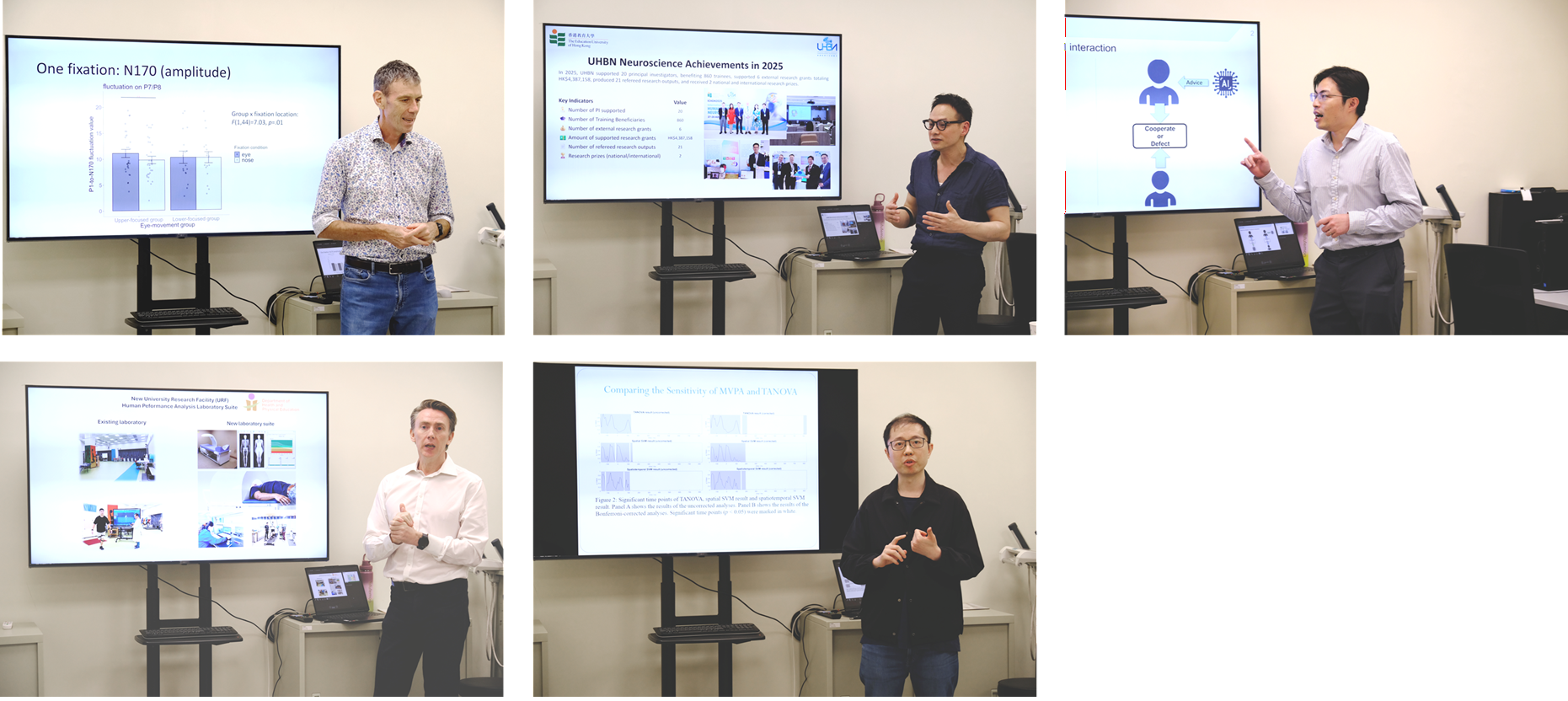
Following a short break, the session continued with presentations by EdUHK and Lingnan researchers on a broad range of neuroscience and psychology topics. Dr. Chih Chien Kuo (Michael), Associate Professor at the Academy for Applied Policy Studies and Education Futures at EdUHK, presented “Effectiveness of Transcranial Direct Current Stimulation (tDCS) in People with Cognitive Impairment.” With a background in occupational therapy, his research explores neuroscience and neurorehabilitation, especially cognitive processes and interventions that may improve cognitive performance and emotion regulation. Dr. Yi Huang, Assistant Professor in the Department of Psychology at Lingnan University, shared “The Neuroscience of Decision-making and Social Influences.” Her research investigates the psychological and neural mechanisms underlying economic decision-making and social behaviour in younger and older adults. Dr. Wong Man Lok (Nichol), Assistant Professor at EdUHK, then introduced “How Social Brain Functions in Lonely Individuals.” His research in social and affective neuroscience explores how loneliness, depression, autism, and ageing shape brain and emotional processes.
The exchange also featured Dr. Ng Tin Yan (Hezul), Research Assistant Professor at the Wofoo Joseph Lee Consulting and Counselling Psychology Research Centre at Lingnan University, who presented “E/I Balance and Prediction in Perception and Autism.” His work uses modelling and neurophysiological methods to understand how excitation-inhibition dynamics and predictive processes shape perception and contribute to behavioural and perceptual heterogeneity in autism. Dr. Lee Lap Fai (Alan), Associate Professor in the Department of Psychology at Lingnan University and Director of the Major in Social Data Science, presented “Perception & Metacognition × Psychophysics & Computational Modelling.” His research broadly addresses sensation and perception, with a focus on vision, adaptation, learning, and metacognition. Dr. Wong Ho Yin (Clive), Research Assistant Professor in the Department of Psychology at EdUHK, concluded the sharing with “Towards Precision Psychiatry in ADHD: Transdiagnostic Prediction + Precision Neuromodulation.” Drawing on his background in computer engineering and psychology, his research integrates EEG, functional neuroimaging, and machine learning to develop brain–behaviour predictive models for ADHD and other neurodevelopmental disorders.
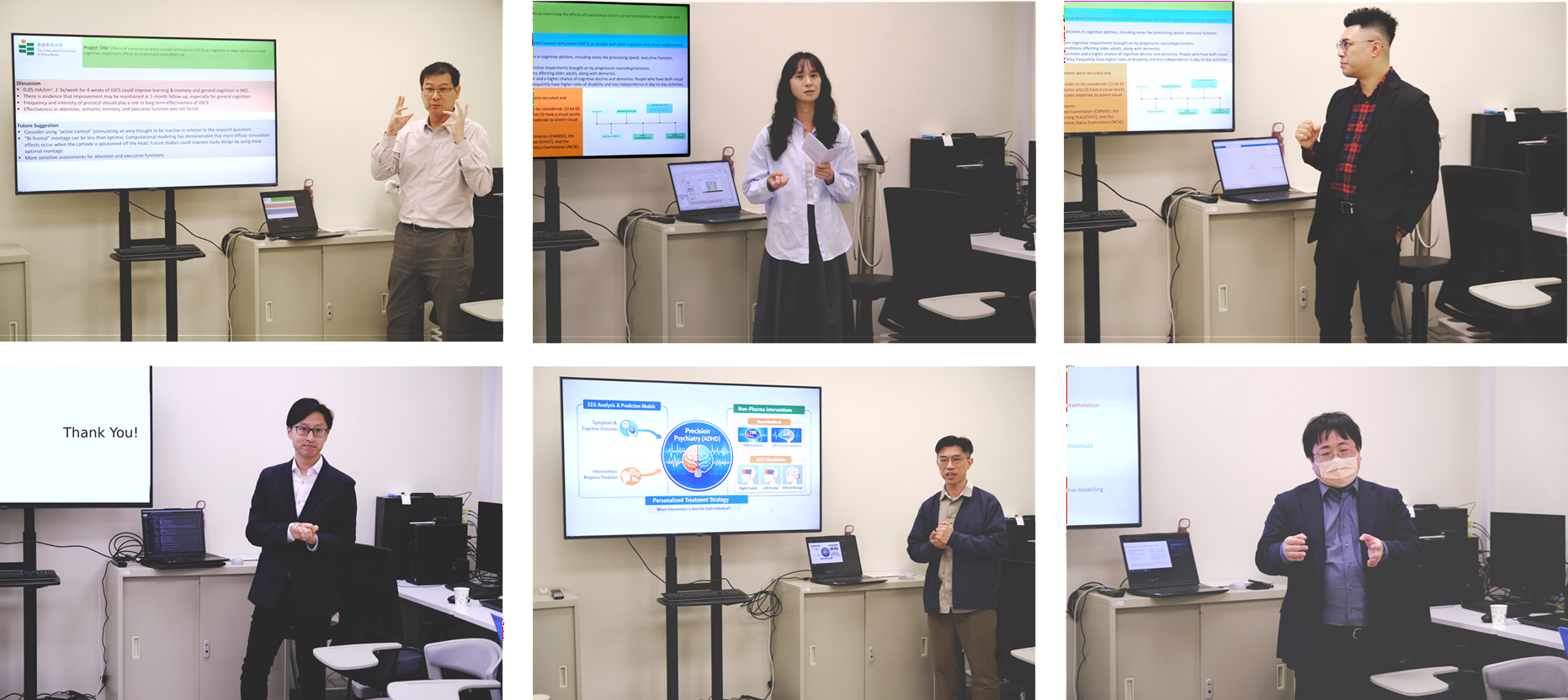
The exchange demonstrated the strong complementarity between EdUHK and Lingnan University in areas such as cognitive neuroscience, developmental and social neuroscience, psychophysiology, neurorehabilitation, literacy development, perception, and human–AI systems. Through the laboratory visit and focused sharing session, participants gained a deeper understanding of one another’s research strengths, methodological approaches, and facility development. The meeting also opened up promising possibilities for future cooperation, including joint research initiatives, interdisciplinary academic exchange, and continued dialogue on laboratory setup, research infrastructure, and the application of neuroscience methods across diverse research contexts.
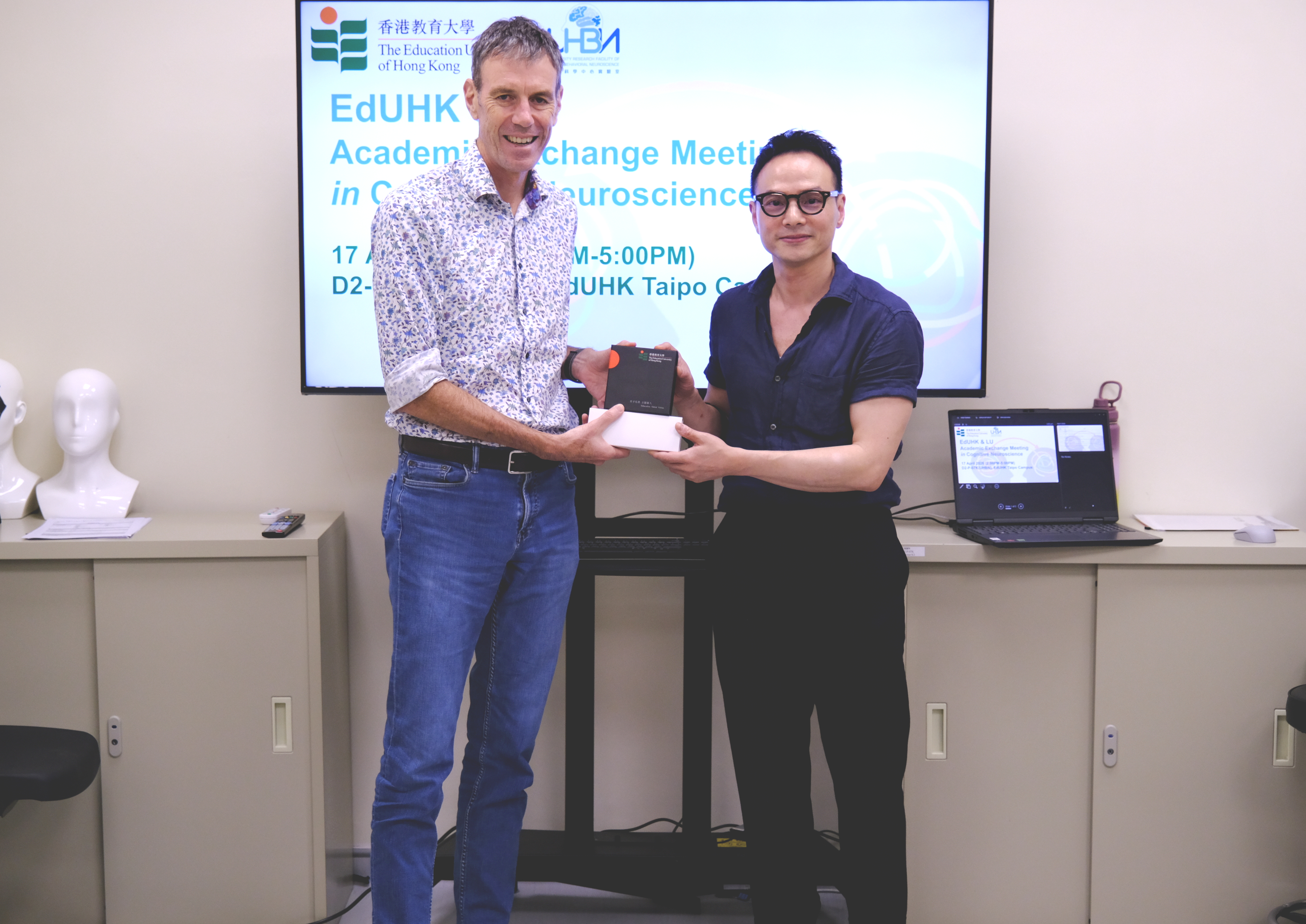
The event reflected EdUHK’s commitment to fostering cross-institutional dialogue and advancing impactful neuroscience and psychology research through collaboration. It also highlighted the role of UHBN as a platform for connecting scholars across disciplines and institutions, and for supporting the continued development of innovative research infrastructure in human behavioral neuroscience. |