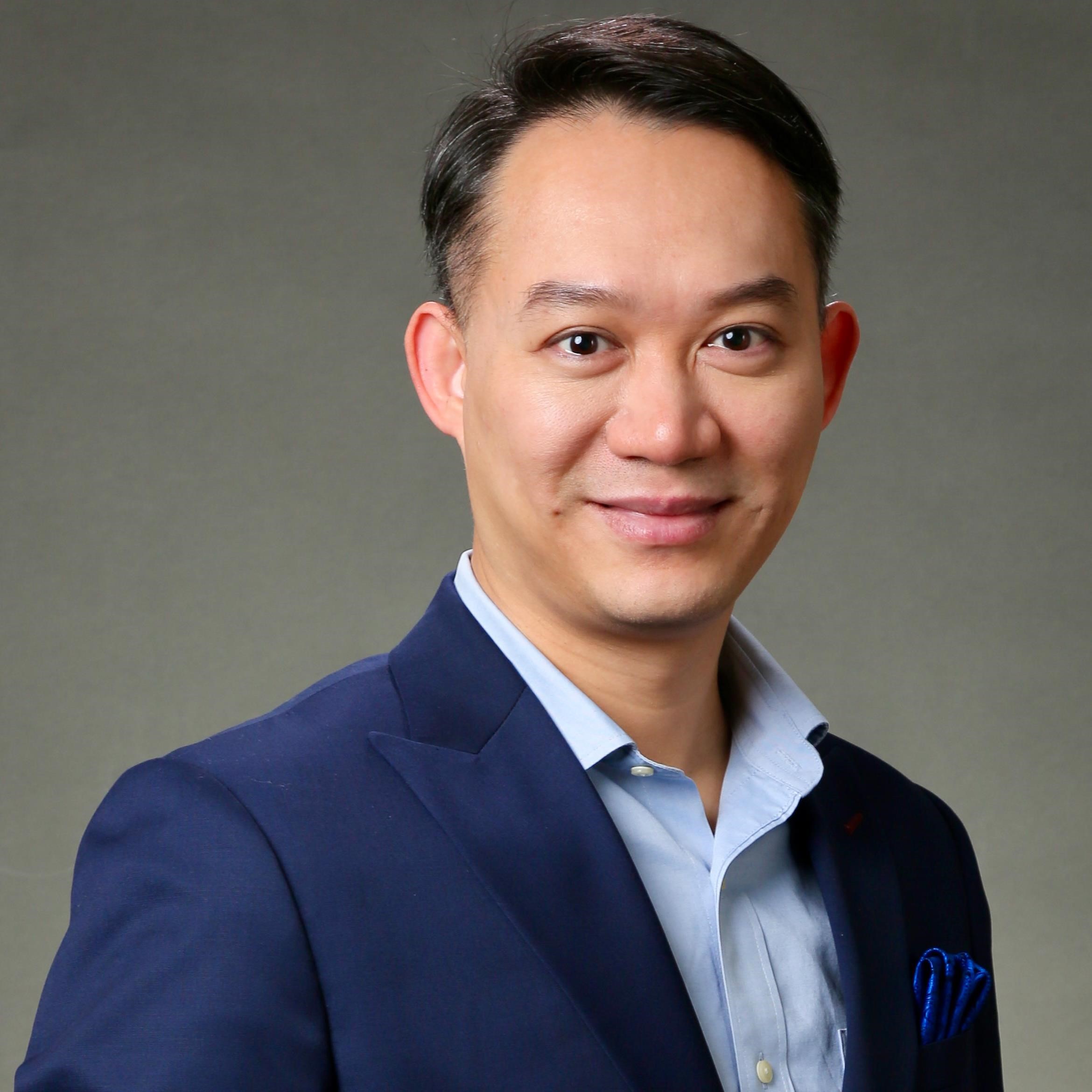



Professor CHEN Wenli
Professor National Institute of Education – Learning Sciences & Assessment Singapore
Speech Title
Augmenting, Not Replacing, Human Judgement: Leveraging AI for Thoughtful Decision-Making
Speaker Bio
Professor Chen Wenli is an internationally recognized learning scientist at the National Institute of Education (NIE), Nanyang Technological University (NTU), Singapore. Her research focuses on computer-supported collaborative learning, multimodal learning analytics, and human-centred artificial intelligence in education (AIED).
Professor Chen is recognised as Stanford University–Elsevier World’s Top 2% Scientists 2026. She has published more than 100 papers in reputable journals and received more than a dozen Best Paper Awards at international conferences. Her contributions to the field have also been recognised through the Distinguished Researcher Award from the Asia-Pacific Society for Computers in Education, as well as the Excellence in Research Commendation, Excellence in Teaching Commendation and Nanyang Education Award from NIE and NTU.
Professor Chen is the Editor-in-Chief of the Journal of Computers in Education and Learning: Research and Practice. She serves on the Board of Directors of the International Society of the Learning Sciences. She is also a member of the Executive Committees of the Asia-Pacific Society for Computers in Education (APSCE) and the Global Chinese Society of Computers in Education (GCSCE).
Speech Summary
As artificial intelligence becomes embedded in professional practice, the central challenge is not simply how to use it more efficiently, but how to use it without surrendering the judgement, responsibility and critical thought that high-stakes decisions require. Drawing on my work in human-centred AI in education for IA (intelligence augmentation), this keynote discussed how people work with AI in ways that strengthen rather than displace human thinking.
Education offers a valuable lens for executive professionals: both contexts involve navigating uncertainty, interpreting information, weighing consequences and remaining accountable for decisions. I will consider how AI can support these processes while keeping people actively engaged—for example, by prompting reflection, surfacing alternative perspectives and making assumptions open to scrutiny, rather than presenting outputs as answers to accept uncritically. The keynote will introduce practical principles for responsible AI integration into everyday operations while maintaining professional accountability—and how to build services that are more effective without making people less thoughtful.