
The University has introduced a new initiative that encourages students to harness emerging technologies in addressing real-world challenges through their Capstone Projects. By integrating emerging technologies into their projects, students are better equipped to develop practical solutions, and graduate with the skills needed to keep pace with rapid technological advancements and evolving industry trends.
Students' Projects


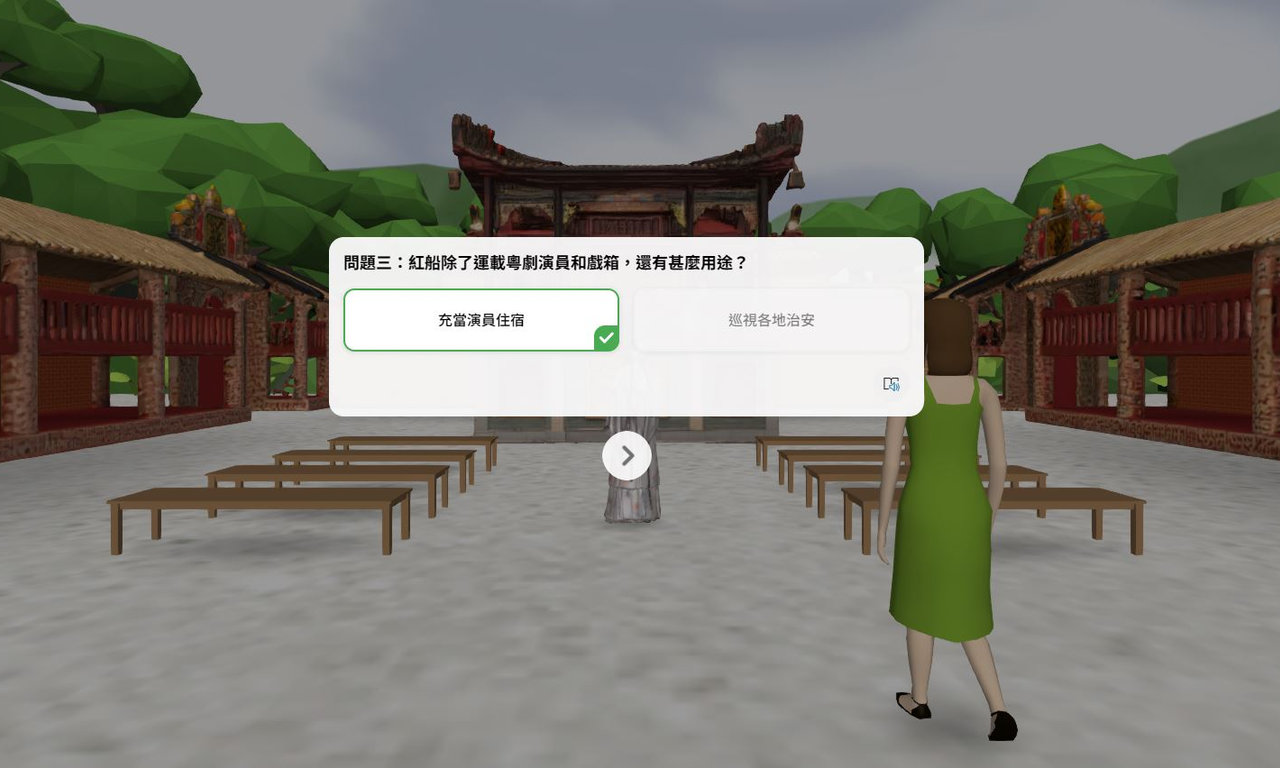

This project explored how virtual reality can boost young people’s interest in Cantonese opera. A VR game was developed to examine the effects of four design elements: narrative, interaction, visual effects, and audio effects. Set within a time-travel role-playing environment, the game introduced the history of Cantonese opera across three historical periods through interactive dialogues, costume experiences, quizzes, and scene exploration. The study evaluated how different VR design elements influence engagement and learning. The findings showed that VR significantly increased participants’ interest in Cantonese opera and their intention to further explore the traditional art form, demonstrating its effectiveness for attracting and motivating young learners. A comparison of the design elements also confirmed their distinct roles: visual and audio effects were most effective in capturing participants’ initial attention, while narrative and interaction played crucial roles in sustaining engagement and encouraging deeper exploration.
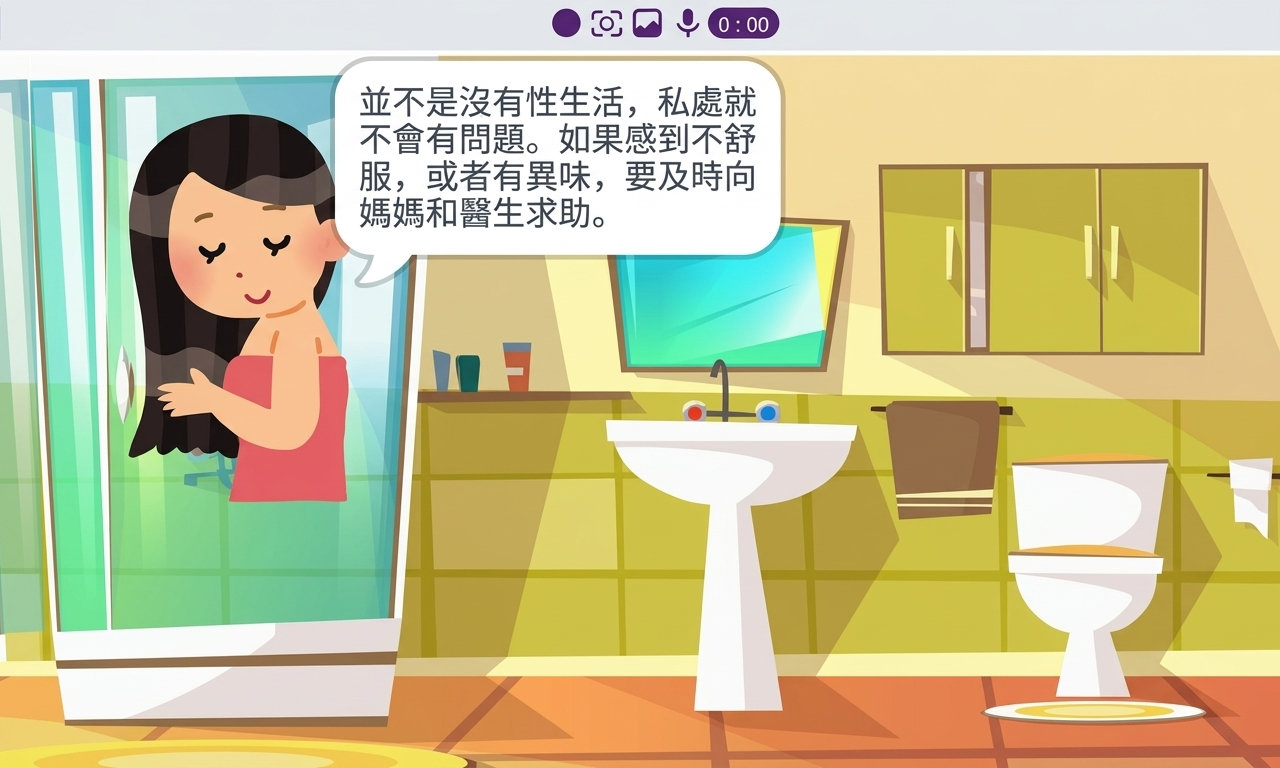

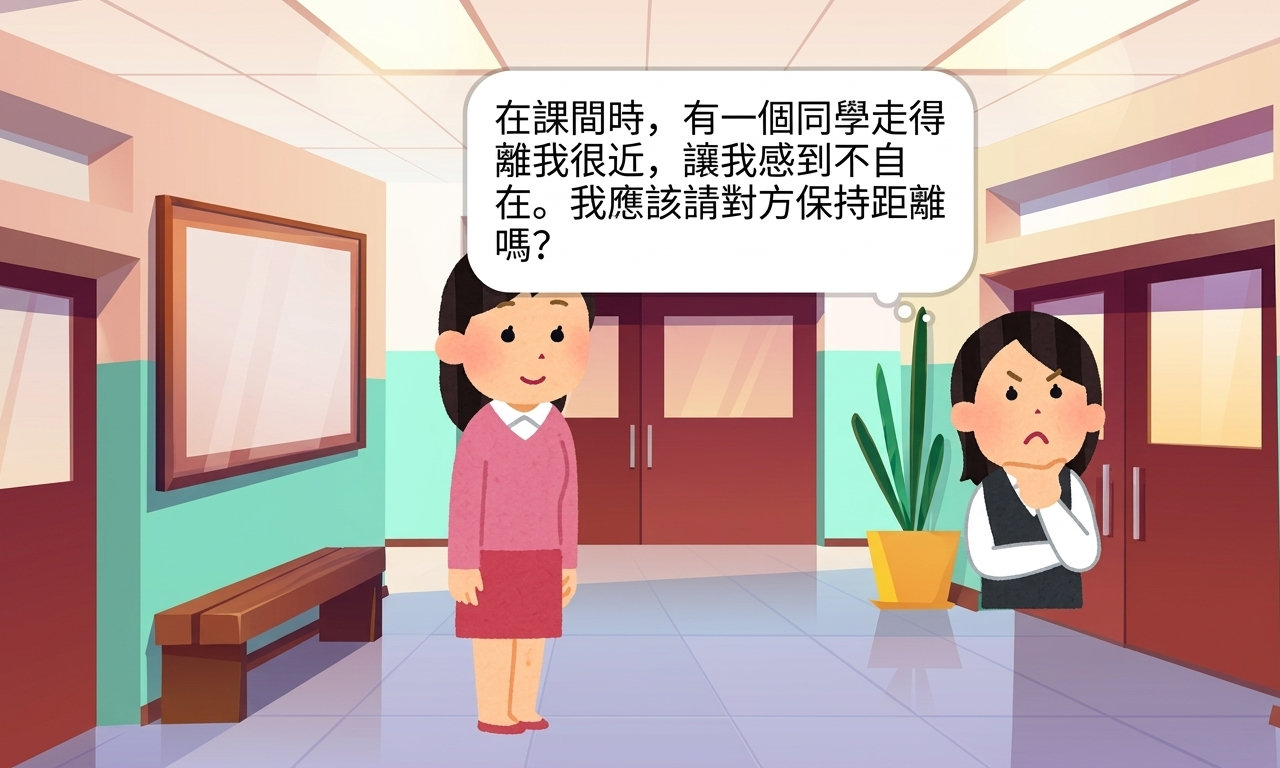

This project aimed to develop an e-Learning package for young women in Hong Kong with mild intellectual disabilities, focusing on sexual health and social skills. The package includes five 30-40-minute sessions, comprising quizzes, storytelling videos, interactive activities using simple gestures, and debriefing. Participants can control the narrative through actions such as nodding or selecting options, thereby enhancing engagement. The study evaluated the effectiveness of these games in improving knowledge, decision-making skills, and confidence in managing healthy relationships. The findings showed an overall improvement in learning outcomes and related skills following completion of the full e-learning package, demonstrating that interactive digital learning can effectively support participants’ understanding of sexual health and increase their confidence in applying the knowledge. The results also indicated stronger improvements in one of the later learning sessions, suggesting that the benefits may emerge progressively as participants become more familiar with both the learning format and the content.
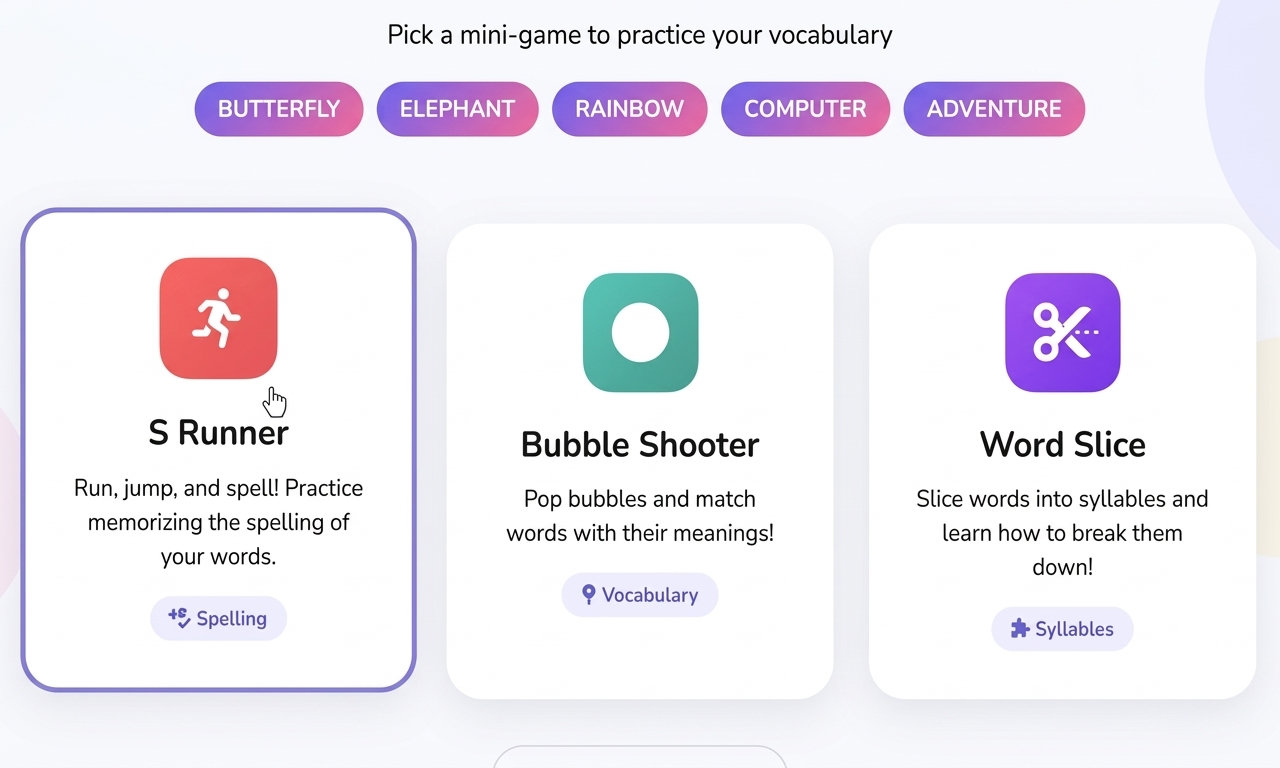
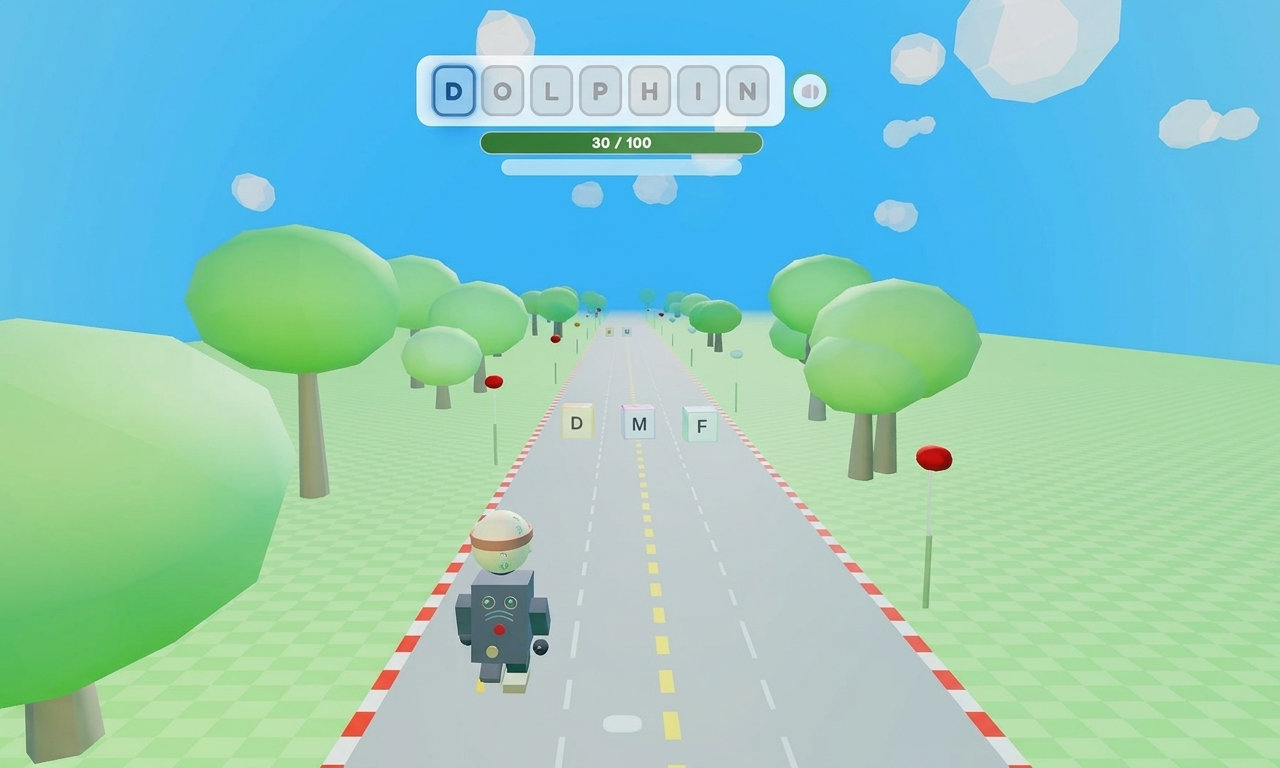
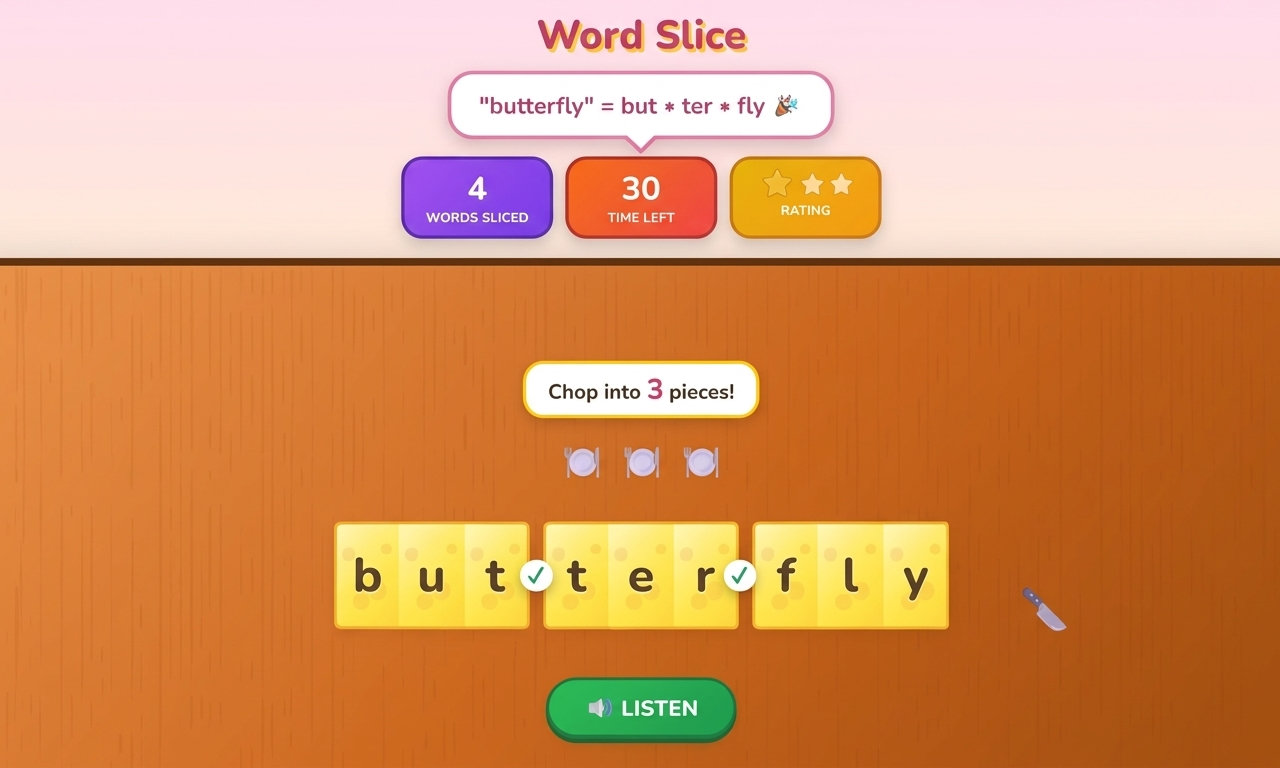
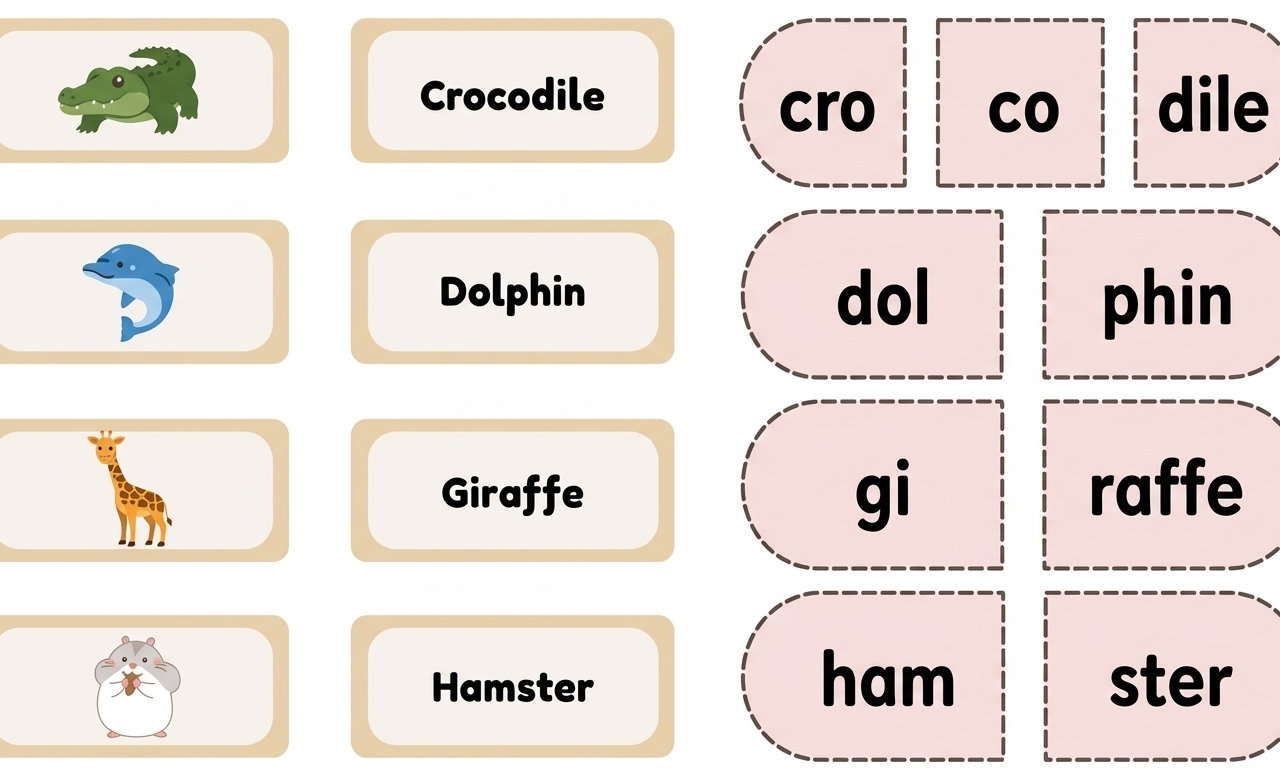
This project investigated whether digital games can more effectively motivate children with dyslexia and improve their short- and long-term memory for learning English than traditional physical games. Using vibe coding, three digital mini-games were developed: S Runner (spelling learning), Bubble Shooter (word-meaning learning), and Word Slice (syllable learning). Each game targeted a specific skill required for understanding and memorising English vocabulary. Compared with a traditional game-based approach, children engaged in the digital game-based approach were found to demonstrate stronger performance in syllable counting, spelling, and word-meaning tasks. In addition, the use of digital games fostered greater motivation and sustained interest in English learning.
Acknowledgement
Dr Yip Tak Ping Terry, Department of Curriculum and Instruction (C&I@EdUHK);
Dr Wang Li-Chih Angus; Dr Chan Wai Lan Winnie; Mr Law Yau Shing Rex, Department of Special Education and Counselling (SEC@EdUHK);
Mr Chui Wai Tao Richard, Department of Mathematics and Information Technology (MIT@EdUHK)