
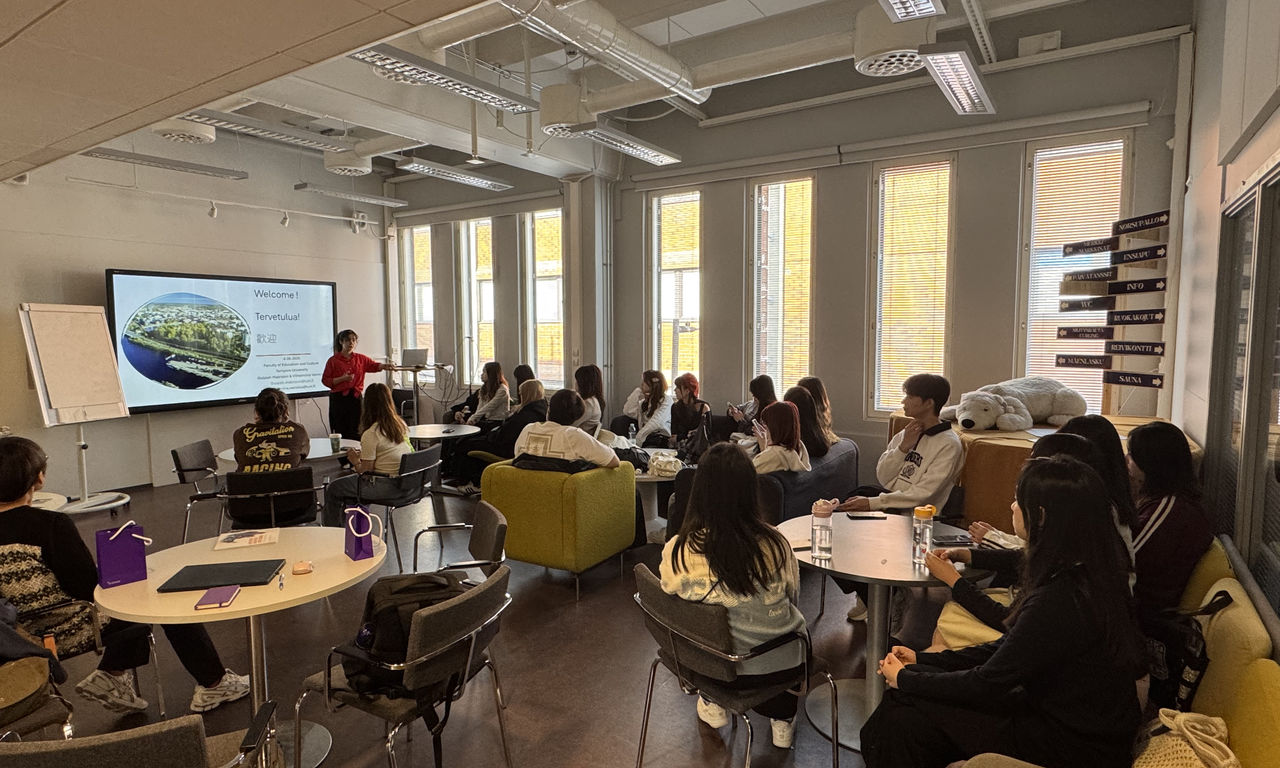
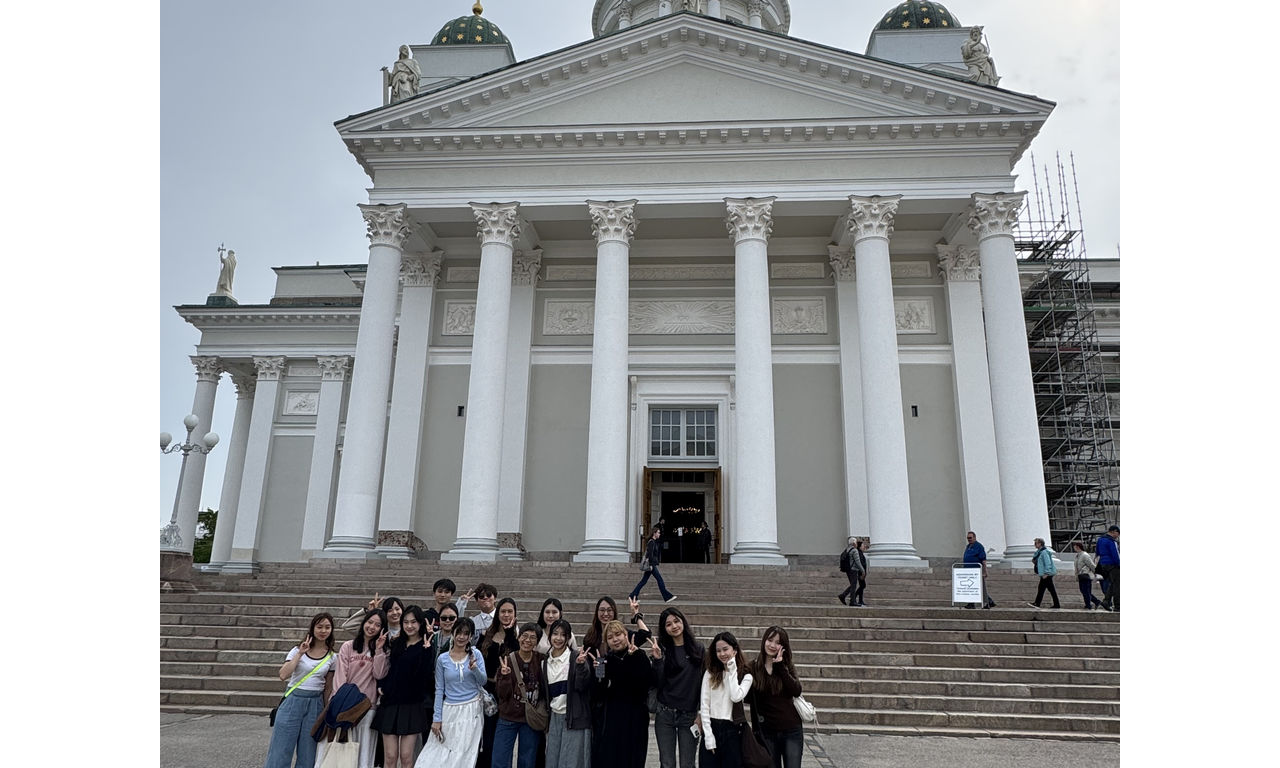
As part of the course titled “ECE0289 Becoming Global Citizens through Experiential Learning”, a nine-day tour to Finland was designed to expand students’ understanding of global citizenship beyond early childhood education. By emphasising cultural diversity and interconnectedness, the tour offered a unique opportunity to broaden students’ perspectives. Through well-planned and supervised experiential learning activities, 20 pre-service students engaged in a variety of direct experiences that allowed them to examine, reflect on, and conceptualise contemporary global issues.
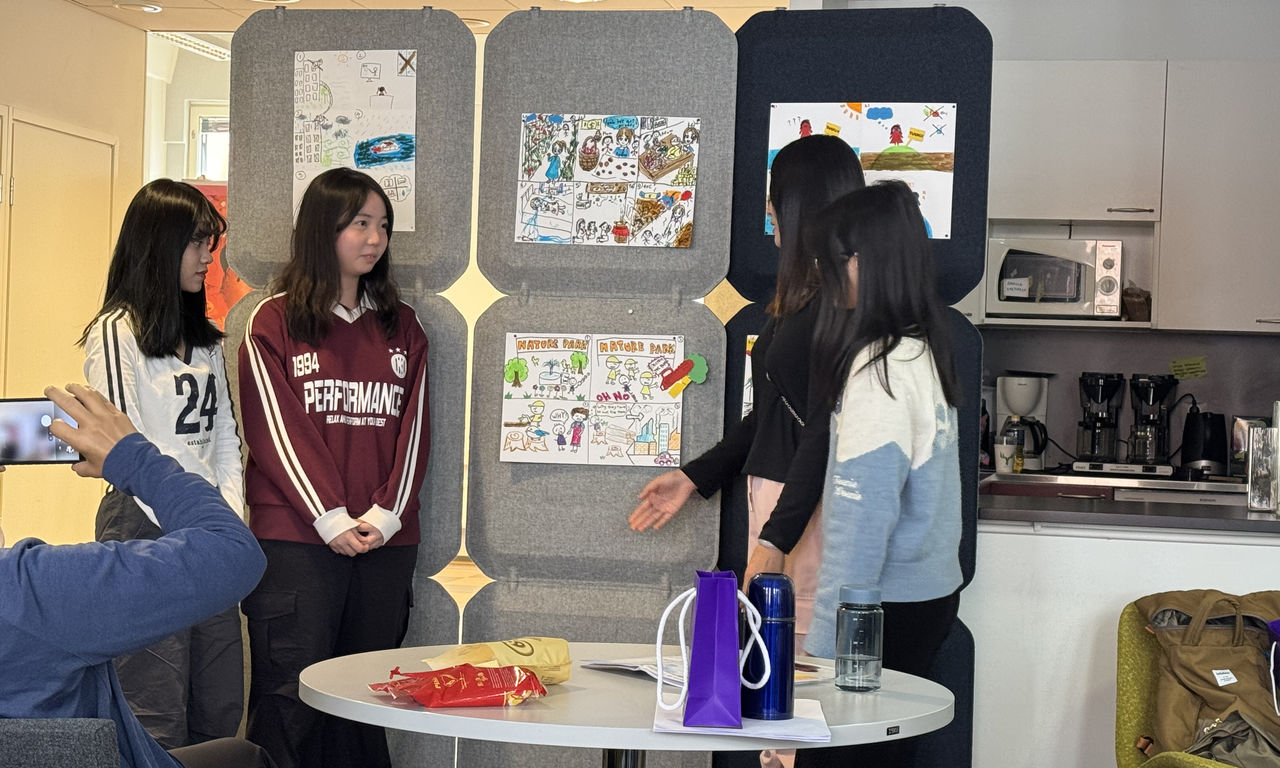
During the preparation stage, students worked in groups to set clear goals, research relevant information, and understand the background and beliefs of partnered institutions, schools, NGOs, and other stakeholders in Finland. The tour itinerary was intricately connected to global citizenship, immersing students in diverse educational and cultural contexts. They participated in reflective discussions and collaborative activities with local people, enhancing their critical thinking, problem-solving, and communication skills. After the tour, students engaged in a structured reflection activity to systematically consolidate their experiences for deeper learning and personal growth.
This journey not only addresses challenges in Early Childhood Education, but also encourages students to evaluate diverse perspectives and explore multifaceted solutions as they embraced their roles as global citizens.
Students' Sharing
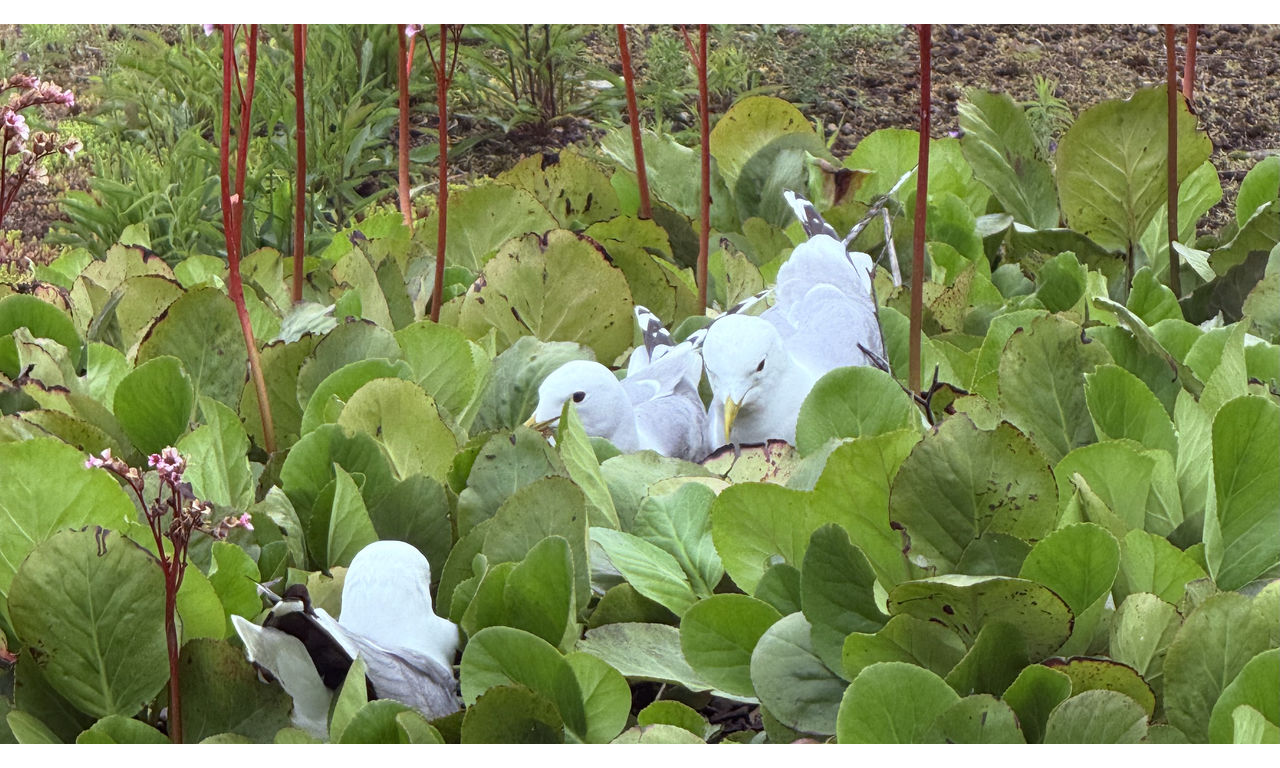
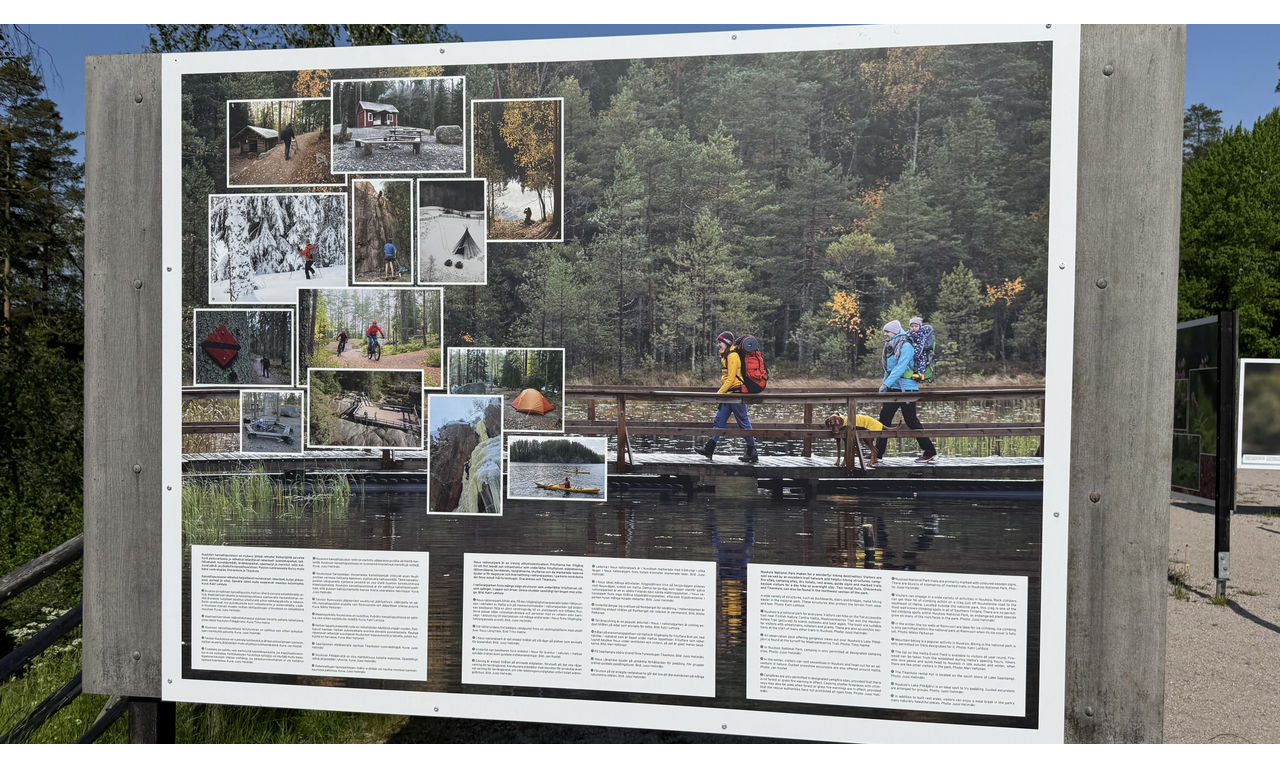
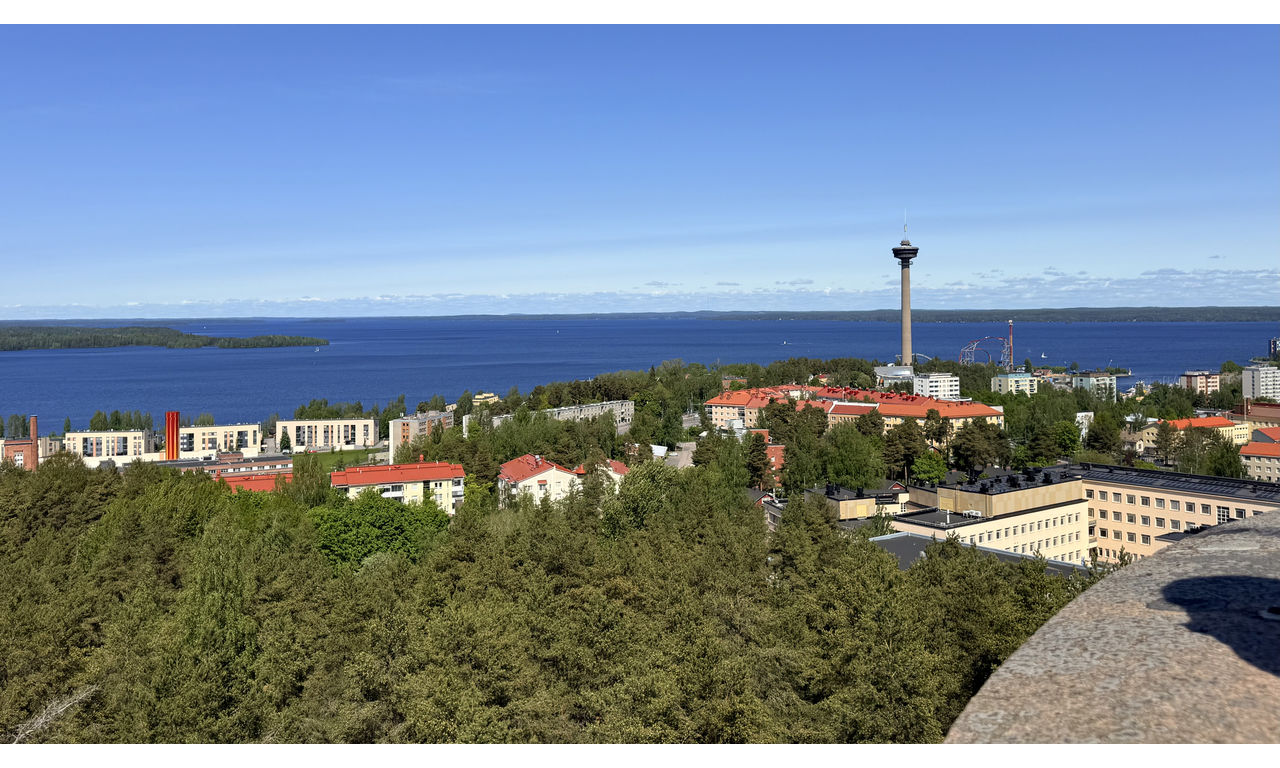
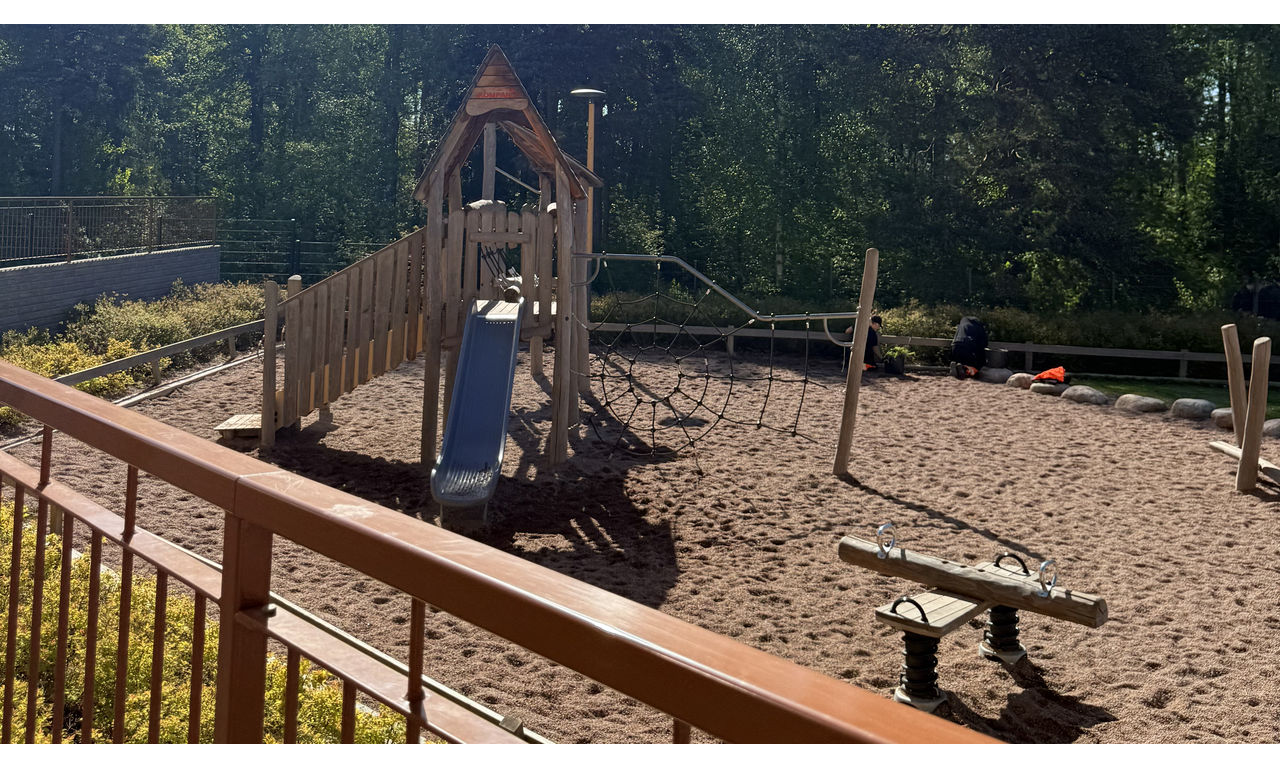
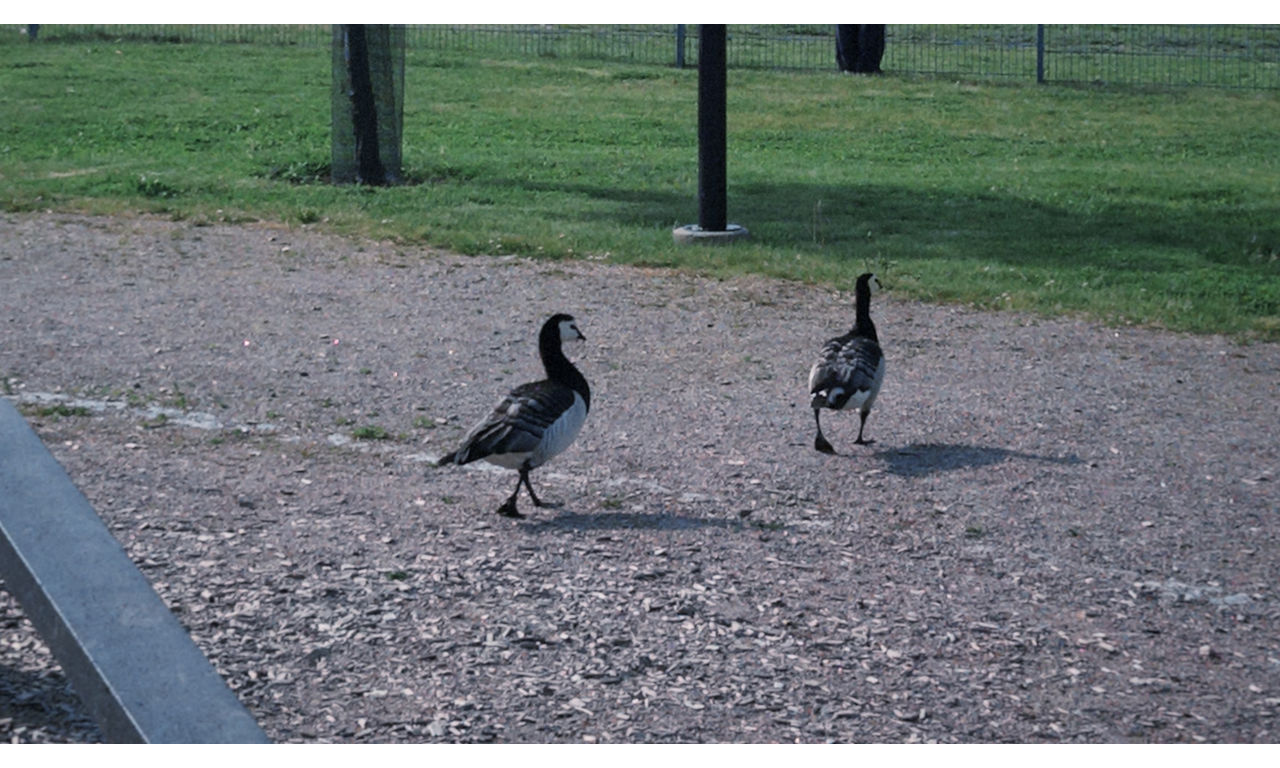
During my travel in Finland, I discovered striking differences compared to Hong Kong. Finland’s natural landscape stands in sharp contrast to Hong Kong’s urban density. With vast expanses of land and a relatively low population, much of Finland’s terrain remains untouched, preserving its forests rather than replacing them with skyscrapers. This allowed me to immerse myself in nature, experiencing breathtaking scenery and the freshest air — gifts from Mother Nature herself. Throughout the nine-day visit, I observed an abundance of well-preserved plants, showcasing a rich variety of flora and fauna within Finland’s unique meadow and grassland ecosystems, which contribute to the distinctiveness of its natural landscape.
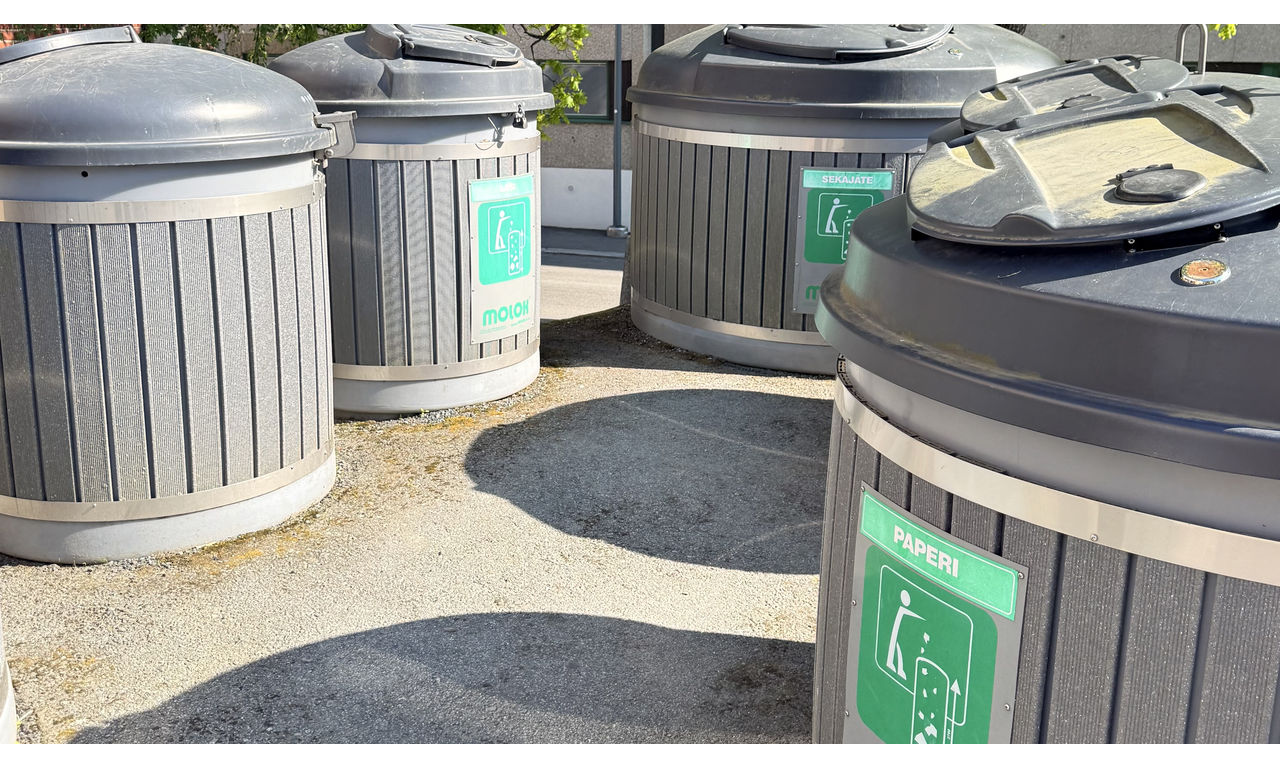
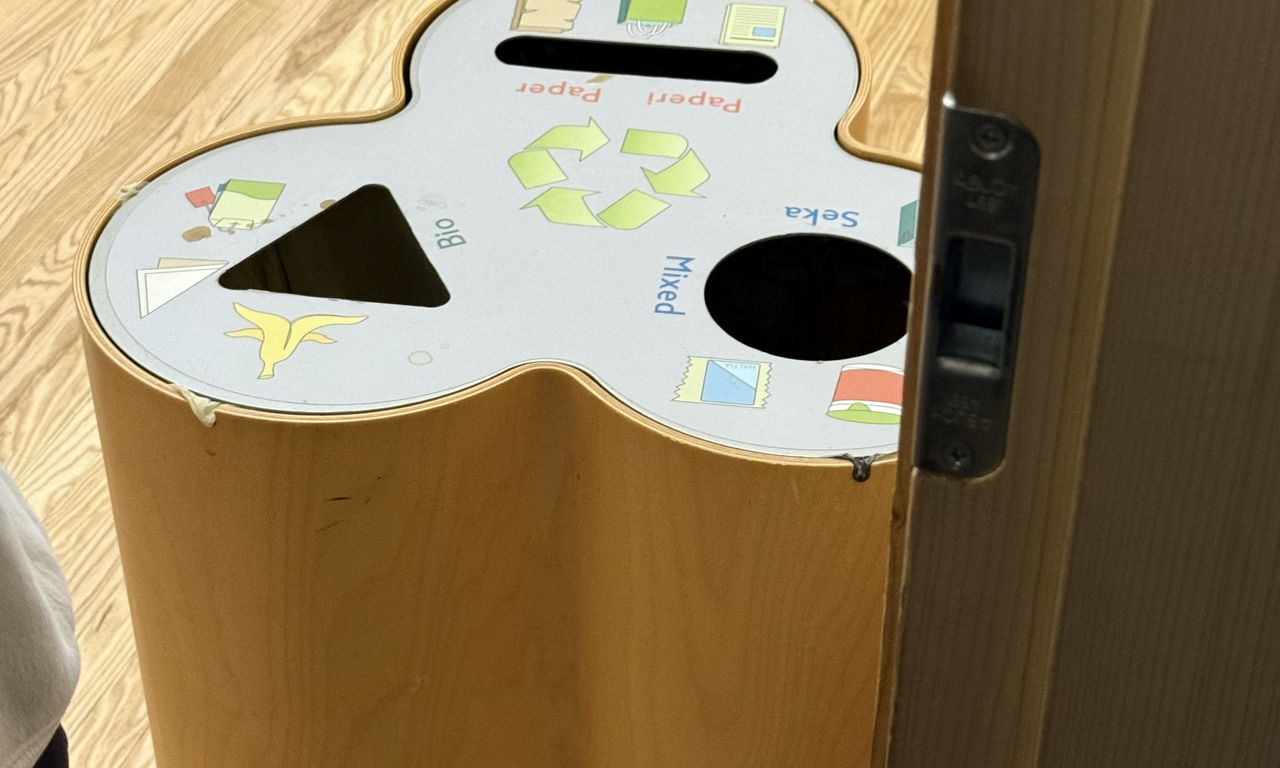
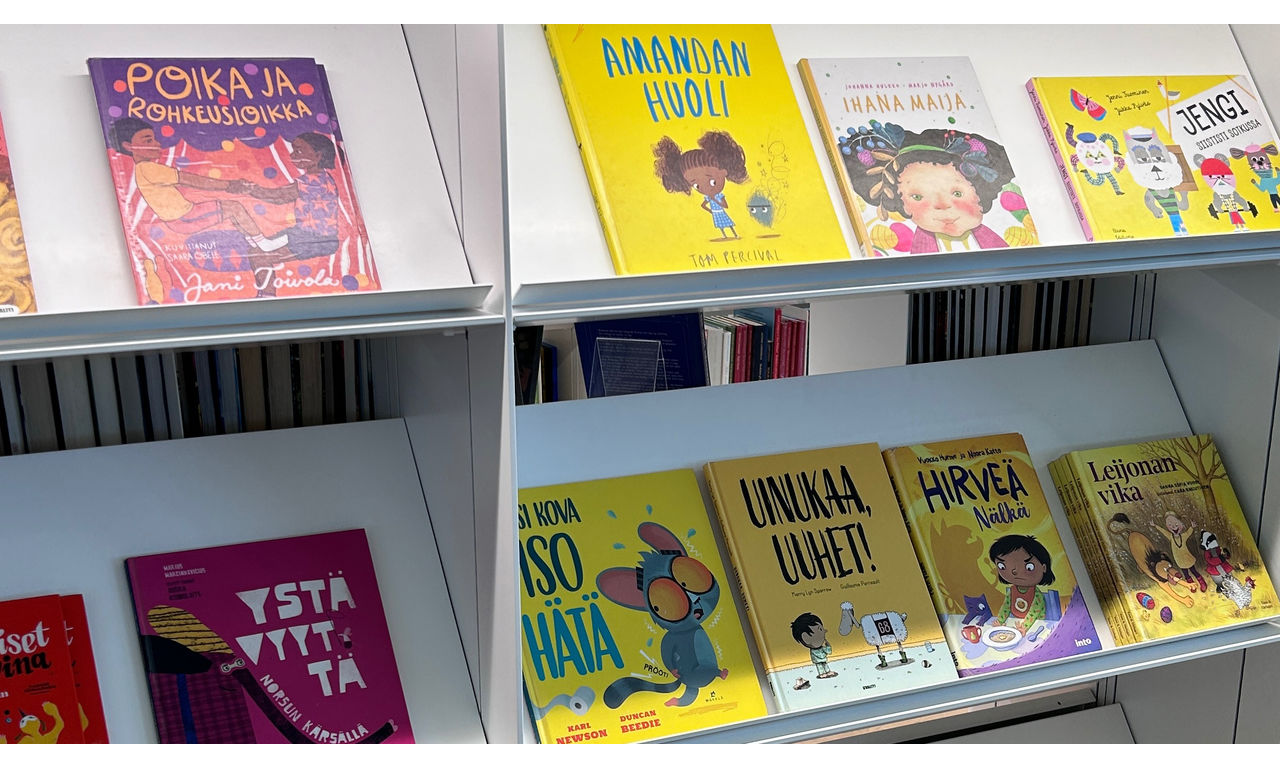
Finland is also a place that exemplifies the goals of sustainable, green city. Take Helsinki Central Library Oodi as an example — every facility and design there completely transformed my understanding of what a library can be. Everything in the library centers on flexibility and opportunity. It accommodates the diverse needs of its users by providing a variety of spaces. Rather than merely offering a place for work and study, the library provides a versatile and accessible environment for everyone, allowing users to choose how they want to enjoy the space. This approach caters to learners of all ages and promotes lifelong opportunities.
In a nutshell, this experience was truly incredible, offering a deep insight into the country’s vibrant culture and its inspiring commitment to sustainable development goals.
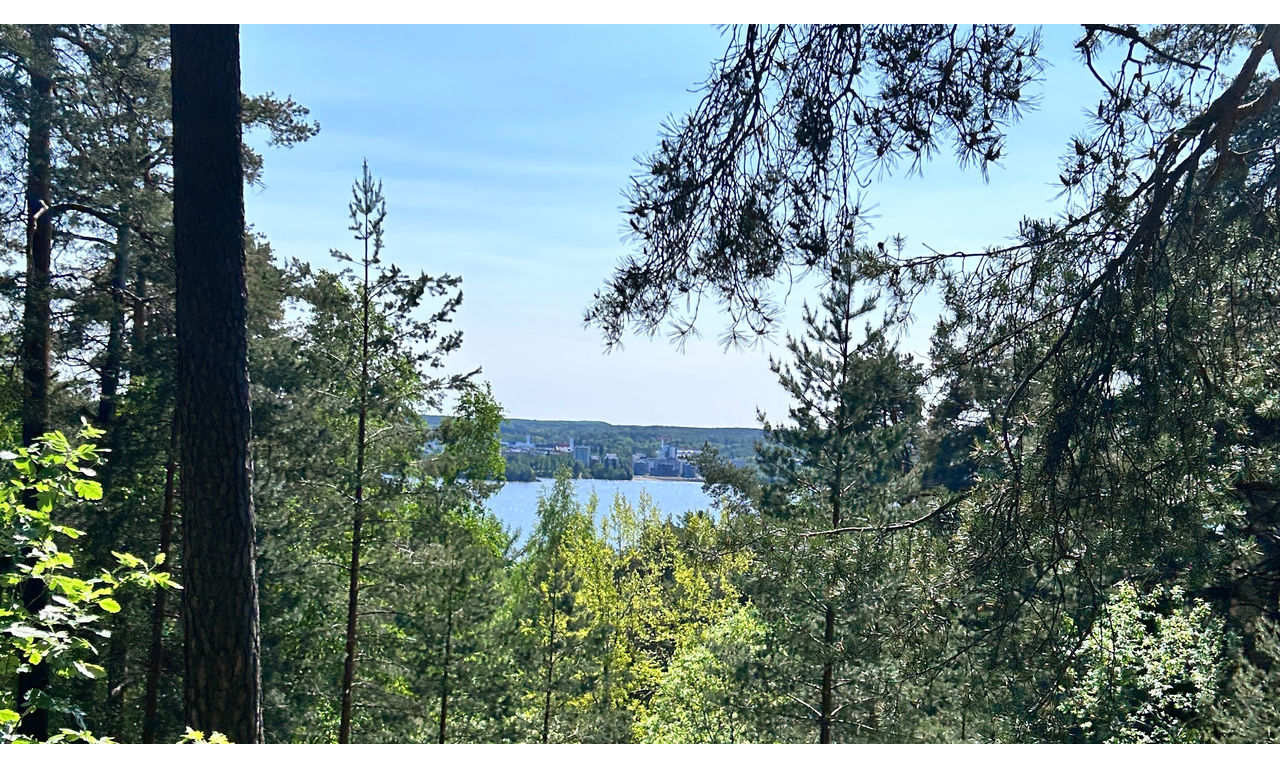
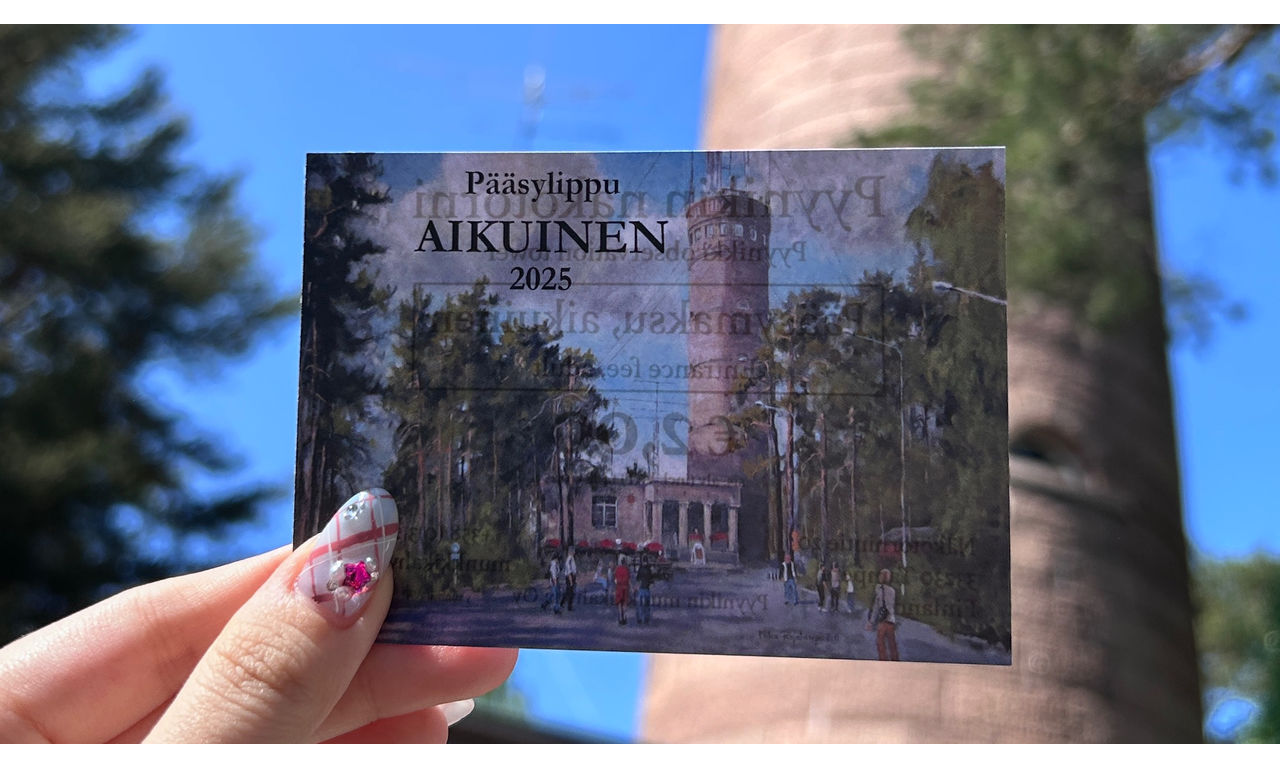
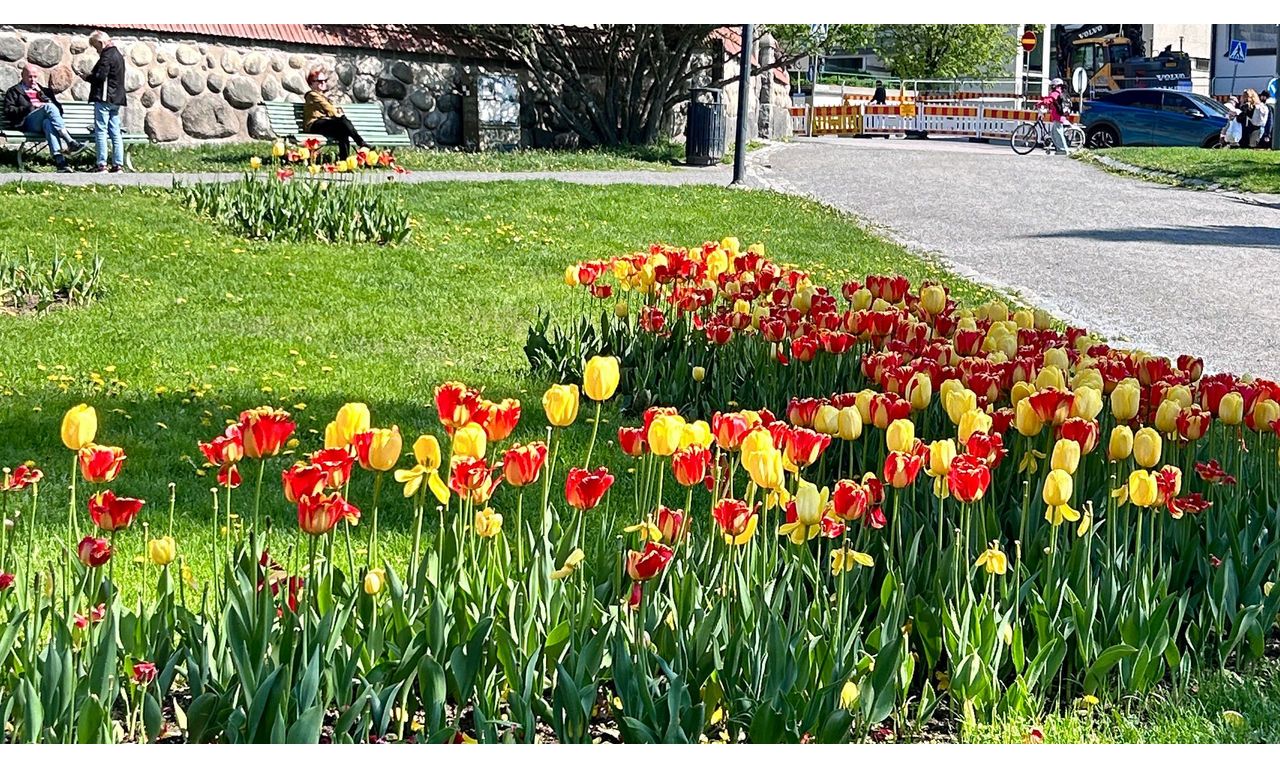
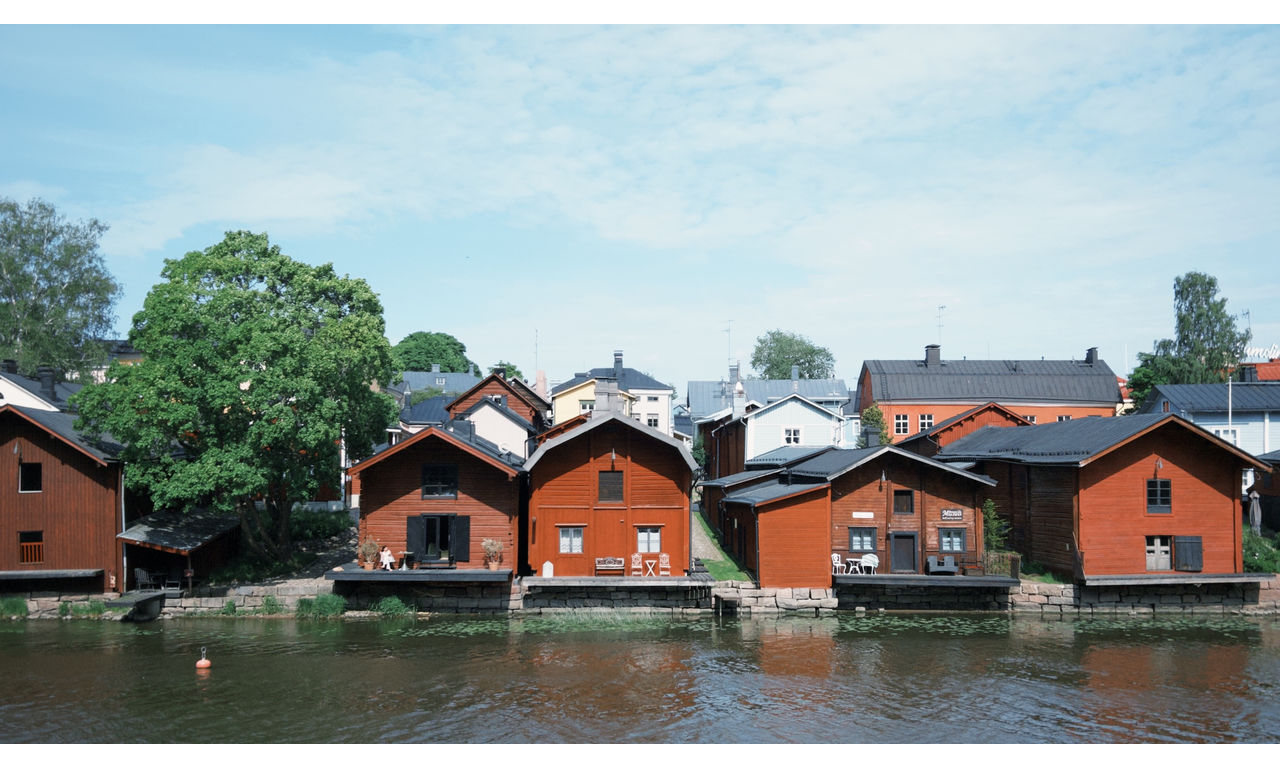
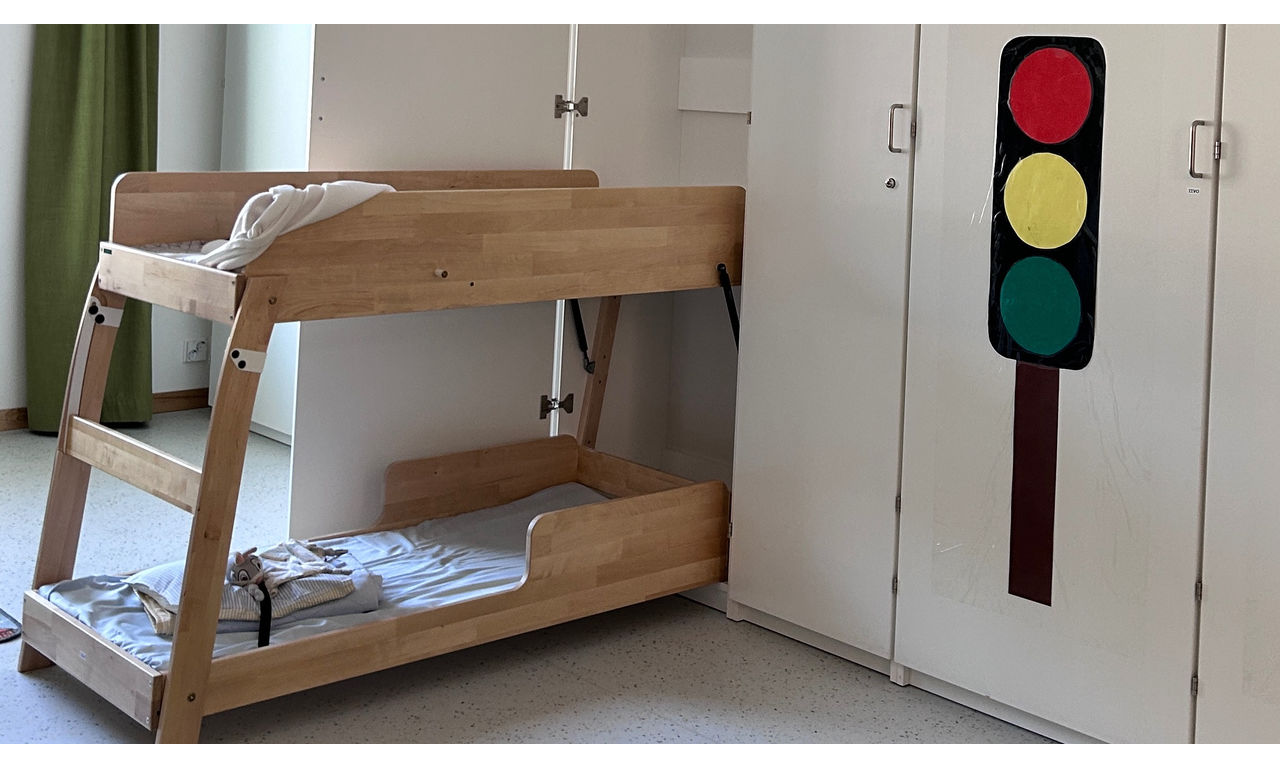
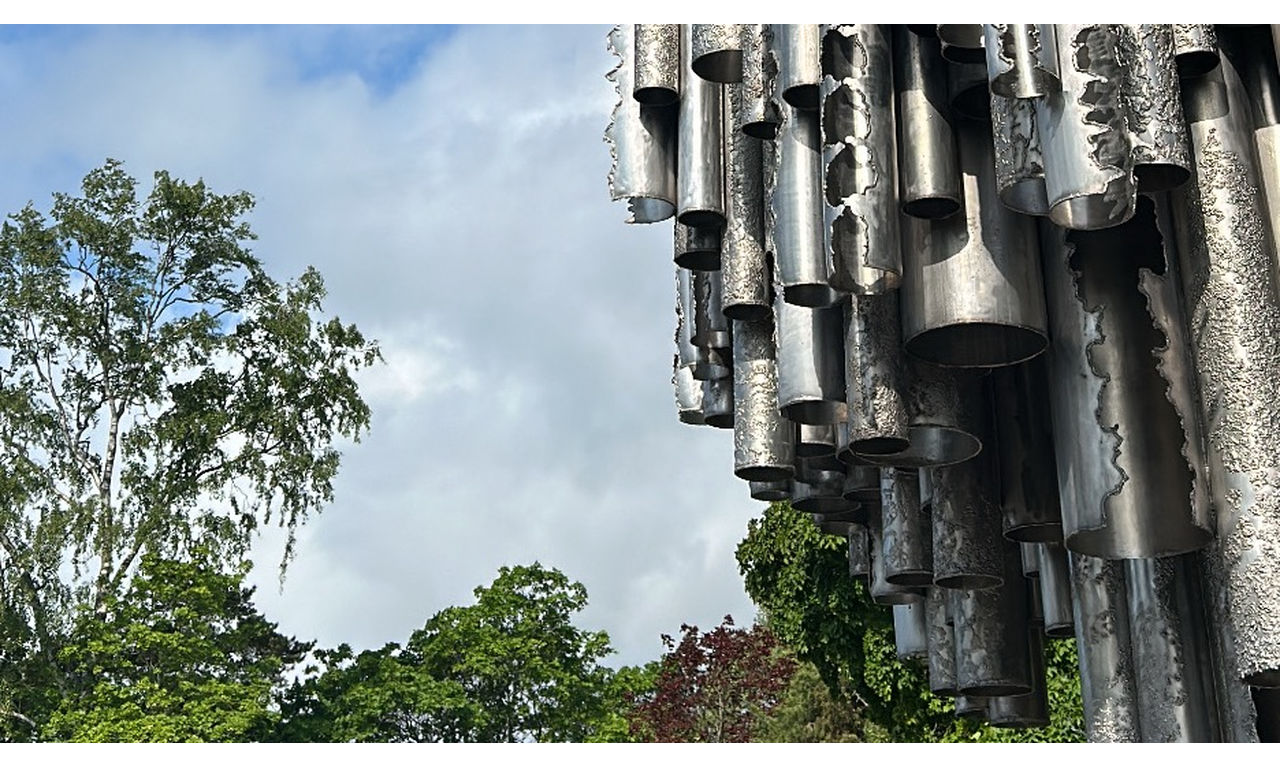
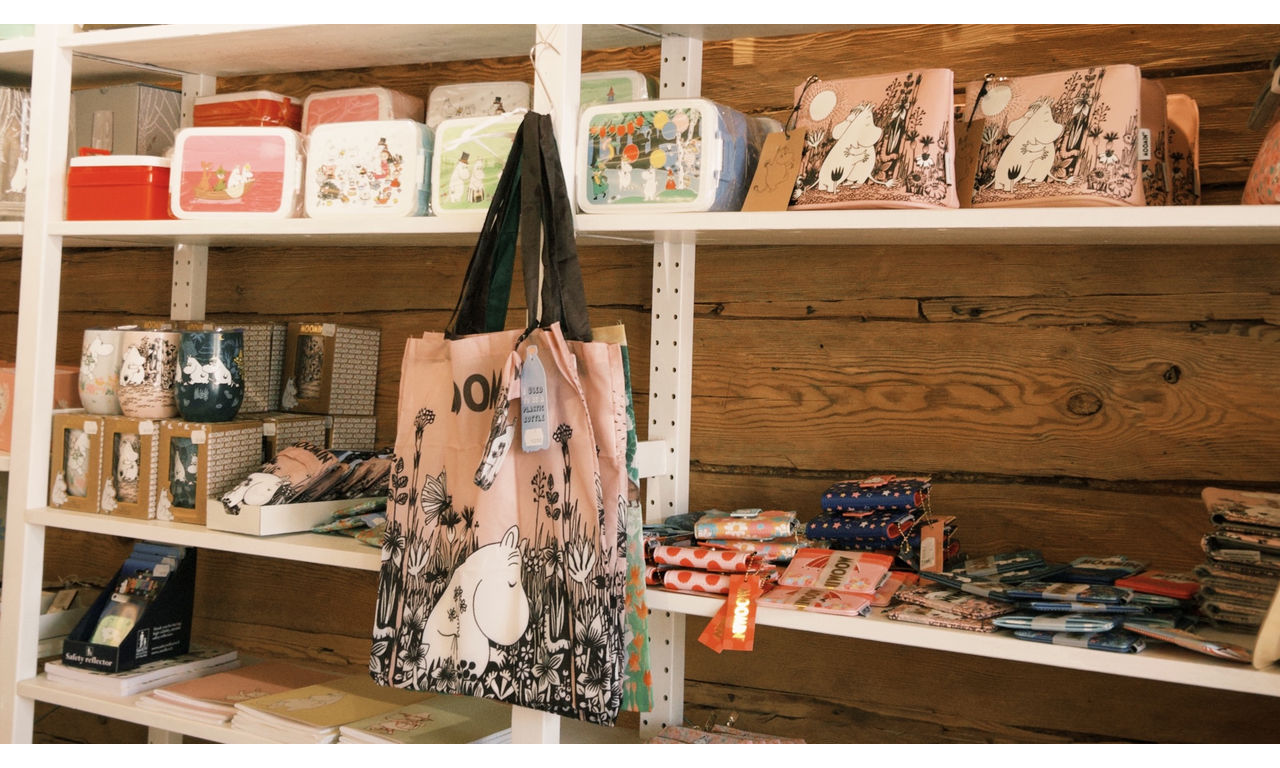
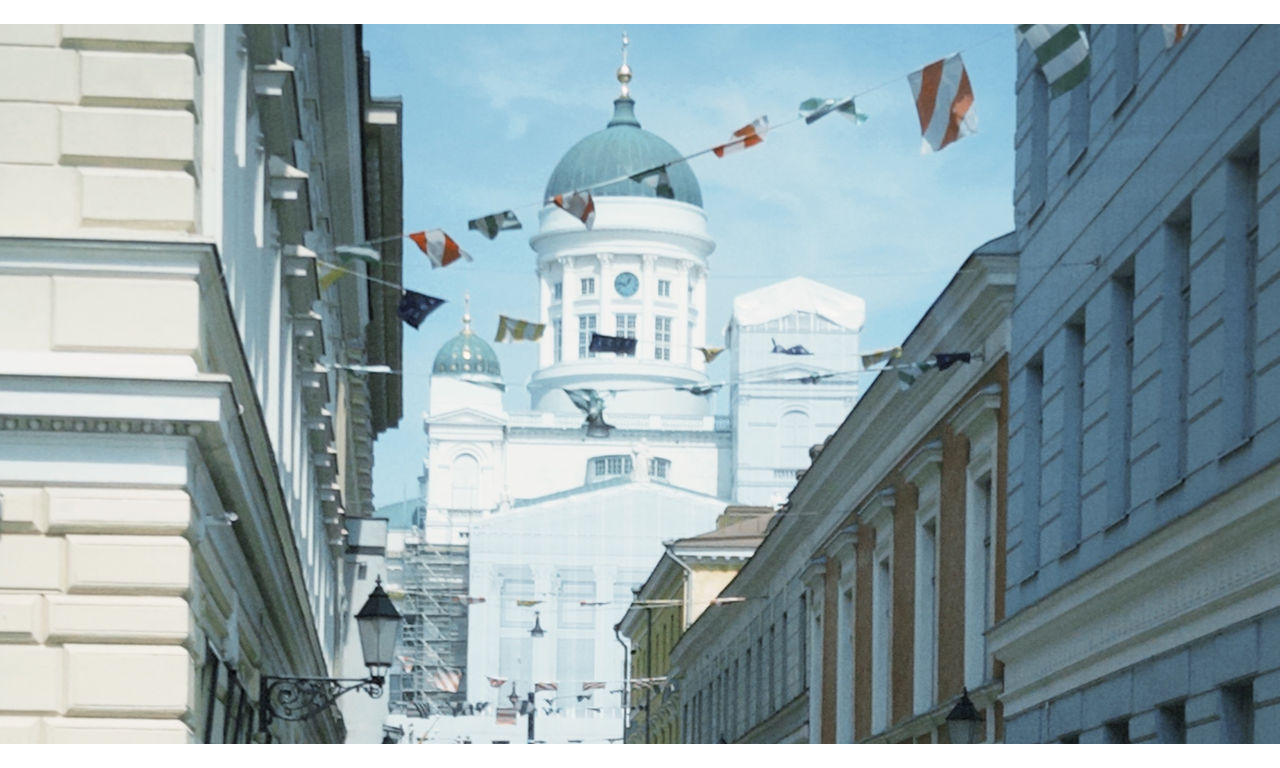
My journey to Finland was a profound experience, offering fresh perspectives on sustainable development and quality of life. Wandering through Finnish cities, I was struck by the meticulously planned green spaces and abundant flora — a testament to their commitment as a ‘green city.’ This philosophy of harmonious coexistence with nature is evident in every aspect of urban design.
Regarding education, I observed a distinct approach compared to Hong Kong. Finnish education appears to prioritise autonomous learning and critical thinking over rote memorisation, prompting me to reflect on the true essence of quality education. Culturally, Finland’s unique architectural style — simple yet functional — seamlessly integrates natural elements, showcasing the essence of Nordic design. The vast forests and tranquil lakes form the very soul of Finland’s natural landscape. Immersed in these serene environments, I felt an unparalleled sense of peace and openness. This deep connection with nature is a treasure rarely found in urban life.
This trip was not merely a visual feast but a spiritual rejuvenation, inspiring me with new ideas for sustainable living and the future of education.
Acknowledgement
Source: Dr Chan Po Lin Pauline; Department of Early Childhood Education (ECE@EdUHK); for more information, please click Instagram Facebook