
Czechia Unveiled: Promoting Cultural Competency and New Perspectives on Global Sustainable Goals
The Department of International Education (IE) organised a study tour “Czechia Unveiled: Promoting Cultural Competency and New Perspectives on Global Sustainable Goals”, led by Prof Anatoly Oleksiyenko and Ms Vanessa Wan. Over the 11-day tour, students immersed themselves in Czechia’s cultural heritage while exploring how diverse cultural perspectives can be integrated into the promotion of global sustainable goals.
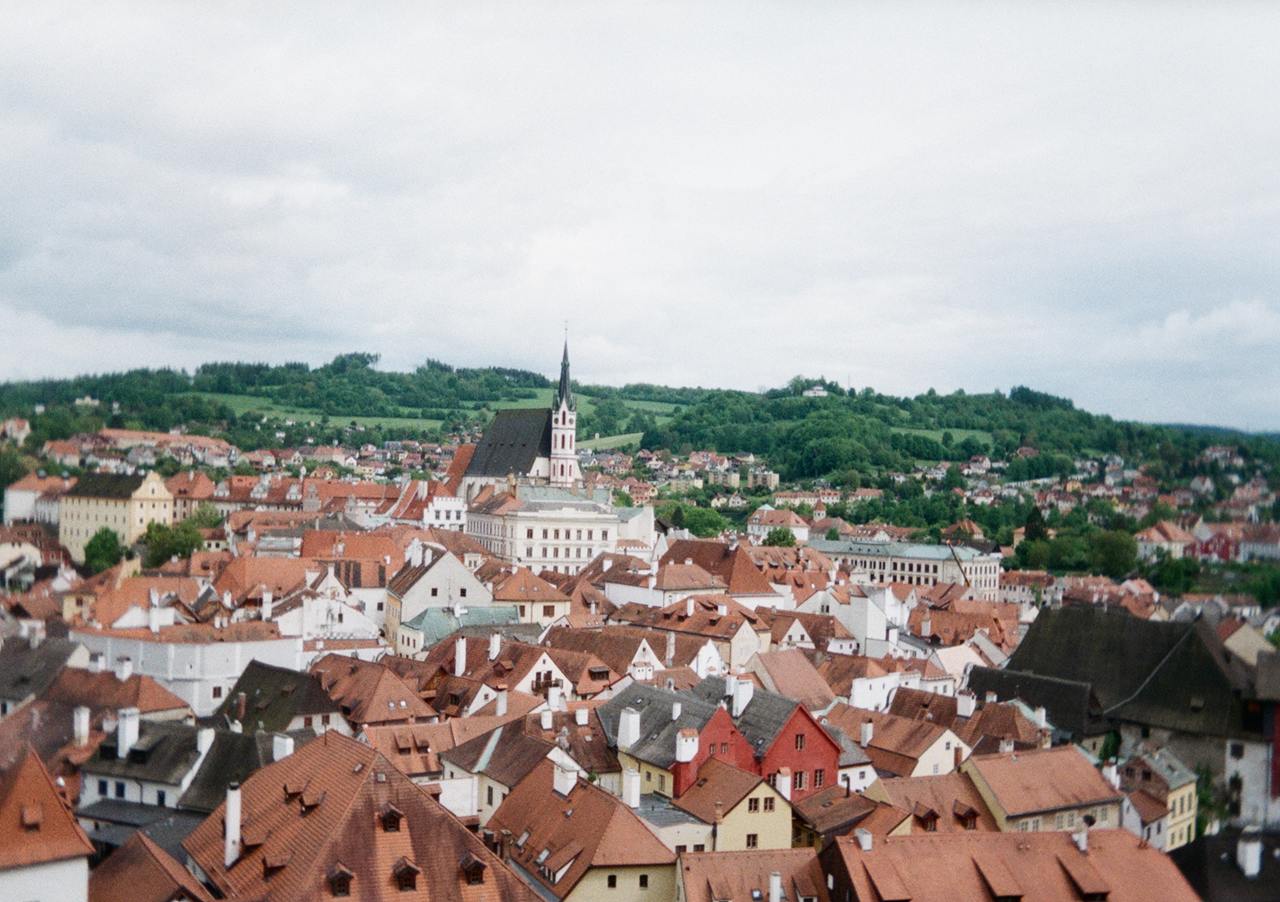
The itinerary was primarily based in Prague, which covered iconic landmarks such as Prague Castle, Charles Bridge, and Old Town Square, as well as the Jewish Museum and the National Museum, which house physical artefacts that narrate the nation’s complex historical development. The tour also highlighted two UNESCO World Heritage Sites, namely Český Krumlov with enchanting medieval streets, and Kutná Hora, home to the Sedlec Ossuary, commonly known as the "Bone Church" for its human skeletons display. This dark tourism destination prompted students to reflect on mortality, the aftermath of the Black Death, and the different cultural beliefs between Czech and Hong Kong towards death.
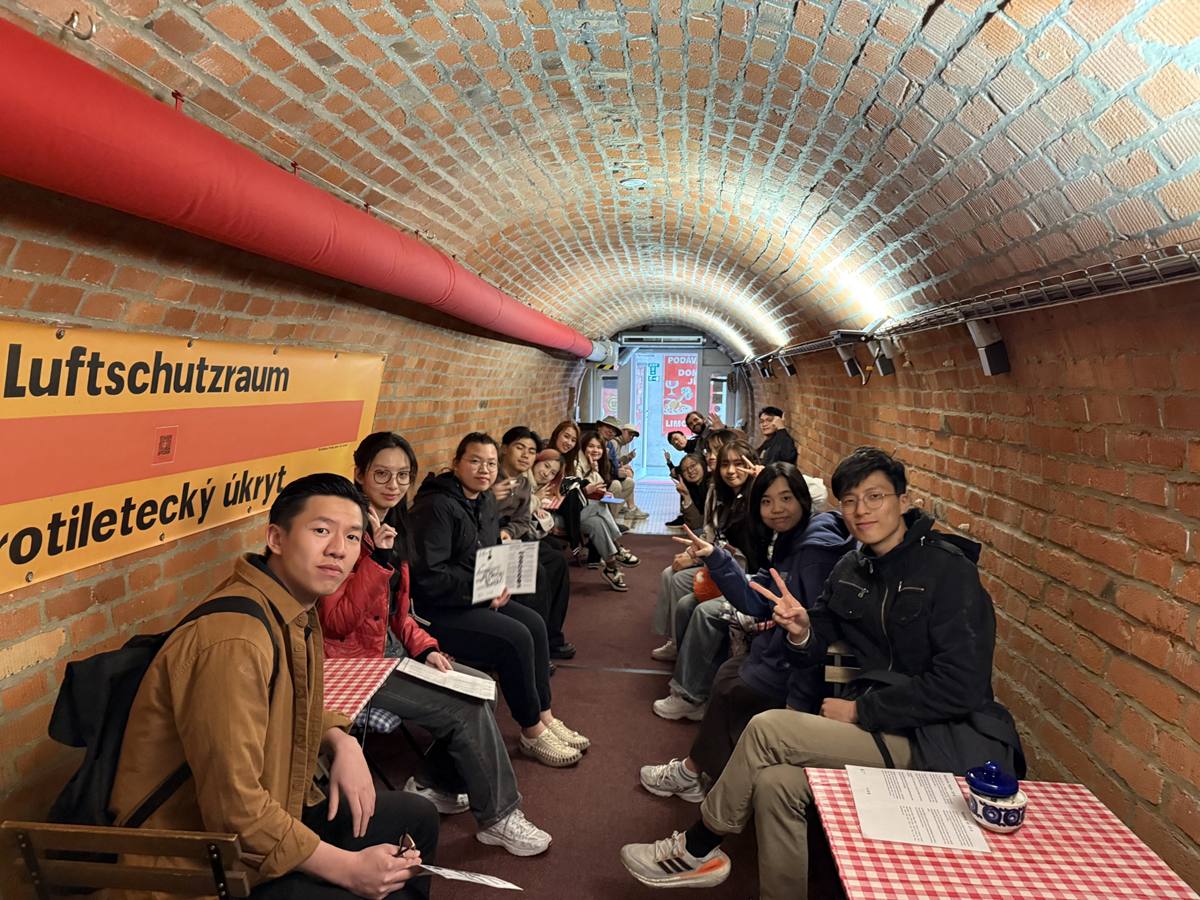
The tour extended to Brno, Czechia’s second-largest city, where students were guided by Mr Petr Boucník from Masaryk University. Historical sites such as the Old Town Hall and the Cathedral of St. Peter and Paul were explored, enriched by Petr’s engaging storytelling of Brno’s legends. The group also visited the 10-Z Bunker, an anti-aircraft shelter built during the communist era in WWII, which sparked insightful discussions on sustainability, resilience, and humanity’s adaptability in challenging environments.
Through this immersive experience in Czechia, students enhanced their cultural competence and gained fresh perspectives on global sustainability, empowering them to bridge cultural divides and contribute to a more interconnected global community.
Students' Sharing
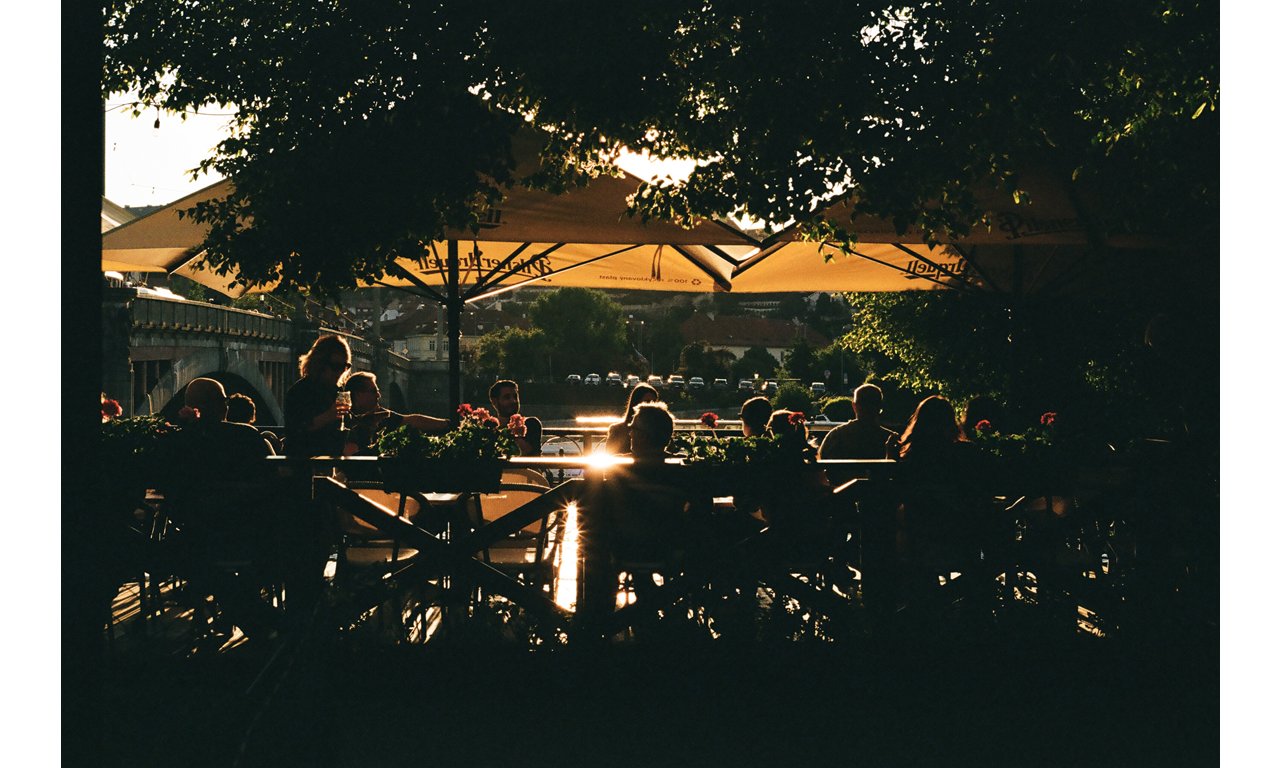
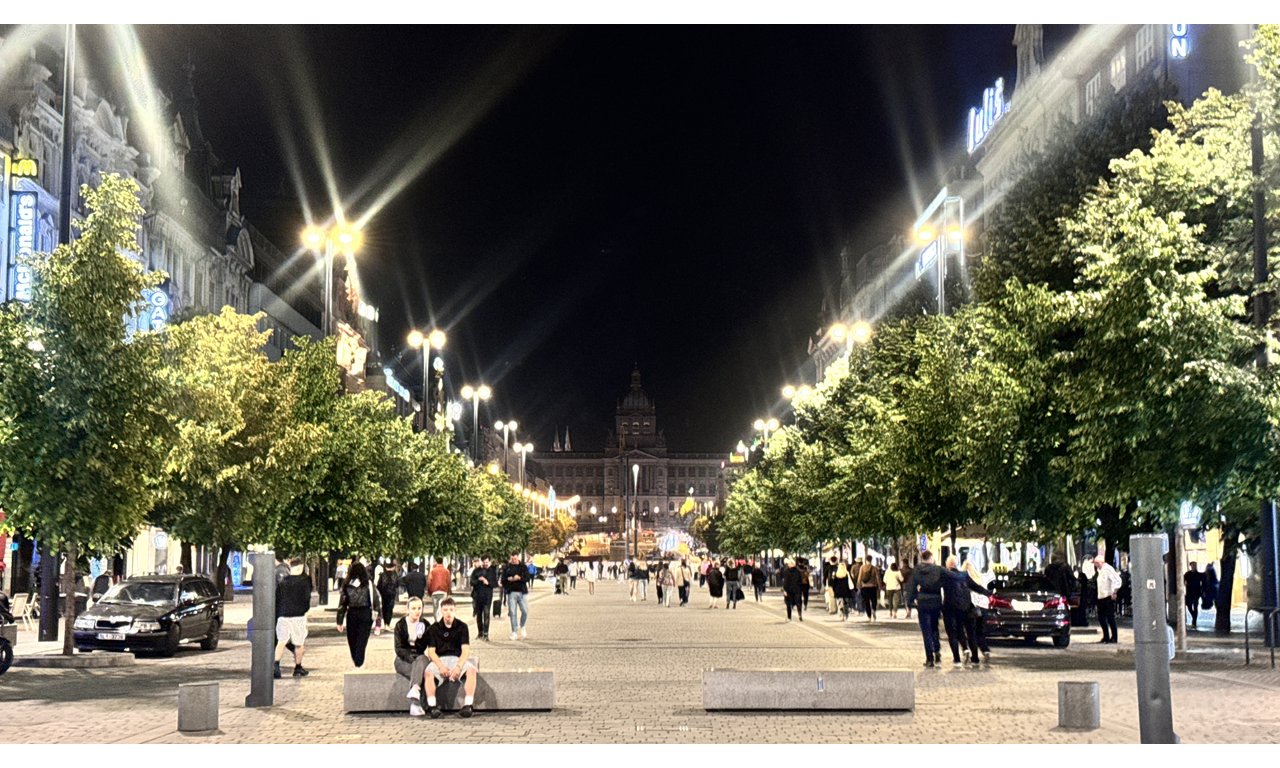
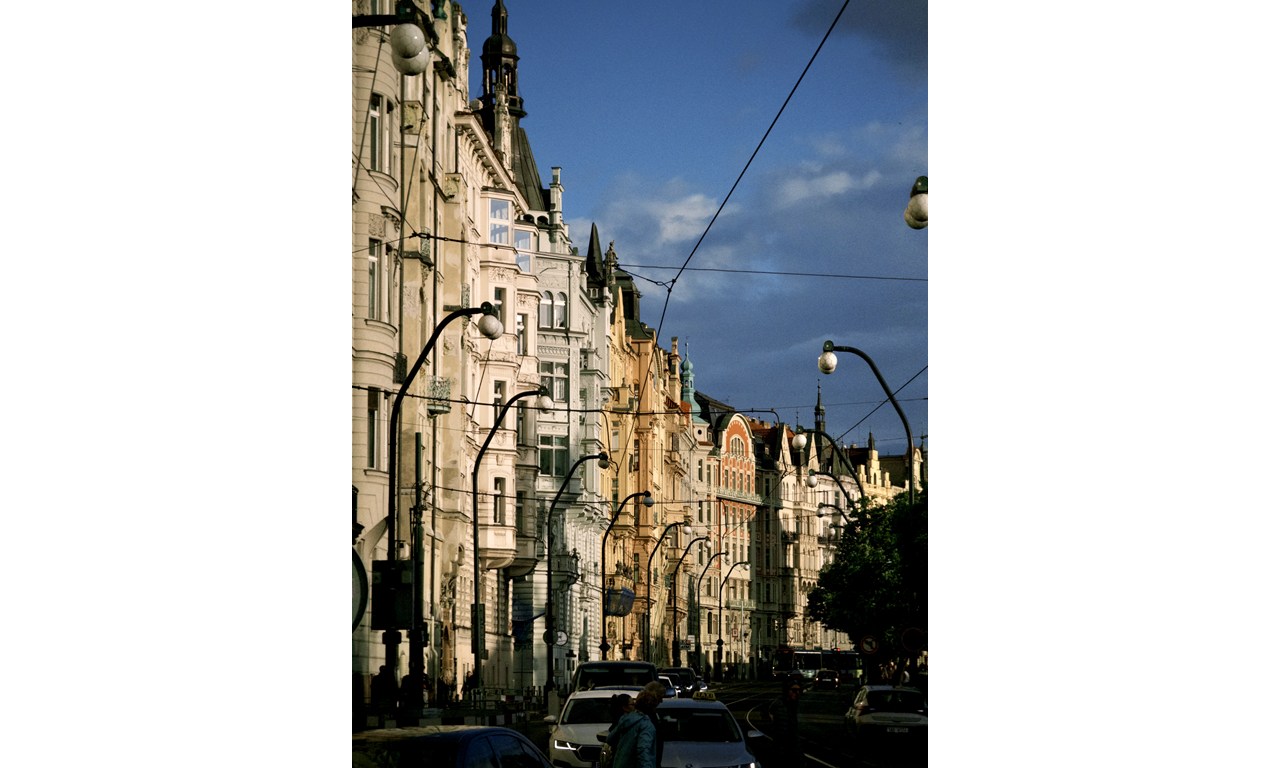
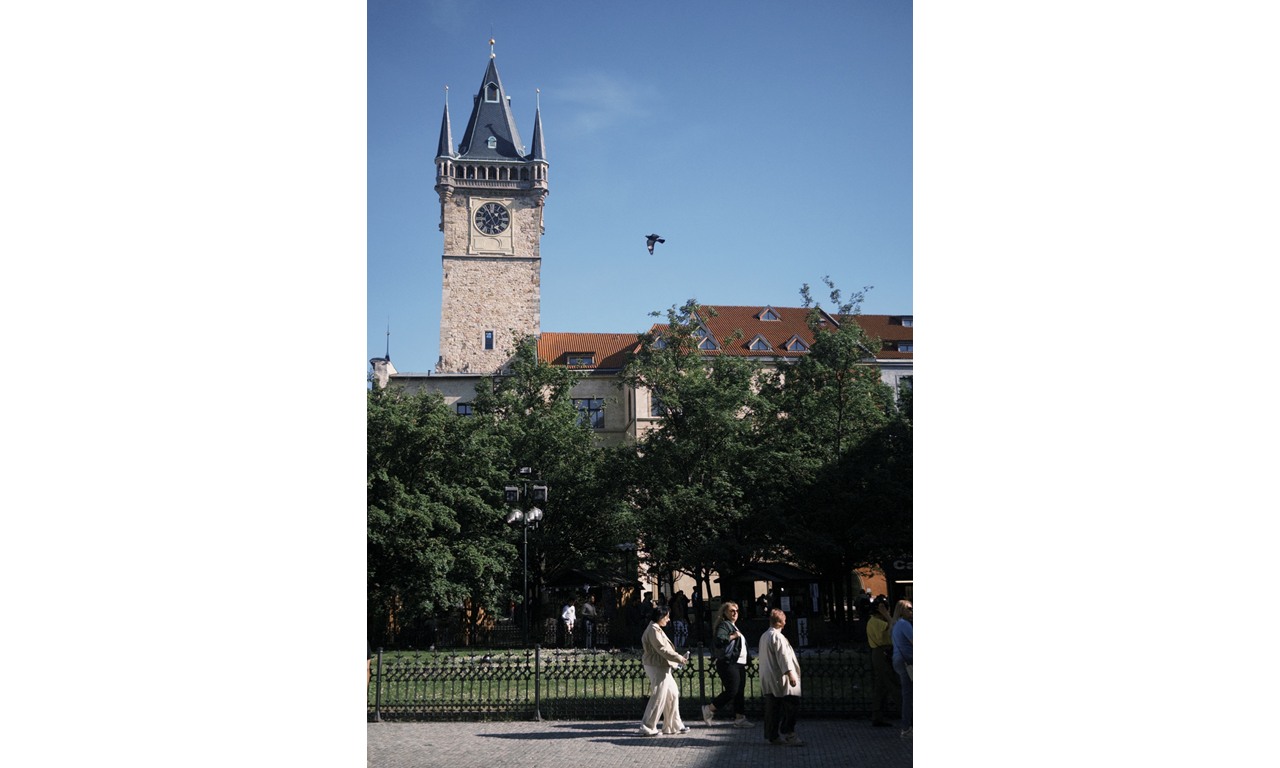
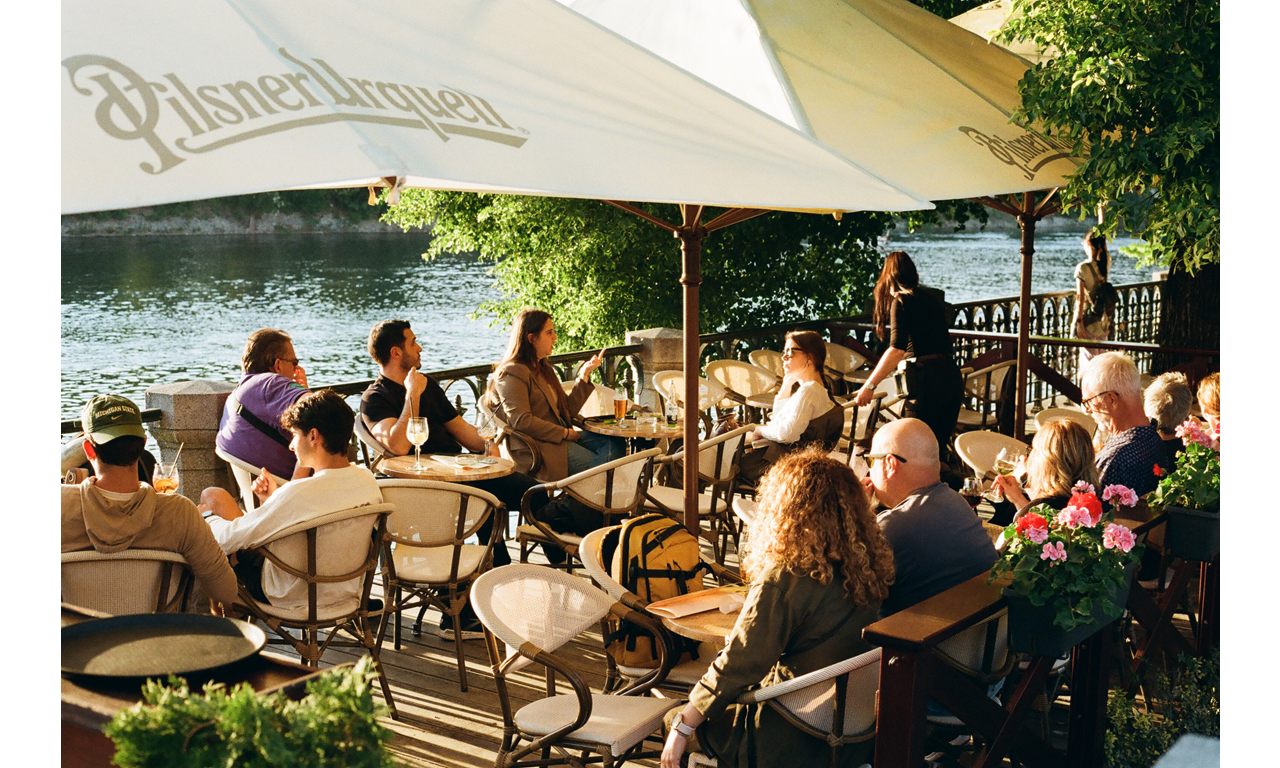
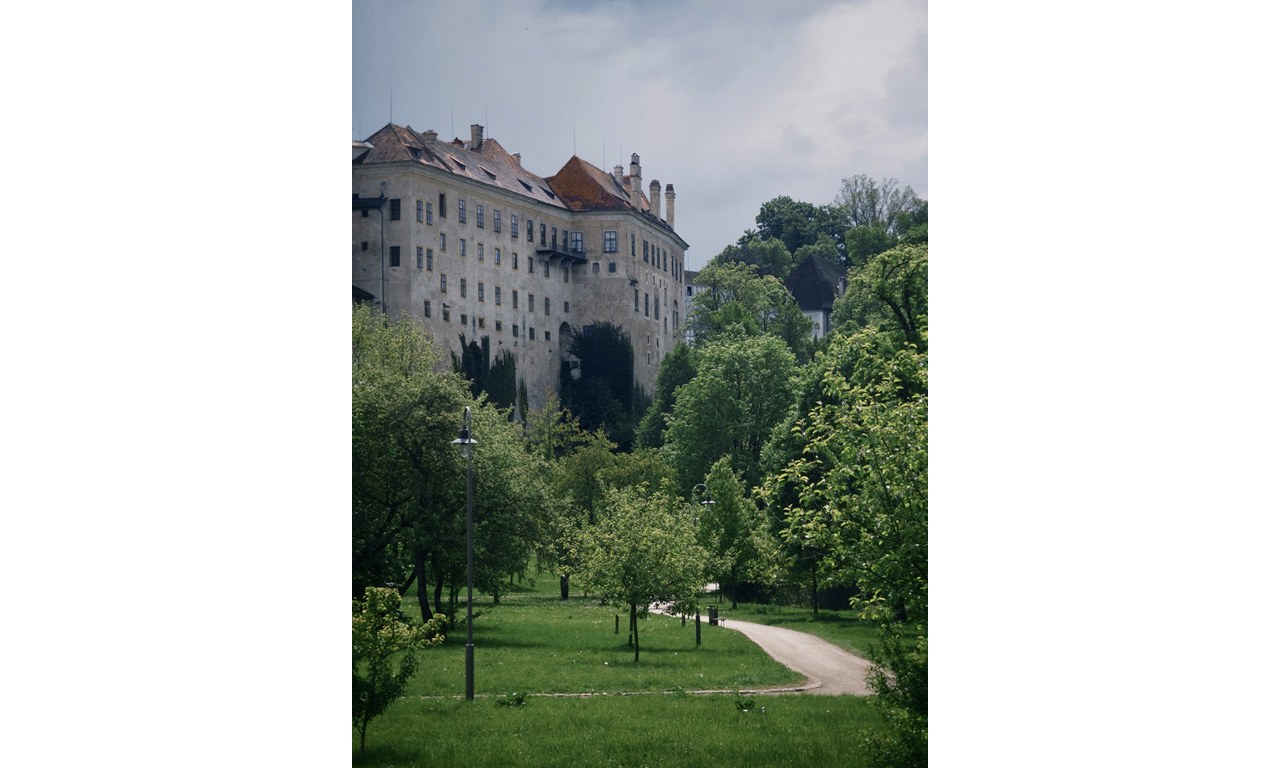
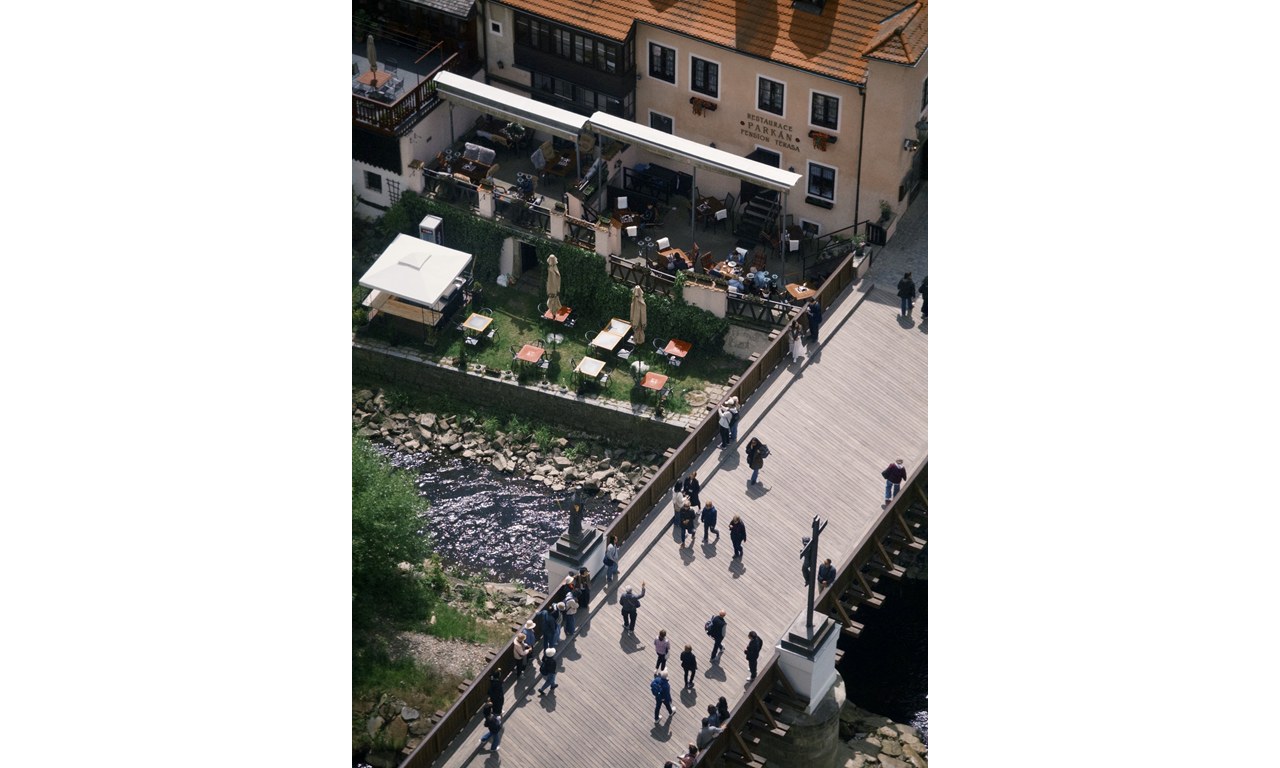
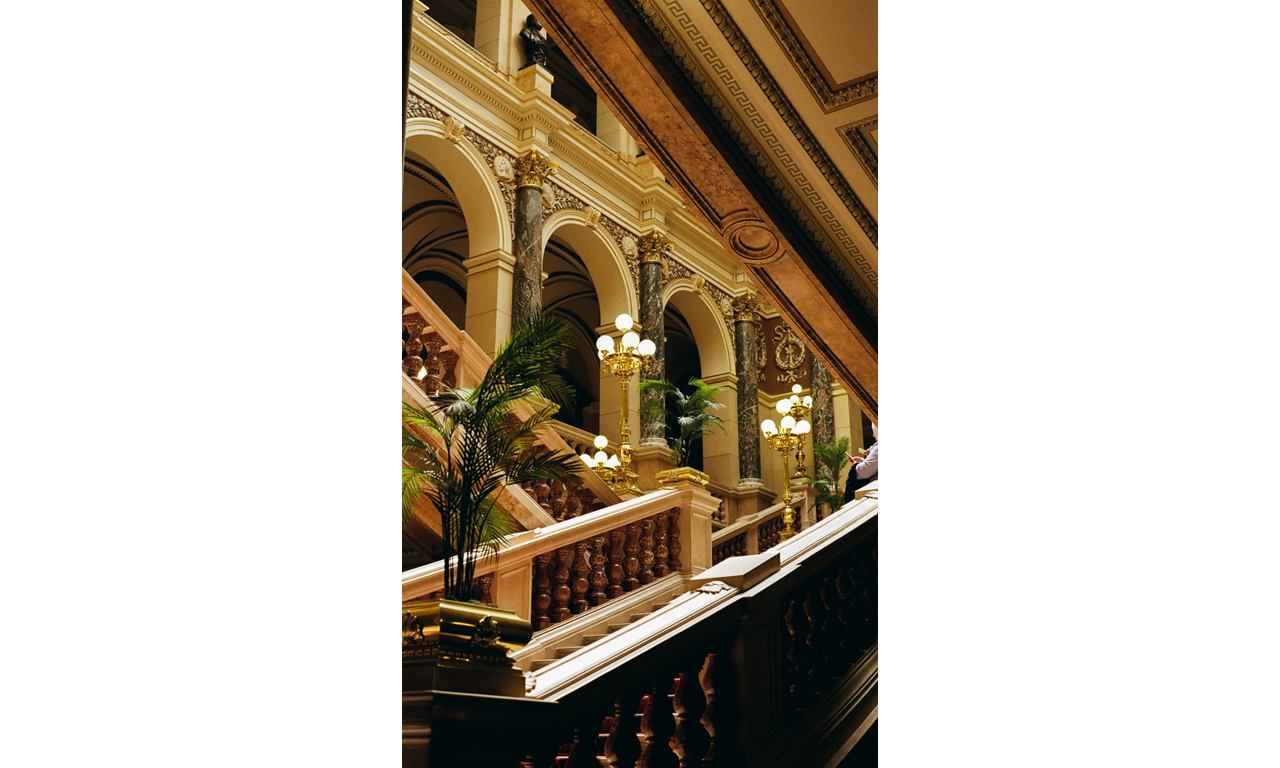
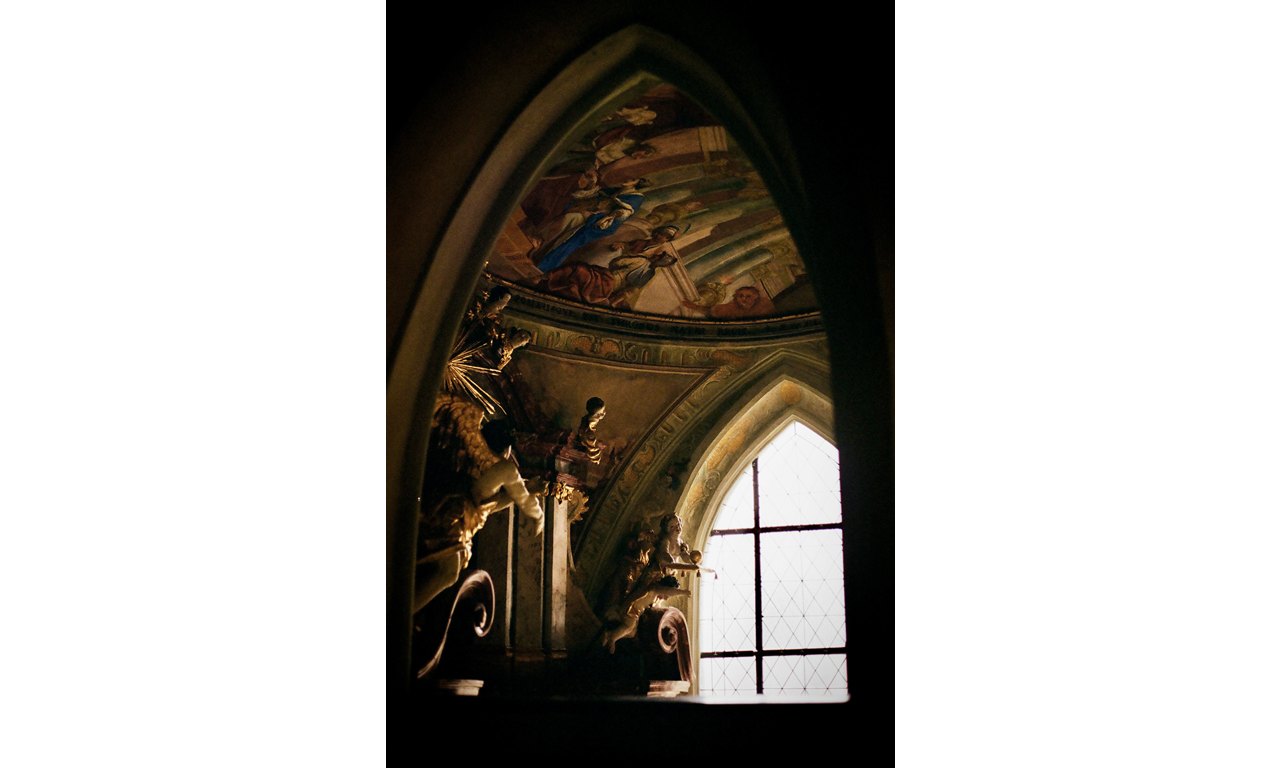
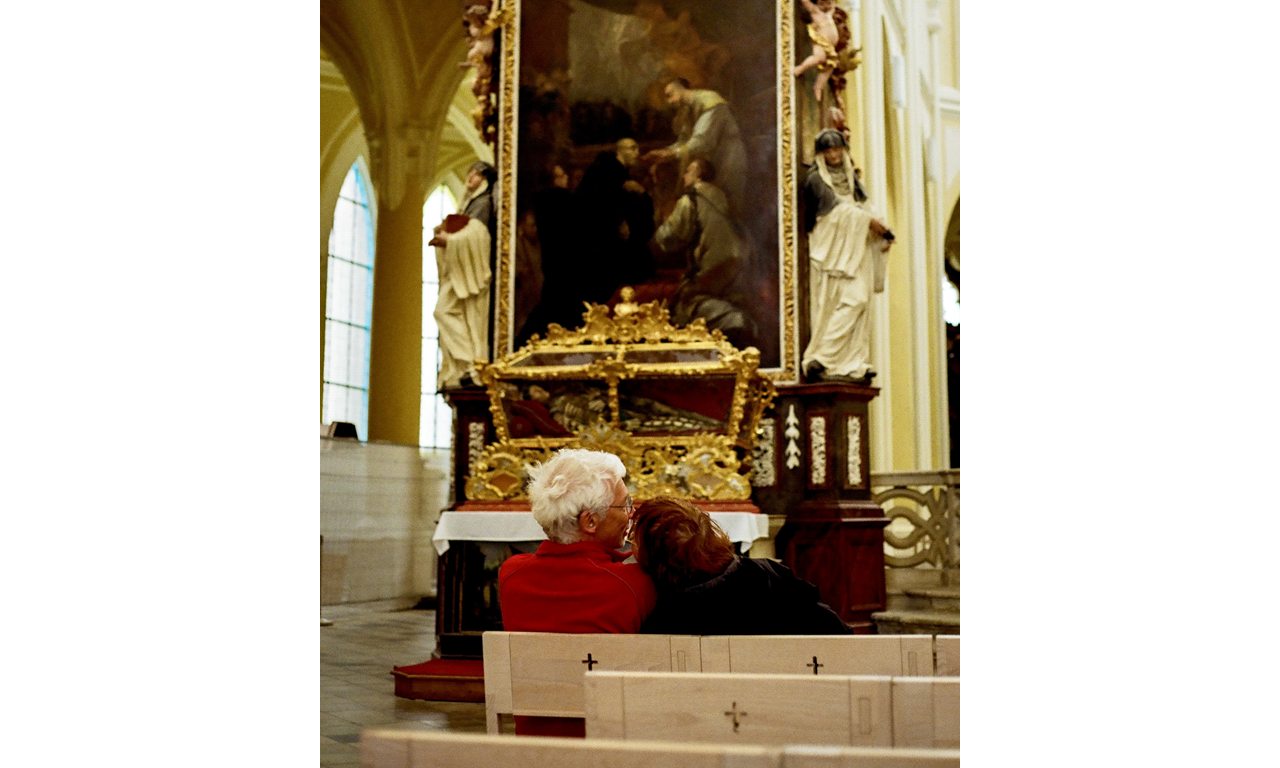
During the trip to Czechia, we visited Prague, Brno, Cesky Krumlov, and Kutná Hora. Among these cities, Prague attracted me the most. The city is divided into three areas: the Old Town, New Town, and Lesser Town. Historical sites are concentrated in the Old Town, while the New Town comes alive with lively nightlife, the Lesser Town offers a cozy and tranquil atmosphere.
As the capital of Czechia, Prague embodies the nation’s rich cultural heritage. Historic clock towers, synagogues, and churches are scattered throughout the city, alongside with also museums of all kinds. For me, historical museums are the most fascinating, as they shed light on the Czech Republic’s remarkable transition from communism to capitalism. The unique societal structures and developments showcased in these museums offered valuable insights distinct from other cultures.
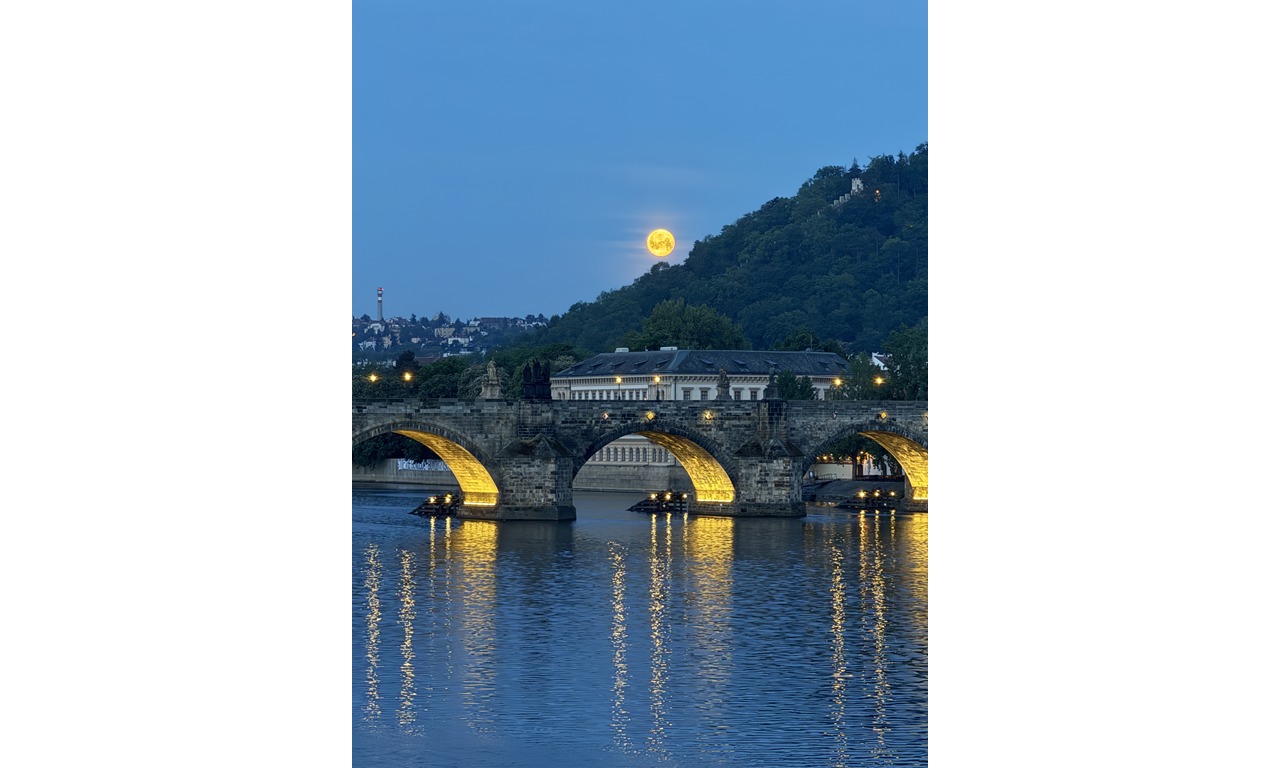
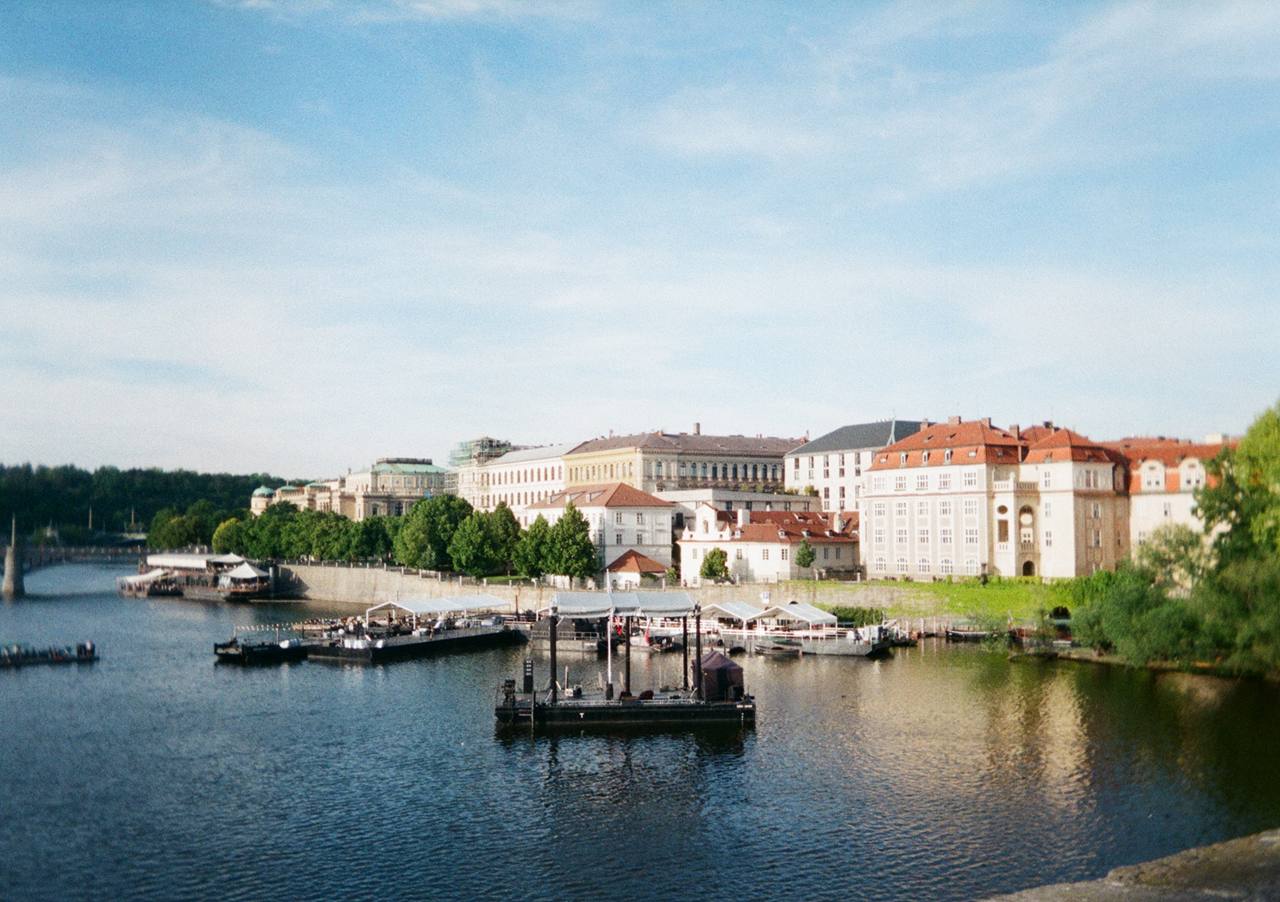
At night, when most of Prague’s historical sites had closed, the reflections on Vltava River contrasted with the city’s vibrant nightlife, illustrating why Prague is so popular with tourists. This trip provided a good opportunity for us to experience Western culture in a depth. The contrasts - between day and night, between bustling city centres and quaint small towns – allowed us to fully appreciate the uniqueness of Czechia.
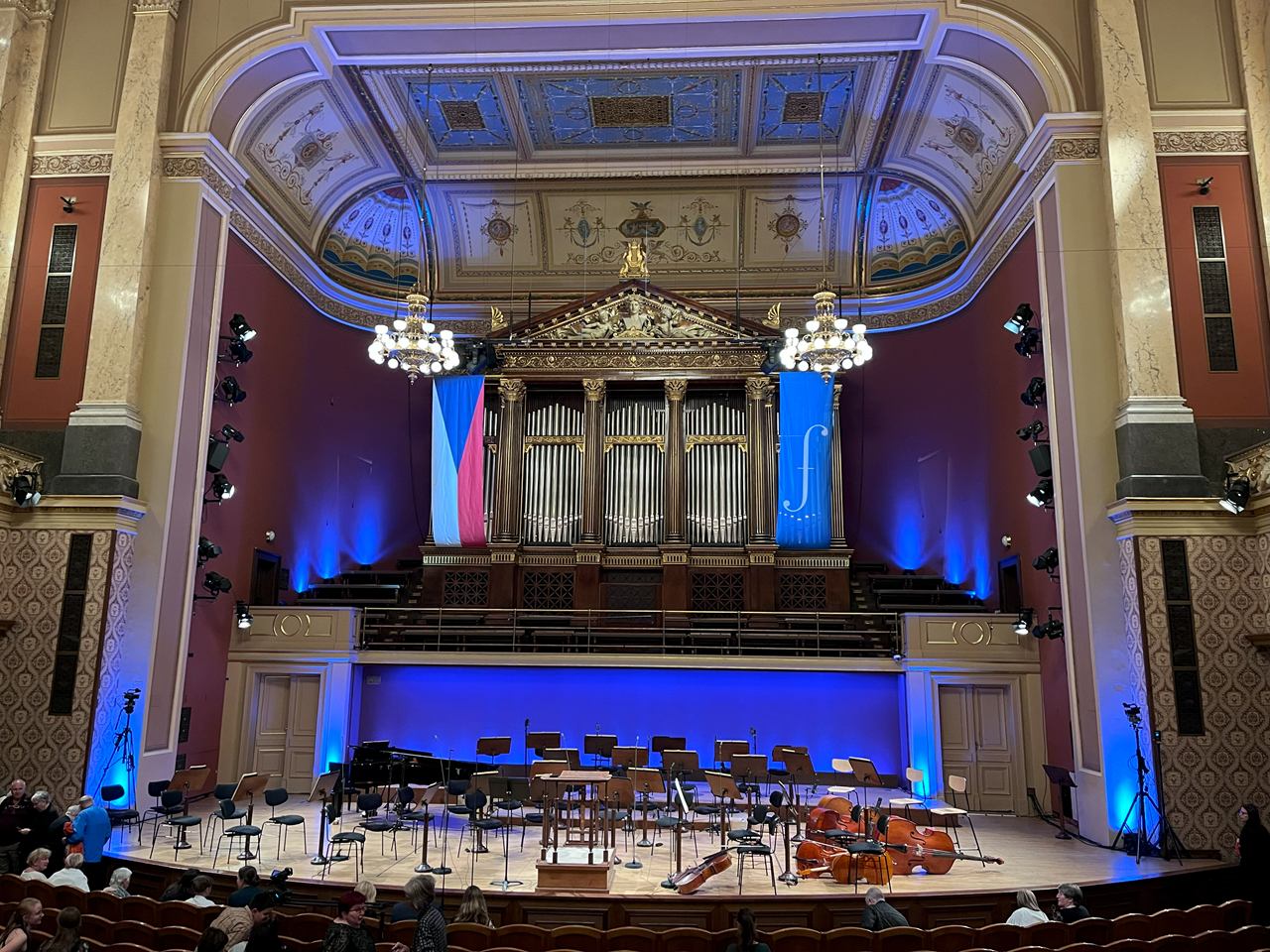
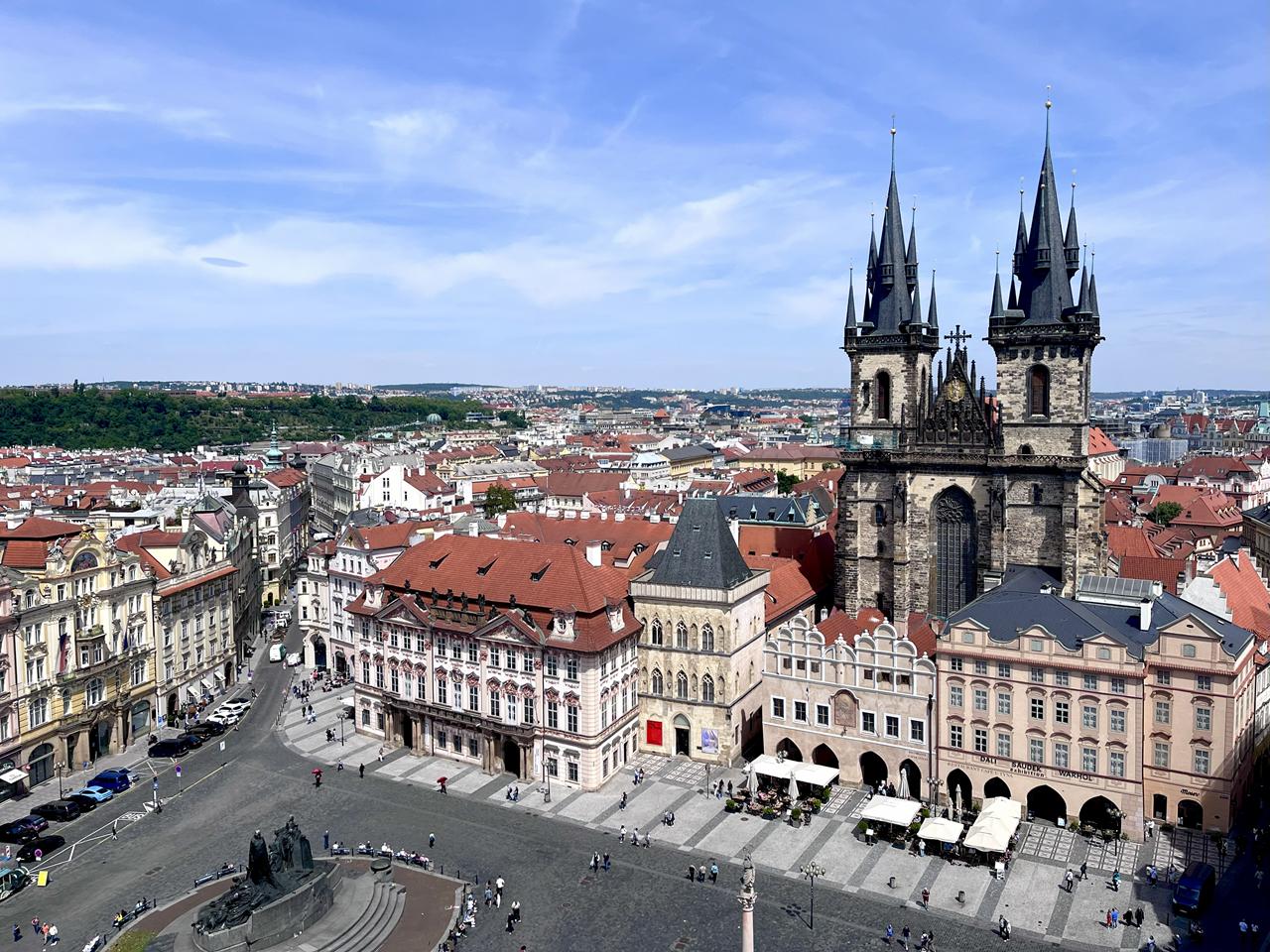
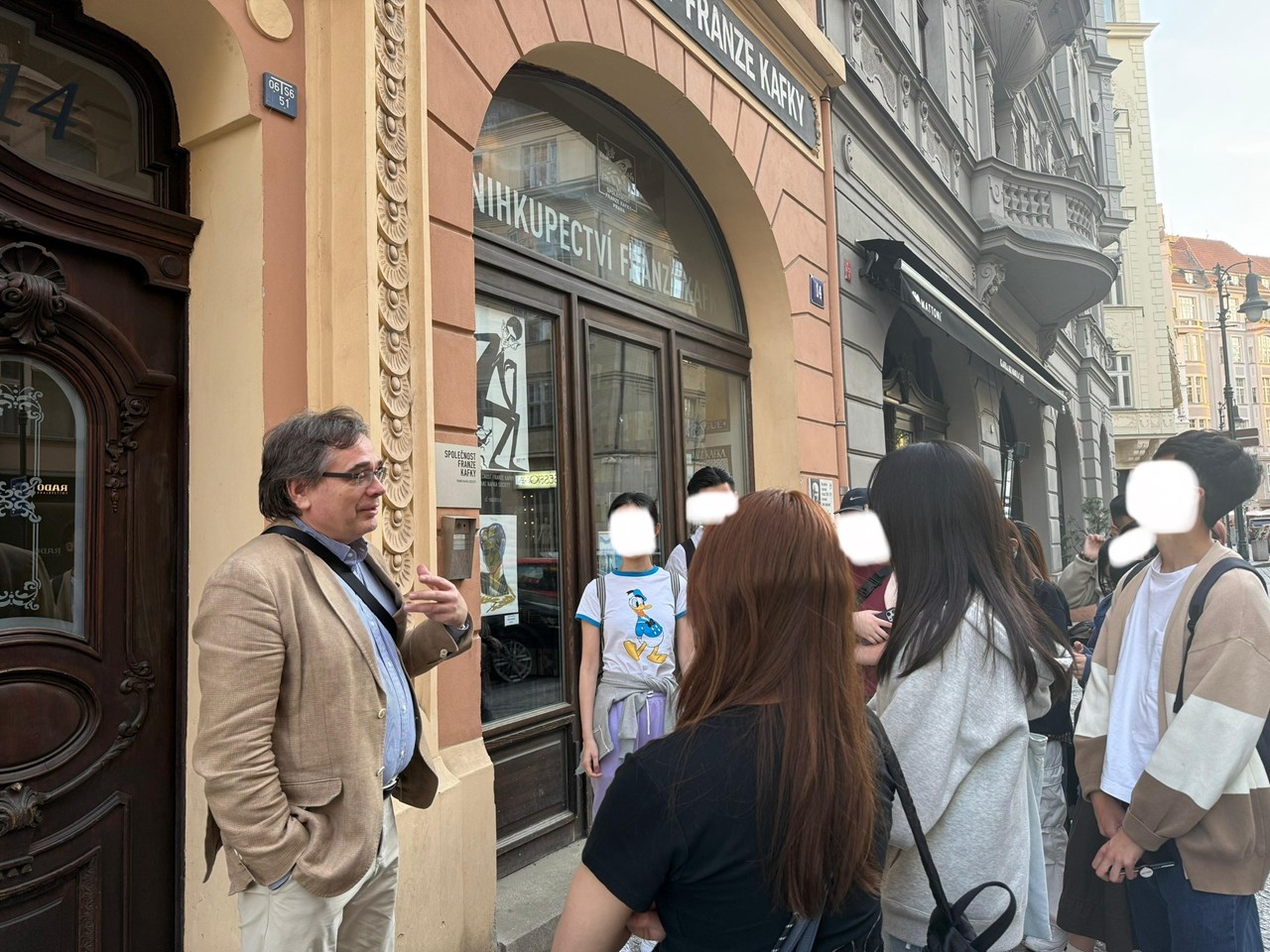
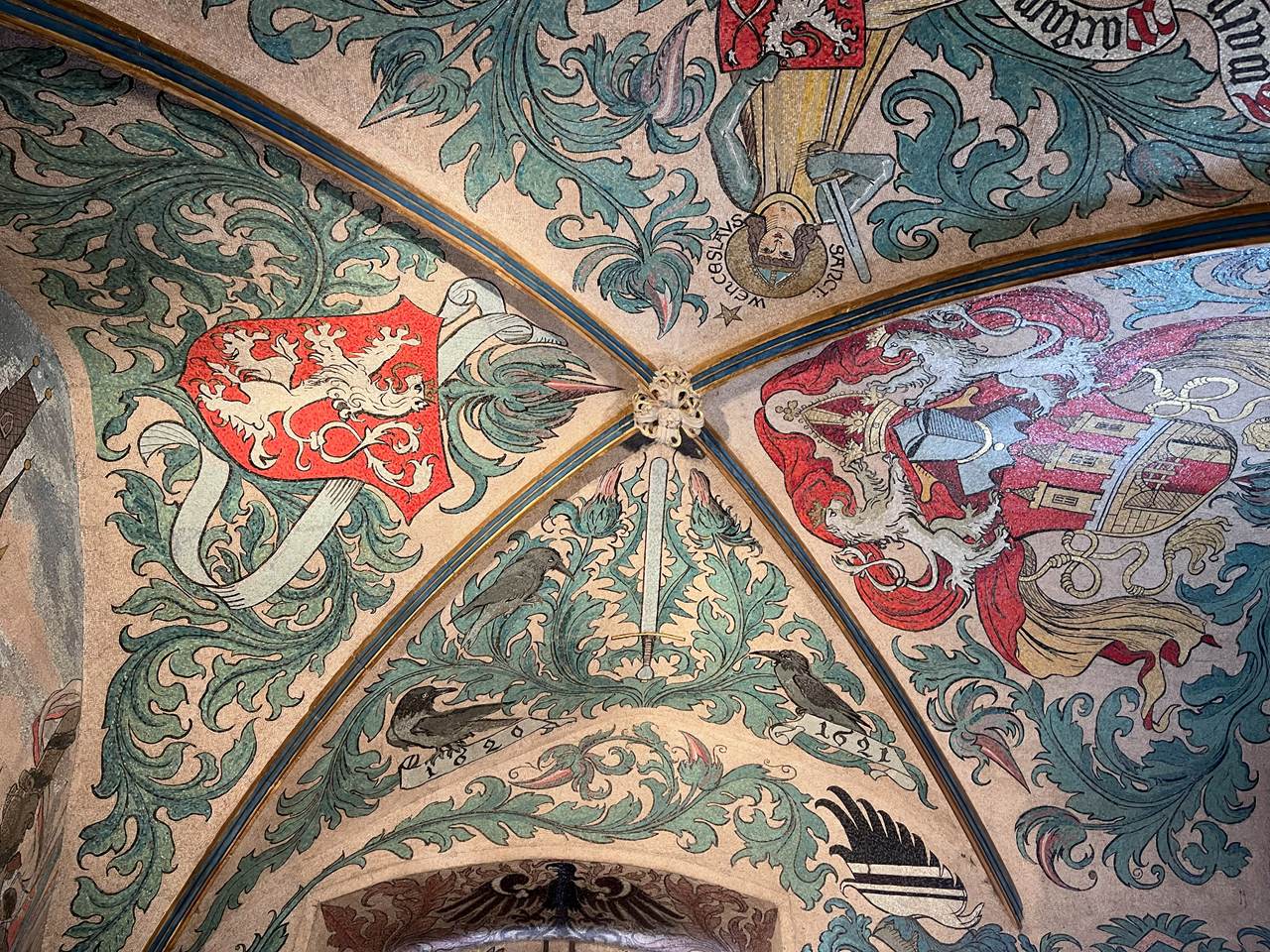
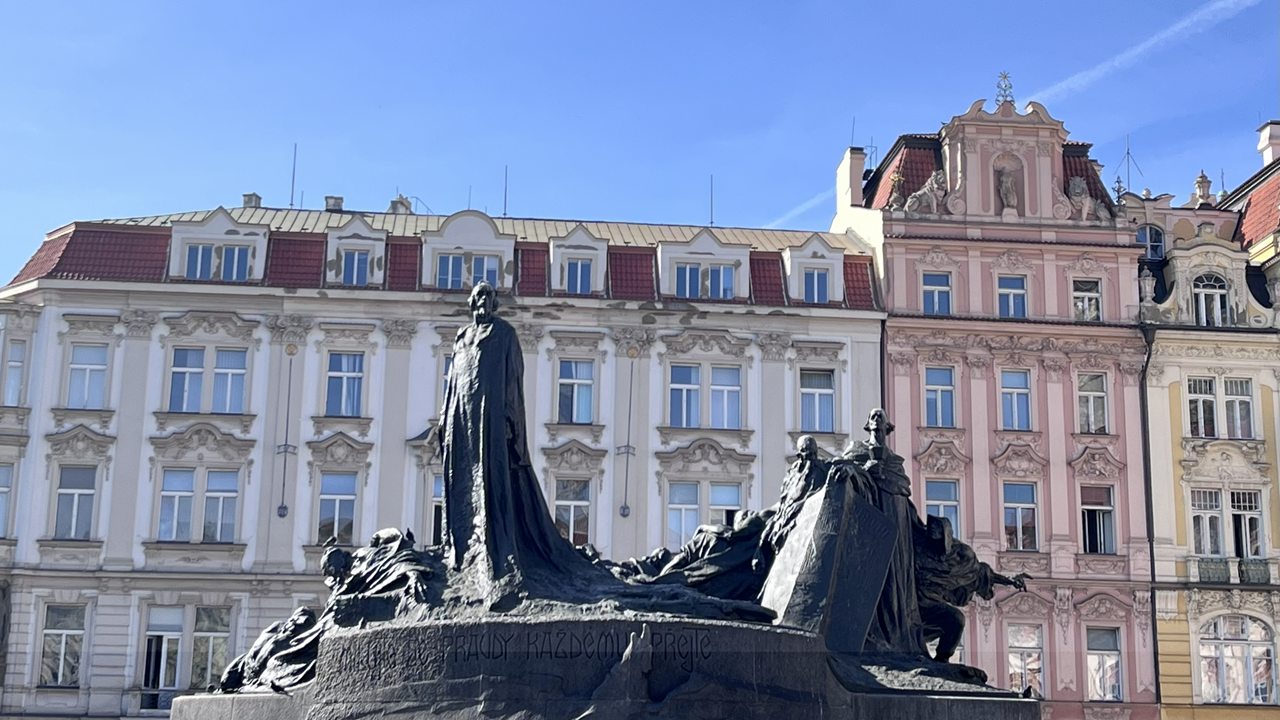
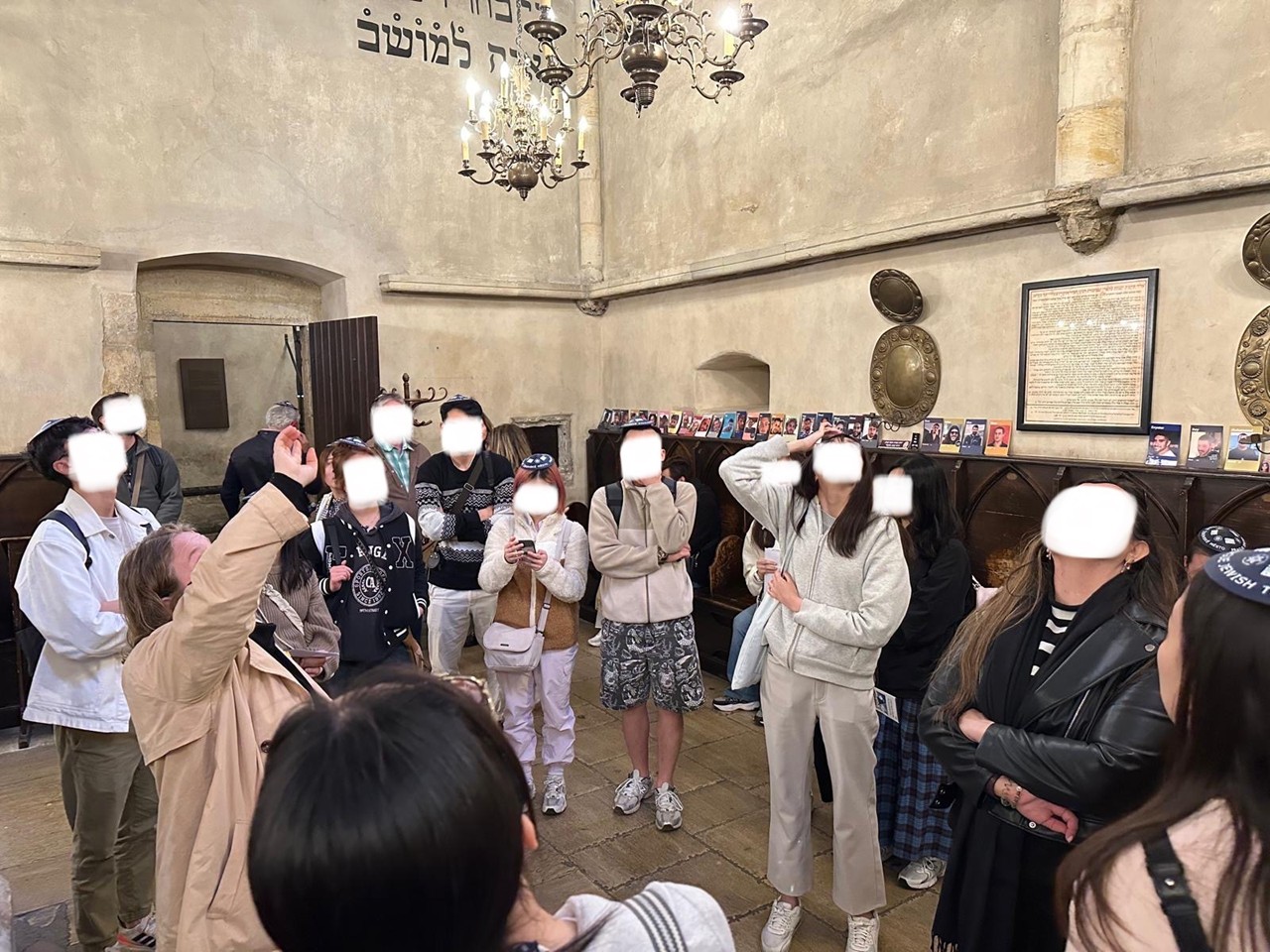
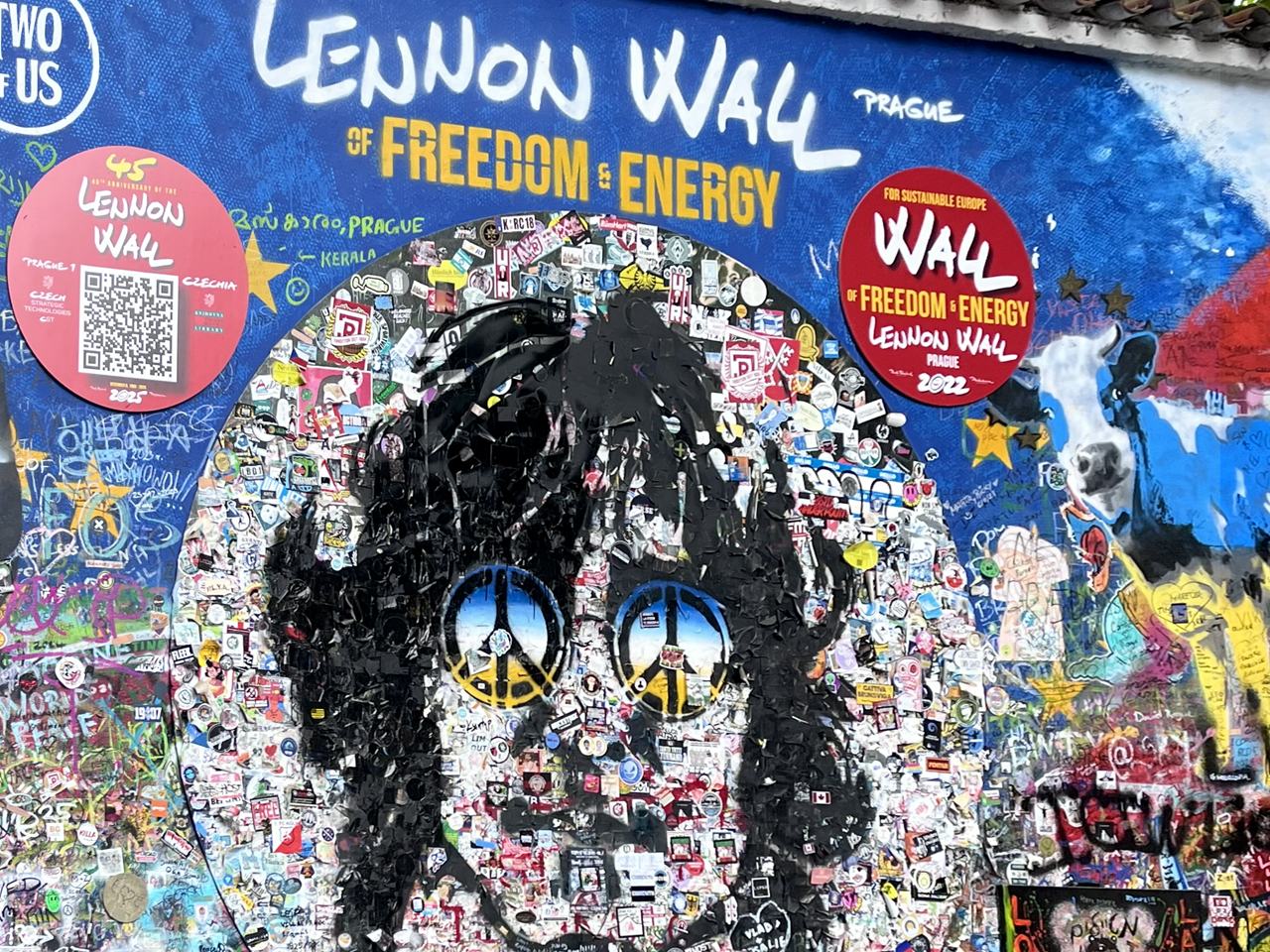
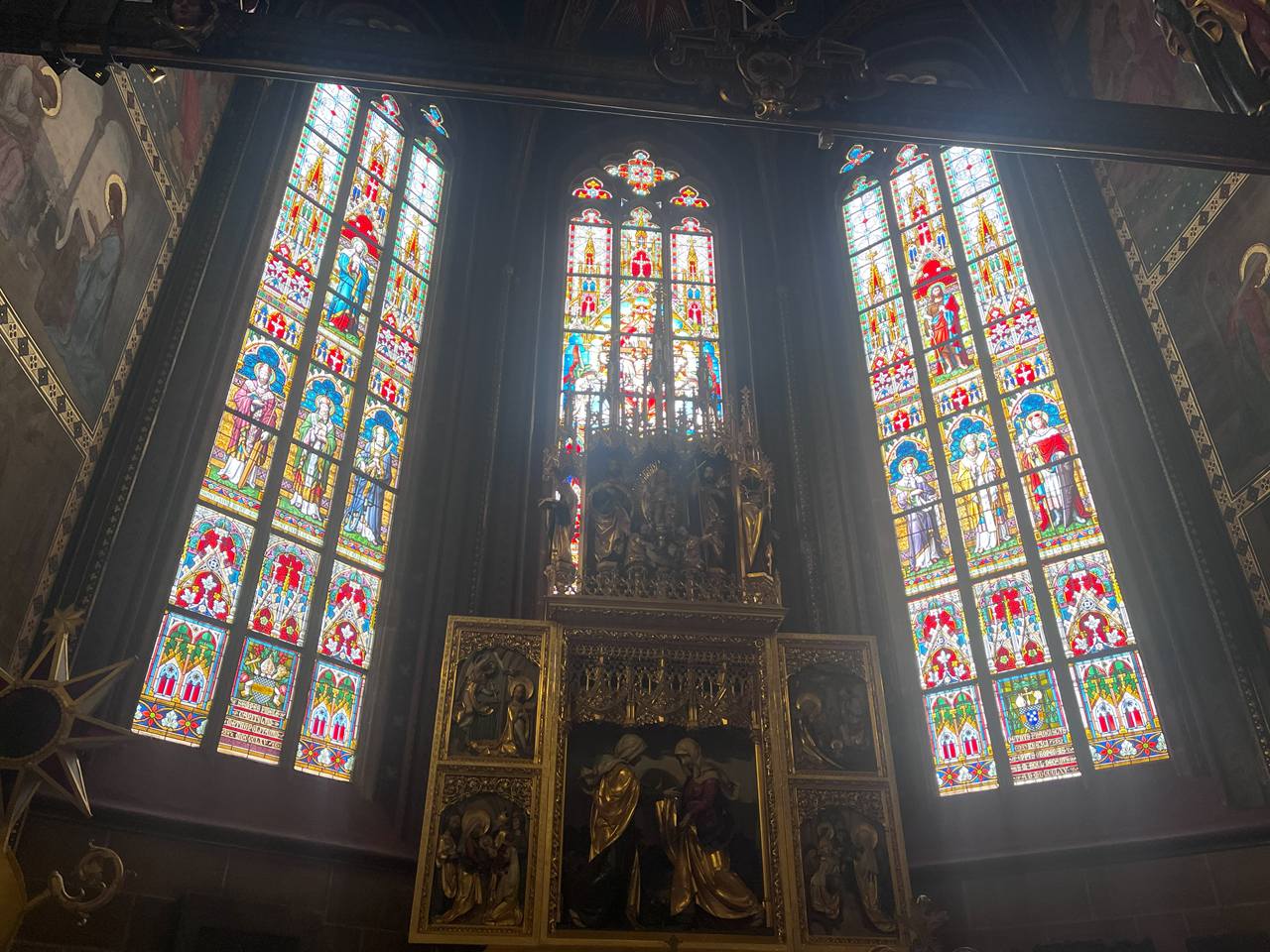
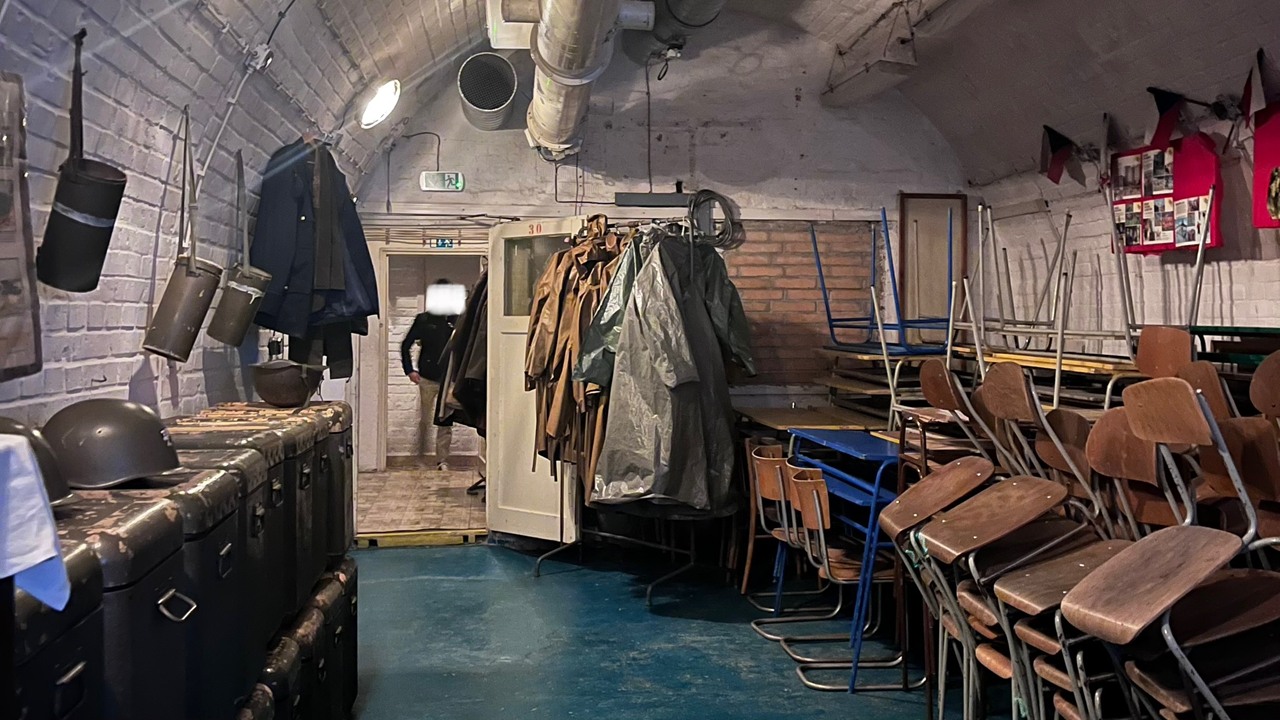
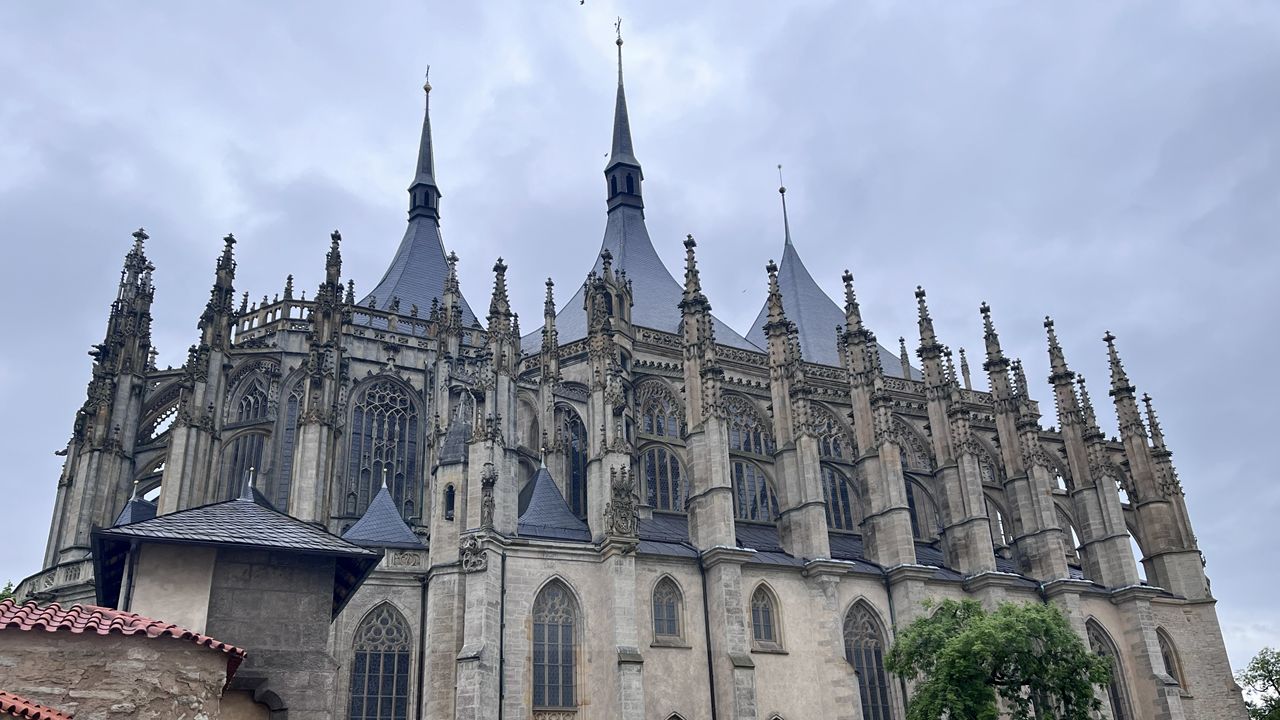
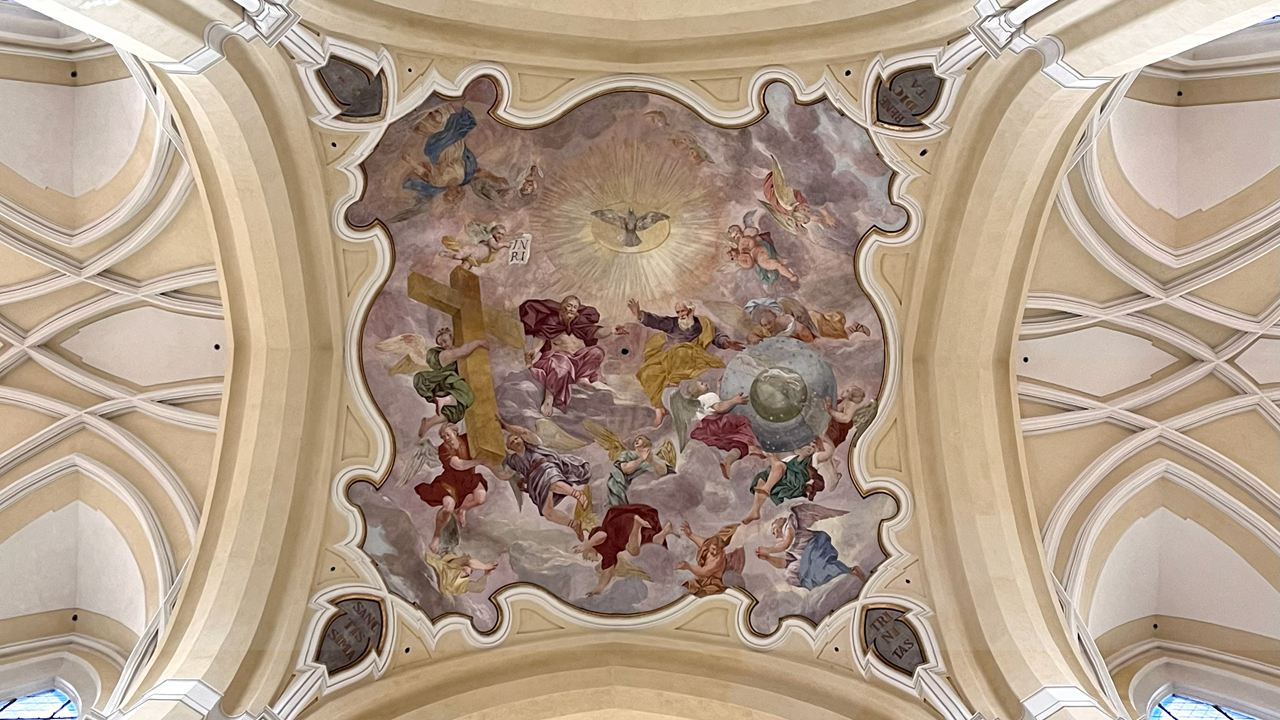
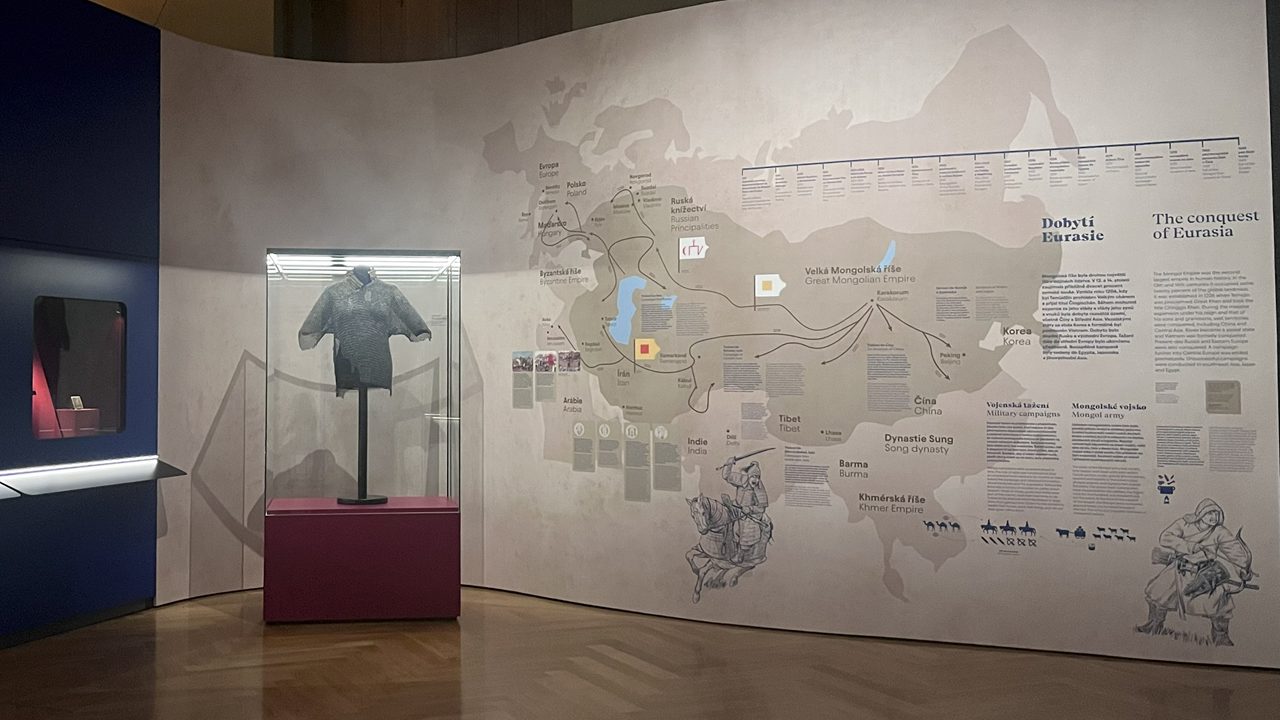
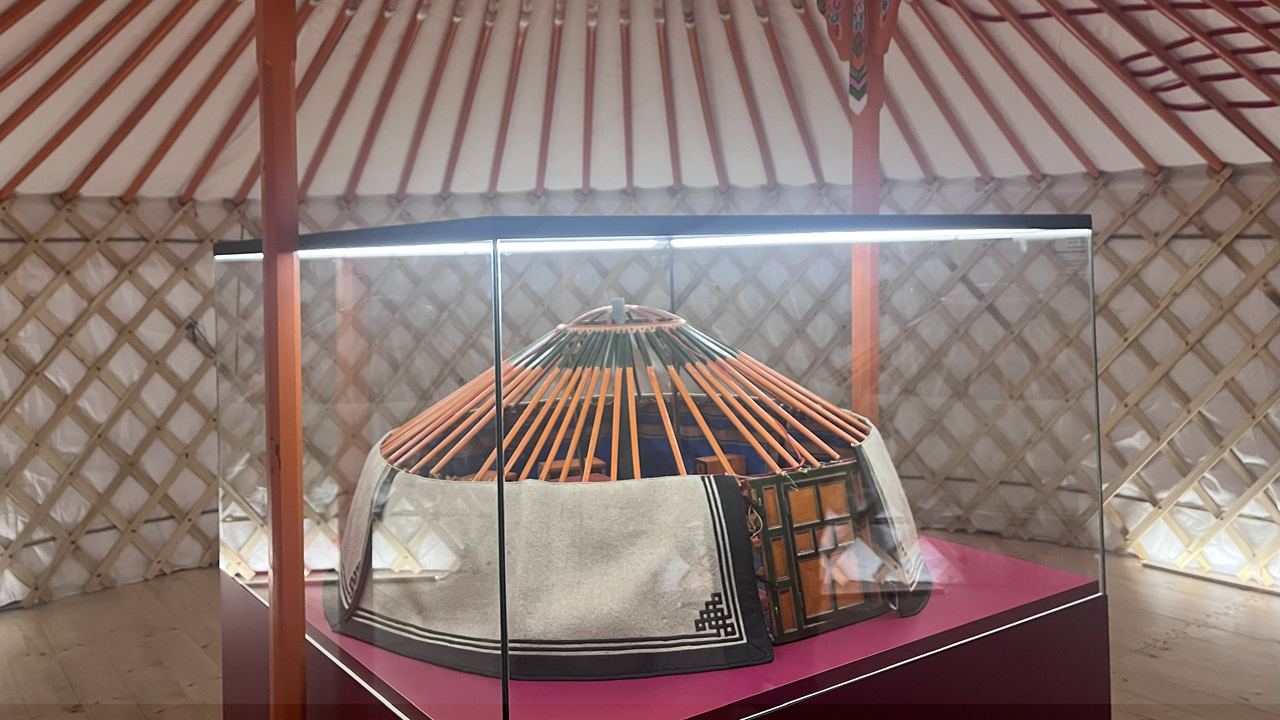
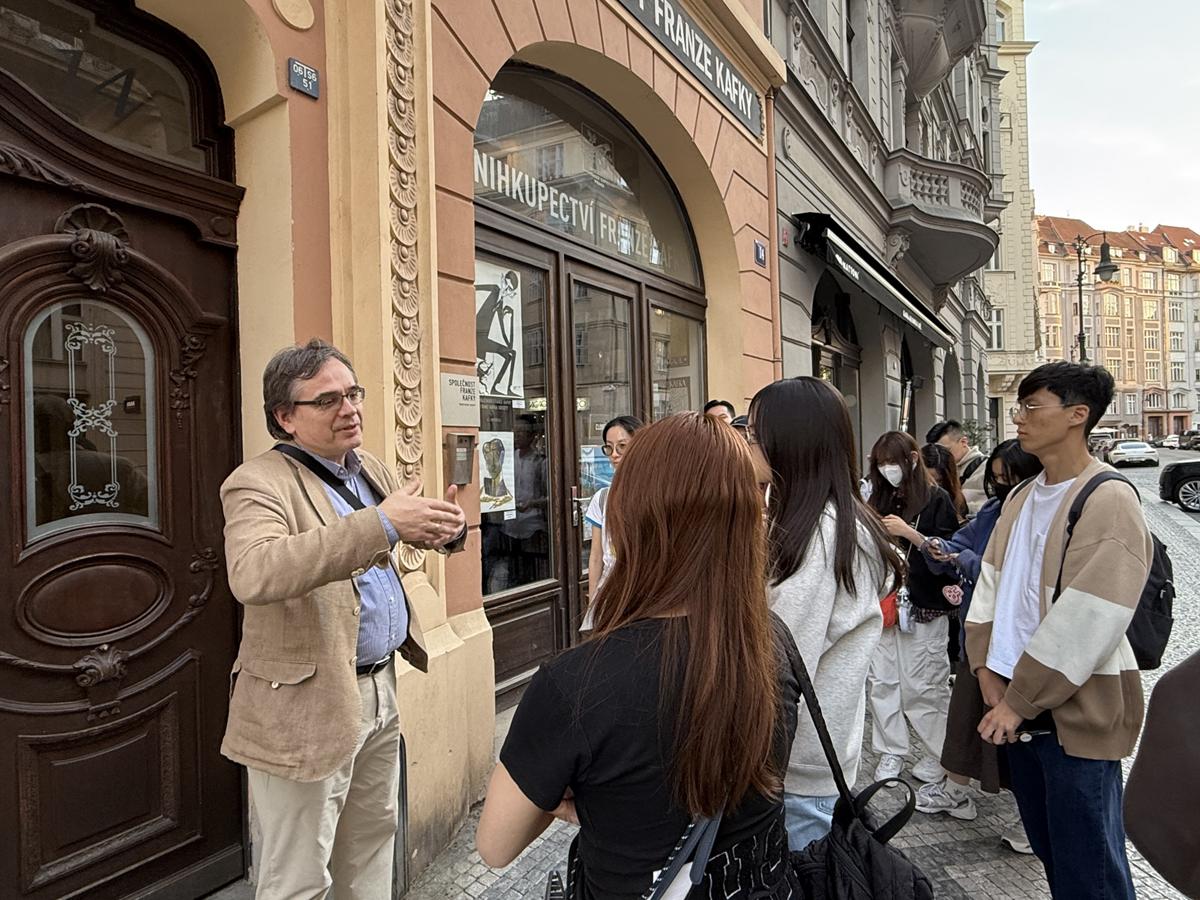
During this study tour to Czechia, I had the privilege to explore the rich tapestry of Czech history, art, and culture. Visiting iconic sites such as Prague’s Old Town Square and the Charles Bridge Museum allowed me to appreciate the deep historical roots and architectural beauty of the city. Standing in front of monuments such as the Jan Hus Memorial and the Franz Kafka Statue, I listened to the stories of these influential figures who have shaped Czech identity and values.
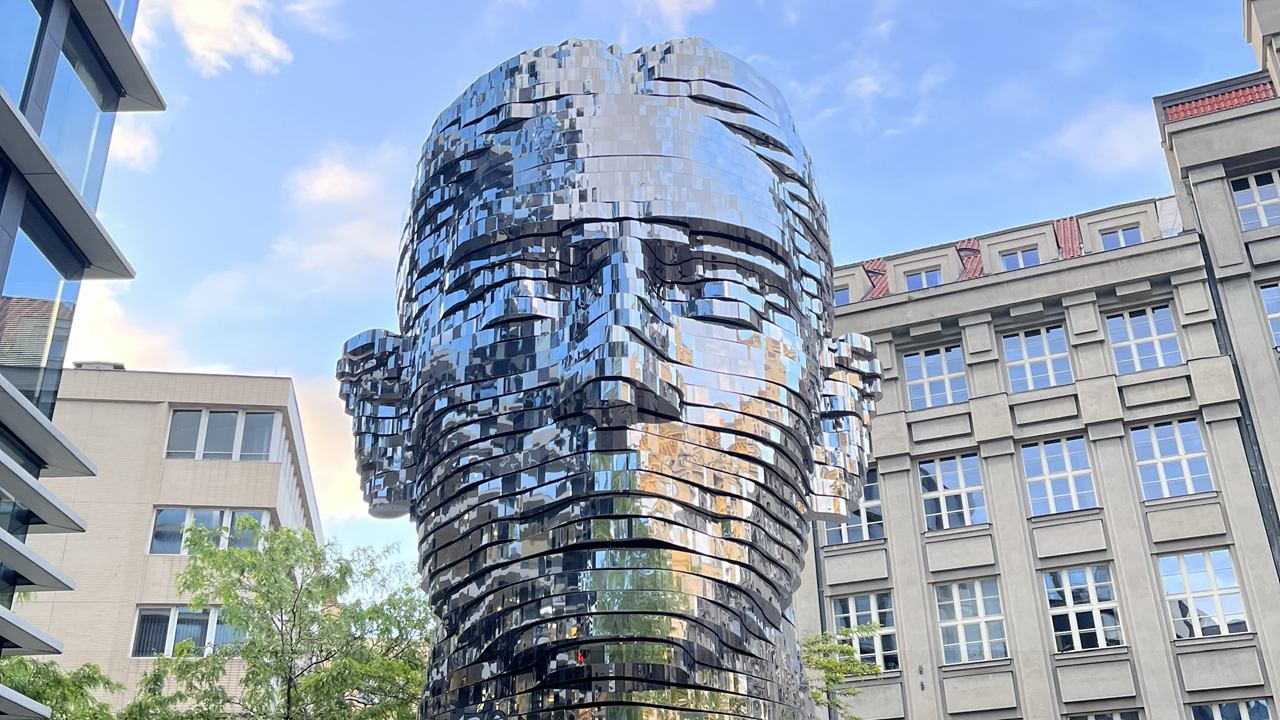
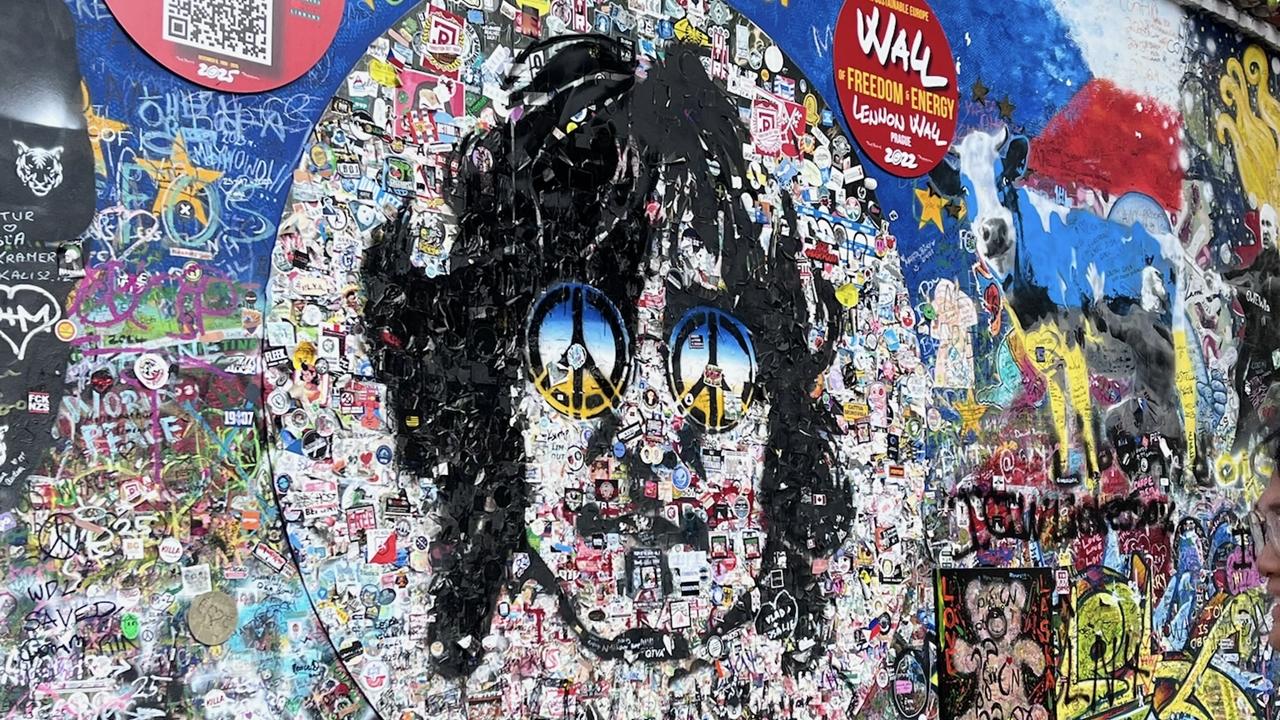
The tour fostered a profound respect for cultural diversity. Learning about the history of Prague’s Jewish community at the Jewish Museum and exploring the John Lennon Wall enabled me to appreciate how societies express resistance, hope, and the desire for freedom in unique ways. Witnessing the kinetic sculpture, the Head of Franz Kafka, and attending a concert at Rudolfinum's Dvořák Hall in Prague further enriched my appreciation for art.
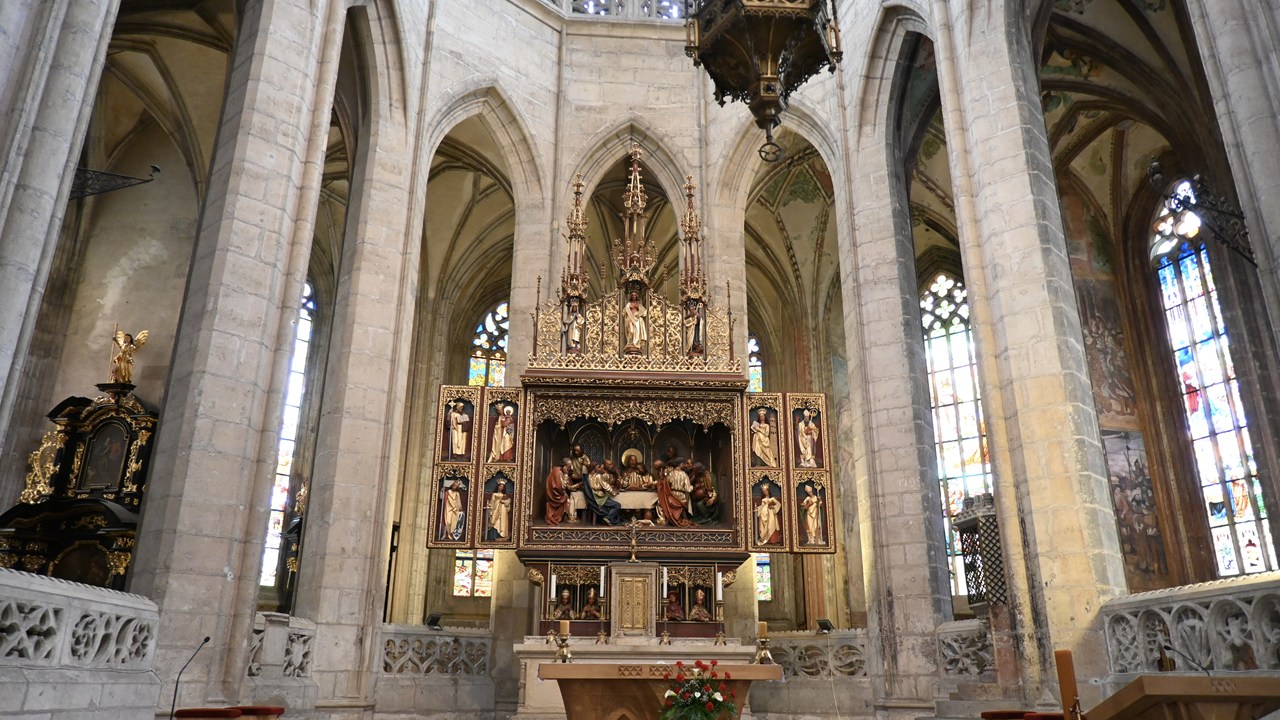
In Brno, the visit to Bunker 10-Z and the introduction to the city's World War history by a tutor from Masaryk University deepened my understanding of how different nations confront their pasts. Exploring religious sites such as St. Nicholas Church and St. Barbara's Church in Kutná Hora revealed the shared human desire for spiritual meaning, transcending cultural differences.
Through these experiences, I developed a positive attitude toward diversity and a readiness to engage with people from various backgrounds. The tour not only enriched my knowledge but also inspired me to embrace cross-cultural communication, appreciate differences, and work harmoniously in multicultural environments.
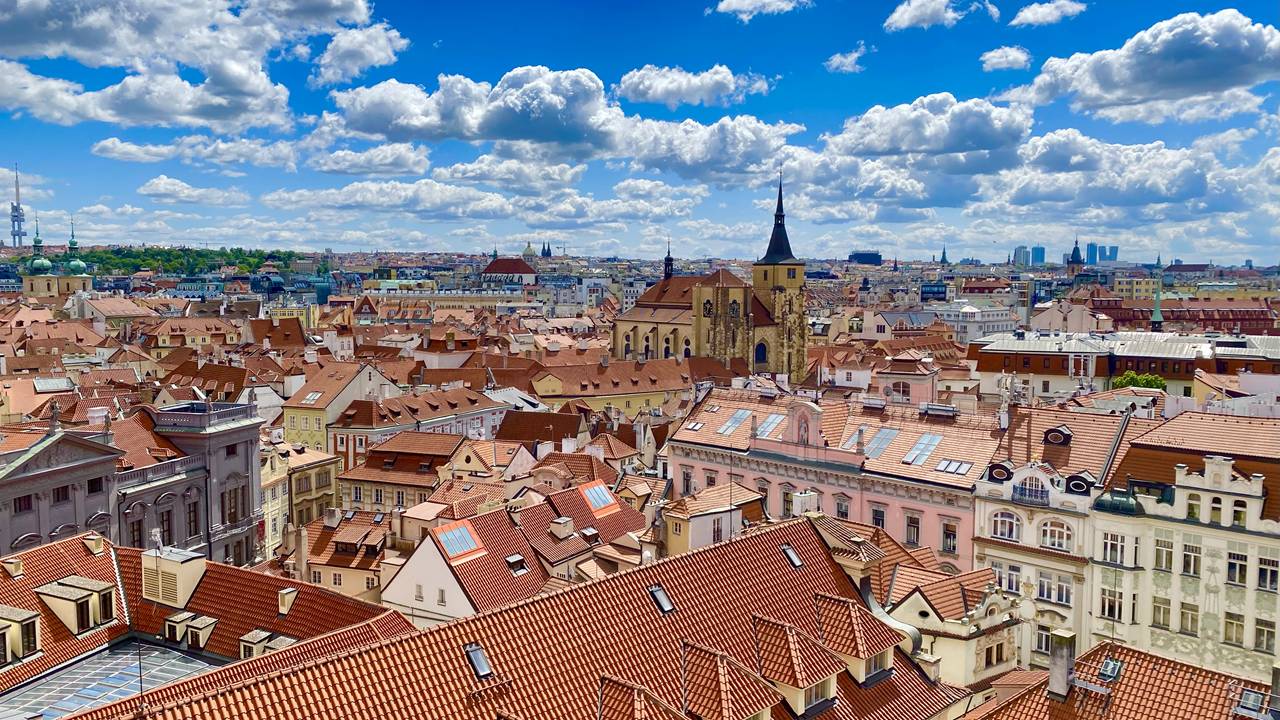
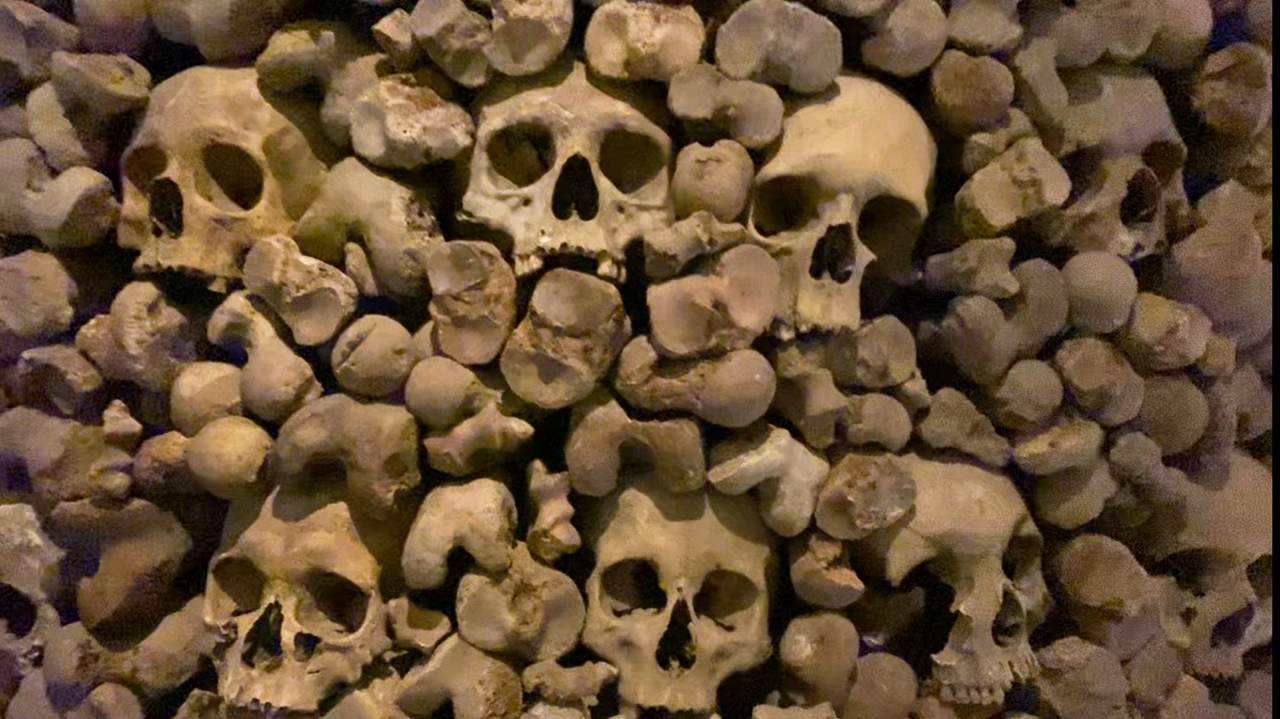
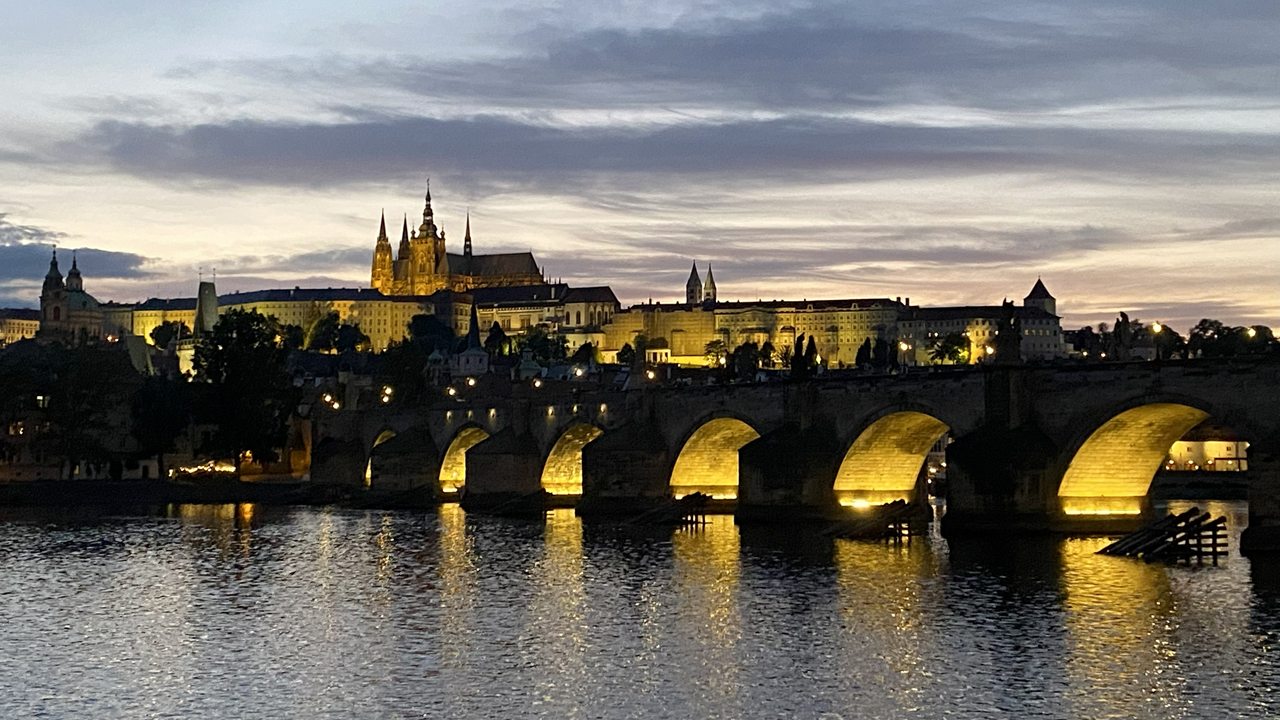
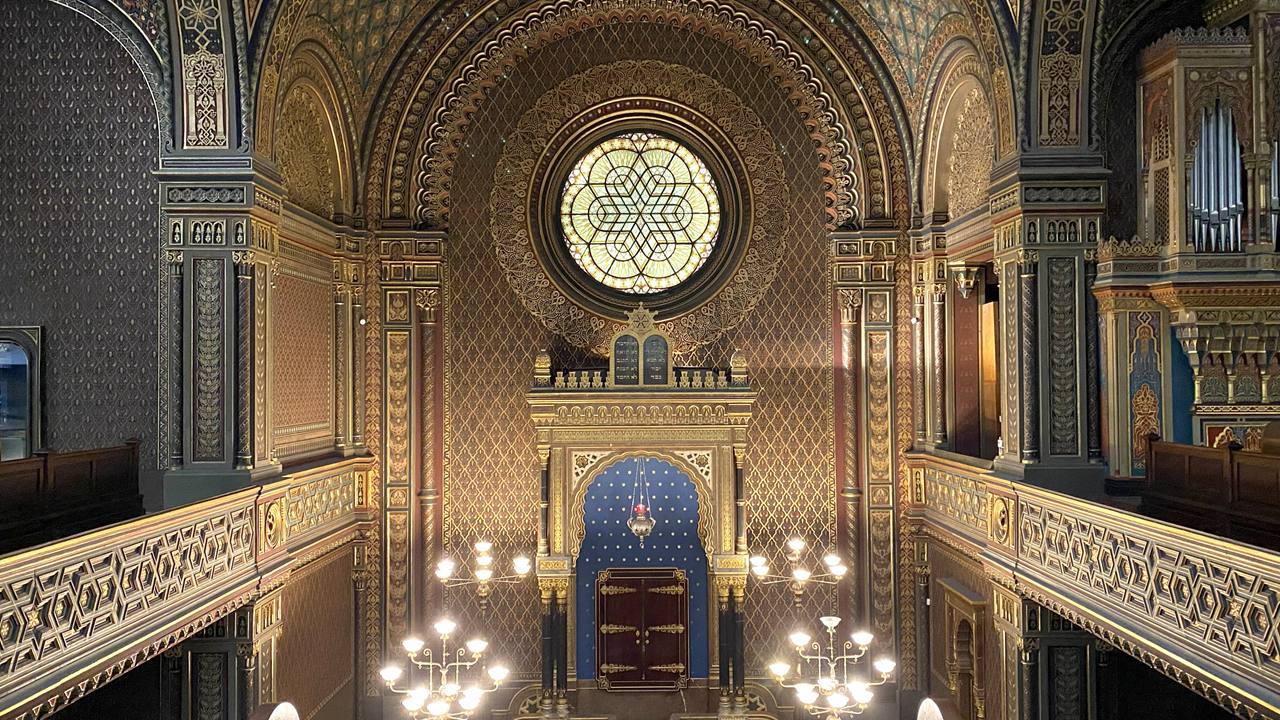
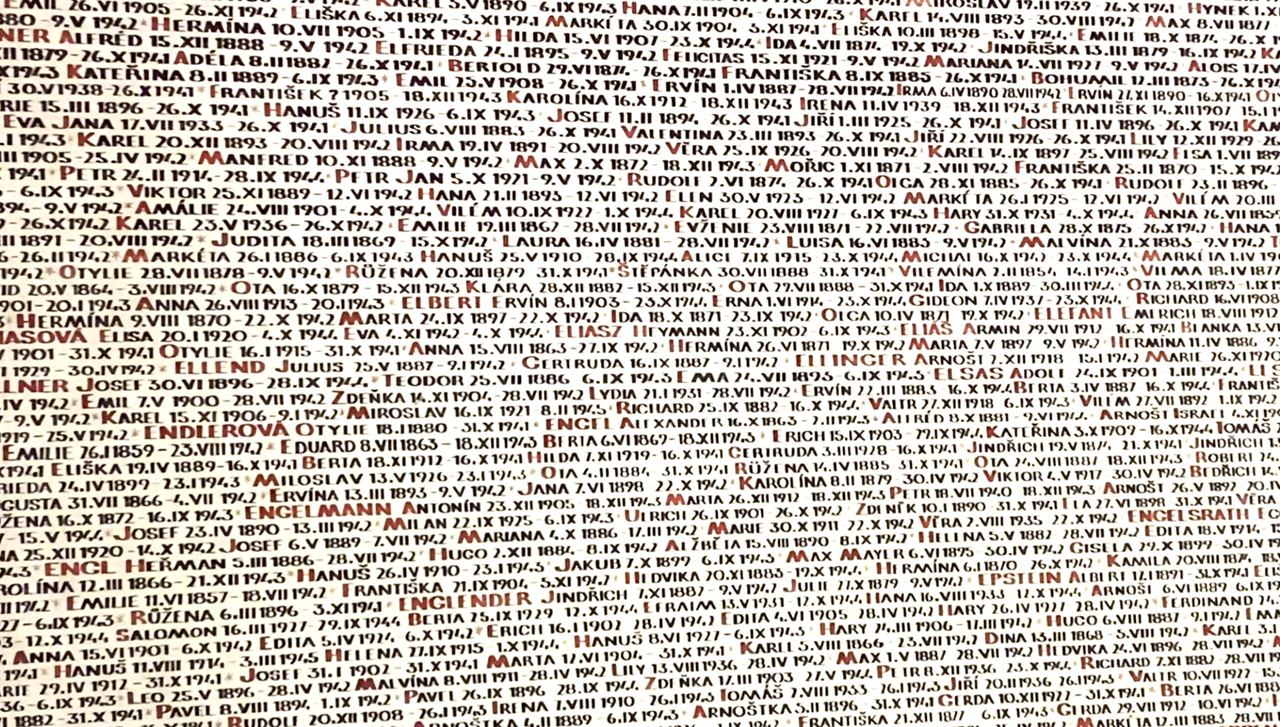
One of the most profound experiences of my study tour in Prague was visiting the historic Jewish synagogues and the hauntingly beautiful Sedlec Ossuary, known as the "Bone Church." These sites were not just stops on the itinerary; they were gateways to understanding the layers of human history, faith, and resilience.
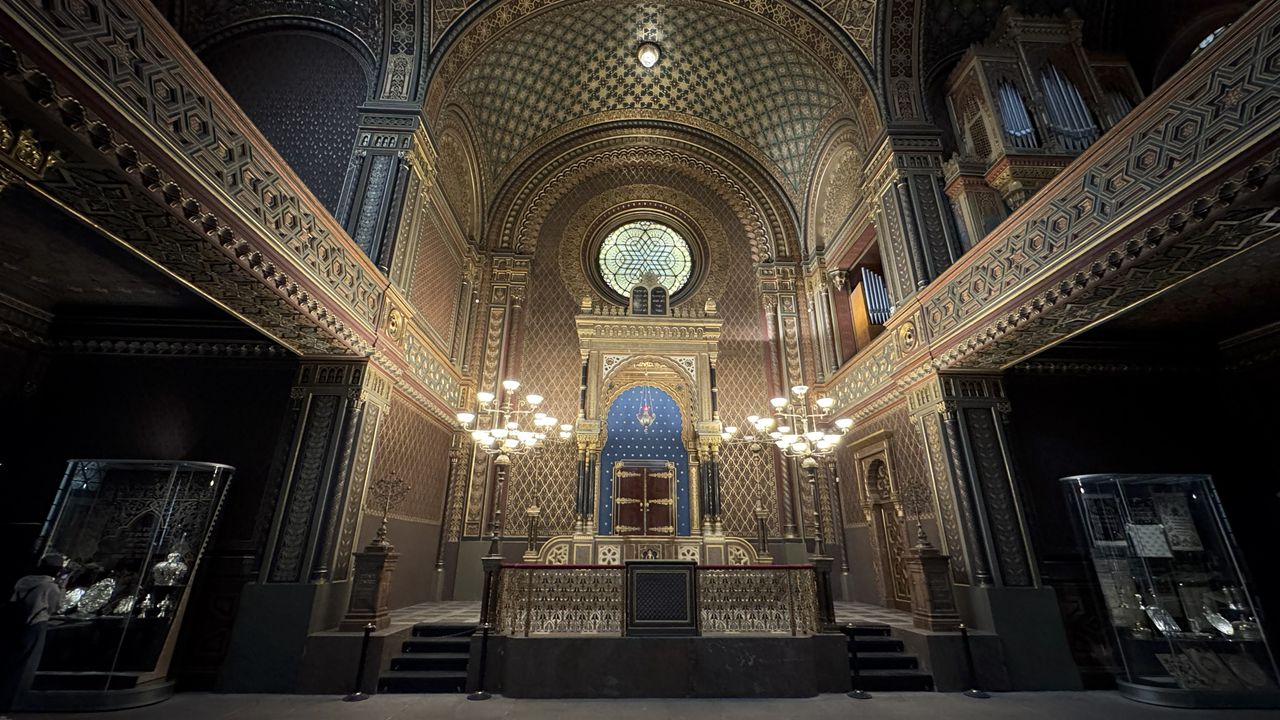
The Jewish Quarter, with its synagogues like the Spanish Synagogue and the Old-New Synagogue, offered a glimpse into Prague’s rich Jewish heritage. Walking through the Spanish Synagogue, I was struck by its Moorish-style grandeur—golden motifs, stained glass, and intricate arches—a testament to the cultural fusion in the 19th century Europe. In the Old-New Synagogue, Europe’s oldest active synagogue, I saw the Torah ark housing the "Sefer Torah" and learned about the "Tanakh" (the Hebrew Bible) which contains the Ten Commandments. Standing there, I imagined centuries of prayers echoing under those vaulted ceilings, a thread connecting past and present. The Quarter also bore silent witness to darker chapters: the Nazi occupation’s shadow lingered in the Pinkas Synagogue, where the walls are inscribed with the names of 80,000 Czech Jewish Holocaust victims.
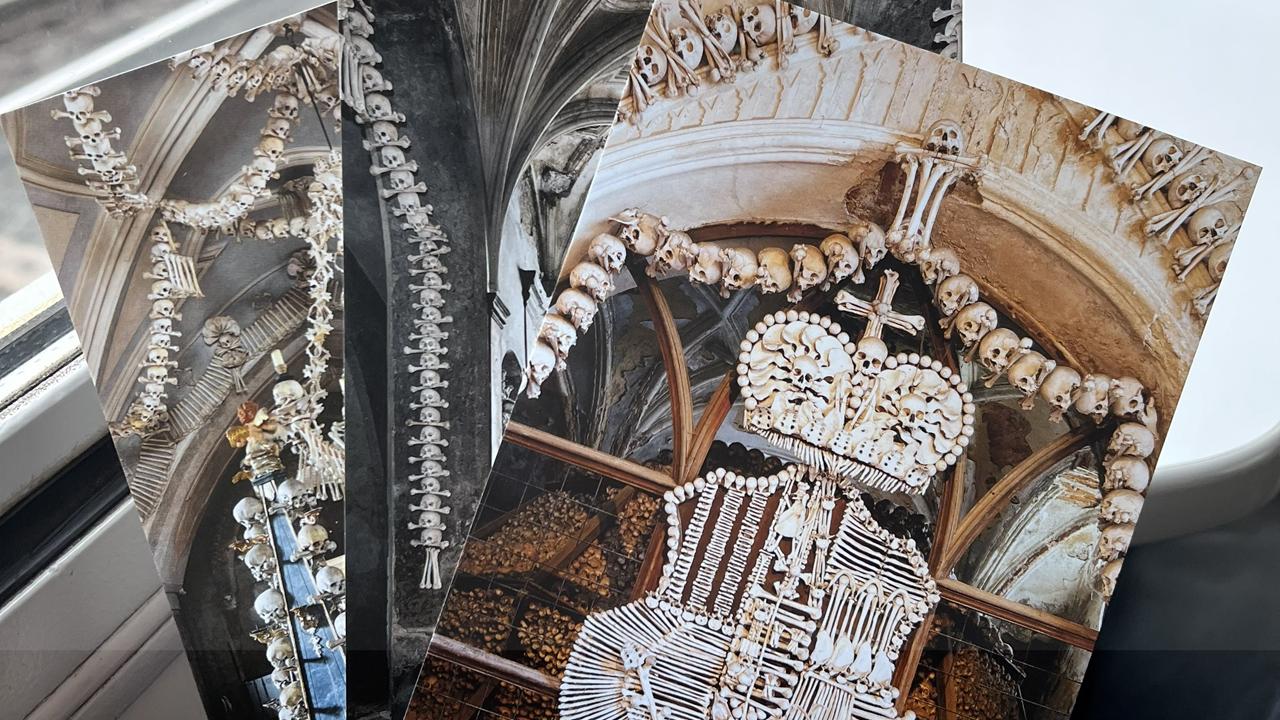
Then came the Sedlec Ossuary, a small chapel adorned with the bones of 60,000 people. At first glance, the chandeliers of femurs and pyramids of skulls evoked a macabre curiosity—an eerie "aesthetic of death." But the truth was heavier. These bones belonged to victims of the Black Death, Hussite Wars, and religious strife, gathered here because the abbey grounds were considered holy soil. The ossuary wasn’t just art; it was a meditation on mortality. I felt a shiver—not just from fear, but from the realisation that these remains were once people with dreams, loves, and fears.
This journey taught me that history isn’t just facts; it’s human stories. The synagogues celebrated endurance amid persecution, while the ossuary whispered about life’s fragility. Both demanded reflection: How do we honor the past? How do we confront suffering and diversity with empathy? As a student ambassador, I left with more than photos—I carried questions that bridge cultures, urging us to remember, learn, and connect.
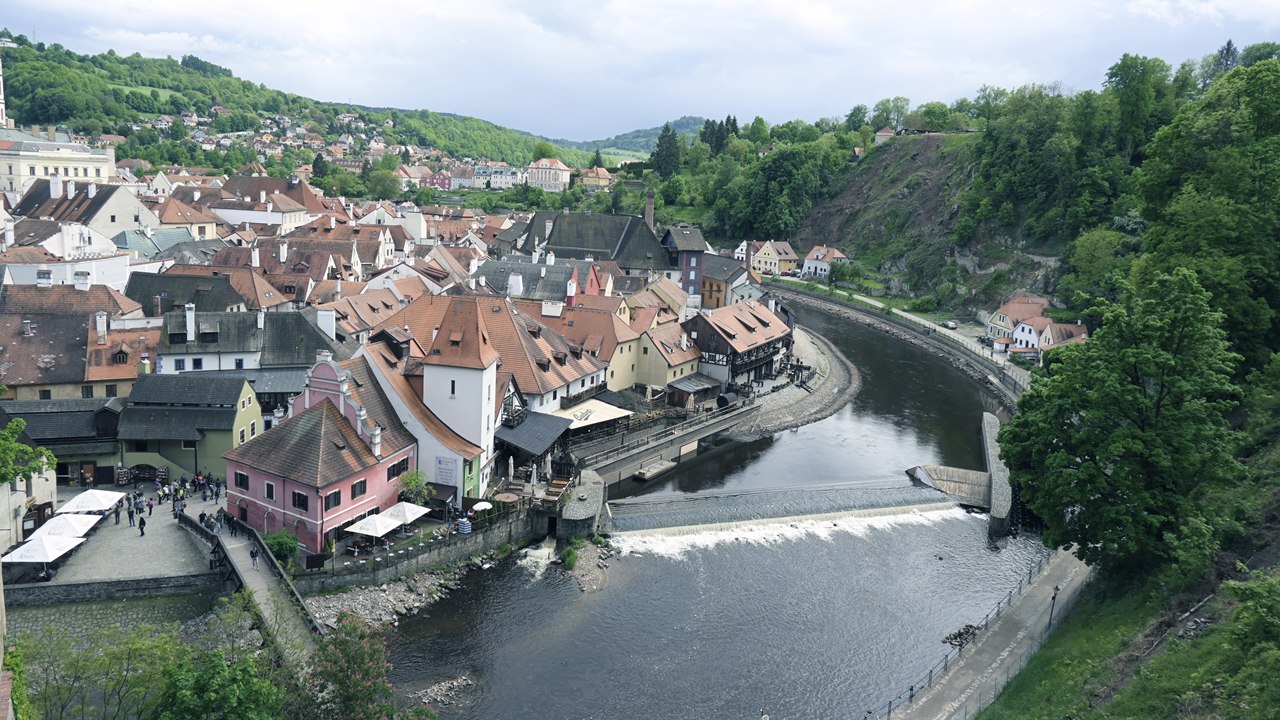
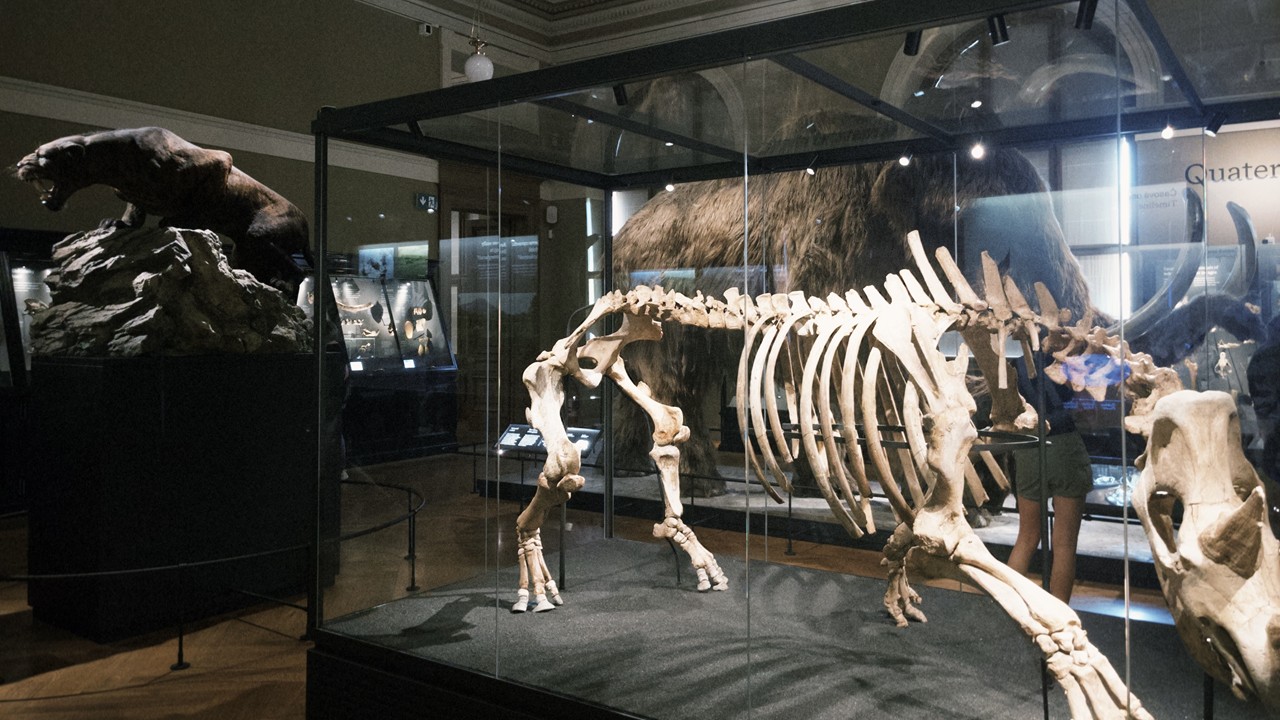
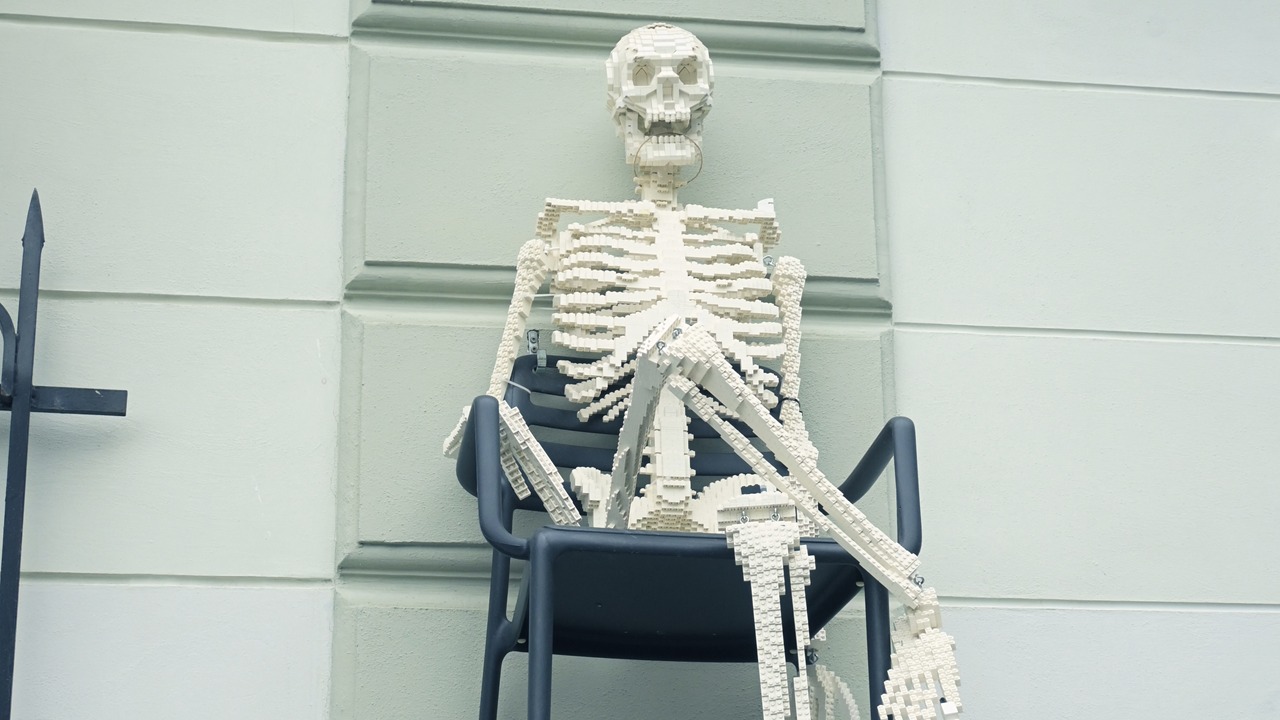
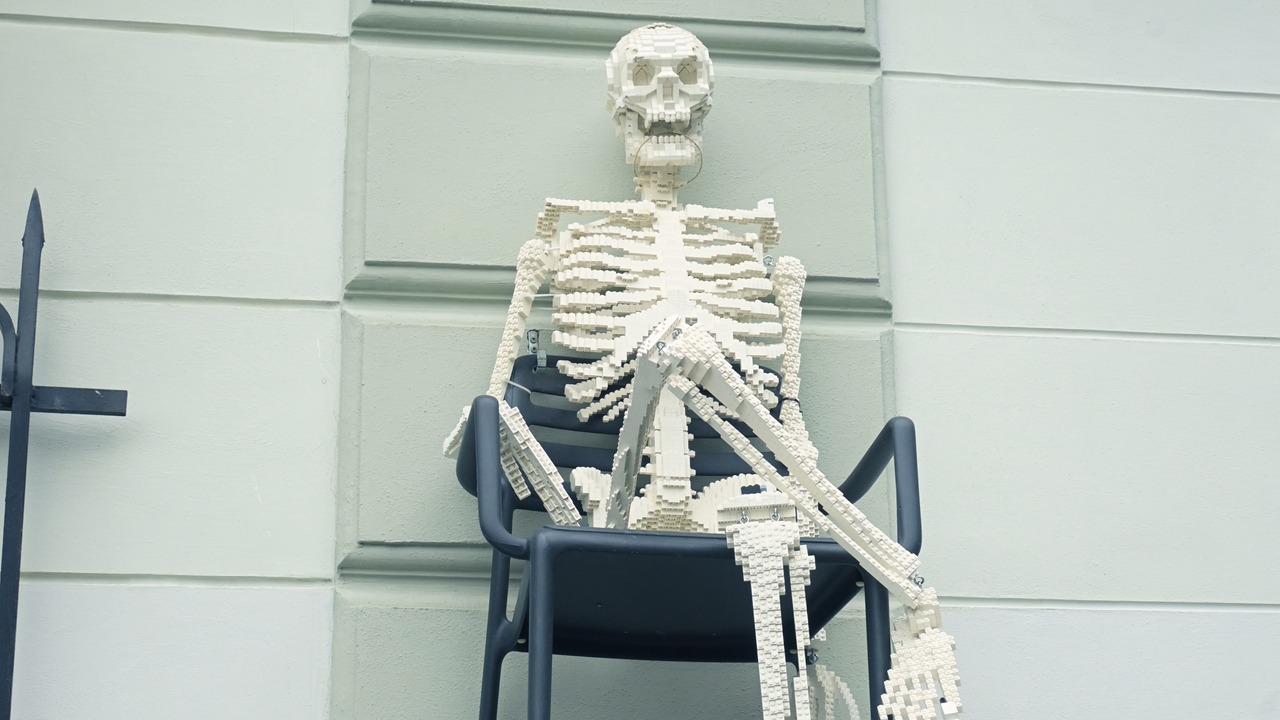
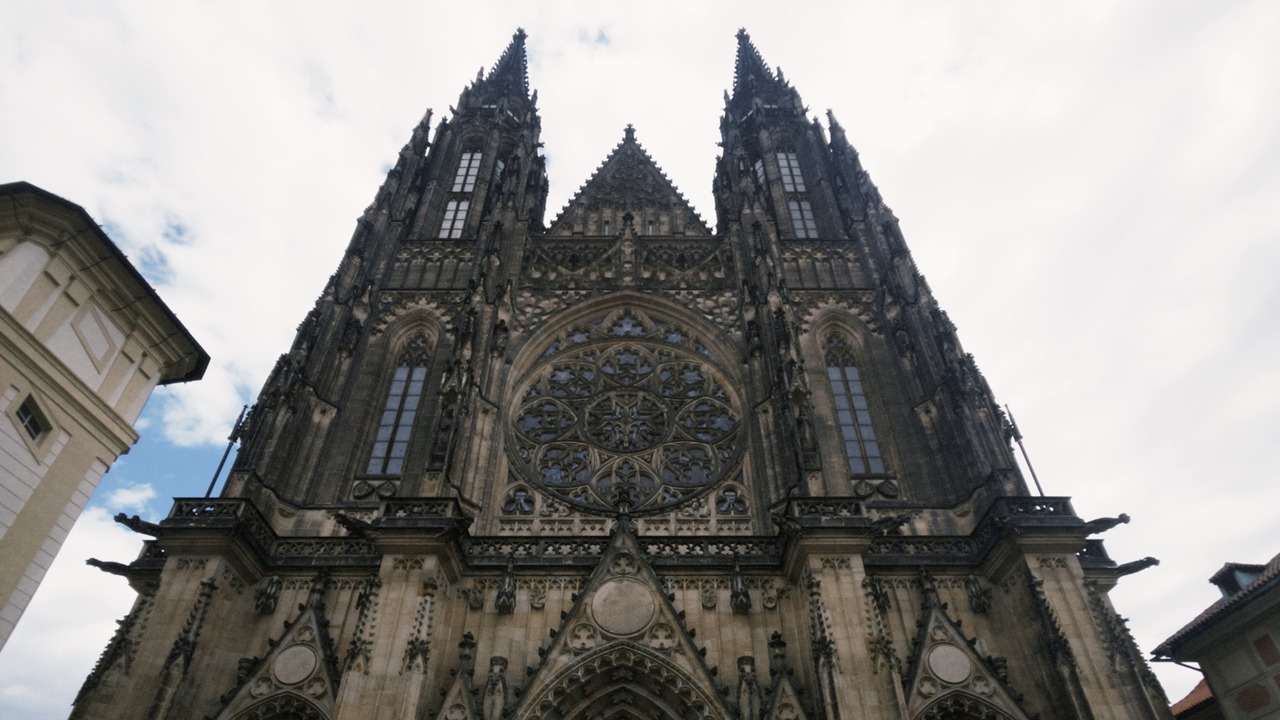
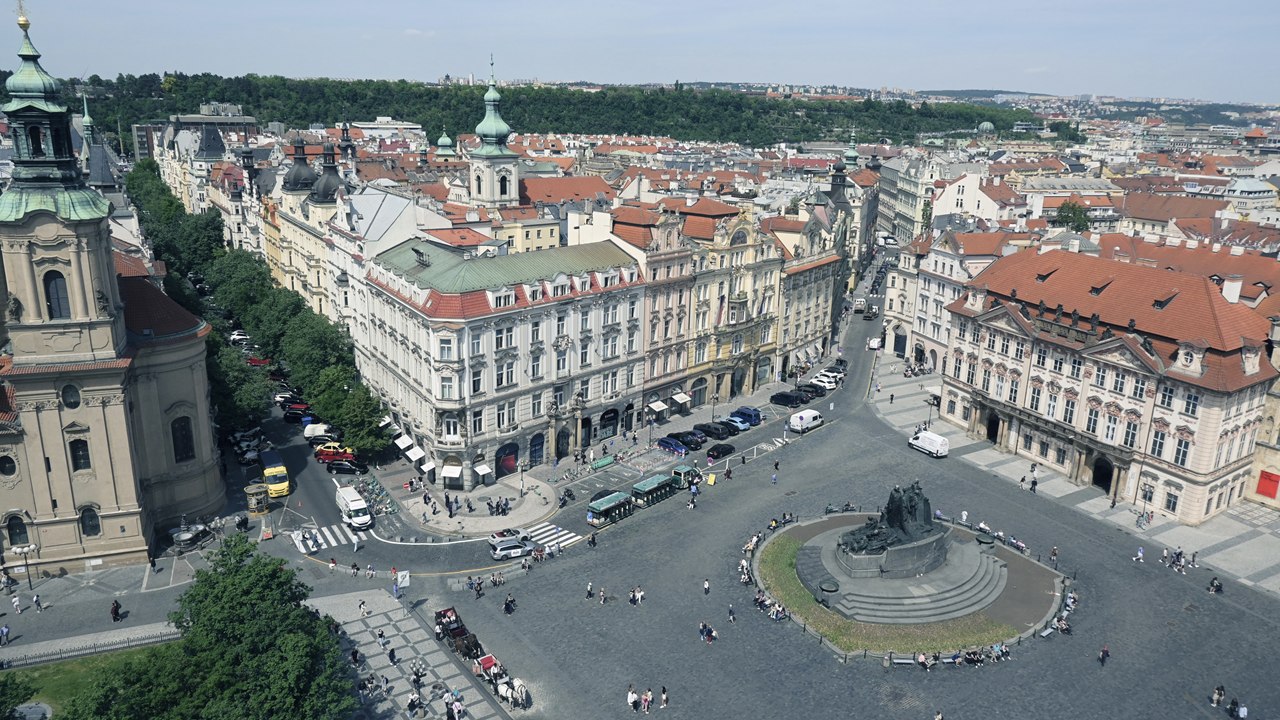
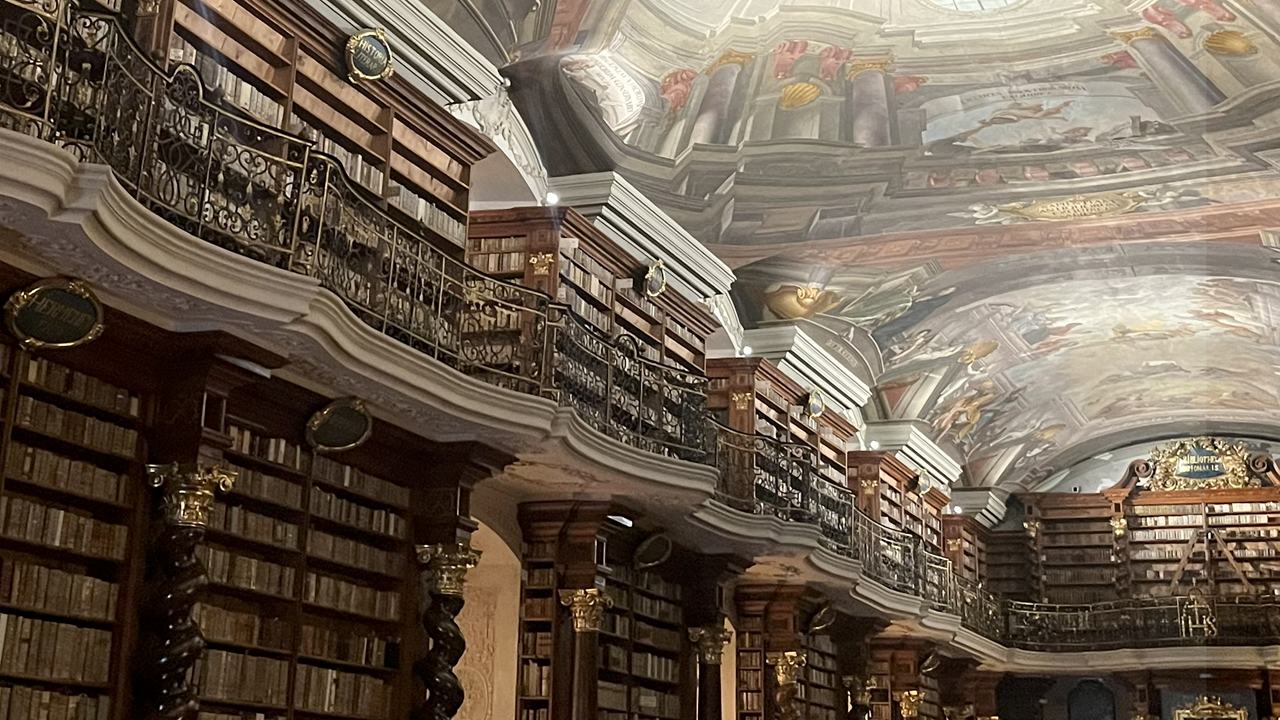
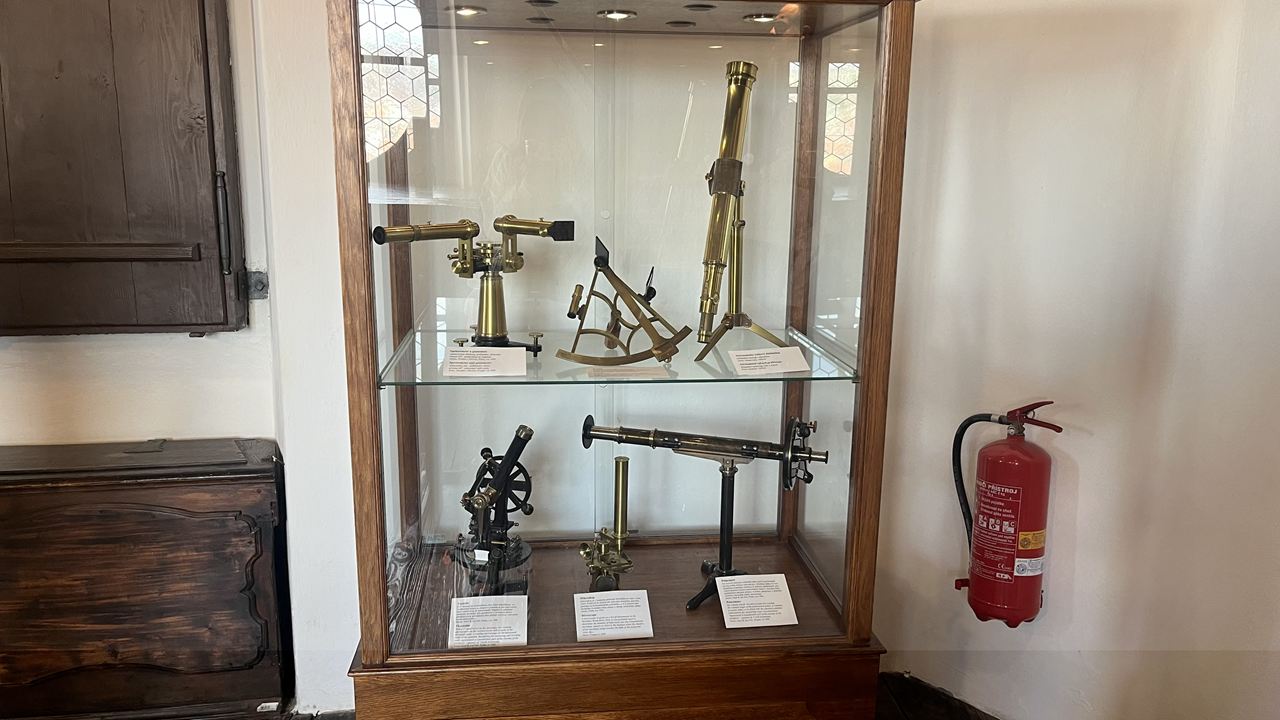
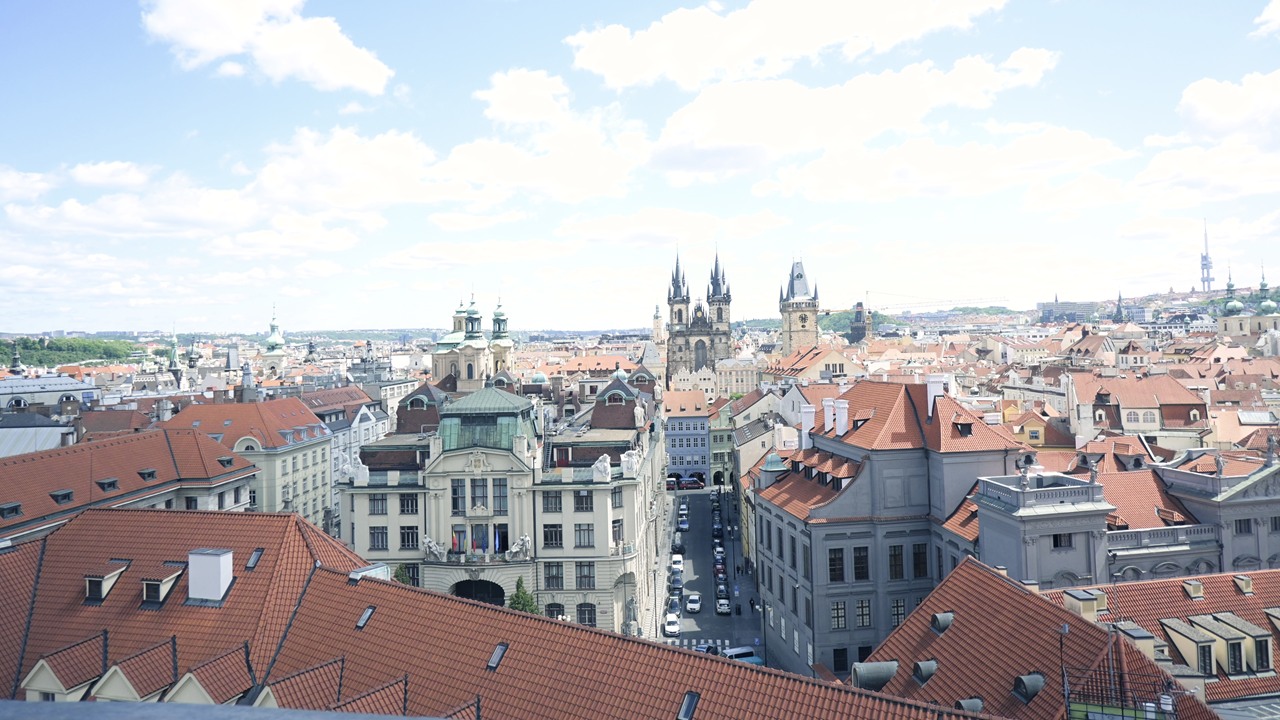
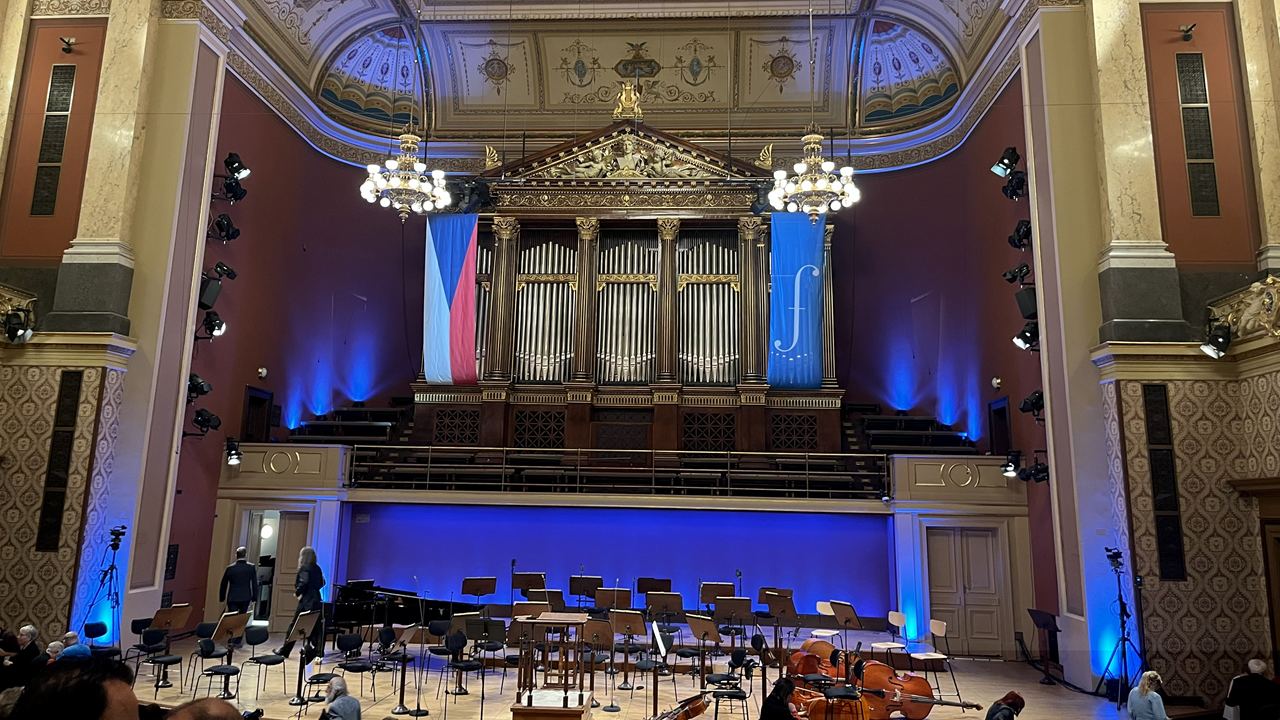
During this journey, I visited many cultural landmarks, churches, and museums, which greatly broadened my horizons and deepened my understanding of Czech history and traditions. One of the most unforgettable places was the Church of Bones.
There are around 40,000 human bones that are artistically arranged into chandeliers, altars, and chalices. The most striking piece was the bone chandelier hanging from the ceiling, creating a surprisingly majestic atmosphere. This masterpiece transforms the bones into a unique work of art, allowing me to see how culture and history can be expressed in unexpected ways. Rather than being eerie, it prompted me to reflect on mortality and faith during times of plague and war. In addition, our guide also explained that an angel sits atop the bone pyramid, symbolising the triumph of good over evil. My experience in the Church of Bones taught me that death is sacred, and offering one’s remains to God is viewed as the highest praise in Catholic belief.
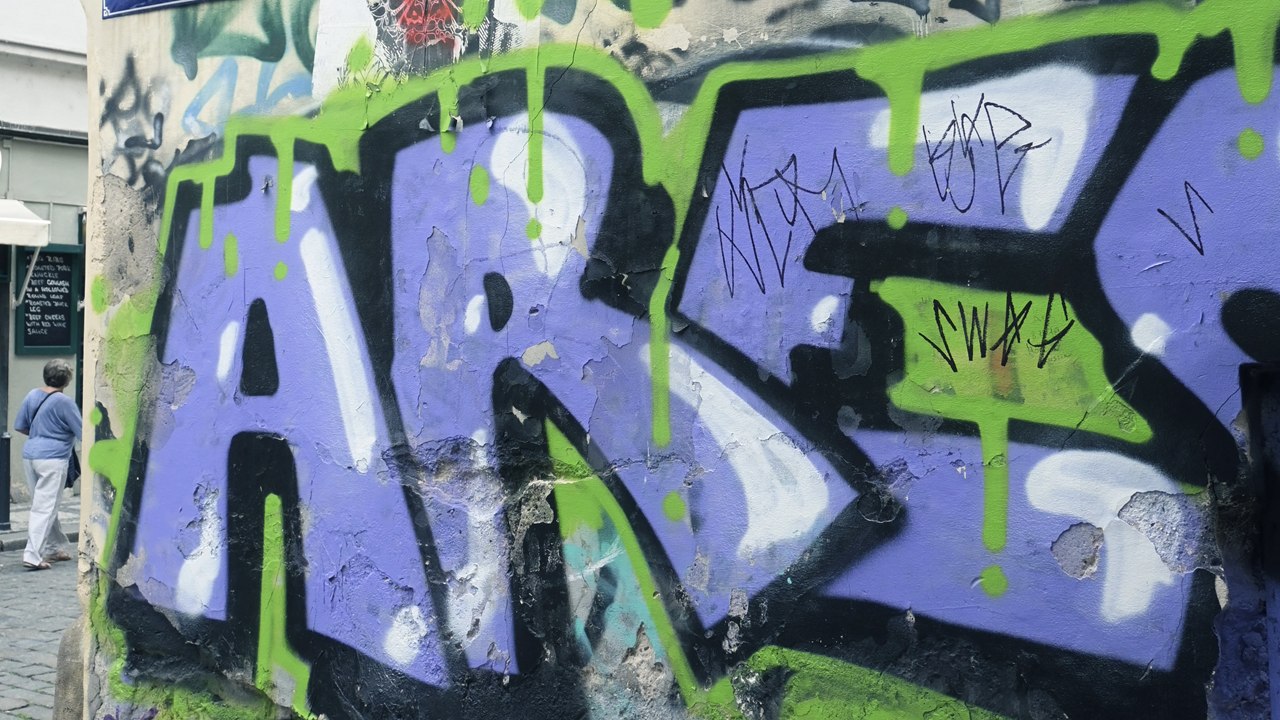
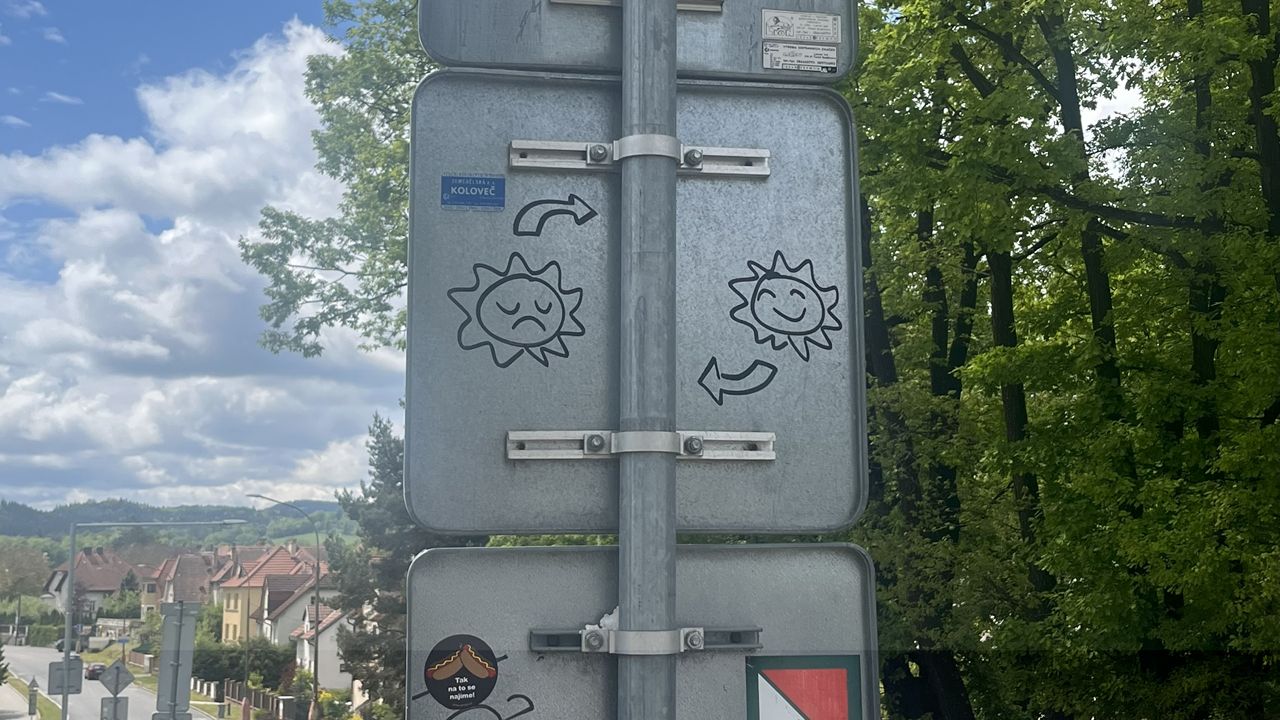
Besides, I noticed that Czech cities are filled with graffiti and playful street art, adding a touch of creativity and rebellious charm to their urban spaces. These colorful visuals reflect the Czech spirit of expression and freedom, reminding me that culture can also be found in everyday streetscape. Moreover, the architecture in the Czech Republic is distinctive and rich in history. Many buildings showcase a blend of Gothic, Baroque, and modern styles, contributing to the unique character of its cities.
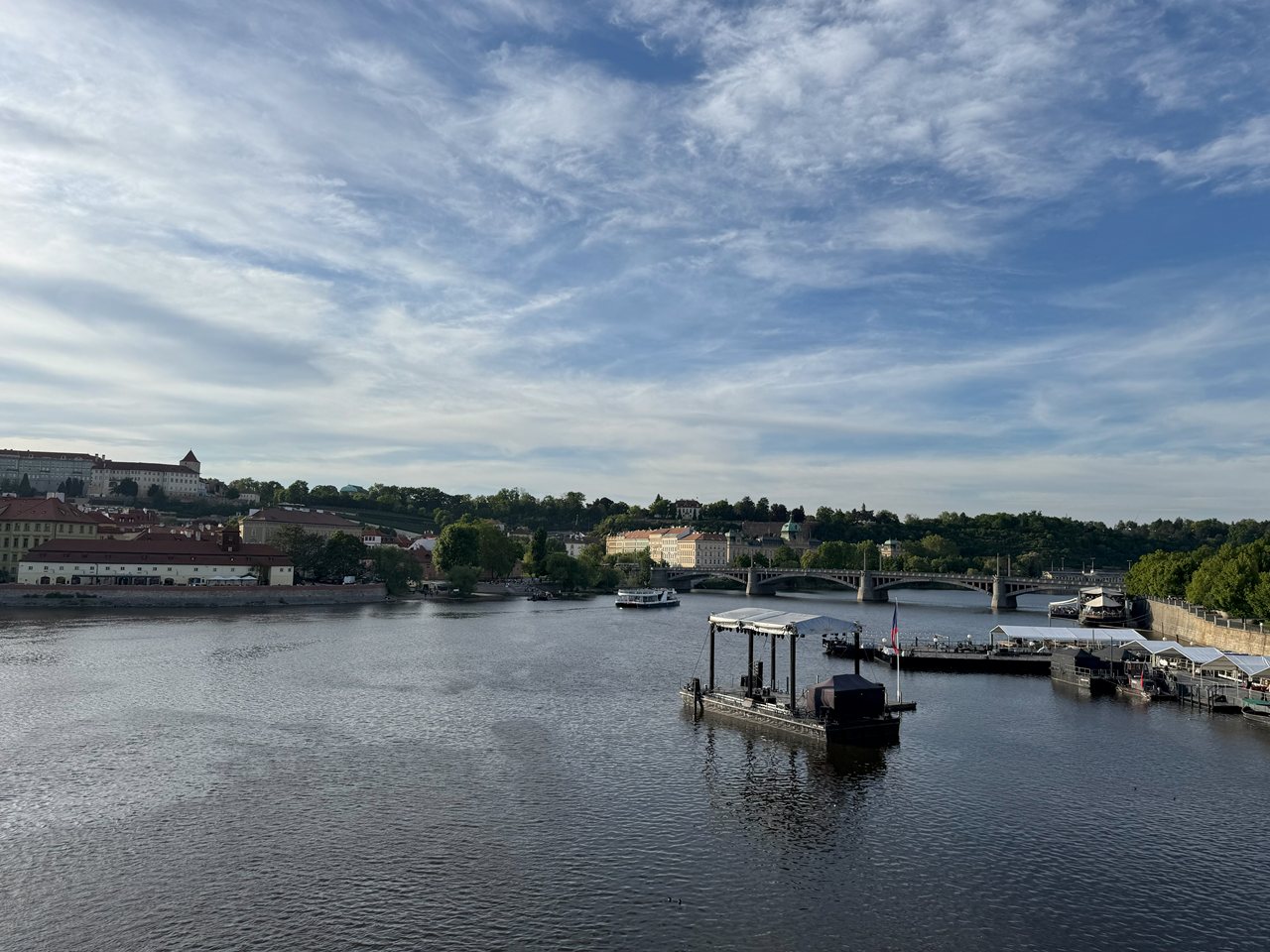
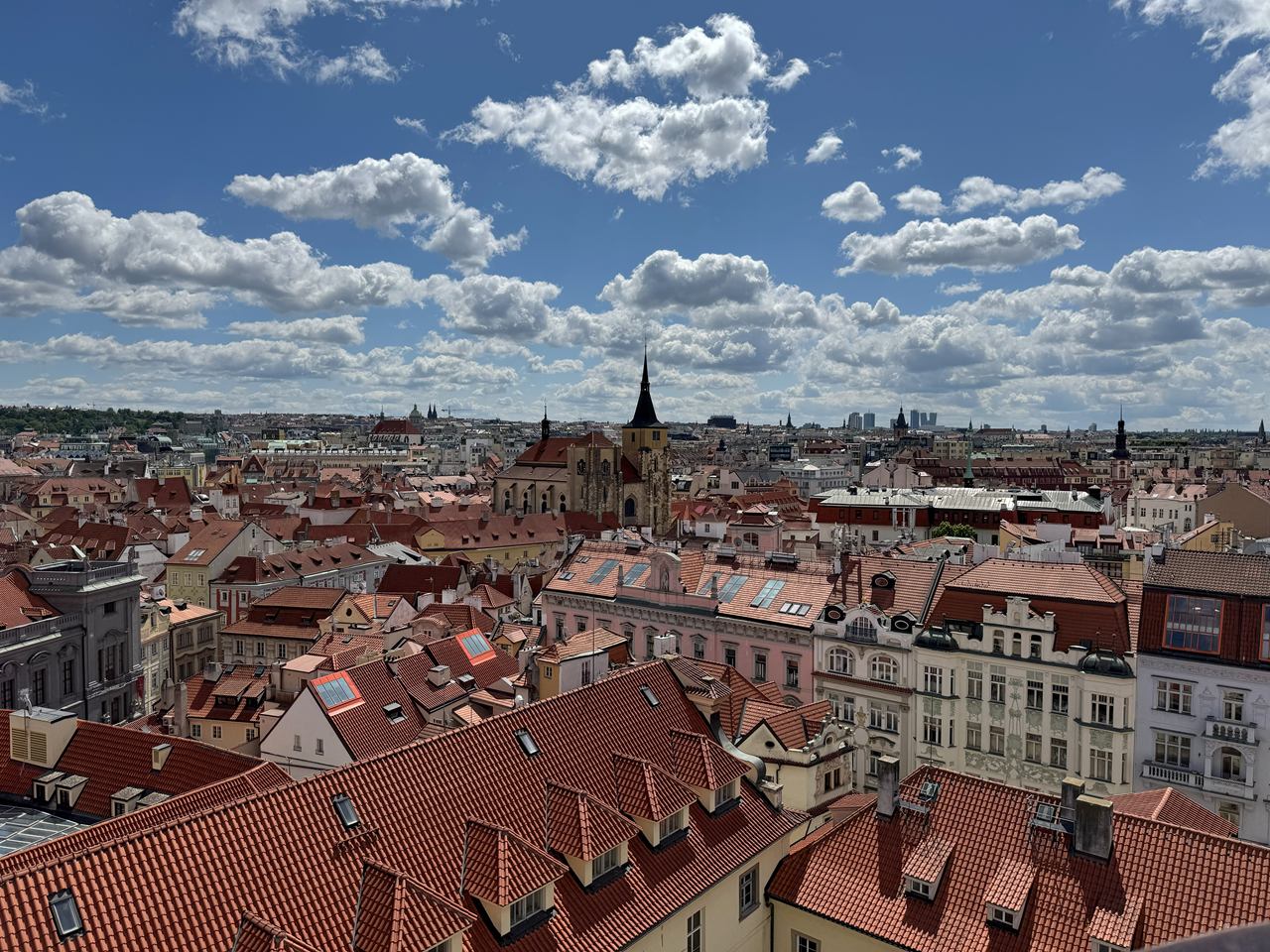
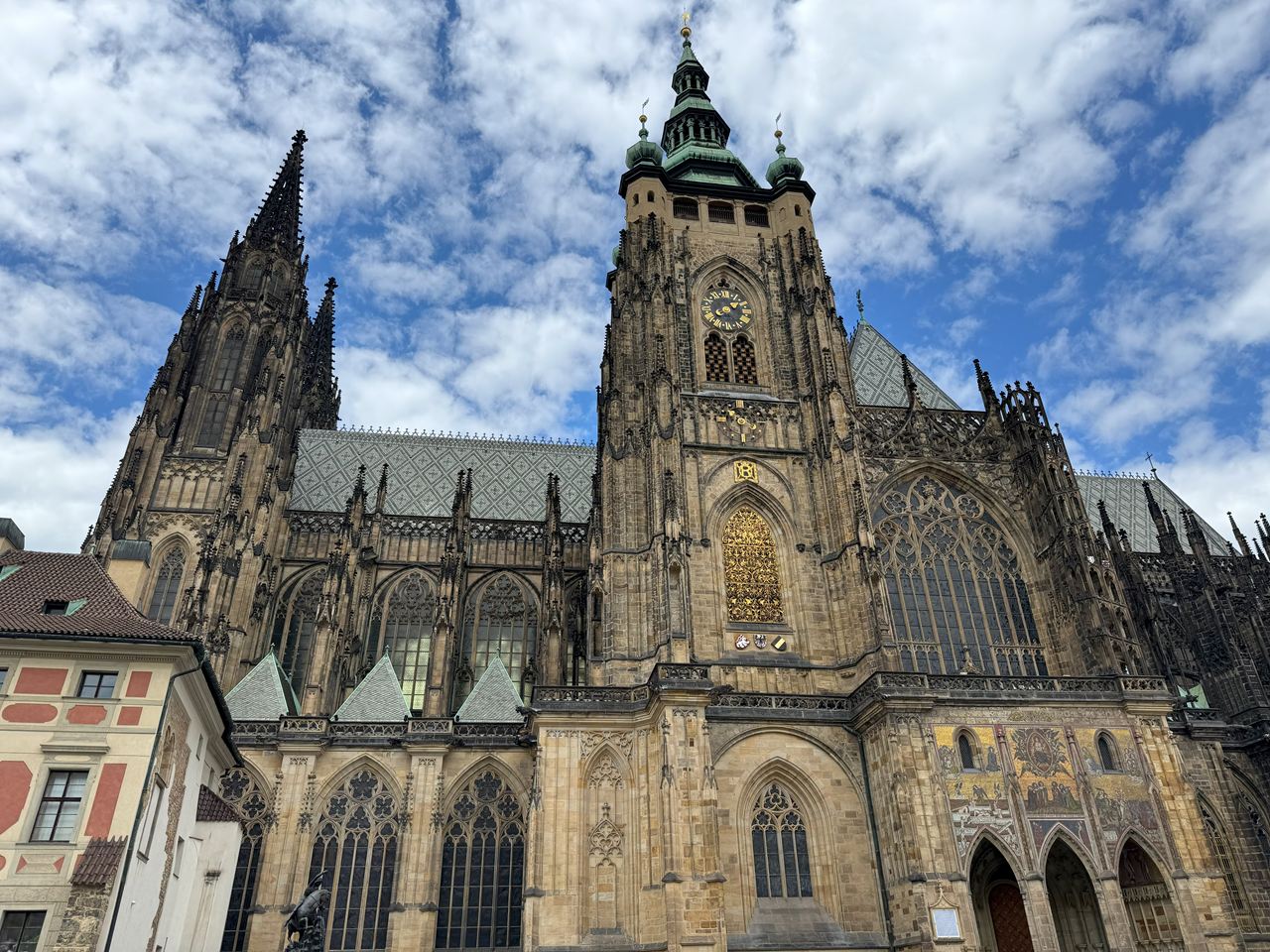
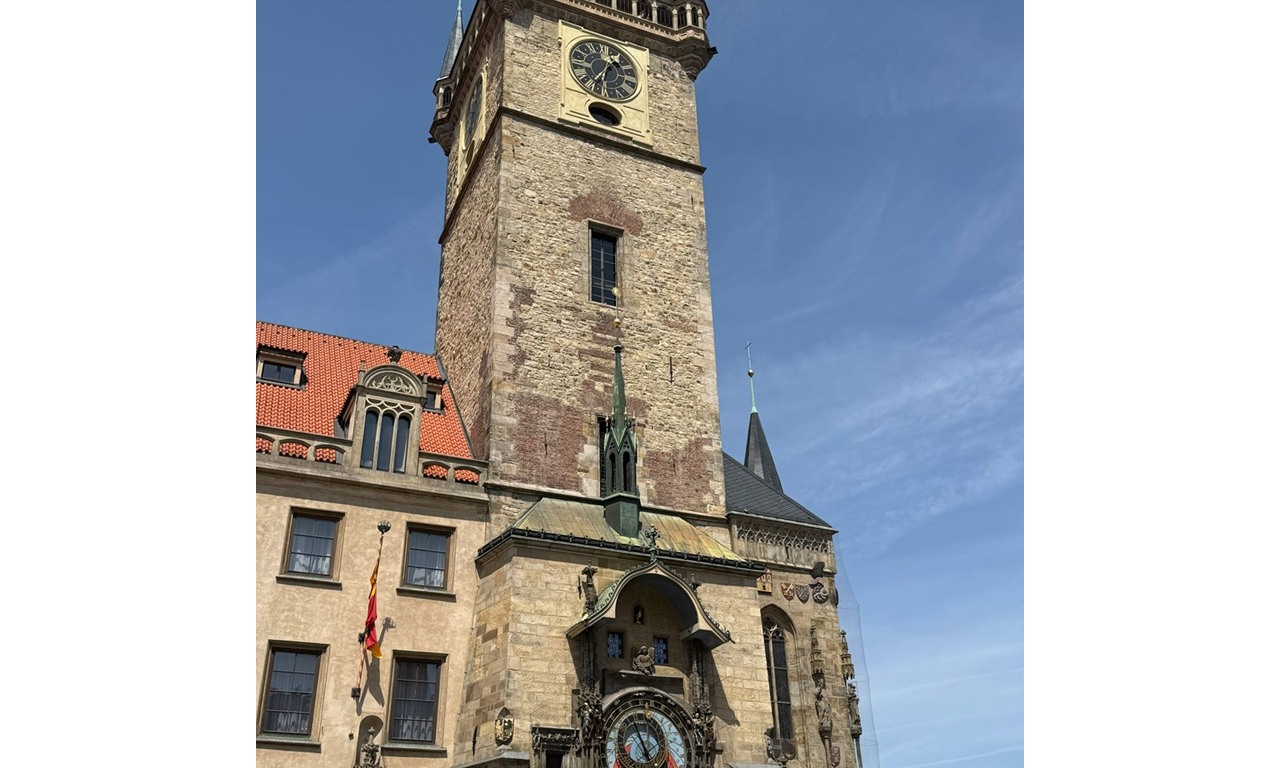
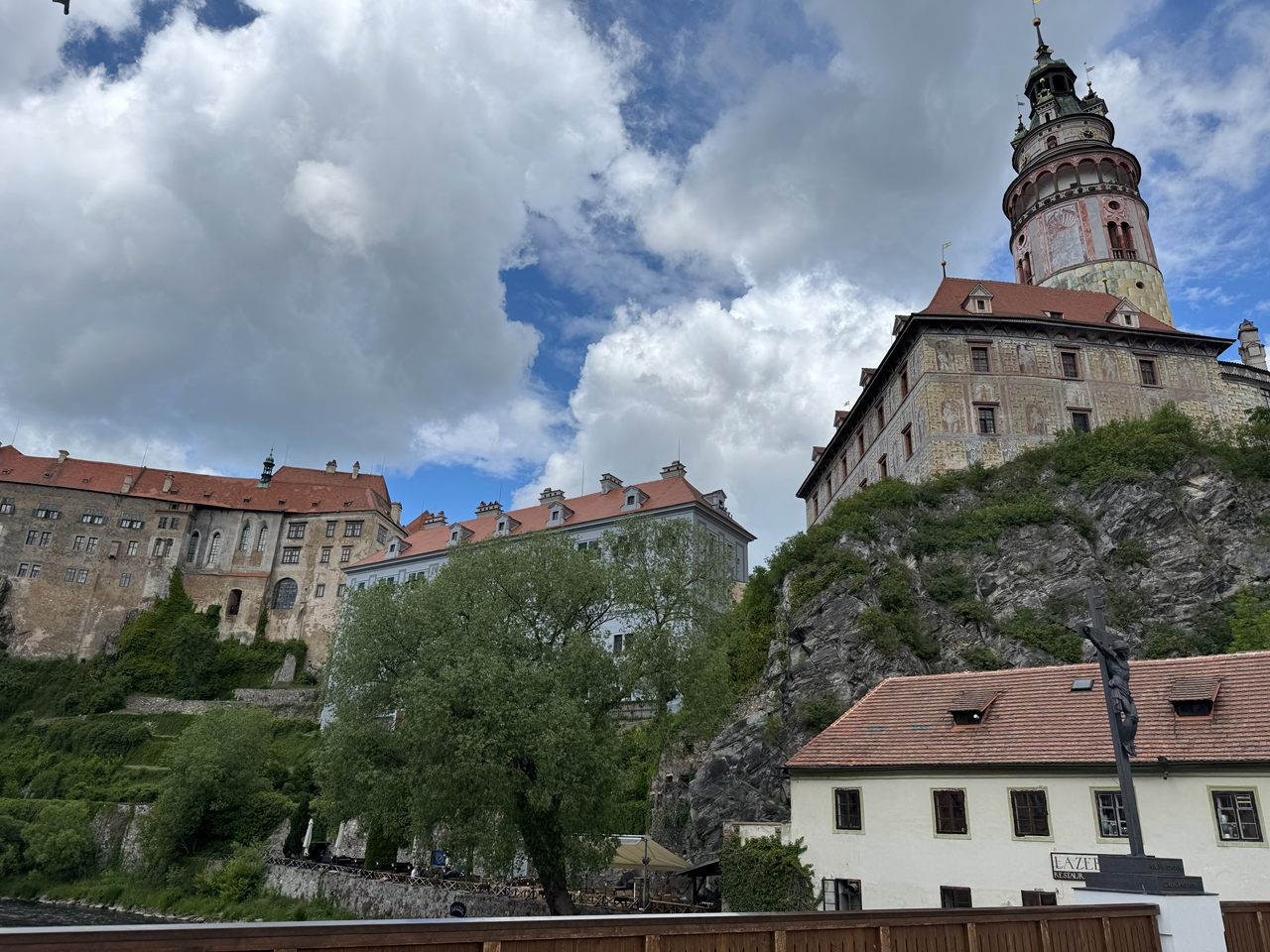
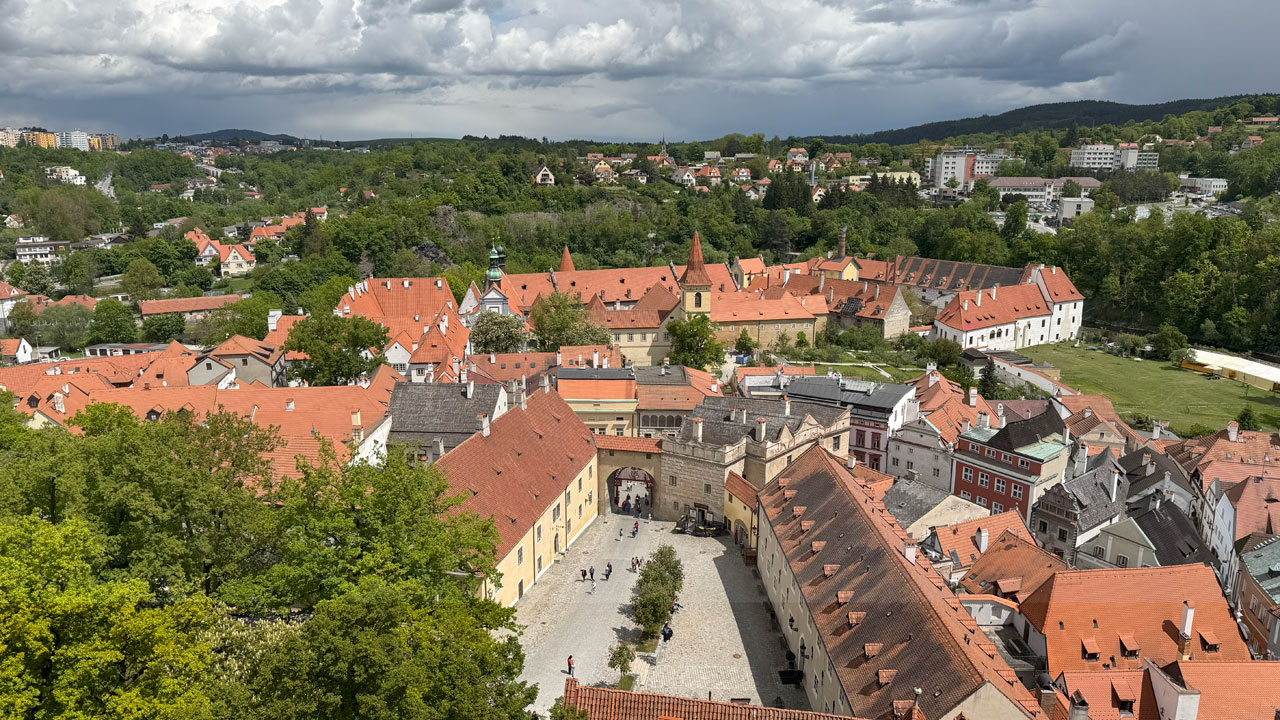
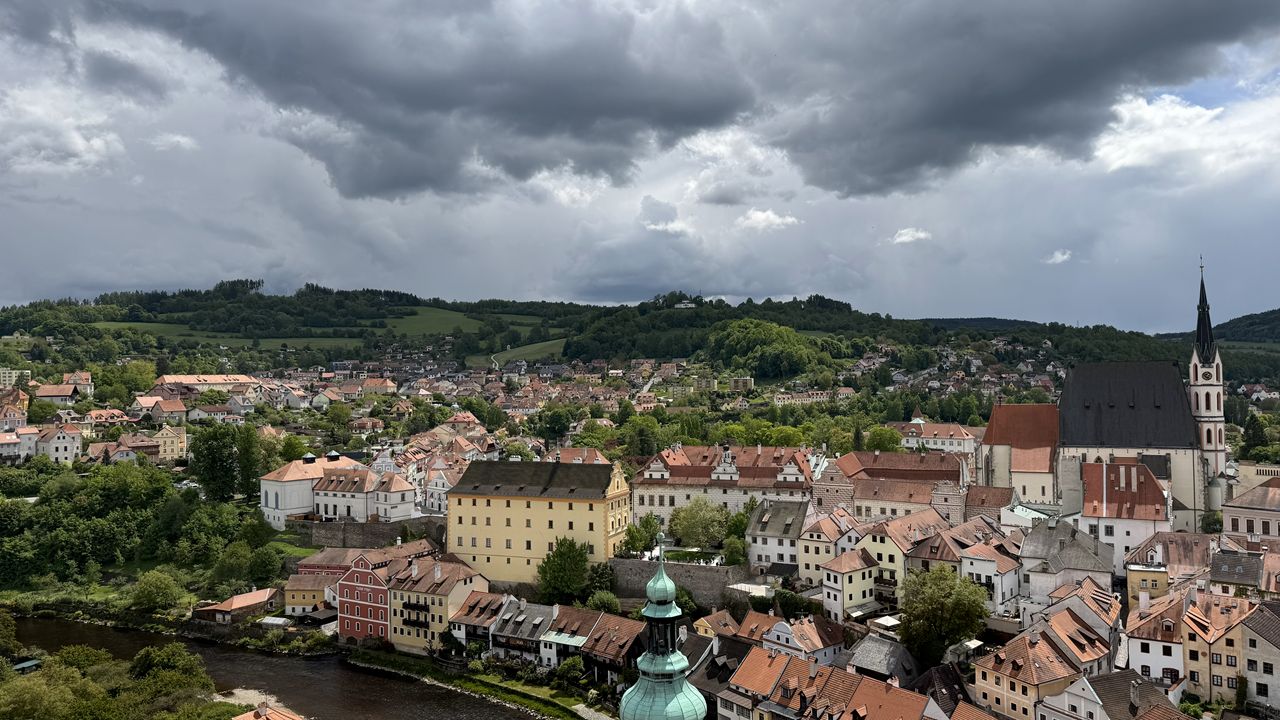
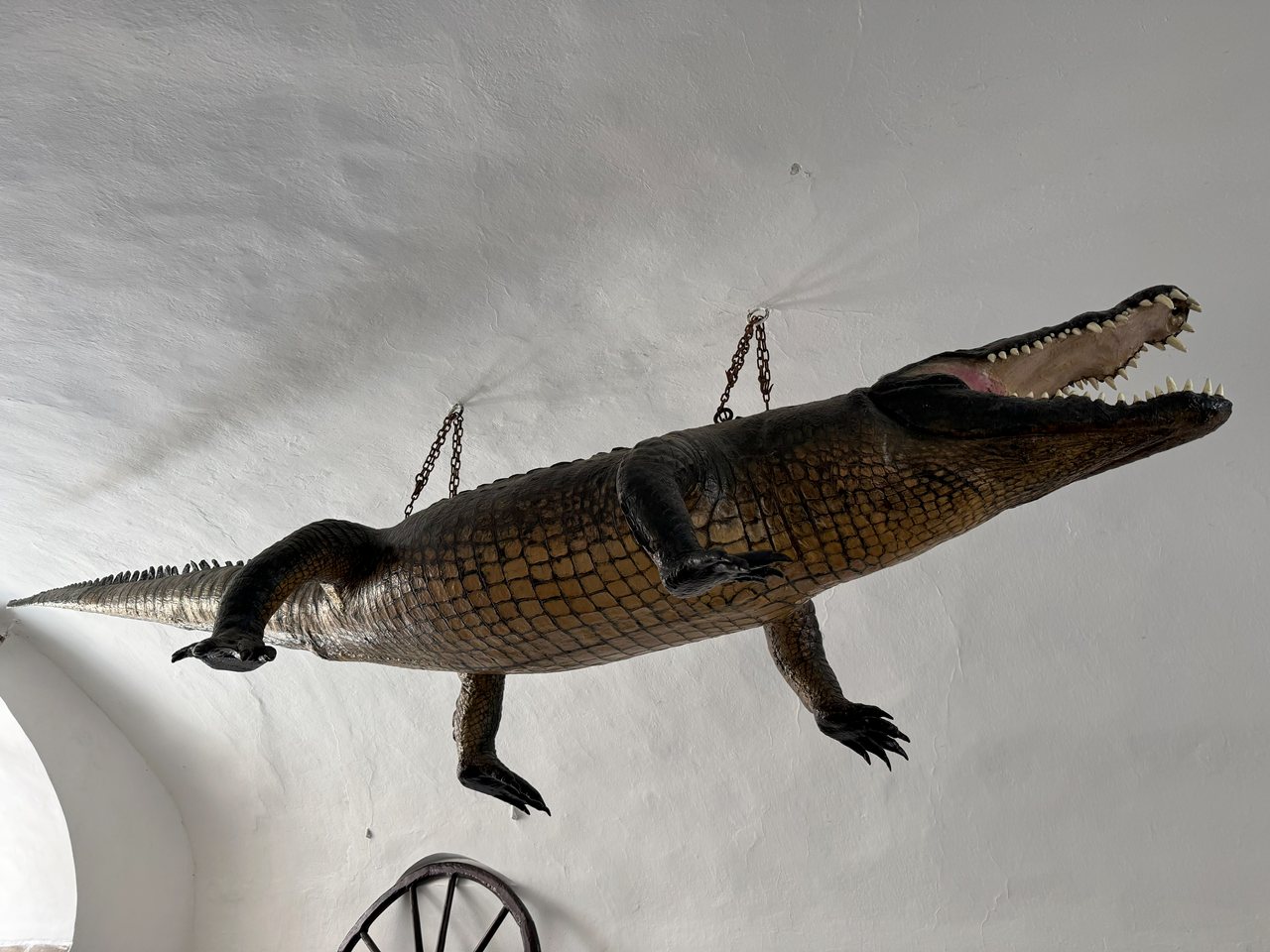
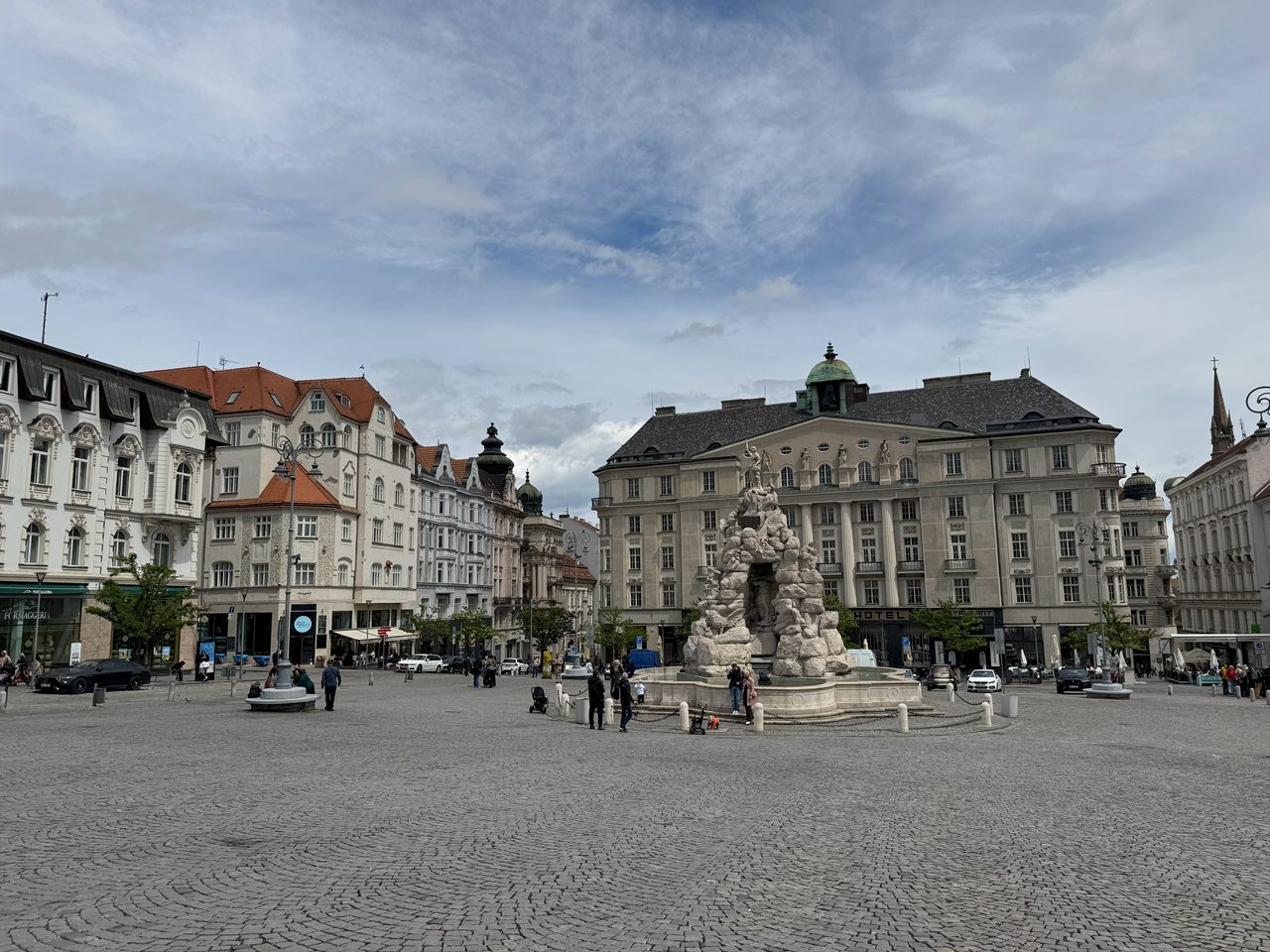
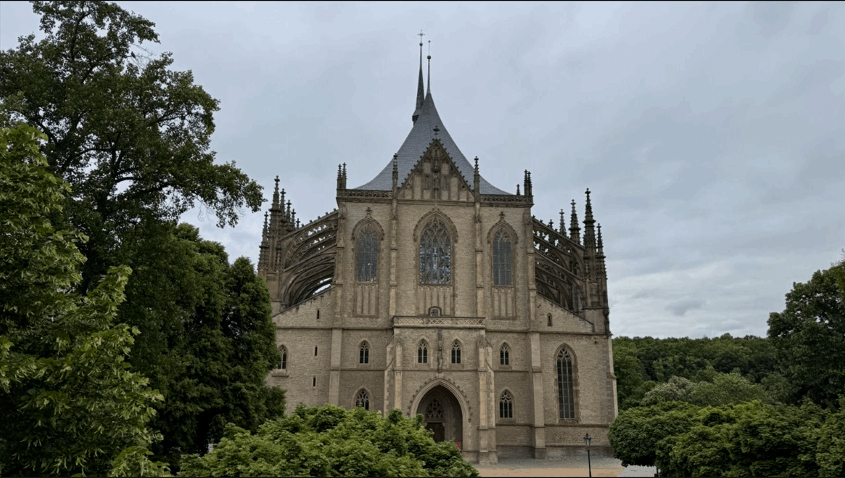
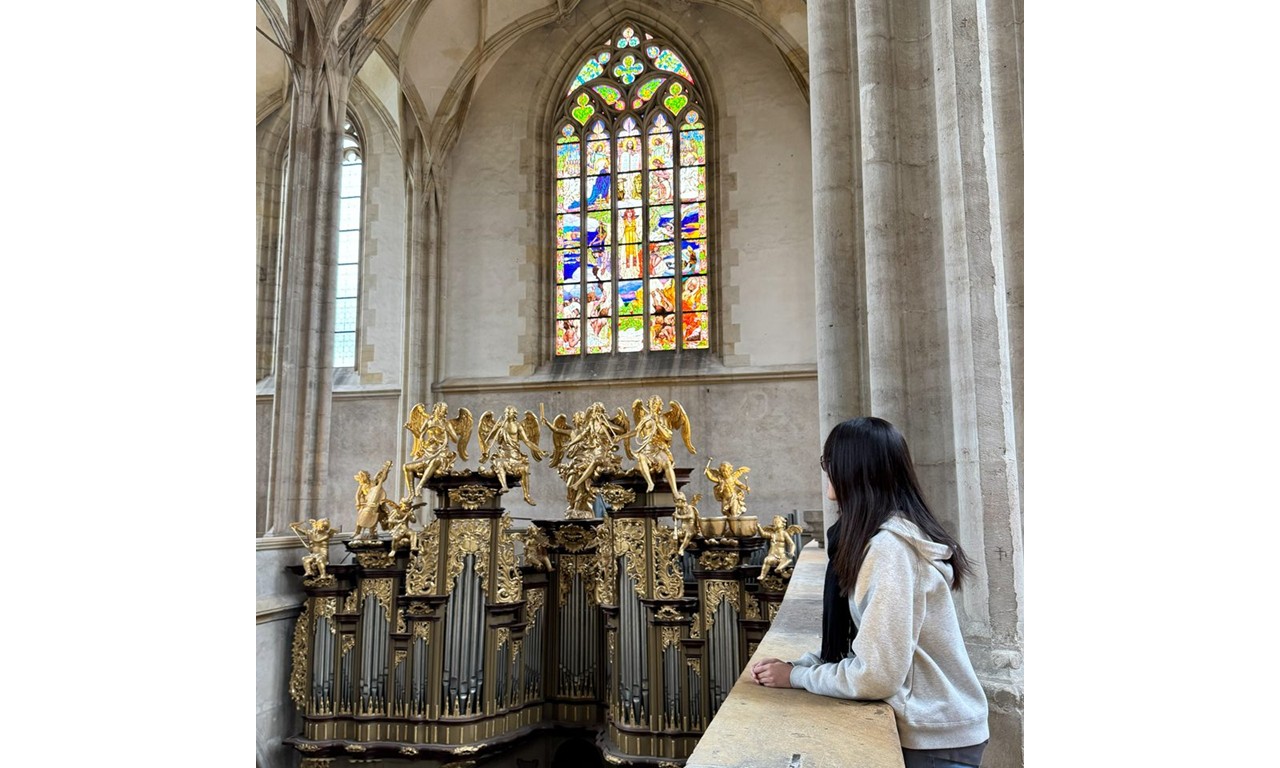
This study tour brought me new perspectives on the beautiful country of Czechia. Prague is not only famous for its beautiful buildings, but it is also rich in heritage sites. During this study tour, we visited four cities in Czechia: Prague, Český Krumlov, Brno, and Kutná Hora. Every May, there is a music festival called the Prague Spring International Music Festival, which attracts musicians and audiences from both local and international communities.
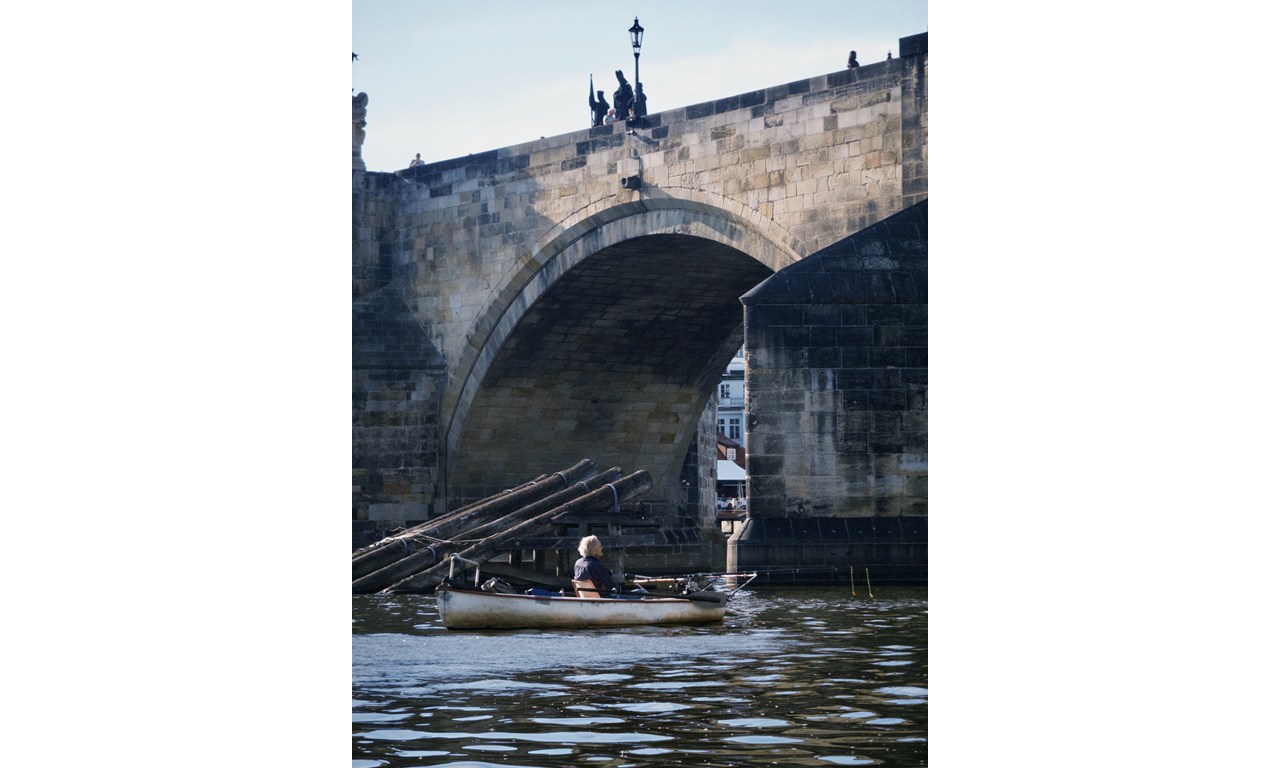
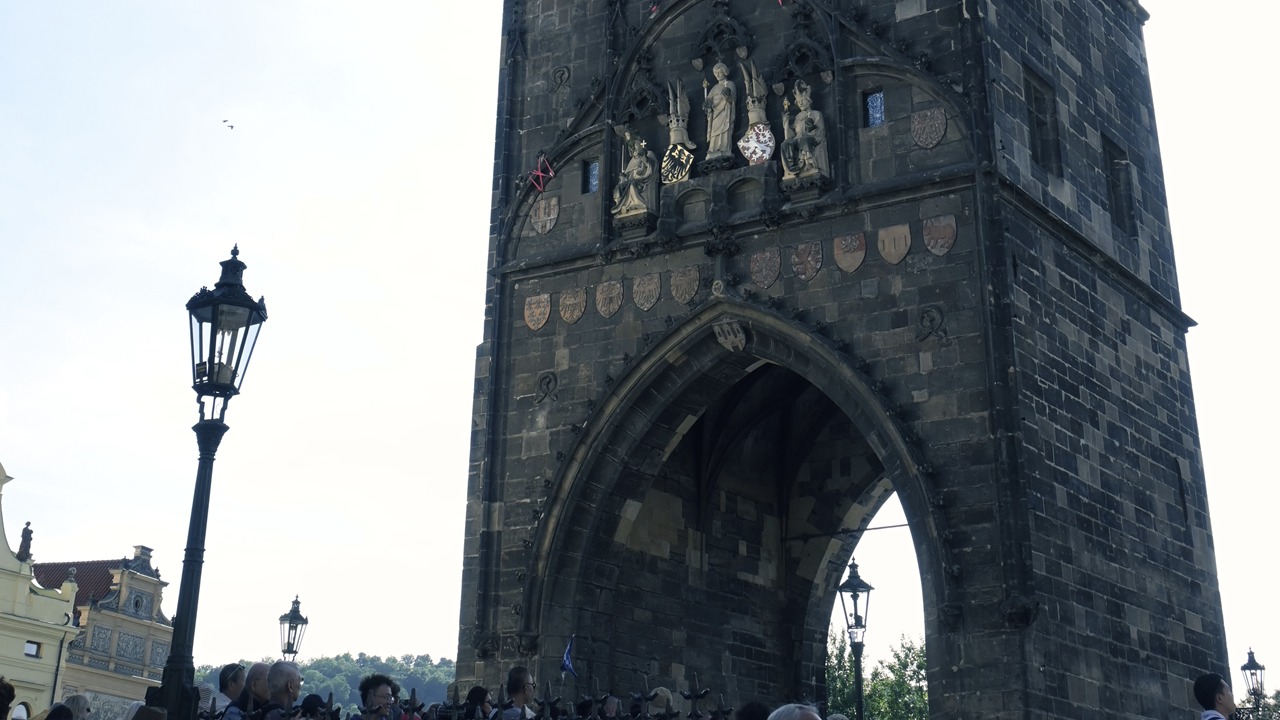
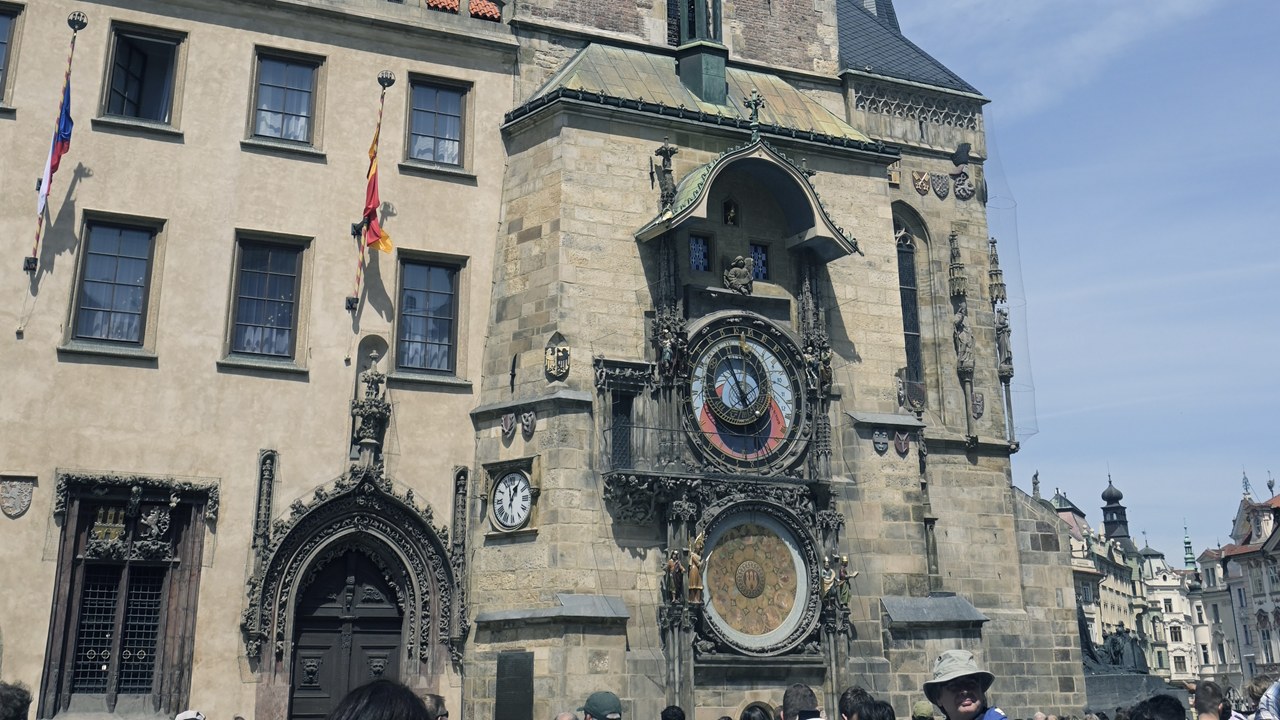
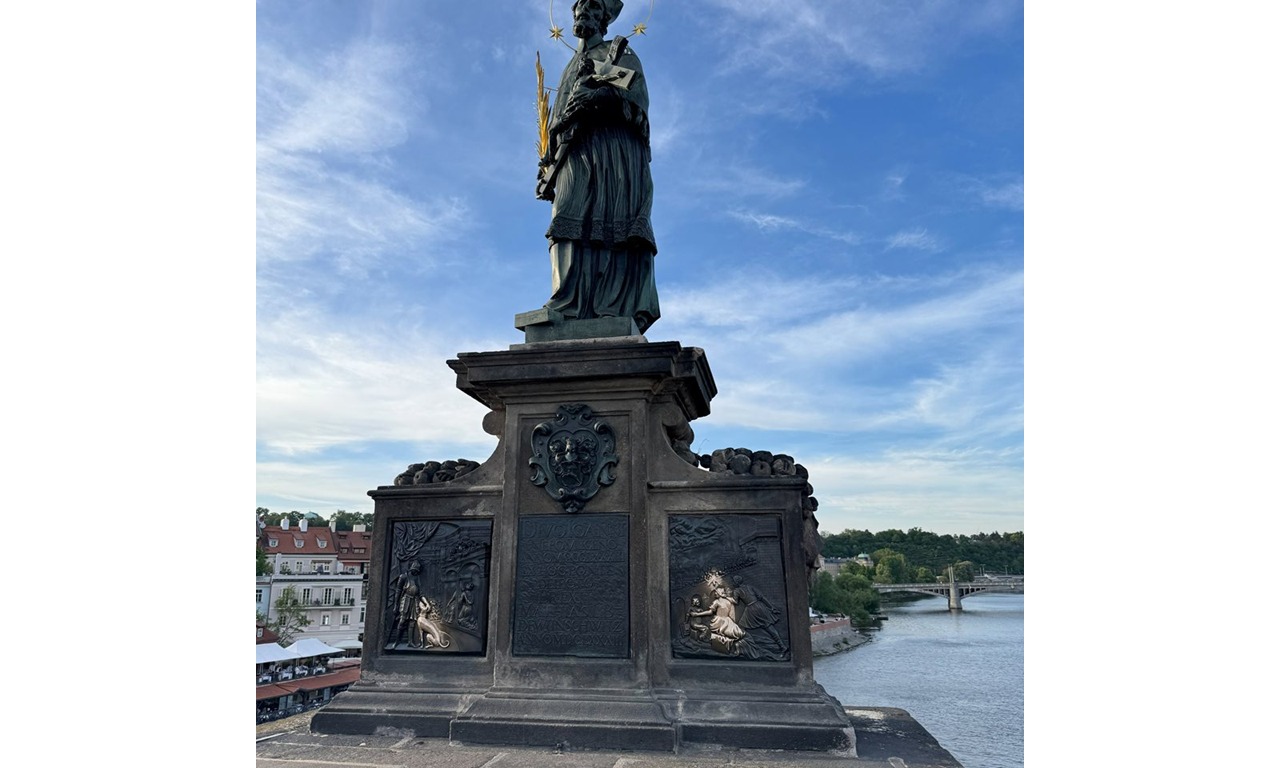
On the first day, after arriving in Prague, we attended a concert to immerse ourselves in its music culture. The following day, we enjoyed a city walk at Prague’s Old Town Square and visited the astronomical clock. While walking across the Charles Bridge, we encountered statues of historical figures, each with their stories explained on site. The well-preserved heritage in Prague illustrates how the city emphasises its history.
The Jewish Museum in Prague and the Church of Bones in Kutná Hora are places for contemplation. In the Jewish Museum, there are colorful drawings by children who survived WWII, showcasing their creativity and resilience. The Church of Bones in Kutná Hora was built in 14th century after the Hussite Wars and the Black Death. The aim of constructing this church was to control the evil spirits of those who died in Hussite wars and the Black Death, assuring that they are well-protected by angels in heaven. The Church of Bones also serves as a reminder for people to live in the present and enjoy a happy life.
Returning from this fruitful journey, I treasured the discoveries made during my stay in Czechia and have learnt to celebrate life with gratitude.
Acknowledgement
Source: Prof Anatoly Oleksiyenko; Department of Education Policy and Leadership (EPL@EdUHK)